

P0300 on 2019-2022 Audi A7: Random Misfire Causes and Fixes
P0300 on a 2019-2022 Audi A7 indicates random cylinder misfires. The most common culprits are worn spark plugs or failing ignition coils. Start by checking these components, as they are the most frequent and cost-effective fixes. However, be aware of other known issues on the EA839 engine, such as carbon buildup and potential rocker arm wear, which can also cause this code.
- P0300 means your Audi A7 has random engine misfires, which should be addressed immediately to prevent engine or catalytic converter damage.
- The most likely causes are simple maintenance items: spark plugs and ignition coils. Always start your diagnosis there.
- If the check engine light is flashing, pull over and shut off the engine as soon as it is safe to do so. Do not continue driving.
- Due to the complexity of this engine and multiple TSBs, if basic ignition parts don't solve the issue, check with a dealer for a potential software update before proceeding to more expensive repairs.
- Be aware of rare but serious mechanical issues like rocker arm failure, especially if you hear a rhythmic ticking from the engine.
What's Unique About the 2019-2022 Audi A7
The 2019-2022 Audi A7 uses a sophisticated 3.0L turbocharged V6 engine (part of the EA839 family) with direct injection and a 48-volt mild-hybrid system. While the common causes for misfires like plugs and coils still apply, this platform's complexity introduces other variables. The direct injection design makes it prone to carbon buildup on intake valves, a common cause of misfires not addressed by fuel system cleaners. Furthermore, early production EA839 engines have a known, albeit not universal, issue with rocker arm bearing failure that can lead to misfires and catastrophic engine damage. The 48-volt system, which uses a Belt Alternator Starter (BAS), is generally reliable but has had documented failures of the starter-generator unit, though this typically presents as an electrical system fault rather than a P0300 code. Finally, Audi has issued multiple Technical Service Bulletins (TSBs) for this exact year range and code, instructing technicians to gather data rather than prescribing a single fix (e.g., A0124212069038_5, A0123362058038_4), suggesting that diagnosing a P0300 can sometimes be challenging, even for dealerships.
Diagnostic Flowchart
Tap your situation to follow the diagnostic path that matches what you're seeing on this vehicle.
Symptoms You May Notice
- Flashing or solid Check Engine Light
- Rough or shaking engine idle
- Engine hesitation or stumbling during acceleration
- Noticeable loss of engine power
- Reduced fuel economy
- Smell of fuel from the exhaust
- Hard starting and extended cranking
- Whistling noise from the engine bay, potentially indicating a PCV system failure
- Replacing only one spark plug or coil when others are near the end of their service life.
- Replacing oxygen sensors when the issue is actually a vacuum leak or fuel delivery problem causing the sensor to report unusual readings.
- Assuming a misfire is always ignition-related without checking for carbon buildup on intake valves, a common issue on GDI engines.
- Mistaking the loud, normal ticking of the high-pressure fuel injectors for a problematic valvetrain noise.
Most Likely Causes
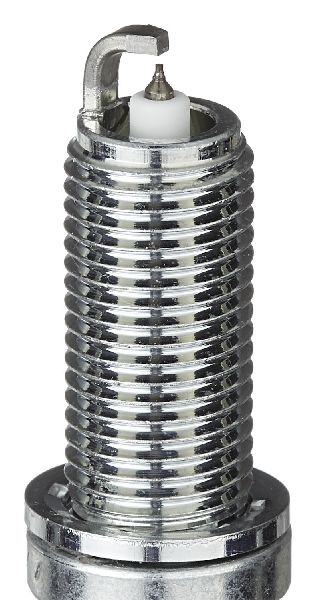
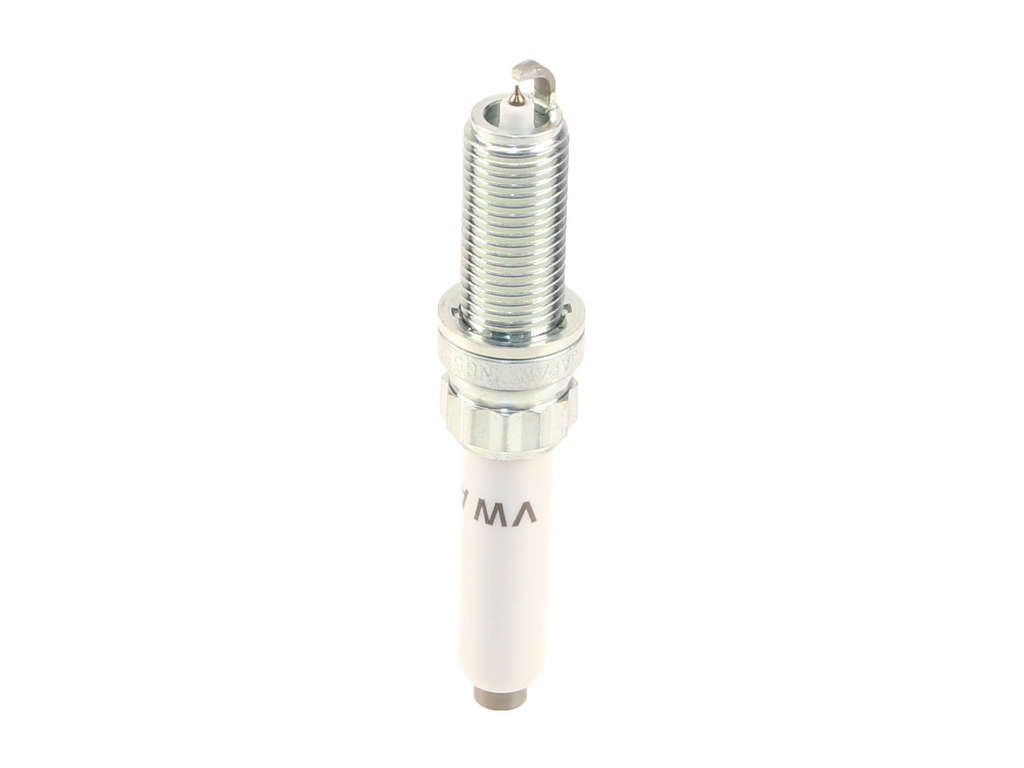
- Worn or Fouled Spark Plugs 🔴 High Probability → Shop Spark Plug Spark plugs are a primary maintenance item and the most common cause of misfires on virtually all gasoline engines. The high-energy ignition on modern turbo engines can wear them out. The recommended service interval is typically around 40,000 miles.
How to confirm: Inspect the spark plugs for wear, fouling (black, oily, or white deposits), and check if the gap is to specification. A common diagnostic step is to swap the spark plug from a misfiring cylinder to a known good one and see if the misfire code follows.
Typical fix: Replace all six spark plugs as a set. 🎬 Watch: How to install performance ignition coils and spark plugs. It is not recommended to replace only one. A recommended spark plug for tuned applications is the NGK SILKGR9A7ES, gapped appropriately.
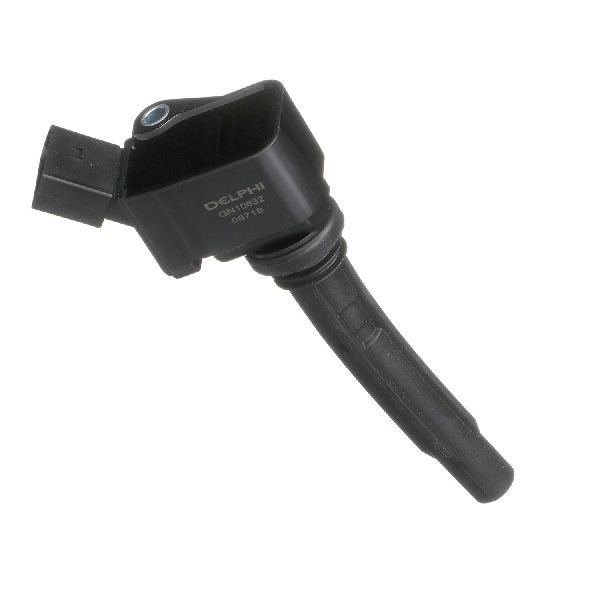
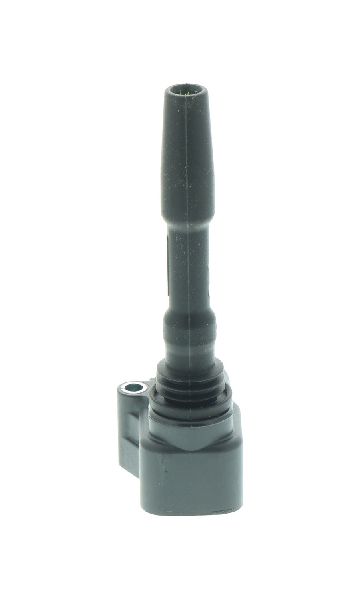
Est. part cost: $100-$200 - Failing Ignition Coil(s) 🔴 High Probability → Shop Ignition Coil Ignition coils provide the high voltage needed to fire the spark plugs. Like spark plugs, they are a common failure point and can fail due to heat and age, leading to a loss of power and a flashing check engine light. They typically last around 60,000-80,000 miles.
How to confirm: Swap the ignition coil from a misfiring cylinder (if identified by a P030x code) with a coil from a non-misfiring cylinder. Clear the codes and drive the vehicle. If the misfire code moves to the new cylinder, the coil is bad.
Typical fix: Replace the faulty ignition coil. It is often recommended to replace them as a set if they are original and the vehicle has high mileage. Aftermarket options with improved heat dissipation are available.
Est. part cost: $40-$80 per coil - Intake Valve Carbon Buildup 🟡 Medium Probability Because the EA839 is a direct-injection (GDI) engine, fuel is sprayed directly into the cylinder, not over the intake valves. This means oil vapors from the PCV system can bake onto the hot valves, creating carbon deposits. This buildup restricts airflow, especially at idle, causing random misfires. This issue can start to manifest in as few as 20,000 miles.
How to confirm: A visual inspection with a borescope is the most definitive way to confirm carbon buildup on the intake valves. This is often suspected after ignition and fuel system components have been ruled out, especially on vehicles with over 50,000 miles or those primarily used for short trips.
Typical fix: Mechanical cleaning is required, most commonly via walnut shell blasting. This process uses crushed walnut shells to safely scour the carbon off the valves without damaging the engine. 🎬 See how to safely walnut blast your intake valves. Chemical cleaners added to fuel are ineffective as they never reach the valves.
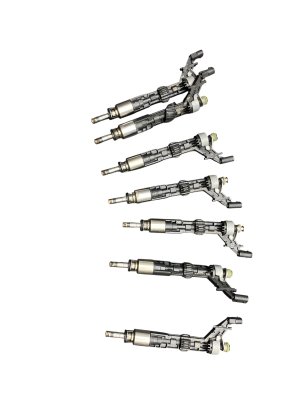
Est. part cost: $0 (if renting tools) - $100 (for walnut media and adapters) - Faulty Fuel Injector 🟡 Medium Probability → Shop Fuel Injector These engines use Gasoline Direct Injection (GDI), where injectors spray fuel directly into the combustion chamber under high pressure. They can become clogged or fail electronically, leading to an improper fuel mixture and misfires. A leaking injector can also cause a rich running condition and a smell of fuel.
How to confirm: This is more complex. A professional would use a scan tool to monitor fuel trims and perform an injector balance test. A strong smell of fuel is a major indicator of a leaking injector.
Typical fix: Replace the faulty fuel injector. This is a more involved job due to the high-pressure fuel system. There are different part numbers for EU5 and EU6 emissions standards, so verifying the correct part for the vehicle's VIN is critical.
Est. part cost: $150-$300 per injector - Vacuum Leak (PCV System Failure) ⚪ Low Probability The EA839 engine's PCV system, particularly the oil separator/breather assembly, is a known failure point. The internal diaphragm or check valves can fail, allowing unmetered air into the intake or boost pressure into the crankcase, which disrupts the air-fuel ratio and can cause misfires, a rough idle, and a distinct whistling noise.
How to confirm: A smoke test is the most effective method for finding general vacuum leaks. For the specific PCV failure, symptoms like a whistling noise, high oil consumption, or oil leaks are strong indicators. Checking for oil in the air intake system can also point to a failed PCV valve.
Typical fix: Replace the leaking hose, gasket, or the entire PCV valve (oil separator) assembly. It is critical to use the correct part number for your vehicle's VIN, as revisions exist.
Est. part cost: $20-$200
Rare But Worth Checking
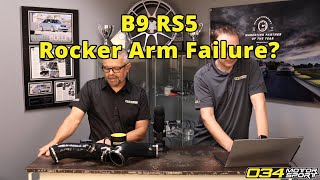
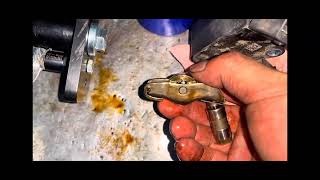
- Rocker Arm / Camshaft Failure: → Shop Engine Rocker Arm The EA839 engine, particularly in earlier 2018-2019 models, has a known issue where needle bearings in the rocker arms can fail, shedding metal into the engine and damaging the camshaft lobes. This often presents as a rhythmic ticking noise from the top of the engine that increases with RPM, 🎬 Listen: This is what a failing rocker arm sounds like. and can cause misfire codes, sometimes accompanied by a cam position sensor fault if metal debris is picked up by the sensor. This is a serious mechanical issue that requires immediate attention and can be an engine-out repair.
- Engine Software Issue: TSB A0123802069038_4 and A0122312069038_1 mention that for some vehicles in this range, an engine control module software update is available to correct misfire detection and prevent the MIL from illuminating. This should be checked by a dealer or qualified shop with access to Audi service bulletins.
- 48V Mild Hybrid System Fault: While unlikely to cause a P0300 code directly, a failure of the 48V system's Belt-Alternator-Starter (BAS) can cause a variety of electrical warnings and driveability issues. These failures are a known issue on several Audi models, with Audi extending the warranty on the part in some regions. A P0300 code appearing concurrently with electrical system warnings could indicate a complex interaction, but the BAS fault is typically the primary concern.
Diagnosis Steps
- Read the trouble codes with an OBD-II scanner. Note the P0300 code and any specific cylinder misfire codes (P0301-P0306). Check freeze frame data to see the conditions under which the misfire occurred.
- If a specific cylinder is identified (e.g., P0304), swap the ignition coil from that cylinder with another (e.g., cylinder 1). Clear the codes and drive. If the code changes to P0301, the ignition coil is faulty.
- If the misfire does not move, swap the spark plug from the original misfiring cylinder with another. Clear codes and drive. If the code now follows the spark plug, the plug is faulty.
- If the misfire remains on the original cylinder after swapping the coil and plug, the issue may be the fuel injector or a mechanical problem.
- Inspect for vacuum leaks. Listen for hissing or whistling sounds around the intake manifold and PCV system. A professional smoke test is the most reliable method. Specifically check the PCV breather hose for known failures.
- Check fuel pressure and fuel trims with a capable scan tool. This can indicate a problem with the fuel pump or injectors.
- Use a scan tool like VCDS to monitor misfire counts per cylinder in real-time via Measuring Blocks or Advanced Measuring Values. This can help identify intermittent misfires that don't set a specific cylinder code.
- If other diagnostics fail, perform a borescope inspection of the intake valves for carbon buildup, a common issue on this engine.
- Listen for a distinct metallic ticking from the upper engine that increases with RPM, which could indicate the rare but serious rocker arm failure.
Parts You'll Likely Need
- Spark Plugs
(OEM #06M905606F)— These are the most common cause of misfires and are a routine maintenance item.
Trusted brands: NGK, Bosch, Audi Genuine
OEM price range: $150-$250
Aftermarket price range: $100-$200 - Ignition Coil
(OEM #06H905110G / 06J905110P)— The second most common cause of misfires. They provide the spark and fail over time.
Trusted brands: Bosch, Eldor, Bremi, APR
OEM price range: $60-$100
Aftermarket price range: $40-$80 - Fuel Injector — A potential cause on direct-injection engines if ignition components are confirmed to be good.
Trusted brands: Bosch, OEM
OEM price range: $200-$350
Aftermarket price range: $150-$250 - PCV Breather Hose
(OEM #06M129041)— A known failure point on the EA839 engine that can cause vacuum leaks and misfires.
Trusted brands: Audi Genuine, 034Motorsport
OEM price range: $50-$100
Aftermarket price range: $70-$120
Related Codes That Often Appear With This One
- P0301-P0306 — These codes specify which cylinder is misfiring (e.g., P0301 for Cylinder 1). P0300 is often set alongside one or more of these codes, which helps in diagnosis.
- P0341/P0346 — Camshaft Position Sensor codes. If a rare rocker arm/camshaft issue is the cause, these codes may appear alongside the P0300 misfire code, sometimes due to metal debris from the failing bearing interfering with the sensor's magnetic reading.
- P052E / P2279 — Codes related to the PCV system and intake air leaks. A failed PCV valve/hose is a known cause of vacuum leaks on the EA839 engine and can lead to misfires.
- P0087 — Fuel Rail/System Pressure - Too Low. This code can accompany a P0300 if the misfire is caused by a failing High-Pressure Fuel Pump (HPFP) that cannot supply enough fuel to the injectors.
Technical Service Bulletins (TSBs) & Recalls
- A0123362058038_4: Requests technicians open a PSS (Pending Service Solutions) record for P0300-P0306 codes.
- A0124212069038_5: Provides information for when the MIL is on with cylinder misfire codes P0300-P0306.
- A0123912069038_5: Provides information for when the MIL is on with DTCs P0300-P0306.
- A0123802069038_4: Provides information for cylinder misfires and notes that a software update may be the solution.
- A0123852058038_5: Instructs technicians to create a Pending Service Solutions record for misfires with DTCs P0300 through P0306.
Platform-Specific Known Issues
- A series of TSBs (A0123362058038_4, A0124212069038_5, A0123852058038_5) from 2021-2024 instruct dealers to document and report instances of P0300-P0306 codes, indicating Audi is actively tracking a potentially complex issue without a single universal fix.
- TSB A0123802069038_4 specifically mentions that a software update for the engine control module is available for some vehicles to improve misfire detection logic.
- A known failure point for the EA839 engine is the PCV breather hose check valve, which can fail and cause a significant vacuum leak, leading to misfires. Audi has issued a TSB regarding this.
- Early production (2018-2020) EA839 engines have a higher incidence of rocker arm bearing failure, which is a major mechanical fault that can present with a P0300 code.
Mechanic-Grade Diagnostic Values
- Low-Pressure Fuel Pump (LPFP) pressure — expected: Roughly 4 to 6 bar. Failure: Pressure significantly below this range indicates a failing in-tank pump.
- High-Pressure Fuel Pump (HPFP) pressure — expected: Up to 200 bar (approx. 2900 PSI) depending on factory parts and demand.. Failure: Failure to reach target pressure under load, often setting a P0087 code.
Hidden / Shadow Codes Worth Checking
- Misfire Counter per cylinder: This is not a formal DTC but live data that shows the exact number of misfire events for each cylinder. It is invaluable for diagnosing random misfires (P0300) when a specific cylinder code (P0301-P0306) is not yet stored. (see via Using a VAG-specific scan tool like VCDS or OBD11. In VCDS, this is found in Measuring Blocks (e.g., Groups 014, 015, 016 for older protocols) or under Advanced Measuring Values by searching for 'misfire' on newer UDS controllers.)
Scan Tool Commands That Help
- VCDS (VAG-COM): Advanced Measuring Values - Misfire Counter — Use this to monitor live misfire counts on each cylinder during idle and under load. This helps pinpoint which cylinder(s) are contributing to a P0300 code, even if they aren't misfiring enough to set a specific P030x code.
- ODIS (Official Dealer Information System): Guided Fault Finding — When a P0300 code is present, ODIS initiates a guided test plan. It prompts the technician through a logical sequence of checks, accesses relevant TSBs, and can perform specific component tests, making it the most thorough diagnostic approach.
- ODIS: Software Version Management (SVM) — To check if the engine control module's software is up-to-date. As noted in TSBs A0123802069038_4 and A0122312069038_1, a software update may be the prescribed fix for misfire detection issues.
Wiring & Ground Locations
- Engine/ECU Wiring Diagrams — Not a single point, but the complete set of diagrams for the engine electrical system.. For diagnosing persistent misfires not caused by common components, a wiring diagram is essential for tracing the circuits for ignition coils, fuel injectors, and their related sensors back to the ECU. This allows a technician to check for continuity, shorts to ground, or damaged wires. These diagrams are accessible through dealer tools like ODIS or can sometimes be found for purchase online.
Real Owner Repair Stories
- Carly Community User (2020 Audi A7 Hybrid) — Check engine light, power loss, blue smoke under acceleration, increased oil consumption, rough idle, and a whistling noise.
❌ Tried (didn't work) Initial diagnostics were inconclusive without professional tools.
✅ What actually fixed it A certified workshop confirmed a failed PCV (crankcase ventilation) system. The repair involved replacing the PCV valve, breather hoses, and valve cover gasket, which resolved all symptoms. The total cost was approximately 360 Euro.
OEM Part Supersession History
06H 905 110 D / E / F→06H 905 110 G / L, 06L 905 110 H, 06K 905 110 K— Revisions to improve reliability and performance of ignition coils.
Heads up: While many are interchangeable, it is always best practice to replace coils as a full set with the latest revision to ensure consistent performance.06M 906 036 K / AA / AC→06M 906 036 AM / AP— Revisions for fuel injectors, potentially for reliability or emissions compliance.
Heads up: Crucially, there are different injectors for EU5 and EU6 emissions standards. For example, part number 06M906036AC is for EU5 while 06M906036T is for EU6. Installing the wrong type can cause running issues. Always verify the correct part number via VIN.
Model Year Variations Within This Range
- 2019+: The C8 generation A7, starting in 2019, introduced a 48-volt mild-hybrid system across all V6 powertrains. This system uses a Belt Alternator Starter (BAS) and adds a layer of complexity compared to older models, introducing a new, albeit rare, potential point of failure that can cause driveability issues.
- 2020+: Fuel injectors for the 3.0T CWG engine changed around mid-2020 to comply with EU6 emissions standards. Pre-06/2020 vehicles may use EU5 injectors, while post-06/2020 vehicles use EU6 injectors. They are not interchangeable.
Helpful Videos


Used OEM Parts in Stock
New Aftermarket Parts Available


The information in this article is provided for general reference and educational purposes only. Vehicle specifications, procedures, and part compatibility can vary by production date, trim level, and region. Always consult your vehicle's factory service manual and verify part numbers before purchasing or performing repairs. Safety-critical components such as airbags, seat belts, and braking systems should be installed by a qualified professional.
- Audi A7:
- 🧭 Diagnostic Flowchart
- 🎬 Helpful Videos
- 🛍️ Shop This Part
- What's Unique About the 2019-2022 Audi A7
- Symptoms You May Notice
- Most Likely Causes
- Rare But Worth Checking
- Diagnosis Steps
- Parts You'll Likely Need
- Related Codes That Often Appear With This One
- Technical Service Bulletins (TSBs) & Recalls
- Platform-Specific Known Issues
- Mechanic-Grade Diagnostic Values
- Hidden / Shadow Codes Worth Checking
- Scan Tool Commands That Help
- Wiring & Ground Locations
- Real Owner Repair Stories
- OEM Part Supersession History
- Model Year Variations Within This Range
- 🎟️ Get 5% Off