

P0300 on 2020-2021 Audi Q7: Random Misfire Causes and Fixes
P0300 on a 2020-2021 Audi Q7 signifies random cylinder misfires. The most common causes are faulty ignition coils and worn spark plugs. An important first step is to check with an Audi dealer for a crucial ECM software update covered by a TSB that specifically addresses this code.
- P0300 indicates random misfires on your Audi Q7, a serious issue that requires prompt attention.
- Before replacing any parts, contact an Audi dealer to check if your vehicle needs a critical ECM software update covered by a TSB.
- The most common parts to fail are ignition coils and spark plugs. These are DIY-friendly to replace and should be done as a set.
- A flashing check engine light means STOP driving to prevent catastrophic damage to your catalytic converters.
- If you hear a metallic ticking noise along with the misfire, see a professional immediately to rule out a more severe internal engine problem like rocker arm failure.
What's Unique About the 2020-2021 Audi Q7
For the 2020-2021 Audi Q7, particularly those with the 3.0L V6 engine (engine code DCBD), a P0300 code is frequently linked to specific issues addressed by Audi. The manufacturer has issued Technical Service Bulletins (TSBs) indicating that an Engine Control Module (ECM) software update is required to correct over-sensitive misfire detection logic. Beyond software, this engine generation (EA839) has also shown a susceptibility to rocker arm bearing failures, which can present as a distinct ticking noise from the top of the engine followed by misfires. Proper diagnosis is critical to rule out this severe mechanical issue before focusing on more common causes like ignition components.
Diagnostic Flowchart
Tap your situation to follow the diagnostic path that matches what you're seeing on this vehicle.
Symptoms You May Notice
- Rough or vibrating idle.
- Hesitation or stumbling during acceleration.
- Flashing Check Engine Light (CEL).
- Noticeable loss of engine power.
- Reduced fuel economy.
- Smell of raw fuel from the exhaust.
- Engine cuts out or jerks unexpectedly.
- Replacing only spark plugs when the ignition coils are also weak.
- Replacing oxygen sensors, which are more likely to be a symptom of the misfire (due to unburnt fuel) rather than the cause.
- Confusing the normal, loud ticking of the high-pressure fuel injectors with the more ominous, slower, and louder ticking of a failing rocker arm.
Most Likely Causes
- Engine Control Module (ECM) Software Update Needed 🔴 High Probability → Shop Engine Control Module (ECM) Audi has released specific TSBs (e.g., 2069038/4 and later revisions) for this exact issue on 2020-2021 models, indicating the factory software is too sensitive or has logic errors in detecting misfires. This is a widely reported first-step fix by dealerships.
How to confirm: Contact an Audi dealership with your vehicle's VIN and inquire about TSB 2069038. They can verify if the software update has been performed. The TSB specifically mentions DTCs P0300 through P0306.
Typical fix: An Audi dealer or qualified shop with the correct tools performs a Software Version Management (SVM) update on the ECM (J623) using the ODIS diagnostic system. This is not a DIY repair.
Est. part cost: $0-$250 - Failing Ignition Coil(s) 🔴 High Probability → Shop Ignition Coil Ignition coils are a common wear item on modern direct-injection Audi engines and a frequent cause of misfires. Heat and vibration cause the internal windings to fail over time.
How to confirm: Use a scan tool to identify the specific misfiring cylinders (e.g., P0301, P0302). Swap the ignition coil from a misfiring cylinder with one from a non-misfiring cylinder. Clear the codes and see if the misfire code 'moves' to the new cylinder.
Typical fix: Replace the faulty ignition coil. It is best practice to replace all coils as a set if they are original and have high mileage. Many owners opt for OEM brands like Eldor or reputable aftermarket brands like APR.
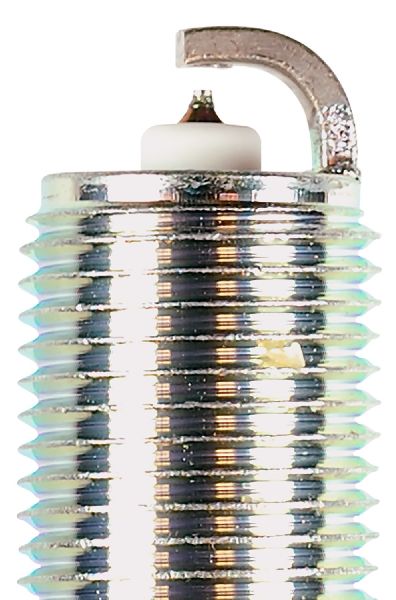
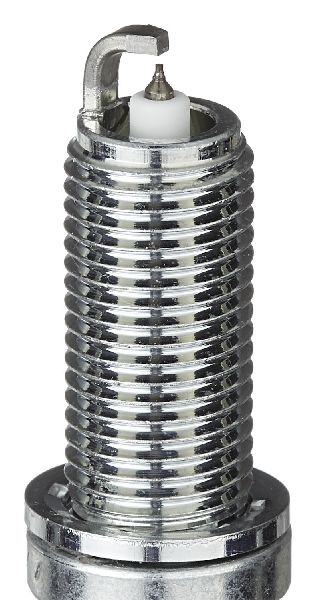
Est. part cost: $40-$80 per coil - Worn Spark Plugs 🟡 Medium Probability → Shop Spark Plug Spark plugs are a regular maintenance item with a finite lifespan. The service interval is typically around 40,000 miles. Worn electrodes or incorrect gaps lead to a weak spark and misfires.
How to confirm: Remove the spark plugs from the misfiring cylinders and inspect them for wear, fouling (black, oily, or white deposits), and correct gap. Compare them to a new plug. Heavy deposits can also indicate other issues like oil consumption.
Typical fix: Replace all six spark plugs as a set. This should always be done when replacing ignition coils. Use of anti-seize is not recommended by the manufacturer for these specific plugs.
Est. part cost: $120-$200 for a set of 6 - Faulty Fuel Injector(s) ⚪ Low Probability → Shop Fuel Injector Direct injection fuel injectors operate under high pressure and can become clogged or fail electronically, causing an incorrect fuel spray pattern or amount. The ticking sound of healthy injectors can sometimes be confused for a problem.
How to confirm: This is more complex to diagnose and is often a process of elimination after ignition components are ruled out. It may involve swapping injectors between cylinders (similar to coils) or having a professional perform a fuel injector balance test.
Typical fix: Replace the faulty fuel injector and its seals. This is a more labor-intensive job than coils or plugs.
Est. part cost: $150-$300 per injector
Rare But Worth Checking
- Rocker Arm Bearing Failure: → Shop Engine Rocker Arm The EA839 3.0T engine has a known, albeit uncommon, issue with premature rocker arm needle bearing failure. This typically causes a loud, rhythmic ticking/tapping noise from the upper engine that is distinct from the normal injector tick. The bearings can fall out, leading to misfires and potentially catastrophic engine damage if ignored. While more common on pre-2020 models, the issue can still occur on 2020+ versions which use an updated part. Immediate professional diagnosis is required if this is suspected.
- Low Fuel Pressure: A failing low-pressure (in-tank) or high-pressure fuel pump (HPFP) can starve the engine for fuel, causing lean misfires across all cylinders. This is often accompanied by code P0087 (Fuel Rail/System Pressure - Too Low). A recall was issued for some 2020-2021 Q7 models for a fuel pump component that could break and cause failure.
- Vacuum Leak: A leak in the intake system, often from a cracked hose or failed PCV valve, can introduce unmetered air and cause a lean condition that leads to random misfires. A smoke test is the best way to diagnose this. The PCV breather hose on the EA839 is a known failure point that may not be found with a simple smoke test.
- Carbon Buildup on Intake Valves: As a direct-injection engine, the EA839 is susceptible to carbon accumulation on the back of the intake valves over time. This can impede airflow into the cylinders, causing turbulence and misfires. This is more common on higher-mileage vehicles and is often resolved by walnut shell blasting.
- Low Engine Compression: This indicates a serious mechanical engine problem, such as worn piston rings, a burnt valve, or a leaking head gasket. An owner of a 2017 Q7 with high oil consumption experienced this, leading to multiple misfire codes. A compression test and a cylinder leak-down test are needed to confirm.
Diagnosis Steps
- Check for TSBs: Before buying any parts, contact an Audi dealer with your VIN to see if your vehicle needs the ECM software update mentioned in TSB 2069038. This is the most important first step for this specific vehicle.
- Scan for Codes: Use an OBD-II scanner to read all fault codes. Note the specific cylinder misfire codes (P0301-P0306) and any other accompanying codes to narrow down the issue. Use a tool like VCDS or OBDeleven to view the live misfire counter for each cylinder.
- Listen to the Engine: On a cold start, listen carefully for any loud, rhythmic ticking from the top of the engine. A failing rocker arm has a distinct sound that is slower and louder than the normal, quieter tick of the fuel injectors.
- Isolate the Misfiring Cylinder: If you have a specific cylinder code (e.g., P0302), swap the ignition coil from that cylinder with a known good one (e.g., from cylinder 1). Clear the codes and drive the vehicle. Re-scan. If the code changes to P0301, the ignition coil is bad.
- Inspect Spark Plugs: If swapping the coil does not change the misfire's location, remove and inspect the spark plug from the misfiring cylinder. Look for signs of wear, oil fouling, or damage. If plugs are old (near 40,000 miles), replace the entire set.
- Check Fuel System: If ignition components are good, the issue may be fuel-related. Diagnosing fuel injectors or fuel pumps often requires specialized tools to measure fuel pressure and injector flow. Check if your vehicle is part of the fuel pump recall.
- Check for Vacuum Leaks: A smoke test is the most effective way to find leaks in the intake manifold, vacuum hoses, or PCV system that could cause random misfires. Pay special attention to the PCV breather hose, as its internal check valve can fail under boost.
- Perform Mechanical Tests: If all else fails, a compression test and cylinder leak-down test can determine if there is a mechanical engine problem like bad valves or piston rings. This step is best left to a professional.
Parts You'll Likely Need
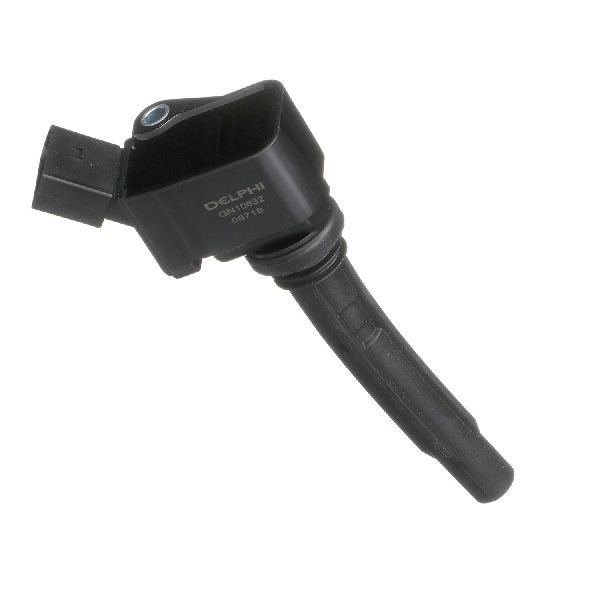
- Ignition Coil
(OEM #06E905115G)— This is the most common hardware failure causing misfires on this engine. It's recommended to replace them in sets. The part number from Pass 1 was incorrect for this engine.
Trusted brands: Bosch, NGK, Eldor, Genuine Audi/VW
OEM price range: $50-$80
Aftermarket price range: $30-$60 - Spark Plug
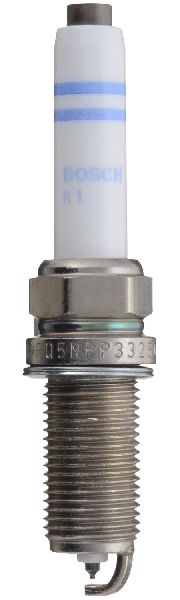
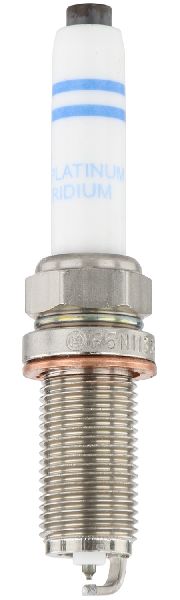
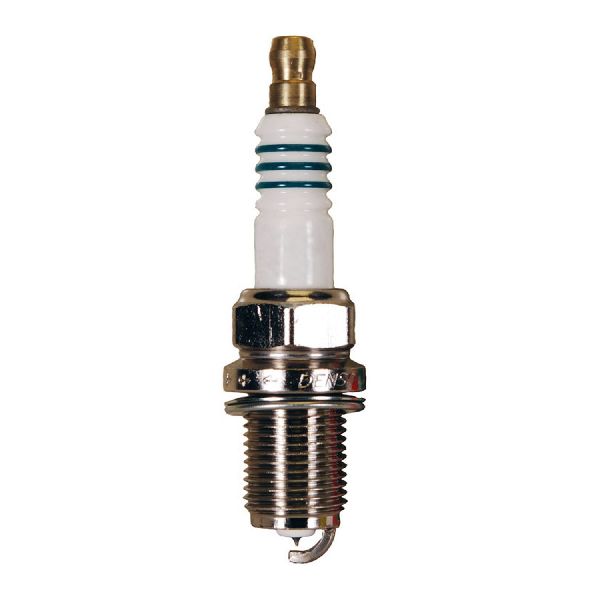
(OEM #06M905606F)— A routine maintenance item that is the second most common cause of misfires. They should be replaced every 40,000 miles or whenever coils are replaced.
Trusted brands: NGK, Bosch, Denso
OEM price range: $20-$35 per plug
Aftermarket price range: $15-$25 per plug
Related Codes That Often Appear With This One
- P0301-P0306 — These codes specify which cylinder is misfiring (e.g., P0301 for Cylinder 1). P0300 indicates a random misfire and will almost always appear with one or more of these specific codes.
- P0087 — This code for 'Fuel Rail/System Pressure - Too Low' can appear if the misfire is caused by a failing fuel pump.
- P0171 / P0174 — These 'System Too Lean' codes can be triggered by a large vacuum leak that is also causing the random misfire.
Technical Service Bulletins (TSBs) & Recalls
- A0124212069038_5 (NHTSA ID: 10257322): Provides information for MIL on with cylinder misfire DTCs P0300-P0306.
- A0123912069038_5 (NHTSA ID: 10247608): Provides information for MIL on with DTCs P0300-P0306.
- A0123802069038_4 (NHTSA ID: 10245648): Provides information for MIL on, cylinder misfires, with DTCs P0300-P0306. This TSB explicitly states that a software update is the solution.
Platform-Specific Known Issues
- Software Update as the Primary Fix: Many owners on forums like AudiWorld report that their P0300 issue on low-mileage 2020-2021 models was resolved completely by the dealer performing the software update outlined in TSB 2069038. This often occurred after the owner first replaced spark plugs and coils with no success, reinforcing the 'software first' diagnostic approach.
- Rocker Arm Failure Experience: → Shop Engine Rocker Arm A user on Reddit with a 2018 S5 (same engine family) described their engine failure experience. It began with a loud ticking sound, which was initially dismissed as the normal high-pressure fuel pump noise. The car later threw a cam position sensor fault and went into limp mode. The root cause was a failed rocker arm bearing that sent metal debris through the engine, which was picked up by the magnetic cam position sensor. This highlights a specific failure progression to be aware of.
Mechanic-Grade Diagnostic Values
- Live Data Misfire Counter — expected: Near zero for all cylinders at idle and under load.. Failure: A rapidly increasing count on one or more cylinders indicates an active misfire. This data is more precise than the generic P0300 code.
- Catalytic Converter Temperature Differential — expected: The outlet temperature should be significantly hotter (at least 100°F / 38°C) than the inlet temperature on a fully warmed-up engine.. Failure: If the outlet temperature is similar to or cooler than the inlet, the converter may be clogged or inactive, which can cause backpressure and misfires.
Hidden / Shadow Codes Worth Checking
- Misfire Counter Live Data: While not a 'code' in the traditional sense, dealer-level (ODIS) and advanced enthusiast (VCDS, OBDeleven) scan tools can access live data showing the exact number of misfire events per cylinder. This allows a technician to see which cylinders are problematic even if they haven't crossed the threshold to set a specific P030x code. (see via Access Engine Control Module (01-Engine) live data blocks or measuring values related to misfire detection.)
Scan Tool Commands That Help
- ODIS (Offboard Diagnostic Information System): Guided Fault Finding — This is the dealer-level procedure. After reading the P0300 code, ODIS will provide a step-by-step test plan, prompting the technician to check specific values and components in a logical order based on known issues and TSBs.
- ODIS / VCDS / OBDeleven: Active Test / Output Test — Used to manually trigger components to verify their function. For a P0300, a technician could use this to test fuel injectors or other electronic components related to the fuel and ignition system.
- ODIS: Software Version Management (SVM) — This is used to perform the critical ECM software update specified in TSBs for this platform. It connects to Audi's servers to verify and install the correct software version to fix over-sensitive misfire detection.
- VCDS (Ross-Tech): Clear Fault Codes (3x) — For some VAG engines, stored misfire adaptations can cause persistent issues. Clearing the fault codes in the engine module three times in a row within 30 seconds can reset these learned values.
Wiring & Ground Locations
- G687 / G752 — For the Q7 (4M platform), ground point 687 is located on the center tunnel, and ground point 752 is on the right-side A-pillar.. The ECM and its related sensors (crank, cam, ignition coils) rely on clean ground connections. A corroded or loose ground point can introduce electrical noise or voltage drops, leading to erratic sensor readings and random misfires.
- Ignition Coil Connector (4-pin) — Connects directly to each of the six ignition coils on the valve covers.. The connector (related part number 8K0 973 724) provides power and the trigger signal to the coil. Back-probing this connector is necessary to test for correct voltage and signal from the ECM. A damaged connector or wiring harness is a potential cause of a misfire on a specific cylinder.
Real Owner Repair Stories
- Reddit user comment in r/Audi (2018 Audi S5 (EA839 engine family)) — Loud ticking noise, followed by car going into limp mode with a camshaft position sensor fault.
❌ Tried (didn't work) Initially thought the ticking was the common high-pressure fuel pump (HPFP) noise.
✅ What actually fixed it The dealer found the oil filter canister was full of metal shavings. The engine was diagnosed as a total loss due to rocker arm failure, requiring a complete engine replacement. - AudiWorld Forums user (Audi B9 S4 (EA839 engine family)) — Heard a knocking/ticking sound and was concerned about rocker arm failure.
❌ Tried (didn't work) Preventatively replaced the rocker arms based on common knowledge of failures.
✅ What actually fixed it After replacing the rocker arms, the noise persisted. The user determined the rockers were actually okay and the sound was likely coming from the vacuum pump at the front of the engine, representing a common misdiagnosis.
"I Checked Everything" — The Actual Cause
- A common scenario for the EA839 engine involves a failed internal check valve in the PCV breather hose. A standard smoke test performed at idle may not reveal a leak. However, under boost, the failed valve allows pressurized air from the intake to enter the crankcase, disrupting the air/fuel mixture and potentially causing oil to be forced past seals. The correct diagnostic method is to remove the hose and manually test it by blowing into the port that connects to the charge pipe; if air passes through, the check valve has failed.
Model Year Variations Within This Range
- 2020-2021: The 2020 model year marked the switch from the previous generation's 3.0L supercharged V6 to the 3.0L turbocharged V6 (EA839, engine code DCBD). The 2021 model is mechanically identical regarding the powertrain.
- 2020+: Compared to earlier EA839 engines (2017-2019), the 2020+ models are fitted with updated rocker arms that have larger/thicker needle bearings to mitigate the risk of failure. However, failures, while less common, can still occur, often attributed to oil lubrication issues.
Helpful Videos
Used OEM Parts in Stock
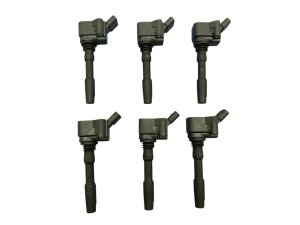
New Aftermarket Parts Available

The information in this article is provided for general reference and educational purposes only. Vehicle specifications, procedures, and part compatibility can vary by production date, trim level, and region. Always consult your vehicle's factory service manual and verify part numbers before purchasing or performing repairs. Safety-critical components such as airbags, seat belts, and braking systems should be installed by a qualified professional.
- Audi Q7:
- 🧭 Diagnostic Flowchart
- 🎬 Helpful Videos
- 🛍️ Shop This Part
- What's Unique About the 2020-2021 Audi Q7
- Symptoms You May Notice
- Most Likely Causes
- Rare But Worth Checking
- Diagnosis Steps
- Parts You'll Likely Need
- Related Codes That Often Appear With This One
- Technical Service Bulletins (TSBs) & Recalls
- Platform-Specific Known Issues
- Mechanic-Grade Diagnostic Values
- Hidden / Shadow Codes Worth Checking
- Scan Tool Commands That Help
- Wiring & Ground Locations
- Real Owner Repair Stories
- "I Checked Everything" — The Actual Cause
- Model Year Variations Within This Range
- 🎟️ Get 5% Off