

P0300 on 2019-2021 Audi Q8: Random Misfire Causes and Fixes
For the 2019-2021 Audi Q8, a P0300 code is most often caused by failing ignition coils and/or worn spark plugs. Before replacing parts, check for crucial ECM software updates via TSBs that address misfires. Expect to pay $150-$350 for parts, with DIY replacement being straightforward for many owners.
- P0300 on a 2019-2021 Audi Q8 indicates random engine misfires and should be addressed promptly to avoid engine or catalytic converter damage.
- The most common culprits are worn ignition coils and spark plugs, which are regular maintenance items and a relatively easy DIY fix.
- Before replacing any parts, check with an Audi dealer for TSBs related to ECM software updates, as a simple software re-flash can sometimes resolve the issue.
- If the Check Engine Light is flashing, stop driving immediately and have the vehicle towed to a repair shop.
- Always replace ignition coils and spark plugs as a complete set of six to ensure reliability and performance.
What's Unique About the 2019-2021 Audi Q8
The 3.0L Turbo V6 (EA839) engine in the Audi Q8 is a modern, direct-injection powerplant. While robust, its ignition components are common failure points. Several Technical Service Bulletins (TSBs) exist for these model years that address misfires caused by software calibration issues, particularly with certain winter-blend fuels, which can sometimes lead to misdiagnosis of hardware problems. It's crucial to rule out these software-related TSBs before replacing parts. Additionally, this engine family has a known vulnerability with rocker arm bearing failures, which can manifest as a misfire and ticking noise. A known weak point is also the PCV system, where a failed internal check valve can cause pressurization of the crankcase, leading to oil leaks and drivability issues.
Diagnostic Flowchart
Tap your situation to follow the diagnostic path that matches what you're seeing on this vehicle.
Symptoms You May Notice
- Flashing or solid Check Engine Light (CEL).
- Rough or vibrating idle.
- Engine hesitation or stumbling during acceleration.
- Noticeable loss of engine power.
- Reduced fuel economy.
- Smell of raw fuel from the exhaust.
- Rhythmic ticking or tapping noise from the top of the engine, which may indicate a rocker arm issue.
- Whistling or honking noise from the engine, indicating a potential PCV diaphragm failure.
- Replacing only one ignition coil or spark plug instead of the full set.
- Replacing oxygen sensors without confirming they are faulty.
- Replacing hardware (coils, plugs, injectors) without first checking for applicable software update TSBs, which is a common cause for this specific vehicle.
Most Likely Causes
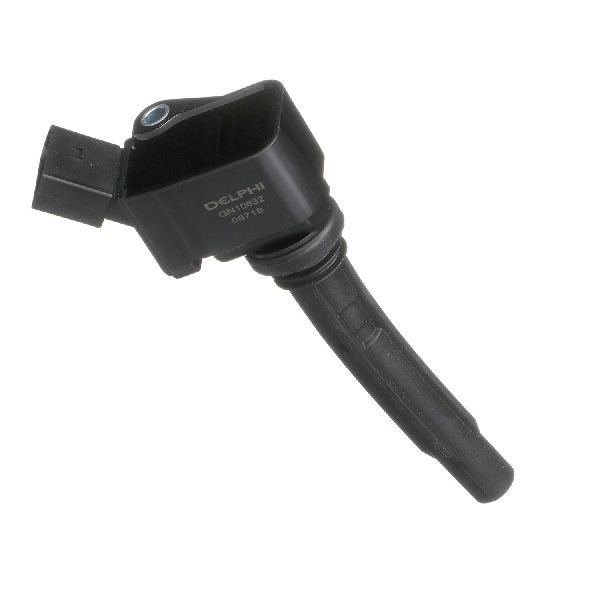
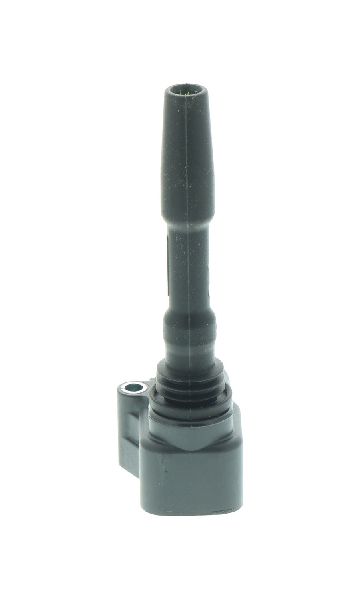
- Worn or Faulty Ignition Coils 🔴 High Probability → Shop Ignition Coil Ignition coils on modern turbocharged engines like the EA839 operate under high stress and are a common wear item. Failures are a well-documented issue among owners of this engine platform.
How to confirm: Scan for codes to identify specific misfiring cylinders (e.g., P0304). Swap the ignition coil from the misfiring cylinder with one from a non-misfiring cylinder. Clear the codes and drive. If the misfire code 'moves' to the new cylinder, the coil is bad. Accessing the driver's side coils (4, 5, 6) requires unbolting and moving the coolant expansion tank aside.
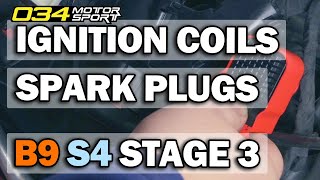
Typical fix: Replace the faulty ignition coil. It is highly recommended to replace all six coils at the same time to prevent future failures and ensure consistent performance. 🎬 Watch: Step-by-step guide to replacing your coils and spark plugs.
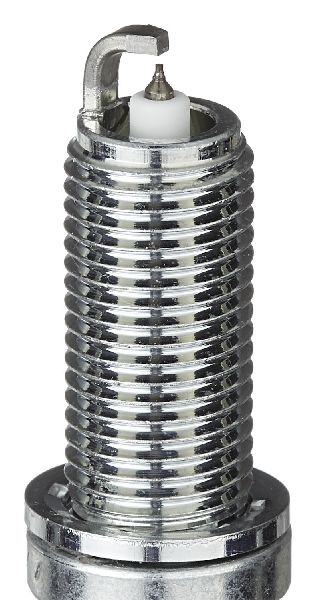
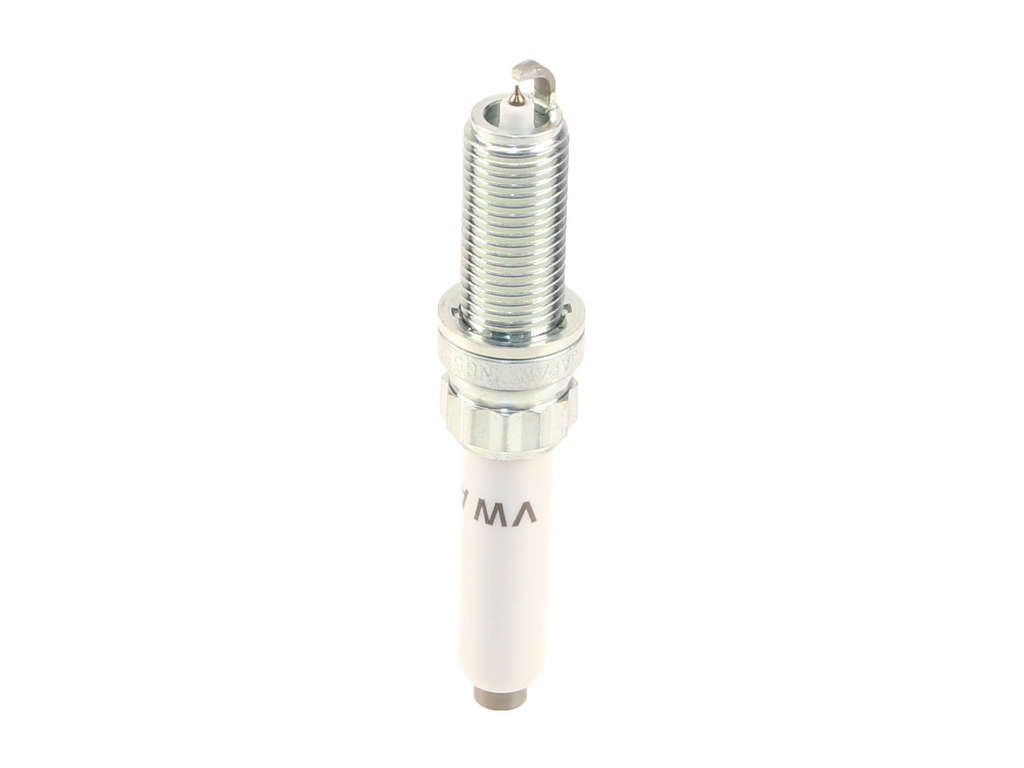
Est. part cost: $150-$350 for a set of 6 OEM or quality aftermarket coils. - Worn Spark Plugs 🔴 High Probability → Shop Spark Plug Audi's service interval for spark plugs on the Q8's 3.0T engine is every 40,000 miles or 6 years. Worn plugs with an incorrect gap can strain ignition coils and cause incomplete combustion, leading to misfires.
How to confirm: Visually inspect the spark plugs for wear (eroded electrode), fouling (black, sooty, or oily deposits), or damage. Since accessing them requires removing the ignition coils, it's best to check them during coil diagnosis.
Typical fix: Replace all six spark plugs. This should always be done when replacing ignition coils for a complete ignition system service.
Est. part cost: $90-$150 for a set of 6 OEM-spec plugs. - Engine Control Module (ECM) Software Issue 🟡 Medium Probability → Shop Engine Control Module (ECM) Audi has released multiple TSBs (e.g., 2069038/5, 2054182/7) indicating that misfires on the 2019-2021 Q8 can be caused by software calibration, specifically in response to winter-blend fuels causing misfires at idle.
How to confirm: A dealership or a qualified independent shop with access to Audi's ODIS diagnostic system must check the current software version against the latest available updates mentioned in the TSBs. The TSBs note that this condition often presents as misfires on Bank 2 (cylinders 4, 5, 6) at or near idle speed (0 km/h) and may not be present when examined in the workshop.
Typical fix: Update the ECM software to the latest version as specified by the TSB. This is a dealer/shop-level fix and is often covered under warranty.
Est. part cost: $0 if under warranty, otherwise shop diagnostic and programming fees apply. - Faulty or Clogged Fuel Injectors ⚪ Low Probability → Shop Fuel Injector Direct injection (GDI) injectors operate under high pressure and can become clogged or fail electronically, leading to improper fueling in a cylinder. While less common than ignition issues, it is a potential cause.
How to confirm: This is more complex to diagnose and should be done after ruling out the ignition system. Advanced diagnostics include checking fuel trims with a scan tool and potentially swapping injectors between cylinders, which is a labor-intensive job.
Typical fix: Replace the faulty fuel injector. Due to the complexity of the high-pressure fuel system, this is often a job for a professional.
Est. part cost: $50-$150 per injector.
Rare But Worth Checking
- Rocker Arm Bearing Failure: → Shop Engine Rocker Arm A significant known issue on the EA839 engine family, especially earlier models, is the failure of needle bearings in the rocker arms. This causes excessive valvetrain clearance, leading to a rhythmic ticking noise and eventually misfire codes (P0300, etc.) as the camshaft lobe gets worn down. If you hear a ticking noise that increases with RPM, immediate inspection is critical to prevent catastrophic engine damage from metal debris circulating in the oil.
- Vacuum Leak: A leak in a vacuum hose or intake manifold gasket can introduce unmetered air into the engine, throwing off the air/fuel mixture and causing random misfires. A smoke test is the most effective way to find a vacuum leak.
- Low Fuel Pressure: A weak fuel pump or faulty fuel pressure regulator can starve the engine of fuel, leading to lean misfires across multiple cylinders. This requires checking fuel pressure with a mechanical gauge to confirm.
- Internal Engine Issues: In rare cases, a P0300 code can be a symptom of a more serious mechanical problem like low compression from a scored cylinder wall or a leaking head gasket. A compression test and leak-down test are required to diagnose these issues.
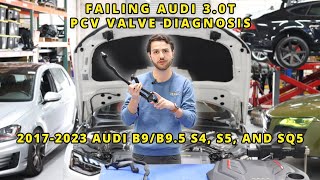
- PCV System Failure: The Positive Crankcase Ventilation (PCV) system's internal check valves are prone to failure on the EA839 engine. When a valve fails, it can allow boost pressure into the crankcase, leading to oil leaks, high or rough idle, and misfires. A whistling noise or excessive suction at the oil cap at idle are common symptoms. 🎬 See how to diagnose a failing PCV valve on this engine.
Diagnosis Steps
- Read all stored fault codes with an OBD-II scanner. Note any codes from P0301-P0306 to identify the specific misfiring cylinders. The cylinders are numbered 1-2-3 on the passenger side (Bank 1) and 4-5-6 on the driver's side (Bank 2), from front to back.
- If the check engine light is flashing, stop the engine immediately to prevent catalytic converter damage.
- Listen for a rhythmic ticking noise from the engine. If present, investigate for a potential rocker arm failure before proceeding.
- Check for any applicable Technical Service Bulletins (TSBs) related to ECM software updates for misfires (e.g., TSB 2069038/5). The vehicle may need a software update from a dealer, especially if misfires occur at idle.
- If specific cylinders are identified, perform a swap test. Move the ignition coil from a misfiring cylinder to a known good cylinder. Clear the codes and run the engine to see if the misfire code follows the coil.
- If the misfire moves with the coil, the coil is faulty and the set should be replaced.
- If the misfire does not move, inspect the spark plug in the misfiring cylinder. If it is worn, fouled, or past its 40,000-mile service life, replace the full set of spark plugs.
- If coils and plugs are good, the next steps involve more complex diagnostics like checking for fuel injector issues, vacuum leaks (smoke test), fuel pressure, and engine compression.
Parts You'll Likely Need
- Ignition Coil Set (x6)
(OEM #06H905110P (latest revision, supersedes 06H905110L, 06H905110G, etc.))— This is the most common cause of misfires on the 3.0T engine. Replacing them as a set is the standard, recommended repair.
Trusted brands: Bosch, NGK, APR, Eldor
OEM price range: $250-$350
Aftermarket price range: $150-$250 - Spark Plug Set (x6)
(OEM #06M905606F)— Spark plugs are a routine maintenance item (40k miles) and are replaced alongside ignition coils. Worn plugs cause misfires and can damage new coils.
Trusted brands: NGK, Bosch, Denso
OEM price range: $120-$180
Aftermarket price range: $90-$140
Related Codes That Often Appear With This One
- P0301-P0306 — These codes specify which cylinder is misfiring (e.g., P0301 for Cylinder 1). P0300 is the general code for random misfires, so it will almost always appear alongside one or more of these specific cylinder codes.
- P0087 — This code indicates 'Fuel Rail/System Pressure - Too Low'. If a failing fuel pump is the cause of the misfire, this code may also be present.
- P0341 / P0346 — These are Camshaft Position Sensor codes. If a rocker arm failure has occurred, metal debris can collect on the magnetic sensor, or the cam reluctor wheel can be damaged, triggering these codes along with misfires.
- P0171 / P2187 — These codes indicate the system is running too lean. A failed PCV valve diaphragm can cause a significant unmetered air leak (vacuum leak), triggering these codes alongside misfires.
Technical Service Bulletins (TSBs) & Recalls
- A0124212069038_5 / 2069038/5: Information for MIL illuminated, cylinder misfires; P0300-P0306. This is the main TSB for the ECM software update.
- A0123912069038_5: Information for when the MIL is illuminated, DTCs P0300-P0306.
- A0123802069038_4: Information for when the MIL, cylinder misfires, DTCs P0300-P0306.
- 2054182/7: PSS 01 3.0TFSI Bank 2 engine misfires - Q8/Q7 (DCBD engine). This bulletin specifically detailed the idle-misfire condition before being rolled into the main software update TSB.
Platform-Specific Known Issues
- ECM Software Calibration for Winter Fuel: A series of TSBs (A0124212069038_5, A0123912069038_5, etc., culminating in TSB 2069038/5) were issued for 2019-2021 models for misfire codes P0300-P0306. The TSBs state the cause is a software calibration issue related to winter blend fuel that can cause misfires at idle. The fix is a dealer-installed software update for the Engine Control Module (J623).
- PCV Breather Hose Check Valve Failure: → Shop PCV Valve Hose The factory PCV breather hose on the EA839 engine contains internal check valves that are known to fail. This can allow boost pressure to enter the crankcase, causing oil to be forced past seals, a rough/high idle, and misfire codes. A whistling sound from the engine bay or the oil cap being ejected from the valve cover are worst-case symptoms. Audi has released revised parts, but aftermarket solutions are also popular. A simple test is to remove the hose and attempt to blow through the positive pressure side; if air passes, the check valve has failed.
Mechanic-Grade Diagnostic Values
- High-Pressure Fuel Pump (HPFP) Pressure at Idle — expected: ~40 bar. Failure: A reading of 6-10 bar at idle indicates a likely failed HPFP.
- High-Pressure Fuel Pump (HPFP) Maximum Operating Pressure — expected: Up to 200 bar (2900 PSI). Failure: Inability to maintain pressure under load, which would be visible in scan tool logs.
- Ignition Coil Primary Winding Resistance — expected: 0.4 to 2.0 ohms. Failure: A reading outside this range suggests a faulty primary coil winding.
- Ignition Coil Secondary Winding Resistance — expected: 6,000 to 10,000 ohms (6k-10k Ω). Failure: A reading outside this range suggests a faulty secondary coil winding.
Scan Tool Commands That Help
- VCDS (VAG-COM) or ODIS: Advanced Measuring Values (UDS) or Measuring Blocks (KWP) — To monitor live misfire counts per cylinder. In Advanced Measuring Values, search for 'misfire'. For older protocols, check groups 014, 015, and 016. This allows a technician to see which cylinder is misfiring in real-time, even if a specific P030x code hasn't set yet.
- ODIS (Offboard Diagnostic Information System): Software Version Management (SVM) — This is the dealer-level function required to perform the software update specified in TSB 2069038/5 to address misfires caused by fuel calibration issues. It checks the current software version and applies the correct update.
Wiring & Ground Locations
- Battery Ground Cable (4M0971238B) — The main battery ground cable connects the 12V battery's negative terminal to the chassis. On the Q8, the battery is under the plenum chamber cover, and the ground cable attaches to the body on the front panel of the plenum chamber.. A poor engine or chassis ground can cause erratic behavior in the ignition system and sensors, leading to phantom misfires and other electrical issues. Ensuring this connection is clean and tight is a fundamental step in diagnosing complex electrical faults.
"I Checked Everything" — The Actual Cause
- A common scenario on EA839 and other VAG engines is a failed PCV valve diaphragm. This creates a significant vacuum leak that may not be detected by a traditional smoke test applied to the intake manifold. The leak is internal to the crankcase ventilation system. Symptoms include a whistling noise, very strong suction when trying to remove the oil cap with the engine running, and lean codes (P0171) along with P0300. The fix is to replace the PCV assembly.
OEM Part Supersession History
06H905110G, 06H905110H, 06H905110L→06H905110P— Ongoing revisions by the manufacturer (often Eldor or Beru for OEM) to improve reliability and performance. Later revisions are generally considered more robust.
Heads up: All listed revisions are generally interchangeable, but it is best practice to replace all coils with the same part number and not to mix revisions.Unknown→06M905606F— This is the current OEM-spec spark plug (often made by NGK) for the EA839 engine.
Model Year Variations Within This Range
- 2021: For 2021, Audi made blind-spot monitoring and rear cross-traffic alert standard. The infotainment system was updated from MIB2+ to MIB3. This change can affect aftermarket tuning options, as the 2021+ ECUs may have different encryption, making them harder to tune than 2019 models.
Helpful Videos
Used OEM Parts in Stock
New Aftermarket Parts Available


The information in this article is provided for general reference and educational purposes only. Vehicle specifications, procedures, and part compatibility can vary by production date, trim level, and region. Always consult your vehicle's factory service manual and verify part numbers before purchasing or performing repairs. Safety-critical components such as airbags, seat belts, and braking systems should be installed by a qualified professional.
- Audi Q8:
- 🧭 Diagnostic Flowchart
- 🎬 Helpful Videos
- 🛍️ Shop This Part
- What's Unique About the 2019-2021 Audi Q8
- Symptoms You May Notice
- Most Likely Causes
- Rare But Worth Checking
- Diagnosis Steps
- Parts You'll Likely Need
- Related Codes That Often Appear With This One
- Technical Service Bulletins (TSBs) & Recalls
- Platform-Specific Known Issues
- Mechanic-Grade Diagnostic Values
- Scan Tool Commands That Help
- Wiring & Ground Locations
- "I Checked Everything" — The Actual Cause
- OEM Part Supersession History
- Model Year Variations Within This Range
- 🎟️ Get 5% Off