

P0300 on 2016-2019 Buick Cascada: Random Misfire Causes and Fixes
For the 2016-2019 Buick Cascada, a P0300 code is most often caused by worn iridium spark plugs or failing ignition coils. Replacing all four spark plugs with pre-gapped OEM-spec plugs is a common first step and costs around $50-$100 for parts. If that doesn't work, carbon buildup on intake valves is another known issue for this direct-injection engine.
- P0300 on a Buick Cascada means multiple cylinders are misfiring randomly.
- Start your diagnosis with the simplest and most common fixes: replacing the iridium spark plugs and inspecting the ignition coils.
- Do not ignore a flashing check engine light, as it signals a severe misfire that can quickly damage the expensive catalytic converter.
- If a new set of plugs and coils doesn't fix the issue, the next most likely causes are a vacuum leak or carbon buildup on the intake valves, the latter being a known trait of this type of engine.
What's Unique About the 2016-2019 Buick CASCADA
The Buick Cascada is powered by a 1.6L Turbo SIDI (Spark Ignition Direct Injection) engine. Like many modern direct-injection engines, it can be susceptible to carbon buildup on the intake valves over time. Because fuel is injected directly into the cylinder, it never washes over the intake valves to clean them. Oil vapors from the PCV system can bake onto the hot valves, causing airflow disruptions that lead to random misfires, especially at idle. While spark plugs and coils are the most common culprits, this underlying design characteristic is an important consideration if a basic tune-up doesn't solve the problem. The Cascada is essentially a rebadged Opel Cascada, sharing its German engineering and this SIDI engine platform, which has a known history of carbon buildup issues.
Diagnostic Flowchart
Tap your situation to follow the diagnostic path that matches what you're seeing on this vehicle.
Symptoms You May Notice
- Rough or shaky idle
- Hesitation or stumbling during acceleration
- Flashing or solid Check Engine Light
- Noticeable loss of engine power
- Reduced fuel economy
- Engine stalling in severe cases
- Fuel smell from the exhaust due to unburned fuel.
- Replacing only one spark plug or coil when the others are also near the end of their life.
- Replacing oxygen (O2) sensors, as a misfire can cause erratic O2 sensor readings, tricking a technician into thinking the sensor is the problem.
- Assuming a fuel system problem when the root cause is ignition-related.
- Replacing the valve cover for a suspected PCV leak without first checking the intake manifold's internal check valve, which, if failed, will cause the new PCV diaphragm to rupture again quickly (a common issue on the related Buick Encore engine).
Most Likely Causes
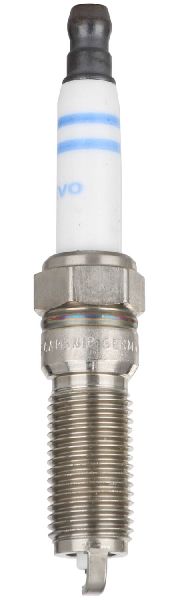
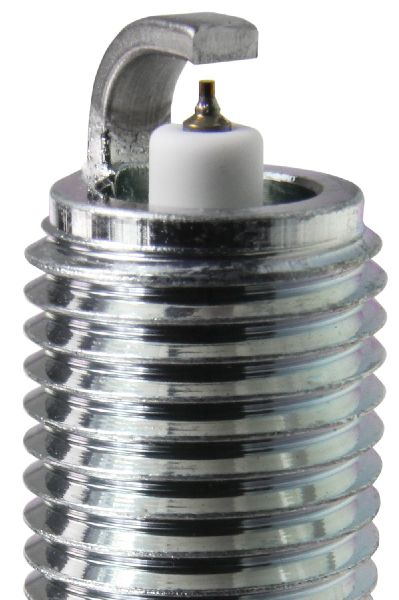
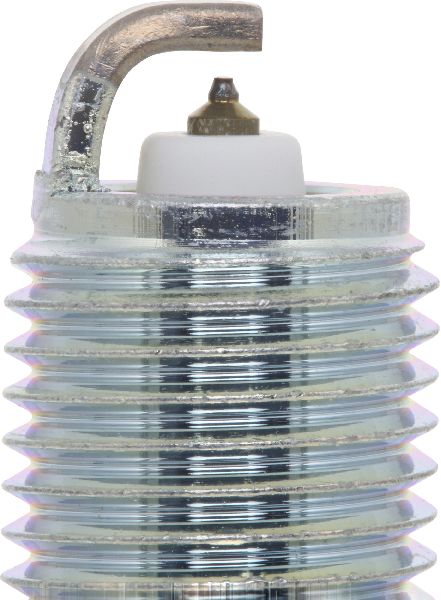
- Worn or Fouled Spark Plugs 🔴 High Probability → Shop Spark Plug Turbocharged engines place high demand on spark plugs, and the factory-recommended iridium plugs have a finite service life, often recommended for replacement between 60,000 to 100,000 miles. They are a common maintenance item and the first logical step in diagnosis.
How to confirm: Remove and inspect all four spark plugs. Look for worn electrodes, heavy carbon deposits, oil fouling, or a gap that is too wide. The OEM ACDelco plugs are pre-gapped and should not be adjusted.
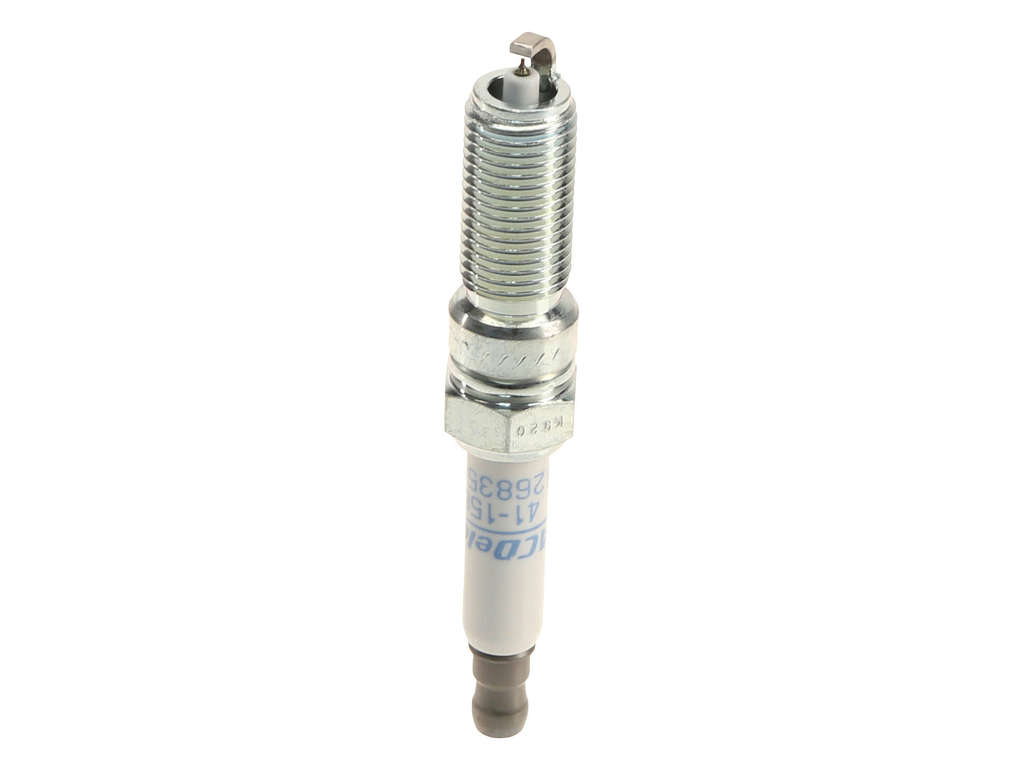
Typical fix: Replace all four spark plugs as a set. Use high-quality Iridium plugs as specified by the manufacturer, such as ACDelco 41-156. Ensure they are torqued to the manufacturer's specification.
Est. part cost: $50-$100 - Failing Ignition Coil(s) 🔴 High Probability → Shop Ignition Coil Ignition coils are subjected to high heat and voltage and can fail over time. When one fails, it's common for others to be near the end of their service life.
How to confirm: Use a scan tool with live data to view misfire counts per cylinder. If misfires are logged, swap a suspected bad coil with a known good one and see if the misfire follows the coil. This is a definitive way to isolate a single bad coil.
Typical fix: Replace the failing ignition coil. The OEM part number is 55511559, which supersedes 55493540 and 55595516. It is often recommended to replace all four coils at the same time as the spark plugs, especially on higher-mileage vehicles, to prevent future failures.
Est. part cost: $40-$80 per coil - Intake Valve Carbon Buildup 🟡 Medium Probability As a Gasoline Direct Injection (GDI) engine, the intake valves are not cleaned by fuel spray. Oil vapors from the PCV system can bake onto the valves, restricting airflow and causing random misfires at idle. This is a well-documented issue on GM SIDI engines.
How to confirm: This is difficult to confirm without specialized tools. A mechanic can use a borescope to visually inspect the intake valves through the intake ports. Symptoms are often worse on cold starts.
Typical fix: Mechanical cleaning of the intake valves, often referred to as 'walnut blasting,' is the most effective solution. This service involves blasting crushed walnut shells into the intake ports to scour off the carbon deposits without damaging the metal surfaces. This is a labor-intensive job with costs typically ranging from $400-$800.
Est. part cost: $0 (service cost is labor) - Vacuum Leak ⚪ Low Probability Plastic and rubber components in the engine bay, such as the PCV diaphragm within the valve cover, can become brittle over time, leading to cracks in vacuum hoses or failed intake manifold gaskets. A failed PCV system is a very common cause of P0300 on other GM turbo engines like the Buick Encore.
How to confirm: A smoke test is the most reliable method. A mechanic forces low-pressure smoke into the intake system and looks for leaks. Spraying carburetor cleaner around suspected areas while the engine is running can also work; a change in idle indicates a leak. A hissing sound from the engine bay at idle is a strong indicator.
Typical fix: Locate and replace the cracked hose, faulty gasket, or leaking component. If the PCV diaphragm in the valve cover has failed, the entire valve cover assembly typically needs to be replaced.
Est. part cost: $10-$250
Rare But Worth Checking
- Clogged or Failing Fuel Injectors: → Shop Fuel Injector While less common than ignition issues, a dirty or failing injector can cause a lean condition and misfire. This is more likely to trigger a specific cylinder code (P0301-P0304) but can contribute to a P0300 if multiple injectors are affected.
- Low Fuel Pressure: A weak fuel pump or clogged fuel filter can starve the entire engine of fuel, causing random misfires across all cylinders, especially under load.
- Faulty Camshaft or Crankshaft Position Sensor: → Shop Engine Crankshaft Position Sensor These sensors provide critical timing information to the ECU. If their signals are erratic, it can disrupt ignition and injection timing, leading to misfires.
Diagnosis Steps
- Read the codes with an OBD-II scanner and check for any other pending or active codes. Note any freeze-frame data.
- Check freeze-frame data to see the engine conditions (RPM, load, temperature) when the code was set.
- Inspect the ignition system. Remove all four spark plugs and ignition coils. Check plugs for wear, damage, or fouling. The OEM plugs are ACDelco 41-156.
- If plugs are old or worn, replace them with the correct OEM-spec Iridium plugs. These come pre-gapped and should not be adjusted. This is a common and relatively inexpensive first step.
- Test ignition coils. You can swap a coil from a misfiring cylinder (if identified via live data) to a non-misfiring cylinder to see if the problem follows the coil. The OEM coil is part number 55511559.
- Check for vacuum leaks. Listen for hissing sounds around the valve cover. Perform a visual inspection of all vacuum hoses. For a more thorough check, a smoke test is the most effective method.
- If ignition and vacuum systems are good, investigate the fuel system. Check fuel pressure to ensure the pump is working correctly.
- For persistent issues, especially with high mileage, consider the possibility of carbon buildup on the intake valves. This typically requires professional diagnosis with a borescope.
- As a final step, a compression test can rule out internal mechanical engine problems like worn piston rings or valve issues. TSB PIP5628G recommends a relative compression test using a PICO scope as part of advanced diagnostics.
Parts You'll Likely Need
- Iridium Spark Plugs
(OEM #41-156)— Spark plugs are a routine maintenance item and the most frequent cause of random misfires on turbocharged engines.
Trusted brands: ACDelco, NGK
OEM price range: $60-$80 (set of 4)
Aftermarket price range: $45-$70 (set of 4) - Ignition Coil
(OEM #55511559)— After spark plugs, ignition coils are the next most likely component to fail in the ignition system, causing misfires.
Trusted brands: ACDelco, Delphi
OEM price range: $60-$90 (per coil)
Aftermarket price range: $40-$70 (per coil) - Valve Cover with PCV
(OEM #Not definitively found, but a common failure point on related GM engines.)— The integrated PCV valve diaphragm can fail, causing a significant vacuum leak. On many GM turbo engines, this requires replacing the entire valve cover assembly.
Related Codes That Often Appear With This One
- P0301, P0302, P0303, P0304 — These codes indicate a misfire on a specific cylinder (1, 2, 3, or 4). A random P0300 may eventually be accompanied by or turn into a specific cylinder code as the primary failing component worsens.
- P0171 — This code means 'System Too Lean (Bank 1)' and often points to a vacuum leak, which is a shared potential cause for P0300.
- P050D — This code for 'Cold Start Rough Idle' is mentioned in TSB #PIP5628G alongside P0300, indicating they can be related during diagnosis on this platform.
Technical Service Bulletins (TSBs) & Recalls
- PIP5628G: A bulletin providing preliminary information for technicians to aid in diagnosing difficult misfire cases (P0300-P0308) and/or P050D. It outlines a data collection template for contacting the Technical Assistance Center (TAC), emphasizing the need for GDS2 scan tool data and PICO scope tests.
Platform-Specific Known Issues
- As a direct-injection engine, the 1.6L Turbo is known to be prone to carbon buildup on intake valves, which can cause a P0300 code that is not resolved by replacing spark plugs or coils.
- Technical Service Bulletin PIP5628G was issued for diagnosing misfire codes P0300-P0308, indicating that finding the root cause can sometimes be complex and require specific diagnostic information provided to GM's Technical Assistance Center (TAC). The bulletin guides technicians on what data to collect, including using a PICO scope for relative compression tests, before contacting TAC.
Mechanic-Grade Diagnostic Values
- Total Fuel Trim (Short Term + Long Term) — expected: -10% to +10%. Failure: Values consistently exceeding +10% indicate a lean condition (e.g., vacuum leak, weak fuel delivery). Values consistently below -10% indicate a rich condition (e.g., leaking injector).
Scan Tool Commands That Help
- GDS2 / Tech2 (or equivalent professional scan tool): Crankshaft Position Variation Learn — This procedure is required after replacing the crankshaft position sensor, the ECM, or performing major engine work like timing chain replacement. Failure to perform the relearn can cause a P0300 code even with no other faults present.
Wiring & Ground Locations
- Engine Harness Chafe Point 1 — Driver's side of the engine bay, where the engine wiring harness can rub against the sharp edge of the black ECM/TCM bracket.. Vibration can cause the harness to rub through, shorting critical wires for ignition or fuel injection, leading to intermittent and random misfires that are difficult to trace.
- Engine Harness Chafe Point 2 — Driver's side, where the harness may contact the upper control arm during suspension travel and engine movement.. Similar to the ECM bracket, this contact can abrade the harness insulation and cause shorts in circuits related to engine management, triggering a P0300.
- Engine Harness Chafe Point 3 — Driver's side, where the harness can make contact with a shock tower bolt.. This is another potential point of friction and vibration that can damage the wiring harness over time, causing electrical faults that manifest as random misfires.
- G102 (Likely) — Typically located at the left rear of the engine.. On similar GM platforms, this ground point is responsible for the ignition coils. A loose or corroded ground here can cause a weak spark across all cylinders, leading to a random misfire condition.
Real Owner Repair Stories
- YouTube user 'beachtroll' (Vehicle with P0300 (not specified as Cascada, but demonstrates a common GM issue)) — Check engine light with code P0300, engine had a slight shake/misfire.
❌ Tried (didn't work) Initially considering replacing plugs, wires, and coil packs.
✅ What actually fixed it The owner removed the spark plug boots from the coil pack and found significant rust on the metal contact terminals. He cleaned the rust off the terminals with a light abrasive, applied dielectric grease to the terminals and inside the boots, and reassembled. The P0300 code cleared on its own and the engine ran smoothly. - YouTube user 'P0300...How I fixed My code' (Vehicle with persistent P0300) — P0300 code would return after being cleared.
❌ Tried (didn't work) Checked spark plugs., Checked ignition coil and wires., Performed a compression test (which was good)., Checked cam sensor wiring.
✅ What actually fixed it The final fix was replacing the crankshaft position sensor. When the old sensor was removed, its metal sleeve had detached, indicating a failure of the sensor itself.
"I Checked Everything" — The Actual Cause
- A common scenario is for a technician to perform a smoke test to check for vacuum leaks and find none. The actual cause may be completely unrelated to the intake tract, such as an electrical short from a chafed wiring harness. A GM service document highlights three specific areas on the driver's side where the engine harness can rub through against the ECM bracket, upper control arm, or shock tower bolt, causing intermittent shorts that trigger a P0300.
OEM Part Supersession History
55493540, 55595516→55511559— Standard part revision and consolidation by the manufacturer.
Helpful Videos
We Have This Part in Stock


The information in this article is provided for general reference and educational purposes only. Vehicle specifications, procedures, and part compatibility can vary by production date, trim level, and region. Always consult your vehicle's factory service manual and verify part numbers before purchasing or performing repairs. Safety-critical components such as airbags, seat belts, and braking systems should be installed by a qualified professional.
- Buick CASCADA:
- 🧭 Diagnostic Flowchart
- 🎬 Helpful Videos
- 🛍️ Shop This Part
- What's Unique About the 2016-2019 Buick CASCADA
- Symptoms You May Notice
- Most Likely Causes
- Rare But Worth Checking
- Diagnosis Steps
- Parts You'll Likely Need
- Related Codes That Often Appear With This One
- Technical Service Bulletins (TSBs) & Recalls
- Platform-Specific Known Issues
- Mechanic-Grade Diagnostic Values
- Scan Tool Commands That Help
- Wiring & Ground Locations
- Real Owner Repair Stories
- "I Checked Everything" — The Actual Cause
- OEM Part Supersession History
- 🎟️ Get 5% Off