

P0300 on 2004-2007 Buick Rainier: Random Misfire Causes and Fixes
A P0300 code on a Buick Rainier indicates random engine misfires. The most common causes are worn spark plugs (ACDelco 41-103) and failing ignition coils. For the 4.2L I6, oil leaking from the valve cover gasket onto the coils is a frequent culprit, a well-documented issue in owner forums. For the 5.3L V8, brittle intake manifold gaskets are a common failure point. Expect to pay $100-$300 for a DIY tune-up.
- P0300 means multiple cylinders are misfiring, and immediate attention is needed to prevent expensive catalytic converter damage.
- For the 4.2L I6 engine, the first and most important check is for oil in the spark plug wells, which points directly to a failed valve cover gasket.
- For the 5.3L V8 engine, intake manifold gasket leaks are a more common cause of vacuum-related misfires.
- Always start with the basics: inspect and replace worn spark plugs and faulty ignition coils before moving to more complex and expensive diagnostics.
- Referencing the TSBs is critical for this vehicle if the cause isn't a simple tune-up issue, as they point to known mechanical problems like camshaft wear or post-repair errors.
What's Unique About the 2004-2007 Buick RAINIER
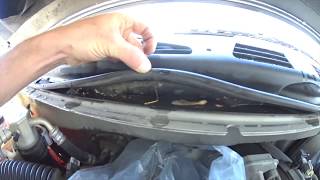
The Buick Rainier was available with two distinct engines: the Vortec 4.2L inline-6 (LL8) and the Vortec 5.3L V8 (LM4/LH6). While many P0300 causes are universal, some are platform-specific. The 4.2L I6 is notoriously known for its valve cover gasket leaking oil into the spark plug wells 🎬 Watch: Finding and fixing misfires on the 4.2L straight-6., which soaks the ignition coils and causes misfires. Another issue on the 4.2L is a degraded cowl seal above the firewall allowing water to drip directly onto the ignition coils after rain or a car wash, causing misfires. 🎬 See how to permanently fix water-damaged ignition coils. The 5.3L V8, being a different architecture, has unique issues cited in service bulletins, such as the potential for crossed injector wiring after a repair (TSB #PIP5169) and brittle plastic intake manifold gaskets that cause vacuum leaks. A critical distinction for the V8 is that 2005-2007 models use the LH6 engine with Active Fuel Management (AFM), which is known for lifter failures that can cause a P0300 code.
Diagnostic Flowchart
Tap your situation to follow the diagnostic path that matches what you're seeing on this vehicle.
Symptoms You May Notice
- Flashing or solid Check Engine Light
- Rough or shaking idle
- Engine hesitation or stumbling during acceleration
- Noticeable loss of power
- Reduced fuel economy
- Burning oil smell (if caused by a valve cover leak)
- Stalling at stops
- Strong fuel smell from the exhaust
- Ticking or tapping noise from the engine
- Replacing only one spark plug or coil when a full set is needed.
- Replacing ignition coils on a 4.2L I6 without also replacing the leaking valve cover gasket that caused them to fail.
- Replacing oxygen sensors, as they are more likely to be a symptom of the misfire rather than the cause.
- Assuming a P0300 without a specific cylinder code is a fuel or vacuum issue, when it could be a single bad coil that the PCM hasn't isolated yet.
Most Likely Causes
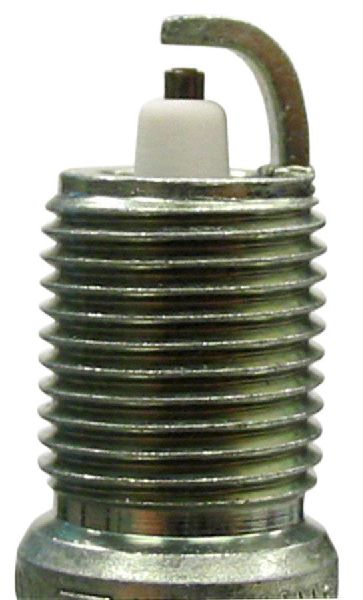
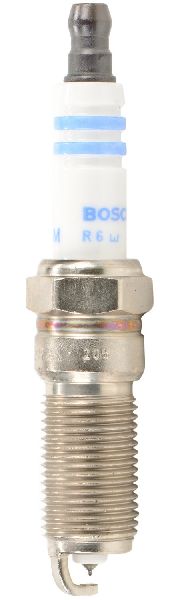
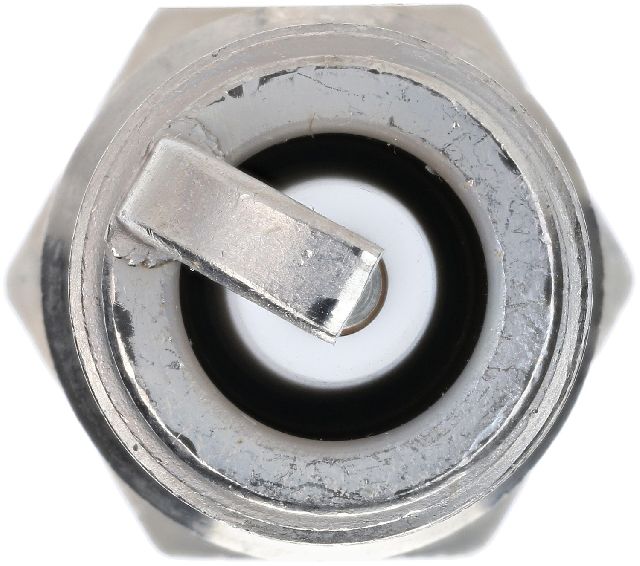
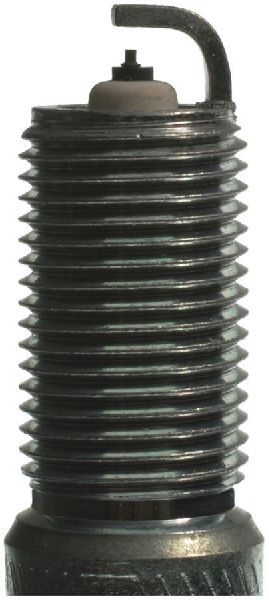
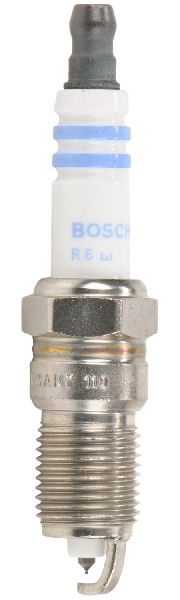
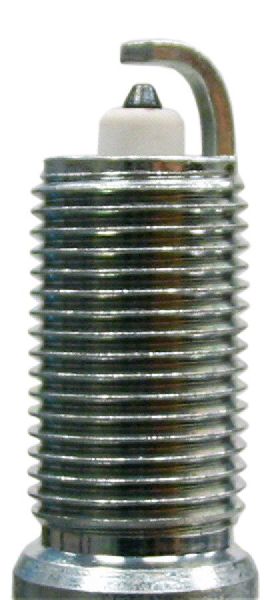
- Worn or Fouled Spark Plugs 🔴 High Probability → Shop Spark Plug Spark plugs are a routine maintenance item. The manufacturer recommends ACDelco Iridium plugs (Part No. 41-103) for a 100,000-mile service life, but they can foul prematurely due to oil leaks or rich conditions.
How to confirm: Visually inspect the spark plugs for wear on the electrode, heavy carbon buildup, or oil/fuel fouling. Oil on the plugs of a 4.2L engine strongly suggests a leaking valve cover gasket. A plug that is wet with fuel can indicate a leaking injector.
Typical fix: Replace all spark plugs as a set. Use the correct OEM-spec Iridium plugs and ensure they are gapped correctly if required. On high-mileage vehicles, this is often the first and most effective step.
Est. part cost: $50-$120 - Failing Ignition Coil(s) 🔴 High Probability → Shop Ignition Coil On the 4.2L I6, the valve cover gasket is a known failure point, allowing oil to leak into the spark plug tubes and saturate the ignition coil boots, causing them to swell, degrade, and fail. On both engines, coils can also fail from age and heat cycles. Original coils can last nearly 200k miles, but failures are not uncommon.
How to confirm: With the engine running, use a scan tool with live data to observe misfire counts on each cylinder. You can also swap a suspected bad coil with a known good one and see if the misfire follows the coil to the new cylinder. On the 4.2L, look for oil in the spark plug wells when removing the coils.
Typical fix: Replace the faulty ignition coil(s). If oil contamination is the cause on a 4.2L, you MUST also replace the valve cover gasket to prevent repeat failure. It is often wise to replace all coils if they are original and high-mileage.
Est. part cost: $30-$70 per coil - Vacuum Leak 🟡 Medium Probability The intake manifold gaskets, particularly on the 5.3L V8, use a plastic carrier that can become brittle and crack over time, causing unmetered air to enter the engine and create a lean condition (P0171/P0174) that leads to misfires. Loose intake manifold bolts on the 4.2L I6 can also cause leaks.
How to confirm: With the engine idling, carefully spray brake cleaner or a propane torch (unlit) around the intake manifold sealing surfaces. If the engine RPM changes, a leak is present. A professional can use a smoke machine for a more precise diagnosis. Checking fuel trims at idle on a scan tool can also point to a vacuum leak; high positive trims suggest the engine is compensating for extra air.
Typical fix: Replace the intake manifold gaskets. For the 5.3L V8, many mechanics and owners strongly recommend using an upgraded gasket set with a metal carrier, like the Fel-Pro MS 98016 T, for a more durable repair.
Est. part cost: $40-$100 for the gasket set - Dirty or Failing Fuel Injectors ⚪ Low Probability → Shop Fuel Injector Over time, fuel injectors can become clogged with deposits or stick open, preventing them from delivering the correct amount of fuel, which can cause both lean and rich misfires. Bad fuel from an unfamiliar gas station has been reported by owners as a trigger for this issue.
How to confirm: A professional can perform a fuel injector balance test to measure the flow rate of each injector. Swapping injectors between cylinders (similar to coils) can also help diagnose a single faulty injector. Listening to each injector with a mechanic's stethoscope can reveal if one is not 'clicking' correctly.
Typical fix: Try a high-quality fuel system cleaner like Techron Concentrate or BG 44K first. If that fails, replace the faulty fuel injector(s). It is often recommended to replace them as a full set on higher mileage vehicles to ensure balanced performance.
Est. part cost: $50-$150 per injector
Rare But Worth Checking
- Worn Camshaft Lobe / Lifter Issue: → Shop Engine Camshaft Mentioned in TSB #PIP4138R. If standard diagnostics don't find the cause, especially if there is an engine ticking or squeaking noise, a worn camshaft lobe or failing lifter could be the culprit. This is a significant internal engine repair.
- Low Fuel Pressure: A weak fuel pump or failing fuel pressure regulator can starve the engine of fuel, causing lean misfires across all cylinders. Requires a fuel pressure test to confirm. A failing regulator can also leak fuel into its vacuum line, creating a rich condition.
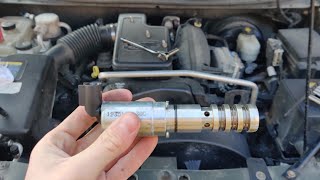
- Faulty/Dirty Camshaft Actuator Solenoid (4.2L I6): → Shop Engine Camshaft The variable valve timing (VVT) solenoid on the 4.2L can get clogged with dirty oil, causing it to stick. This can lead to rough idle and misfire codes. Sometimes cleaning the solenoid and performing an oil change is enough; other times it requires replacement.
- Internal Engine Mechanical Failure: TSB #PIP4013D suggests performing a cylinder leakage test if other diagnostics fail. This can identify issues like bad piston rings, leaking valves, or a failed head gasket.
- Crossed Injector Connectors (5.3L V8 Only): TSB #PIP5169 specifically warns that after engine repairs on the V8, the injector connectors for cylinders 5 & 7 and 6 & 8 can be accidentally swapped, leading to a P0300 code.
Diagnosis Steps
- Read all stored fault codes with an OBD-II scanner. Note any other codes present, such as specific cylinder misfires (P0301-P0308) or lean/rich codes (P0171/P0174). Use the scanner's live data feature to monitor misfire counts per cylinder.
- Check for a flashing check engine light, which indicates a severe misfire that could damage the catalytic converter. Do not drive extensively if flashing.
- Visually inspect the engine bay for obvious issues like disconnected vacuum hoses, damaged wiring, or signs of water intrusion near the coils.
- On the 4.2L I6, remove the ignition coils and inspect the spark plug wells for engine oil. If oil is present, the valve cover gasket is leaking and must be replaced along with the oil-fouled plugs and coils.
- Inspect all spark plugs. Look for signs of wear, damage, carbon fouling, or oil saturation. Replace them as a set if they are worn or fouled.
- Test the ignition coils. The easiest method is to swap a coil from a misfiring cylinder (if identified by a specific code) with a known good one and see if the misfire code follows the coil.
- Check for vacuum leaks. With the engine running, spray carburetor cleaner around the intake manifold gasket and vacuum lines. Listen for any change in engine RPM, which indicates a leak.
- Test fuel pressure. Connect a fuel pressure gauge to the fuel rail's Schrader valve to ensure the fuel pump and regulator are providing adequate pressure according to manufacturer specifications.
- On the 4.2L I6, inspect the camshaft actuator solenoid. Check for oil in the connector and consider removing and cleaning it, followed by an oil change.
- If the vehicle is a 2005-2007 5.3L V8, investigate for a failed Active Fuel Management (AFM) lifter, especially if a ticking noise is present. This often requires removing the valve cover to observe rocker arm movement.
Parts You'll Likely Need
- Spark Plugs
(OEM #ACDelco 41-103 (Iridium))— Spark plugs are a primary ignition component and a common failure point for misfires. They are a routine maintenance item.
Trusted brands: ACDelco, NGK
OEM price range: $8-$15 per plug
Aftermarket price range: $5-$12 per plug - Ignition Coil
(OEM #ACDelco D592A (for 4.2L I6), ACDelco D585 (for 5.3L V8))— Ignition coils provide the high voltage needed to create a spark. They fail from heat, age, or oil/water contamination.
Trusted brands: ACDelco, Delphi, Standard Motor Products
OEM price range: $40-$70 per coil
Aftermarket price range: $25-$50 per coil - Intake Manifold Gasket Set (5.3L V8)
(OEM #Fel-Pro MS 98016 T (Upgraded metal design))— The original plastic gaskets on the 5.3L V8 are prone to cracking and causing vacuum leaks, a very common cause of P0300 on these engines.
Trusted brands: Fel-Pro, ACDelco
OEM price range: $60-$90
Aftermarket price range: $40-$70 - Valve Cover Gasket Set (4.2L I6) — A notorious failure point on the 4.2L engine, leaking oil into the spark plug wells and destroying the ignition coils.
Trusted brands: Fel-Pro, Victor Reinz, ACDelco
OEM price range: $30-$55
Aftermarket price range: $25-$60
Related Codes That Often Appear With This One
- P0301-P0308 — If the PCM can isolate the misfire to a specific cylinder (e.g., P0304 for cylinder 4), it will store that code alongside or instead of the general P0300.
- P0171 / P0174 — These codes indicate a 'System Too Lean' condition. A vacuum leak from a failed intake manifold gasket is a common cause for both lean codes and a P0300, as the unmetered air disrupts the air/fuel ratio, leading to misfires.
- P0172 / P0175 — These codes indicate a 'System Too Rich' condition. This can be caused by a leaking fuel pressure regulator or a stuck-open fuel injector, which can also lead to a P0300 misfire.
- P1336 — This GM-specific code indicates that the Crankshaft Position System Variation has not been learned. This procedure is required after replacing a crankshaft position sensor or the PCM and, if not performed, can cause false P0300 codes.
Technical Service Bulletins (TSBs) & Recalls
- PIP5628G: Preliminary information for diagnosing misfire codes P0300-P0308.
- PIP4013D: Recommends a cylinder leakage test if standard diagnostics fail to find the cause of a P0300.
- PIP4138R: Suggests checking for a worn camshaft lobe if misfire is accompanied by engine noise.
- PIP5169: Warns of crossed injector connectors on the 5.3L V8 (cylinders 5&7, 6&8) after repairs.
- TSB 10-06-01-008E: Pertains to 5.3L V8s with excessive oil consumption, recommending an updated driver's side valve cover.
Platform-Specific Known Issues
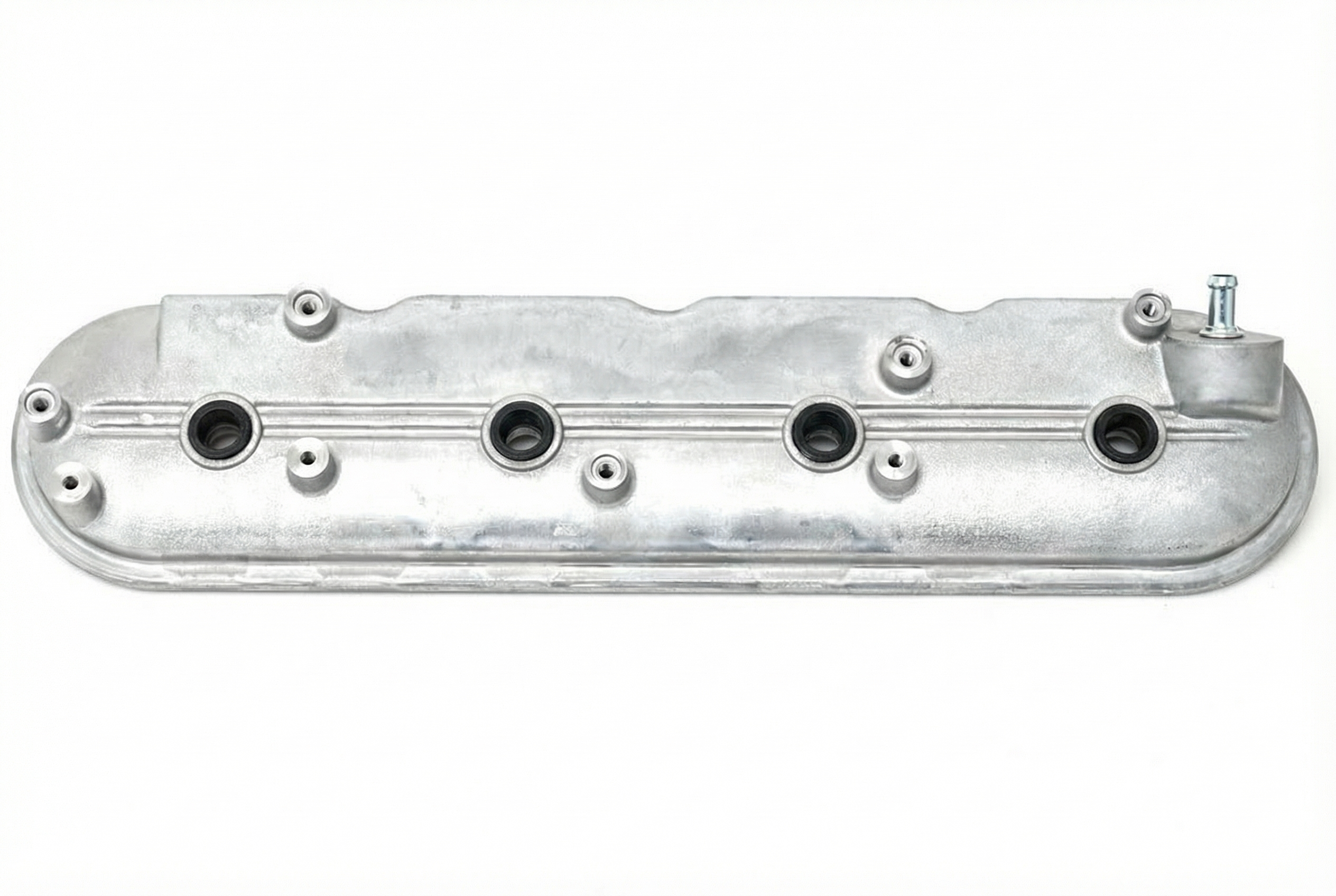
- 4.2L I6 - Valve Cover Gasket Leak: → Shop Engine Valve Cover This is the most widely reported issue for P0300 on the 4.2L engine. The valve cover gasket and spark plug tube seals degrade, allowing engine oil to fill the spark plug wells. This saturates the ignition coil boot, causing it to swell and fail, leading to misfires. The fix requires replacing the valve cover gasket set, all spark plugs, and any oil-contaminated ignition coils.
- 4.2L I6 - Cowl Weatherstrip Leak: The rubber weatherstrip at the top of the firewall where the hood meets the cowl can degrade. This allows water from rain or car washes to drip directly onto the engine, often onto the #4 ignition coil. This shorts out the coil and causes a misfire. The fix involves cleaning the channel and replacing the weatherstrip.
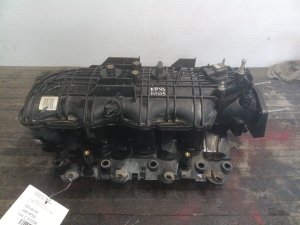
- 5.3L V8 - Intake Manifold Gasket Failure: → Shop Engine Intake Manifold The original intake manifold gaskets used a plastic frame that becomes brittle with age and heat cycles, leading to cracks and vacuum leaks. This unmetered air causes a lean condition and random misfires. The recommended fix is to replace the original gaskets with an upgraded set featuring a metal carrier, such as Fel-Pro part number MS 98016 T.
- 5.3L V8 - Oil Consumption (AFM Engines): Some 5.3L V8s with Active Fuel Management (AFM) can experience excessive oil consumption. A TSB suggests this can be due to a poorly designed PCV baffle in the driver's side valve cover. This oil consumption can foul spark plugs, leading to misfires and a P0300 code. The fix is to install an updated valve cover.
Mechanic-Grade Diagnostic Values
- Fuel Pressure (4.2L I6) — expected: 50-57 PSI. Failure: Pressure below 50 PSI or dropping more than 10 PSI after turning the key off.
- Fuel Pressure (5.3L V8) — expected: 50-60 PSI (Key On, Engine Off). Failure: Pressure below this range indicates a weak fuel pump or faulty regulator.
- Ignition Coil Primary Resistance — expected: 0.5 to 0.9 Ohms. Failure: A reading outside this range, or showing an open/short circuit, indicates a bad coil.
- Ignition Coil Secondary Resistance — expected: 5,000 to 10,000 Ohms (5k-10k Ω). Failure: A reading significantly outside this range suggests the coil's internal windings are compromised.
- Valve Cover Bolt Torque (4.2L I6) — expected: 89 inch-pounds (approx. 7.4 ft-lbs). Failure: Loose bolts can cause the known oil leak into spark plug wells. Over-tightening can crack the cover.
Scan Tool Commands That Help
- Tech 2 / GDS2 (or equivalent professional scanner): Crankshaft Position Variation Learn — This procedure MUST be performed after replacing the crankshaft position sensor, the PCM, or sometimes after an engine replacement. Failure to perform the relearn can set a P1336 and cause false P0300 misfire codes.
- Tech 2 / GDS2 (or equivalent professional scanner): Cylinder Power Balance Test — To identify which cylinder(s) are contributing less power than others, helping to isolate a misfire when only a general P0300 code is present.
Wiring & Ground Locations
- G102 — Located at the left rear of the engine.. This is the primary ground for all ignition coils on both the I6 and V8 engines. A loose or corroded connection here can cause weak spark and random misfires across multiple cylinders.
- G103 / G104 — On the front (G103) and rear (G104) of the cylinder heads (V8) or on the radiator support and firewall (I6).. These grounds are for the PCM and various engine sensors. Poor connections can lead to erratic sensor readings, causing the PCM to command incorrect fuel or spark timing, resulting in misfires.
Real Owner Repair Stories
- GMTNation Forum User (Buick Rainier 4.2L I6 with 95k miles) — Sudden blinking check engine light, rough running, burning oil like crazy.
❌ Tried (didn't work) Replacing all spark plugs with new ACDelco plugs., Swapping coil packs to identify a single bad coil (misfire stayed on cylinder 1).
✅ What actually fixed it The user was advised to check the torque on the valve cover bolts, as loose bolts are a known cause of oil leaking into the plug wells. The specified torque is very low at 89 inch-pounds. Another user suggested a compression/leak-down test, suspecting a more serious mechanical failure like a burnt valve. - CorvetteForum User (similar LS engine architecture) (GM V8) — P0300 and no compression in cylinder #1 after reinstalling the intake manifold.
❌ Tried (didn't work) Ensuring other bolts were tight.
✅ What actually fixed it The user had broken an intake manifold bolt while tightening it due to confusing inch-pounds with foot-pounds. The resulting massive vacuum leak at that cylinder caused the misfire and apparent loss of compression. The fix was to extract the broken bolt and properly install and torque a new one.
"I Checked Everything" — The Actual Cause
- A cracked exhaust manifold can cause a ticking noise and a P0300. It may not be found with a typical intake smoke test because the leak is on the exhaust side. The crack allows oxygen to be pulled into the exhaust stream during the exhaust pulse, which is then read by the O2 sensor. The PCM interprets this as a lean condition, incorrectly adds fuel, and causes a rich misfire.
OEM Part Supersession History
GM plastic carrier intake manifold gasket→Fel-Pro MS 98016 T (or equivalent metal carrier gasket)— The original plastic carrier becomes brittle from heat cycles and exposure to ethanol in fuel, leading to cracks and vacuum leaks.
Heads up: The upgraded Fel-Pro gasket uses tabs that hook over the head bolts for alignment, rather than clipping to the intake manifold itself. This is a more durable design but requires a different installation awareness.
Model Year Variations Within This Range
- 2004: The optional 5.3L V8 is the LM4, an all-aluminum engine without Active Fuel Management (AFM).
- 2005-2007: The optional 5.3L V8 was updated to the LH6 engine. This Gen IV engine introduced Active Fuel Management (AFM), also known as Displacement on Demand (DOD). This system is a known source of P0300 codes due to lifter failure, a problem not present on the 2004 V8.
- 2005+: On the 4.2L I6, the fuel pressure test port was moved from the fuel filter area (near the driver's seat) to the engine bay near the alternator.
Helpful Videos
Used OEM Parts in Stock
New Aftermarket Parts Available

The information in this article is provided for general reference and educational purposes only. Vehicle specifications, procedures, and part compatibility can vary by production date, trim level, and region. Always consult your vehicle's factory service manual and verify part numbers before purchasing or performing repairs. Safety-critical components such as airbags, seat belts, and braking systems should be installed by a qualified professional.
- Buick RAINIER:
- 🧭 Diagnostic Flowchart
- 🎬 Helpful Videos
- 🛍️ Shop This Part
- What's Unique About the 2004-2007 Buick RAINIER
- Symptoms You May Notice
- Most Likely Causes
- Rare But Worth Checking
- Diagnosis Steps
- Parts You'll Likely Need
- Related Codes That Often Appear With This One
- Technical Service Bulletins (TSBs) & Recalls
- Platform-Specific Known Issues
- Mechanic-Grade Diagnostic Values
- Scan Tool Commands That Help
- Wiring & Ground Locations
- Real Owner Repair Stories
- "I Checked Everything" — The Actual Cause
- OEM Part Supersession History
- Model Year Variations Within This Range
- 🎟️ Get 5% Off