

P0300 on 2019 Buick Regal: Random Misfire Causes and Fixes
For a 2019 Buick Regal, a P0300 code is most often caused by worn spark plugs or failing ignition coils. On the 3.6L V6, a faulty Oil Control Valve (OCV) solenoid is also a known issue documented in TSBs. Start with an ignition system tune-up before investigating more complex causes like carbon buildup, which is common on both direct-injection engines.
- P0300 indicates a random misfire on multiple cylinders, not a single specific one.
- Do not drive if the check engine light is flashing, as this can quickly damage your catalytic converter.
- The most common fixes are replacing worn spark plugs and/or failing ignition coils.
- For the 3.6L V6 engine, a faulty Oil Control Valve (OCV) solenoid is a known issue documented in TSB #21-NA-036 and should be investigated.
- Always start with the simplest and cheapest repairs (plugs, coils, visual inspection) before moving to more complex diagnostics like fuel pressure or compression tests.
What's Unique About the 2019-2019 Buick REGAL
The 2019 Buick Regal was available with a 2.0L Turbo (LTG) or a 3.6L V6 (LGX) engine. While standard ignition issues are common to both, the 3.6L V6 has a specific, documented issue with the Active Fuel Management (AFM) Oil Control Valve (OCV) solenoids, which can fail and cause misfires, particularly on cylinders 2 and 5, leading to a P0300 code. This issue is significant enough that GM has issued Technical Service Bulletin #21-NA-036 about it. Both direct-injection engines are also susceptible to carbon buildup on intake valves, which can cause cold-start misfires. TSB #18-NA-115 also notes this possibility.
Diagnostic Flowchart
Tap your situation to follow the diagnostic path that matches what you're seeing on this vehicle.
Symptoms You May Notice
- Check Engine Light (CEL) is on or flashing
- Rough or unstable idle
- Engine stumbling or hesitating during acceleration
- Noticeable loss of engine power
- Increased fuel consumption
- Difficulty starting the engine
- Popping or backfiring sounds from the exhaust
- Shuddering or vibrating, especially at a stop
- Replacing the fuel pump before checking fuel pressure and ruling out simpler ignition or vacuum issues.
- Replacing oxygen sensors, which are more likely to be a symptom of the misfire (due to unburnt fuel) rather than the cause.
Most Likely Causes
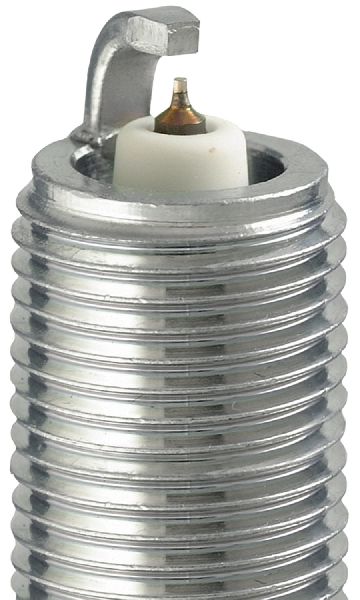
- Worn or Fouled Spark Plugs 🔴 High Probability → Shop Spark Plug Spark plugs are a routine maintenance item and the most common starting point for any misfire diagnosis. Direct injection engines can be particularly sensitive to spark plug condition and correct heat range.
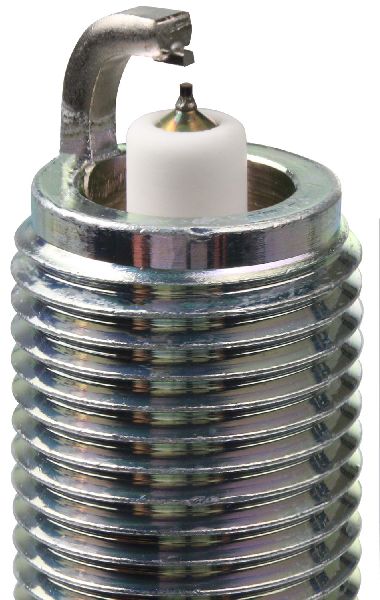
How to confirm: Remove the spark plugs and inspect them for wear (worn electrode), fouling (black, sooty, or oily deposits), or incorrect gap. The specified gap for the 2.0L LTG is ~0.028 inches and for the 3.6L LGX is ~0.036 inches. Carbon tracking on the insulator is also a known issue.
Typical fix: Replace all spark plugs as a set. It's recommended to use OEM-spec Iridium plugs and verify the gap before installation. 🎬 See this walkthrough for replacing 2.0L turbo plugs and coils.
Est. part cost: $60-$120 - Failing Ignition Coils 🔴 High Probability → Shop Ignition Coil Coil-on-plug systems are subjected to significant heat and vibration, leading to eventual failure. When one fails, others may be near the end of their service life.
How to confirm: Use a scan tool to check for any cylinder-specific misfire codes (P0301-P0306) that might accompany the P0300. If a specific cylinder is identified, swap its ignition coil with a known good cylinder. If the misfire code follows the coil, the coil is bad.
Typical fix: Replace the faulty ignition coil. It is often recommended to replace them as a set, especially on higher-mileage vehicles.
Est. part cost: $40-$100 per coil - Faulty Oil Control Valve (OCV) Solenoid (3.6L V6) 🟡 Medium Probability → Shop Engine Variable Valve Timing (VVT) Oil Control Valve GM has issued TSB #21-NA-036 specifically for the 3.6L LGX engine, noting that a damaged or leaking OCV solenoid can cause inadequate oil pressure for the Active Fuel Management (AFM) system, leading to misfires on specific cylinders (often 2 or 5) and setting a P0300.
How to confirm: Inspect the OCV solenoids for physical damage or oil leaks as described in the TSB. The end of the solenoid can break off, and the bore in the camshaft cover should be inspected for damage or porosity. This often starts as a P0302 or P0305 before becoming a random P0300.
Typical fix: Replace the faulty OCV solenoid (GM Part No. 12687569 is a common replacement) and its O-rings. In some cases, the camshaft cover may also need replacement if the bore is damaged.
Est. part cost: $50-$150 - Vacuum Leak 🟡 Medium Probability Hoses and gaskets become brittle over time and can crack, introducing unmetered air into the engine. The PCV system hoses are a common failure point. This disrupts the air-fuel ratio and can cause random misfires.
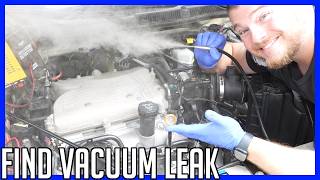
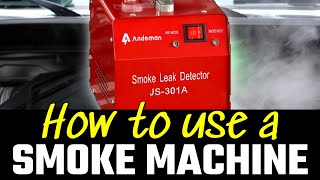
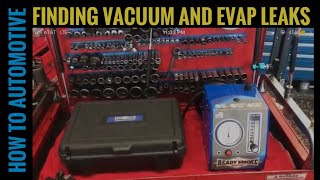
How to confirm: Visually inspect all vacuum hoses for cracks or loose connections. Listen for a hissing sound at idle. A smoke test is the most effective method to find hard-to-see leaks in the intake manifold gasket or other components.
Typical fix: Replace the cracked hose or leaking gasket. The PCV valve/orifice integrated into the valve cover can also clog, sometimes requiring valve cover replacement.
Est. part cost: $10-$200 - Clogged or Dirty Fuel Injectors ⚪ Low Probability → Shop Fuel Injector Direct injection systems operate at very high pressures, and carbon deposits can build up over time, affecting the injector's spray pattern and causing an improper fuel mixture.
How to confirm: A fuel injector balance test using an advanced scan tool can help identify a poorly performing injector. This is typically done after ruling out ignition and vacuum issues.
Typical fix: Professional fuel system cleaning or replacement of the faulty injector(s).
Est. part cost: $100-$300 per injector
Rare But Worth Checking
- Carbon Buildup on Intake Valves: Direct injection engines (both the 2.0L LTG and 3.6L LGX) are prone to carbon buildup on the intake valves since fuel is sprayed directly into the cylinder and doesn't wash over the valves. TSB #18-NA-115 mentions cold start misfires, which can be a symptom of this. This can eventually require manual cleaning (walnut blasting).
- Cracked Piston (2.0L LTG): A known but severe issue on the 2.0L LTG engine, documented in GM bulletins like #PIP5661A and #PIP5628G. A crack can form between the piston rings, leading to low compression and a persistent misfire that may initially present as a P0300. Diagnosis requires a compression or cylinder leak-down test.
- Stretched Timing Chain: → Shop Engine Timing Chain While not extremely common on this generation, a stretched timing chain can affect camshaft/crankshaft correlation, leading to incorrect timing and random misfires. This would likely be accompanied by other codes like P0016, P0017, P0018, or P0019.
Diagnosis Steps
- Use an OBD-II scanner to confirm the P0300 code and check for any other stored codes. Note the freeze frame data to understand the conditions when the misfire occurred. 🎬 Watch: How to fix misfire codes using basic hand tools.
- If the check engine light is flashing, stop driving immediately to prevent catalytic converter damage.
- Inspect the ignition system. Start by removing and examining all spark plugs for wear, fouling, and correct gap. Replace if they are worn or past their service interval. OEM-spec plugs are recommended.
- Test the ignition coils. If a cylinder-specific code (e.g., P0304) is present, swap the coil from that cylinder with a known good one and see if the code follows the coil.
- Check for vacuum leaks. Visually inspect all hoses (especially PCV lines) and the intake manifold area for cracks or damage. Listen for hissing sounds. A smoke test is the most reliable way to find a leak.
- If you have the 3.6L V6, research TSB #21-NA-036 and inspect the OCV solenoids for damage or leaks, as this is a known issue.
- Check fuel pressure to rule out a weak fuel pump or clogged filter.
- If the issue persists, especially on the 2.0L LTG, consider a compression test to rule out internal mechanical issues like a cracked piston.
- If all else fails, the issue may be with fuel injectors, carbon buildup, or mechanical engine problems (like timing issues), which may require professional diagnosis.
Parts You'll Likely Need
- Spark Plugs
(OEM #ACDelco 41-125 (for 2.0L LTG) or ACDelco 41-130 (for 3.6L LGX))— This is the most common cause of misfires and a standard maintenance item. Worn plugs provide a weak spark, leading to incomplete combustion.
Trusted brands: ACDelco, NGK
OEM price range: $15-$25 per plug
Aftermarket price range: $10-$20 per plug - Ignition Coils
(OEM #ACDelco 12654078 (for 2.0L LTG) or ACDelco 12654079 / UF830 (for 3.6L LGX))— A common failure item that results in a weak or non-existent spark, directly causing misfires.
Trusted brands: ACDelco, Herko, Standard Motor Products
OEM price range: $50-$90 per coil
Aftermarket price range: $30-$60 per coil
Related Codes That Often Appear With This One
- P0301-P0306 — These are cylinder-specific misfire codes. They often appear with P0300 when the ECM can identify a consistent misfire on one or more cylinders in addition to random events.
- P0171 (System Too Lean) — A vacuum leak is a common cause for both a lean condition and a random misfire, as unmetered air throws off the air-fuel ratio.
- P050D (Cold Start Rough Idle) — TSB #PIP5628G links this code with P0300, suggesting a common cause such as carbon buildup or a fuel system issue that is most apparent when the engine is cold.
Technical Service Bulletins (TSBs) & Recalls
- TSB #21-NA-036: Details diagnosis for a damaged OCV solenoid on the 3.6L V6 causing oil leaks and misfires on cylinders 2 and/or 5, which can set a P0300.
- TSB #18-NA-115: Addresses cold start misfires and rough idle (with possible P0300) which can be caused by carbon buildup on valves or, in rare cases, engine block porosity.
- TSB #PIP5628G: A preliminary bulletin for diagnosing misfires (P0300-P0308) and/or cold start rough idle (P050D), which on the 2.0L LTG can point towards a cracked piston.
- TSB #PIP5661A: Relates to misfires and P0300 on the 2.0L LTG engine, also pointing to potential piston damage as a root cause.
Platform-Specific Known Issues
- TSB #21-NA-036: Details a diagnostic procedure for a damaged Oil Control Valve (OCV) solenoid on the 3.6L V6 engine that can cause an oil leak and misfires, setting codes P0300, P0302, and/or P0305.
Mechanic-Grade Diagnostic Values
- High-Pressure Fuel System (2.0L LTG & 3.6L LGX) — expected: 750 - 2,250 PSI, depending on engine load.. Failure: Significantly lower pressure than commanded by the ECM, especially under acceleration, indicates a failing High-Pressure Fuel Pump (HPFP).
- Ignition Coil Primary Winding Resistance — expected: Generally between 0.2 to 3.0 ohms.. Failure: A reading of OL (Open Loop) or significantly outside the specified range for the exact part indicates a faulty coil.
- Ignition Coil Secondary Winding Resistance — expected: Typically between 5,000 and 15,000 ohms (5-15 kOhms).. Failure: A reading of OL (Open Loop) or far outside the specification suggests the coil's secondary winding has failed.
- Scan Tool Misfire Data (Live Data) — expected: Zero or very few misfire counts on all cylinders at idle and under load on a healthy engine.. Failure: A rapidly increasing misfire count on one or more cylinders points to the source of the P0300.
Hidden / Shadow Codes Worth Checking
- Mode 6 Misfire Counts: Mode 6 is a diagnostic mode that provides test results for non-continuously monitored systems. Before a P0300 code is officially set, the ECM will log misfire counts per cylinder here. This can reveal which cylinder(s) are beginning to fail even without a specific P0301-P0306 code. (see via A professional scan tool with Mode 6 data capability is required. The data is often presented as Test ID ($A2 through $AB for cylinders 1-10) and Component ID.)
Scan Tool Commands That Help
- GDS2 (GM Dealer Scan Tool): Cylinder Power Balance Test — This is used to graphically display the contribution of each cylinder. A misfiring cylinder will show a significant drop compared to others, helping to quickly identify the problem even if the misfire is intermittent.
- GDS2 (GM Dealer Scan Tool): AFM Cylinder Deactivation (3.6L LGX) — Allows a technician to manually command the Active Fuel Management system on and off to determine if the misfire is related to an AFM lifter or solenoid issue.
- Professional Scan Tool (e.g., HP Tuners, high-end Autel): Crankshaft Position (CKP) Variation Learn — This procedure should be performed after replacing the crankshaft position sensor, PCM, or flywheel, but it can also resolve a P0300 if the stored correlation data has become corrupt, causing false misfire detection.
Wiring & Ground Locations
- G101 / G106 — Located at the front of the engine, lower block, sometimes jumpered to the frame cross rail under the crank pulley.. This is a primary ground for the Engine Control Module (ECM) and Mass Air Flow sensor. A poor connection here can cause erratic sensor readings and incorrect calculations, leading to random misfires.
- G102 — Located at the left rear of the engine.. This ground is specifically for the ignition coils. Corrosion or a loose connection at this point can cause a weak spark across multiple cylinders, directly causing a P0300 code.
- G103 — Located on the cowl in the engine compartment, often above the brake booster.. Grounds the Body Control Module (BCM) and the Data Link Connector (DLC). While not a direct cause of misfires, a bad ground here can disrupt communication and diagnostic procedures.
Real Owner Repair Stories
- CorvetteForum user (2002 C5 Z06 (LS6 Engine - shares similar GM V8 architecture and diagnostic principles)) — P0300 code only on cold starts. Car seemed to run great otherwise. Scan tool showed high misfire counts on cylinders #1 and #6.
❌ Tried (didn't work) Checked/swapped spark plug wires, Checked spark plugs, Checked for vacuum leaks, Swapped ignition coils, Checked all grounds, Checked valve springs
✅ What actually fixed it Performing a Crankshaft Position (CKP) Variation Learn procedure (also known as CASE Learn) using HP Tuners software completely resolved the cold start P0300 code.
"I Checked Everything" — The Actual Cause
- On similar GM direct-injection engines (like the 2.4L Ecotec), a common cause for a P0300 with no vacuum leaks found on a smoke test is a clogged PCV orifice *inside* the intake manifold. This does not create an external leak that smoke can reveal but disrupts crankcase pressure and air-fuel mixture, causing random misfires. The fix requires removing and cleaning or replacing the intake manifold.
Helpful Videos

We Have This Part in Stock


The information in this article is provided for general reference and educational purposes only. Vehicle specifications, procedures, and part compatibility can vary by production date, trim level, and region. Always consult your vehicle's factory service manual and verify part numbers before purchasing or performing repairs. Safety-critical components such as airbags, seat belts, and braking systems should be installed by a qualified professional.
- Buick REGAL:
- 🧭 Diagnostic Flowchart
- 🎬 Helpful Videos
- 🛍️ Shop This Part
- What's Unique About the 2019-2019 Buick REGAL
- Symptoms You May Notice
- Most Likely Causes
- Rare But Worth Checking
- Diagnosis Steps
- Parts You'll Likely Need
- Related Codes That Often Appear With This One
- Technical Service Bulletins (TSBs) & Recalls
- Platform-Specific Known Issues
- Mechanic-Grade Diagnostic Values
- Hidden / Shadow Codes Worth Checking
- Scan Tool Commands That Help
- Wiring & Ground Locations
- Real Owner Repair Stories
- "I Checked Everything" — The Actual Cause
- 🎟️ Get 5% Off