

P0300 on 2011-2015 Cadillac CTS-V: Random Misfire Causes and Fixes
A P0300 code on a 2011-2015 CTS-V indicates a random misfire. Common causes are worn spark plugs and failing ignition coils. A very platform-specific issue is a rattling noise from the supercharger, pointing to a failed factory supercharger isolator. This part wears out, creating noise and potentially disrupting engine timing via the knock sensor. It is typically replaced with an upgraded solid version.
- P0300 means the engine is misfiring on multiple cylinders, and you should stop driving if the check engine light is flashing to prevent expensive catalytic converter damage.
- Start your diagnosis with the most common and affordable fixes: inspect and replace worn spark plugs and test the ignition coils.
- Listen for a distinct rattling from the engine's front at idle. This is a tell-tale sign of a failed supercharger isolator, a very common issue on the LSA engine.
- If basic ignition and fuel checks don't solve the problem, be aware that GM has issued service bulletins for more complex issues, like camshaft wear, that can cause this code.
What's Unique About the 2011-2015 Cadillac CTS-V
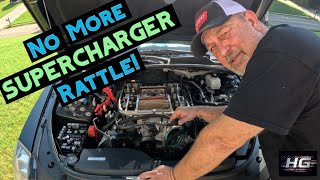
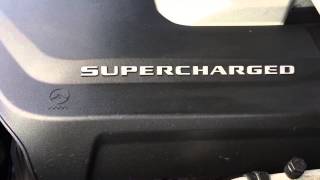
The 2011-2015 CTS-V uses the potent 6.2L Supercharged LSA V8 engine. While standard ignition system faults are common, this platform has a specific known weakness: the factory supercharger isolator. The original spring-loaded part is known to wear out, causing a distinct rattling sound at idle often described as 'marbles in the supercharger 🎬 Watch: Hear what a failing supercharger isolator sounds like'. This wear can also create metallic debris that damages the snout seal and bearings. The resulting vibrations can be picked up by the knock sensors, causing the ECM to retard timing, which can feel like a misfire. Additionally, manufacturer service bulletins point to the potential for more serious mechanical issues like worn camshaft lobes causing misfires on this engine family. [TSB #PIP4138R]
Diagnostic Flowchart
Tap your situation to follow the diagnostic path that matches what you're seeing on this vehicle.
Symptoms You May Notice
- Flashing or solid Check Engine Light
- Rough or shaky idle
- Hesitation or stumbling during acceleration, especially at higher RPM.
- Noticeable loss of engine power
- Engine shaking felt in the cabin
- Rattling noise from the front of the engine/supercharger at idle that fades with increased RPM.
- Service StabiliTrak light may appear along with the Check Engine Light.
- Replacing oxygen sensors. O2 sensors will often report errors as a result of the misfire, but they are rarely the root cause of a P0300.
- Assuming the supercharger itself has failed. The rattling noise is most often the inexpensive isolator, not a catastrophic failure of the supercharger unit, although GM did extend the warranty on some units for bearing issues.
Most Likely Causes
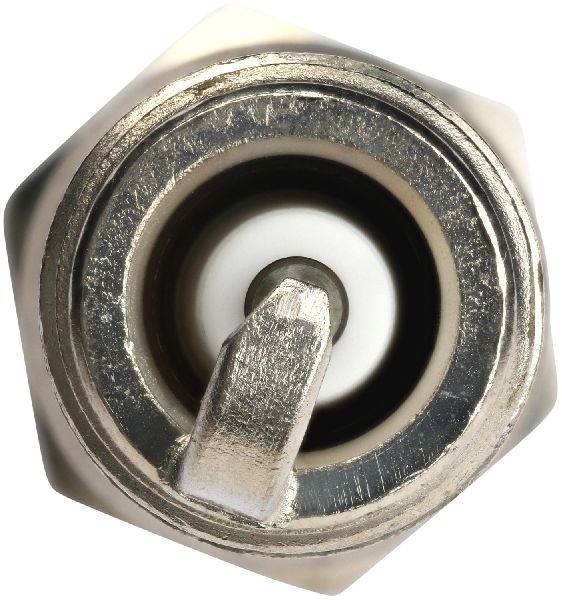
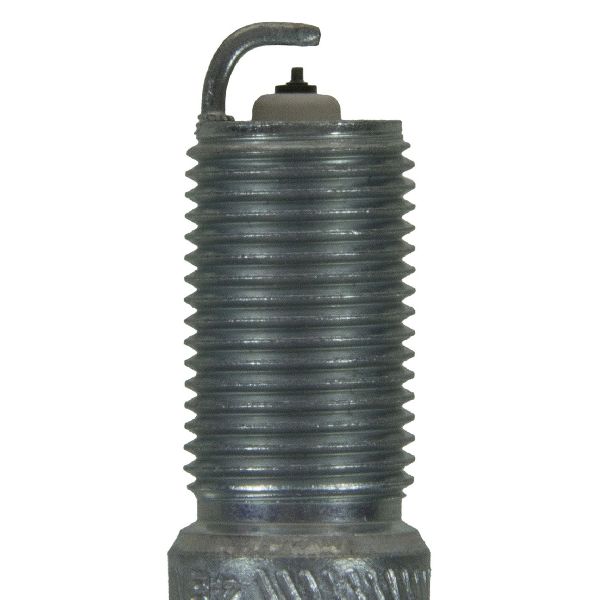
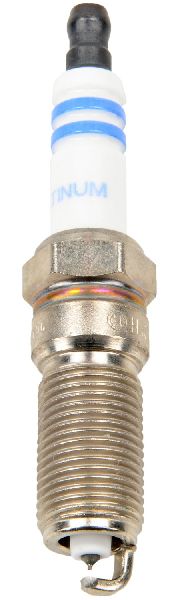
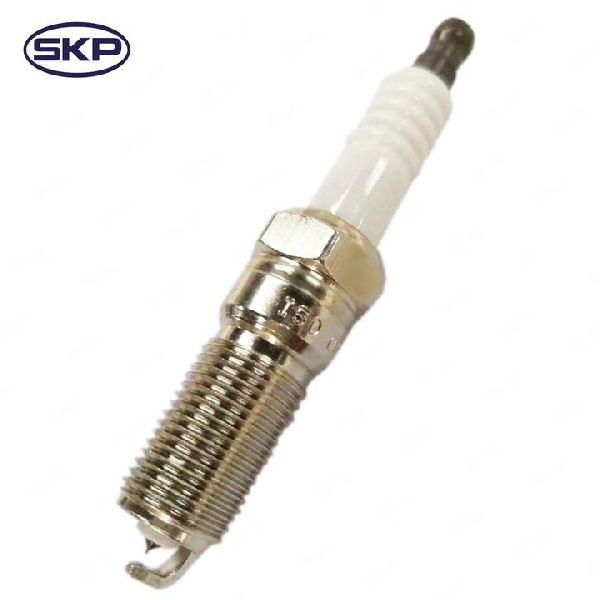
- Worn Spark Plugs 🔴 High Probability → Shop Spark Plug Supercharged engines place higher demands on spark plugs, leading to a shorter service life. Old, fouled, or cracked porcelain on plugs are a very common cause of misfires.
How to confirm: Remove and inspect all eight spark plugs for wear, carbon fouling, oil contamination, or damage to the porcelain insulator. The recommended gap for the OEM ACDelco 41-110 plug is 0.040 inches (1.02mm).
Typical fix: Replace all eight spark plugs. It is recommended to use high-quality iridium plugs, such as the OEM ACDelco 41-110 or a popular alternative like the NGK TR7IX.
Est. part cost: $80-$150 - Failed Ignition Coil(s) or Spark Plug Wires 🔴 High Probability → Shop Ignition Coil
How to confirm: Use a scan tool with live data to monitor misfire counts per cylinder. Swap a suspected bad coil with one from a known good cylinder. Clear the codes and run the engine. If the misfire code follows the coil (e.g., P0300 is now accompanied by P0304 after swapping with cylinder 4), the coil is bad. Inspect spark plug wires for damage, corrosion, or a loose fit on the plug and coil.
Typical fix: Replace the faulty ignition coil and/or spark plug wire. If the vehicle has high mileage, it is often recommended to replace all coils, plugs, and wires at the same time.
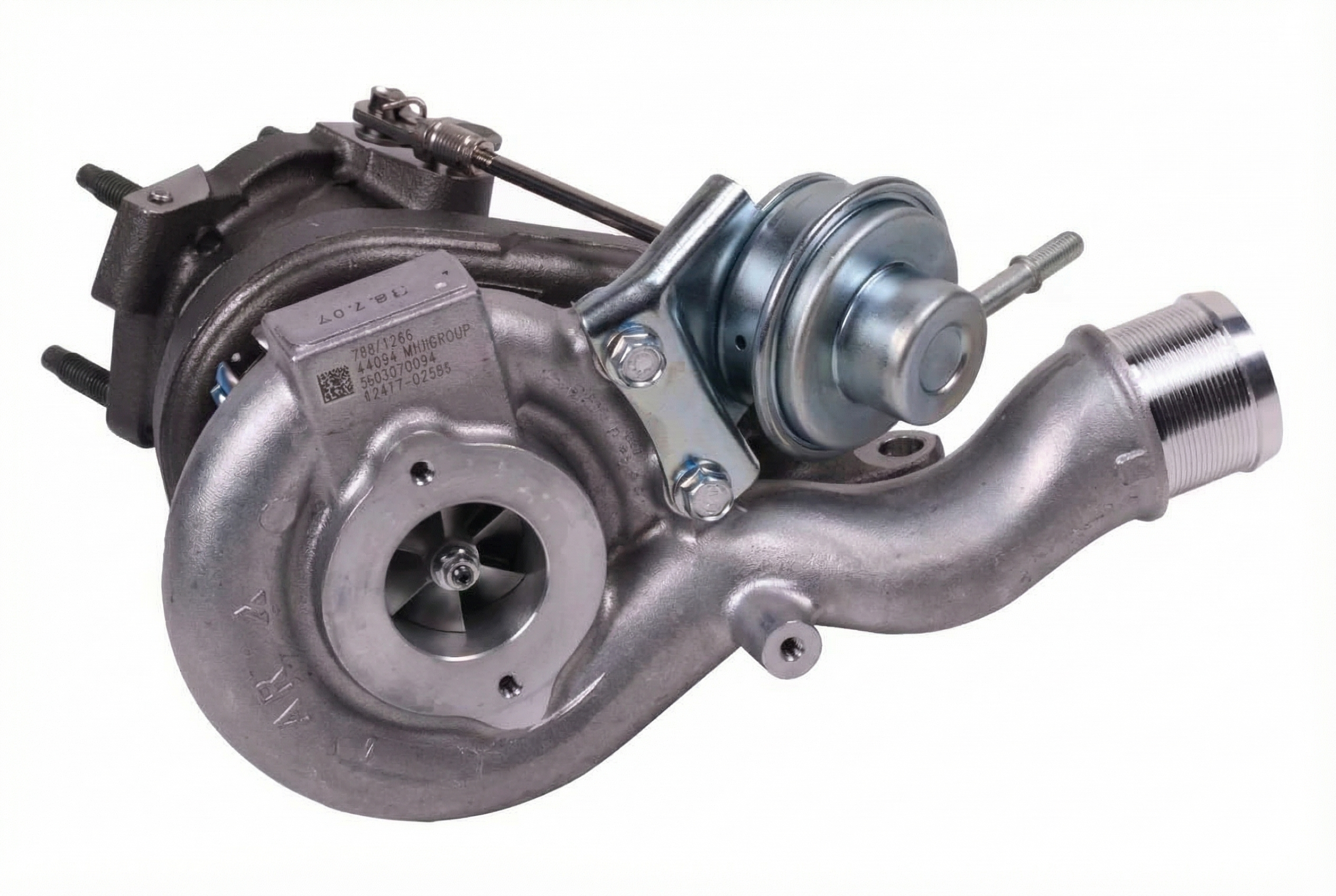
Est. part cost: $50-$100 per coil, $60-$120 for a set of wires - Failed Supercharger Isolator 🟡 Medium Probability → Shop Turbocharger The factory spring-loaded isolator in the supercharger snout is a notorious failure point on the LSA engine. The spring wears a groove into the supercharger shaft, causing a loud rattling noise at idle. This can create metallic dust that harms seals and bearings, and the vibration can trigger the knock sensor, causing the ECM to pull timing and create a misfire-like hesitation.
How to confirm: Listen for a distinct rattling or clattering sound from the front of the supercharger, especially at idle, that may go away when RPMs increase. It is often described as sounding like 'marbles' or rocks in the blower.
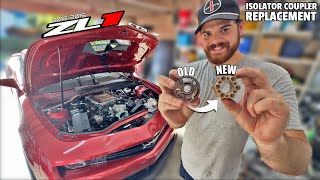
Typical fix: Replace the factory spring-loaded isolator with an upgraded solid isolator made from a durable thermoplastic like Delrin. This is a common and permanent fix.
Est. part cost: $50-$100 - Vacuum Leak ⚪ Low Probability
How to confirm: A smoke test is the most effective way to find leaks from intake gaskets, vacuum hoses, or the PCV system. Unmetered air entering the engine disrupts the air/fuel ratio and can cause misfires. Lean codes (P0171, P0174) often accompany a P0300 caused by a vacuum leak.
Typical fix: Replace the cracked hose or faulty gasket that is causing the leak. Common areas include PCV lines and the intake manifold gasket.
Est. part cost: $10-$100
Rare But Worth Checking
- Worn Camshaft Lobe: → Shop Engine Camshaft As cited in TSB #PIP4138R, if standard diagnostics do not find the cause of the misfire, a worn camshaft lobe and/or lifter roller should be investigated. This is a more serious mechanical issue that may present with a ticking or chirping noise at half of engine speed.
- Clogged or Failing Fuel Injectors: → Shop Fuel Injector A dirty or failing fuel injector can cause a lean misfire. If the issue is isolated to one cylinder after checking ignition components, the injector is a likely suspect. This can be diagnosed by swapping injectors between cylinders to see if the misfire follows.
- Low Fuel Pressure: A weak fuel pump or clogged fuel filter can starve the engine of fuel, leading to random misfires across all cylinders, especially under heavy load. A fuel pressure test can confirm if the pump is providing adequate pressure according to factory specifications.
- Weak or Failing Battery: Modern vehicles are highly dependent on stable voltage. An old or failing battery can cause a variety of unpredictable electronic issues, including triggering a P0300 code, before it fails to start the car.
Diagnosis Steps
- Read all codes from the ECM using an OBD-II scanner. Note any cylinder-specific (P0301-P0308) or lean codes (P0171/P0174).
- Listen for a rattling noise from the supercharger snout at idle. If present, the supercharger isolator is the primary suspect.
- Inspect the spark plugs for wear, fouling, correct gap (0.040"), or cracked porcelain. Replace if they are old or show signs of damage.
- Inspect ignition coils and spark plug wires for any signs of damage, corrosion, or looseness.
- Use a scan tool to observe live misfire data to identify which cylinders are misfiring most frequently. This can help narrow the search even with a P0300 code.
- Perform a 'swap test'. Swap the ignition coil from a frequently misfiring cylinder with one from a non-misfiring cylinder. If the misfire follows the coil, the coil is faulty and needs replacement.
- If ignition components are good, check for vacuum leaks using a smoke machine, paying close attention to the intake manifold gasket and all vacuum hoses.
- Check fuel pressure with a gauge to rule out a weak fuel pump or clogged filter.
- If all else fails, more advanced mechanical checks, such as a compression test or inspecting the camshaft as per TSB #PIP4138R, may be necessary.
Parts You'll Likely Need
- Spark Plugs
(OEM #12621258 (ACDelco 41-110))— These are a primary wear item in the ignition system and the most frequent cause of misfires on a forced-induction engine.
Trusted brands: ACDelco, NGK
OEM price range: $100-$150
Aftermarket price range: $80-$120 - Ignition Coil
(OEM #12573190 (ACDelco D514A))— Ignition coils fail over time due to heat and vibration, leading to a weak or non-existent spark.
Trusted brands: ACDelco, Delphi, Dragon Fire Performance
OEM price range: $70-$100
Aftermarket price range: $40-$70 - Supercharger Isolator (Solid Upgrade)
(OEM #LSA0001 (Metco))— The factory isolator is a known weak point. An upgraded solid isolator is a permanent fix for the common supercharger rattle and a recommended preventative measure.
Trusted brands: Metco Motorsports, LSX Innovations, Eaton
OEM price range: N/A (Upgrade)
Aftermarket price range: $50-$100 - Fuel Injector
(OEM #12609749)— Can become clogged or fail electronically, preventing the correct amount of fuel from reaching a cylinder.
Trusted brands: ACDelco, Bosch
OEM price range: $80-$120
Aftermarket price range: $50-$90
Related Codes That Often Appear With This One
- P0301-P0308 — These are cylinder-specific misfire codes. A P0300 may appear first, and as the problem worsens, the ECM may be able to isolate the fault to a specific cylinder, triggering a code like P0301 (Cylinder 1 Misfire).
- P0171 / P0174 — These 'System Too Lean' codes often point to a vacuum leak, which allows unmetered air into the engine and can cause random misfires.
Technical Service Bulletins (TSBs) & Recalls
- PIP5628C: Preliminary information for diagnosing misfires with DTCs P0300-P0308 and/or P050D.
- 18-NA-115: Provides inspection/diagnosis/correction information on a cold start misfire and/or rough idle and DTC P0300 that may also be set.
- PIP4138R: Diagnostic aid for vehicles with engine misfire DTCs P0300-P0308, potentially caused by a worn camshaft lobe or sticking valve.
Platform-Specific Known Issues
- The OEM spring-loaded supercharger isolator is prone to failure, causing a loud rattle at idle. It is commonly replaced with a more durable solid plastic or nylon isolator.
Mechanic-Grade Diagnostic Values
- Ignition Coil Primary Resistance — expected: 0.4 to 0.6 ohms. Failure: A reading outside this range indicates a faulty coil.
- Ignition Coil Secondary Resistance — expected: 5,000 to 7,200 ohms. Failure: A reading outside this range indicates a faulty coil.
- Long Term Fuel Trim (LTFT) — expected: Ideally between -10% and +10%. Failure: Sustained double-digit positive values (e.g., +15% or higher) suggest a lean condition (like a vacuum leak), while double-digit negative values suggest a rich condition. A P0300 caused by a vacuum leak will often show high positive fuel trims.
- Fuel Pressure (Engine Off, Key On) — expected: Must be checked within the first 2 seconds of turning the key to 'run'. GM does not publish official running pressure specs for this system; all tests are key-on, engine-off.. Failure: A pressure drop of more than a few PSI within 10 minutes after the pump shuts off indicates a leak in the system (e.g., a bad check valve or leaky injector).
Hidden / Shadow Codes Worth Checking
- Mode $06, Test ID $A2-$A9: Provides raw misfire counts for each cylinder (Cylinder 1 is $A2, Cylinder 2 is $A3, etc.) for the current or last 10 driving cycles. This data can reveal which cylinder is misfiring most often, even if a cylinder-specific code (P0301-P0308) has not been set. (see via A professional-grade scan tool or an OBD-II app with Mode $06 capabilities. The misfire count for a healthy cylinder should be zero or very close to it.)
Scan Tool Commands That Help
- GDS2 / Tech2 or equivalent professional scan tool: Crankshaft Position System Variation Learn — This procedure is required after replacing the crankshaft position sensor, crankshaft, balancer, or ECM. Failure to perform the relearn can cause misfire detection to be inaccurate, potentially leading to a P0300 code. The procedure involves accelerating the engine to a specific RPM (often around 4000-5150 RPM) until fuel cut-off, then releasing the throttle.
- GDS2 / Tech2 or equivalent professional scan tool: Power Balance Test — This function allows a technician to disable one cylinder at a time to observe the corresponding drop in engine RPM. A cylinder that causes little or no RPM drop when disabled is the one that is misfiring.
- GDS2 / Tech2 or equivalent professional scan tool: Fuel Trim Reset — After a repair that affects the air/fuel ratio, such as fixing a vacuum leak or replacing fuel injectors, resetting the fuel trims forces the ECM to relearn the fuel delivery strategy immediately, which can help confirm the fix.
Wiring & Ground Locations
- G102 — Located at the left rear of the engine.. This is the primary ground point for all eight ignition coils. A loose or corroded connection here can cause weak or intermittent spark across multiple cylinders, leading to a random misfire (P0300).
- G103 — Located on the cowl in the left rear of the engine compartment, above the brake booster.. This ground serves the Engine Control Module (ECM) and the Data Link Connector (DLC). A poor connection can cause a wide range of erratic engine behavior and diagnostic communication issues.
- G110 — Front of the driver's side cylinder head.. A known issue on CTS-V models involves a poor connection at this ground, which can cause intermittent electrical problems, including Service Power Steering messages and ABS lights, which can sometimes occur alongside engine performance issues.
Real Owner Repair Stories
- ctsvowners.com forum user (2012 CTS-V Coupe, 62k miles) — P0300 code, rough idle, hesitation under load.
❌ Tried (didn't work) Replaced spark plugs, Replaced spark plug wires, Swapped ignition coils
✅ What actually fixed it The final cause was identified as two broken valve springs on different cylinders. After replacing the springs, retainers, and seals, the misfire was resolved. - cadillacforums.com user (2009 CTS-V) — P0300, P0305, P0307 codes. Misfire felt at idle and part throttle.
❌ Tried (didn't work) New spark plugs (ACDelco 41-104), Swapping coils and injectors
✅ What actually fixed it The owner discovered that one of the brand new spark plugs had a cracked porcelain insulator, which was causing the misfire on cylinder 7. Replacing just that one new, faulty plug resolved the issue.
OEM Part Supersession History
ACDelco 41-110 (GM 12621258)→ACDelco 41-162 (GM 12680072)— GM changed suppliers for the spark plug, leading to a new part number. Some users report perceived quality differences between the original 41-110 (often cited as made by NGK or Denso in the USA) and the newer 41-162.
Heads up: While the 41-162 is the official replacement, some owners and technicians prefer to seek out remaining stock of the 41-110, believing it to be a higher quality part that provides a smoother idle. Both are functionally compatible.
Model Year Variations Within This Range
- 2012-2015: The LSA engine in the Camaro ZL1 (2012-2015) is virtually identical to the CTS-V's but had a slightly higher factory horsepower rating (580 hp vs 556 hp) due to tuning and exhaust differences. The core mechanical components and common P0300 causes remain the same.
Helpful Videos
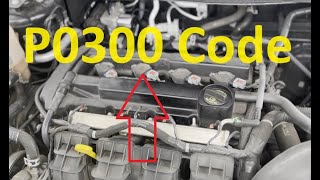
Used OEM Parts in Stock
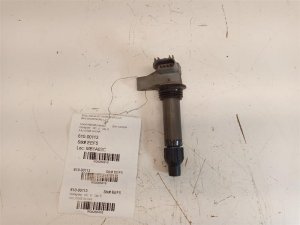
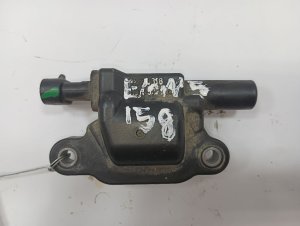
New Aftermarket Parts Available

The information in this article is provided for general reference and educational purposes only. Vehicle specifications, procedures, and part compatibility can vary by production date, trim level, and region. Always consult your vehicle's factory service manual and verify part numbers before purchasing or performing repairs. Safety-critical components such as airbags, seat belts, and braking systems should be installed by a qualified professional.
- Cadillac CTS-V:
- 🧭 Diagnostic Flowchart
- 🎬 Helpful Videos
- 🛍️ Shop This Part
- What's Unique About the 2011-2015 Cadillac CTS-V
- Symptoms You May Notice
- Most Likely Causes
- Rare But Worth Checking
- Diagnosis Steps
- Parts You'll Likely Need
- Related Codes That Often Appear With This One
- Technical Service Bulletins (TSBs) & Recalls
- Platform-Specific Known Issues
- Mechanic-Grade Diagnostic Values
- Hidden / Shadow Codes Worth Checking
- Scan Tool Commands That Help
- Wiring & Ground Locations
- Real Owner Repair Stories
- OEM Part Supersession History
- Model Year Variations Within This Range
- 🎟️ Get 5% Off