

P0300 on 2002-2009 Cadillac Escalade: Random Misfire Causes & Fixes
P0300 on a Cadillac Escalade indicates a random, multiple-cylinder misfire. The most common causes are worn spark plugs and wires or a vacuum leak from a failed intake manifold gasket, especially on 2002-2006 models. A basic tune-up is often the first step. For 2007-2009 models, issues with the Active Fuel Management (AFM) system are also a significant and well-documented cause.
- P0300 means multiple cylinders are misfiring, not just one.
- If the check engine light is flashing, pull over. Driving can cause expensive catalytic converter damage.
- For 2002-2006 models, a failed intake manifold gasket is a top suspect. Look for signs of vacuum or coolant leaks.
- Always start with the basics: inspect and/or replace spark plugs and wires if they are old.
- If basic ignition parts don't solve the issue, the next steps are to test for vacuum leaks and verify fuel pressure.
What's Unique About the 2002-2009 Cadillac ESCALADE

This year range covers two Escalade generations, the GMT800 (2002-2006) and GMT900 (2007-2009). The earlier GMT800 models with the 5.3L and 6.0L V8s are well-known for intake manifold gasket failures, which cause vacuum and sometimes coolant leaks, triggering a P0300 code. The later GMT900 models with the 6.2L V8 can also suffer from vacuum leaks, but are particularly susceptible to issues related to the Active Fuel Management (AFM) system, where collapsed or stuck lifters are a common cause of misfires, often accompanied by a distinct ticking noise.
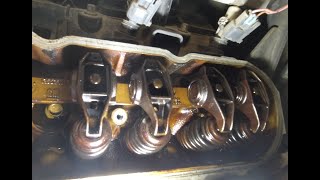
🎬 See how AFM lifter failure causes misfires and no compression.Diagnostic Flowchart
Tap your situation to follow the diagnostic path that matches what you're seeing on this vehicle.
Generation note: This range covers the second generation (2002-2006, GMT800) and the start of the third generation (2007-2009, GMT900). The 2002-2006 models use a "wet" intake manifold design where the original plastic-framed gaskets are prone to failing and leaking both coolant and air. The 2007-2009 models use a "dry" intake and introduced the 6.2L V8 with Active Fuel Management (AFM), which can have its own unique causes for misfires, such as faulty lifters or control solenoids, as documented in GM TSBs like #PIP4568K.
Symptoms You May Notice
- Rough or shaky idle
- Hesitation or stumbling during acceleration
- Flashing or steady Check Engine Light
- Reduced engine power, sometimes triggering a "Reduced Engine Power" message
- Poor fuel economy
- Stalling at stops
- Engine may be harder to start
- Ticking or tapping noise from the engine, especially on 2007+ models with AFM
- Replacing oxygen (O2) sensors without confirming they are faulty. O2 sensors often report issues caused by other problems, like vacuum leaks or fuel delivery issues.
- Replacing only one spark plug or coil when the root cause is systemic, like a vacuum leak or low fuel pressure.
- Replacing the mass airflow (MAF) sensor when the issue is a vacuum leak downstream of the sensor.
- Assuming a tune-up will fix it when the root cause is a more platform-specific issue like an AFM lifter or intake gasket failure.
Most Likely Causes

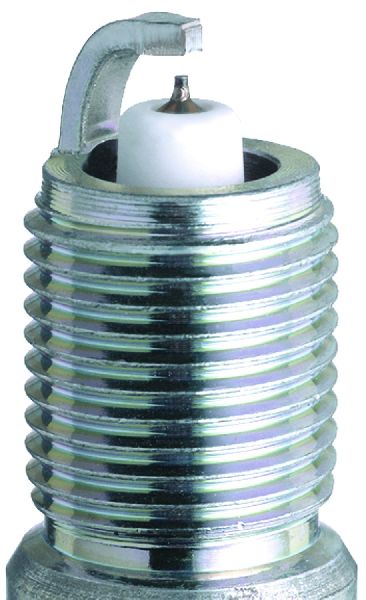
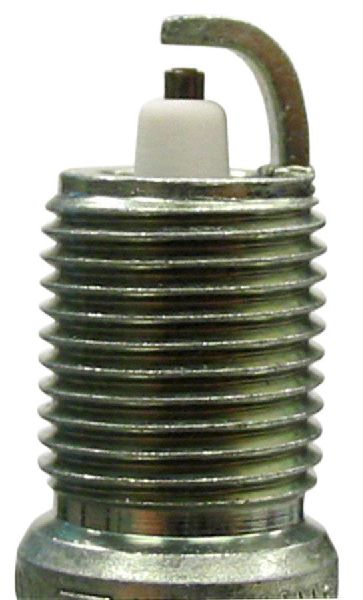
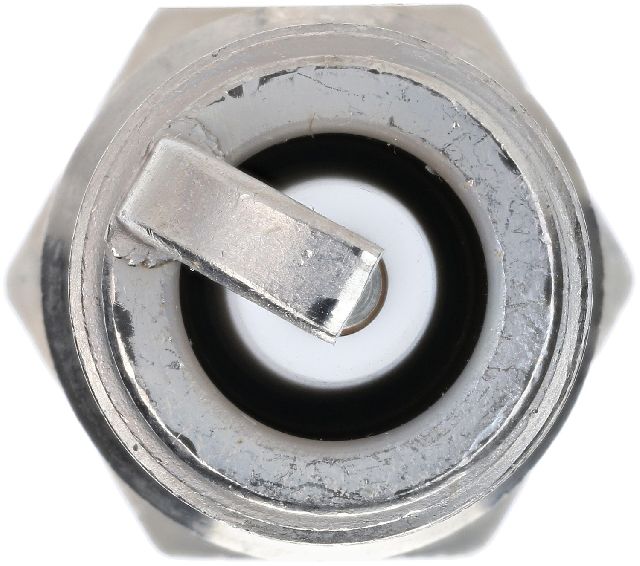
- Worn Spark Plugs and/or Spark Plug Wires 🔴 High Probability → Shop Spark Plug These are standard maintenance items that wear out over time. Given the age of these vehicles, they are often the original or have not been changed in a long time. Owners often report replacing plugs and wires as the first step.
How to confirm: Visually inspect spark plugs for wear, fouling (oil, carbon, or coolant), or damage. A black line on the porcelain is a sign of a crack that will cause a misfire. Inspect wires for cracks, brittleness, or burn marks. A simple tune-up is often the first diagnostic step.
Typical fix: Replace all spark plugs and spark plug wires as a set. Recommended plugs are often ACDelco Iridium (e.g., 41-110).
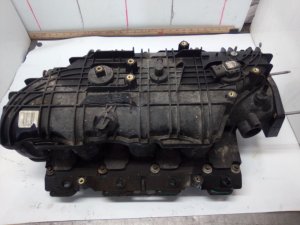
Est. part cost: $80-$200 - Intake Manifold Gasket Leak 🔴 High Probability → Shop Engine Intake Manifold The 2002-2006 models with the 5.3L/6.0L V8 use a "wet" intake design with a plastic-framed gasket that is notorious for failing, causing both vacuum and coolant leaks. The 2007-2009 models have a "dry" intake but can also develop vacuum leaks from hardened gaskets.
How to confirm: Listen for a hissing sound near the top of the engine at idle. A professional can use a smoke machine to inject smoke into the intake and see where it leaks out. Often accompanied by lean codes (P0171, P0174). A DIY method is to carefully spray short bursts of brake cleaner around the gasket area while listening for a change in engine idle.
Typical fix: Replace the intake manifold gaskets with an updated design. The Fel-Pro MS98016T is a highly-regarded steel-carrier replacement that is considered an upgrade over the OEM plastic design. 🎬 Watch: Step-by-step intake manifold gasket replacement for 2002-2006 models.
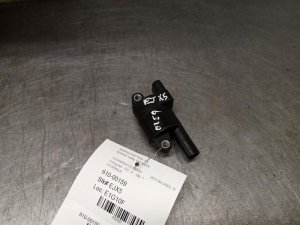
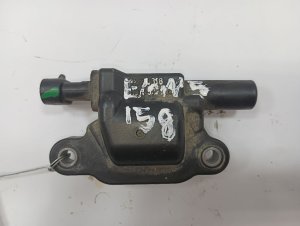
Est. part cost: $40-$100 - Faulty Ignition Coil(s) 🟡 Medium Probability → Shop Ignition Coil While a single bad coil usually causes a specific cylinder code (e.g., P0301), a weak or intermittently failing coil can contribute to random misfires under load before it fails completely. The GMT800 (2002-2006) typically uses a square-style coil like the ACDelco D585.
How to confirm: If you have a scanner that shows live misfire data, you can identify which cylinders are misfiring. Swap the coil from a misfiring cylinder with one from a known good cylinder. If the misfire code follows the coil, the coil is bad.
Typical fix: Replace the faulty ignition coil. It is often recommended to replace them in sets if they are original and high-mileage.
Est. part cost: $40-$80 per coil - Low Fuel Pressure 🟡 Medium Probability The fuel pump or fuel filter can fail or become clogged, which is common on older, higher-mileage vehicles. This starves all cylinders of adequate fuel. The fuel filter is a maintenance item located on the frame rail under the driver's side.
How to confirm: Connect a fuel pressure gauge to the Schrader valve on the fuel rail. Check that the pressure is within the manufacturer's specification at idle and under load. A clogged filter is a common, inexpensive first step before suspecting the pump.
Typical fix: Replace the clogged fuel filter or the failing fuel pump module.
Est. part cost: $20-$350 - Dirty or Clogged Fuel Injectors ⚪ Low Probability → Shop Fuel Injector Fuel deposits can build up over time, especially if lower-quality fuel has been used, restricting flow to one or more cylinders.
How to confirm: A professional can perform a fuel injector balance test to measure the flow rate of each injector. A simpler, though less definitive, step is to run a high-quality fuel system cleaner (like Techron) through the tank. Some owners on forums have identified specific misfiring cylinders and replaced the corresponding injector.
Typical fix: Clean the fuel injectors or replace any that are clogged or faulty.
Est. part cost: $50-$150 per injector
Rare But Worth Checking
- Internal Engine Mechanical Failure (AFM Lifters): On 2007+ models with the 6.2L V8, a failing lifter from the Active Fuel Management (AFM) system is a very common cause of P0300. The lifter can become mechanically collapsed or stuck, leading to a misfire and a distinct ticking noise. GM has issued multiple TSBs on this topic (e.g., #15-06-01-002M, #PIP4568K). The fix often involves replacing all lifters, the lifter guides, and sometimes the camshaft if it has been damaged.
- Clogged Catalytic Converter: → Shop Catalytic Converter A restricted exhaust creates backpressure, which can cause the engine to misfire randomly, often feeling sluggish with a lack of power. This is often a result of long-term misfires that were not addressed, which allowed unburnt fuel to overheat and melt the converter's internal structure.
- Faulty Crankshaft Position Sensor (or Relearn Needed): → Shop Engine Crankshaft Position Sensor An erratic signal from the crankshaft position sensor can cause the ECM to miscalculate engine timing, leading to random misfires. Sometimes, after major engine work like replacing the sensor or engine, a "crankshaft variation relearn" procedure must be performed with a capable scan tool to resolve a P0300 code.
- Bank Ground Wire Issue: On some GMT800 and GMT900 models, a faulty or corroded ground wire for one of the cylinder banks can cause intermittent misfires across all four cylinders on that side. A common problem area is the ground strap located on the back of the cylinder head. 🎬 Watch: How to find and fix common GM ground wire issues.
Diagnosis Steps
- Scan for all stored trouble codes. Note any other codes besides P0300, as they can provide valuable clues (e.g., P0171/P0174 for vacuum leaks, P3400 for AFM issues).
- If the check engine light is flashing, reduce engine load immediately and get the vehicle serviced to prevent catalytic converter damage.
- Perform a full visual inspection. Look for cracked or disconnected vacuum hoses, loose electrical connectors, or signs of coolant leaks around the intake manifold (especially on 2002-2006 models).
- Inspect the ignition system. Check the condition of all spark plugs and wires. Replace them if they are old or show signs of wear or fouling.
- Test for vacuum leaks. The most effective method is with a smoke machine. Alternatively, you can carefully spray short bursts of brake cleaner around the intake manifold gasket area while listening for a change in engine idle.
- Check fuel pressure. Use a fuel pressure test kit to ensure the fuel pump and filter are providing adequate pressure according to specifications. Consider replacing the fuel filter as preventative maintenance if its age is unknown.
- For 2007+ models, listen carefully for a persistent ticking noise, which is a strong indicator of a failed AFM lifter.
Parts You'll Likely Need

- Intake Manifold Gasket Set
(OEM #17113215)— This is a very common failure point, especially on 2002-2006 models, causing vacuum leaks that lead to random misfires.
Trusted brands: Fel-Pro (MS98016T is a popular upgrade), ACDelco, Mahle - Spark Plugs
(OEM #ACDelco 41-110 (Iridium))— Worn or fouled spark plugs are a primary cause of misfires and are a standard tune-up item.
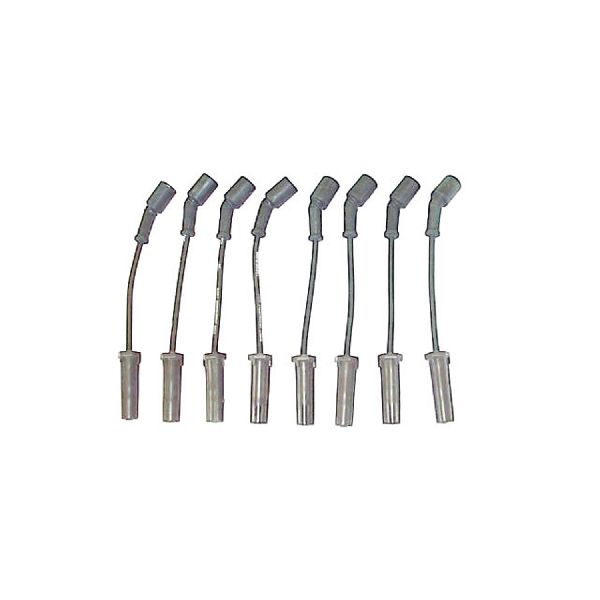
Trusted brands: ACDelco, NGK - Spark Plug Wires — Wires degrade over time, causing weak spark and misfires.
Trusted brands: ACDelco, NGK - Ignition Coil
(OEM #ACDelco D585 (for 2002-2006 models))— An intermittently failing coil can cause random misfires before failing completely.
Trusted brands: ACDelco, Delphi - Fuel Filter — A clogged fuel filter can restrict fuel flow and cause lean conditions and misfires. It's an inexpensive maintenance part to rule out fuel delivery issues.
Trusted brands: ACDelco, WIX - AFM Lifters (2007+) — A collapsed or stuck AFM lifter is a very common cause of P0300 on 2007-2009 models. Replacement often involves a full set.
Trusted brands: ACDelco, Melling
Related Codes That Often Appear With This One
- P0171 and P0174 — These 'System Too Lean' codes for both engine banks strongly suggest a vacuum leak, such as a failed intake manifold gasket, is allowing unmetered air to enter the engine, causing the misfires.
- P0301, P0302, etc. — The ECM may log P0300 initially before it isolates the misfire to one or more specific cylinders, at which point it will also log the corresponding cylinder-specific code(s).
- P3400 — This code for 'Cylinder Deactivation System Bank 1' on 2007+ models points directly to a problem in the Active Fuel Management (AFM) system, often seen alongside P0300 when a lifter or solenoid fails.
Technical Service Bulletins (TSBs) & Recalls
- PIP5628G: A general diagnostic aid for technicians contacting GM's Technical Assistance Center (TAC) for misfire codes P0300-P0308. It provides a template of information to gather, such as freeze-frame data, fuel trims, and compression test results.
- 15-06-01-002M (and later revisions): Addresses engine misfire/tick noise with DTC P0300 caused by a failed Active Fuel Management (AFM) lifter. It details the diagnosis and replacement procedure, noting that a stuck lifter or bent pushrod could be the cause.
- PIP4568K: An earlier bulletin also addressing misfires on AFM cylinders (1, 4, 6, 7) due to collapsed or stuck lifters, often presenting with low compression on the affected cylinder.
Platform-Specific Known Issues

- The intake manifold gaskets on 2002-2006 models with the 6.0L V8 are a known weak point. The original plastic design deteriorates, causing vacuum and/or coolant leaks that directly lead to a P0300 code.
- On 2007 and newer models with the 6.2L V8, issues with the Active Fuel Management (AFM) system, such as a stuck solenoid in the Valve Lifter Oil Manifold (VLOM) or a collapsed AFM lifter, can cause misfires that may initially present as a P0300 code.
Mechanic-Grade Diagnostic Values
- Fuel Pressure (Key On, Engine Off) — expected: 55-62 psi. Failure: Pressure below 55 psi indicates a weak pump, clogged filter, or faulty regulator.
- Ignition Coil Primary Resistance (e.g., ACDelco D585) — expected: 0.4 - 2.0 ohms. Failure: A reading of 0 indicates a short, while an infinite reading (OL) indicates an open circuit.
- Ignition Coil Secondary Resistance (e.g., ACDelco D585) — expected: 6,000 - 10,000 ohms. Failure: Readings outside this range suggest a faulty coil winding.
- Crankshaft Position Sensor AC Voltage (while cranking) — expected: Around 200 millivolts (AC mV), but varies by specific engine. Failure: A reading of zero indicates a failed sensor.
- Fuel Injector Balance Rate (at idle, with scan tool) — expected: +4 mm³ to -6.9 mm³ in Park or Neutral. Failure: A high positive value can indicate a clogged injector or low cylinder compression.
- Fuel Injector Balance Test (pressure drop) — expected: The pressure drop for each injector should be within 3 psi (20 kPa) of the average for all cylinders.. Failure: An injector with a significantly smaller or larger pressure drop is faulty.
Scan Tool Commands That Help
- Tech 2 / GDS2: Crankshaft Position (CKP) Variation Learn — Required after replacing the crankshaft position sensor, crankshaft balancer, or the ECM. Failure to perform this relearn can cause a persistent P0300 code.
- Tech 2 / GDS2: Fuel Injector Balance Test — To identify a clogged or faulty fuel injector that is causing a misfire. The tool commands each injector to fire and measures the corresponding drop in fuel rail pressure.
- Tech 2 / GDS2: Misfire Current Counters — To view live misfire data for each individual cylinder, helping to isolate a random misfire that hasn't yet set a cylinder-specific code (e.g., P0301).
- Tech 2 / GDS2: Cylinder Power Balance — This test deactivates one cylinder at a time to measure the drop in RPM. If deactivating a cylinder causes little or no change in engine speed, that cylinder is not contributing power correctly.
Wiring & Ground Locations
- Engine Block to Chassis Ground — Commonly found on the rear of the passenger side cylinder head, connecting to the firewall.. A corroded or loose ground strap at this location is a known issue that can cause an entire bank of cylinders (e.g., 2, 4, 6, 8) to misfire, triggering a P0300. The coils for that bank lose their reference ground, preventing them from firing correctly.
- Crankshaft Position Sensor (CKP) — Located on the passenger side of the engine block, near the starter motor.. The ECM relies on the CKP sensor's signal to detect misfires by monitoring crankshaft speed variations. A faulty sensor or damaged wiring to this location can send erratic signals, causing the ECM to incorrectly report random misfires.
Real Owner Repair Stories
- Hoobs Garage on YouTube (Cadillac Escalade (GMT800 platform)) — Violent shaking, vehicle would hardly move, misfires on the entire passenger side bank (cylinders 2, 4, 6, 8).
❌ Tried (didn't work) Initial diagnosis confirmed power (pink wire) to the coil pack connector but no ground (black wire).
✅ What actually fixed it The ground wire on the back of the passenger side cylinder head was faulty. Temporarily running a jumper wire from the coil pack connector ground to a known good chassis ground resolved the misfire, confirming the bad ground strap was the root cause. - CarKiller forum user (2013 Cadillac Escalade ESV 6.2L (Post-AFM lifter replacement)) — P0300 code with a misfire felt on cylinder #4, primarily at idle after the engine was warm. The misfire would go away when driving.
❌ Tried (didn't work) New spark plugs, New spark plug wires, Swapping ignition coils, New fuel injectors, Swapping fuel injectors
✅ What actually fixed it The user was advised that misfires appearing at idle but not at speed are often related to vacuum leaks, and a smoke test was recommended to check the intake manifold gasket. The final resolution was not posted, but the diagnostic path pointed away from the ignition and fuel parts that had already been replaced.
"I Checked Everything" — The Actual Cause
- In cases where a smoke test reveals no vacuum leaks, a faulty ground wire on the back of a cylinder head can cause an entire bank of cylinders to misfire intermittently, a problem a smoke test would not identify.
- A failing crankshaft position sensor can send erratic signals, causing the ECM to log a P0300, even though the ignition, fuel, and air intake systems are functioning perfectly.
OEM Part Supersession History
12571595 (and others)→12698946 (Latest OEM PN)— GM has updated the AFM/DOD lifter design multiple times to improve reliability and address high failure rates.
Heads up: Newer Dynamic Fuel Management (DFM) lifters (Elgin HL-7025, GM 12698946) are backward-compatible with older AFM systems (2007-2009 Escalade). However, the original AFM-only lifters (Elgin HL-7011) cannot be used in newer DFM engines.10457730→ACDelco D585— Standard part lifecycle replacement.
Heads up: The ACDelco D585 is the round-style ignition coil used on many GMT800/GMT900 engines. It is critical to ensure that any replacement part is a true OEM equivalent, as many aftermarket coils with similar branding do not meet OEM standards and can cause performance issues. A genuine D585 is often stamped with the number 19005218 on the bracket.
Model Year Variations Within This Range
- 2002-2006: These GMT800 models use a return-style fuel system with the fuel pressure regulator located on the fuel rail. A failing regulator can be diagnosed and replaced separately from the fuel pump.
- 2007-2009: These GMT900 models use a returnless fuel system where the fuel pressure regulator is integrated into the fuel pump module inside the tank. A pressure issue often requires replacing the entire fuel pump assembly.
- 2009: The 2009 model year introduced the L9H 6.2L V8, which included Flex Fuel (E85) capability. These vehicles have a fuel composition sensor that can fail and cause a P0300 code by sending incorrect ethanol content data to the ECM.
Helpful Videos


Used OEM Parts in Stock
New Aftermarket Parts Available


The information in this article is provided for general reference and educational purposes only. Vehicle specifications, procedures, and part compatibility can vary by production date, trim level, and region. Always consult your vehicle's factory service manual and verify part numbers before purchasing or performing repairs. Safety-critical components such as airbags, seat belts, and braking systems should be installed by a qualified professional.
- Cadillac ESCALADE:
- 🧭 Diagnostic Flowchart
- 🎬 Helpful Videos
- 🛍️ Shop This Part
- What's Unique About the 2002-2009 Cadillac ESCALADE
- Symptoms You May Notice
- Most Likely Causes
- Rare But Worth Checking
- Diagnosis Steps
- Parts You'll Likely Need
- Related Codes That Often Appear With This One
- Technical Service Bulletins (TSBs) & Recalls
- Platform-Specific Known Issues
- Mechanic-Grade Diagnostic Values
- Scan Tool Commands That Help
- Wiring & Ground Locations
- Real Owner Repair Stories
- "I Checked Everything" — The Actual Cause
- OEM Part Supersession History
- Model Year Variations Within This Range
- 🎟️ Get 5% Off