

P0300 on 2019-2021 Cadillac Escalade ESV: Random Misfire Causes and Fixes
P0300 on a 2019-2021 Escalade ESV indicates a random misfire. While common causes like spark plugs or ignition coils are possible, this vehicle range is known for internal engine problems, specifically faulty valve lifters, which is a complex and expensive repair. This is especially true for 2021 models with the L87 engine, which is subject to a class-action lawsuit for this specific issue.
- P0300 means your engine is misfiring on random cylinders.
- While spark plugs and coils are possible causes, be highly aware of the known valve lifter failure issue on the 6.2L V8 engine, especially in 2021 models.
- A persistent ticking noise from the engine is a major red flag for lifter failure.
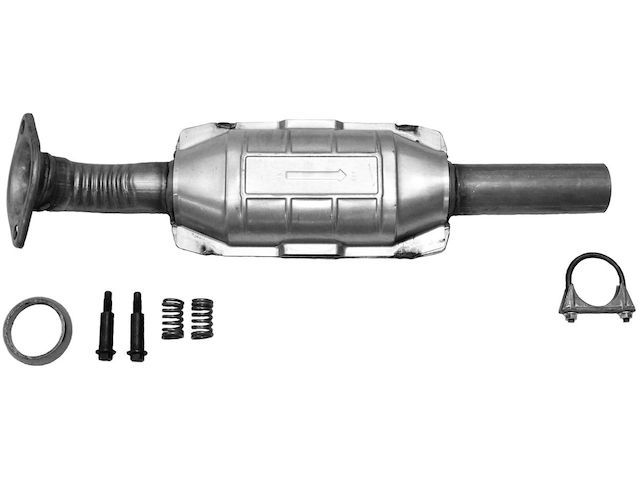
- Do not ignore this code. Driving with a misfire can cause severe damage to your catalytic converters, a very costly repair.
- Due to the high probability of a serious mechanical fault (lifters), professional diagnosis is strongly recommended.
What's Unique About the 2019-2021 Cadillac ESCALADE ESV
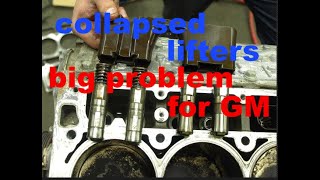
The 2019-2021 Escalade ESV spans two slightly different 6.2L V8 engines: the L86 (2019-2020) with Active Fuel Management (AFM) and the L87 (2021) with Dynamic Fuel Management (DFM). Both systems, designed to improve fuel economy by deactivating cylinders, rely on special collapsible valve lifters that are the primary point of failure. The L87 engine in 2021 models is particularly notorious for lifter failures, a problem documented extensively by owners and in manufacturer Technical Service Bulletins (TSBs). 🎬 Watch: Expert breakdown of L84 and L87 lifter failure issues. This makes a P0300 code on a 2021 Escalade a potentially more serious issue than on other vehicles, as it is a well-known early symptom of this specific mechanical defect.
Diagnostic Flowchart
Tap your situation to follow the diagnostic path that matches what you're seeing on this vehicle.
Generation note: The 2019-2020 models are part of the fourth generation (K2XL platform) with the 6.2L L86 V8 engine using Active Fuel Management (AFM). The 2021 model is the first year of the fifth generation (GMT1XX platform) and introduced the 6.2L L87 V8 engine with Dynamic Fuel Management (DFM). The lifter-related issues are most prominently associated with the 2021 and newer L87 engine, with GM issuing TSB 23-NA-043 specifically for vehicles built between September 2020 and March 2021.
Symptoms You May Notice
- Check Engine Light is on or flashing
- Rough or shaky idle
- Sluggish acceleration and loss of power
- Engine hesitation or stumbling
- Noticeable engine ticking or knocking noise, especially from the top of the engine.
- Vehicle may enter a reduced power mode ('limp mode').
- Replacing only spark plugs when the underlying cause is a failing valve lifter. The misfire will return shortly after the plug change.
- Replacing a single ignition coil when the random misfire is caused by a systemic issue like lifters or a vacuum leak.
- Assuming a ticking noise is normal valvetrain sound when it is the primary symptom of a failing lifter about to cause major engine damage.
Most Likely Causes
- Failed Valve Lifters 🔴 High Probability The 6.2L V8 engines (especially the L87 in 2021 models) with Active/Dynamic Fuel Management (AFM/DFM) have a widely documented history of lifter failure. The collapsible lifters can become stuck, collapsed, or their internal locking pins can fail. TSB #23-NA-043 directly links P0300 to faulty valve lifters and guides, outlining a replacement procedure. This issue is so prevalent it has led to class-action lawsuits.
How to confirm: Diagnosis often requires removing the valve covers to observe valve movement while the engine is running; a non-moving rocker arm indicates a collapsed lifter. A professional may use a scope or perform a cylinder teardown. A persistent ticking noise from the top of the engine is a strong indicator. A mechanic can also perform a cylinder deactivation test with a GDS2 scan tool to isolate the faulty component. A scan tool can also be used to view individual cylinder misfire counts, which may show the misfires are concentrated on AFM/DFM cylinders even if only a P0300 is set.
Typical fix: Replacement of the affected bank of lifters (or all 16, which is the recommended practice), the valve lifter oil manifold (VLOM), and often the camshaft if it has been damaged by the failed lifter. This is a labor-intensive engine repair, often taking 20+ hours.
Est. part cost: $500-$1200 for lifter kits, guides, and gaskets. A new camshaft can add $300-$600. - Worn Spark Plugs or Faulty Ignition Coils 🟡 Medium Probability → Shop Ignition Coil
How to confirm: Inspect spark plugs for wear, fouling, or damage. The recommended service interval for spark plugs is typically around 60,000-100,000 miles. Swap a suspected ignition coil with one from a known good cylinder. If the misfire code changes to that cylinder (e.g., P0304), the coil is bad. A technician may test coil resistance; primary resistance is typically 0.5-0.9 Ohms and secondary is 5k-10k Ohms.
Typical fix: Replace all spark plugs as a set. Replace the faulty ignition coil(s).
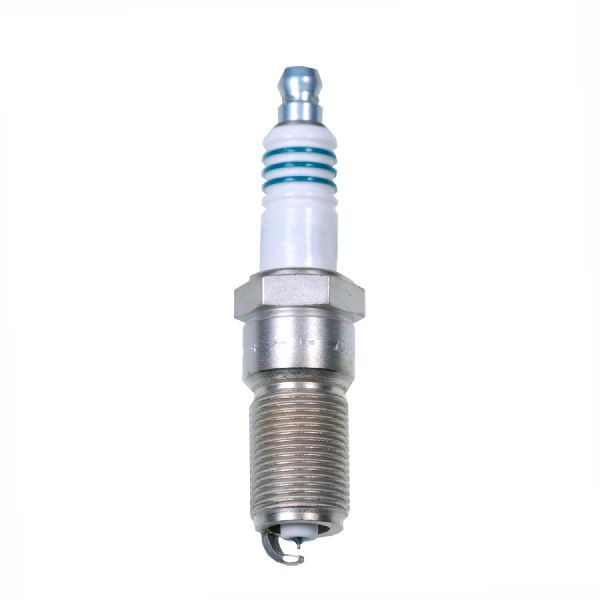
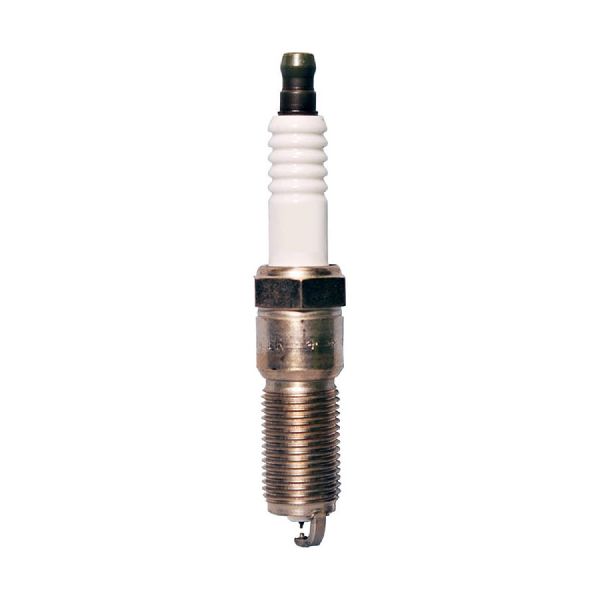
Est. part cost: $80-$200 for a set of iridium spark plugs; $40-$80 per ignition coil. - Clogged or Failing Fuel Injectors ⚪ Low Probability → Shop Fuel Injector Direct injection fuel injectors on the L86/L87 can be prone to clogging or failure, which can lead to a lean misfire. In some cases, a leaking injector can hydrolock a cylinder, causing severe internal damage.
How to confirm: A professional can perform a fuel injector balance test to check flow rates. Another diagnostic step is to turn off injectors one by one with a scan tool; if turning one off causes no change in idle, that injector's cylinder is the problem.
Typical fix: Clean or replace the faulty fuel injectors. Due to the labor involved, it's often recommended to replace all injectors on one bank if one fails.
Est. part cost: $70-$150 per fuel injector. - Vacuum Leak ⚪ Low Probability
How to confirm: Listen for hissing sounds around the engine bay. A mechanic will perform a smoke test to introduce smoke into the intake system and see where it escapes. Common leak points include the PCV system hoses and intake manifold gaskets.
Typical fix: Replace the leaking gasket or hose.
Est. part cost: $20-$200 depending on the location of the leak.
Rare But Worth Checking
- Internal Engine Mechanical Failure: Beyond lifters, rare cases have shown issues like bent pushrods (often a consequence of lifter failure), broken valve springs, or damaged pistons/piston rings causing low compression and triggering a P0300 code.
- Fuel Pump Control Module: → Shop Fuel Pump Some owners have reported issues with the fuel pump control module causing fuel delivery problems and triggering misfires. This is less common than lifter failure but has been noted.
- Cracked Flexplate: A cracked flexplate can cause a noise similar to a rod knock and can disrupt the crankshaft position sensor's reading, leading the ECM to incorrectly report misfires. Diagnosis involves a visual inspection of the flexplate, which requires removing the transmission.
Diagnosis Steps
- Use an OBD-II scanner to confirm the P0300 code and check for any other related codes, such as specific cylinder misfires (P0301-P0308). Check freeze frame data to see the conditions under which the misfire occurred. A professional scanner can view individual cylinder misfire counts in Mode $06.
- Listen for a distinct ticking or tapping sound from the engine, which is a strong indicator of a lifter issue in these GM V8s.
- Inspect the ignition system. Check all spark plugs for wear, damage, or carbon fouling. Test ignition coils by swapping them between cylinders to see if the misfire follows the coil.
- Check for vacuum leaks. A smoke test is the most effective way to find leaks from gaskets or hoses.
- Test fuel pressure to ensure the fuel pump is delivering adequate pressure to the fuel rail. Use a scan tool to monitor fuel injector performance.
- If the above steps do not reveal the cause, a more in-depth mechanical diagnosis is needed. This includes a cylinder compression test to check for internal engine issues like bad rings or head gaskets.
- Given the known issues, if other tests are inconclusive, suspect a failed valve lifter, especially on a 2021 model. This requires removing the valve covers for a visual inspection of the valvetrain operation. A non-moving rocker arm confirms a collapsed lifter. 🎬 See how a mechanic diagnoses internal engine failure and misfires.
Parts You'll Likely Need
- Valve Lifter and Guide Kit
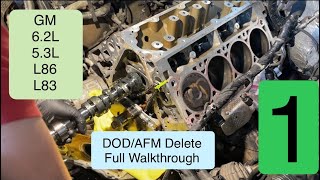
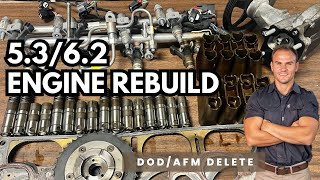
(OEM #12741539 (L87 DFM Lifter Kit), 12699746 (L86 AFM Lifter Kit))🎬 Watch this step-by-step guide for replacing L86 camshafts and lifters. — This is the most probable and serious cause of a P0300 on this platform, as documented in TSB #23-NA-043. The original lifters are prone to failure.
Trusted brands: ACDelco (OEM)
OEM price range: $500-$900
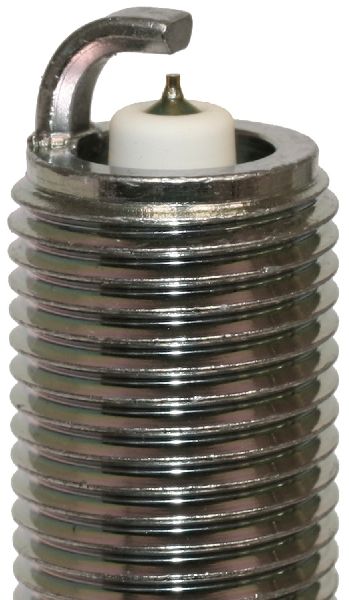
Aftermarket price range: $350-$600 - Spark Plugs
(OEM #ACDelco 41-166 (Iridium))— Spark plugs are a common maintenance item and a frequent cause of misfires on any vehicle.
Trusted brands: ACDelco Iridium, NGK
OEM price range: $120-$200
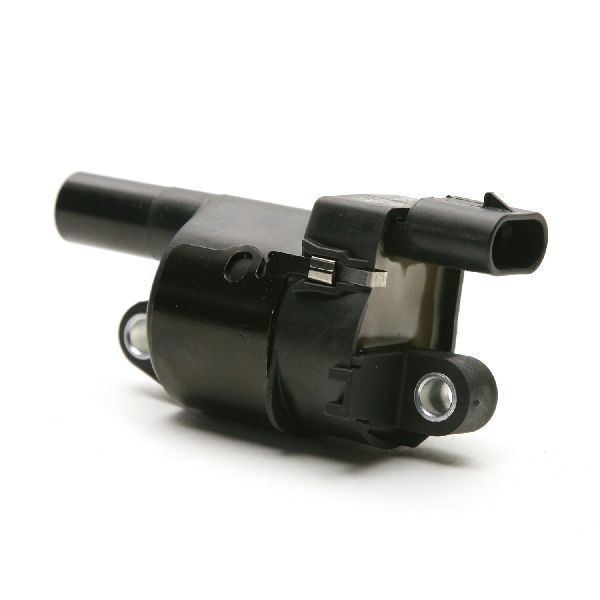
Aftermarket price range: $80-$150 - Ignition Coil
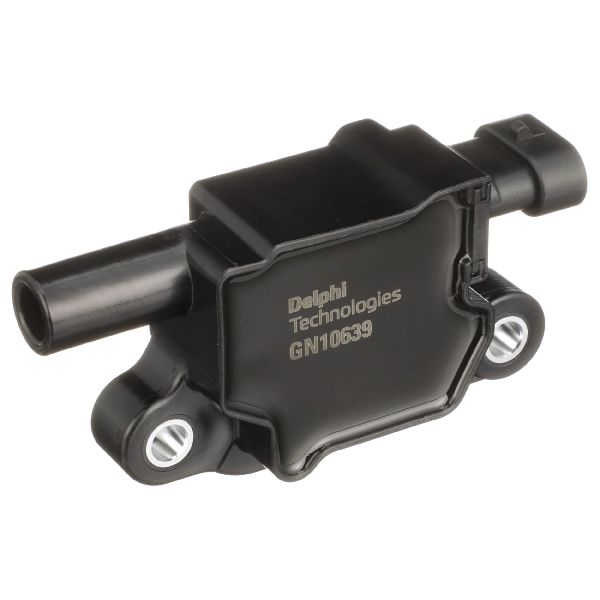
(OEM #ACDelco D526C (12713673))— Ignition coils can fail over time, leading to a weak or non-existent spark.
Trusted brands: ACDelco, Bosch
OEM price range: $60-$100
Aftermarket price range: $40-$80 - Camshaft — Often required during a lifter replacement if the failed lifter's roller has damaged the camshaft lobes. Failure to replace a damaged camshaft will result in a repeat failure of the new lifters.
Related Codes That Often Appear With This One
- P0301-P0308 — These codes indicate a misfire on a specific cylinder. A random P0300 may eventually settle into a more consistent misfire on one or more cylinders (especially 1, 4, 6, or 7, which are the AFM/DFM cylinders), triggering these codes.
- P050D — This code means 'Cold Start Rough Idle'. TSB #PIP5628G mentions it in conjunction with P0300-P0308 codes as part of the same diagnostic procedure for misfires on these engines.
Technical Service Bulletins (TSBs) & Recalls
- Bulletin #23-NA-043: 'Poor Engine Performance, Engine Misfires...DTC P0300...Set'. This is the primary bulletin addressing the lifter failure. It specifies replacing lifters and guides on vehicles within a specific build window (Sept 2020 - Mar 2021).
- Bulletin #PIP5628G: Provides diagnostic information for technicians dealing with misfire codes P0300-P0308 and P050D.
- Bulletin #19-NA-219: A diagnostic tip for various engine noises and misfire codes, suggesting a worn cam lobe or lifter roller as a potential cause.
- Bulletin #15-06-01-002L: Predecessor to newer bulletins, this TSB also addresses engine misfire/tick noise from collapsed AFM lifters on L86 engines.
Platform-Specific Known Issues
- A primary issue for the 2019-2021 Escalade, especially the 2021 model with the 6.2L L87 V8, is the failure of the Dynamic Fuel Management (DFM) valve lifters. TSB #23-NA-043 was issued by GM to address customer concerns of engine misfires (including DTC P0300) by replacing the valve lifters and guides. This is a known mechanical defect and a leading cause of this code on this specific vehicle. Some owners report repeat failures even after the lifters have been replaced.
Mechanic-Grade Diagnostic Values
- Ignition Coil Primary Resistance — expected: 0.5 - 1.05 Ohms. Failure: A reading outside this range indicates a faulty primary winding in the coil.
- Ignition Coil Secondary Resistance — expected: 5,000 - 11,100 Ohms (5k - 11.1k Ohms). Failure: A reading outside this range indicates a faulty secondary winding.
- Low-Side (In-Tank) Fuel Pump Pressure — expected: 84.1 - 89.9 PSI. Failure: Pressure below the minimum specification can indicate a weak in-tank fuel pump, leading to fuel starvation for the high-pressure pump.
- Crankshaft Position Sensor 5V Reference — expected: ~5 Volts DC at the purple wire of the sensor connector with key-on, engine-off.. Failure: No voltage or low voltage indicates a wiring or ECM problem, preventing the ECM from accurately tracking crankshaft speed for misfire detection.
Hidden / Shadow Codes Worth Checking
- Mode $06 Misfire Counts: This is not a DTC but a function within advanced scan tools that shows raw misfire counts for each individual cylinder, even if the count isn't high enough to trigger a specific P030x code. It can reveal which cylinders are contributing to a P0300 before a hard fault develops. (see via An advanced OBD-II scanner or professional tool like GM's GDS2 with Mode $06 data capability.)
Scan Tool Commands That Help
- GDS2 (GM Techline Connect): Cylinder Power Balance / Injector Kill — This function allows a technician to disable one fuel injector at a time while monitoring engine RPM drop. If disabling an injector causes little or no change in RPM, it confirms that cylinder was not contributing, pointing to a problem with that cylinder's fuel, spark, or compression.
- GDS2 (GM Techline Connect): Cylinder Deactivation System Test — For suspected lifter issues, this test commands the AFM/DFM system on and off to verify the solenoids in the Valve Lifter Oil Manifold (VLOM) are working and can help isolate a fault within the deactivation system that could cause a P0300.
Wiring & Ground Locations
- G102 — Located at the left rear of the engine block.. This ground is for all 8 ignition coils. A poor connection here can cause weak or intermittent spark across multiple cylinders, leading to a random misfire (P0300).
- G103 — Located on the front of the passenger side (right) cylinder head.. This is a primary engine-to-chassis ground. A loose or corroded connection can cause a variety of sensor and module issues, including problems with the ECM that processes misfire data.
- G104 — Located on the left rear corner of the engine, mounted to the left cylinder head.. This is another critical engine ground point. A bad connection here can affect sensor readings and module performance.
- Crankshaft Position Sensor Connector — On the lower side of the engine block, near the starter motor.. The ECM relies entirely on this sensor to detect misfires by monitoring tiny variations in crankshaft speed. Corrosion or damage to this connector or its wiring (Pin A: Signal, Pin B: Ground, Pin C: 5V Reference) can cause false P0300 codes.
Real Owner Repair Stories
- Tahoe Yukon Forum user (2021 Tahoe 5.3L (L84 Engine, similar DFM system to L87)) — Engine misfire, check engine light.
❌ Tried (didn't work) Initial dealer repair replaced only one side of the lifters.
✅ What actually fixed it The issue returned one week later. A second repair to replace the lifters on the other bank of cylinders resolved the problem. The owner reported no further issues 17,000 miles later. This supports the common technician practice of replacing all 16 lifters at once. - Tahoe Yukon Forum user (2020 GMC Yukon XL 6.2L, 50,000 miles) — Misfires, low compression in one cylinder, sludge found under valve cover.
❌ Tried (didn't work) The owner was performing their own 5,000-mile oil changes but only changing the oil filter every 20,000 miles.
✅ What actually fixed it The dealership diagnosed a stuck lifter and recommended a full engine replacement for $14,000 due to sludge buildup. This story highlights how inadequate lubrication (from a clogged filter) can lead to the lifter failure that causes P0300.
OEM Part Supersession History
Various older AFM lifters (e.g., 12571595, 12619820, 12639516)→GM 12698946 (Also sold as Elgin HL-7025)— The newer DFM (Dynamic Fuel Management) lifter was designed to be more robust. It is backwards-compatible and can be used to replace the older, more failure-prone AFM (Active Fuel Management) lifters.
Heads up: The new DFM lifter (12698946 / HL-7025) WILL work in older AFM engines. However, the original AFM-only lifters (e.g., Elgin HL-7011) will NOT work in the newer DFM engines like the 2021 Escalade's L87.
Model Year Variations Within This Range
- 2019-2020: These models use the 6.2L L86 engine with Active Fuel Management (AFM), which deactivates 4 of the 8 cylinders. While still prone to lifter failure, it is considered by some to be less frequent than the L87.
- 2021: This model uses the 6.2L L87 engine with Dynamic Fuel Management (DFM), which can deactivate cylinders in 17 different combinations. These engines are the primary subject of TSBs and lawsuits related to a bad batch of valve lifters with improperly heat-treated lock pin springs, particularly in engines built before March 2021.
Helpful Videos
We Have This Part in Stock

The information in this article is provided for general reference and educational purposes only. Vehicle specifications, procedures, and part compatibility can vary by production date, trim level, and region. Always consult your vehicle's factory service manual and verify part numbers before purchasing or performing repairs. Safety-critical components such as airbags, seat belts, and braking systems should be installed by a qualified professional.
- Cadillac ESCALADE ESV:
- 🧭 Diagnostic Flowchart
- 🎬 Helpful Videos
- 🛍️ Shop This Part
- What's Unique About the 2019-2021 Cadillac ESCALADE ESV
- Symptoms You May Notice
- Most Likely Causes
- Rare But Worth Checking
- Diagnosis Steps
- Parts You'll Likely Need
- Related Codes That Often Appear With This One
- Technical Service Bulletins (TSBs) & Recalls
- Platform-Specific Known Issues
- Mechanic-Grade Diagnostic Values
- Hidden / Shadow Codes Worth Checking
- Scan Tool Commands That Help
- Wiring & Ground Locations
- Real Owner Repair Stories
- OEM Part Supersession History
- Model Year Variations Within This Range
- 🎟️ Get 5% Off