

P0300 on 2000-2004 Cadillac Seville: Random Misfire Causes and Fixes
P0300 on a Northstar-equipped Seville is most often caused by a vacuum leak from a torn intake plenum boot or brittle PCV hose. Aged ignition components like spark plugs and coil cassettes are also common culprits. A thorough diagnosis focusing on these specific weak points is crucial to avoid expensive and unnecessary repairs.
- Suspect a vacuum leak first. The intake plenum boot is a known weak point on the 2000-2004 Northstar engine and a leading cause of P0300.
- Do not ignore a flashing Check Engine Light. This signals a severe misfire that can cause rapid and expensive damage to your catalytic converters.
- If performing a tune-up, use high-quality OEM-spec parts (ACDelco, Delphi). The Northstar ignition system is sensitive to component quality.
- A scan tool that can read live misfire data is an invaluable tool for diagnosing whether the issue is on a specific bank, pointing towards a faulty coil cassette.
- Consider an intake valve cleaning (induction service) if the misfire is most prominent at idle or when the engine is cold.
What's Unique About the 2000-2004 Cadillac SEVILLE
The 2000-2004 Seville uses the 4.6L Northstar V8, an engine known for specific failure points that directly cause a P0300 code. Plastic and rubber components in the engine bay, like the intake plenum boot and PCV hoses, become brittle over time and cause significant vacuum leaks that the system cannot compensate for. While ignition and fuel issues are possible on any car, these vacuum leaks are a hallmark problem for this specific generation of Northstar engine and a primary suspect for a P0300 code. Additionally, this engine uses two four-coil 'cassettes' for ignition, meaning a single cassette failure can cause misfires on four cylinders simultaneously, often triggering a P0300.
Diagnostic Flowchart
Tap your situation to follow the diagnostic path that matches what you're seeing on this vehicle.
Symptoms You May Notice
- Rough or shaky idle, sometimes described as sounding 'cammed'
- Hesitation or stumbling during acceleration
- Reduced engine power, especially on hills
- Flashing or solid Check Engine Light
- Poor fuel economy
- Difficulty starting the engine
- Misfire is worse when the engine is cold and improves as it warms up
- Replacing only the spark plugs without checking for vacuum leaks. The torn intake boot is a very common issue that will not be fixed by a tune-up.
- Replacing a single ignition coil. The 2000-2004 models use cassettes; the entire 4-cylinder unit must be replaced.
- Replacing the Mass Airflow (MAF) sensor. While a faulty MAF can cause performance issues, it's rarely the root cause of a P0300 on this specific vehicle compared to vacuum leaks.
- Assuming a P0300 is always an ignition or fuel problem. On this engine, a large vacuum leak is equally, if not more, probable.
Most Likely Causes
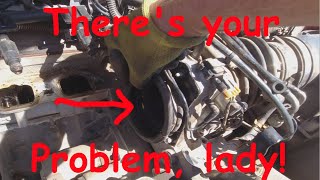
- Torn Intake Plenum Boot / Vacuum Leaks 🔴 High Probability → Shop Engine Intake Manifold The rubber boot connecting the throttle body to the intake plenum is a notorious failure point. It cracks from age and heat, creating a massive unmetered air leak that primarily affects idle. Similarly, PCV hoses and intake manifold gaskets become brittle and fail. A leaking PCV elbow at the back of the intake 🎬 See how to find and fix common vacuum leaks. is also very common.
How to confirm: With the engine running, spray short bursts of brake cleaner or carburetor cleaner around the intake boot and vacuum hoses. If the engine idle changes or smooths out, you've found the leak. A smoke test is the most definitive way to find all leaks. The tear in the boot is often on the underside and not visible from above.
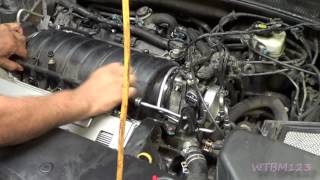
Typical fix: Replace the torn boot and any cracked vacuum hoses. This requires removing the plastic intake manifold plenum. 🎬 Watch: Step-by-step guide to replacing the intake plenum boot. It is highly recommended to replace the ten intake manifold gaskets at the same time. The Dorman 911-010 kit includes the boot and gaskets.
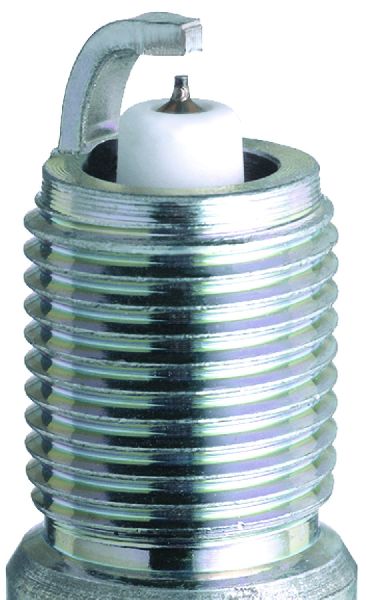
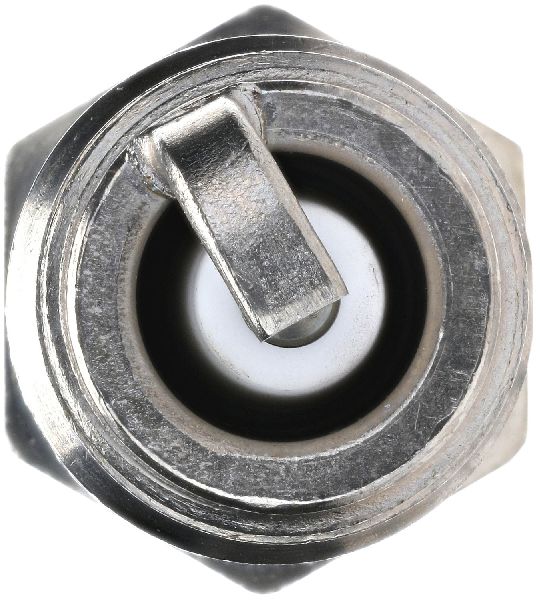
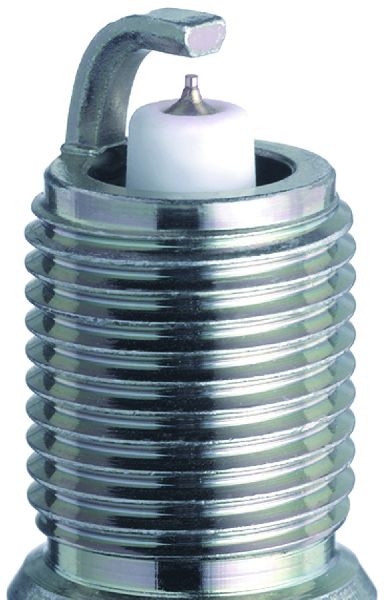
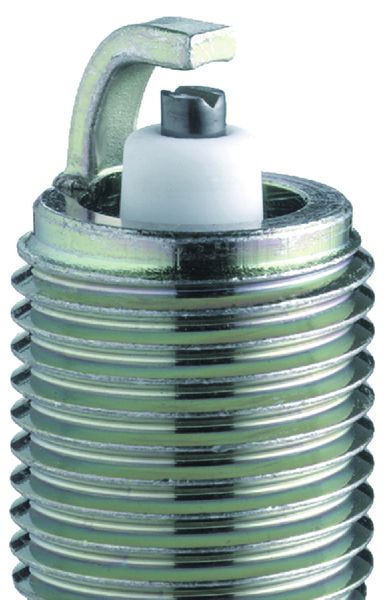
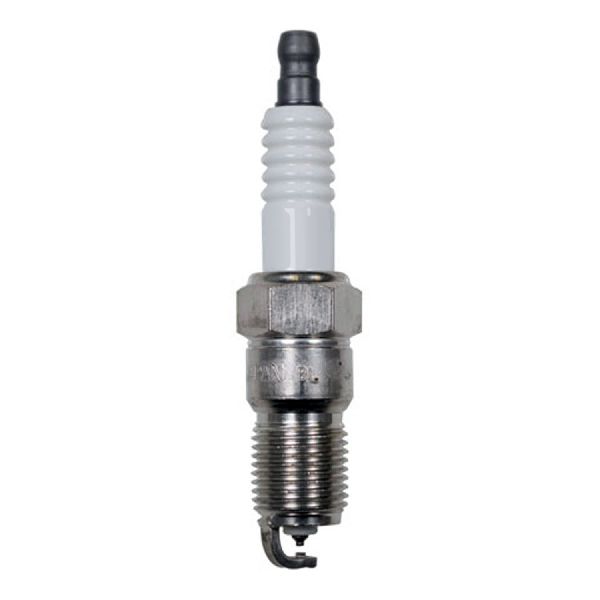
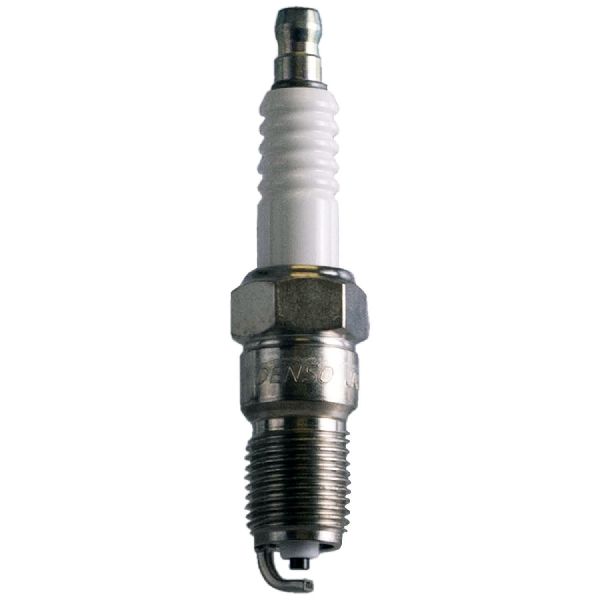
Est. part cost: $30-$80 for a boot and gasket kit. - Worn Spark Plugs 🔴 High Probability → Shop Spark Plug Spark plugs are a standard maintenance item. The Northstar is sensitive to plug condition. Worn plugs with an excessive gap or carbon tracking require more energy from the ignition coils, leading to a weak spark and incomplete combustion.
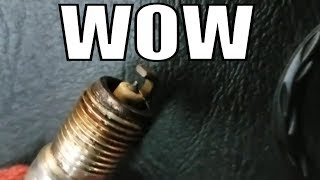
How to confirm: Remove and inspect the spark plugs. Look for worn electrodes, fouling (black, sooty deposits), oil contamination, or white ceramic insulators with black lines (carbon tracking). If their age is unknown, replacement is recommended. Use only the specified ACDelco Platinum or Iridium plugs.
Typical fix: Replace all eight spark plugs. Use high-quality ACDelco Iridium (41-987) or Platinum plugs as recommended for the Northstar engine. Gap should be checked.
Est. part cost: $60-$150 for a set of 8 plugs. - Failed Ignition Coil Cassette(s) 🟡 Medium Probability → Shop Ignition Coil The 2000-2004 models use two coil-on-plug 'cassettes', one for each bank of four cylinders. These units are exposed to significant heat and can fail internally, causing misfires on one or more cylinders of that bank. The rear cassette (near firewall) is more prone to failure due to higher heat.
How to confirm: A scan tool with live data can show misfire counts per cylinder. If misfires are concentrated on one bank (Rear: 1, 3, 5, 7 or Front: 2, 4, 6, 8), suspect the corresponding coil cassette. Swapping the front and rear cassettes to see if the misfire moves is a definitive test, but is labor-intensive as it requires removing the intake plenum.
Typical fix: Replace the entire faulty coil cassette. It's often recommended to replace the spark plugs at the same time. OEM parts are recommended as aftermarket units have a mixed reputation.
Est. part cost: $150-$350 per cassette. OEM part numbers include 12567285 and 89017778 (verify by bank). - Carbon Buildup on Intake Valves 🟡 Medium Probability The PCV system on the Northstar can allow oil vapor into the intake, which bakes onto the back of the hot intake valves. This buildup can disrupt airflow into the cylinders, especially at idle, causing misfires that may disappear when the engine is warm. 🎬 Watch: Diagnosing a Northstar idle misfire with no coolant loss.
How to confirm: This is difficult to confirm without a borescope to visually inspect the valves. A misfire that occurs only when cold and improves as the engine warms up can be a symptom. Some owners report temporary improvement after an induction cleaning.
Typical fix: Perform an induction cleaning service using a product like Sea Foam, introduced slowly through a vacuum line or the throttle body to dissolve carbon deposits. In severe cases, walnut blasting of the intake ports is required. A 'spirited' drive or 'Italian tune-up' is sometimes recommended by owners to help burn off deposits.
Est. part cost: $15-$30 for a DIY can, $150-$300 for a professional service.
Rare But Worth Checking
- Clogged or Failing Fuel Injectors: → Shop Fuel Injector An injector can become clogged with debris or fail electrically, preventing the correct amount of fuel from reaching a cylinder. If multiple injectors are affected, it can trigger a P0300. Owners have reported finding clogged injectors after replacing coils and plugs did not solve the issue.
- Low Fuel Pressure: A weak fuel pump or clogged fuel filter can starve the entire engine for fuel, leading to lean conditions and random misfires. Fuel pressure should be checked at the rail; it should be 41-47 PSI with the key on, engine off. A reading below this range, or one that drops more than 5 PSI after the pump primes, indicates a problem with the pump or in-tank regulator.
- Clogged Catalytic Converter: → Shop Catalytic Converter A clogged converter creates excessive backpressure, preventing the engine from breathing properly and causing a random misfire. This is often accompanied by a P0420 or P0430 code and a noticeable loss of power at higher RPMs.
- Crankshaft Position Sensor (CKP) Failure or Relearn Needed: → Shop Engine Crankshaft Position Sensor The CKP sensors provide the PCM with engine speed and position data. If their signal becomes erratic, it can disrupt ignition timing and cause misfires. Crucially, after replacing a CKP sensor or sometimes even after a major repair or battery disconnect, a 'Crankshaft Variation Relearn' procedure is required. Without this, the PCM may falsely detect misfires and set a P0300 or P1336 code. This procedure requires a capable scan tool.
- Internal Engine Problems (Head Gasket): While later Northstar engines had improved head bolt design, head gasket failure is still a possibility. Coolant leaking into a cylinder can cause a misfire and will eventually trigger a P0300. Check for milky oil, coolant loss with no visible leaks, or use a block tester to check for combustion gases in the coolant.
Diagnosis Steps
- Read all stored fault codes with an OBD-II scanner. Note any other codes besides P0300, especially P0171/P0174 (lean codes) or P1336 (CKP relearn).
- Use a scan tool with live data to monitor Short-Term (STFT) and Long-Term (LTFT) fuel trims. High positive numbers (e.g., >10%) at idle strongly suggest a vacuum leak.
- Monitor live misfire data per cylinder. This can help determine if the misfire is truly random or isolated to one bank (pointing to a coil cassette).
- Perform a vacuum leak test, focusing on the intake plenum boot (especially the underside) and all PCV hoses/elbows. A smoke machine is most effective.
- If no vacuum leaks are found, inspect the ignition system. Remove and check the condition of all eight spark plugs for wear, fouling, or damage.
- Test fuel pressure at the fuel rail schrader valve. Expect 41-47 PSI with the key on, engine off. Pressure that is low or bleeds down quickly points to a fuel pump or regulator issue.
Parts You'll Likely Need
- Intake Plenum Boot & Gasket Kit
(OEM #ACDelco 213-3530 (Gasket Kit w/ Boot))— This is the most common failure point causing a P0300 code on this engine due to cracking from age and heat.
Trusted brands: Dorman 911-010, ACDelco
OEM price range: $60-$100
Aftermarket price range: $30-$50 - Ignition Coil Cassette
(OEM #12567285 / 89017778 / D593A / UF372 (Verify by bank/VIN))— The original coil packs fail from heat cycling, causing misfires on an entire bank of four cylinders. The rear cassette fails more often due to heat.
Trusted brands: ACDelco (OEM), Delphi, Standard Motor Products
OEM price range: $250-$400
Aftermarket price range: $100-$200 - Spark Plugs (Set of 8)
(OEM #ACDelco 41-987 (Iridium))— Worn or incorrect spark plugs are a frequent cause of misfires on the sensitive Northstar ignition system.
Trusted brands: ACDelco, NGK
OEM price range: $80-$150
Aftermarket price range: $60-$100
Related Codes That Often Appear With This One
- P0171 — System Too Lean (Bank 1) - Often appears with P0300 when a major vacuum leak is present, as unmetered air causes the engine to run lean.
- P0174 — System Too Lean (Bank 2) - Often appears with P0300 when a major vacuum leak is present, as unmetered air causes the engine to run lean.
- P0301-P0308 — These are cylinder-specific misfire codes. A P0300 may be accompanied by one or more of these codes if the misfire is sometimes concentrated on specific cylinders before becoming random.
- P1336 — Crankshaft Position System Variation Not Learned. This code can appear if the CKP sensor has been replaced or disturbed and the mandatory relearn procedure has not been performed with a scan tool.
Technical Service Bulletins (TSBs) & Recalls
- PIP5628G: A preliminary information bulletin for technicians on gathering data to diagnose misfire codes P0300-P0308.
Platform-Specific Known Issues
- The TSB #PIP5628G from GM indicates a specific diagnostic procedure for technicians when encountering misfire codes P0300-P0308, highlighting that diagnosis can be complex.
Mechanic-Grade Diagnostic Values
- Fuel Pressure (Key On, Engine Off) — expected: 41-47 PSI. Failure: Pressure below 41 PSI, or pressure that drops more than 5 PSI within a minute after the fuel pump primes, indicates a weak pump or faulty in-tank regulator.
- Ignition Coil Cassette Primary Resistance — expected: 0.5 - 0.9 Ohms. Failure: A reading outside this range indicates a definite failure. However, a coil can still be bad even if its resistance is within spec.
- Ignition Coil Cassette Secondary Resistance — expected: 5,000 - 10,000 Ohms (5kΩ - 10kΩ). Failure: A reading significantly outside this range suggests the coil's secondary winding is faulty.
- Fuel Injector Resistance — expected: ~12 - 16 Ohms (when cold). Failure: The most important factor is consistency. All eight injectors should have readings within 0.5 Ohms of each other. An injector that is an outlier is suspect.
Scan Tool Commands That Help
- Tech 2 / Professional Scan Tool: Crankshaft Variation Relearn (CASE Relearn) — This procedure is mandatory after replacing the crankshaft position sensors, the PCM, the harmonic balancer, or the engine itself. Failure to perform the relearn can cause the PCM to incorrectly detect misfires and set a P0300 or P1336 code.
- Tech 2 / Professional Scan Tool: Fuel Injector Balance Test — To identify a single clogged or underperforming fuel injector without removing the intake manifold. The tool individually fires each injector while a fuel pressure gauge is connected; the pressure drop for each cylinder should be consistent.
Wiring & Ground Locations
- G102 — Located at the left (driver's side) rear of the engine.. This is the primary ground point for the ignition coil cassettes. A loose or corroded connection at G102 can cause insufficient spark energy, leading to random misfires across multiple cylinders.
- Engine Block to Chassis Ground — A braided strap or heavy cable connecting the engine block to the vehicle's frame/chassis, often near a motor mount or on the lower side of the block.. A poor engine ground can cause a host of electrical issues, including erratic sensor readings and weak ignition performance, which can manifest as a P0300 code.
Real Owner Repair Stories
- YouTube channel 'Flat Rate Mechanic' (Cadillac Deville with 4.6L Northstar (similar FWD platform)) — Rough idle and a specific cylinder misfire code (P0308) that could also present as a P0300.
❌ Tried (didn't work) Swapping the ignition coil from the misfiring cylinder (#8) with a known good one (#7). The misfire remained on cylinder #8, ruling out the coil.
✅ What actually fixed it Swapping the spark plug from the misfiring cylinder (#8) with a known good one (#6). The misfire moved to cylinder #6, proving the spark plug was the single point of failure. - CarKiller forum user (2004 Cadillac Deville with 4.6L Northstar, 90k miles) — Persistent P0300, rough idle, flashing MIL under load, wet spark plugs (not with fuel).
❌ Tried (didn't work) Combustion gas test for head gasket (negative)., Replacing a very clogged fuel filter. The fuel pressure remained low after replacement.
✅ What actually fixed it Diagnosis pointed to a failing fuel pump. The fuel pressure was low (36-38 PSI) and did not improve after replacing the clogged filter, indicating the pump itself was weak and unable to supply adequate pressure, causing a lean misfire condition.
"I Checked Everything" — The Actual Cause
- In cases where a smoke test reveals no vacuum leaks, but fuel trims are still high (lean condition) and a P0300 is present, the cause is often on the fuel delivery side. A weak fuel pump or clogged injectors can starve the engine of fuel, causing a lean misfire across all cylinders that mimics the symptoms of a large vacuum leak. A fuel pressure test is the next critical step if a smoke test comes back clean.
OEM Part Supersession History
Ignition Cassette System (e.g., 12567285, 89017778)→Individual Coil-On-Plug Design (e.g., UF564 / 12597745)— Improved serviceability and potentially higher reliability.
Heads up: The later individual coil-on-plug ignition systems used on 2005+ RWD/AWD Northstars and 2006+ FWD Northstars are NOT compatible with the 2000-2004 Seville. The entire system (coils, wiring, PCM logic) is different. You must use the correct cassette-style ignition for the 2000-2004 models.
Model Year Variations Within This Range
- 2000-2005: Starting with the 2000 model year, the Northstar engine's compression ratio was lowered from 10.3:1 to 10.0:1. This change allowed the engine to achieve full performance using regular 87 octane gasoline instead of premium.
- 2004-2005: For the 2004 model year, the Northstar engine was updated with new knock sensors and redesigned camshaft covers. These new covers lack the specific holes used to ground the ignition coil cassettes on 2000-2003 engines. If installing a 2004-2005 engine into an earlier car, a new hole may need to be drilled and tapped on the cylinder head for the coil cassette ground strap.
Helpful Videos
We Have This Part in Stock

The information in this article is provided for general reference and educational purposes only. Vehicle specifications, procedures, and part compatibility can vary by production date, trim level, and region. Always consult your vehicle's factory service manual and verify part numbers before purchasing or performing repairs. Safety-critical components such as airbags, seat belts, and braking systems should be installed by a qualified professional.
- Cadillac SEVILLE:
- 🧭 Diagnostic Flowchart
- 🎬 Helpful Videos
- 🛍️ Shop This Part
- What's Unique About the 2000-2004 Cadillac SEVILLE
- Symptoms You May Notice
- Most Likely Causes
- Rare But Worth Checking
- Diagnosis Steps
- Parts You'll Likely Need
- Related Codes That Often Appear With This One
- Technical Service Bulletins (TSBs) & Recalls
- Platform-Specific Known Issues
- Mechanic-Grade Diagnostic Values
- Scan Tool Commands That Help
- Wiring & Ground Locations
- Real Owner Repair Stories
- "I Checked Everything" — The Actual Cause
- OEM Part Supersession History
- Model Year Variations Within This Range
- 🎟️ Get 5% Off