

P0300 on 2010-2016 Cadillac SRX: Random Misfire Causes and Fixes
P0300 on a Cadillac SRX indicates random engine misfires. The most common fixes are replacing worn spark plugs and ignition coils. However, for cold start misfires, carbon buildup on the intake valves is a frequent cause, while on the 3.6L V6, stretched timing chains are a known serious issue that can trigger this code, sometimes before specific timing codes appear. In some cases, a cold start misfire can be caused by engine block porosity allowing coolant into a cylinder.
- P0300 means multiple cylinders are misfiring, and it requires immediate attention to prevent damage to the catalytic converter.
- Start your diagnosis with the cheapest and most common culprits: worn iridium spark plugs and failing ignition coils.
- If the misfire happens mainly on cold starts, the cause is very likely carbon buildup on the intake valves, a known issue with these direct-injection engines.
- On the 3.6L V6 (2012-2016 models), be aware that stretched timing chains are a common and expensive failure that can cause a P0300 code.
- Always use high-quality fuel and follow the recommended oil change intervals to help minimize carbon buildup and prolong timing chain life.
What's Unique About the 2010-2016 Cadillac SRX

The 2010-2016 SRX primarily uses the 3.0L and 3.6L direct-injection V6 engines. This direct-injection design, while efficient, makes them susceptible to carbon buildup on the intake valves, as fuel no longer washes over them. This buildup is a primary cause of cold start misfires, as noted in GM Technical Service Bulletins. Furthermore, the widely used 3.6L LFX engine has a documented history of premature timing chain stretching, which can alter valve timing and cause random misfires long before setting specific timing-related codes like P0008 or P0017. A less common but severe issue identified in TSB #18-NA-115 is engine block porosity, which can cause coolant to leak into a cylinder, leading to a cold start misfire that disappears as the engine warms up.
Diagnostic Flowchart

Tap your situation to follow the diagnostic path that matches what you're seeing on this vehicle.
Symptoms You May Notice
- Flashing or solid Check Engine Light
- Rough or shaky idle, especially when cold
- Noticeable engine hesitation or stumbling during acceleration
- Reduced engine power and sluggish performance
- Poor fuel economy
- The 'Service StabiliTrak' message may appear, as engine performance issues can disable the traction control system
- Engine stalling or shutting off intermittently
- Replacing only one spark plug or coil when multiple are worn or near the end of their service life.
- Replacing oxygen sensors, which are more likely to report a problem (like a rich or lean condition) caused by the misfire rather than be the cause of it.
- Assuming the catalytic converter is the root cause, when it is more often damaged as a result of untreated misfires dumping raw fuel into the exhaust.
- Confusing a cold-start misfire from carbon buildup with a simple ignition problem, leading to repeated parts replacement without solving the underlying issue.
Most Likely Causes


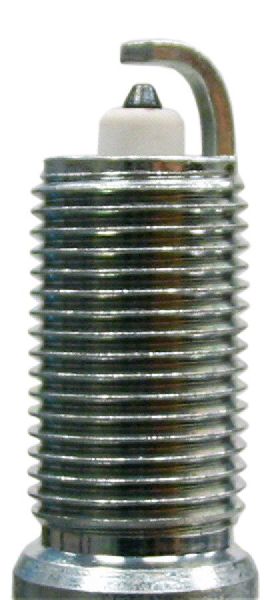
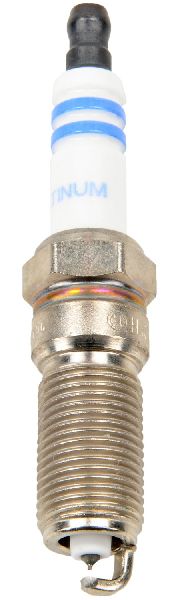
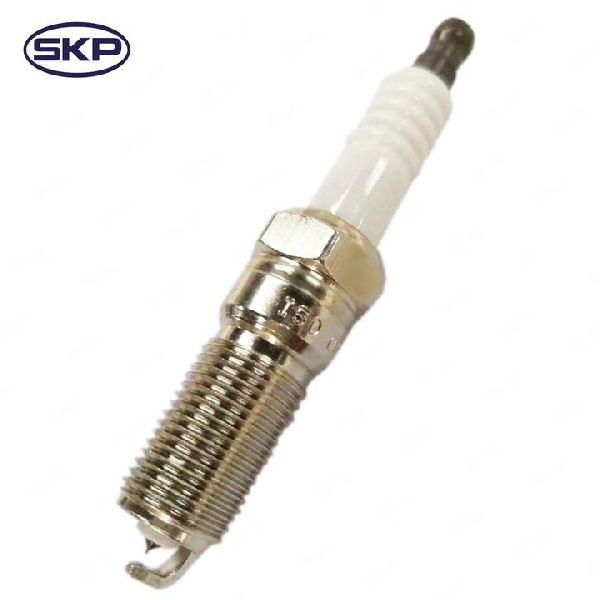
- Worn or Fouled Spark Plugs 🔴 High Probability → Shop Spark Plug Spark plugs are a regular maintenance item with a finite lifespan. The manufacturer specifies iridium plugs for longevity, and using incorrect plugs or exceeding the service interval is a primary cause of misfires.
How to confirm: Visually inspect the spark plugs for wear on the electrode, carbon fouling, oil contamination, or white deposits indicating coolant burn. Check that the electrode gap is within specification. A technician found gaps as wide as 0.070" on a misfiring SRX, while the spec is closer to 0.045".
Typical fix: Replace all six spark plugs. It is highly recommended to use OEM ACDelco Iridium plugs (Part No. 12622561) to ensure compatibility and performance. Given the labor to access the rear bank of plugs, replacing them all at once is cost-effective.
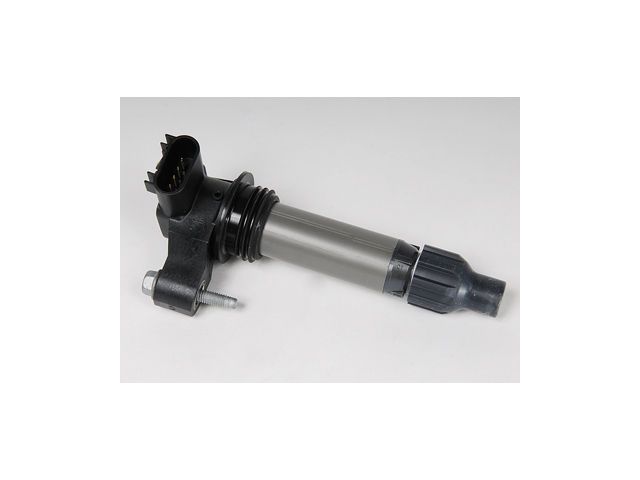
Est. part cost: $60-$120 - Failing Ignition Coil(s) 🔴 High Probability → Shop Ignition Coil Heat and age cause ignition coils to fail. Since P0300 indicates multiple misfires, it's possible more than one coil is weak or failing intermittently. A single failing coil can sometimes cause the code if the misfire is not consistently logged to one cylinder.
How to confirm: Use a scan tool with live data to view misfire counts per cylinder. If a cylinder shows a high count, swap its ignition coil with a known good one from another cylinder. If the misfire count follows the coil to the new cylinder, the coil is bad. A coil can also be tested with a multimeter; primary resistance should be 0.49-0.57 ohms and secondary resistance should be 9.5-11.1 kOhms.
Typical fix: Replace the failing ignition coil(s). Many owners and technicians recommend replacing all six at once, along with spark plugs, especially on higher-mileage vehicles. Use OEM ACDelco (Part No. 12632479) or a reputable OEM supplier like Delphi for best results.
Est. part cost: $40-$80 per coil - Carbon Buildup on Intake Valves 🟡 Medium Probability The 3.0L and 3.6L are direct-injection engines, meaning fuel is sprayed directly into the cylinder, not over the intake valves. This allows oil vapor from the PCV system to bake onto the valves, restricting airflow and causing misfires, especially on cold starts when the fuel doesn't vaporize as easily.
How to confirm: This is difficult to confirm without a borescope to visually inspect the intake valves after removing the intake manifold. It is often diagnosed after ruling out ignition and fuel system issues, especially if the primary symptom is a rough idle and misfire when cold that improves as the engine warms up.
Typical fix: The intake manifold must be removed and the valves must be physically cleaned. 🎬 Watch: A quick method for cleaning direct injection intake valves. The most effective method is walnut shell blasting, which uses crushed walnut shells as an abrasive media to clean the valves without damaging the engine. This is a labor-intensive job.
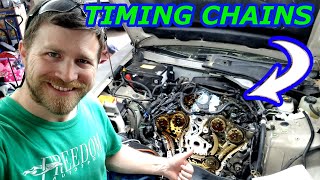
Est. part cost: $50-$100 for gaskets, but shop labor can range from $500-$1000+ depending on location. - Stretched Timing Chains 🟡 Medium Probability → Shop Engine Timing Chain The 3.6L LFX engine is known for premature timing chain wear. As the three chains stretch, camshaft timing becomes retarded, leading to poor performance, rough running, and random misfires. This can happen before specific timing codes like P0008 or P0017 appear, making P0300 an early warning sign.
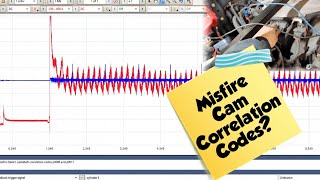
How to confirm: A professional technician can use a scan tool to check camshaft deviation/variance angles at idle and higher RPMs. Significant deviation that exceeds specifications is a strong indicator of chain stretch. Visual inspection requires significant engine disassembly.
Typical fix: Replacement of all three timing chains, all tensioners, and all guides. This is a very expensive and complex repair due to the amount of labor involved. Using an updated OEM timing chain kit is critical. The most current GM kit part number is 12700436, which supersedes several previous versions. 🎬 See this detailed walkthrough of a GM 3.6 timing chain repair.
Est. part cost: $400-$900 for a quality kit, but labor costs are very high, often leading to a total repair cost of $2,300-$3,000+. - Faulty or Clogged Fuel Injectors ⚪ Low Probability → Shop Fuel Injector Direct injectors operate under high pressure and can become clogged or fail electronically over time, leading to an improper fuel mixture in one or more cylinders. TSB 20-NA-098 provides guidance on injector replacement.
How to confirm: A scan tool can monitor fuel trims for rich or lean conditions. A professional can perform a fuel injector balance test to check flow rates. An injector that makes no change to the idle when electronically disabled via a scan tool is a likely culprit.
Typical fix: Replace the faulty fuel injector(s). It's often recommended to replace them in sets if they are original and high-mileage.
Est. part cost: $70-$150 per injector
Rare But Worth Checking
- Vacuum Leak: A leak in a vacuum hose, PCV system, or the intake manifold gasket can introduce unmetered air, leaning out the fuel mixture and causing misfires. A smoke test is the most effective way to find the source of a leak.
- Low Fuel Pressure: A weak high-pressure or low-pressure fuel pump or a clogged fuel filter can starve the engine for fuel, causing misfires across all cylinders, especially under load.
- Clogged Catalytic Converter: → Shop Catalytic Converter A restricted exhaust can create excessive backpressure, leading to misfires and a significant loss of power. This is often a consequence of long-term misfiring that has destroyed the converter, not the initial cause.
- Engine Block Porosity: → Shop Engine Block TSB #18-NA-115 describes a rare condition where porosity in the cylinder block allows a small amount of coolant to leak into a cylinder when the engine is cold. This causes a significant misfire on startup that disappears as the engine warms and the metal expands. Diagnosis involves adding dye to the coolant and using a borescope to check the cylinder after a cold soak. The official fix is engine replacement.
Diagnosis Steps
- Read all fault codes with an OBD-II scanner. Note any other codes present besides P0300, such as cylinder-specific (P030x) or system lean (P0171/P0174) codes. 🎬 Watch: How to fix rough idle and lean condition codes.
- Check freeze frame data to see the engine conditions (speed, load, temperature) when the code was set. This is crucial for identifying if the misfire happens when cold, hot, or under load.
- Using a scan tool with live data, monitor the misfire counter for each cylinder. This can help determine if the misfires are truly random or if they favor certain cylinders, even without a specific P030x code.
- Inspect the ignition system. Remove and examine all spark plugs for wear, damage, or fouling. Test the ignition coils by swapping a suspected bad coil with a known good one and see if the misfire follows the coil.
- Check for vacuum leaks. Perform a visual inspection of all hoses connected to the intake manifold. For hard-to-find leaks, a smoke test is the most reliable method.
- If misfires are worst on cold starts and ignition is good, suspect carbon buildup on intake valves or the rarer coolant leak from block porosity. A borescope inspection is needed for confirmation.
- If the vehicle is a higher-mileage 3.6L model, have a technician check cam/crank correlation data with a professional scan tool to rule out stretched timing chains.
- Investigate the fuel system. Check fuel pressure to ensure the pump is working correctly. Use a scan tool to perform a fuel injector balance test if available.
Parts You'll Likely Need
- Iridium Spark Plugs
(OEM #12622561)— Spark plugs are a primary wear item and a leading cause of misfires. Iridium plugs are specified for a long service life and consistent performance.
Trusted brands: ACDelco, NGK
OEM price range: $10-$18 per plug
Aftermarket price range: $8-$15 per plug - Ignition Coil
(OEM #12632479)— Ignition coils provide the high voltage needed to fire the spark plugs and are a common failure point causing misfires. Replacing in sets is recommended for high-mileage vehicles.
Trusted brands: ACDelco, Delphi, NGK
OEM price range: $50-$80 per coil
Aftermarket price range: $35-$60 per coil - Timing Chain Kit
(OEM #Cloyes 9-0753SVVT (Aftermarket Example))— For the 3.6L LFX engine, stretched timing chains are a significant cause of P0300. A complete kit including chains, guides, and tensioners is required for the repair.
Trusted brands: ACDelco (GM Genuine Parts), Cloyes, Melling
OEM price range: $600-$900
Aftermarket price range: $400-$700
Related Codes That Often Appear With This One
- P0301-P0306 — If the random misfire begins to occur more frequently on specific cylinders, the ECM will log a cylinder-specific code (e.g., P0301 for Cylinder 1) in addition to P0300.
- P050D — This code for 'Cold Start Rough Idle' is specifically mentioned in GM diagnostic procedures (PIP5628G) alongside P0300, pointing towards issues like carbon buildup or coolant intrusion that are most apparent when the engine is cold.
- P0008, P0017 — These codes indicate a camshaft/crankshaft correlation issue, often appearing with P0300 on higher-mileage 3.6L engines when the timing chains have stretched significantly. P0300 can sometimes be the first and only code before the chain stretch becomes severe enough to set these timing-specific codes.
- P0171, P0174 — These codes indicate the engine is running too lean on Bank 1 and Bank 2, respectively. A large vacuum leak affecting the whole engine is a common cause that can trigger these codes along with P0300.
Technical Service Bulletins (TSBs) & Recalls
- 18-NA-115: Addresses cold start misfire (P0300) and rough idle. Points to a rare but possible cause of engine block porosity allowing coolant into a cylinder, requiring engine replacement.
- PIP5628G: A diagnostic aid for technicians encountering P0300-P0308 and/or P050D (cold start rough idle). It provides a template of information to collect before contacting technical assistance, emphasizing checking fuel trims, spark, and for vacuum leaks.
- 20-NA-098: Provides information and guidelines for fuel injector replacement when dealing with various DTCs including P0300.
Platform-Specific Known Issues
- Cold Start Misfires: TSBs #18-NA-115 and #18NA115 directly address cold start misfires and rough idle associated with P0300, strongly suggesting a common, recognized issue. This is often due to carbon buildup on the intake valves of the direct-injection engines.
- Timing Chain Wear (3.6L LFX): The 3.6L V6 used from 2012-2016 is known for premature timing chain stretching. This can cause P0300 misfires before more severe timing codes (like P0008) appear.
- PCV System Issues: A clogged Positive Crankcase Ventilation (PCV) orifice can increase oil consumption and contribute to the carbon buildup on intake valves, exacerbating the misfire problem.
Mechanic-Grade Diagnostic Values
- Ignition Coil Primary Winding Resistance — expected: 0.49 - 0.57 Ohms. Failure: A reading outside this range, especially an open circuit (infinite resistance).
- Ignition Coil Secondary Winding Resistance — expected: 9.5 - 11.1 kOhms. Failure: A reading outside this range, especially an open circuit.
- System Voltage (Engine Running) — expected: 13.7 - 14.7 Volts. Failure: A reading below 13.7 Volts can indicate a weak battery or charging system issue, which may cause erratic behavior in vehicle electronics, including the ignition system.
Hidden / Shadow Codes Worth Checking
- Mode $06, Monitor IDs $A2-$A7: These are not trouble codes but onboard test results. For GM vehicles, Monitor IDs $A2 through $A7 typically correspond to misfire counts for cylinders 1 through 6. This allows a technician to see which cylinder is misfiring even if only a general P0300 code is stored. It often shows an 'Exponentially Weighted Moving Average' (EWMA) of misfires over the last 10 drive cycles. (see via A scan tool that can read Mode $06 data is required. This feature is available on many professional scan tools and some consumer-grade tools and apps like Torque Pro.)
Scan Tool Commands That Help
- GDS2 / Tech2win / Professional Scan Tool: Crankshaft Position Variation Learn (CASE Relearn) — This procedure must be performed after replacing the crankshaft position sensor, the ECM, or sometimes after major engine work. It synchronizes the sensor with the actual crankshaft position. An incomplete or failed relearn can cause a P1336 code and may contribute to inaccurate misfire detection, potentially logging a P0300. The procedure involves revving the engine to a specific fuel cut-off point (around 5150 RPM for the V6) until the scan tool indicates the status is 'Learned'.
Wiring & Ground Locations
- G104 — On the 3.6L LFX engine, a key engine ground designated G104 is located at the front of the engine.. The Engine Control Module (ECM) and ignition system components rely on clean, tight ground connections. A corroded or loose G104 ground can cause erratic voltage, leading to a weak spark, incorrect sensor readings, and random misfires that are difficult to trace. This location was specifically noted in a GM service bulletin for the related Cadillac ATS with the same LFX engine.
Real Owner Repair Stories
- PerformanceTrucks.net Forums (GM Truck (not specified, but GM engine with similar CKP sensor design)) — Persistent P0300 code after replacing harness, cleaning injectors, new plugs and wires.
❌ Tried (didn't work) New injector harness, Injector cleaning, New spark plugs, New wires
✅ What actually fixed it The owner, who lived in the salt belt, discovered rust buildup on the engine block under the mounting base of the crankshaft position sensor. Scraping the rust off to allow the sensor to sit flush and reinstalling it permanently resolved the P0300 code. - YouTube - 'Cadillac CTS Check Engine Light P0300' (2011 Cadillac CTS 3.6L LFX (100,000 km / ~70,000 mi)) — Sudden onset of P0300, engine shaking, Service StabiliTrak light.
❌ Tried (didn't work) The owner was hesitant to replace ignition or fuel components due to the sudden nature of the failure on a relatively low-mileage car.
✅ What actually fixed it The owner identified that the battery was 8 years old and had never been replaced. Replacing the aging battery, which was likely not providing stable voltage to the ECM and other modules, fixed the P0300 code and all associated symptoms. - YouTube - '2008 Cadillac SRX 3.6l Awd Misfire' (2008 Cadillac SRX 3.6L (Note: First Gen, but same engine family principles apply)) — P0300, P0302, P0304, P0305, P0008, P0017. Rough running.
❌ Tried (didn't work) Initial diagnosis pointed towards timing chains due to the P0008/P0017 codes.
✅ What actually fixed it Before condemning the engine for timing chains, the technician inspected the spark plugs and found them to be extremely worn, with gaps of 0.070" (spec is ~0.045"). Replacing the spark plugs immediately resolved the severe misfires, making the engine run smoothly. This confirmed a basic ignition issue was the primary fault, which needed to be fixed before evaluating the timing chain codes further.
OEM Part Supersession History
12651450 (GM Timing Chain Kit)→12700436 (also supersedes 12679117 and 12693218)— GM has released multiple updated versions of the timing chain kit for the 3.6L LFX engine to improve durability and address premature stretching issues.
Heads up: Using an older, superseded part number for a timing chain replacement is highly discouraged, as it may fail prematurely in the same manner as the original. It is critical to source the latest available part number, currently 12700436, to get the most durable design.
Model Year Variations Within This Range
- 2012-2016: These years exclusively use the 3.6L LFX V6 engine. This engine is particularly known for the premature timing chain stretching issue, making it a more probable cause for P0300 on these later models compared to the 2010-2011 models.
- 2010-2011: These years primarily used the 3.0L LF1 V6. While also a direct-injection engine susceptible to carbon buildup, widespread reports of timing chain failure are less common than on the later 3.6L LFX engine.
Helpful Videos
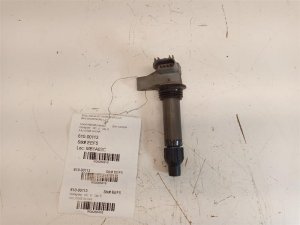
Used OEM Parts in Stock
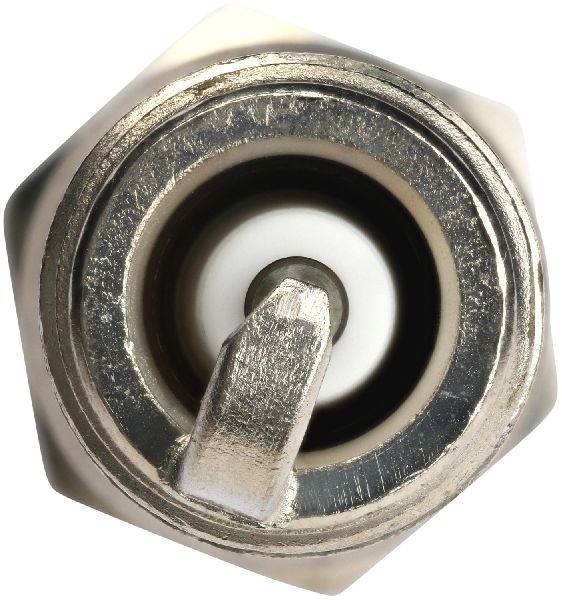
New Aftermarket Parts Available

The information in this article is provided for general reference and educational purposes only. Vehicle specifications, procedures, and part compatibility can vary by production date, trim level, and region. Always consult your vehicle's factory service manual and verify part numbers before purchasing or performing repairs. Safety-critical components such as airbags, seat belts, and braking systems should be installed by a qualified professional.
- Cadillac SRX:
- 🧭 Diagnostic Flowchart
- 🎬 Helpful Videos
- 🛍️ Shop This Part
- What's Unique About the 2010-2016 Cadillac SRX
- Symptoms You May Notice
- Most Likely Causes
- Rare But Worth Checking
- Diagnosis Steps
- Parts You'll Likely Need
- Related Codes That Often Appear With This One
- Technical Service Bulletins (TSBs) & Recalls
- Platform-Specific Known Issues
- Mechanic-Grade Diagnostic Values
- Hidden / Shadow Codes Worth Checking
- Scan Tool Commands That Help
- Wiring & Ground Locations
- Real Owner Repair Stories
- OEM Part Supersession History
- Model Year Variations Within This Range
- 🎟️ Get 5% Off