

P0300 on 2015-2022 Chevrolet Colorado 3.6L V6: Random Misfire Causes and Fixes
For a 2015-2022 Colorado with a P0300 code, the most likely causes are worn spark plugs or failing ignition coils. This is a common maintenance issue, and replacing all six plugs and coils often resolves the misfire. On 2017+ LGZ engines, faulty AFM oil control valves are also a known issue. On all models, carbon buildup on the intake valves is a medium-probability cause that requires professional cleaning. Expect to pay $150-$300 for ignition parts.
- P0300 on this truck is most often caused by worn-out spark plugs and/or ignition coils.
- If your check engine light is flashing, pull over immediately to prevent expensive catalytic converter damage.
- The 2017-2022 models have a different V6 engine (LGZ) than the 2015-2016 (LFX), with some unique potential causes for misfires related to its fuel management system.
- Due to the labor involved in removing the intake manifold to access half the spark plugs, it is highly recommended to replace all six plugs and the manifold gaskets at the same time.
What's Unique About the 2015-2022 Chevrolet Colorado
The 3.6L V6 engines (LFX in 2015-2016, LGZ in 2017-2022) are direct-injected, making them prone to carbon buildup on intake valves, which can cause misfires that don't happen on port-injected engines. Additionally, the 2017+ LGZ engine features an Active Fuel Management (AFM) system with components that can fail and cause misfires, as documented in GM Technical Service Bulletin 21-NA-036. Accessing the passenger-side spark plugs (cylinders 1, 3, 5) requires removing the entire intake manifold, a significant labor step that can lead owners to delay maintenance, increasing misfire risk. GM has also issued special coverage (N232430470) for failing camshaft position actuator solenoids on some 2020 models, which can also trigger a P0300.
Generation note: The 2015-2022 Chevrolet Colorado is all part of the second generation. However, there is a key engine change within this period. The 2015-2016 models use the 3.6L LFX V6, while the 2017-2022 models use the updated 3.6L LGZ V6, which includes an Active Fuel Management (AFM) system. Some causes, like the AFM oil control valve failure described in TSB 21-NA-036, are specific to the 2017+ LGZ engine.
Symptoms You May Notice
- Rough idle or shaking/vibrating at a stop
- Hesitation or stumbling during acceleration
- Noticeable loss of engine power
- Flashing Check Engine Light (indicates a severe misfire)
- Solid (non-flashing) Check Engine Light
- Reduced fuel economy
- Engine running rougher than usual
- Replacing only one spark plug or coil when multiple are worn.
- Replacing oxygen sensors, which are rarely the root cause of a P0300 but may be flagged due to the misfire's effect on exhaust gases.
- Assuming a fuel pump failure without performing a pressure test.
- Confusing a torque converter shudder (a common transmission issue on these trucks) with an engine misfire.
Most Likely Causes
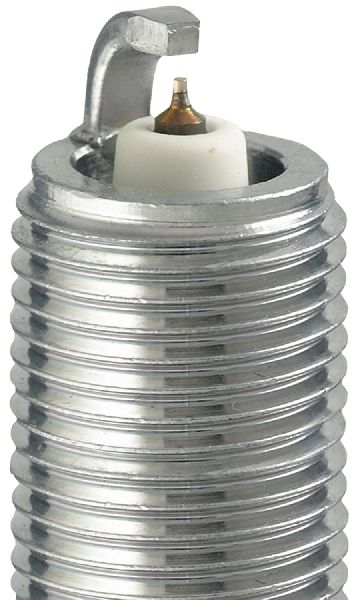
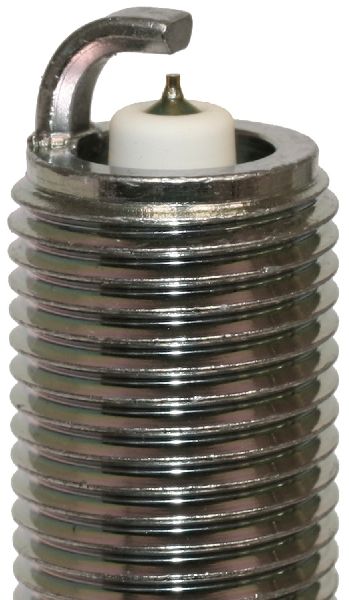
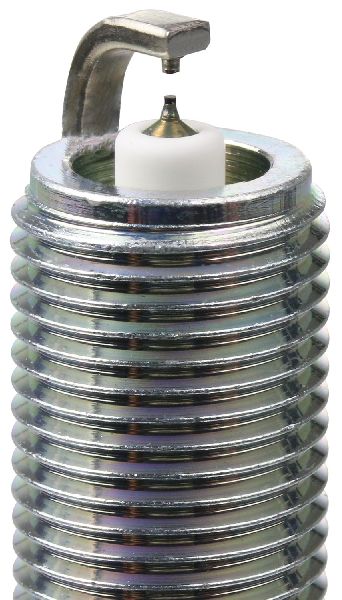
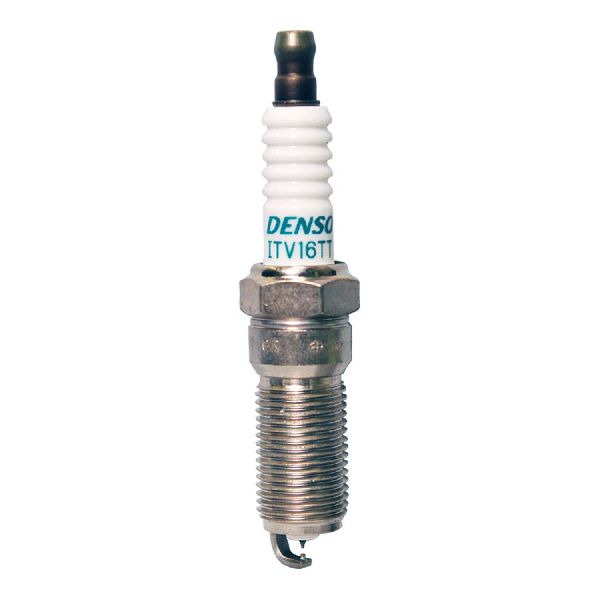
- Worn or Fouled Spark Plugs 🔴 High Probability → Shop Spark Plug Accessing the passenger-side bank of plugs requires removing the intake manifold, leading some owners to delay this critical maintenance which is often needed between 60,000 and 100,000 miles. OEM iridium plugs have a long life but will eventually wear, leading to a weak spark and misfires.
How to confirm: Remove and inspect the spark plugs. Look for a worn-down center electrode, heavy carbon deposits, oil fouling, coolant contamination (white deposits), or cracked porcelain. A plug wet with fuel can indicate a lack of spark.
Typical fix: Replace all six spark plugs as a set. It is critical to also replace the intake manifold gaskets at the same time to prevent vacuum leaks. Using OEM-spec ACDelco Iridium plugs is highly recommended. 🎬 See how to replace spark plugs on 2017-2022 models.
Est. part cost: $60-$100 - Failing Ignition Coils 🔴 High Probability → Shop Ignition Coil Coil-on-plug systems are subjected to constant heat and vibration, leading to eventual failure. While one bad coil usually sets a specific cylinder code, multiple weak or intermittently failing coils can trigger a P0300. Using cheap, unbranded coils is a known cause of repeat failures.
How to confirm: Use a scan tool with live data to view misfire counts per cylinder. If misfires are concentrated on one cylinder, swap that ignition coil with one from a known good cylinder. Clear the codes and run the engine. If the misfire code 'follows' the coil to the new cylinder (e.g., P0301 becomes P0303), the coil is bad.
Typical fix: Replace the faulty ignition coil. It is often recommended to replace all six coils if they are original and have high mileage, especially since accessing them is labor-intensive. High-quality brands like ACDelco, Delphi, or NGK are recommended.
Est. part cost: $40-$90 per coil - Carbon Buildup on Intake Valves 🟡 Medium Probability The LFX and LGZ are Gasoline Direct Injection (GDI) engines. Fuel is injected directly into the cylinder, so it never washes over the intake valves. Oil vapors from the PCV system bake onto the hot valves over time, restricting airflow and causing misfires, especially on higher-mileage engines (over 80,000 miles).
How to confirm: This is difficult to confirm without disassembly. A borescope can be used to visually inspect the valves through the intake ports after removing the intake manifold. A temporary improvement after using a chemical intake cleaning product can also point to this issue. In one documented case on a 2016 Colorado, this was the root cause of a P0300 and P0303 at 207,000 km. 🎬 Watch a real-world diagnosis of this carbon buildup issue.
Typical fix: The most effective fix is a professional 'walnut blasting' service, which uses crushed walnut shells to safely clean the valves without damaging the engine. This service can cost several hundred dollars.
Est. part cost: $0 (service cost is labor) - Faulty Active Fuel Management (AFM) Oil Control Valve (OCV) Solenoid ⚪ Low Probability → Shop Engine Variable Valve Timing (VVT) Oil Control Valve Specific to 2017-2022 LGZ engines. GM TSB 21-NA-036 describes how these solenoids can become damaged, causing an oil pressure leak that deactivates the lifters on cylinders 2 and/or 5, leading to misfires that can be logged as P0300, P0302, or P0305.
How to confirm: This diagnosis is usually made after ruling out ignition and fuel issues. A technician will inspect the specific OCV solenoid for damage, as detailed in the TSB. The code is often accompanied by P0302 or P0305. The TSB also suggests inspecting rocker arms if the solenoid is not the cause.
Typical fix: Replace the faulty AFM Oil Control Valve solenoid and its O-rings.
Est. part cost: $50-$100
Rare But Worth Checking
- Leaking or Clogged Fuel Injectors: → Shop Fuel Injector While less common than ignition issues, a dirty or failing injector can disrupt the air/fuel mixture enough to cause random misfires. This is a common problem on Chevy vehicles in general.
- Vacuum Leak: A leak in a vacuum hose or, more commonly, a failed intake manifold gasket after a spark plug change, can introduce unmetered air and cause a lean condition (often with P0171/P0174 codes), leading to misfires. A smoke test is the best way to find such a leak.
- Faulty Camshaft Position Actuator Solenoid (VVT Solenoid): → Shop Engine Camshaft These solenoids control variable valve timing. A failing solenoid can cause erratic cam timing, leading to rough running and misfires. This is a known issue on some GM engines, and GM issued Special Coverage N232430470 for the bank 2 exhaust solenoid on certain 2020 models. They are considered a common wear item on the LGZ engine. 🎬 Watch this walkthrough on replacing the VVT actuator solenoids.
- Stretched Timing Chain: → Shop Engine Timing Chain While the LFX and LGZ engines have improved timing chain designs compared to the earlier LLT V6, chain stretch can still occur at higher mileage (typically over 120,000 km), causing correlation codes and misfires. This is more common on the LFX than the LGZ.
Diagnosis Steps
- Scan the ECM for any stored trouble codes. Note P0300 and any other codes present (e.g., P0301-P0306, P0171/P0174), and check the freeze frame data to see the engine conditions when the code was set.
- If specific cylinder misfire codes (P0301-P0306) are present, start diagnosis there. Use a scan tool's live data to monitor misfire counts for each cylinder.
- Perform a visual inspection of the engine bay. Look for obvious issues like disconnected vacuum hoses, damaged wiring, or signs of oil leaks around the valve covers.
- Inspect the ignition system. This is the most common cause. Remove the intake manifold to access all six spark plugs and ignition coils.
- Examine all spark plugs for wear, fouling, and correct gap. Replace them as a set if they are worn or if their history is unknown.
- Test the ignition coils. The most reliable method is to swap a suspected bad coil with a known good one and see if the misfire follows the coil.
- If replacing plugs and testing coils does not solve the issue, check for vacuum leaks. A smoke test is the most effective way to find hidden leaks, especially around the intake manifold gaskets which are disturbed during a spark plug change.
- Check fuel pressure using a gauge on the fuel rail to rule out a weak fuel pump or clogged filter.
- If the issue persists, especially on a 2017+ model, investigate platform-specific causes like carbon buildup on intake valves (may require a borescope) or a faulty AFM oil control valve per TSB 21-NA-036.
Parts You'll Likely Need
- Iridium Spark Plugs
(OEM #12642722 (ACDelco 41-162 for LFX) or 12622561 (ACDelco 41-130 for LGZ))— Spark plugs are a primary wear item and the most common cause of misfires. Accessing them is labor-intensive, so they are often the first parts replaced to resolve a P0300.
Trusted brands: ACDelco, NGK
OEM price range: $10-$15 per plug
Aftermarket price range: $8-$12 per plug - Ignition Coil
(OEM #12634322 or 12618542 (ACDelco D515C for 2015-2016 LFX), 12666339 (ACDelco for 2017+ LGZ))— Ignition coils provide the high voltage needed for spark and fail from heat and vibration. Replacing them with spark plugs is a common and effective fix.
Trusted brands: ACDelco, Delphi, NGK
OEM price range: $50-$90 per coil
Aftermarket price range: $25-$60 per coil - Intake Manifold Gasket Set
(OEM #12676293 (ACDelco for 3.6L V6))— This is a required replacement part when changing the spark plugs on the 3.6L V6 to prevent vacuum leaks after reassembly.
Trusted brands: ACDelco, Fel-Pro
OEM price range: $30-$50
Aftermarket price range: $15-$30
Related Codes That Often Appear With This One
- P0301-P0306 — These codes indicate a misfire on a specific cylinder (e.g., P0301 for Cylinder 1). They often appear with P0300 when the misfire is random but happens more frequently on certain cylinders.
- P0171 / P0174 — These 'System Too Lean' codes can appear alongside P0300 if the misfire is caused by a large vacuum leak or a fuel delivery problem affecting the air-fuel ratio.
- P050D — This code for 'Cold Start Rough Idle' is mentioned in GM TSBs alongside P0300, indicating a known issue GM is tracking related to cold start performance, sometimes due to rare engine block porosity issues. Manufacturer bulletin #PIP5628G notes that this code may set alongside P0300 through P0308 to aid in technical diagnosis.
Technical Service Bulletins (TSBs) & Recalls
- 21-NA-036: Details diagnosis for a P0300, P0302, or P0305 caused by a damaged AFM oil control valve solenoid or non-latching rocker arms on 2017+ 3.6L LGZ engines. This bulletin specifically addresses oil leaks from the solenoid that lead to misfires.
- 18-NA-115: Addresses a rare cause for a cold-start P0300 misfire, which can be caused by engine block porosity allowing coolant into a cylinder. This may require engine replacement.
- Special Coverage N232430470: A GM program extending warranty coverage to 15 years/150,000 miles for the failure of the bank 2 exhaust camshaft position actuator solenoid on certain 2020 models, which can cause a P0300.
- 18-NA-355: While not a direct cause of P0300, this TSB addresses a common transmission shudder issue that can be misdiagnosed as an engine misfire. The fix involves a specific transmission fluid exchange.
- Bulletin #PIE0688A: Notes the need for further information regarding the malfunction indicator lamp (MIL) being illuminated with DTCs P0300, P0302, and/or P050D set.
- Bulletin #PIE0688: Describes an investigation into the malfunction indicator lamp (MIL) illuminated on the driver information center (DIC) with DTCs P0300, P0302, and/or P050D.
Platform-Specific Known Issues
- Delayed Spark Plug Maintenance: → Shop Spark Plug Because replacing the spark plugs on the 3.6L V6 is a 2-4 hour job requiring removal of the intake manifold, many owners delay this service. This leads to plugs being left in service well past 100,000 miles, making them a very common cause of an eventual P0300 code as multiple plugs begin to fail.
- AFM System Misfires (2017+ LGZ): TSB 21-NA-036 specifically calls out the 2017-2022 models. A damaged oil control valve solenoid for the Active Fuel Management system can cause misfires on cylinders 2 and 5, which may present as a general P0300 before isolating to P0302/P0305.
- Carbon Buildup Diagnosis Story: A 2016 Colorado with 207,000 km developed a flashing check engine light and P0300/P0303 codes. The owner found that extreme carbon buildup on the intake valves, especially cylinder 3, was the cause. A walnut blasting service and new spark plugs resolved the issue completely, highlighting that GDI cleaning is a critical, if overlooked, maintenance item.
Mechanic-Grade Diagnostic Values
- Low-Pressure Fuel System Pressure (at idle) — expected: 55-62 PSI. Failure: Pressure significantly below this range indicates a weak in-tank fuel pump or clogged filter.
- High-Pressure Fuel System Pressure (LGZ engine, light load) — expected: ~1392 PSI. Failure: Significantly lower or erratic pressure can indicate a failing high-pressure fuel pump (HPFP) or a faulty rail pressure sensor.
- Fuel Injector Resistance (LFX V6 Engine) — expected: 1.2 - 1.8 Ohms. Failure: A reading outside this narrow range, or an open/short, indicates a failed injector. Note: This is a low-impedance GDI injector; do not confuse with higher-resistance port injectors.
- VVT Solenoid (Camshaft Actuator) Resistance — expected: 8 - 12 Ohms. Failure: A reading outside this range, or an open circuit (infinity), indicates a failed solenoid coil.
- Long-Term Fuel Trim (LTFT) at Idle — expected: -10% to +10%. Failure: Sustained high positive values (e.g., +20% to +40%) strongly suggest a vacuum leak, which is a common cause of lean misfires.
Hidden / Shadow Codes Worth Checking
- Mode 6, Test ID $A2-$AC: Mode 6 data provides access to non-continuous monitor test results, including misfire counts for each individual cylinder. A technician can view these counts to see which cylinders are misfiring, even if the count isn't high enough to set a specific P0301-P0306 code yet. (see via A professional-grade scan tool with Mode 6 data capability is required.)
Scan Tool Commands That Help
- GDS2 / Professional Scan Tool: Cylinder Power Balance Test — This is a crucial test when only a P0300 is present. The tool sequentially disables the fuel injector to each cylinder and measures the RPM drop. A cylinder that shows little to no RPM drop when disabled is not contributing power and is the source of the misfire.
- Tech2 / GDS2: Fuel Injector Balance Test — Use this after a Cylinder Power Balance test points to a specific cylinder. This function pulses a selected injector for a precise duration and measures the resulting drop in fuel rail pressure. Comparing the pressure drop between cylinders can confirm a clogged or weak injector.
- Tech2 / GDS2: Crankshaft Position (CKP) Variation Learn — This procedure MUST be performed after replacing the crankshaft position sensor, ECM, or performing major engine work. It calibrates the sensor to the crankshaft reluctor wheel, allowing for accurate misfire detection. Failure to perform the relearn can cause a false P0300 code.
Wiring & Ground Locations
- G103 / G104 — Main engine grounds typically located on the rear of the cylinder heads, one on each side.. The ECM, ignition coils, and all engine sensors rely on these grounds. A loose or corroded connection at G103 or G104 can cause erratic voltage, weak spark, and phantom misfire codes that are extremely difficult to diagnose.
- Engine-to-Chassis Ground Strap — A heavy braided strap connecting the engine block to the vehicle's frame/firewall.. A degraded main ground strap can affect the entire engine electrical system. It can prevent ignition coils from receiving a solid ground path, leading to a weak spark across all cylinders and causing a random misfire condition.
Real Owner Repair Stories
- YouTube channel 'Motor Misfit' (2016 Chevrolet Colorado 3.6L, 207,000 km) — Running rough, loss of power, flashing check engine light with codes P0300 and P0303.
❌ Tried (didn't work) Initial diagnosis focused on ignition, but fuel trims were observed to be normal (-5% to 0%), making a vacuum leak or fuel delivery issue less likely.
✅ What actually fixed it The root cause was severe carbon buildup on the intake valves, particularly on cylinder 3 which had over 15,000 misfire events logged. A professional walnut shell blasting service was performed to clean the valves, which fully resolved the misfire. - YouTube comment cited by Go-Parts.com (Chevrolet (model not specified, but common P0300 issue)) — Persistent P0300 random misfire for 6 months.
❌ Tried (didn't work) Replaced all ignition coils, Replaced spark plugs and wires, Replaced MAF sensor, Replaced MAP sensor, Replaced PCV valve
✅ What actually fixed it The problem was finally traced to a leaking intake manifold gasket, which was allowing unmetered air to enter the engine.
"I Checked Everything" — The Actual Cause
- In cases where a smoke test reveals no vacuum leaks and fuel trims appear normal, the P0300 misfire on a high-mileage 3.6L GDI engine is frequently caused by carbon buildup on the intake valves. This restricts airflow into the cylinders, disrupting the air/fuel mixture and causing misfires, especially under load. This condition will not be found by a smoke test and requires a visual inspection with a borescope to confirm.
Model Year Variations Within This Range
- 2015-2016 (LFX Engine) vs. 2017-2022 (LGZ Engine): The LGZ engine introduced Active Fuel Management (AFM), which adds the AFM oil control valve as a unique potential failure point causing misfires (per TSB 21-NA-036). The LFX engine does not have this system.
- 2015-2016 (LFX Engine): The LFX direct fuel injectors have a low impedance of approximately 1.2-1.8 Ohms. Using a diagnostic spec from an older port-injected GM V6 (~12 Ohms) will lead to an incorrect diagnosis.
- 2015-2016 vs 2017-2022: Fuel system components, including the high-pressure fuel pump and fuel rail pressure sensor, have different part numbers and are not interchangeable between the LFX and LGZ engines due to the LGZ's redesign.
Diagnostic Flowchart
Other Known Issues on This Vehicle
Issues unrelated to this code that are worth knowing about as an owner of this generation:
- 8-Speed Transmission Shudder (Torque Converter) 🔴 High — Very common on 2017-2019 models with the 8L45/8L90 transmission. Feels like driving over rumble strips during light acceleration. (Ref: TSB 18-NA-355 recommends a transmission fluid flush with a specific Mobil 1 synthetic fluid to correct the issue. If this fails, torque converter replacement may be necessary.)
- Harsh 1-2 Shift When Cold 🟡 Low — Common on 2017+ models with the 8-speed automatic. The first shift of the day can be clunky or harsh. (Ref: TSB 16-NA-361 states this is a normal characteristic and dealers should not attempt repairs, as it does not affect long-term reliability.)
- Thermostat and Temp Sensor Failure (LGZ) 🟠 Medium — A common failure item on the 2017+ 3.6L LGZ engine, often occurring between 40,000-90,000 miles. Can cause incorrect temperature readings or overheating. (Ref: No specific TSB, but widely documented by owners as a frequent repair.)
- Excessive Oil Consumption (LFX) 🟠 Medium — The 2015-2016 3.6L LFX engine is known to consume oil, with some reports of up to 1 quart every 2,000 miles. This is considered 'normal' by GM but requires owners to check oil levels frequently to prevent engine damage from oil starvation.
Used vs. New Parts: Buying Guide for This Vehicle
When a used part is the smart pick: For this repair, used parts are generally not recommended due to the high-wear nature of the components involved. A used intake manifold (the plastic housing itself) could be a viable option if the original is cracked, as it has no electronic or moving parts.
Donor-vehicle mileage cap: roughly under 50000 miles for the part to have meaningful remaining life.
What to inspect on the donor part:
- For an intake manifold, check for cracks, especially around bolt holes and seams.
- Ensure all threaded inserts are intact and not stripped.
- Verify it is from the exact same engine (LFX vs LGZ) as they may have different port designs or sensor mounts.
OEM-only on this vehicle (don't cheap out):
- Fuel Injectors: GDI injectors are highly sensitive. Aftermarket versions can have incorrect flow rates or resistance, causing persistent issues. OEM (ACDelco) is strongly advised.
- Camshaft/Crankshaft Position Sensors: Aftermarket sensors are a frequent cause of repeat failures or incorrect readings on GM vehicles.
- VVT Solenoids / Camshaft Actuators: Given their critical role in engine timing and the existence of GM special coverage for failures, using OEM (ACDelco) parts is the safest choice.
Aftermarket brands forum-validated for this vehicle:
- Ignition Coils: Delphi, Bosch, NGK, and ACDelco (OEM) are consistently reliable choices.
- Spark Plugs: ACDelco Iridium and NGK Iridium are the recommended OEM-equivalent plugs.
Brands owners have reported issues with on this vehicle:
- Unbranded / 'No-Name' Ignition Coils: Inexpensive, generic ignition coil sets sold online are a very common cause of repeat misfires, sometimes failing within weeks of installation.
Real Owner Stories
Aggregated from forums and TSBs cited above. Mileages and costs reflect what owners reported in those sources.
2016 Chevrolet Colorado 3.6L LFX — ~128624 miles
Symptoms: Flashing check engine light with P0300 and P0303 codes. The engine was running rough due to extreme carbon buildup on the intake valves.
What fixed it: A professional walnut blasting service to clean the intake valves and installation of new spark plugs.
Source hint: YouTube - 'Ford boss me' channel
2017+ Chevrolet Colorado 3.6L LGZ
Symptoms: Misfires specifically isolated to cylinders 2 and 5, logged as P0300, P0302, or P0305.
What fixed it: Replacement of the AFM Oil Control Valve (OCV) solenoid and its O-rings.
Source hint: TSB 21-NA-036
2020 Chevrolet Colorado 3.6L LGZ
Symptoms: General P0300 random misfire code caused by a faulty bank 2 exhaust camshaft position actuator solenoid.
What fixed it: Replacement of the camshaft position actuator solenoid under GM Special Coverage N232430470.
Source hint: Special Coverage N232430470
Related OBD-II Codes
Frequently Asked Questions
I have a 2018 Colorado with a P0300 and P0302; could this be related to the Active Fuel Management (AFM) system?
Why is the spark plug change so expensive on my 3.6L V6 Colorado?
My truck feels like it's misfiring, but I don't see a P0300 code. Could it be the transmission?
Is there any extended warranty coverage for misfire-related parts on my 2020 Colorado?
Can carbon buildup cause a flashing Check Engine Light on my 2016 LFX engine?
What spark plugs should I use for my 3.6L Colorado to avoid repeat misfires?
Helpful Videos
![How To Replace Spark Plugs | 2015-2016 Chevrolet Colorado V6 3.6L | Part Numbers Included [DY]](https://img.youtube.com/vi/lJU4bikt3Zc/mqdefault.jpg)
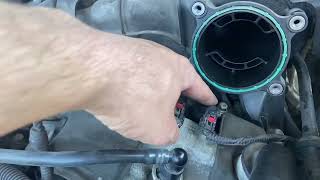
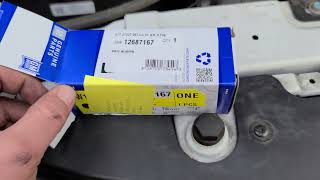
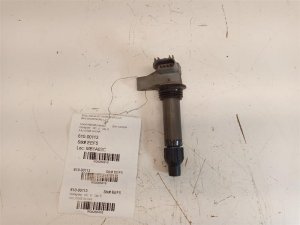
Used OEM Parts in Stock
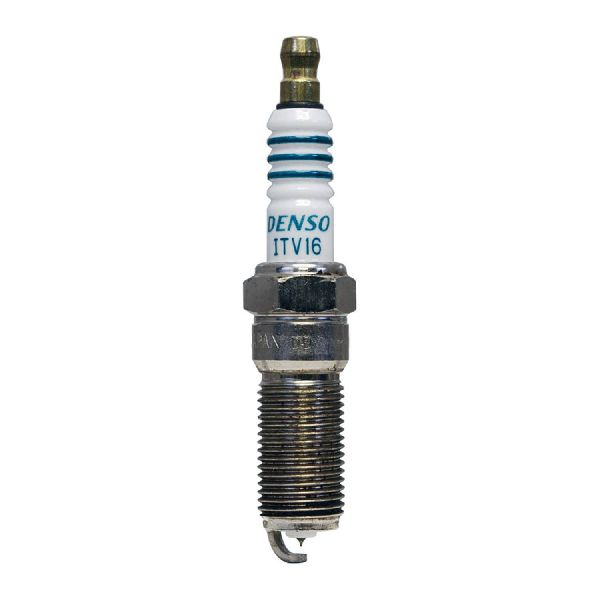
New Aftermarket Parts Available


The information in this article is provided for general reference and educational purposes only. Vehicle specifications, procedures, and part compatibility can vary by production date, trim level, and region. Always consult your vehicle's factory service manual and verify part numbers before purchasing or performing repairs. Safety-critical components such as airbags, seat belts, and braking systems should be installed by a qualified professional.
- Chevrolet Colorado:
- 🧭 Diagnostic Flowchart
- 🎬 Helpful Videos
- 🛍️ Shop This Part
- What's Unique About the 2015-2022 Chevrolet Colorado
- Symptoms You May Notice
- Most Likely Causes
- Rare But Worth Checking
- Diagnosis Steps
- Parts You'll Likely Need
- Related Codes That Often Appear With This One
- Technical Service Bulletins (TSBs) & Recalls
- Platform-Specific Known Issues
- Mechanic-Grade Diagnostic Values
- Hidden / Shadow Codes Worth Checking
- Scan Tool Commands That Help
- Wiring & Ground Locations
- Real Owner Repair Stories
- "I Checked Everything" — The Actual Cause
- Model Year Variations Within This Range
- Other Known Issues on This Vehicle
- Used vs. New Parts: Buying Guide for This Vehicle
- Real Owner Stories
- 2016 Chevrolet Colorado 3.6L LFX — ~128624 miles
- 2017+ Chevrolet Colorado 3.6L LGZ
- 2020 Chevrolet Colorado 3.6L LGZ
- Related OBD-II Codes
- Frequently Asked Questions
- 🎟️ Get 5% Off