

P0300 on 1999-2003 Chevrolet Express: Random Misfire Causes and Fixes
P0300 on a 1999-2003 Express indicates random cylinder misfires. For 1999-2002 models with a distributor, the most common cause is a worn distributor cap and rotor. For all years, worn spark plugs, wires, and vacuum leaks from the intake manifold gasket are also highly likely. On 1999-2002 models, the original CSFI 'spider' injector is a known failure point. A basic ignition tune-up often resolves the issue, but fuel system and vacuum leaks are close seconds.
- For 1999-2002 Express vans, the first part to inspect for a P0300 code is the distributor cap and rotor.
- For all years, a basic tune-up including spark plugs and wires is a common and effective fix.
- A flashing check engine light is a serious warning that requires you to stop driving to avoid destroying your catalytic converter.
- If the code appears immediately after a repair, double-check all wiring and vacuum hose connections, especially the injector harness on 1999 models. [Bulletin #PIP5169]
- Vacuum leaks from the intake manifold gaskets are a frequent problem on these engines and a likely cause of P0300.
What's Unique About the 1999-2003 Chevrolet EXPRESS
This year range spans two generations of the Express van with different engines, which changes the likely causes. The 1999-2002 models use older Vortec V8s (5.0L, 5.7L) and V6s (4.3L) that have a distributor, making a worn cap and rotor a very common failure point for random misfires. These earlier models also use a Central Sequential Fuel Injection (CSFI) 'spider' injector unit, which is notorious for its poppet valves getting clogged or leaking, causing misfires. The 2003 model introduced the newer, LS-based Vortec engines (4.8L, 5.3L, 6.0L) which use a more reliable coil-on-plug ignition system, eliminating the distributor. For these later engines, focus shifts more to individual coils, plugs, and systemic issues like fuel pressure or vacuum leaks from the intake manifold gaskets.
Diagnostic Flowchart
Tap your situation to follow the diagnostic path that matches what you're seeing on this vehicle.
Generation note: The 1999-2002 models are the first generation, primarily using Vortec engines with a distributor-based ignition and a CSFI 'spider' fuel injection system. The 2003 model is the first year of the second generation, which introduced LS-based Vortec engines with a distributorless, coil-on-plug ignition system and traditional multi-port fuel injectors. Diagnostic approaches must account for these key differences in both the ignition and fuel systems.
Symptoms You May Notice
- Rough or shaking idle
- Hesitation or stumbling during acceleration
- Noticeable loss of engine power
- Flashing Check Engine Light, especially under load or going uphill
- Reduced fuel economy
- Difficulty starting the engine
- Smell of unburned fuel from the exhaust
- Engine noise, such as a clicking or ticking sound
- Replacing only one spark plug or coil when a full tune-up is needed.
- Replacing oxygen sensors, which are more likely to be a symptom of the misfire (due to unburned fuel) rather than the cause.
- Replacing the Mass Airflow (MAF) sensor without proper testing; a vacuum leak is a more common cause of similar symptoms.
- Repeatedly replacing the distributor cap with cheap aftermarket parts instead of a single, high-quality OEM part.
Most Likely Causes
- Worn Distributor Cap and Rotor (1999-2002 models) 🔴 High Probability The distributor cap on Vortec engines is a known high-failure item. It's made of plastic and sits at the back of the engine where it's exposed to heat and moisture. Moisture can get trapped inside, causing corrosion on the terminals, and carbon tracks can form between terminals, causing spark to jump to the wrong cylinder. Mechanics often recommend using only ACDelco or other OEM-quality caps as aftermarket versions are known to fail quickly.
How to confirm: Remove the distributor cap (held on by two Torx screws) and inspect the inside terminals for white or green corrosion, black carbon tracking, or physical damage. Check the metal tip of the rotor for excessive wear or burning.
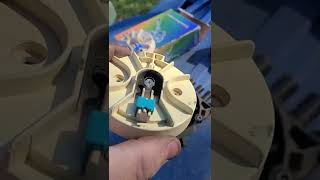
Typical fix: Replace the distributor cap and rotor. It is highly recommended to use high-quality parts. Many owners and mechanics report success only after switching to an ACDelco part. 🎬 Watch: Troubleshooting a random misfire on a 2001 Express Van.
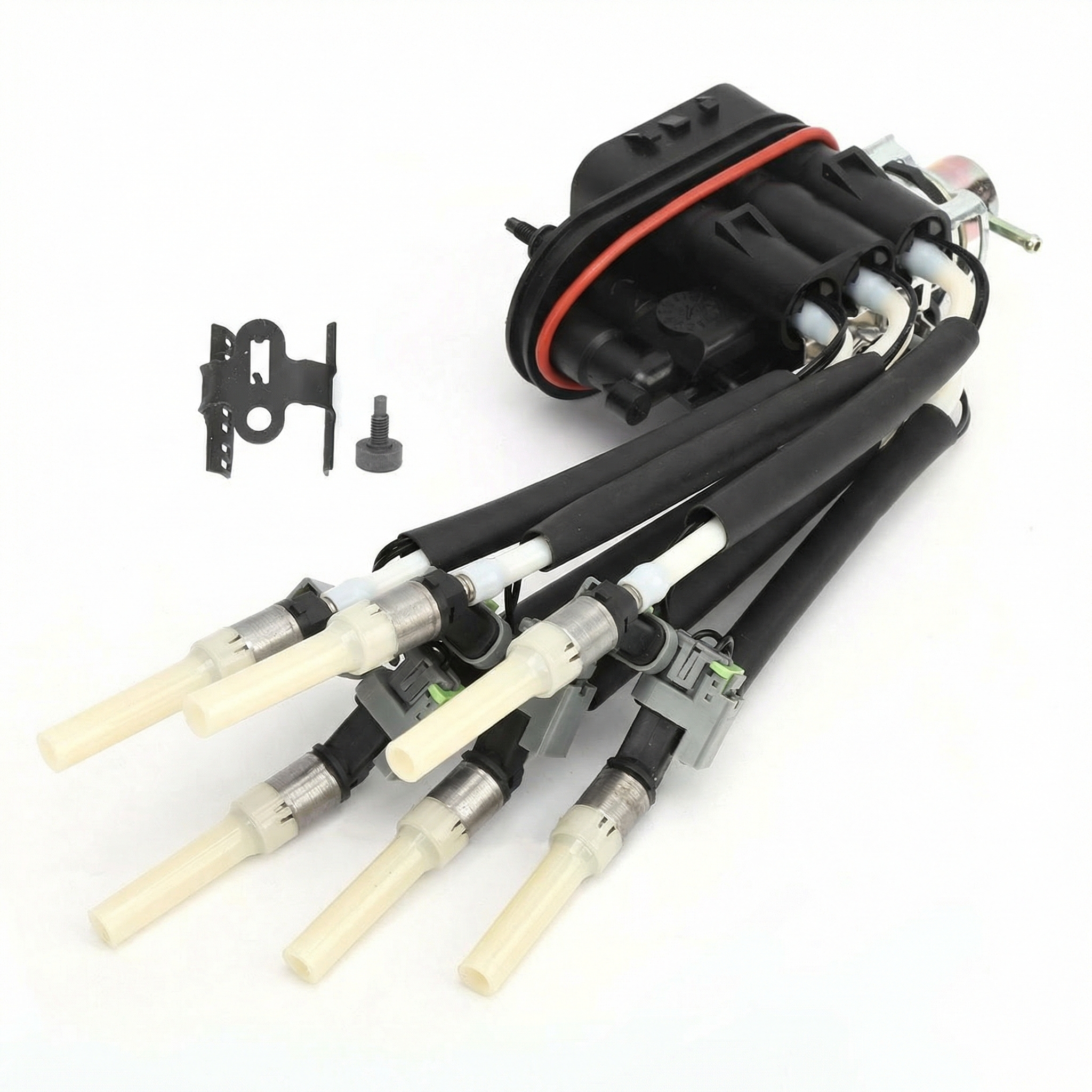
Est. part cost: $30-$80 - Failing Central Sequential Fuel Injection (CSFI) 'Spider' Injector (1999-2002 models) 🔴 High Probability The original injection system uses a central unit with tubes extending to each cylinder, ending in a poppet valve. These poppet valves are highly susceptible to clogging from carbon deposits due to heat soak. A clogged or leaking poppet valve will cause a misfire. This is one of the most well-documented failure points on these Vortec engines.
How to confirm: A fuel pressure leak-down test is a key indicator. After priming the pump, the pressure should not drop more than 5 PSI in 5 minutes. A faster drop often points to a leaking injector or fuel pressure regulator, both part of the spider assembly. A professional diagnosis may involve a cylinder balance test.
Typical fix: Replace the entire CSFI 'spider' assembly. The recommended and permanent fix is to upgrade to the newer Multi-port Fuel Injection (MFI) style spider unit. This design replaces the problematic poppet valves with true electronic injectors at the port, which are far more reliable. This is a direct-fit replacement with no modifications needed. 🎬 See this walkthrough on replacing the spider fuel injection unit.
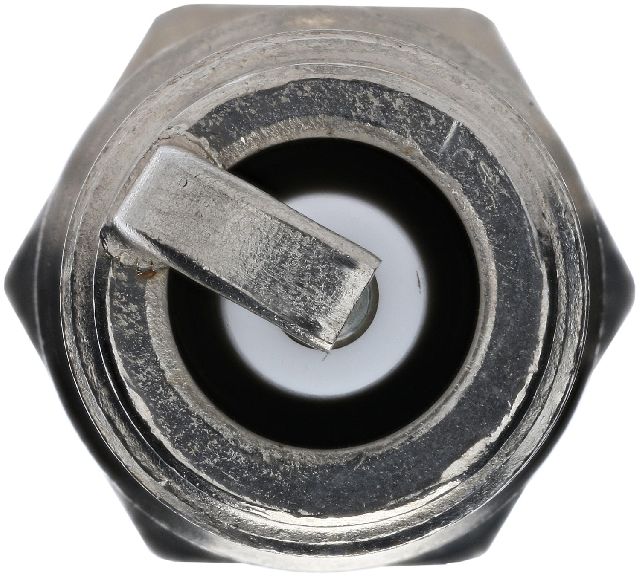
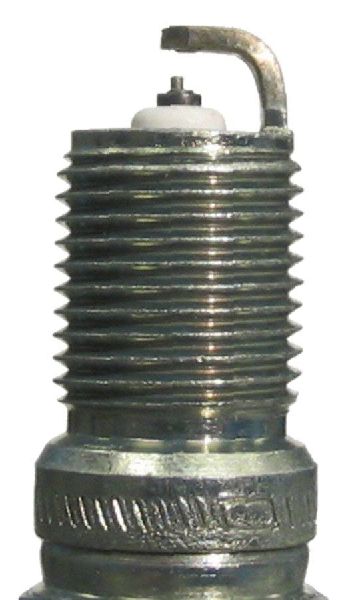
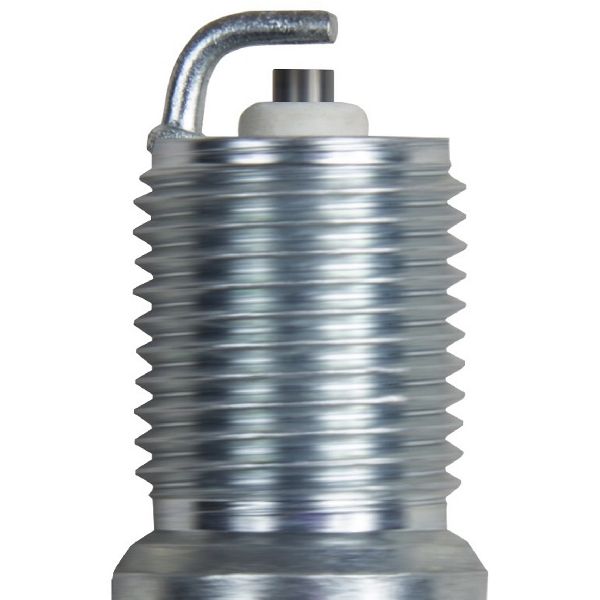
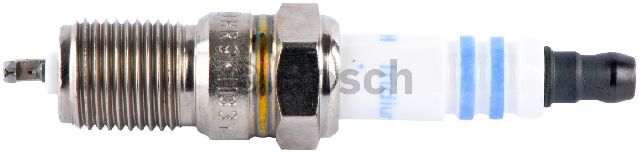
Est. part cost: $200-$450 for an upgraded MFI unit - Worn Spark Plugs and/or Wires 🔴 High Probability → Shop Spark Plug These are standard maintenance items that wear out over time. High resistance in old wires or a fouled/worn plug prevents a strong spark, leading to incomplete combustion.
How to confirm: Inspect spark plugs for wear, fouling (black, oily, or white deposits), and incorrect gap. Test spark plug wires with a multimeter; resistance should be within manufacturer specifications.
Typical fix: Replace all spark plugs and spark plug wires as a set.
Est. part cost: $60-$150 - Vacuum Leak (especially Intake Manifold Gaskets) 🟡 Medium Probability The intake manifold gaskets on these Vortec engines are a well-documented failure point, leading to vacuum leaks that introduce unmetered air and throw off the air-fuel ratio. This is especially common on the 2003+ LS-based engines, where a P0300 with a rough idle only when warm is a classic symptom.
How to confirm: With the engine running, spray brake cleaner or a combustible fluid around the intake manifold sealing surfaces; if the engine RPM changes, a leak is present. A more definitive method is a smoke test. A scan tool showing high positive long-term fuel trims (e.g., >15%) at idle that decrease significantly when RPMs are raised is a strong indicator of a vacuum leak.
Typical fix: Replace the intake manifold gaskets. This is a labor-intensive job.
Est. part cost: $40-$100 - Low Fuel Pressure or Faulty Fuel System Components 🟡 Medium Probability A weak fuel pump or clogged fuel filter can starve the engine of fuel, causing lean misfires across all cylinders. The fuel pump is a common failure item on older, high-mileage vans.
How to confirm: Connect a fuel pressure gauge to the service port on the fuel rail. For 1999-2002 Vortec engines, pressure should be 60-66 PSI with the key on, engine off. For 2003 LS-based engines, the spec is 55-62 PSI. Low pressure points to a weak pump or clogged filter.
Typical fix: Replace the clogged fuel filter first as it's inexpensive. If pressure is still low, the fuel pump likely needs replacement. On 1999-2002 models, the fuel pressure regulator is part of the spider injector assembly and is replaced with it.
Est. part cost: $20-$400 - Crossed Fuel Injector Connectors (1999 models) ⚪ Low Probability → Shop Fuel Injector A specific issue noted in a TSB where, after engine repairs, the wiring connectors for cylinders 5 & 7 and 6 & 8 can be accidentally swapped. [Bulletin #PIP5169]
How to confirm: Visually inspect the fuel injector wiring harness to ensure the correct connectors are attached to the correct injectors, per the service manual's wiring diagram.
Typical fix: Correct the wiring connections.
Est. part cost: $0
Rare But Worth Checking
- Worn Camshaft Lobe(s): → Shop Engine Camshaft Mentioned in TSB #PIP4138R for 2003 models. If a valve doesn't open fully due to a worn cam lobe, that cylinder will consistently misfire. This is a major mechanical failure.
- Crankshaft Position Sensor Variation Relearn Needed: → Shop Engine Crankshaft Position Sensor Sometimes, after repairs (like replacing the sensor or timing components) or due to sensor drift, the PCM's stored profile of the crankshaft reluctor wheel becomes inaccurate, leading to false misfire detection. A 'CASE relearn' or 'crank relearn' procedure with a capable scan tool is required. Some owners report needing this procedure multiple times before the issue is resolved.
- Clogged Catalytic Converter: → Shop Catalytic Converter A blocked exhaust creates excessive backpressure, preventing the engine from breathing properly and causing misfires, usually accompanied by a significant loss of power, especially at higher RPMs or under load. This is often accompanied by code P0420.
- Corroded Ignition Coil Ground Wire (2003+ models): → Shop Ignition Coil On LS-based engines, the ground wires for the ignition coil banks are bolted to the cylinder heads. These grounds can corrode and break, causing an entire bank of cylinders to lose spark and triggering a P0300.
Diagnosis Steps
- Scan for any other fault codes. Codes like P0171/P0174 strongly suggest a vacuum leak or fuel delivery issue.
- Using a scan tool with live data, monitor the misfire counters for each cylinder to see if the 'random' misfire is actually more concentrated on one or two cylinders. Also, check Short and Long Term Fuel Trims. High positive numbers at idle point to a vacuum leak.
- For 1999-2002 models, perform a thorough inspection of the distributor cap and rotor for wear, corrosion, or carbon tracking.
- Inspect the basics: spark plugs and wires. Look for obvious wear, damage, or fouling.
- Test fuel pressure. Connect a gauge to the fuel rail and verify pressure is 60-66 PSI (key on, engine off). Perform a leak-down test; pressure should not drop more than 5 PSI in 5 minutes.
- Check for vacuum leaks. A smoke test is the most effective method, focusing on the intake manifold gasket area. The spray method can also be effective.
- For 1999-2002 models, if fuel pressure and ignition are good, the CSFI 'spider' injector is the next logical suspect.
- If the code appeared after recent engine work, verify injector wiring is correct per TSB #PIP5169.
- If all else fails, consider more advanced mechanical checks like an engine compression test or investigating the need for a crankshaft position sensor relearn.
Parts You'll Likely Need
- Distributor Cap and Rotor Kit (1999-2002)
(OEM #ACDelco D329A (V8 Cap), ACDelco D465 (Rotor))— This is the most frequent failure point causing random misfires on the earlier Vortec engines in this van.
Trusted brands: ACDelco, Delphi - Upgraded MFI Spider Fuel Injector Assembly (1999-2002) — The original CSFI unit is a common failure point; replacing it with the upgraded MFI version is a permanent solution for injector-related misfires.
Trusted brands: Delphi, Standard Motor Products (FJ504) - Spark Plugs and Wires — Basic and essential tune-up items that are a common cause of misfires when worn.
Trusted brands: ACDelco, NGK - Intake Manifold Gasket Set — A very common source of vacuum leaks on both generations of engines in this year range.
Trusted brands: Fel-Pro, ACDelco
Related Codes That Often Appear With This One
- P0301-P0308 — If the PCM can eventually isolate the misfire to a specific cylinder, it will set a corresponding code alongside P0300.
- P0171, P0174 — These codes indicate a 'System Too Lean' condition on Bank 1 and Bank 2, respectively. They often appear with P0300 when the root cause is a vacuum leak or a fuel delivery problem causing a lean misfire.
Technical Service Bulletins (TSBs) & Recalls
- PIP5628G: Notes that special information may be needed for diagnosing P0300 on 2003 models.
- PIP5169: Warns about crossed fuel injector connectors for cylinders 5-7 and 6-8 on 1999 models causing a P0300 code after repairs.
- PIP4138R: Suggests checking for a worn camshaft lobe on 2003 models if a P0300 code cannot be resolved through normal diagnostics.
Platform-Specific Known Issues
- The CSFI to MFI Spider Injector Upgrade: For 1999-2002 models, the single most impactful, vehicle-specific repair for a recurring P0300 (after a basic tune-up) is upgrading the original Central Sequential Fuel Injection (CSFI) 'spider' to the newer Multi-port Fuel Injection (MFI) design. The original poppet valves are a known, massive failure point due to carbon clogging. The MFI upgrade is a direct-fit replacement that solves this design flaw permanently and is considered a 'must-do' repair by many owners and specialists for long-term reliability.
- Distributor Cap Quality is Critical: Multiple owner forums and mechanic videos emphasize that for the 1999-2002 distributor-equipped engines, using cheap, aftermarket distributor caps is a common cause of repeat P0300 failures. The consensus is to use only ACDelco or Delphi parts, as they are manufactured to handle the specific conditions of the Vortec engine and prevent issues like internal carbon tracking and premature terminal corrosion.
Mechanic-Grade Diagnostic Values
- Fuel Pressure (1999-2002 4.3L/5.0L/5.7L Vortec) — expected: 60-66 PSI (Key On, Engine Off). Failure: Pressure below 60 PSI indicates a weak fuel pump, clogged filter, or faulty fuel pressure regulator. Pressure that drops quickly after the pump primes points to a leaking injector or regulator.
- Fuel Pressure (2003 4.8L/5.3L/6.0L LS-based) — expected: 55-62 PSI (Key On, Engine Off). Failure: Pressure below 55 PSI suggests a weak fuel pump or faulty regulator. A rapid drop after the pump shuts off indicates a bad check valve in the pump or a leaking injector.
- Long Term Fuel Trim (LTFT) at Idle — expected: Between -10% and +10%. Failure: Sustained positive values above +15% on both banks strongly suggest a vacuum leak, as the PCM is adding fuel to compensate for unmetered air.
- Ignition Control Module (ICM) Power Supply (1999-2002 models) — expected: 10-12 Volts DC. Failure: Significantly lower voltage indicates a problem in the power supply circuit to the module, not necessarily the module itself.
- Ignition Coil Primary Resistance (1999-2002 HEI Coil) — expected: ~0.5 Ohms. Failure: A reading of infinite (OL) or significantly higher resistance indicates a bad primary winding.
- Ignition Coil Secondary Resistance (1999-2002 HEI Coil) — expected: ~11,000 Ohms (11 kOhms). Failure: A reading of infinite (OL) or a value far outside the expected range points to a faulty secondary winding.
- Ignition Coil Trigger Signal (2003 LS models) — expected: 5 Volt square wave pulse from ECU. Failure: Absence of this signal points to a wiring or ECU driver issue, not a bad coil.
Hidden / Shadow Codes Worth Checking
- Mode 6, Test ID $A2-$AD: This mode on a generic OBD-II scanner can show misfire counts per cylinder for the current and last 10 driving cycles, even if a specific P0301-P0308 code has not been set. This is invaluable for seeing which cylinders are contributing most to the random misfire count. (see via A scan tool with Mode 6 data capability. The data is presented as raw hexadecimal values and must be compared against the manufacturer's scaling factor to get the true count.)
Scan Tool Commands That Help
- Tech2 / GDS2 or equivalent professional scan tool: Crankshaft Position (CKP) Variation Learn (CASE Relearn) — Required after replacing the crankshaft position sensor, engine, or PCM. It synchronizes the sensor with the actual position of the crankshaft reluctor wheel. Failure to perform this can cause the PCM to falsely detect misfires and set a P0300.
- Tech2 / GDS2 or equivalent professional scan tool: Injector Balance Test — This function individually fires each injector for a set duration while monitoring the corresponding fuel pressure drop. It is used to identify a weak or clogged injector that isn't flowing enough fuel, which would cause a lean misfire.
- Any scan tool with live data: Fuel Trim Analysis — Observing Short Term and Long Term Fuel Trims can quickly differentiate misfire types. Double-digit positive trims (e.g., +20%) point towards a lean condition (vacuum leak, weak fuel delivery), while single-digit trims with a felt misfire suggest an ignition problem (spark plug, coil, wire).
Wiring & Ground Locations
- G101 / G102 (Vortec) / PCM Ground (LS) — On the rear of the cylinder head(s) or top of the engine block, often difficult to access. For LS engines (2003), there is a critical PCM ground on the back of the driver's side cylinder head.. These are the primary grounds for the PCM and ignition system. Corrosion or a loose connection here can cause erratic sensor readings and weak spark, leading to random misfires that are notoriously hard to diagnose.
- G103 — On the cowl in the engine compartment, often near the brake booster.. This ground serves multiple components including the Body Control Module (BCM) and the Data Link Connector (DLC). While not a direct cause of misfire, a poor connection here can cause communication issues with scan tools, complicating diagnosis.
- Ignition Coil Grounds (2003+ LS Engines) — The ground wires for the coil packs are bundled and attached to the front or rear of the cylinder heads.. A corroded or broken ground at this location can disable an entire bank of ignition coils (e.g., cylinders 1, 3, 5, 7), causing a severe random misfire and a P0300 code.
- Battery to Engine Block Ground — A thick cable running from the negative battery terminal to a bolt on the engine block, typically on the passenger side front for Vortec engines.. This is the main ground path for the entire engine. High resistance from corrosion can affect the performance of the starter, alternator, and the entire ignition system, leading to weak spark.
Real Owner Repair Stories
- ScannerDanner Forum user (2007 Chevy Express 3500 w/ 57,000 miles) — Persistent P0300 with a steady Check Engine Light, occasionally flashing when accelerating uphill.
❌ Tried (didn't work) Replaced O2 sensor, Full tune-up (plugs, wires), Professional injector cleaning, Replaced MAF sensor, Cleaned throttle body, Replaced Crankshaft Position Sensor (non-OEM, then OEM) with multiple relearns, Replaced Camshaft Position Sensor
✅ What actually fixed it The final diagnosis pointed to an erratic fuel tank pressure (FTP) sensor voltage. The user implies that fixing the FTP sensor circuit resolved the P0300, suggesting the ECU's fuel/air calculations were being thrown off by the faulty sensor data, leading to the misfire.
"I Checked Everything" — The Actual Cause
- In some cases, a smoke test may not reveal a vacuum leak if the leak only occurs when the engine is hot and materials have expanded. A common example is an intake manifold gasket that seals when cold but leaks when the engine reaches operating temperature. Another possibility is that smoke from the test can pass through an open valve, through the cylinder, and past the piston rings into the crankcase, exiting the dipstick tube and giving a false impression of a leak inside the engine when none exists.
OEM Part Supersession History
Various original CSFI 'spider' injector part numbers→ACDelco 217-3028 (GM 89060439)— The original Central Sequential Fuel Injection (CSFI) unit with poppet valves was prone to clogging and failure. The superseding part is a complete Multiport Fuel Injection (MFI) conversion kit that replaces the poppet valves with more reliable electronic injectors.
Heads up: This is a direct-fit upgrade with no modifications needed. The kit typically includes the new injector assembly and required gaskets.
Model Year Variations Within This Range
- 1999-2002: These models use Vortec engines (4.3L, 5.0L, 5.7L) with a distributor ignition system and a CSFI 'spider' fuel injector. P0300 diagnosis should heavily focus on the distributor cap/rotor and the spider injector assembly.
- 2003: This model year marked the switch to LS-based engines (4.8L, 5.3L, 6.0L) with a distributorless, coil-on-plug ignition system and a traditional fuel rail with individual injectors. P0300 diagnosis shifts to individual ignition coils, coil ground points, and intake manifold gasket leaks.
- 2003 (mid-year change): Early 2003 models with LS engines may still have an external, rail-mounted fuel pressure regulator. Later 2003 models moved the fuel pressure regulator inside the fuel tank as part of the fuel pump module. This affects how fuel pressure is regulated and tested.
Helpful Videos



Used OEM Parts in Stock
New Aftermarket Parts Available


The information in this article is provided for general reference and educational purposes only. Vehicle specifications, procedures, and part compatibility can vary by production date, trim level, and region. Always consult your vehicle's factory service manual and verify part numbers before purchasing or performing repairs. Safety-critical components such as airbags, seat belts, and braking systems should be installed by a qualified professional.
- Chevrolet EXPRESS:
- 🧭 Diagnostic Flowchart
- 🎬 Helpful Videos
- 🛍️ Shop This Part
- What's Unique About the 1999-2003 Chevrolet EXPRESS
- Symptoms You May Notice
- Most Likely Causes
- Rare But Worth Checking
- Diagnosis Steps
- Parts You'll Likely Need
- Related Codes That Often Appear With This One
- Technical Service Bulletins (TSBs) & Recalls
- Platform-Specific Known Issues
- Mechanic-Grade Diagnostic Values
- Hidden / Shadow Codes Worth Checking
- Scan Tool Commands That Help
- Wiring & Ground Locations
- Real Owner Repair Stories
- "I Checked Everything" — The Actual Cause
- OEM Part Supersession History
- Model Year Variations Within This Range
- 🎟️ Get 5% Off