

P0300 on 2004-2011 Chevrolet Suburban: Random Misfire Causes and Fixes
P0300 on a 2004-2011 Suburban indicates a random engine misfire. For 2004-2006 models, the most likely cause is a vacuum leak from failed intake manifold gaskets. For 2007-2011 models with Active Fuel Management (AFM), a collapsed lifter is a very common cause. Always start by checking spark plugs and ignition coils, as oil consumption on AFM engines can foul plugs.
- P0300 means multiple cylinders are misfiring, but the computer doesn't know which ones.
- For 2004-2006 models, the first thing to suspect is a vacuum leak from the intake manifold gaskets.
- For 2007-2011 models, a collapsed AFM lifter is a very common and more serious cause.
- Do not drive if the check engine light is flashing, as this can quickly damage your catalytic converters.
- Always start with the basics: check spark plugs, wires, and coils before moving to more complex diagnoses.
What's Unique About the 2004-2011 Chevrolet SUBURBAN

This year range spans two distinct generations of the Suburban, with very different common causes for a P0300. The 2004-2006 GMT800 models are highly prone to vacuum leaks from aging plastic intake manifold gaskets, which causes a lean condition and misfires, especially at idle when the engine is warm. 🎬 Watch this 5.3L P0300 diagnosis and repair walkthrough. The 2007-2011 GMT900 models introduced Active Fuel Management (AFM), a system that deactivates cylinders to save fuel. This system is notorious for causing lifter failures, where a lifter can become stuck or collapse, leading to a persistent misfire on one or more cylinders that the computer logs as a P0300. These AFM lifter issues are a known design flaw, often preceded by a ticking noise and sometimes leading to camshaft damage.
Diagnostic Flowchart

Tap your situation to follow the diagnostic path that matches what you're seeing on this vehicle.
Generation note: This range covers the end of the 9th generation (2004-2006, GMT800 platform) and the beginning of the 10th generation (2007-2011, GMT900 platform). The most significant difference is the introduction of Active Fuel Management (AFM) on most V8 engines in 2007, which is a primary cause of P0300 codes due to lifter failure on the later models. Earlier models are more susceptible to intake manifold gasket leaks from the original plastic-carrier design failing due to heat cycles.
Symptoms You May Notice

- Rough or shaky idle
- Hesitation or stumbling during acceleration
- Flashing or solid Check Engine Light
- Reduced engine power
- Poor fuel economy
- Noticeable engine ticking or knocking noise (especially with lifter failure)
- Smell of unburnt fuel from the exhaust
- Engine stalling
- Replacing only spark plugs when the cause is a failed AFM lifter on 2007-2011 models.
- Replacing ignition coils when the true cause is a vacuum leak from the intake manifold gaskets on 2004-2006 models.
- Replacing O2 sensors to fix lean codes (P0171/P0174) when the root cause is a vacuum leak from intake gaskets.
Most Likely Causes

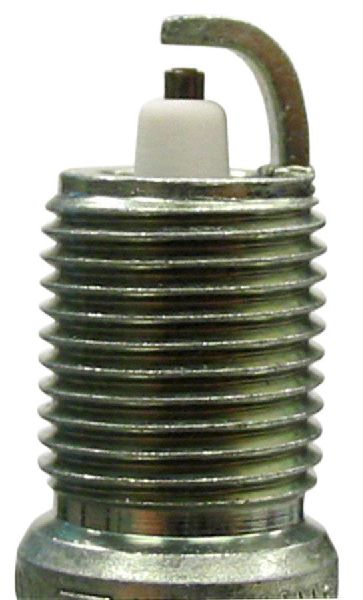
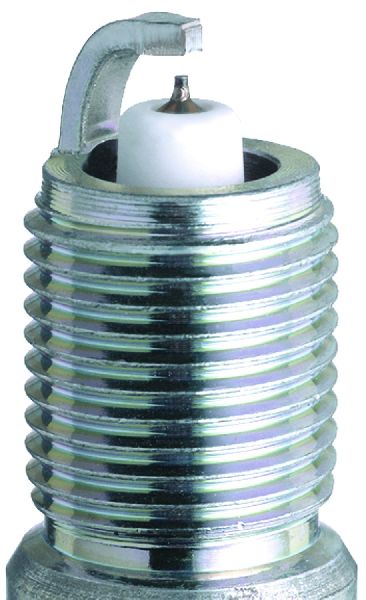
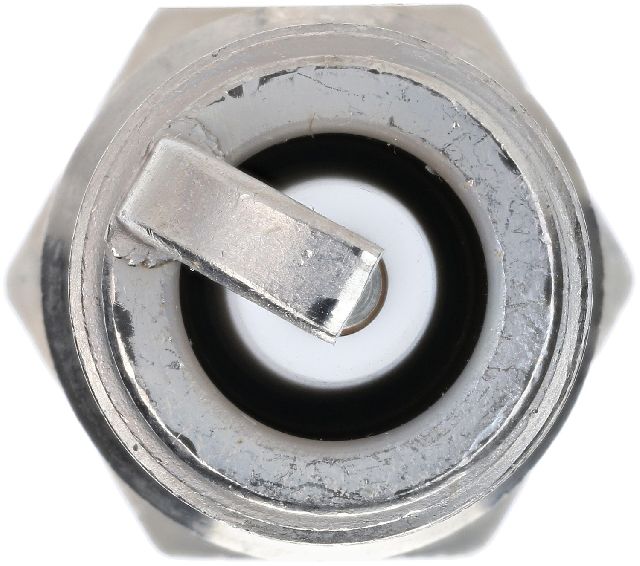
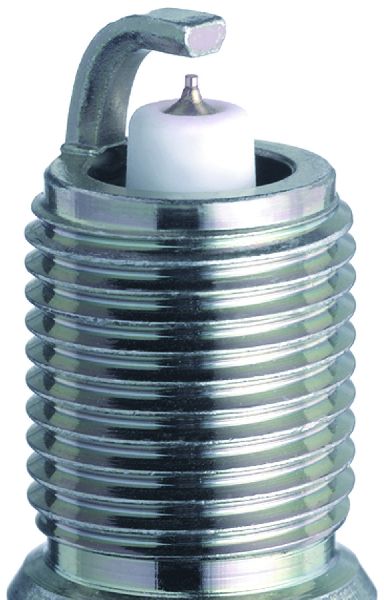
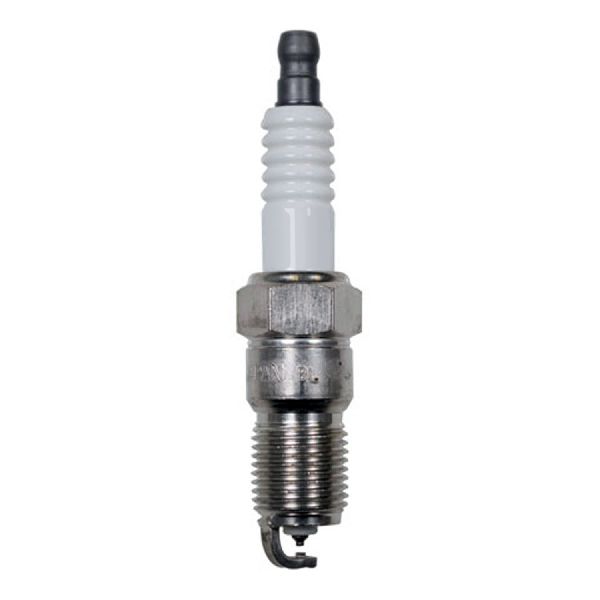
- Worn Spark Plugs and/or Wires 🔴 High Probability → Shop Spark Plug Standard wear and tear item. Oil consumption on AFM engines (2007+) can foul spark plugs prematurely, causing misfires. A single fouled plug on an AFM cylinder can be the sole cause of a P0300.
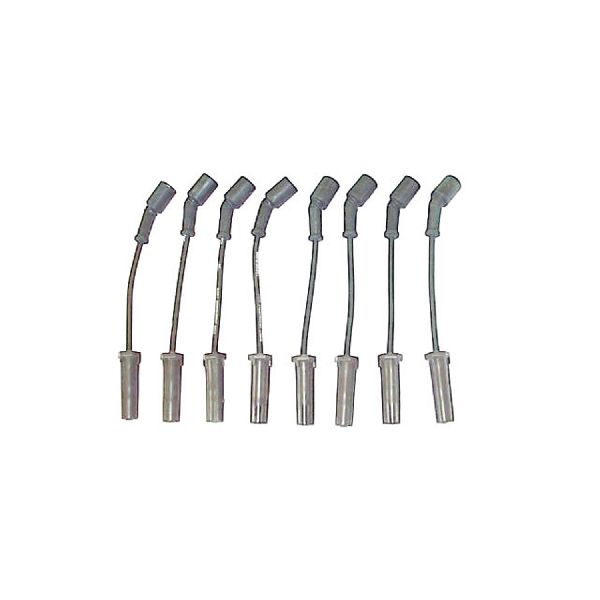
How to confirm: Visually inspect spark plugs for wear, damage, or heavy carbon/oil fouling. A heavily fouled plug is a strong indicator, especially on an AFM cylinder (1, 4, 6, or 7). Check spark plug wires for corrosion or damage. A worn center electrode is a common failure point.
Typical fix: Replace all spark plugs and wires as a set. Use pre-gapped Iridium plugs like ACDelco 41-162 for best performance and longevity.
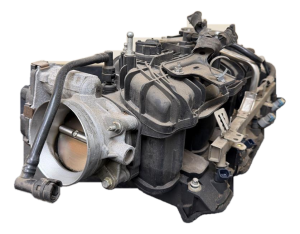
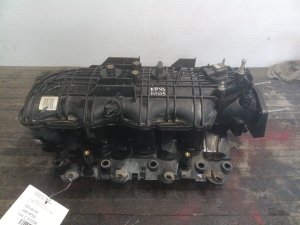
Est. part cost: $60-$150 - Failed Intake Manifold Gaskets 🔴 High Probability → Shop Engine Intake Manifold Extremely common on 2004-2006 (GMT800) models. The original plastic/rubber gaskets harden over time from heat cycles and exposure to ethanol in fuel, then crack and create a vacuum leak. This often causes a rough idle only when the engine is warm and may be accompanied by lean codes P0171 and P0174.
How to confirm: Perform a smoke test to find the vacuum leak. Alternatively, with the engine idling, carefully spray short bursts of brake cleaner or unlit propane along the seam where the intake manifold meets the cylinder head; a change in engine RPM confirms the leak.
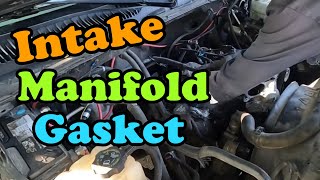
Typical fix: Replace the intake manifold gaskets. It's highly recommended to use an updated design, like the Fel-Pro MS98016T, which uses a more durable metal and rubber construction to resist cracking. 🎬 See this step-by-step intake manifold gasket replacement guide.
Est. part cost: $40-$90 - Collapsed/Stuck Active Fuel Management (AFM) Lifter 🔴 High Probability → Shop Engine Valve Lifter A notorious issue on 2007-2011 (GMT900) models with 5.3L or 6.0L V8s. The special lifters used for AFM can fail mechanically, getting stuck in the collapsed position, which prevents the valve from opening. This can be caused by oil aeration or low oil pressure, sometimes related to a clogged filter screen in the VLOM.
How to confirm: The issue often starts as a single-cylinder misfire (e.g., P0307) that becomes a P0300. A distinct ticking or tapping noise from the top of the engine is common. Diagnosis requires removing the valve cover to check for a rocker arm that is not moving or is loose on the affected cylinder. A compression test will show low or zero compression on the affected cylinder.
Typical fix: Requires replacing the failed lifter(s) and the plastic lifter guide. Many owners and shops opt to replace all AFM lifters on that bank or perform an 'AFM delete' which involves replacing the AFM lifters, camshaft, and reprogramming the ECU to prevent future failures. This is a labor-intensive repair, often costing thousands.
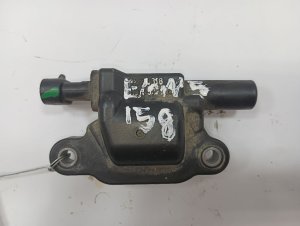
Est. part cost: $200-$800 for parts, significantly more for an AFM delete kit. - Faulty Ignition Coil(s) 🟡 Medium Probability → Shop Ignition Coil
How to confirm: Use a scan tool to identify which cylinder(s) have the highest misfire counts. Swap the ignition coil from a misfiring cylinder with one from a known good cylinder. If the misfire code follows the coil (e.g., P0301 moves to P0304), the coil is bad. Heat and vibration can cause internal coil windings to fail.
Typical fix: Replace the faulty ignition coil. The ACDelco D585 is a common OEM replacement part.
Est. part cost: $30-$70 per coil - Low Fuel Pressure ⚪ Low Probability
How to confirm: Connect a fuel pressure gauge to the Schrader valve on the fuel rail. For these models, pressure should typically be between 55-62 PSI at idle. A weak fuel pump or clogged fuel filter can cause low pressure.
Typical fix: Replace the failing fuel pump or clogged fuel filter. The fuel filter is located inside the fuel tank on many of these models.
Est. part cost: $20-$300
Rare But Worth Checking
- Clogged or Dirty Fuel Injectors: → Shop Fuel Injector Debris can restrict fuel flow, causing a lean misfire on one or more cylinders. This can sometimes be temporarily alleviated by using a fuel system cleaner, which can help diagnose the issue.
- Clogged Catalytic Converter: → Shop Catalytic Converter A long-term misfire can dump unburnt fuel into the exhaust, damaging the catalytic converter. A clogged converter creates excessive backpressure, which can cause a random misfire. This is usually a result of another problem, not the initial cause, and may be accompanied by a P0420 code.
- Internal Coolant Leak: Some GM TSBs note that an internal coolant leak into a cylinder can cause a cold-start misfire with P0300 and P050D. This may require engine replacement if confirmed.
- Clogged VLOM Filter Screen: On AFM engines (2007+), a tiny filter screen under the oil pressure sensor can get clogged with sludge, restricting oil flow to the Valve Lifter Oil Manifold (VLOM) and causing lifter issues.
Diagnosis Steps
- Check for any other stored trouble codes with an OBD-II scanner.
- Use a scanner with live data to monitor misfire counts for each cylinder (Mode $06 data). This can often pinpoint a 'random' misfire to one or two specific cylinders that are misfiring the most.
- Visually inspect the ignition system: spark plugs, wires, and coils for obvious damage, corrosion, or oil fouling.
- Test for vacuum leaks, especially around the intake manifold gaskets on 2004-2006 models, using a smoke machine or the carb cleaner method.
- Test fuel pressure at the fuel rail to ensure it's within the 55-62 PSI specification.
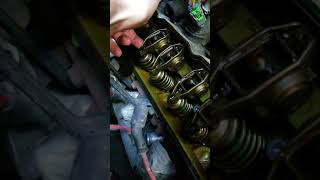
- If you have a 2007-2011 model and suspect a lifter issue, listen for a distinct ticking sound. Remove the valve cover on the suspect bank and, with the engine running, look for a rocker arm that is not moving. With the engine off, check for loose rocker arms, indicating a collapsed lifter. 🎬 Watch these tips for diagnosing bad AFM lifters and engine ticking.
- Perform a compression test on cylinders with high misfire counts. A healthy cylinder should have good compression; a cylinder with a collapsed lifter or other mechanical issue will have low or zero compression.
- Check engine grounds. A poor ground connection can cause intermittent and random misfires.
Parts You'll Likely Need
- Spark Plugs
(OEM #ACDelco 41-162 (Iridium))— Basic maintenance and a common cause of misfires. Oil fouling from AFM issues on 2007+ models often requires replacement.
Trusted brands: ACDelco, NGK
OEM price range: $8-$12 per plug
Aftermarket price range: $5-$10 per plug - Intake Manifold Gasket Set
(OEM #89060413 (OEM), MS98016T (Fel-Pro upgraded part))— The most common cause of P0300 on 2004-2006 models due to vacuum leaks from the failure of the original plastic design. The Fel-Pro MS98016T is a popular, superior upgrade with a metal carrier.
Trusted brands: Fel-Pro, ACDelco
OEM price range: $70-$120
Aftermarket price range: $40-$90 - AFM Lifters and Guides — Required for the common lifter failure on 2007-2011 models. Usually replaced as a set for the affected bank.
Trusted brands: ACDelco, Melling
OEM price range: $150-$300 per bank
Aftermarket price range: $100-$200 per bank - Ignition Coil
(OEM #ACDelco D585)— A single faulty coil can cause a random misfire code. Swapping coils is a key diagnostic step.
Trusted brands: ACDelco, Delphi, Spectra Premium
OEM price range: $40-$70
Aftermarket price range: $25-$50
Related Codes That Often Appear With This One
- P0301-P0308 — These are cylinder-specific misfire codes. A P0300 may appear alongside them, or a single-cylinder misfire may be logged as a P0300 if it is intermittent or affects multiple cylinders randomly.
- P0171 / P0174 — System Too Lean (Bank 1 / Bank 2). These codes often accompany a P0300 caused by a large vacuum leak, such as from the intake manifold gaskets, which allows unmetered air into the engine.
- P050D — Cold Start Rough Idle. This code can appear with P0300, sometimes pointing to complex issues like internal coolant leaks or other cold-start problems, as noted in GM Bulletin #PIP5628G.
Technical Service Bulletins (TSBs) & Recalls
- PIP5628G: Preliminary information for diagnosing P0300-P0308 and P050D, requesting specific diagnostic data be provided to GM's Technical Assistance Center (TAC).
- PIP4568P: Details diagnosis for P0300 with a tick noise on AFM engines (cylinders 1, 4, 6, or 7), pointing to collapsed or stuck lifters due to issues like low oil pressure, aeration, or sludge.
- 15-06-01-002F: Addresses engine misfire/tick noise with P0300, identifying a mechanically collapsed AFM lifter as a potential cause due to internal locking pin damage from oil aeration.
Platform-Specific Known Issues
- Intake Gasket Failure on Warm Engine (2004-2006): A common owner experience on GMT800 Suburbans is a perfectly smooth cold start, followed by a rough idle and P0300 code only after the engine reaches operating temperature. This happens because the plastic intake gaskets expand when hot, opening up cracks and creating a vacuum leak that isn't present when cold.
- AFM Lifter Failure Progression (2007-2011): → Shop Engine Valve Lifter Owners of GMT900 Suburbans often report the problem starting with a single cylinder misfire code (like P0307 or P0301) and a light engine tick. If not addressed, this progresses to a P0300, a louder knock, a flashing check engine light, and StabiliTrak warnings as the failing lifter affects engine stability more severely. In some cases, this failure can damage the camshaft, requiring a more extensive and expensive repair.
Mechanic-Grade Diagnostic Values

- Short Term Fuel Trim (STFT) at idle — expected: Within +/- 10%. Failure: Consistently outside the +/- 10% range suggests a vacuum leak (high positive trims) or fuel delivery issue.
- Upstream O2 Sensor (Bank 2, Sensor 1) Voltage — expected: Fluctuating rapidly between approx. 100-900 millivolts.. Failure: Stuck at a high value, such as 1100 millivolts, indicates a sensor failure causing a false rich signal.
- O2 Sensor Heater Circuit Resistance — expected: Approximately 10 ohms on a known-good sensor.. Failure: An extremely high resistance, such as 14 mega-ohms, indicates a failed internal heater element in the sensor.
- Cylinder Head Bolt Torque (AFM Engine) — expected: First pass to 59 ft-lbs, second pass an additional 90 degrees, final pass varies by side (e.g., 30-40 degrees).. Failure: Improper torque sequence can lead to head gasket failure.
Hidden / Shadow Codes Worth Checking
- Mode $06 Misfire Counters: While not a 'shadow code,' this data is often hidden in sub-menus of advanced scan tools. It provides raw misfire counts for each individual cylinder, which is crucial for identifying the specific cylinder(s) causing a P0300 before they reach the threshold to set a cylinder-specific code (P0301-P0308). (see via Requires a scan tool capable of viewing Mode $06 data or manufacturer-specific enhanced powertrain data (e.g., with a GM Tech2 or GDS2).)
Scan Tool Commands That Help
- Advanced OBD-II Scanner (e.g., Autel, Snap-on, GM Tech2): Force Engine to 'Open Loop' — Use this when you suspect a faulty O2 sensor is inducing a misfire. By commanding the system to Open Loop, the ECU ignores O2 sensor feedback. If the misfire immediately stops and the engine runs smoothly, it strongly indicates the O2 sensor is providing false data, causing the ECU to create an incorrect air-fuel mixture.
- Advanced OBD-II Scanner: Injector Balance Test / Disable Injector — This command allows you to shut off one injector at a time while monitoring engine RPM or misfire data. If disabling an injector causes little to no change in RPM on a misfiring cylinder, it confirms that the injector was not contributing properly in the first place.
Wiring & Ground Locations
- G101 / G102 (GMT800, 2004-2006) — G101 is located at the left front of the engine on the lower block. G102 is at the left rear of the engine.. G101 is a primary ground for the ECM, while G102 grounds all 8 ignition coils. Corrosion or a loose connection at these points can cause erratic ECM behavior or weak spark, leading to random misfires.
- G103 / G104 (GMT900, 2007-2011) — G103 is on the front of the passenger side cylinder head. G104 is on the rear of the driver's side (left) cylinder head.. These are the main engine-to-harness grounds for the ECM and sensor data. A TSB specifically mentions checking the G103 connection for tightness and cleanliness to resolve various electrical issues. A poor connection here can cause phantom misfires.
- Main Engine Ground Strap — Varies by year, but typically runs from the engine block to the vehicle's frame or firewall.. This main strap ensures the entire engine block has a solid ground path to the battery. Over time, these braided straps can corrode and break, causing intermittent issues across all engine electronics, including the ignition system, which can manifest as a P0300.
Real Owner Repair Stories
- Tahoe Yukon Forum user RAFJR (2012 Yukon Denali 6.2L (with AFM), 65,000 miles) — P0300 code, erratic oil pressure gauge, random misfire on cylinder #5.
❌ Tried (didn't work) Replaced oil pressure sensor, Replaced spark plugs and wires, Used fuel system cleaner, Replaced #5 ignition coil, Replaced crankshaft sensor
✅ What actually fixed it The owner discovered the P0300 code only set when the vehicle entered AFM (V4) mode. The suspected cause was a faulty solenoid in the VLOM. The final fix was sending the ECM to be reprogrammed to disable AFM, which completely resolved the P0300 code. - Chevrolet Forum user (2002 Suburban 5.3L, 157,000 miles) — Flashing CEL with P0300 only under steady, light throttle on the highway.
❌ Tried (didn't work) Smoked the intake (no leaks found), Cleaned injectors, Replaced spark plugs, coil packs, grounds, plug wires, Replaced cam and crank position sensors, Replaced the ECM
✅ What actually fixed it The root cause was an excessively worn timing chain. The crankshaft would turn 40 degrees before the camshaft began to move. This slack caused the cam and crank to float out of sync under light load, creating random misfires. Replacing the timing chain and oil pump fixed the issue. - AFM/DOD Q&A Forum user (2007 Suburban 5.3L, 328,000 miles) — Misfire on cylinder #7 with ticking noise.
❌ Tried (didn't work) Swapped spark plug, Attempted to free lifter with a tool
✅ What actually fixed it After pulling the cylinder head, the owner found it was not a typical collapsed AFM lifter. An internal disc within the lifter had broken apart and jammed the plunger inside the lifter body, causing it to fail mechanically. This represents a specific internal failure mode of the AFM lifter itself.
"I Checked Everything" — The Actual Cause
- A 2004 Suburban passed a smoke test, but still had lean misfires on one bank causing a P0300. The actual cause was a failed upstream O2 sensor that was stuck reading rich (1100mV). This caused the ECU to aggressively pull fuel from that bank, creating a lean condition and misfires. The fix was replacing the O2 sensor, not chasing a non-existent vacuum leak.
- A 2002 Suburban with a P0300 under light throttle had all common ignition/fuel parts replaced and passed a smoke test. The actual cause was a severely stretched timing chain, which is a mechanical issue that standard diagnostic tests for fuel and air leaks will not find.
When the Usual Fixes Don't Work
- While common causes like vacuum leaks and ignition components should be checked first, several documented cases show a P0300 persisting after these repairs. In one instance with a 2012 model, the misfire was directly tied to the AFM system activating, and the only effective solution short of a major mechanical repair was to disable AFM via an ECU tune. In another high-mileage case, the root cause was not a component failure but mechanical wear of the timing chain, which is not typically part of a standard P0300 diagnosis.
OEM Part Supersession History
Multiple, including 12571595, 12619820, 12639516→GM 12698946 (or aftermarket equivalents like Elgin HL-7025)— The original Active Fuel Management (AFM) lifters used in 2007-2011 models are prone to failure. GM later released a more robust lifter for its newer Dynamic Fuel Management (DFM) engines.
Heads up: The newer DFM lifter (e.g., HL-7025) WILL work in older AFM applications. However, the original AFM-only lifter (e.g., HL-7011) will NOT work in newer DFM engines. When repairing an AFM engine, it is recommended to use the newer, backward-compatible DFM-style lifter for improved durability.
Model Year Variations Within This Range
- 2004-2006 vs 2007-2011: The 2004-2006 GMT800s use a Gen III V8 (e.g., LM7, L59) without AFM. The 2007-2011 GMT900s use a Gen IV V8 (e.g., LY5, LMG, LC9) which introduced Active Fuel Management (AFM), a primary cause of P0300 on these later models.
- 2010-2011: In 2010, Variable Valve Timing (VVT) was added to the 5.3L LMG engine. This means these later models have both AFM and VVT, adding another layer of diagnostic complexity compared to the 2007-2009 models.
- 2009+: The 6-speed 6L80 automatic transmission began replacing the 4-speed 4L60E around 2009, representing a significant drivetrain change within this vehicle range.
Helpful Videos

Used OEM Parts in Stock
New Aftermarket Parts Available

The information in this article is provided for general reference and educational purposes only. Vehicle specifications, procedures, and part compatibility can vary by production date, trim level, and region. Always consult your vehicle's factory service manual and verify part numbers before purchasing or performing repairs. Safety-critical components such as airbags, seat belts, and braking systems should be installed by a qualified professional.
- Chevrolet SUBURBAN:
- 🧭 Diagnostic Flowchart
- 🎬 Helpful Videos
- 🛍️ Shop This Part
- What's Unique About the 2004-2011 Chevrolet SUBURBAN
- Symptoms You May Notice
- Most Likely Causes
- Rare But Worth Checking
- Diagnosis Steps
- Parts You'll Likely Need
- Related Codes That Often Appear With This One
- Technical Service Bulletins (TSBs) & Recalls
- Platform-Specific Known Issues
- Mechanic-Grade Diagnostic Values
- Hidden / Shadow Codes Worth Checking
- Scan Tool Commands That Help
- Wiring & Ground Locations
- Real Owner Repair Stories
- "I Checked Everything" — The Actual Cause
- When the Usual Fixes Don't Work
- OEM Part Supersession History
- Model Year Variations Within This Range
- 🎟️ Get 5% Off