

P0300 on 2011-2018 Dodge Challenger: Random Misfire Causes and Fixes
P0300 on a Dodge Challenger typically points to worn spark plugs and/or failing ignition coils. This is especially true for the Hemi engines, which use 16 spark plugs. Start with a full tune-up, as this often resolves the random misfire before more complex diagnostics are needed. However, be aware of more serious underlying issues like cylinder head failure on early 3.6L Pentastars and camshaft/lifter failure on 5.7L and 6.4L Hemi engines.
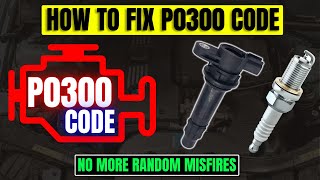
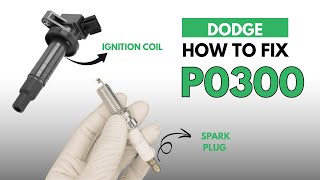
- P0300 indicates a random or multiple cylinder misfire, with the most likely culprits being worn spark plugs or bad ignition coils.
- If the check engine light is flashing, stop driving immediately to prevent catastrophic damage to the catalytic converters.
- Be aware of engine-specific issues: 2011-2013 3.6L engines may have a bad cylinder head, while Hemi engines can suffer from camshaft/lifter failure.
- Always check for other trouble codes, as they can help pinpoint the root cause, such as a vacuum leak or fuel injector problem.
- When replacing spark plugs on a Hemi V8, remember there are two per cylinder, for a total of 16.
What's Unique About the 2011-2018 Dodge CHALLENGER

The 2011-2018 Challenger was offered with a range of engines, including the 3.6L Pentastar V6, 5.7L Hemi, 6.4L "392" Hemi, and the supercharged 6.2L Hellcat Hemi. While ignition components are a common cause across all engines, some have unique weak points. Early 3.6L Pentastar engines (2011-2013) were subject to a warranty extension (X56) for left-side cylinder head issues that could cause misfires, specifically codes P0300, P0302, P0304, and P0306. 🎬 Watch: Diagnosing the Pentastar V6 cylinder head ticking and misfire. Hemi engines, particularly those with cylinder deactivation (MDS), can suffer from camshaft and lifter failures that manifest as a ticking noise and a persistent P0300 code. Additionally, specific TSBs note that P0300 can be triggered by block heater usage in certain conditions or on Hellcat models for supercharger-related reasons, indicating platform-specific diagnostic paths. [Bulletin #18-052-15 REV A, Bulletin #18-061-17]
Diagnostic Flowchart

Tap your situation to follow the diagnostic path that matches what you're seeing on this vehicle.
Generation note: The 2011-2018 model years cover the third generation (LC) of the Challenger, but it includes a significant refresh for the 2015 model year. The pre-refresh models (2011-2014) and post-refresh models (2015-2018) have different interior/exterior styling and evolving engine options, such as the introduction of the 6.4L Scat Pack and 6.2L Hellcat as mainstream trims. The underlying engines and their common P0300 failure points (Pentastar head, Hemi lifters) are consistent across these years.
Symptoms You May Notice
- Rough or shaking idle.
- Hesitation or stumbling during acceleration.
- Noticeable loss of engine power.
- Flashing Check Engine Light (CEL).
- Reduced fuel economy.
- Engine may be hard to start.
- Audible ticking or knocking sound from the engine, especially with Hemi lifter issues.
- Smell of unburned fuel from the exhaust.
- Replacing only one spark plug or coil when multiple are near the end of their service life.
- Replacing oxygen sensors when they are correctly reporting a lean or rich condition caused by the misfire itself.
- Assuming a catalytic converter is bad when it's actually being damaged by the raw fuel from the misfire.
- Mistaking the 'Hemi tick' from a failing lifter for normal engine noise until a P0300 code appears.
Most Likely Causes

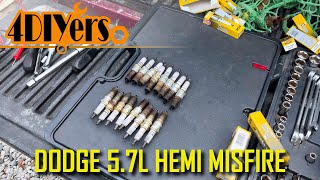
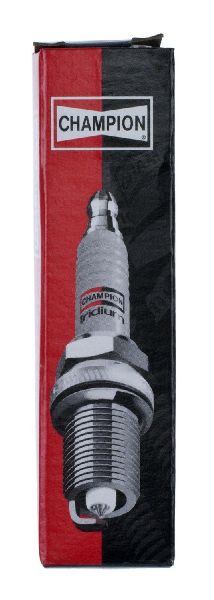
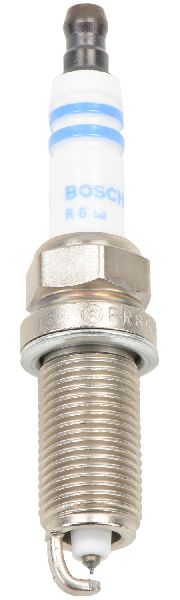
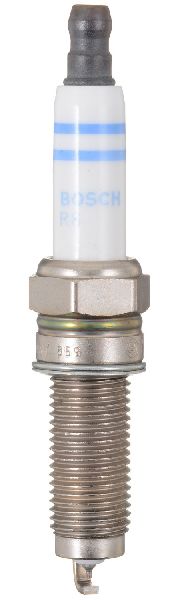
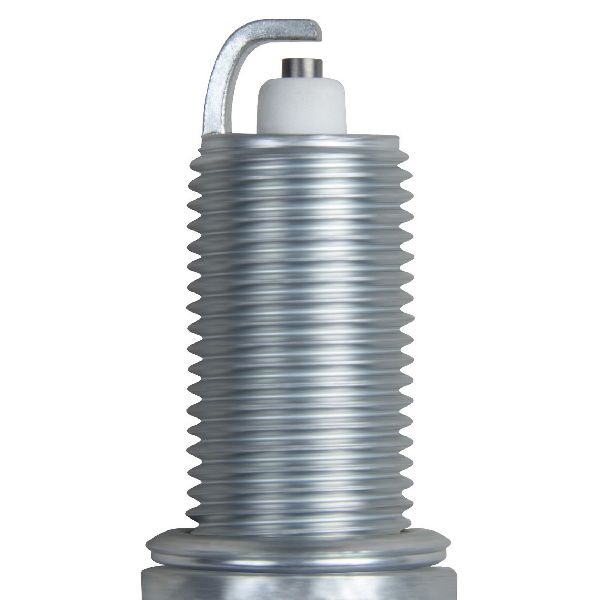
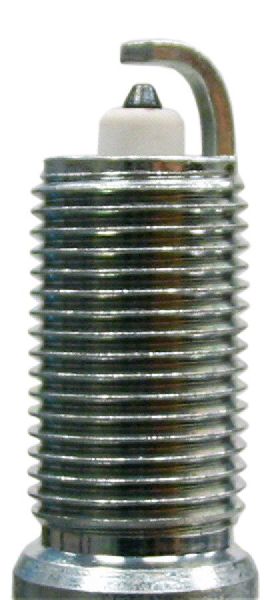
- Worn or Fouled Spark Plugs 🔴 High Probability → Shop Spark Plug Hemi engines, in particular, use two spark plugs per cylinder. With 16 plugs on a V8, there's a higher chance of one or more failing. They are a routine maintenance item that is often neglected. Oil leaks from valve cover gaskets can also foul the plugs.
How to confirm: Visually inspect the spark plugs for wear, carbon buildup, or oil fouling. Check the spark plug gap against manufacturer specifications, which is typically between 0.024 to 0.071 inches. A damaged or incorrectly gapped plug is a clear indicator for replacement.
Typical fix: Replace all spark plugs. It's recommended to replace them as a full set. For Hemi engines, this means replacing all 16. For the 3.6L V6, replace all 6.
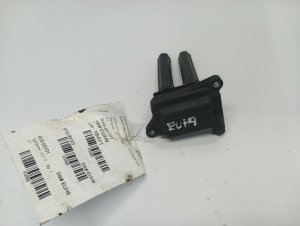
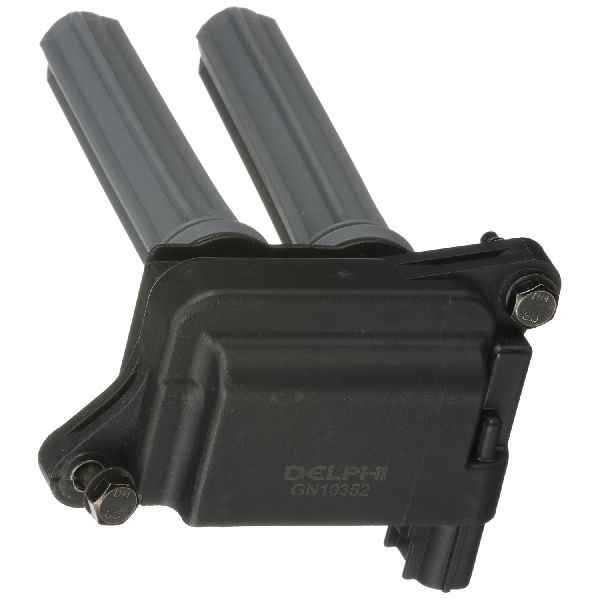
Est. part cost: $50-$150 - Faulty Ignition Coils 🔴 High Probability → Shop Ignition Coil
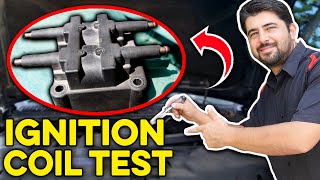
How to confirm: Use a scan tool with live data to monitor misfire counts per cylinder. Swap the ignition coil from a misfiring cylinder with one from a known good cylinder. If the misfire code follows the coil (e.g., P0302 becomes P0304 after swapping coils from cylinders 2 and 4), the coil is bad. Also inspect the coil for physical damage or oil contamination.
Typical fix: Replace the faulty ignition coil(s). It is often wise to replace them in pairs or as a full set if they are original and high-mileage. The plastic connectors can become brittle and break upon removal, so care is advised.
Est. part cost: $40-$80 per coil - Vacuum Leak 🟡 Medium Probability Intake manifold gaskets can become brittle over time, leading to unmetered air entering the engine and disrupting the air-fuel ratio. The PCV valve and its associated hoses are also common failure points that can create a vacuum leak.
How to confirm: Perform a smoke test by introducing smoke into the intake system and watching for leaks, especially around the intake manifold gaskets and vacuum hoses. You can also listen for a hissing sound at idle.
Typical fix: Replace the leaking gasket or hose. The PCV valve is often replaced as a preventative measure during this repair.
Est. part cost: $30-$100 for gaskets - Clogged or Failing Fuel Injectors 🟡 Medium Probability → Shop Fuel Injector
How to confirm: Listen for a consistent clicking sound from each injector. A scan tool can be used to perform an injector balance test. You can also swap injectors between cylinders to see if the misfire follows, similar to testing an ignition coil.
Typical fix: Replace the faulty fuel injector. Some owners on forums have reported that replacing all injectors was the final solution after trying plugs and coils.
Est. part cost: $70-$150 per injector
Rare But Worth Checking
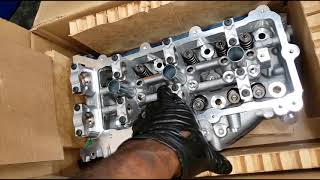
- Camshaft/Lifter Failure (Hemi Engines): → Shop Engine Camshaft The 5.7L and 6.4L Hemi engines can experience issues with the camshaft lobes wearing down or lifter rollers failing, especially on cylinders affected by the Multi-Displacement System (MDS). This is a major mechanical failure that often starts as a ticking noise and progresses to a persistent misfire that can trigger P0300. Forum discussions detail owner experiences with this repair, which involves significant engine disassembly.
- Cylinder Head Failure (3.6L Pentastar 2011-2013): → Shop Engine Cylinder Head Early Pentastar V6 engines had a known issue with the left cylinder head (Bank 2, cylinders 2, 4, 6), leading to valve seat wear and causing misfires. Chrysler extended the warranty on this component to 10 years or 150,000 miles. TSB 09-002-14 REV B outlines the diagnostic procedure, which involves a cylinder leak-down test; if leakage is 25% or greater, the head must be replaced.
- Block Heater Usage: TSB #18-052-15 REV A specifically mentions that P0300 can occur on vehicles using a block heater in ambient temperatures above -20°F (-29°C), indicating a potential software or sensor calibration issue under these specific circumstances.
- Low Fuel Pressure: A weak fuel pump or clogged fuel filter can starve the engine of fuel, causing random misfires across all cylinders. This can be confirmed with a fuel pressure test at the fuel rail.
- Faulty Powertrain Control Module (PCM): → Shop Engine Control Module (ECM) In rare cases, after all other possibilities have been exhausted, the PCM itself can be the source of the problem, incorrectly reporting misfires or failing to properly control the ignition or fuel systems.
Diagnosis Steps
- Scan for Codes: Use an OBD-II scanner to confirm P0300 and check for any other accompanying codes, which can provide crucial clues. Note the freeze frame data to see the engine conditions when the code was set. Use the live data function to monitor misfire counts on each cylinder under different loads (idle, acceleration).
- Inspect Spark Plugs and Ignition Coils: Start with the most common culprits. Remove and inspect all spark plugs for wear, damage, or fouling. Test ignition coils by swapping them between cylinders and seeing if the misfire follows.
- Check for Vacuum Leaks: Perform a visual inspection of all vacuum hoses, paying close attention to the PCV valve and intake manifold area. Conduct a smoke test to find hard-to-see leaks from intake manifold gaskets or cracked hoses.
- Test the Fuel System: Check fuel pressure to rule out a weak fuel pump or clogged filter. If you suspect an injector, perform a balance test or swap injectors between cylinders.
- Check for Mechanical Issues: If the basics check out, perform a compression test and a cylinder leak-down test on all cylinders. This can identify internal engine problems like bad head gaskets, worn piston rings, or valvetrain issues. For 2011-2013 3.6L engines, this is a critical step to diagnose the known cylinder head issue per TSB 09-002-14 REV B.
- Consult TSBs: Check for any Technical Service Bulletins (TSBs) that apply to your specific year and engine, such as the Pentastar cylinder head issue or Hemi camshaft problems.
Parts You'll Likely Need
- Spark Plugs
(OEM #NGK LKR7DIX-11S (3.6L V6), Champion Copper Plus (5.7L V8), NGK SILZKR7B11 (6.4L V8))— This is the most common cause of misfires and a standard maintenance item. Hemi engines require 16 plugs.
Trusted brands: NGK, Champion, Denso
OEM price range: $100-$180 (for 16)
Aftermarket price range: $50-$120 (for 16) - Ignition Coil
(OEM #Mopar 5149168AI (3.6L V6), Mopar 68238603AA (5.7L/6.4L Hemi))— Coils are a frequent failure point, especially on higher mileage vehicles or when valve cover gaskets leak oil onto them.
Trusted brands: Mopar, Bosch, NGK
OEM price range: $70-$100 per coil
Aftermarket price range: $40-$80 per coil - PCV Valve — A stuck or clogged PCV valve is a common cause of vacuum leaks and oil consumption, which can lead to misfires. It's an inexpensive part that is often replaced preventatively.
Trusted brands: Mopar, Standard Motor Products
OEM price range: $15-$30
Aftermarket price range: $10-$20
Related Codes That Often Appear With This One
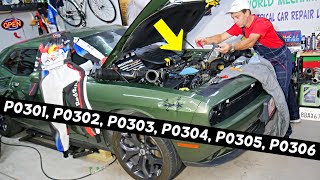
- P0301-P0308 — These codes specify which cylinder is misfiring (e.g., P0301 for Cylinder 1). They often accompany P0300 when the misfire is severe enough to be isolated to specific cylinders.
- P219A / P219B — These codes indicate an air-fuel ratio imbalance between cylinder banks. A vacuum leak or fuel delivery issue causing P0300 can also trigger these codes, as noted in TSB #1807320.
- P0456 / P0441 — EVAP system leaks can sometimes create a vacuum leak large enough to affect the air-fuel mixture and cause random misfires. TSB #1809416 lists these alongside P0300.
- P0201-P0208 — These codes indicate a fault in the injector circuit for a specific cylinder. A P0206 (Cylinder 6 Injector Circuit) could appear with P0306 and P0300 if the injector is the root cause.
Technical Service Bulletins (TSBs) & Recalls
- Bulletin #1807320: Mentions P0300 in conjunction with O2 sensor and internal processor faults.
- Bulletin #1809416 / #18-094-16: Lists P0300 with other specific cylinder misfires and EVAP system codes.
- Bulletin #18-052-15 REV A: Links P0300 to block heater usage in specific ambient temperatures.
- Bulletin #18-061-17: Notes P0300 can occur on vehicles with 'Sales Code DEC' (Hellcat engine).
- TSB #09-002-14: Addresses MIL illumination for P0300, P0302, P0304, or P0306 on 3.6L engines due to the left cylinder head issue (X56 Warranty Extension).
Platform-Specific Known Issues

- Hemi Cam/Lifter Failure: 5.7L and 6.4L Hemi engines can develop a 'Hemi tick' that is actually a failing lifter. If left unaddressed, it will destroy the camshaft lobe and cause persistent misfires, often starting on cylinders controlled by the MDS system.
- Pentastar Cylinder Head (2011-2013): A known defect in the left cylinder head on early 3.6L V6 engines can cause premature valve guide wear, leading to compression loss and misfire codes (P0300, P0302, P0304, P0306). Chrysler issued a warranty extension (X56) for this repair.
- Software Glitches: TSB #18-051-23 (for newer models, but relevant logic) shows that PCM software can be overly sensitive and falsely trigger misfire codes. Other TSBs for the 2011-2018 range confirm P0300 can be triggered by specific events like block heater use. [Bulletin #18-052-15 REV A]
Mechanic-Grade Diagnostic Values
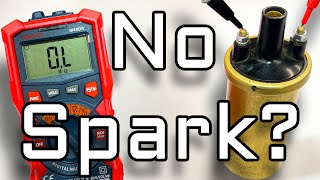
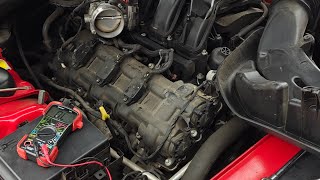
- Ignition Coil Primary Resistance — expected: 0.8 to 1.1 ohms. Failure: A reading of OL (infinite resistance) or a value significantly outside the expected range indicates a faulty coil.
- Ignition Coil Secondary Resistance — expected: 5,000 to 15,000 ohms (5k-15k Ω). Failure: A reading outside this range suggests the secondary winding inside the coil has failed.
- Fuel Pressure (Key On, Engine Off - Priming) — expected: Approximately 48-55 PSI for most port-injected Challenger models.. Failure: Pressure that is significantly lower suggests a weak fuel pump, clogged filter, or faulty regulator.
- Fuel Injector Resistance — expected: 11 to 14 ohms. Failure: A reading outside this range indicates a bad injector coil. This test will not identify a clogged injector, only an electrically failed one.
Scan Tool Commands That Help
- wiTECH / Professional Scan Tool: Cylinder Contribution Test / Power Balance Test — This function actively disables one cylinder at a time to measure the RPM drop. A cylinder that shows little to no RPM drop when disabled is the one that is not contributing (misfiring). This is extremely useful for pinpointing a misfire that isn't setting a specific P030x code.
- wiTECH / Professional Scan Tool: Fuel Pump Activation — Allows the technician to command the fuel pump on without the engine running. This is used in conjunction with a fuel pressure gauge to test for a weak pump or leaks in the system.
Wiring & Ground Locations
- Engine Harness Chafe Point — On some models, the engine wiring harness can rub against the ECM/TCM bracket, the driver's side upper control arm, or the shock tower.. Chafing can cause a short-to-ground in any number of circuits within the harness, including ignition coil power/control or fuel injector circuits, leading to intermittent or persistent misfires. A visual inspection of the harness in these areas is crucial if electrical causes are suspected.
- PCM Ground — The Powertrain Control Module (PCM) has multiple ground wires. Key grounds are often located on the engine block or chassis near the PCM itself.. A poor PCM ground can cause a host of bizarre electrical issues, including false sensor readings and incorrect outputs to coils and injectors, which can manifest as a P0300 code. In some cases, the coils ground through the PCM, making a solid PCM ground essential.
Real Owner Repair Stories
- Reddit user comment (2013 Dodge Grand Caravan (same 3.6L Pentastar engine and similar electronics)) — Dead miss on one cylinder, P0307 code.
❌ Tried (didn't work) Swapping ignition coils (misfire did not move with the coil).
✅ What actually fixed it The mechanic determined the ignition coil was not grounding properly through the PCM. Replacing the PCM resolved the misfire. The labor cost was high due to the need to program the new PCM to the vehicle's security system. - Reddit user post (2012 Dodge Challenger SXT (3.6L Pentastar)) — Blinking check engine light, P0300 code after hard acceleration.
❌ Tried (didn't work) Checked for intake leaks with ether (none found)., Replaced ignition coil on cylinder 5., Replaced crushed exhaust section including catalytic converters., Replaced both fuel pumps.
✅ What actually fixed it The user did not post a final resolution, highlighting the difficulty in diagnosing this code even after replacing multiple common-cause components.
OEM Part Supersession History
Multiple, ending in AA, AB, etc.→R8259594AB— Superseded part for the problematic left-side cylinder head on early 3.6L Pentastar engines.
Heads up: This remanufactured part from Mopar is the designated replacement for the original heads that were prone to valve seat issues causing misfires.04893799AF, 04893799AG, 04893799AH, 04893799AI→04893799AJ— Part revisions to improve sealing and manufacturing of the driver-side valve cover for the 3.6L Pentastar.
Heads up: While older versions will fit, the newest 'AJ' revision is recommended to prevent oil leaks which can foul spark plugs and cause misfires.
Model Year Variations Within This Range
- 2015-2018: The 2015 model year refresh introduced the ZF 8-speed automatic transmission (TorqueFlite 8HP) as a more widespread option. While generally reliable, early programming could cause harsh shifts. More importantly, this transmission was paired with updated engine calibrations, which could have subtle effects on how misfires are detected and reported compared to the earlier 5-speed automatic models.
- 2011-2013: These model years with the 3.6L Pentastar V6 are the primary ones affected by the left cylinder head design flaw. While a 2014+ engine is less likely to have this specific issue, it's a top-tier check for any early model with a P0300, P0302, P0304, or P0306.
Helpful Videos
Used OEM Parts in Stock
New Aftermarket Parts Available

The information in this article is provided for general reference and educational purposes only. Vehicle specifications, procedures, and part compatibility can vary by production date, trim level, and region. Always consult your vehicle's factory service manual and verify part numbers before purchasing or performing repairs. Safety-critical components such as airbags, seat belts, and braking systems should be installed by a qualified professional.
- Dodge CHALLENGER:
- 🧭 Diagnostic Flowchart
- 🎬 Helpful Videos
- 🛍️ Shop This Part
- What's Unique About the 2011-2018 Dodge CHALLENGER
- Symptoms You May Notice
- Most Likely Causes
- Rare But Worth Checking
- Diagnosis Steps
- Parts You'll Likely Need
- Related Codes That Often Appear With This One
- Technical Service Bulletins (TSBs) & Recalls
- Platform-Specific Known Issues
- Mechanic-Grade Diagnostic Values
- Scan Tool Commands That Help
- Wiring & Ground Locations
- Real Owner Repair Stories
- OEM Part Supersession History
- Model Year Variations Within This Range
- 🎟️ Get 5% Off