

P0300 on 2009-2010 Dodge Dakota: Random Misfire Causes and Fixes
P0300 on a 2009-2010 Dodge Dakota indicates a random engine misfire. The most common causes are worn spark plugs, a vacuum leak (intake gaskets, PCV), or a failing crankshaft position sensor. Start by inspecting spark plugs and checking for obvious vacuum leaks before moving to more complex diagnostics. Using OEM Mopar sensors is often critical for a lasting fix.
- P0300 means multiple cylinders are misfiring randomly, and you should limit driving to avoid catalytic converter damage.
- Start your diagnosis with the cheapest and most common culprits: inspect spark plugs and check for obvious vacuum leaks.
- If basic checks don't solve the issue, test fuel pressure. A weak fuel pump is a likely suspect.
- For persistent random misfires on a Dakota, a faulty crankshaft position sensor is a strong possibility; use an OEM Mopar part for the best results.
What's Unique About the 2009-2010 Dodge DAKOTA
The 2009-2010 Dakota was available with a 3.7L V6 or a 4.7L V8 PowerTech engine. While the causes for P0300 are similar across both, owner experiences suggest these engines can be sensitive to aftermarket crankshaft position sensors, with Mopar parts often resolving persistent, otherwise undiagnosable misfires. Additionally, a manufacturer Technical Service Bulletin (TSB #18-093-15) for the 2009 model year specifically addresses P0300-P0308 codes related to a cold start rough idle condition, which can be resolved with a PCM software update. The 4.7L V8 in 2008+ models also features a dual spark plug per cylinder design, doubling the number of potential failure points for spark-related misfires.
Diagnostic Flowchart
Tap your situation to follow the diagnostic path that matches what you're seeing on this vehicle.
Symptoms You May Notice
- Flashing or solid check engine light
- Rough or shaking idle
- Engine stumbling or hesitating during acceleration
- Noticeable loss of engine power
- Reduced fuel economy
- Smell of raw fuel from the exhaust
- Difficulty starting the engine
- Engine backfiring through the throttle body on acceleration
- Replacing only one spark plug or ignition coil when a full set is needed.
- Replacing oxygen sensors, which are more often a symptom of the misfire (due to unburnt fuel) rather than the cause.
- Replacing fuel injectors without first confirming proper fuel pressure from the pump and checking for vacuum leaks.
- Using aftermarket crankshaft or camshaft position sensors, which are a known point of failure on this platform.
Most Likely Causes
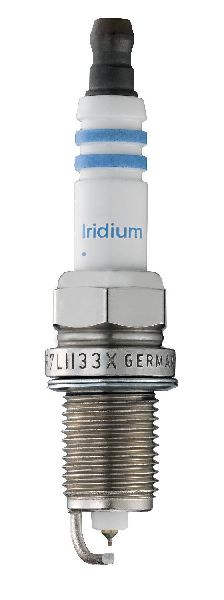
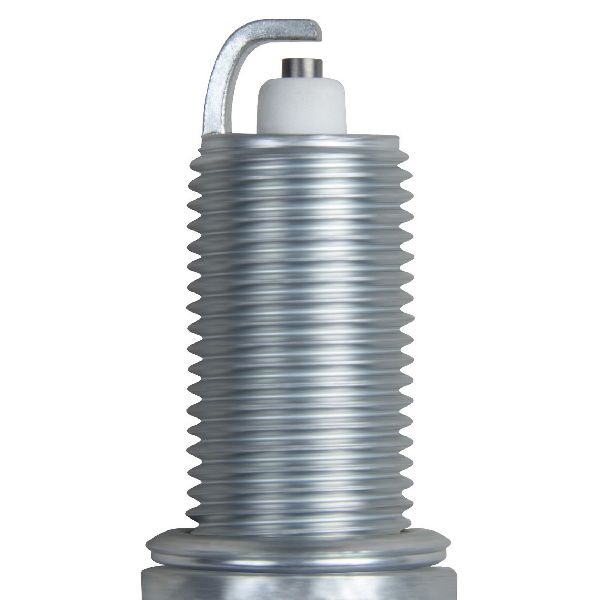
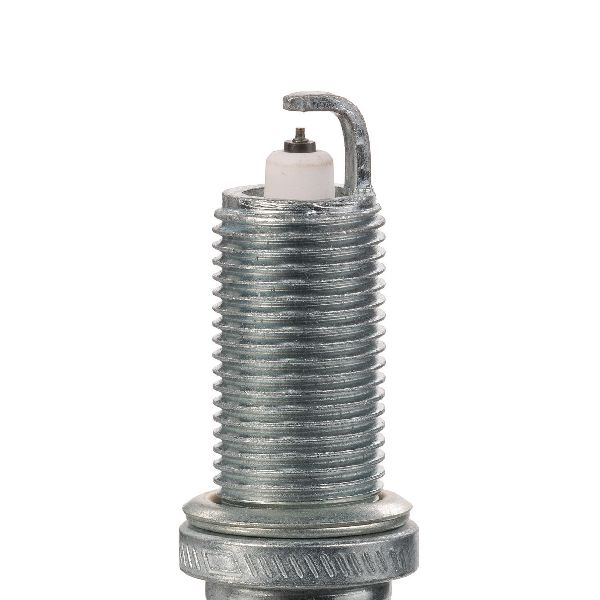
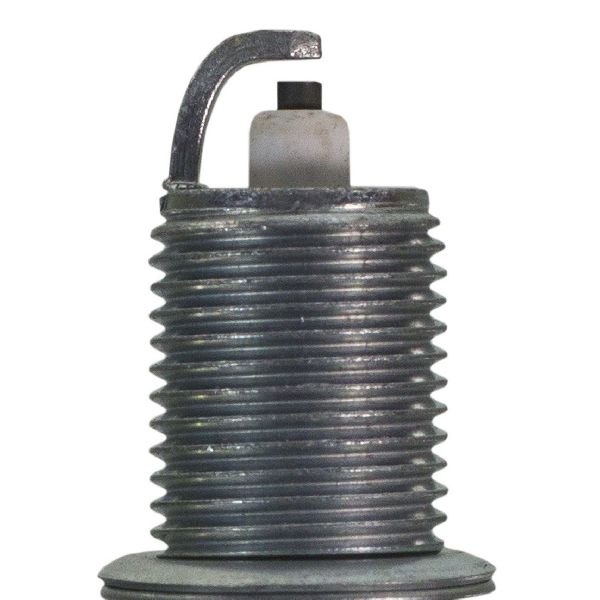
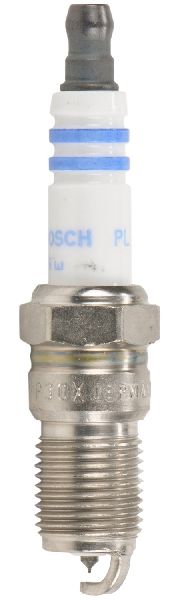
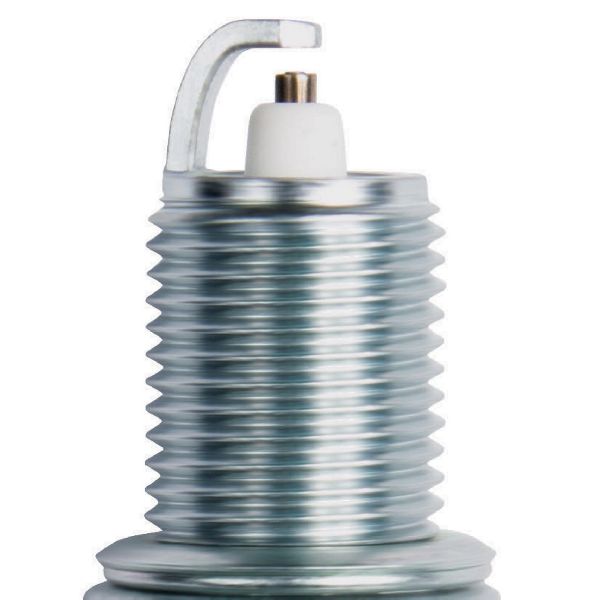
- Worn or Fouled Spark Plugs 🔴 High Probability → Shop Spark Plug Spark plugs are a primary cause of misfires on any engine. The 2008+ 4.7L V8 uses two plugs per cylinder, increasing the chance of a failure. Over time, electrodes wear, gaps widen, or they become fouled with carbon or oil.
How to confirm: Remove and inspect all spark plugs. Look for worn electrodes, heavy carbon deposits, oil fouling, or an incorrect gap. The gap for the 3.7L V6 should be 0.044 inches.
Typical fix: Replace all spark plugs as a set. Use plugs of the correct type and heat range, gapped to manufacturer specifications.
Est. part cost: $40-$120 - Vacuum Leak 🔴 High Probability Aging rubber hoses and plastic intake manifold gaskets can crack and fail, allowing unmetered air into the engine, which leans out the air-fuel mixture and causes misfires. Common failure points include the PCV valve hose and intake manifold gaskets, which are known to leak oil externally and fail internally.
How to confirm: Perform a visual inspection of all vacuum lines, especially the PCV hose. A smoke test is the most effective method to find hard-to-see leaks 🎬 See how to perform a quick DIY smoke test. around the intake manifold and throttle body. Spraying brake cleaner or carburetor cleaner around the intake manifold gasket area with the engine running may cause a change in idle speed, indicating a leak.
Typical fix: Replace the cracked vacuum hose or leaking gasket(s). In one documented case, missing EGR gaskets after a repair caused a persistent P0300.
Est. part cost: $10-$200 - Faulty Crankshaft Position Sensor (CKP) 🟡 Medium Probability → Shop Engine Crankshaft Position Sensor The CKP sensor provides critical engine speed and position data to the PCM for ignition timing. A failing sensor can send erratic signals, causing random misfires without setting a specific sensor code. Dakota forums frequently mention that these engines are particular about using OEM (Mopar) sensors, with aftermarket sensors often failing quickly or not working at all.
How to confirm: Diagnosis can be difficult without an oscilloscope. A failing sensor may not set its own code. Due to its high failure rate and sensitivity to aftermarket parts, it's often replaced as a diagnostic step when spark plugs and vacuum leaks are ruled out.
Typical fix: Replace the crankshaft position sensor. Using an OEM Mopar part is highly recommended for a lasting repair.
Est. part cost: $30-$90 - Weak Fuel Pump or Clogged Fuel Filter 🟡 Medium Probability → Shop Fuel Filter If fuel pressure is too low, the injectors cannot deliver enough fuel to all cylinders, leading to a lean condition and random misfires. The fuel pump module, which includes the filter, is located inside the fuel tank and weakens with age.
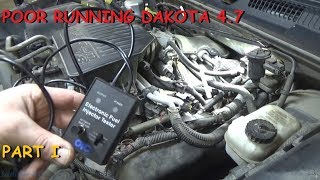
How to confirm: Connect a fuel pressure gauge to the fuel rail test port. The pressure should be within the manufacturer's specified range at idle and under load. A significant drop in pressure under acceleration points to a weak pump.
Typical fix: Replace the fuel pump module. This is an in-tank pump.
Est. part cost: $150-$350 - Faulty Ignition Coil(s) ⚪ Low Probability → Shop Ignition Coil While a single failing coil usually causes a single-cylinder misfire code (e.g., P0301), it's possible for one or more coils to fail intermittently or weakly, contributing to a random misfire condition before being isolated to a specific cylinder.
How to confirm: If you can identify a specific cylinder that is misfiring more often using a scan tool with live data (Mode $06), swap that cylinder's ignition coil with a known good one and see if the misfire follows the coil.
Typical fix: Replace the faulty ignition coil.
Est. part cost: $40-$80 per coil
Rare But Worth Checking
- Clogged Catalytic Converter: → Shop Catalytic Converter A clogged catalytic converter creates excessive exhaust backpressure, which can choke the engine and cause misfires across all cylinders, especially under load. This is often a result of long-term misfires, not the initial cause.
- Internal Engine Mechanical Failure: This is a worst-case scenario and includes issues like a jumped timing chain, a blown head gasket between cylinders, or low compression from worn piston rings or valves. A compression test is needed to diagnose this.
- Dropped Valve Seats: The 3.7L and 4.7L PowerTech engines are known for having intake valve seats made of a softer metal that can wear and eventually drop into the cylinder, causing a major misfire and catastrophic engine damage. Symptoms often start as a persistent misfire or rough idle.
Diagnosis Steps
- Read all stored and pending codes with an OBD-II scanner. Note any other codes present alongside P0300, especially lean codes (P0171/P0174) or cylinder-specific misfires (P0301-P0308).
- Check the freeze frame data to see the engine conditions (RPM, load, temperature) when the misfire was detected. This can help replicate the issue.
- Perform a thorough visual inspection of the engine bay. Look for cracked or disconnected vacuum hoses (especially the PCV line), damaged wiring, or signs of leaks around the intake and EGR system.
- Inspect and replace spark plugs if they are due for service or show signs of wear or fouling. Ensure they are gapped correctly (0.044" for 3.7L).
- Test the fuel pressure using a fuel pressure gauge connected to the fuel rail. Pressure should be stable and within spec at both idle and under load.
- If a vacuum leak is suspected, perform a smoke test to pinpoint its location. Pay close attention to the intake manifold gaskets.
- Check for PCM software updates. TSB 18-093-15 specifically addresses cold-start misfires with a PCM flash.
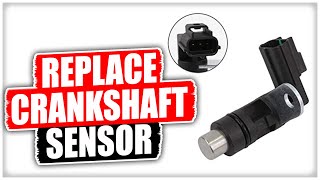
- If other causes are ruled out, replace the crankshaft position sensor, using an OEM Mopar part (P/N: 56028666AB). 🎬 Watch this walkthrough on replacing the crankshaft position sensor.
- If the misfire persists, perform a cylinder compression test to check for mechanical engine problems like a bad head gasket or a dropped valve seat.
Parts You'll Likely Need
- Spark Plugs
(OEM #3.7L: SPZFR6F11G, 4.7L: 68303918AA)— This is the most common maintenance item responsible for misfires. A full set is required for a proper tune-up. The 4.7L V8 uses 16 plugs. 🎬 Watch: Step-by-step spark plug replacement for the 4.7L V8.
Trusted brands: NGK, Champion, Mopar
OEM price range: $80-$150
Aftermarket price range: $40-$100 - Crankshaft Position Sensor
(OEM #56028666AB)— A common electronic failure point that causes random misfires on this platform. Using an OEM part is often critical for a lasting fix.
Related Codes That Often Appear With This One
- P0301-P0308 — If the random misfire begins to occur more frequently in a specific cylinder, the PCM will log a cylinder-specific code alongside P0300.
- P0171 / P0174 — These codes for 'System Too Lean' often appear with P0300 and strongly indicate a large vacuum leak or a significant fuel delivery problem.
- P0420 / P0430 — These 'Catalyst System Efficiency Below Threshold' codes are typically a result of a long-term misfire condition damaging the catalytic converter, not the cause of the misfire.
Technical Service Bulletins (TSBs) & Recalls
- Dated Nov 21, 2015, this TSB involves reprogramming the Powertrain Control Module (PCM) to address multiple issues, including P0300-P0308 misfire codes that can occur during a cold start when the driver immediately puts the vehicle in gear.
Platform-Specific Known Issues
- A Technical Service Bulletin (TSB #18-093-15) for the 2009 model year notes that P0300 can be set during a cold start rough idle, particularly if the vehicle is put into gear immediately after starting. [Bulletin #18-093-15]
Mechanic-Grade Diagnostic Values
- Fuel Pressure (at fuel rail) — expected: 407 kPa ± 34 kPa (59 psi ± 5 psi). Failure: Pressure below this range, especially under load, indicates a weak pump or clogged filter.
- Ignition Coil Primary Resistance — expected: 0.4 to 2.0 ohms. Failure: A reading outside this range suggests a faulty primary winding in the coil.
- Ignition Coil Secondary Resistance — expected: 6,000 to 11,000 ohms (6k-11k Ω). Failure: A reading significantly outside this range indicates a faulty secondary winding.
- Crankshaft Position Sensor (CKP) Power Supply — expected: 4.5 to 5.0 Volts DC at the sensor connector with key on, engine off.. Failure: No voltage indicates a wiring issue or a problem with the PCM's 5V reference circuit.
- Crankshaft Position Sensor (CKP) Ground Circuit — expected: 10 to 12 Volts DC when testing between the ground wire at the connector and the positive battery terminal.. Failure: Low or no voltage indicates a poor ground connection, which is a common cause of sensor malfunction.
Hidden / Shadow Codes Worth Checking
- Mode $06, TID $0C: Misfire counts for the last/current driving cycles for each cylinder. This allows a technician to see which cylinder(s) are misfiring, even if the count is not high enough to trigger a specific P030x code. (see via A professional-grade scan tool or an OBD-II adapter with an advanced app (like Torque Pro) can access Mode $06 data. The misfire data for Chrysler vehicles is often found under Test ID $0C.)
Scan Tool Commands That Help
- Chrysler wiTECH or equivalent professional scan tool: ASD Fuel System Test — This bidirectional command allows the technician to manually actuate the Auto Shutdown (ASD) relay and run the fuel pump without the engine running. It is used to safely and accurately test fuel pressure and check for leaks.
Wiring & Ground Locations
- Main Battery Grounds — One main negative cable from the battery connects to the side of the engine block. Another connects to the chassis/body underneath the battery area.. A poor engine ground can cause erratic behavior in sensors and ignition components, leading to random misfires.
- Right Fender Skirt Grounds — Multiple smaller ground wires for various circuits are attached to the inner fender on the passenger side of the engine compartment.. These grounds are for various electronic components. Corrosion or looseness here can cause unpredictable electrical issues, including those that might trigger a P0300.
- In-line Connectors (C100 series) — Located throughout the engine compartment, these are multi-pin connectors that join different sections of the wiring harness.. Corrosion or pin damage within connectors for the ignition system or fuel injectors can cause intermittent opens or shorts, leading to misfires.
Real Owner Repair Stories
- Reddit user in r/DodgeDakota (2007 Dodge Dakota (similar TIPM architecture to 2009-2010)) — Multiple electrical problems, various seemingly unrelated trouble codes (U-codes, P-codes), stalling, and eventually the code reader could not communicate.
❌ Tried (didn't work) Replaced oil pressure sensor, checked ground wires.
✅ What actually fixed it The user discovered a short in the ABS system. Pulling the ABS fuse allowed the truck to run correctly, indicating the root cause was likely a faulty Totally Integrated Power Module (TIPM) being affected by the ABS short. A common fix for TIPM issues is to have the module repaired by a specialized service or replaced.
OEM Part Supersession History
56028136AC, 56028136AD, 56028137AC, 56028666AA→56028666AB— Standard part revision and consolidation by the manufacturer.
Heads up: While all listed numbers are for the same sensor, it is always recommended to use the latest revision (56028666AB) to ensure compatibility and benefit from any design improvements.
Model Year Variations Within This Range
- 2010: For the 2010 model year, the six-speed manual transmission was dropped for the 3.7L V6, leaving only a four-speed automatic. The 4.7L V8 continued with its five-speed automatic. This does not directly affect the cause of P0300 but is a key powertrain difference between the two model years.
Helpful Videos
We Have This Part in Stock

The information in this article is provided for general reference and educational purposes only. Vehicle specifications, procedures, and part compatibility can vary by production date, trim level, and region. Always consult your vehicle's factory service manual and verify part numbers before purchasing or performing repairs. Safety-critical components such as airbags, seat belts, and braking systems should be installed by a qualified professional.
- Dodge DAKOTA:
- 🧭 Diagnostic Flowchart
- 🎬 Helpful Videos
- 🛍️ Shop This Part
- What's Unique About the 2009-2010 Dodge DAKOTA
- Symptoms You May Notice
- Most Likely Causes
- Rare But Worth Checking
- Diagnosis Steps
- Parts You'll Likely Need
- Related Codes That Often Appear With This One
- Technical Service Bulletins (TSBs) & Recalls
- Platform-Specific Known Issues
- Mechanic-Grade Diagnostic Values
- Hidden / Shadow Codes Worth Checking
- Scan Tool Commands That Help
- Wiring & Ground Locations
- Real Owner Repair Stories
- OEM Part Supersession History
- Model Year Variations Within This Range
- 🎟️ Get 5% Off