

P0300 on 2015-2018 Ford Focus ST 2.0L EcoBoost: Random Misfire Causes and Fixes
On a 2015-2018 Focus ST, P0300 is most often caused by worn or incorrectly gapped spark plugs, a known issue especially on cold starts. Start by inspecting and replacing the spark plugs with the correct gap, which is a low-cost fix at around $40-$80 for parts. This issue is so common that Ford released TSB 18-2093, which specifies new plugs and a PCM update to resolve it.
- P0300 on a Focus ST is very often caused by worn or incorrectly gapped spark plugs. Always check these first.
- If the check engine light is flashing, pull over immediately to prevent catastrophic damage to your catalytic converter.
- If the misfire happens mainly on cold starts, you are likely experiencing the issue described in Ford TSB 18-2093.
- Due to the GDI engine design, intake valve carbon cleaning is a likely maintenance item for higher-mileage vehicles experiencing misfires.
- Always check for other codes, especially P0316, as they provide critical context for diagnosing the problem.
What's Unique About the 2015-2018 Ford Focus
The 2.0L EcoBoost engine in the Focus ST is a Gasoline Direct Injection (GDI) and turbocharged platform. This design is known to be particularly sensitive to spark plug condition and gap, often requiring more frequent changes than naturally aspirated engines. Additionally, these ST models are well-documented to have a cold-start misfire issue that triggers P0300, often paired with P0316 (Misfire on Startup). Ford addressed this specific issue with Technical Service Bulletin (TSB) 18-2093, which involves a specific spark plug, gap, and a PCM software update. Manufacturer service bulletin SSM 46907 also confirms that these vehicles may exhibit a perceived misfire after a cold start until the engine coolant temperature rises.
Symptoms You May Notice
- Rough or shaking idle, sometimes described as 'tremors' or RPM dips.
- Hesitation or stumbling during acceleration.
- Flashing Check Engine Light (if severe).
- Solid Check Engine Light
- Reduced engine power or feeling sluggish.
- Poor fuel economy.
- Difficulty starting the engine, especially on cold starts.
- Slight backfire or popping from the exhaust.
- Elevated RPMs between 1500-2200 RPM without throttle input, as reported in NHTSA ODI #11185618.
- Replacing only one spark plug when the whole set is worn.
- Replacing oxygen sensors, which are more likely to be a symptom of the misfire (reading unburned oxygen or a rich condition from a stuck purge valve) rather than the cause.
- Assuming a major mechanical failure for a cold start misfire before performing the TSB 18-2093 procedure.
Most Likely Causes
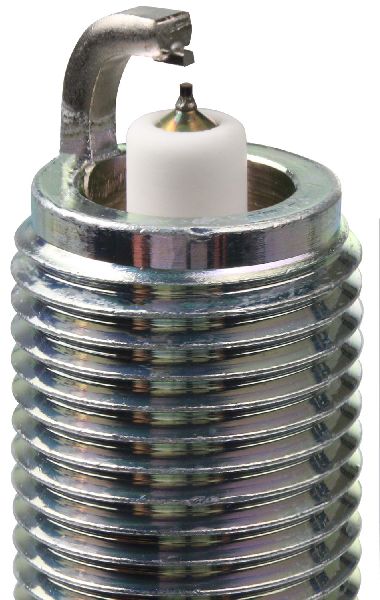
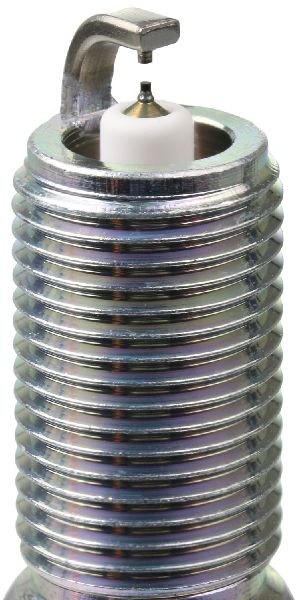
- Worn or Incorrectly Gapped Spark Plugs 🔴 High Probability → Shop Spark Plug The 2.0L EcoBoost engine is very sensitive to spark plug condition due to its direct injection and turbocharged nature. Tuned engines are even harder on plugs. An incorrect gap is a very common cause of misfires, especially cold start misfires addressed by Ford's TSB.
How to confirm: Remove and inspect all four spark plugs for wear, fouling, or damage. Use a feeler gauge to check the gap. For a stock ST with cold start issues, Ford's TSB 18-2093 specifies Motorcraft CYFS-12-YEC plugs gapped to 1.0 mm (0.040 in). Many tuned owners use a tighter gap, often around 0.026 in, with one-step-colder plugs (e.g., NGK 6510 LTR7IX-11).
Typical fix: Replace all four spark plugs with high-quality iridium plugs (e.g., Motorcraft, NGK) and ensure they are gapped correctly before installation. While the official service interval is long, many ST owners replace plugs every 10,000-20,000 miles as preventative maintenance.
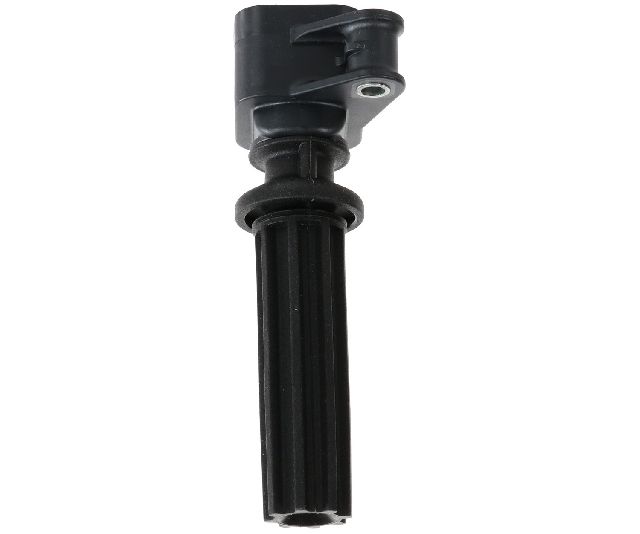
Est. part cost: $40-$80 - Faulty Ignition Coil(s) 🟡 Medium Probability → Shop Ignition Coil Coil-on-plug systems are a common failure point. While one bad coil usually throws a specific cylinder code (e.g., P0301), multiple weak or intermittently failing coils can cause a random P0300 code, especially as they age.
How to confirm: Use a scan tool with live data capabilities (like FORScan or an Accessport) to monitor which cylinders have the highest misfire counts using Mode $06 data. Swap the suspected bad coil with a coil from a known good cylinder. If the misfire count follows the coil to the new cylinder, the coil is faulty.
Typical fix: Replace the faulty ignition coil. It is often recommended to replace all four if they are original and the vehicle has high mileage.
Est. part cost: $30-$70 per coil - Carbon Buildup on Intake Valves 🟡 Medium Probability As a GDI engine, fuel is injected directly into the cylinder and does not wash over the intake valves. This allows oil vapor and blow-by gases from the PCV system to bake onto the valves, restricting airflow and causing turbulence, which leads to misfires, particularly at idle.
How to confirm: This requires removing the intake manifold and visually inspecting the intake ports and valves, often with a borescope. Significant black, crusty deposits are a clear sign. This issue typically becomes noticeable at higher mileages (e.g., 60,000-100,000 miles).
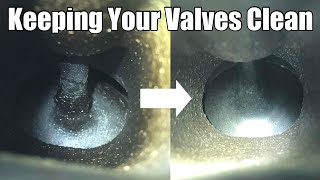
Typical fix: A manual cleaning process is required. This is most effectively done by 'walnut blasting', where crushed walnut shells are used as a media to blast the carbon off the valves without damaging the metal. Chemical cleaning methods are generally less effective.
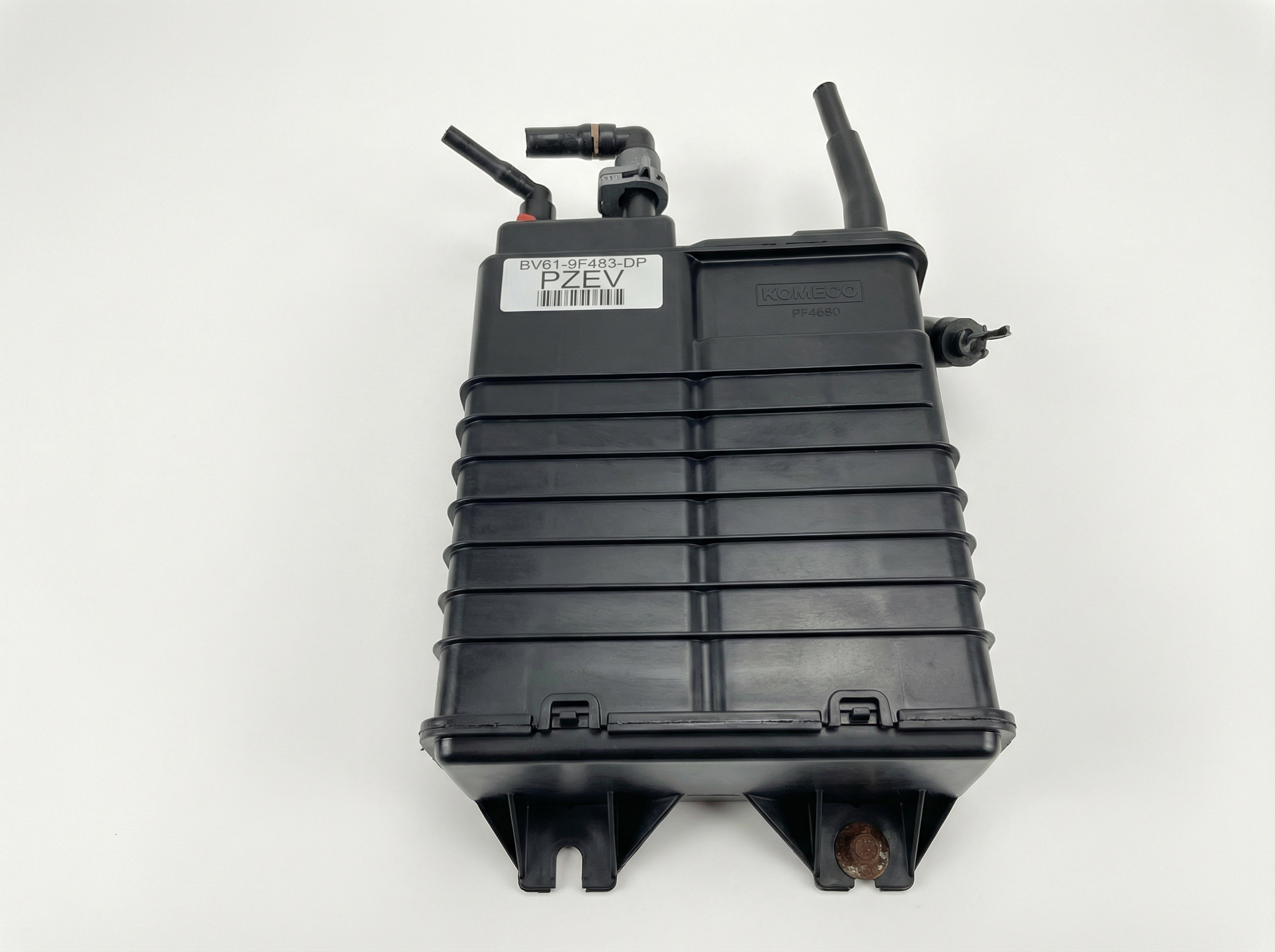
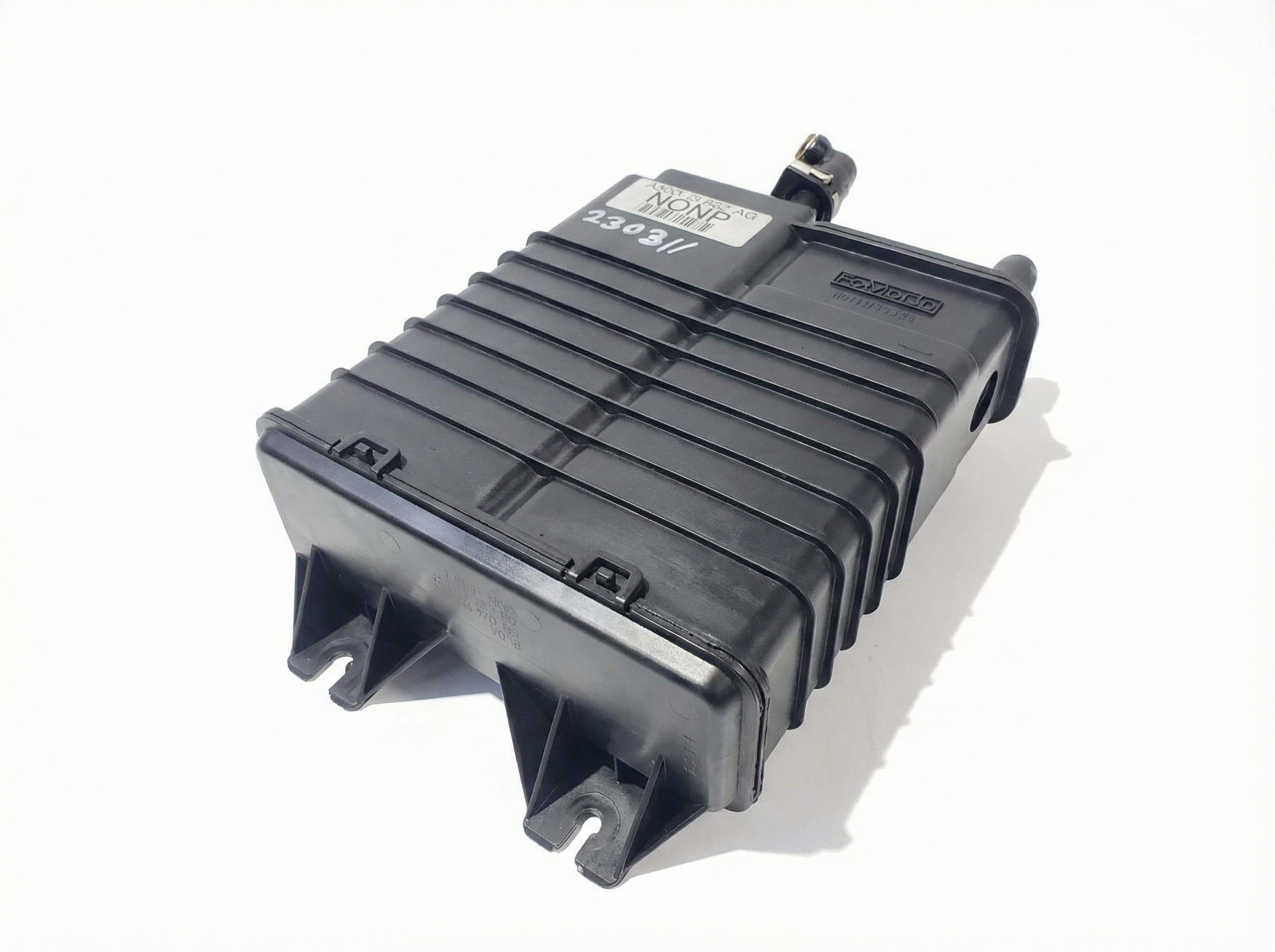
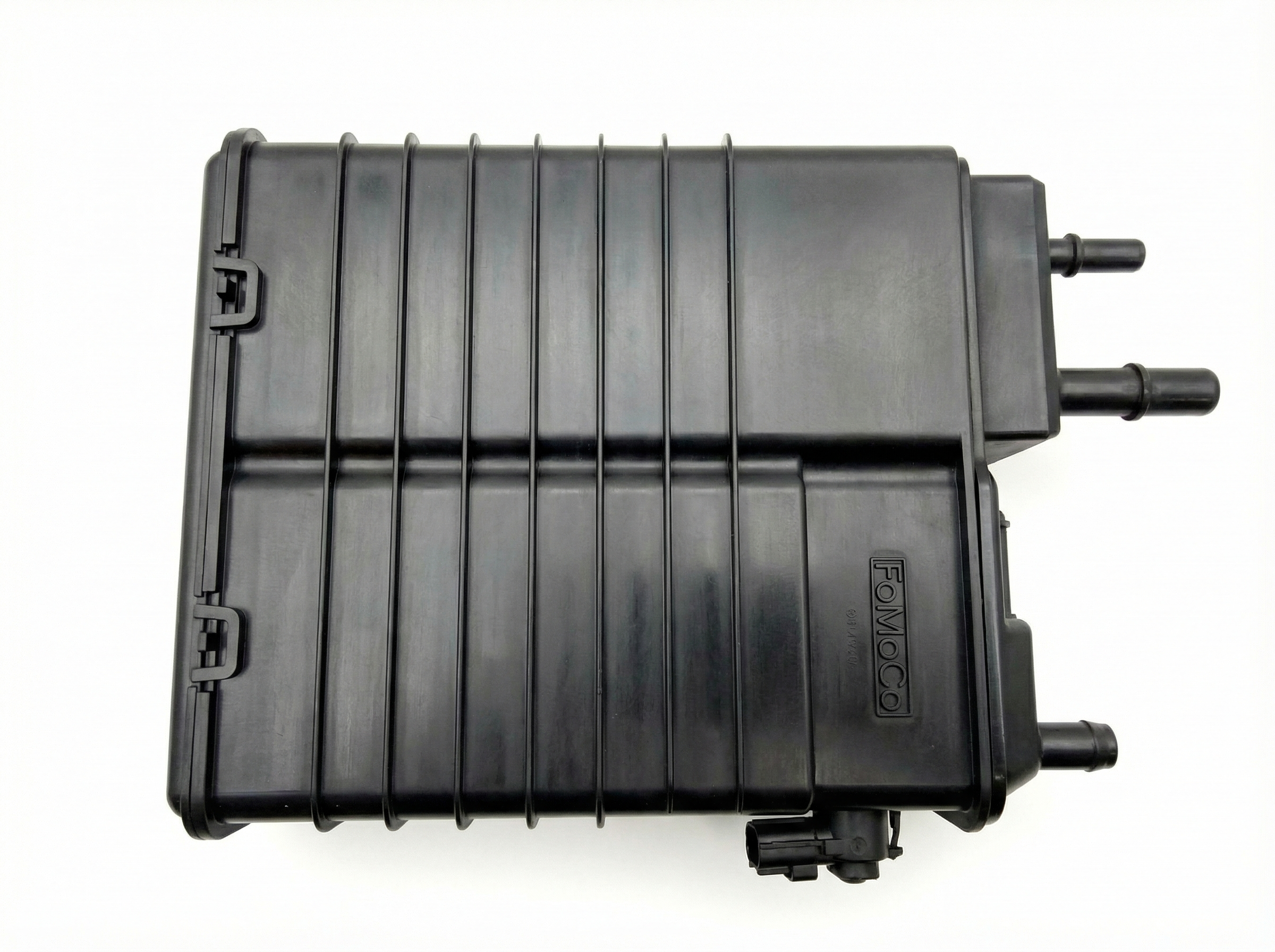
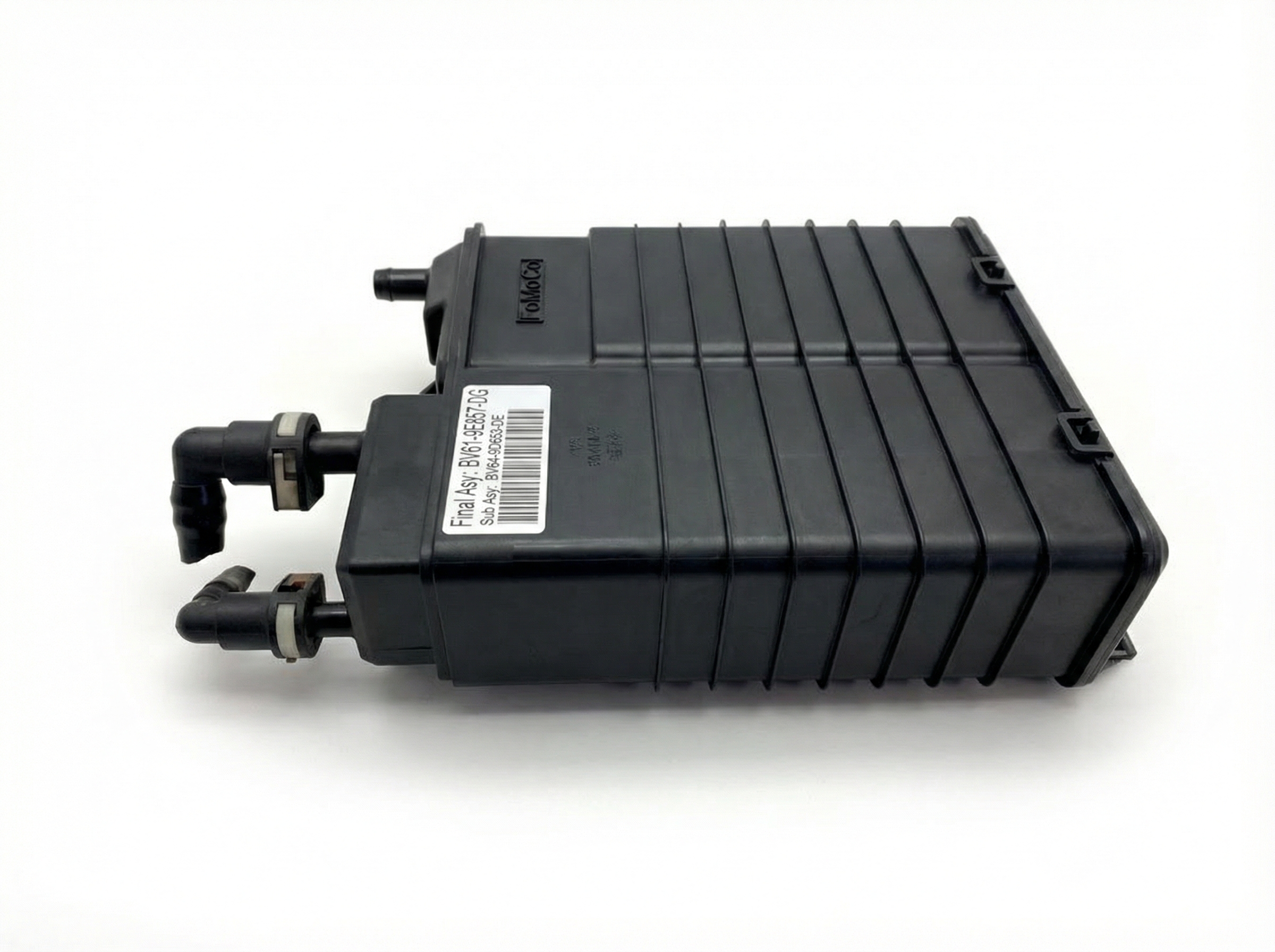
Est. part cost: $20-$50 for DIY materials, $400-$800 for professional service. One owner reported a dealer quote of $360. - Faulty Canister Purge Valve 🟡 Medium Probability → Shop Vapor Canister The canister purge valve has a high failure rate on this platform, leading to a Ford recall (18S32 / NHTSA 18V-735). If the valve sticks open, it creates a constant vacuum leak, disrupting the air-fuel ratio and causing rough idle, stalling (especially after refueling), and random misfires. NHTSA ODI #11467127 describes a diagnosis where P0300 and P0316 were found alongside P1450, indicating the system could not bleed fuel tank vacuum.
How to confirm: Often accompanied by code P1450 (Unable to Bleed Up Fuel Tank Vacuum). To test, remove the valve and try to blow through it; if air passes, it's stuck open and faulty. Symptoms include a rough idle after filling the gas tank and a fuel tank that appears sucked in or deformed.
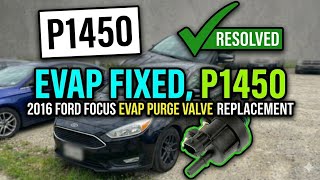
Typical fix: Replace the canister purge valve assembly. The recall involves a PCM update and potential valve replacement. The OEM part number for the assembly is BV6Z-9D289-E. 🎬 See this walkthrough on how to replace the purge valve.
Est. part cost: $50-$95 - Vacuum Leak ⚪ Low Probability Hoses and gaskets can become brittle and crack over time, allowing unmetered air to enter the engine and disrupt the air-fuel ratio. Common leak points include the PCV valve hose and intake manifold gaskets.
How to confirm: Perform a smoke test. This involves feeding pressurized smoke into the intake system and looking for where it escapes. Common areas to check are cracked hoses (especially the PCV line between cylinders 2 and 3), intake manifold gaskets, and the throttle body gasket.
Typical fix: Replace the cracked hose, leaking gasket, or faulty valve.
Est. part cost: $10-$100
Rare But Worth Checking
- Failing High-Pressure Fuel Pump (HPFP): → Shop Fuel Pump The HPFP is critical for GDI engines. Failure can cause a wide range of fuel pressure issues, leading to hesitation, stalling, and misfires under load. While not a top cause, it can lead to random misfires if fuel delivery is inconsistent across cylinders.
- Clogged Fuel Injectors: → Shop Fuel Injector Carbon buildup can also affect the tips of the fuel injectors, disrupting the spray pattern and causing poor fuel atomization, which leads to misfires. This is less common than intake valve deposits but can contribute to the issue.
- Coolant Intrusion into Cylinders: A known design flaw in some 2.0L EcoBoost engine blocks can cause coolant to leak into the cylinders, leading to misfires, white smoke, and rough running. This is a severe issue often requiring engine replacement, as noted in TSB 19-2346. While the Focus ST is not explicitly listed in this TSB, the engine shares the same basic architecture as affected models (Edge, Escape, Fusion, MKC). An owner should be aware of this possibility if experiencing coolant loss with misfires.
Diagnosis Steps
- Read all diagnostic trouble codes (DTCs) and check for freeze frame data. Note if P0316 or P1450 are also present.
- Check for the cold start issue: If the misfire only happens when the engine is cold (coolant temp below 120°F/49°C) and P0316 is present, the primary suspect is the issue addressed in TSB 18-2093. Manufacturer bulletin SSM 46539 notes that these codes (P0300-P0304 and P0316) may appear as historical DTCs that are no longer confirmed or pending.
- Inspect and gap/replace spark plugs. This is the most common and cost-effective first step. For a stock vehicle, use Motorcraft CYFS-12-YEC gapped to 1.0mm (0.040"). For tuned cars, consult your tuner, but a one-step-colder plug gapped to ~0.026" is common.
- If misfires persist, test the ignition coils. Use a scan tool to monitor Mode $06 misfire counts and swap coils between a high-count cylinder and a low-count cylinder to see if the misfire follows the coil.
- Test the Canister Purge Valve. Check for a P1450 code. Disconnect the valve and try to blow through it; if air passes, it is stuck open and must be replaced.
- Check for vacuum leaks using a smoke machine, paying close attention to the PCV system (hose between cylinders 2 and 3) and all intake manifold connections.
- For high-mileage vehicles (60k+ miles), inspect for carbon buildup on intake valves using a borescope.
- If you are experiencing coolant loss along with the misfire, perform a cylinder leak-down test or use a block tester kit to check for combustion gases in the coolant. This could indicate the rare but severe coolant intrusion issue.
Parts You'll Likely Need
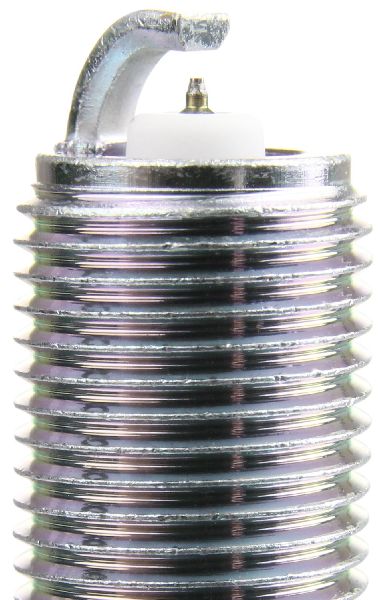
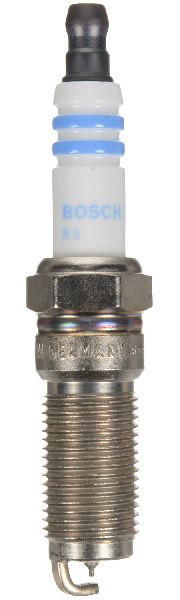
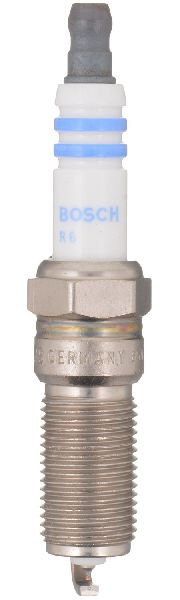
- Spark Plugs
(OEM #CYFS-12-YEC)— Worn or improperly gapped spark plugs are the number one cause of P0300 on the Focus ST. TSB 18-2093 specifically calls for this part for the cold-start fix.
Trusted brands: Motorcraft, NGK
OEM price range: $50-$70
Aftermarket price range: $40-$60 - Ignition Coil
(OEM #DG-562)— Ignition coils are a common failure item that directly causes misfires.
Trusted brands: Motorcraft, Bosch, Delphi
OEM price range: $50-$70
Aftermarket price range: $30-$50 - Canister Purge Valve Assembly
(OEM #BV6Z-9D289-E)— A very common failure item that sticks open, creating a vacuum leak that causes P0300 and P1450. Subject of a Ford recall.
Trusted brands: Motorcraft, Bosch
OEM price range: $60-$95
Aftermarket price range: $40-$70
Related Codes That Often Appear With This One
- P0316 — Misfire Detected on Startup (First 1000 Revolutions). This code is very commonly paired with P0300 on the Focus ST and strongly points to the cold-start TSB issue.
- P1450 — Unable to Bleed Up Fuel Tank Vacuum. This code points directly to a faulty (likely stuck open) canister purge valve, a common cause of vacuum leaks that can trigger P0300.
- P0301, P0302, P0303, P0304 — Cylinder-specific misfire codes. You may see these along with P0300 if the PCM can sometimes isolate the misfire to a specific cylinder before determining it's a random issue.
Technical Service Bulletins (TSBs) & Recalls
- TSB 18-2093: Addresses cold start misfires (P0300/P0316) on 2015-2018 Focus ST by recommending specific spark plugs (CYFS-12-YEC), gapping (1.0mm), and a PCM reprogram.
- SSM 46907: Notes that 2015-2018 Focus ST vehicles may exhibit a MIL with DTCs P0300 and/or P0316 and a perceived misfire after a cold start until the coolant reaches 49°C (120°F).
- SSM 46539: Highlights that 2015-2017 Focus ST vehicles may exhibit P0300, P0301, P0302, P0303, P0304, and P0316 after a cold start.
- TSB 19-2346: Addresses coolant intrusion into cylinders on some 2.0L EcoBoost engines (Edge, Escape, Fusion, MKC/MKZ), which can cause misfires. While the Focus ST is not listed, it provides critical context for a potential rare cause.
Platform-Specific Known Issues
- Cold Start Misfire: As documented in TSB 18-2093, some 2015-2018 Focus ST vehicles may exhibit a misfire with DTCs P0300 and P0316 when engine coolant is below 120°F (49°C). The fix involves spark plug inspection/replacement (to CYFS-12-YEC at 1.0mm gap) and a PCM reprogram.
- Carbon Buildup: The GDI design makes these engines inherently prone to carbon deposits on the intake valves over time, which can lead to misfires and requires manual cleaning (walnut blasting), typically after 60,000 miles.
Mechanic-Grade Diagnostic Values
- Low-Pressure Fuel System Pressure (Live Data) — expected: Should be steady around 80-85 PSI under load.. Failure: Pressure drops significantly under load, or is stuck at a static value (e.g., 109 PSI), indicating a failing in-tank pump or a bad low-pressure fuel sensor.
- High-Pressure Fuel System Pressure (Live Data) — expected: 240-500 PSI at idle, rising to over 2,000 PSI under acceleration.. Failure: Actual pressure fails to meet desired pressure under load, dropping significantly while desired pressure remains high. This points to a failing HPFP.
- Ignition Coil Primary Winding Resistance — expected: 0.4 to 2.0 ohms.. Failure: A reading significantly outside this range or an open circuit (OL) indicates a faulty coil. However, resistance tests can be inconclusive for heat-related failures.
- Ignition Coil Secondary Winding Resistance — expected: 6,000 to 10,000 ohms (6k-10k Ω).. Failure: A reading outside this range suggests a faulty coil, though this test may not catch intermittent failures.
- Long Term Fuel Trim (LTFT) at Idle — expected: Close to 0%, typically within +/- 10%.. Failure: Consistently high positive fuel trims (e.g., +15% or more) at idle that decrease as RPMs increase strongly suggest a vacuum leak.
Hidden / Shadow Codes Worth Checking
- Mode $06 Misfire Data (TID $53, CID $01-$0C): This is not a DTC but a system monitor that provides raw misfire counts for each cylinder for the current and last ten driving cycles. It can pinpoint which cylinder(s) are contributing most to a P0300 code before a cylinder-specific code (P0301-P0304) is set. (see via A capable scan tool like FORScan or a professional-grade scanner is required. Navigate to the Mode $06 or Vehicle Test section to view the data.)
Scan Tool Commands That Help
- Ford IDS / FORScan / Professional Scanners: Power Balance Test — This is a critical diagnostic step for a P0300. The test graphically displays the power contribution of each cylinder by sequentially disabling the fuel injector for each one and measuring the RPM drop. A cylinder that shows little to no RPM drop when disabled is the one that is misfiring.
- FORScan / Cobb Accessport / Manual Procedure: Keep Alive Memory (KAM) Reset — After replacing components like spark plugs, sensors, or the purge valve, a KAM reset should be performed. This clears the PCM's learned adaptive strategies (like fuel trims and ignition timing adjustments), forcing it to relearn based on the new, correctly functioning parts. The procedure involves disconnecting the battery and shorting the terminals (not the battery posts themselves) for several minutes to discharge capacitors.
Real Owner Repair Stories
- focusst.org forum user (2016 Focus ST, Stratified tuned) — P0300 and P0316 codes with Check Engine Light.
❌ Tried (didn't work) Replacing spark plugs with one-step-colder plugs gapped to 0.026"
✅ What actually fixed it The user was advised by others that the next logical steps were to check the canister purge valve or the low-pressure fuel sensor, as these are common failure points that cause misfires even after plugs are replaced. - YouTube video comment section (2013 Focus ST) — Car would stumble, misfire under load, and feel down on power. Fuel pressure at the rail was only 85-90 PSI.
❌ Tried (didn't work) Initial diagnosis pointed towards low pressure fuel system.
✅ What actually fixed it The High-Pressure Fuel Pump (HPFP) had failed. Replacing the HPFP restored correct fuel pressure and resolved the misfires. - NHTSA ODI #11185618 — An owner reported that after several start/restart cycles, the check engine light would issue codes P0300 and P0316, accompanied by a rough idle and elevated RPMs.
"I Checked Everything" — The Actual Cause
- In some cases, a P0300 can be caused by a faulty Low-Pressure Fuel Sensor (LPFS). This sensor can fail and send incorrect data to the PCM, causing fuel delivery issues that lead to misfires, even though there are no vacuum leaks for a smoke test to find. The sensor is located on a fuel line behind the engine.
OEM Part Supersession History
CYFS-12-YEC (Motorcraft SP-525)→CYFS-12-YECX (Motorcraft SP-525X)— Minor revision or change in manufacturing. The parts are interchangeable.BV6Z-9D289-D (and earlier revisions)→BV6Z-9D289-E (and later revisions like -F)— The canister purge valve was updated multiple times due to high failure rates that led to recall 18S32. Later revisions are considered more reliable.
Heads up: It is critical to use the latest available revision of this part to ensure a lasting repair.
Model Year Variations Within This Range
- 2015: The 2015 model year marked a significant mid-cycle refresh for the Focus ST. It received revised exterior styling (hood, headlights, bumpers), a redesigned interior with a less cluttered dash and standard SYNC 3 infotainment on later builds, and revised suspension and steering for improved handling. However, the 2.0L EcoBoost powertrain and its output remained unchanged throughout the 2015-2018 production run.
Diagnostic Flowchart
Other Known Issues on This Vehicle
Issues unrelated to this code that are worth knowing about as an owner of this generation:
- Canister Purge Valve Failure 🟠 Medium → Shop Vapor Canister — Very common. The part is known to fail, often sticking open. Can occur at any mileage. (Ref: Ford Safety Recall 18S32 / NHTSA 18V-735)
- Weak Rear Motor Mount (RMM) 🟡 Low — The stock RMM is considered a weak point by enthusiasts, leading to excessive engine movement, wheel hop, and harsh shifting under acceleration. Many owners upgrade it. (Ref: A TSB exists for some earlier Focus models for engine vibration related to the mount, but the ST's issue is primarily performance-related.)
- Low-Speed Pre-Ignition (LSPI) 🔴 High — A risk inherent to small-displacement, turbocharged GDI engines. Occurs when lugging the engine (high load at low RPM). Can cause catastrophic engine damage. Prevented by proper driving habits (downshifting to accelerate) and using high-quality oil.
- Coolant Intrusion / Cracked Cylinder Block 🔴 High — Rare on the Focus ST itself, but a well-documented, catastrophic failure on platform-mate 2.0L EcoBoost engines (Edge, Escape, Fusion) due to a block design flaw. Symptoms are coolant loss with misfires. The fix is a long block replacement. (Ref: TSB 19-2346 (Does not explicitly list Focus ST))
- Cracked Cylinder Head ('Headifold') 🟠 Medium → Shop Engine Cylinder Head — Less common than other issues, but can occur, especially on tuned vehicles. The integrated exhaust manifold design ('headifold') can develop cracks from heat cycles, leading to exhaust leaks and performance issues.
Used vs. New Parts: Buying Guide for This Vehicle
When a used part is the smart pick: For this vehicle, used parts can be a cost-effective option for major non-wear components like the intake manifold or throttle body, provided they are from a reputable seller or a low-mileage donor car.
Donor-vehicle mileage cap: roughly under 70000 miles for the part to have meaningful remaining life.
What to inspect on the donor part:
- Check for cracks, especially around mounting points and hose connections.
- Ensure electrical connectors are clean, unbroken, and free of corrosion.
- For an intake manifold, look inside the ports for excessive oil or carbon, which might indicate issues with the donor engine.
OEM-only on this vehicle (don't cheap out):
- Spark Plugs: Always buy new. The cost is low and they are a critical wear item.
- Sensors (Low-Pressure Fuel Sensor, MAP, etc.): Due to the sensitivity of the engine management system, using new OEM (Motorcraft) sensors is highly recommended to avoid chasing issues caused by faulty or out-of-spec aftermarket parts.
- Canister Purge Valve: Given the high failure rate of even the original OEM part, it is crucial to buy the latest revised OEM part new.
- High-Pressure Fuel Pump (HPFP): While expensive, this is a critical component. A new OEM or reputable high-performance aftermarket pump is the safest bet. A used pump carries significant risk.
Aftermarket brands forum-validated for this vehicle:
- Ignition Coils: MSD, Mishimoto, and Whoosh Motorsports are often cited by owners as reliable performance upgrades over stock.
- Spark Plugs: NGK is the most common and trusted alternative to Motorcraft, especially for tuned vehicles.
Brands owners have reported issues with on this vehicle:
- Unnamed or 'white box' ignition coils and sensors from online marketplaces are frequently reported to be dead-on-arrival or fail quickly, causing repeat diagnostic work.
Real Owner Stories
Aggregated from forums and TSBs cited above. Mileages and costs reflect what owners reported in those sources.
2016 Ford Focus ST 2.0L EcoBoost
Symptoms: Owner experienced P0300 and P0316 codes; the dealer was initially unsure of the fix as it occurred before the official TSB was released.
What fixed it: The issue was later addressed by TSB 18-2093 (spark plug replacement and PCM reprogram).
Source hint: Reddit r/FocusST - P0300/P0316 & Ford doesn't have a fix
Tuned Ford Focus ST 2.0L EcoBoost
Symptoms: Misfire codes P0300, P0303, and P0304.
What fixed it: Troubleshooting involved using colder NGK Ruthenium plugs gapped to .026", checking compression, and swapping ignition coils.
Source hint: Reddit r/FocusST - Misfire codes making me angry
2015-2018 Ford Focus ST 2.0L EcoBoost — ~60000 miles
Symptoms: Rough idle and misfires caused by carbon deposits on intake valves due to the GDI design.
What fixed it: Manual cleaning (walnut blasting) of the intake valves.
Cost: $360-$800
Source hint: Reddit r/FocusST - Carbon build up
2018 Ford Focus
Symptoms: A certified auto shop diagnosed the vehicle with codes P0300, P0316, and P1450 (cannot bleed fuel tank vacuum).
What fixed it: While no misfires were present at the time of the shop's inspection, the combination of codes points to the canister purge valve issue documented in NHTSA ODI #11467127.
Related OBD-II Codes
Frequently Asked Questions
My 2016 Focus ST misfires only when I first start it in the morning. Is there a specific fix for this?
What spark plugs and gap should I use for my tuned Focus ST to avoid P0300?
My car stumbles and has a rough idle specifically after I fill up the gas tank. Is this related to P0300?
How often should I change spark plugs on my Focus ST to prevent misfires?
I have over 80,000 miles and a rough idle. Could carbon buildup be the cause?
Is the coolant intrusion issue common on the Focus ST?
Helpful Videos

Used OEM Parts in Stock

New Aftermarket Parts Available

The information in this article is provided for general reference and educational purposes only. Vehicle specifications, procedures, and part compatibility can vary by production date, trim level, and region. Always consult your vehicle's factory service manual and verify part numbers before purchasing or performing repairs. Safety-critical components such as airbags, seat belts, and braking systems should be installed by a qualified professional.
- Ford Focus:
- 🧭 Diagnostic Flowchart
- 🎬 Helpful Videos
- 🛍️ Shop This Part
- What's Unique About the 2015-2018 Ford Focus
- Symptoms You May Notice
- Most Likely Causes
- Rare But Worth Checking
- Diagnosis Steps
- Parts You'll Likely Need
- Related Codes That Often Appear With This One
- Technical Service Bulletins (TSBs) & Recalls
- Platform-Specific Known Issues
- Mechanic-Grade Diagnostic Values
- Hidden / Shadow Codes Worth Checking
- Scan Tool Commands That Help
- Real Owner Repair Stories
- "I Checked Everything" — The Actual Cause
- OEM Part Supersession History
- Model Year Variations Within This Range
- Other Known Issues on This Vehicle
- Used vs. New Parts: Buying Guide for This Vehicle
- Real Owner Stories
- 2016 Ford Focus ST 2.0L EcoBoost
- Tuned Ford Focus ST 2.0L EcoBoost
- 2015-2018 Ford Focus ST 2.0L EcoBoost — ~60000 miles
- 2018 Ford Focus
- Related OBD-II Codes
- Frequently Asked Questions
- 🎟️ Get 5% Off