

P0300 on 2019 Ford Fusion Energi: Random Misfire and Coolant Intrusion Guide
P0300 on a 2019 Fusion Energi indicates a random engine misfire. While this can be from bad spark plugs or coils, it is very often a symptom of a serious, documented engine design flaw causing coolant to leak into the cylinders. This requires immediate professional diagnosis and frequently results in an engine replacement.
- P0300 on a 2019 Fusion Energi is a critical code that should be diagnosed immediately.
- The most likely cause is a serious engine defect causing coolant to leak into the cylinders, a problem acknowledged by Ford.
- Check your coolant level immediately. A low level without external leaks is a major warning sign of this specific issue.
- Do not simply replace spark plugs and coils without ruling out coolant intrusion, as you may be wasting money on treating a symptom rather than the root cause.
- Due to the high probability of a major engine failure, professional diagnosis is strongly recommended before authorizing any repairs.
What's Unique About the 2019-2019 Ford FUSION ENERGI
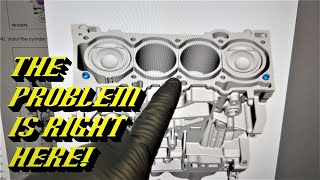
For the 2019 Ford Fusion Energi with the 2.0L engine, a P0300 code is a major red flag. While any car can have misfires from tune-up parts, this specific platform is subject to a well-documented engine block design flaw that allows coolant to leak directly into the cylinders. This specific issue stems from the engine's 'open-deck' design, where the block was cast in a way that creates a weak point between coolant passages and the cylinder walls, which can lead to a crack. Ford has issued multiple Technical Service Bulletins (TSBs), most recently TSB 22-2322, 🎬 Watch: A detailed look at the 2.0L coolant consumption fix. acknowledging this 'coolant intrusion' issue, which directly causes misfires and can lead to catastrophic engine failure. Therefore, a P0300 code on this vehicle must be treated with high suspicion for this specific, severe mechanical problem.
Diagnostic Flowchart
Tap your situation to follow the diagnostic path that matches what you're seeing on this vehicle.
Symptoms You May Notice
- Flashing or solid check engine light
- Rough or shaking engine idle
- Engine hesitation or stumbling on acceleration
- Noticeable loss of power
- Sweet-smelling white smoke from the exhaust, especially on startup
- Unexplained and consistent loss of engine coolant with no visible external leaks
- Engine temperature gauge running higher than normal or overheating
- A gurgling or 'running water' sound from behind the dashboard after shutdown as coolant settles
- Replacing only spark plugs and ignition coils without checking for coolant loss. While these parts can be a cause, they are often just a symptom of the larger coolant intrusion problem. The misfire will typically return.
- Replacing oxygen sensors. A faulty O2 sensor can contribute to fuel mixture issues, but it's rarely the root cause of a persistent P0300 code on this vehicle.
- Assuming it's a head gasket failure. While symptoms are similar, the known issue on this engine is a crack in the block itself, not typically a failed head gasket. Replacing only the gasket will not fix the problem.
Most Likely Causes
- Engine Coolant Intrusion into Cylinders 🔴 High Probability A known design flaw in the 2.0L engine block can allow cracks to form between coolant passages and the cylinder walls. This is documented in Ford TSBs, with TSB 22-2322 being a key bulletin. The issue stems from the engine's 'open-deck' design, which was later revised to correct the weakness. This problem is widespread across multiple Ford models using this engine family.
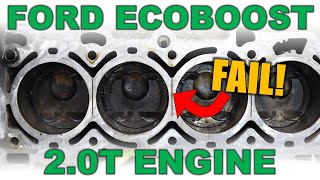
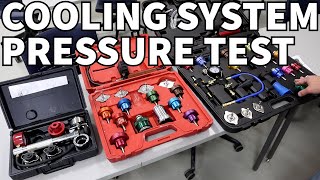
How to confirm: Check for a consistently dropping coolant level in the reservoir without any visible external leaks. A mechanic will perform a cooling system pressure test (sometimes leaving it pressurized overnight 🎬 See how a professional performs a cooling system pressure test. to detect a slow leak) and use a borescope to visually inspect the inside of the cylinders for coolant. A tell-tale sign is one or more piston tops appearing 'steam cleaned' and unusually clean compared to others.
Typical fix: The official Ford-recommended repair is to replace the engine with a revised long block assembly. Some owners report dealer quotes between $6,000 and $9,000 for this repair.
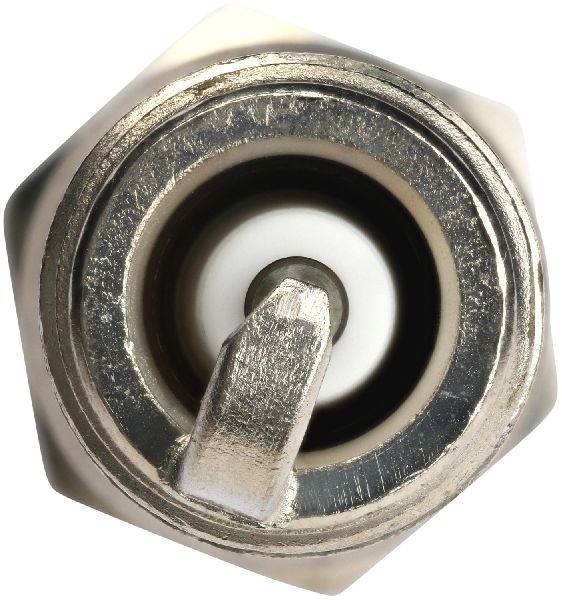
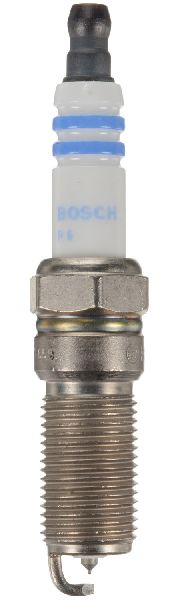
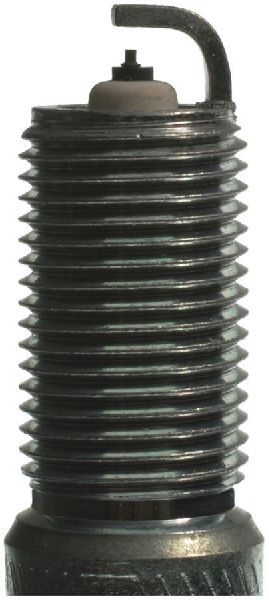
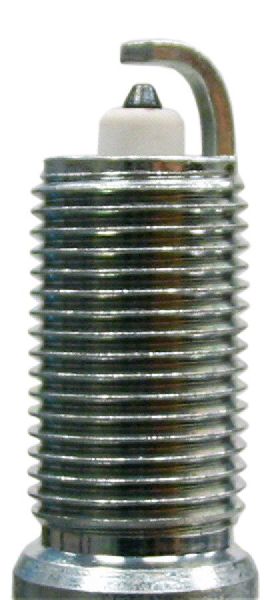
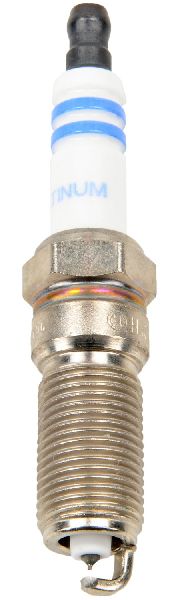
Est. part cost: $4000-$7000 - Worn or Fouled Spark Plugs 🟡 Medium Probability → Shop Spark Plug Spark plugs are a standard wear item. However, they can become fouled prematurely by coolant if the primary coolant intrusion issue is present. A coolant-fouled plug will have distinctive white, ashy, or crusty deposits.
How to confirm: Remove and inspect all four spark plugs. Look for normal wear on the electrode, or for signs of coolant (white deposits), oil, or heavy carbon buildup.
Typical fix: Replace all four spark plugs. Using OEM-spec (Motorcraft) iridium plugs is recommended. This is often a first step in diagnosis but may not be the final cure.
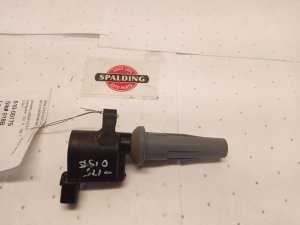
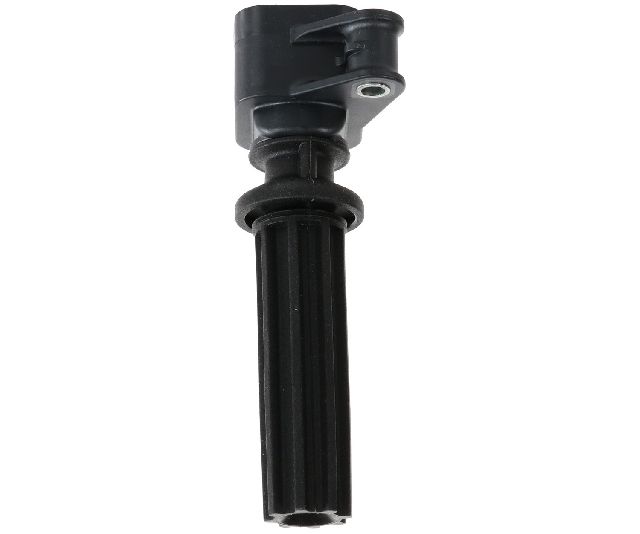
Est. part cost: $40-$80 - Faulty Ignition Coils 🟡 Medium Probability → Shop Ignition Coil Coils are a common wear item on many modern engines. Failure can be accelerated by excessive heat or moisture in the spark plug wells.
How to confirm: A professional scan tool can sometimes identify which cylinders are misfiring most, even with a P0300. You can swap the ignition coil from a frequently misfiring cylinder with one from a cylinder that is not, and see if the misfire count follows the coil.
Typical fix: Replace the faulty ignition coil. It is often recommended to replace them as a set if they are original and the vehicle has high mileage.
Est. part cost: $50-$100 per coil - Vacuum Leak ⚪ Low Probability A stuck-open EVAP canister purge valve is a common cause of vacuum leaks on Ford engines that can lead to random misfires. Hoses can also become brittle and crack over time.
How to confirm: A technician can perform a smoke test to find the source of the leak. The purge valve can be commanded closed with a scan tool to see if the misfire condition improves. Listen for hissing sounds in the engine bay.
Typical fix: Replace the cracked vacuum hose or faulty valve (e.g., EVAP purge valve, part number AU5Z-9C915-B or its successor AU5Z-9C915-E).
Est. part cost: $20-$150
Rare But Worth Checking
- Clogged or Faulty Fuel Injectors: → Shop Fuel Injector Less common than ignition or coolant issues, but can cause random misfires if multiple injectors are performing poorly. A scan tool's power balance test can help identify a weak injector.
- Low Fuel Pressure: A weak fuel pump or clogged fuel filter can starve the engine for fuel, leading to lean conditions and random misfires across all cylinders. This can apply to both the in-tank low-pressure pump and the engine-mounted high-pressure fuel pump (HPFP).
- Intake Manifold Gasket Leak: → Shop Engine Intake Manifold While a general vacuum leak is noted as a common cause, a specific failure of the intake manifold gasket has been documented on platform-mates as a cause for persistent misfires.
Diagnosis Steps
- Check the engine coolant level in the reservoir. If it is low, and there are no visible leaks under the car, suspect an internal leak.
- Scan for all DTCs. Note the presence of any other codes, especially P0301-P0304, P0316, or any overheating codes (P0217, P1285, P1299).
- Visually inspect the exhaust for white, sweet-smelling smoke, particularly during a cold start.
- If coolant loss is suspected, take the vehicle to a professional for a cooling system pressure test. For slow leaks, this may require pressurizing the system and leaving it overnight.
- Confirm coolant intrusion with a borescope inspection of the cylinders. Look for coolant pooling on the piston tops or pistons that appear 'steam cleaned'.
- If no coolant loss is evident, proceed with standard misfire diagnosis. 🎬 Watch: Step-by-step guide to diagnosing a P0300 random misfire. Inspect all spark plugs for wear and signs of fouling. A coolant-fouled plug will have white deposits.
- Test the ignition coils. The easiest method is to swap a suspected bad coil with a known good one to see if the misfire follows.
- Check for vacuum leaks using a smoke machine, paying close attention to the PCV system and the EVAP purge valve.
- If other causes are ruled out, have a technician test fuel pressure and injector function, possibly using a scan tool's power balance test.
Parts You'll Likely Need
- Engine Long Block Assembly
(OEM #DS7Z-6006-U)— This is the official Ford-recommended fix for the coolant intrusion issue, which is the most probable cause of P0300 on this vehicle. It replaces the faulty engine block with an updated design.
Trusted brands: Motorcraft (Ford OEM)
OEM price range: $5000-$7000
Aftermarket price range: $4000-$6000 - Iridium Spark Plugs
(OEM #SP-537)— Spark plugs are a common cause of misfires and are also a maintenance item. They will be fouled and require replacement if coolant intrusion is present.
Trusted brands: Motorcraft, NGK
OEM price range: $15-$25 per plug
Aftermarket price range: $10-$20 per plug - Ignition Coil
(OEM #DG549)— Ignition coils are a frequent failure point that can cause misfires.
Trusted brands: Motorcraft
Related Codes That Often Appear With This One
- P0301-P0304 — These are cylinder-specific misfire codes. They often accompany or precede a P0300 as the PCM tries to isolate the problem, or as the intrusion becomes more severe in a specific cylinder.
- P0316 — Misfire Detected on Startup (First 1000 Revolutions). This code is frequently seen with coolant intrusion, as coolant that has seeped into a cylinder overnight will cause a definite misfire when the engine is first started.
- P0217, P1285, P1299 — These codes relate to engine overheat conditions. They are explicitly mentioned in Ford's TSBs about coolant intrusion and are a strong indicator of this issue as coolant levels drop.
Technical Service Bulletins (TSBs) & Recalls
- Supersedes TSB 22-2229. Addresses rough running, white smoke, and low coolant with DTCs P0300-P0304, P0316, and overheat codes. Identifies the cause as coolant intrusion and recommends short block replacement.
- An earlier version of the bulletin for the same coolant intrusion issue, now superseded by TSB 22-2322.
Platform-Specific Known Issues
- The 2.0L Atkinson-Cycle engine used in the 2019 Fusion Energi is known to have a design defect in the engine block that leads to coolant leaking into the cylinders. This is a widely documented problem confirmed by Ford's own Technical Service Bulletins (TSB 22-2322, TSB 22-2229) and has been the subject of class-action lawsuits. The repair almost always requires a complete engine replacement with an updated part. The issue affects vehicles built before a certain date in mid-2019.
Mechanic-Grade Diagnostic Values
- Ignition Coil Primary Resistance — expected: 0.57 - 0.69 Ohms (aftermarket example). Failure: A resistance reading outside this range suggests a faulty coil winding.
- Ignition Coil Secondary Resistance — expected: 7.9 - 9.7 kOhms (aftermarket example). Failure: A resistance reading outside this range indicates a problem with the secondary coil winding.
- Engine Compression (General Guideline) — expected: Above 125 PSI per cylinder. Failure: A reading significantly below 125 PSI, or a variance greater than 10% between any two cylinders, points to a mechanical engine issue like the coolant intrusion problem.
Hidden / Shadow Codes Worth Checking
- Mode 6, Test IDs $A2-$AB: This is not a DTC, but a diagnostic monitor that shows the raw misfire counts for each cylinder during the current and last ten drive cycles. It can reveal which cylinder(s) are contributing to the P0300 code even if they haven't set their own specific P030x code. (see via Requires an advanced scan tool that can display Mode $06 data, such as Ford's IDS, FORScan, or other professional-grade scanners.)
Scan Tool Commands That Help
- Ford IDS, FORScan, or equivalent professional scanner: Power Balance Test — This is a critical bidirectional test used to pinpoint a misfiring cylinder when a general P0300 code is present. The tool commands the PCM to sequentially disable each fuel injector while monitoring the engine RPM drop. A cylinder that shows little to no RPM drop when disabled is the one that is not contributing power, confirming the misfire location.
- Ford IDS or other high-level scan tool: Misfire Monitor Neutral Profile Correction — This procedure must be performed after major engine or transmission repairs, including an engine replacement. It allows the PCM to relearn the crankshaft position sensor's profile, which can vary slightly. Failure to perform this relearn can cause the PCM to incorrectly interpret normal crankshaft variations as misfires, setting false P0300 codes.
Wiring & Ground Locations
- C175B — This is the main 175-pin connector for the Powertrain Control Module (PCM).. This connector houses the circuits for ignition coil control, fuel injector control, and various sensor inputs. A poor connection, corrosion, or damage at a specific pin (e.g., ignition control pins) could theoretically cause random misfires. A pinout diagram is essential for advanced electrical diagnosis after ruling out components.
Real Owner Repair Stories
- Reddit user on r/fordfusion (2017 Ford Fusion 2.0L (same powertrain), 28,000 miles) — Misfires and coolant intrusion.
❌ Tried (didn't work) The user did not report trying other fixes, as the diagnosis pointed directly to the known TSB issue.
✅ What actually fixed it The engine was replaced under warranty. This story highlights that the failure is due to a design defect rather than mileage or wear, as it occurred at a very low mileage. - Reddit user kyleming on r/fordfusion (2013 Ford Fusion 1.6L (different engine, but same symptoms and common issue)) — P0300 and P0303 codes, consistently losing coolant (topping off every ~130 miles), occasional rough idle on cold start. No white smoke or visible external leaks.
❌ Tried (didn't work) Changed spark plugs a month prior.
✅ What actually fixed it The thread is a diagnostic discussion, but the overwhelming consensus from other users and the reported symptoms (unexplained coolant loss with misfire codes) strongly point to the known coolant intrusion issue requiring engine replacement. The user was advised to get a definitive test for combustion gases in the coolant.
"I Checked Everything" — The Actual Cause
- A common scenario for a P0300 on Ford engines is a faulty EVAP canister purge valve that is stuck intermittently open. A standard smoke test performed with the engine off may not reveal this leak because the valve is normally closed. However, when the engine is running, the faulty valve can create a significant vacuum leak, leaning out the air-fuel mixture and causing random misfires that are difficult to trace.
OEM Part Supersession History
DS7Z-6006-C→DS7Z-6006-U— The -U revision is the updated long block assembly with the revised engine block design intended to correct the coolant intrusion flaw.
Heads up: Using an older revision or a used engine from a 2013-early 2019 model carries a high risk of developing the same coolant intrusion issue.AU5Z-9C915-B→AU5Z-9C915-E— Part revision for the EVAP canister purge valve. Supersessions often address reliability or design improvements.
Helpful Videos
Used OEM Parts in Stock
New Aftermarket Parts Available

The information in this article is provided for general reference and educational purposes only. Vehicle specifications, procedures, and part compatibility can vary by production date, trim level, and region. Always consult your vehicle's factory service manual and verify part numbers before purchasing or performing repairs. Safety-critical components such as airbags, seat belts, and braking systems should be installed by a qualified professional.
- Ford FUSION ENERGI:
- 🧭 Diagnostic Flowchart
- 🎬 Helpful Videos
- 🛍️ Shop This Part
- What's Unique About the 2019-2019 Ford FUSION ENERGI
- Symptoms You May Notice
- Most Likely Causes
- Rare But Worth Checking
- Diagnosis Steps
- Parts You'll Likely Need
- Related Codes That Often Appear With This One
- Technical Service Bulletins (TSBs) & Recalls
- Platform-Specific Known Issues
- Mechanic-Grade Diagnostic Values
- Hidden / Shadow Codes Worth Checking
- Scan Tool Commands That Help
- Wiring & Ground Locations
- Real Owner Repair Stories
- "I Checked Everything" — The Actual Cause
- OEM Part Supersession History
- 🎟️ Get 5% Off