

P0300 on 2019 Ford Fusion Hybrid: Random Misfire Causes and Fixes
P0300 on a 2019 Fusion Hybrid means multiple cylinders are misfiring. While this could be due to simple items like spark plugs, it is a major warning sign for a known coolant intrusion issue in the 2.0L engine, which Ford has addressed with TSBs and often requires engine replacement. This issue is due to a specific engine block design flaw.
- P0300 on a 2019 Fusion Hybrid is a serious code that should be investigated immediately.
- The most critical first step is to check the coolant level. Unexplained coolant loss is a major red flag for a known, severe engine block defect.
- While the cause could be simple (spark plugs), do not replace parts without first ruling out the coolant intrusion issue detailed in Ford TSBs 22-2322 and 22-2229.
- A flashing check engine light means stop driving as soon as safely possible to prevent expensive damage to the catalytic converter.
- The official fix for the coolant intrusion problem is an engine replacement, which is a very costly repair.
What's Unique About the 2019-2019 Ford FUSION HYBRID
For the 2019 Fusion Hybrid with the 2.0L Atkinson-cycle engine, a P0300 code is more alarming than on many other vehicles. This specific engine platform is known to have a design flaw that can allow coolant to leak directly into the cylinders. The root cause is a defect in the 'open-deck' engine block casting, where a thin wall between coolant passages and the cylinder wall is prone to cracking. Ford has issued Technical Service Bulletins (TSBs) like TSB 22-2229 and TSB 22-2322 🎬 Watch: A deep dive into Ford's coolant intrusion TSBs. acknowledging this 'coolant intrusion' problem, which causes misfires and can lead to catastrophic engine failure. Therefore, a P0300 code requires an immediate check of the cooling system, as it could signify a simple tune-up or a major engine replacement.
Diagnostic Flowchart
Tap your situation to follow the diagnostic path that matches what you're seeing on this vehicle.
Symptoms You May Notice
- Rough or shaking engine idle, especially on a cold start
- Hesitation or lack of power during acceleration
- Flashing or solid Check Engine Light
- White, sweet-smelling exhaust smoke (a key sign of coolant burn)
- Noticeable drop in coolant level over time without visible external leaks
- Reduced fuel economy
- Engine running hotter than usual or overheating
- Gurgling sound from the engine or cooling system due to air pockets
- Replacing only spark plugs and ignition coils without first checking for coolant loss. If coolant intrusion is the root cause, new ignition parts will quickly become fouled by coolant and the misfire will return, wasting time and money.
- Assuming a head gasket failure without considering the underlying engine block flaw. Replacing only the head gasket is not a permanent fix for the TSB-documented coolant intrusion issue.
Most Likely Causes
- Engine Coolant Intrusion 🔴 High Probability A documented design flaw in the 2.0L engine's 'open-deck' block creates a weak point between cylinders that can crack, allowing coolant into the combustion chamber. This is confirmed by Ford's own Technical Service Bulletins (TSBs) #TSB 22-2322 and #TSB 22-2229, which supersede earlier versions like TSB 19-2346.
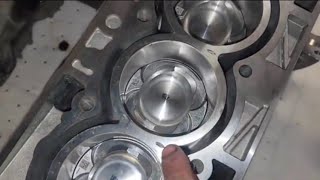
How to confirm: Check for a consistently dropping coolant level in the reservoir when the engine is cold. A technician will perform a cooling system pressure test; a loss of pressure indicates an internal leak. A borescope inspection can then be used to visually check for coolant pooling on top of the pistons, which may appear unusually clean ('steam cleaned').
Typical fix: The official Ford-recommended repair is to replace the engine long block assembly with a revised part that corrects the design flaw. This is a major and expensive repair. Some owners on forums report dealer quotes ranging from $7,800 to $9,600. 🎬 Watch: Should you trade in or repair your Ford?
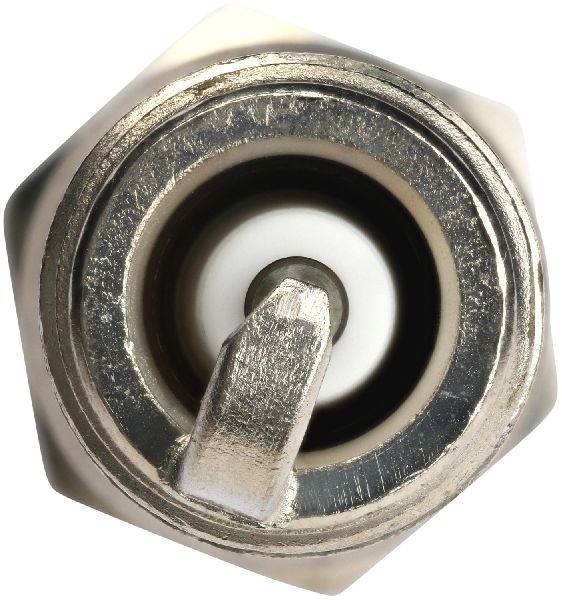
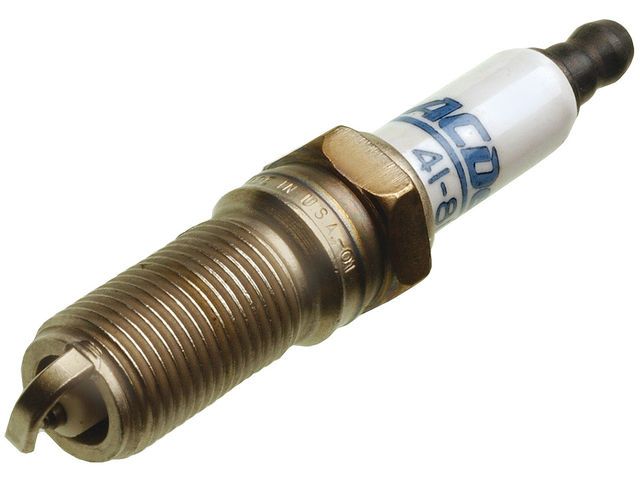
Est. part cost: $5000-$7000 - Worn or Fouled Spark Plugs 🟡 Medium Probability → Shop Spark Plug Spark plugs are a standard maintenance item. They can also become fouled by oil from a leaking valve cover gasket or by coolant from the more serious intrusion issue, which leaves a distinct white or greenish deposit.
How to confirm: Remove and inspect the spark plugs. Look for excessive wear on the electrode, carbon buildup, oil, or a white/greenish, crusty residue which indicates coolant burn.
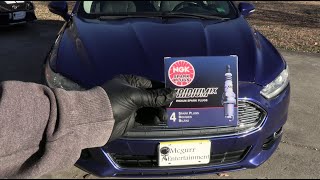
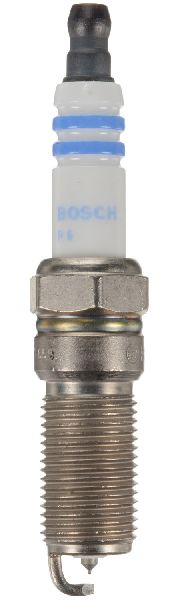
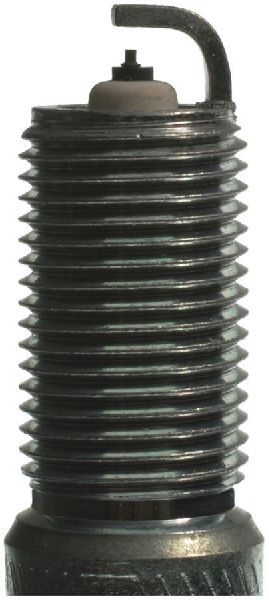
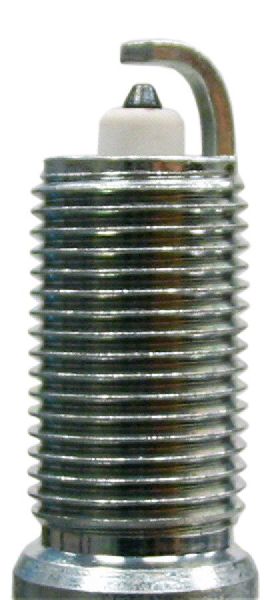
Typical fix: Replace all four spark plugs. It is critical to use the correct OEM-spec Iridium plugs, such as Motorcraft SP-570. 🎬 See this DIY walkthrough for replacing Fusion Hybrid spark plugs.
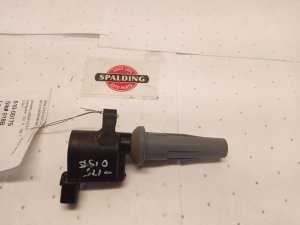
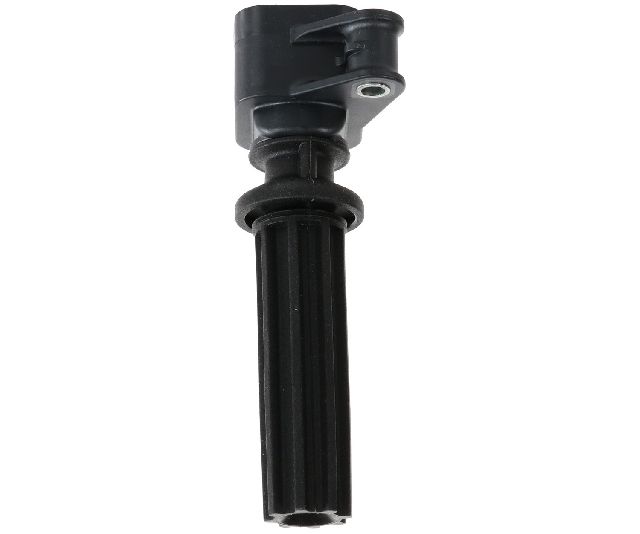
Est. part cost: $40-$80 - Failing Ignition Coil(s) ⚪ Low Probability → Shop Ignition Coil Oil leaks from the valve cover gasket are a known issue that can pool in the spark plug wells, shorting out the ignition coil and causing a misfire.
How to confirm: A single failing coil usually sets a specific cylinder code (e.g., P0301). To diagnose, swap the suspected coil with one from a known good cylinder. If the misfire code follows the coil, the coil is bad. Also inspect the spark plug well for any pooled oil.
Typical fix: Replace the faulty ignition coil. If oil is present, the valve cover gasket and tube seals must also be replaced to prevent a repeat failure.
Est. part cost: $50-$100 - Vacuum Leak ⚪ Low Probability
How to confirm: A vacuum leak introduces unmetered air into the engine, leaning out the air-fuel mixture. A smoke test is the most effective way to find the source of the leak, which could be a cracked hose or a bad gasket, such as the intake manifold gasket.
Typical fix: Repair the leak by replacing the faulty hose or gasket.
Est. part cost: $10-$150
Rare But Worth Checking
- Clogged or Failing Fuel Injectors: → Shop Fuel Injector Less common than ignition or coolant issues, but can cause random misfires if multiple injectors are dirty or failing, disrupting the fuel spray pattern. Diagnosis often requires a professional injector balance test.
- Low Fuel Pressure: A weak fuel pump or clogged fuel filter can starve the engine of fuel, leading to lean misfires across all cylinders, especially under load.
- Faulty PCV Valve: → Shop PCV Valve A PCV (Positive Crankcase Ventilation) valve that is stuck open can act as a vacuum leak, causing a lean condition and random misfires. On the 2.0L engine, the PCV valve is located under the intake manifold and is part of the oil separator assembly, making it difficult to access.
Diagnosis Steps
- CRITICAL FIRST STEP: Check the coolant reservoir level when the engine is completely cold. If the level is below the 'MIN' line and there are no visible external leaks, this is a major red flag for the known coolant intrusion issue.
- Scan the PCM for any other stored trouble codes. Note any specific cylinder misfire codes (P0301-P0304), startup misfire codes (P0316), or cooling system codes (P0217, P1299).
- Inspect for white, sweet-smelling smoke from the exhaust, especially on a cold startup, which indicates coolant is being burned in the engine.
- If coolant loss is suspected, a professional diagnosis is required. This involves a cooling system pressure test and a borescope inspection of the cylinders for coolant.
- If no coolant issue is apparent, proceed with standard misfire diagnosis. Pull the ignition coils and inspect the spark plug wells for pooled oil, which indicates a leaking valve cover gasket.
- Remove and inspect the spark plugs. Look for wear, carbon/oil fouling, or white/greenish deposits that signal coolant contamination.
- Test the ignition coils. If a specific cylinder misfire code is present, swap the coil from that cylinder to a known good cylinder and see if the misfire code follows.
- If ignition components are good, check for vacuum leaks using a smoke machine, paying attention to the intake manifold gasket and PCV system hoses.
- If all else fails, the fuel system should be checked for proper pressure and injector function by a professional.
Parts You'll Likely Need
- Engine Long Block Assembly
(OEM #J2GZ6006E (example of a revised part number))— This is the official Ford-recommended repair for the coolant intrusion issue, which is a primary cause of P0300 on this engine. The replacement long block has a revised block design to prevent the flaw.
Trusted brands: Motorcraft
OEM price range: $5000-$7000
Aftermarket price range: $4000-$6000 - Spark Plugs
(OEM #SP-570 (Motorcraft))— Worn or fouled spark plugs are a common cause of misfires and are a standard maintenance item. They will also be fouled by the coolant intrusion issue, requiring replacement along with the engine.
Trusted brands: Motorcraft, NGK
OEM price range: $50-$90
Aftermarket price range: $40-$70 - Ignition Coil
(OEM #DG-522 (Motorcraft))— An ignition coil can fail due to internal faults or external factors like oil contamination from a leaking valve cover gasket. While a single coil failure typically sets a specific cylinder code, multiple random failures can trigger a P0300.
Trusted brands: Motorcraft, NGK, Denso
OEM price range: $50-$100
Aftermarket price range: $30-$70
Related Codes That Often Appear With This One
- P0301, P0302, P0303, P0304 — These codes specify which cylinder is misfiring (1, 2, 3, or 4). They often accompany P0300, helping to narrow down the problem. The TSBs for coolant intrusion explicitly list these codes as primary symptoms.
- P0316 — This code means 'Misfire Detected on Startup (First 1000 Revolutions)'. It is often triggered by coolant that has leaked into a cylinder overnight and is burned off upon starting, causing a severe cold-start misfire. It is also specifically mentioned in the Ford coolant intrusion TSBs.
- P0217, P1285, P1299 — These codes indicate an engine or cylinder head overheat condition. They are explicitly mentioned alongside the misfire codes in the TSBs for coolant intrusion, as the loss of coolant into the cylinders can lead to dangerous overheating.
Technical Service Bulletins (TSBs) & Recalls
- TSB 22-2322: Superseding bulletin for coolant intrusion, lists affected vehicles and DTCs, recommends short block replacement for some engines.
- TSB 22-2229: Addresses coolant intrusion in 2.0L EcoBoost engines, listing symptoms like low coolant, white smoke, and rough running with P0300 codes. Recommends long block replacement.
- TSB 19-2346: An earlier, superseded version of the coolant intrusion bulletin.
Platform-Specific Known Issues
- Coolant Intrusion Due to Engine Block Defect: → Shop Engine Block As per Ford TSBs #TSB 22-2322 and #TSB 22-2229, the 2.0L engine in the 2019 Fusion Hybrid is susceptible to coolant leaking into the cylinders. The cause is a design flaw in the open-deck engine block where a slit between the cylinders compromises the head gasket seal, leading to cracks and internal leaks. This is a well-documented issue across multiple forums and has been the subject of class-action lawsuits. The only permanent fix is an engine long block replacement with a redesigned part.
Mechanic-Grade Diagnostic Values
- Low-Pressure Fuel System Pressure — expected: 45-58 PSI with key-on, engine-off (KOEO).. Failure: Pressure below 45 PSI or pressure that builds very slowly can indicate a weak fuel pump or clogged filter.
- Long Term Fuel Trim (LTFT) and Short Term Fuel Trim (STFT) at Idle — expected: Within +/- 10%.. Failure: Sustained positive trims above +10% indicate the engine is adding fuel to compensate for a lean condition (e.g., vacuum leak). Sustained negative trims below -10% indicate the engine is removing fuel to compensate for a rich condition (e.g., leaking injector).
Hidden / Shadow Codes Worth Checking
- Mode $06, Test ID $A2-$A5: On Ford CAN-bus systems, these Test IDs (TIDs) correspond to the misfire counts for the last 10 driving cycles for cylinders 1-4. Even without a P0301-P0304 code, these counters can show which cylinder is intermittently misfiring. A count that is high or near the 'Max limit' value indicates a problem cylinder. (see via A scan tool that can display Mode $06 data, such as a professional-grade scanner or software like FORScan.)
Scan Tool Commands That Help
- Ford IDS (Integrated Diagnostic System): Power Balance Test — This function graphically displays the RPM drop from each cylinder, allowing a technician to visually identify which cylinder(s) are not contributing equally to engine power. It is extremely useful for pinpointing a weak cylinder when only a general P0300 code is present.
- Ford IDS (Integrated Diagnostic System): Relative Compression Test — This is a quick, non-invasive way to check for major compression differences between cylinders. The tool measures crankshaft speed variations during cranking to detect a cylinder with low compression, which would cause a misfire. It helps rule in or out a mechanical engine problem without using a traditional pressure gauge.
Wiring & Ground Locations
- G200 & G203 — These are instrument panel grounds. Some documentation places them near the A-pillar or under the dash, but owners have reported difficulty locating them based on standard diagrams, suggesting potential variations in the vehicle build.. A poor ground connection for the PCM or its sensors can introduce electrical noise and erratic signals, potentially leading to false misfire detection. While not a common cause, it should be considered after ignition and fuel systems are checked.
Real Owner Repair Stories
- Reddit user in r/fordfusion (2014 Ford Fusion Titanium (engine platform shares similar issues)) — Loss of power, hesitation to shift at high RPM, P0300 code.
❌ Tried (didn't work) Initially just cleaning the oil off the single affected ignition coil did not solve the problem long-term.
✅ What actually fixed it The root cause was a leaking valve cover gasket and spark plug tube seals. Oil was leaking into the spark plug wells, fouling the spark plug and shorting out the ignition coil. The final repair involved replacing the valve cover gasket, all associated seals, and the spark plugs.
"I Checked Everything" — The Actual Cause
- A common diagnostic dead-end for P0300 on this vehicle is performing a smoke test, finding no vacuum leaks, and assuming the intake is sealed. However, the most probable cause—coolant intrusion—is an internal leak of coolant into the cylinder. A smoke test, which pressurizes the intake with low-pressure smoke to find air leaks, will not detect this type of internal engine fault. The test will come back 'clean,' leading a technician to mistakenly rule out a major engine issue when it is, in fact, the most likely culprit.
OEM Part Supersession History
Engine blocks with vertical slits between cylinders→Revised engine block with angled, drilled coolant passages— The original 'open-deck' block design with slits between the cylinder bores created a structural weak point prone to cracking under thermal stress, leading to coolant intrusion. The revised design provides more material and strength between the cylinders to prevent this failure.
Heads up: Using an older design block as a replacement will lead to a repeat failure.DS7Z-6006-C→DS7Z-6006-U— This is the part number supersession for the 2.0L Hybrid long block engine assembly, likely reflecting updates in the remanufacturing process or included components to address the known flaws.
Model Year Variations Within This Range
- 2019: The engine block design was revised mid-way through the 2019 model year to address the coolant intrusion flaw. This means a 2019 Fusion Hybrid could have either the original, failure-prone engine block or the updated, more reliable version depending on its specific date of manufacture. Verifying the engine block casting number or production date may be necessary to determine which version is installed.
Helpful Videos
Used OEM Parts in Stock
New Aftermarket Parts Available

The information in this article is provided for general reference and educational purposes only. Vehicle specifications, procedures, and part compatibility can vary by production date, trim level, and region. Always consult your vehicle's factory service manual and verify part numbers before purchasing or performing repairs. Safety-critical components such as airbags, seat belts, and braking systems should be installed by a qualified professional.
- Ford FUSION HYBRID:
- 🧭 Diagnostic Flowchart
- 🎬 Helpful Videos
- 🛍️ Shop This Part
- What's Unique About the 2019-2019 Ford FUSION HYBRID
- Symptoms You May Notice
- Most Likely Causes
- Rare But Worth Checking
- Diagnosis Steps
- Parts You'll Likely Need
- Related Codes That Often Appear With This One
- Technical Service Bulletins (TSBs) & Recalls
- Platform-Specific Known Issues
- Mechanic-Grade Diagnostic Values
- Hidden / Shadow Codes Worth Checking
- Scan Tool Commands That Help
- Wiring & Ground Locations
- Real Owner Repair Stories
- "I Checked Everything" — The Actual Cause
- OEM Part Supersession History
- Model Year Variations Within This Range
- 🎟️ Get 5% Off