

P0300 on 2015-2022 Ford Mustang: Random Misfire Causes and Fixes
P0300 on a 2015-2022 Ford Mustang indicates random cylinder misfires. The most common causes are worn spark plugs or failing ignition coils. However, be aware of engine-specific TSBs requiring a PCM software update and reports of coolant intrusion on some 5.0L V8 and 2.3L EcoBoost engines.
- P0300 means your Mustang has a random misfire, not tied to one specific cylinder.
- Start your diagnosis with the most common culprits: spark plugs and ignition coils.
- Be aware of engine-specific issues. Check for TSBs related to PCM software updates for your engine (2.3L or 5.0L).
- For 5.0L V8 models (especially 2018-2019), if basic tune-up parts don't solve the issue, you must consider the possibility of coolant intrusion and have it professionally inspected.
- A flashing check engine light indicates a severe misfire that can quickly damage your catalytic converter; avoid driving the vehicle if this occurs.
What's Unique About the 2015-2022 Ford MUSTANG

For the S550 generation Mustang, the P0300 code is notable because Ford has issued specific Technical Service Bulletins (TSBs) for both the 2.3L EcoBoost and 5.0L V8 engines that address this code. These bulletins often point to issues within the PCM software that can be corrected with an update. Furthermore, owner complaints filed with the NHTSA for 5.0L models indicate a pattern of coolant leaking into the cylinders, causing P0300 and other misfire codes, which can result in the need for major engine repairs. [ODI #11619350, ODI #11710053] The 2.3L EcoBoost also has a known issue with coolant intrusion, as noted in owner complaints. [ODI #11701911]
Diagnostic Flowchart

Tap your situation to follow the diagnostic path that matches what you're seeing on this vehicle.
Generation note: The 2015-2022 year range covers the sixth generation (S550) of the Ford Mustang. This generation received a significant facelift for the 2018 model year, which included engine and transmission updates. While the fundamental causes of P0300 are similar, specific TSBs and issues like coolant intrusion are often tied to certain engine versions and year sub-ranges within this generation. For example, TSB 22-2464 applies to 2021-2022 5.0L models, while TSB 22-2185 is for 2021-2022 2.3L EcoBoost models.
Symptoms You May Notice

- Rough or shaky idle
- Engine hesitation or stumbling during acceleration
- Solid or flashing Check Engine Light
- Reduced engine power
- Noticeable decrease in fuel economy
- Excessive steam/smoke from the exhaust upon startup [ODI #11619350]
- Audible popping or sputtering from the exhaust.
- Strong smell of unburnt fuel at idle.
- Replacing only one spark plug or coil when multiple are needed.
- Replacing oxygen sensors when they are correctly reporting a problem (the misfire) rather than being the cause of it.
- Overlooking a simple vacuum leak before moving to more expensive fuel system components.
- Assuming a P0300 on a modified car is a tuning issue when it could be a mechanical fault like a vacuum leak or bad sensor.
Most Likely Causes

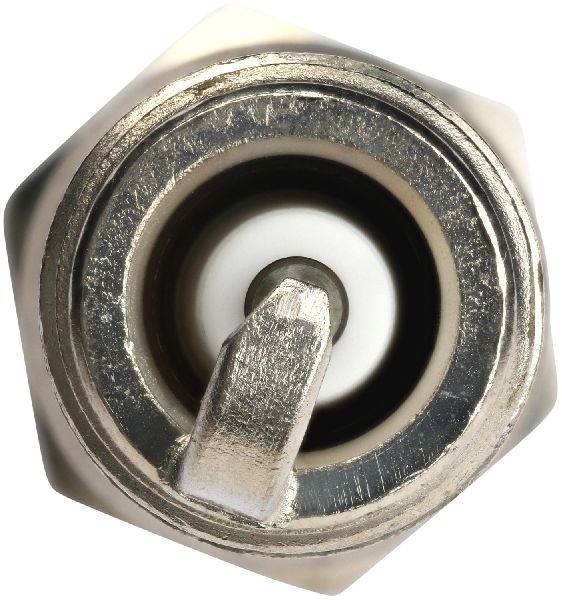
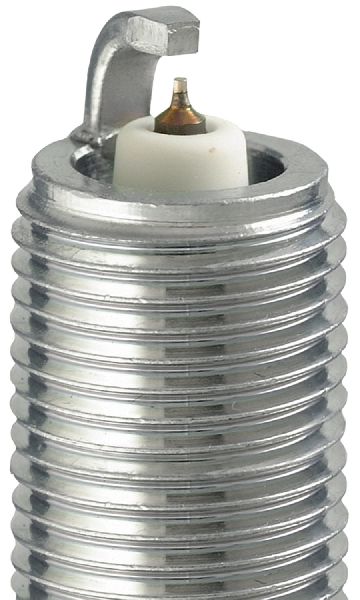
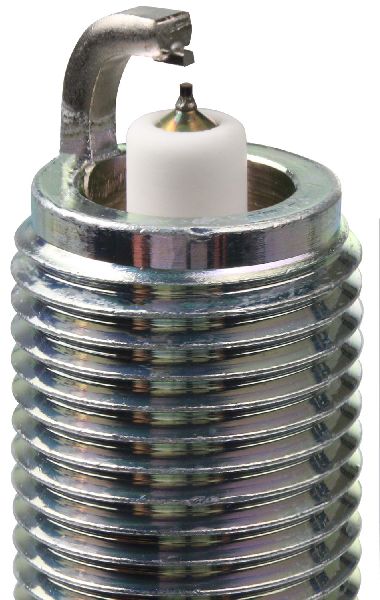
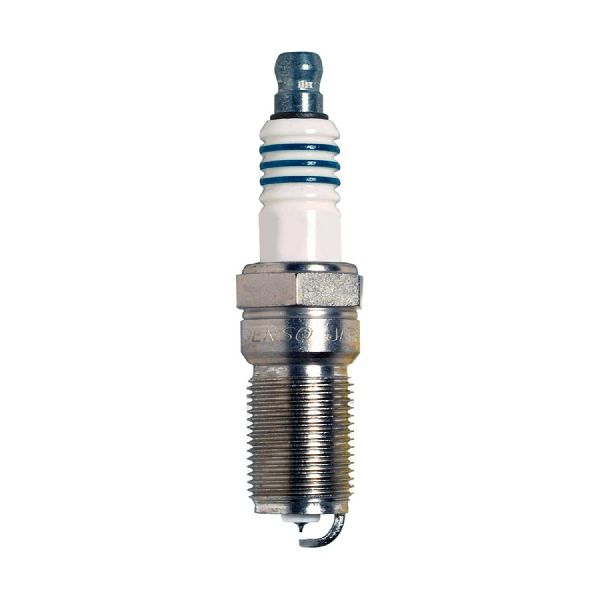
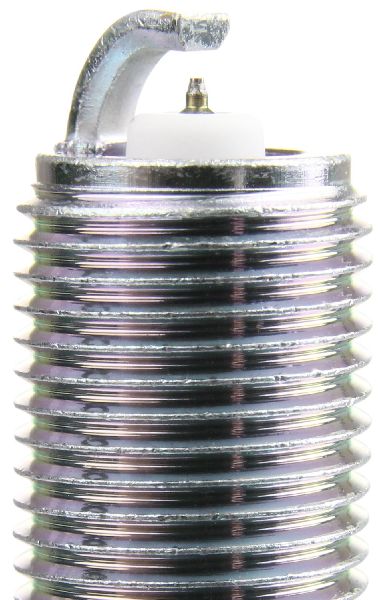
- Worn or Fouled Spark Plugs 🔴 High Probability → Shop Spark Plug Spark plugs are a regular maintenance item with a typical service interval of 60k-100k miles. Direct injection engines, like the EcoBoost and modern Coyote V8, can be hard on plugs, and many owners of modified vehicles report needing to change them more frequently.
How to confirm: Inspect the spark plugs for wear on the electrodes, carbon fouling, oil, or signs of coolant (white, crystalline deposits). Check that the gap is correct for your specific engine and modifications.
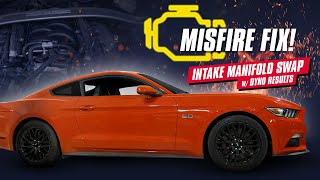
Typical fix: Replace all spark plugs as a set. Use OEM-spec (Motorcraft) or 🎬 Watch: How to fix a common EcoBoost Mustang misfire. high-quality equivalent (NGK, Denso) plugs gapped correctly. Using genuine Motorcraft plugs is often recommended to avoid issues with counterfeits.
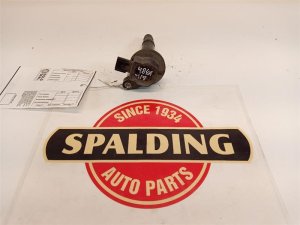
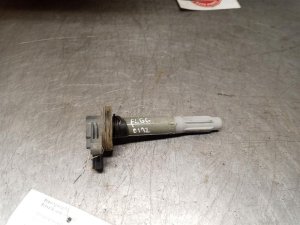
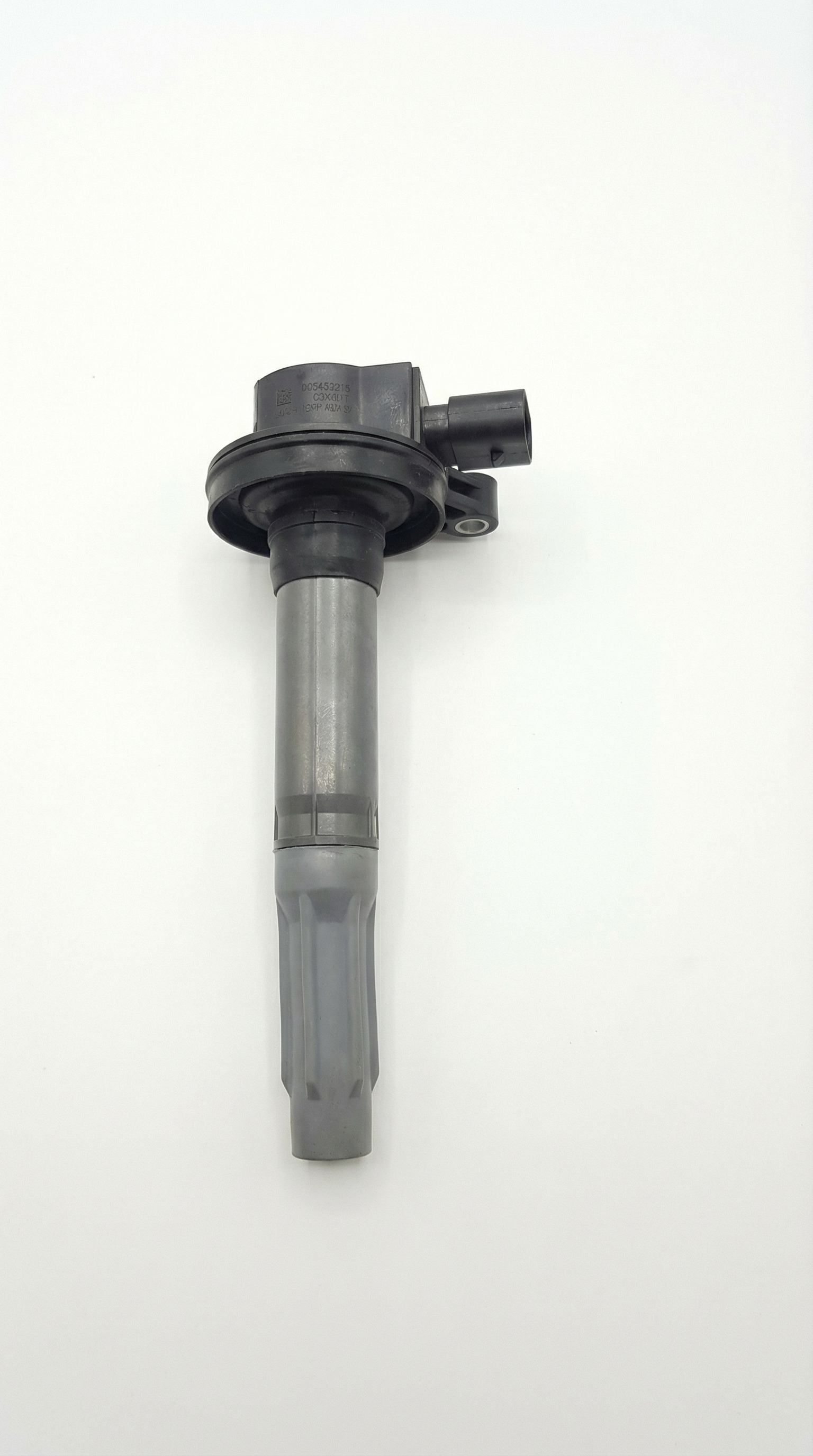
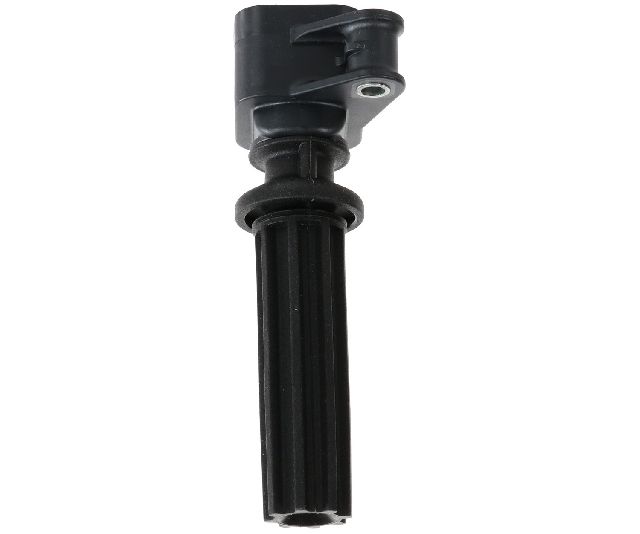
Est. part cost: $40-$120 - Failing Ignition Coil(s) 🔴 High Probability → Shop Ignition Coil Heat and vibration in the engine bay cause ignition coils to fail over time. On some platform mates like the Ford Ranger with the 2.3L EcoBoost, water intrusion into the spark plug wells is a common cause of coil failure.
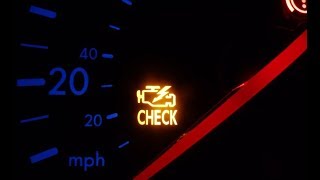
How to confirm: If a specific cylinder misfire code (P0301-P0308) is also present, swap the ignition coil from the misfiring cylinder to a known good cylinder. Clear the codes and drive the vehicle. If the misfire code follows the coil (e.g., a P0304 becomes a P0303 after 🎬 See how to diagnose a P0300 and P0308 misfire. swapping coils from cylinders 4 and 3), the coil is bad.
Typical fix: Replace the faulty ignition coil. It is often recommended to replace them as a full set if they are original and high-mileage.
Est. part cost: $40-$80 per coil - PCM Software Issue 🟡 Medium Probability Ford has issued TSBs for both 2.3L and 5.0L engines specifically for P0300 caused by PCM software logic. TSB 22-2185 addresses 2021-2022 2.3L models, and TSB 22-2464 addresses 2021-2022 5.0L models.
How to confirm: A Ford dealer or a qualified shop with a Ford Diagnosis and Repair System (FDRS) tool can check the current software version against the latest available calibration. A user on Mustang6g.com confirmed this fixed their issue after getting multiple misfire codes.
Typical fix: Reprogram the Powertrain Control Module (PCM) to the latest software level. This is typically a 0.4-hour labor operation at a dealership.
Est. part cost: $0 (if under warranty) - $150 (dealer labor) - Vacuum Leak 🟡 Medium Probability Leaks can develop in vacuum hoses, the PCV system, or intake manifold gaskets due to heat and age. A cracked intake manifold is reported as a common issue. A broken nipple on the air intake tube for the PCV system is also a known failure point.
How to confirm: Perform a smoke test to see if smoke escapes from any part of the intake system. Listen for hissing sounds around the engine bay at idle. Check all connections on the air intake tract, including the MAF sensor connector.
Typical fix: Replace the cracked hose or leaking gasket. The passenger side PCV hose is a common replacement part.
Est. part cost: $10-$200 - Fuel System Issues ⚪ Low Probability Clogged fuel injectors or a weak fuel pump can disrupt the air/fuel ratio, causing misfires. On the 2.3L EcoBoost, a faulty low-side fuel pressure sensor has also been identified as a cause.
How to confirm: Check fuel pressure to ensure it's within spec (typically 35-60 PSI at idle for many Fords). A professional can perform a fuel injector balance test or cleaning service.
Typical fix: Replace the failing fuel pump, faulty sensor, or clean/replace clogged fuel injectors.
Est. part cost: $70-$400 per injector, $300-$800 for a fuel pump
Rare But Worth Checking
- Coolant Intrusion (5.0L V8 & 2.3L EcoBoost): As documented in NHTSA owner complaints, some 2018-2019 5.0L engines have experienced coolant leaking into cylinders, causing misfires and potential for catastrophic engine damage. [ODI #11619350, ODI #11710053] The 2.3L EcoBoost has a similar known issue. [ODI #11701911] This is a serious issue that standard tune-up parts will not fix and often requires significant engine repair or replacement.
- Crankshaft Position Sensor Failure: → Shop Engine Crankshaft Position Sensor A failing crankshaft position sensor can send erratic signals to the PCM, preventing it from accurately tracking cylinder position and leading to random misfire codes. Forum users on Mustang6g.com report that this sensor can fail due to heat cycles and cause a P0300 code without a specific sensor fault code.
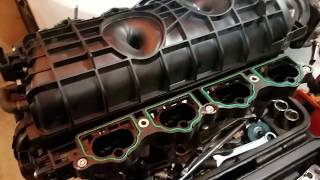
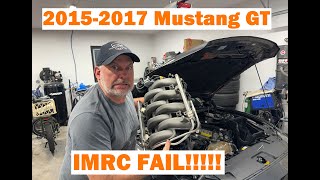
- Intake Manifold Runner Control (IMRC) Failure: → Shop Engine Intake Manifold On 5.0L engines, the plastic IMRC shafts or linkage 🎬 Watch: Identifying a broken driver's side IMRC valve shaft. can break, causing the runner plates to become stuck. This disrupts airflow and can trigger random misfire codes. This has been a recurring issue on various Ford engines. One owner on Reddit reported this as the root cause after replacing plugs and coils.
Diagnosis Steps
- Read all diagnostic trouble codes (DTCs) and look at the freeze frame data to understand the conditions when the misfire occurred (e.g., engine speed, temperature).
- Inspect the basics: check for loose vacuum hoses, damaged wiring, or obvious signs of leaks. Pay close attention to the intake manifold and PCV hoses.
- If specific cylinder codes (P0301-P0308) are present, start there. Swap the ignition coil and then the spark plug with a known good cylinder to see if the misfire follows the part.
- If only P0300 is present, inspect all spark plugs for wear, fouling, and correct gap. Look for signs of coolant or oil.
- Perform a fuel pressure test to rule out a weak fuel pump or failing regulator.
- Conduct a smoke test to check for vacuum leaks in the intake manifold, gaskets, and hoses.
- Check for any applicable TSBs for your vehicle's year and engine. A PCM update may be required, especially for 2021-2022 models.
- For 5.0L & 2.3L engines with persistent issues and coolant loss, a borescope inspection of the cylinders for coolant is recommended to rule out the coolant intrusion issue. [ODI #11710053, 46]
- If all else fails, a compression test can check for mechanical engine problems like a bad head gasket or worn piston rings.
- Consider a crankshaft position relearn procedure, as this has been noted to solve issues for some owners.
Parts You'll Likely Need
- Spark Plugs
(OEM #Motorcraft SP-589 (2018+ 5.0L), Motorcraft SP-548 (2015-2017 5.0L))— This is the most common wear item that causes misfires.
Trusted brands: Motorcraft, NGK
OEM price range: $60-$120
Aftermarket price range: $40-$90 - Ignition Coil
(OEM #Motorcraft DG562 (Fits 2.3L EcoBoost))— A common failure point due to heat and vibration, leading to a lack of spark.
Trusted brands: Motorcraft, MSD, Accel
OEM price range: $50-$80
Aftermarket price range: $40-$70
Related Codes That Often Appear With This One
- P0301-P0308 — These codes pinpoint a misfire to a specific cylinder. P0300 is often set alongside one or more of these codes, as seen in TSB 22-2464.
- P0316 — This code indicates a misfire was detected within the first 1,000 engine revolutions on startup. It's frequently cited along with P0300 in Ford TSBs for both the 2.3L and 5.0L engines. [TSB 22-2185, 23]
Technical Service Bulletins (TSBs) & Recalls
- TSB 22-2464: Addresses P0300 and other misfire DTCs on 2021-2022 5.0L Mustangs due to PCM strategies.
- TSB 22-2185: Notes that P0300 and/or P0316 on 2021-2022 2.3L EcoBoost Mustangs may be due to PCM software, requiring a reprogram.
- SSM 47433: Pertains to 2015-2017 5.0L Mustangs exhibiting P0300-P0308 where normal diagnostics fail to find a cause.
Platform-Specific Known Issues
- TSB 22-2464: Some 2021-2022 Mustang 5.0L vehicles may set P0300 (and other misfire codes) due to PCM software strategies. A dealer re-flash is the prescribed fix.
- TSB 22-2185: Some 2021-2022 Mustang 2.3L EcoBoost vehicles built on or before 04/21/2022 may set P0300 and/or P0316 due to PCM software. A dealer re-flash is the fix.
- IMRC Failure: The intake manifold runner control (IMRC) system on 5.0L engines has plastic components that are known to fail, causing airflow issues and random misfires. This is a widely discussed topic in owner forums.
Mechanic-Grade Diagnostic Values
- 5.0L Coyote Low-Pressure Fuel System — expected: 55-58 PSI (nominal).. Failure: Pressure below 30 PSI at idle suggests a failing pump or regulator.
- 5.0L Coyote (Gen 3, 2018+) High-Pressure Direct Injection System — expected: Can exceed 2900 PSI at WOT.. Failure: Inability to reach target pressure under load, which would be visible on a scan tool, can indicate a failing high-pressure fuel pump (HPFP).
- 2.3L EcoBoost High-Pressure Fuel System — expected: Up to 240 bar (approx. 3500 PSI) with aftermarket pumps.. Failure: A faulty low-pressure fuel sensor (LPFS) can provide inaccurate readings to the ECU, leading to misfires even if pressure is adequate. An updated sensor is a common preventative fix.
Hidden / Shadow Codes Worth Checking
- Mode $06, Test ID $81 (or similar): This function on a capable scan tool allows viewing of raw misfire counts per cylinder for the current and last 10 driving cycles, even if the counts are not high enough to set a P030x code. (see via Use a professional scan tool or an advanced OBD-II app that supports Mode $06 data. Look for misfire monitor test IDs. A high count on one cylinder can guide diagnosis even without a specific DTC.)
Scan Tool Commands That Help
- Ford IDS/FDRS: Misfire Monitor Neutral Profile Correction / Crankshaft Position Profile Correction — This procedure relearns the profile of the crankshaft position sensor. It is often required after replacing a clutch, flywheel, or the crankshaft sensor itself. Failure to perform this relearn can cause false misfire codes.
- Ford IDS/FDRS: Power Balance Test — This function graphically displays the RPM contribution of each cylinder, allowing a technician to visually identify which cylinder(s) are underperforming (misfiring) in real-time without relying solely on stored codes.
- Ford IDS/FDRS: Relative Compression Test — As a quick, non-invasive alternative to a mechanical compression test, this function uses the starter motor's current draw while cranking to measure the relative compression of each cylinder, helping to identify a potential mechanical cause for the misfire.
Wiring & Ground Locations
- G104 — On the left (driver's side) front fender apron, often located behind the battery area.. This is a primary ground point for the Powertrain Control Module (PCM). A loose or corroded connection here can cause erratic PCM behavior and phantom codes, including P0300.
- G201 — Located in the passenger compartment, directly below the PCM.. This is another critical ground for the PCM. Intermittent connection at this point could lead to random misfires and other difficult-to-diagnose electrical issues.
Real Owner Repair Stories
- Mustang6G.com forum user (2015 Mustang GT, 48,000 miles) — P0300 and P0308 (Cylinder 8 misfire), rougher idle, decreased highway fuel economy (26 to 22 mpg).
❌ Tried (didn't work) Codes would clear on their own initially, masking the problem.
✅ What actually fixed it The driver's side Intake Manifold Runner Control (IMRC) shaft was found to be broken upon removing the intake manifold. Replacing the entire intake manifold assembly resolved the codes. - S197Forum.com user (2018 Mustang GT) — Flashing CEL with codes P0300, P0301, P0304, P0308. Ferocious bucking between 1,500-2,000 RPM.
❌ Tried (didn't work) Swapping spark plugs and ignition coils; the P0308 code remained.
✅ What actually fixed it A Ford dealer technician diagnosed a clogged fuel injector on cylinder 8, suspecting debris in the fuel rail. After draining the rail and swapping injectors, the issue was resolved. - Mustang6G.com forum user (2017 Mustang GT, 48,000 miles) — Persistent P0300 code.
❌ Tried (didn't work) Replacing a broken IMRC shaft on the original 2017 intake manifold., Replacing the 2017 manifold with a new 2018 manifold., Installing new spark plugs., Performing an IMRC lockout on the new manifold.
✅ What actually fixed it The user was advised by others that a faulty O2 sensor or a failing crankshaft position sensor could be the cause, as these are known to trigger a P0300 without a specific code for the failing sensor itself. - AED Tuning YouTube Channel (Ford Mustang Coyote (modified with aftermarket fuel lines)) — P0300-P0316 misfire codes.
❌ Tried (didn't work) Initial diagnostics pointed towards common ignition or fuel delivery issues.
✅ What actually fixed it The root cause was contamination in the fuel injectors. When the aftermarket fuel lines were cut and installed, rubber dust and debris entered the system and clogged the injector filters. Cleaning the injectors and flushing the lines resolved the misfires.
"I Checked Everything" — The Actual Cause
- In one case on Mustang6G.com, a user with a Procharged 2019 GT reported P0300 only at light throttle cruising. A smoke test of the intake manifold showed no leaks, and a compression test was good. The issue appeared after degreasing the front of the engine, suggesting a potential electrical connector or sensor (like the crank sensor) was affected by moisture.
When the Usual Fixes Don't Work
- While common causes like spark plugs and coils should be checked first, many owners have chased a P0300 code by replacing these parts with no success. In a significant number of documented cases for the 2015-2017 GT, the actual cause was a broken IMRC shaft inside the intake manifold, which is not a typical tune-up part and requires more in-depth diagnosis to confirm. For 2018+ models, after ruling out plugs and coils, owners have found fixes by addressing clogged fuel injectors or performing a PCM reprogram per a related TSB for oil consumption issues that can also cause misfires.
OEM Part Supersession History
Unknown (Original 2.3L EcoBoost Low Pressure Fuel Sensor)→Unknown (Updated Ford OEM LPFS)— The original low-pressure fuel sensor (LPFS) on 2.3L EcoBoost models is known by tuners and enthusiasts to be a potential failure point that can lead to inaccurate fuel pressure readings and, in worst-case scenarios, engine failure.
Model Year Variations Within This Range
- 2015-2017: The 5.0L V8 in these models uses an intake manifold with IMRC (Intake Manifold Runner Control) shafts that are prone to breaking. A broken shaft causes one bank of runners to be stuck, leading to airflow imbalance and triggering P0300, often with a misfire code for a cylinder on the affected bank (e.g., P0308).
- 2018-2022: The Gen 3 Coyote 5.0L engine introduced in 2018 features a revised intake manifold with a new IMRC design that is less prone to the shaft breakage seen in earlier models. It also added a direct injection fuel system alongside the port injection system, introducing a high-pressure fuel pump and a new set of potential fuel-related causes for misfires.
Helpful Videos
Used OEM Parts in Stock
New Aftermarket Parts Available

The information in this article is provided for general reference and educational purposes only. Vehicle specifications, procedures, and part compatibility can vary by production date, trim level, and region. Always consult your vehicle's factory service manual and verify part numbers before purchasing or performing repairs. Safety-critical components such as airbags, seat belts, and braking systems should be installed by a qualified professional.
- Ford MUSTANG:
- 🧭 Diagnostic Flowchart
- 🎬 Helpful Videos
- 🛍️ Shop This Part
- What's Unique About the 2015-2022 Ford MUSTANG
- Symptoms You May Notice
- Most Likely Causes
- Rare But Worth Checking
- Diagnosis Steps
- Parts You'll Likely Need
- Related Codes That Often Appear With This One
- Technical Service Bulletins (TSBs) & Recalls
- Platform-Specific Known Issues
- Mechanic-Grade Diagnostic Values
- Hidden / Shadow Codes Worth Checking
- Scan Tool Commands That Help
- Wiring & Ground Locations
- Real Owner Repair Stories
- "I Checked Everything" — The Actual Cause
- When the Usual Fixes Don't Work
- OEM Part Supersession History
- Model Year Variations Within This Range
- 🎟️ Get 5% Off