

P0300 on 2004-2012 GMC Canyon 3.5L/3.7L: Random Misfire Causes and Fixes
On a 2004-2012 GMC Canyon, P0300 often signals more than a simple tune-up. While worn spark plugs and ignition coils are common culprits, these trucks are notorious for a cylinder head issue, especially on 2004-2006 3.5L engines, which causes loss of compression. A compression test is critical before buying parts.
- For a 2004-2012 GMC Canyon with a P0300 code, a cylinder compression test is the most important first diagnostic step to rule out the notorious cylinder head failure.
- The 2004-2006 models with the 3.5L L52 engine are at high risk for the valve seat defect; the 2007-2012 3.7L LLR is less likely to have this specific problem.
- If compression is good, the most likely causes are simple tune-up items like worn ACDelco Iridium spark plugs or failing ignition coils.
- Check the wiring harness at the MAP sensor for hidden breaks, as this is another known issue (per TSB PIP4409F) that can trigger a P0300 code.
- Do not drive if the check engine light is flashing, as this indicates a severe misfire that can quickly damage the catalytic converter.
What's Unique About the 2004-2012 GMC Canyon
For the first-generation GMC Canyon and its siblings, the Chevy Colorado and Hummer H3, the P0300 code carries a specific, notorious history. The early 3.5L L52 Atlas engines (2004-2006) were known for having improperly hardened valve seats in the cylinder head. This factory flaw leads to premature wear, loss of compression, and a persistent P0300 misfire that a standard tune-up will not fix. GM acknowledged this with TSBs and a special coverage program, but many vehicles are now out of warranty. While the issue was largely corrected for the 3.7L LLR engine (2007-2012), any P0300 diagnosis on this platform must consider this potentially serious mechanical failure first.
Symptoms You May Notice
- Rough or shaking idle
- Hesitation or stumbling during acceleration
- Noticeable loss of engine power
- Flashing Check Engine Light
- Reduced fuel economy
- Engine is hard to start
- Smell of unburnt gasoline from the exhaust
- Replacing only spark plugs and ignition coils without performing a compression test. On this specific platform, this often fails to fix the root cause if it is the cylinder head.
- Replacing oxygen (O2) sensors. While O2 sensors measure the air-fuel ratio, they are not a primary cause of a P0300 code and are usually replaced unnecessarily.
Most Likely Causes
- Worn Valve Seats / Cylinder Head Failure 🔴 High Probability → Shop Engine Cylinder Head A well-documented factory defect on 2004-2006 3.5L L52 engines involved improperly hardened valve seats, leading to accelerated wear and loss of compression. GM issued TSBs like PIP4013D to address misfires at idle caused by this. The issue primarily affects engines in vehicles with the last 6 digits of the VIN below 287698. While less common on the 2007-2012 3.7L LLR, it can still occur.
How to confirm: A cylinder compression test is the definitive diagnostic step. Forum users report healthy engines showing 180+ PSI, while affected cylinders often drop below 150 PSI, sometimes as low as 25-125 PSI. A cylinder leak-down test can then confirm if compression is being lost through the intake or exhaust valves. TSB PIP4013D specifically recommends regulating shop air to 50-60 PSI for more accurate leak-down results on this issue.
Typical fix: Replacement of the complete cylinder head with an updated or remanufactured unit that has hardened valve seats. This is a major and costly repair, with owner-reported costs around $2000-$2400.
Est. part cost: $800-$1500 - Worn or Fouled Spark Plugs 🔴 High Probability → Shop Spark Plug Spark plugs are a routine maintenance item. Worn electrodes or carbon fouling can cause a weak spark, leading to incomplete combustion and misfires. This is a common cause on any gasoline engine.
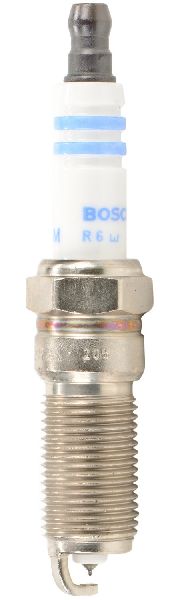
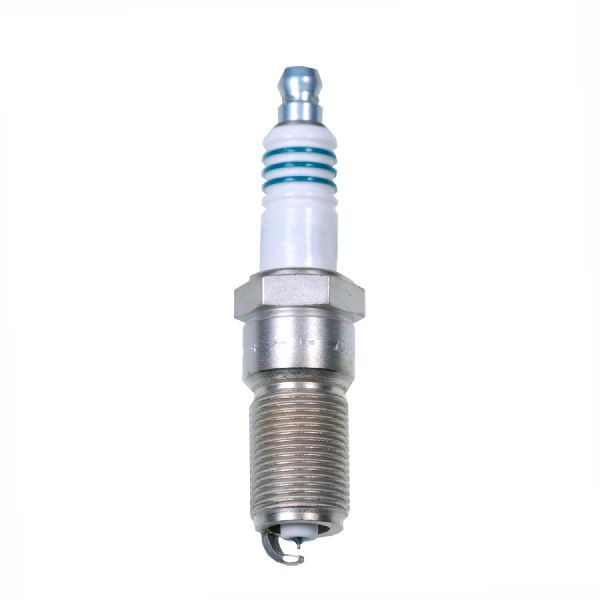
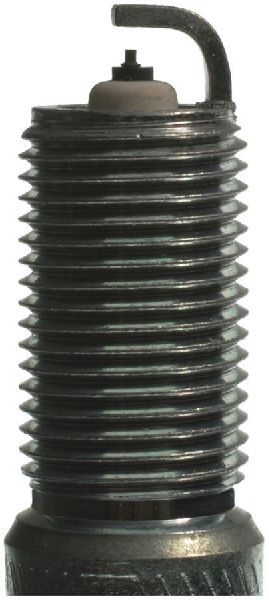
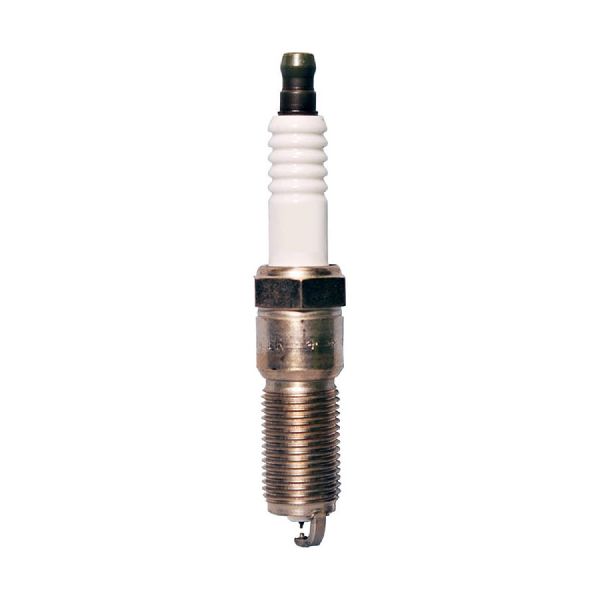
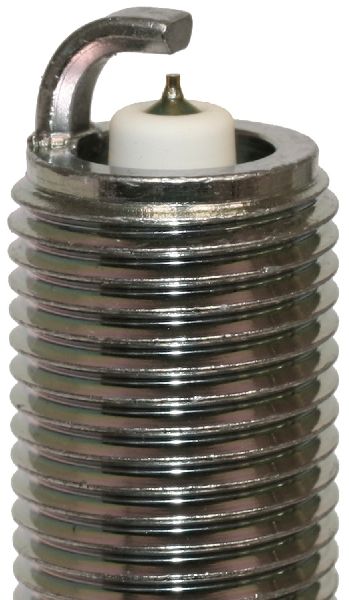
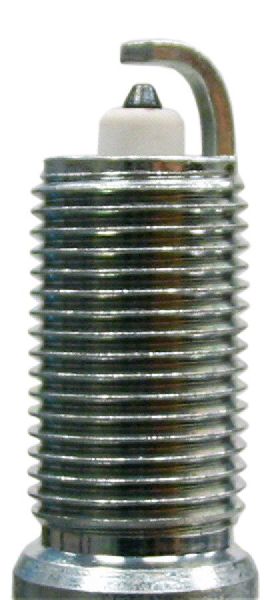
How to confirm: Remove and visually inspect all five spark plugs. Look for worn or melted electrodes, heavy carbon deposits, or oil fouling. The recommended plugs are Iridium type. The OEM-specified plug is the ACDelco Iridium 41-103, which comes pre-gapped to 0.042-0.043 inches.
Typical fix: Replace all five spark plugs as a set. It is highly recommended to use the OEM-specified ACDelco Iridium plugs (Part No. 41-103).
Est. part cost: $50-$90 - Failing Ignition Coils 🟡 Medium Probability → Shop Ignition Coil Ignition coils are a common failure item that can cause misfires. While one failing coil usually triggers a specific cylinder code (e.g., P0301), multiple weak or intermittently failing coils can result in a P0300.
How to confirm: With the engine running, use a scan tool to observe live misfire data to see if certain cylinders are misfiring more than others. You can also swap an ignition coil from a misfiring cylinder to a non-misfiring cylinder. If the misfire code follows the coil (e.g., P0301 becomes P0302), the coil is bad.
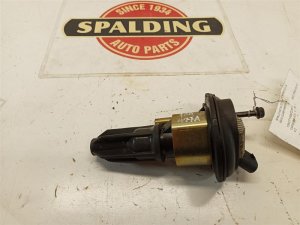
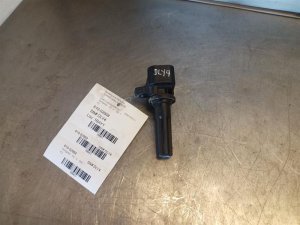
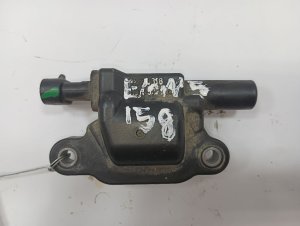
Typical fix: Replace the faulty ignition coil(s). The OEM part is ACDelco D597A (also listed as 12568062). It is often recommended to replace them as a set if they are original and have high mileage.
Est. part cost: $30-$60 per coil - Broken MAP Sensor Wiring 🟡 Medium Probability → Shop Manifold Absolute Pressure Sensor GM issued TSB #PIP4409F specifically for these trucks and their platform mates, noting that wires for the Manifold Absolute Pressure (MAP) sensor can break inside the insulation near the sensor connector. This causes erratic signals, leading to rough running and a P0300 code, often accompanied by P0106, P0107, or P0171.
How to confirm: Visually inspect and gently tug on the wires leading to the MAP sensor connector. The break is often internal and not visible. The 'wiggle test' is key: with the engine idling, wiggle the wires near the connector. If the idle stumbles or changes, the wiring is faulty.
Typical fix: Repair the broken wire(s) or replace the pigtail connector. The TSB advises using TXL wiring for the repair.
Est. part cost: $15-$30 for a new pigtail connector - Vacuum Leaks ⚪ Low Probability The PCV hose on these trucks is known to become brittle and crack, creating a vacuum leak. A leaking intake manifold gasket can also be a cause. This allows unmetered air into the engine, creating a lean condition that can cause random misfires.
How to confirm: A smoke test is the most effective way to find the source of a vacuum leak. You can also visually inspect all vacuum hoses for obvious cracks or listen for a hissing sound at idle.
Typical fix: Replace the cracked hose or faulty gasket. The PCV hose is a common and inexpensive part to replace.
Est. part cost: $20-$150
Rare But Worth Checking
- Faulty Camshaft Position Actuator Solenoid: → Shop Engine Camshaft A failing VVT solenoid is a very common issue on these Atlas engines that can cause rough idle and misfires. The solenoid's screens can break apart, sending debris into oil passages, or the solenoid can get stuck. This issue often sets VVT-specific codes like P0014 or P0017, but can sometimes be the sole cause of a P0300. The OEM part is ACDelco 12615873. Many owners attempt to clean the solenoid before replacing it.
- Clogged or Dirty Fuel Injectors: → Shop Fuel Injector If injectors become restricted, they can cause a lean misfire. This usually happens over time and may be accompanied by a P0171 (System Too Lean) code. Some owners have reported fixing a P0300 simply by running a quality fuel system cleaner.
- Low Fuel Pressure: A weak fuel pump or clogged fuel filter can starve the engine for fuel, causing misfires under load across all cylinders. A fuel pressure test is required to diagnose this.
- Clogged Catalytic Converter: → Shop Catalytic Converter A blocked exhaust creates excessive backpressure, which can lead to misfires, a significant loss of power, and potentially a P0420 code. This is often a consequence of long-term misfiring, not the initial cause.
Diagnosis Steps
- Scan for all DTCs. Note any codes that appear with P0300, as they provide critical clues (e.g., P0171, P0106, P0017).
- Check freeze frame data to understand the engine conditions (RPM, load, temperature) when the misfire was first detected.
- Perform a cylinder compression test. This is the most critical first step for this vehicle. Low compression (below 150 PSI) or a significant variance between cylinders points towards the valve seat/cylinder head issue.
- If compression is low, perform a cylinder leak-down test to confirm the source of the leak (intake valves, exhaust valves, or piston rings). Per TSB PIP4013D, use 50-60 PSI for this test.
- If compression is good, proceed with standard misfire diagnosis. Inspect the MAP sensor wiring harness near the connector for internal breaks by performing a 'wiggle test', per TSB #PIP4409F.
- Inspect and test the ignition system. Check live misfire data on a scan tool. Swap ignition coils between cylinders to see if the misfire follows the coil.
- Inspect all spark plugs for wear, fouling, and correct gap. Replace if they are old or in poor condition with ACDelco 41-103 plugs.
- Inspect for vacuum leaks. Perform a smoke test to check the intake manifold gasket and all vacuum hoses, especially the PCV hose.
- Test the Camshaft Position Actuator Solenoid. Check for related codes (P0014/P0017). You can remove, clean, and inspect the solenoid for damaged screens or stickiness.
Parts You'll Likely Need
- Cylinder Head Assembly — This is the definitive fix for the most notorious cause of P0300 on 2004-2006 L52 engines: worn valve seats causing low compression.
Trusted brands: ACDelco, General Motors
OEM price range: $1000-$1500
Aftermarket price range: $800-$1200 - Ignition Coil
(OEM #12568062)— A common failure point for the ignition system that directly causes misfires.
Trusted brands: ACDelco, Delphi, NGK
OEM price range: $50-$70
Aftermarket price range: $30-$50 - Iridium Spark Plugs
(OEM #41-103)— Worn or incorrect spark plugs are a primary cause of weak spark and misfires. They are a fundamental maintenance item.
Trusted brands: ACDelco, NGK
OEM price range: $10-$15 per plug
Aftermarket price range: $8-$12 per plug - Intake Manifold Gasket Set — A failed intake manifold gasket creates a vacuum leak, a common cause of lean misfires that set a P0300 code.
Trusted brands: ACDelco, Fel-Pro
OEM price range: $40-$70
Aftermarket price range: $25-$50
Related Codes That Often Appear With This One
- P0301, P0302, P0303, P0304, P0305 — If the ECM can eventually isolate the random misfire to a specific cylinder, it will set one of these codes alongside P0300.
- P0171 — This 'System Too Lean' code often appears with P0300 when the cause is a significant vacuum leak (like a cracked PCV or intake gasket) or a fuel delivery issue.
- P0106 / P0107 — These codes relate to the MAP sensor and are a strong indicator that the cause is the known issue with broken MAP sensor wiring, as described in TSB #PIP4409F.
- P0014 / P0017 — These camshaft position timing codes point directly to a problem with the VVT system and are a strong clue that a failing Camshaft Position Actuator Solenoid is the root cause of the P0300 misfire.
Technical Service Bulletins (TSBs) & Recalls
- PIP4013D: Addresses engine misfires at idle that may be caused by a damaged valve or valve seat, recommending a cylinder leakage test for diagnosis.
- PIP4409F: Describes an intermittent rough run condition with P0300 and other codes caused by MAP sensor circuits being broken inside the insulation near the connector.
- 07123: A Special Coverage Adjustment from GM that acknowledged the cylinder head valve seat issue on early models.
- Bulletin #PIP5628G: Provides preliminary information to aid in diagnosing vehicles exhibiting misfires and DTC codes P0300 through P0308 and/or P050D.
Platform-Specific Known Issues
- Cylinder Head Valve Seat Failure: → Shop Engine Cylinder Head Primarily affecting 2004-2006 models with the 3.5L L52 engine, the valve seats were not properly hardened from the factory, leading to premature wear, loss of compression, and a P0300 code. This was addressed in TSBs like PIP4013D.
- Broken MAP Sensor Wiring: → Shop Manifold Absolute Pressure Sensor TSB PIP4409F highlights that the wiring for the MAP sensor can break internally near the connector, causing multiple sensor-related codes and a P0300.
Mechanic-Grade Diagnostic Values
- Fuel Pressure (Key On, Engine Off) — expected: 55-62 PSI. Failure: Pressure below 55 PSI indicates a weak fuel pump or clogged fuel filter.
- Ignition Coil Primary Resistance — expected: 0.4 - 2.0 ohms. Failure: A reading outside this range suggests a faulty primary winding in the coil.
- Ignition Coil Secondary Resistance — expected: 6,000 - 11,000 ohms. Failure: A reading outside this range suggests a faulty secondary winding.
- Camshaft Position Actuator Solenoid Resistance — expected: 8 - 12 ohms (typical for many GM solenoids). Failure: A reading of 0 ohms indicates a short, while an infinite (OL) reading indicates an open circuit.
- Mass Airflow (MAF) Sensor Reading at Idle — expected: Approximately 4 grams/second. Failure: Significantly lower readings can indicate a dirty or failing sensor, causing a lean condition.
Hidden / Shadow Codes Worth Checking
- Mode $06 Misfire Counters: This is not a DTC, but a function within a capable scan tool. It shows the raw number of misfire events counted by the ECM for each individual cylinder, even if the count isn't high enough to set a specific P030x code. It is invaluable for seeing which cylinders are contributing most to a P0300. (see via A professional-level scan tool or an advanced consumer scan tool with Mode $06 diagnostic capabilities.)
- P1336: Crankshaft Position (CKP) System Variation Not Learned. This indicates the ECM has not completed the CASE relearn procedure. This can cause the ECM to misinterpret normal crankshaft speed fluctuations as misfires, setting a P0300. (see via Most standard OBD-II scan tools.)
Scan Tool Commands That Help
- GDS2 / Tech2 / Professional Scan Tool: Crankshaft Position Variation Learn (CASE Relearn) — This procedure is required after replacing the ECM, crankshaft position sensor, or making major engine repairs. It synchronizes the ECM with the exact position of the crankshaft reluctor wheel. Failure to perform it can cause false P0300 codes.
- GDS2 / Tech2 / Professional Scan Tool: Cylinder Power Balance Test — This test deactivates one cylinder at a time and measures the corresponding drop in engine RPM. A cylinder that shows a smaller RPM drop than others is contributing less power, helping to pinpoint a weak cylinder even without a specific P030x code.
- GDS2 / Tech2 / Professional Scan Tool: Idle Learn / Throttle Relearn — After cleaning or replacing the electronic throttle body, this function resets the learned idle and throttle position values in the ECM. An incorrect idle position can cause stalling or rough running that may be interpreted as a misfire.
Wiring & Ground Locations
- G102 — On the lower left (driver's) side of the engine block.. This is a primary ground for the ignition coils. A loose or corroded connection here can cause weak, intermittent spark across multiple cylinders, directly leading to a P0300.
- G103 / G104 — G103 is on the cowl in the left rear of the engine compartment. G104 is on the left side of the engine block.. These are critical grounds for the Powertrain Control Module (PCM). A poor connection at these points can cause erratic PCM behavior and a wide array of phantom codes, including P0300.
- MAP Sensor Connector — On the intake manifold, connected to the MAP sensor.. The wires in the pigtail harness for the MAP sensor are known to break internally, right near the connector, as per TSB #PIP4409F. This causes erratic MAP readings, incorrect fuel calculations, and a P0300.
Real Owner Repair Stories
- 355nation.net forum user (2008 Chevy Colorado 3.7L I5) — P0300, rough idle, stalling at stops.
❌ Tried (didn't work) Cleaned MAF sensor, Cleaned throttle body, Replaced all 5 spark plugs, Replaced all 5 ignition coils, Replaced Camshaft Position Actuator Solenoid
✅ What actually fixed it The throttle body itself was faulty. Despite being cleaned, the internal electronics had failed. Replacing the entire throttle body assembly resolved the stalling and the P0300 code. - ColoradoFans.com forum user (2006 Chevy Colorado 3.5L I5 with 160,000 miles) — P0300, flashing check engine light, very rough idle.
❌ Tried (didn't work) Replaced spark plugs, Replaced ignition coils, Replaced fuel filter, Cleaned MAF and throttle body
✅ What actually fixed it The cylinder head had failed due to the known valve seat issue. A compression test showed cylinder #4 was at 30 PSI. Replacing the cylinder head with a remanufactured unit fixed the misfire completely. - NHTSA ODI #10576845 — An owner reported that after the check engine light came on with code P0300, they replaced the appropriate sensors and reset the system. While the truck ran fine for one week, the light returned shortly after.
- NHTSA ODI #10151176 — A driver experienced a failure where the engine light was triggered by codes P0106, P0300, and P0506. This was the second time the vehicle had been taken to the shop for these specific diagnostics.
"I Checked Everything" — The Actual Cause
- In some cases, a P0300 accompanied by a P0171 (System Too Lean) code persists even after a smoke test shows no leaks. The cause has sometimes been traced to a failing Mass Airflow (MAF) sensor that is under-reporting airflow, causing the ECM to command insufficient fuel, which leads to a lean misfire across all cylinders.
When the Usual Fixes Don't Work
- While the cylinder head is the most notorious cause of P0300 on these trucks, it is not always the culprit. There are numerous documented cases in owner forums where a head replacement did NOT fix the misfire. In these instances, the root cause was eventually traced to less common issues like a faulty throttle body, a stretched timing chain, or persistent electrical problems related to grounds or the PCM itself. This underscores the importance of a full diagnostic procedure rather than assuming the head is at fault.
OEM Part Supersession History
12578517, 12602516→12615873 (ACDelco)— The original Camshaft Position Actuator Solenoids were prone to screen failure, where the mesh screens would break apart and contaminate oil passages. The updated part has a revised screen design to prevent this.Varies by year, e.g., GM #12597752→Multiple revisions, e.g., GM #89060439— The original L52 3.5L cylinder heads (2004-2006) had soft valve seats. Superseded parts and remanufactured heads use properly hardened valve seats to correct the premature wear and compression loss issue.
Heads up: When replacing a head, it is critical to use an updated part number or a remanufactured unit confirmed to have hardened seats.
Model Year Variations Within This Range
- 2004-2007 vs 2008-2012: The electronic throttle body part number and design changed around the 2008 model year. While they look similar, they are not interchangeable due to differences in electronics and programming. GM issued Special Coverage Adjustment 11273A for throttle body issues specifically on 2008-2012 models, highlighting a known issue with the later design.
- 2004-2006 (3.5L L52) vs 2007-2012 (3.7L LLR): The primary difference is the cylinder head. The 2004-2006 3.5L L52 engine is highly susceptible to premature valve seat wear causing P0300. This issue was largely corrected from the factory for the 2007 3.7L LLR engine, making it a less likely (but still possible) cause on later models.
Diagnostic Flowchart
Real Owner Stories
Aggregated from forums and TSBs cited above. Mileages and costs reflect what owners reported in those sources.
2006 Hummer H3
Symptoms: P0300 multiple misfire code. Initially suspected a vacuum leak.
What fixed it: Using a high-quality fuel injector cleaner (STP) resolved the issue, indicating clogged injectors were the root cause.
Source hint: Hummer Forums thread titled 'P0300//mulitiple misfire'
2006 Hummer H3 — 54000 miles
Symptoms: Triggered the dreaded P0300 code.
What fixed it: Diagnosed with the leaking intake valve issue covered under GM TSB #PIP3935C and extended warranty campaigns.
Source hint: Hummer Forums thread titled 'Another dreaded code P0300'
2006 Hummer H3 — 90000 miles
Symptoms: Experienced the dreaded P0300 code at 90,000 miles. A compression check revealed low numbers on cylinders 1 and 2 (115-125 PSI).
What fixed it: Confirmed cylinder head valve seat failure via compression test.
Source hint: Carsurvey.org review titled '2006 Hummer H3 Owner Review'
Related OBD-II Codes
Frequently Asked Questions
Does the cylinder head valve seat issue affect all 2004-2012 GMC Canyons?
What is TSB PIP4013D and how does it relate to my P0300 code?
My 3.5L Canyon has a rough idle and a P0300 code. What spark plugs should I use?
How can I test if my MAP sensor wiring is causing the P0300 code as described in TSB PIP4409F?
What is Special Coverage Adjustment 07123?
What should the cylinder compression be on a healthy 3.5L or 3.7L engine?
Used OEM Parts in Stock
New Aftermarket Parts Available

The information in this article is provided for general reference and educational purposes only. Vehicle specifications, procedures, and part compatibility can vary by production date, trim level, and region. Always consult your vehicle's factory service manual and verify part numbers before purchasing or performing repairs. Safety-critical components such as airbags, seat belts, and braking systems should be installed by a qualified professional.
- GMC Canyon:
- 🧭 Diagnostic Flowchart
- 🛍️ Shop This Part
- What's Unique About the 2004-2012 GMC Canyon
- Symptoms You May Notice
- Most Likely Causes
- Rare But Worth Checking
- Diagnosis Steps
- Parts You'll Likely Need
- Related Codes That Often Appear With This One
- Technical Service Bulletins (TSBs) & Recalls
- Platform-Specific Known Issues
- Mechanic-Grade Diagnostic Values
- Hidden / Shadow Codes Worth Checking
- Scan Tool Commands That Help
- Wiring & Ground Locations
- Real Owner Repair Stories
- "I Checked Everything" — The Actual Cause
- When the Usual Fixes Don't Work
- OEM Part Supersession History
- Model Year Variations Within This Range
- Real Owner Stories
- 2006 Hummer H3
- 2006 Hummer H3 — 54000 miles
- 2006 Hummer H3 — 90000 miles
- Related OBD-II Codes
- Frequently Asked Questions
- 🎟️ Get 5% Off