

P0300 on 2012 GMC Canyon: Random Misfire Causes and Fixes
P0300 on a 2012 GMC Canyon indicates random cylinder misfires. While common causes include worn spark plugs and ignition coils, this truck platform (including the Chevy Colorado and Hummer H3) has a well-documented history of mechanical failures causing this code. Key issues include worn valve seats/guides in the cylinder head (per TSB PIP4013D), faulty Camshaft Position Actuator Solenoids, and broken MAP sensor wiring. A compression test is critical before replacing any parts.
- P0300 on a 2012 GMC Canyon is a random misfire code with a wide range of possible causes, from simple maintenance to serious mechanical failure.
- Always check for common platform-specific issues first: inspect the MAP sensor wiring for internal breaks and check for vacuum leaks, especially the PCV hose.
- If misfires occur mainly on cold starts, suspect an internal coolant leak as described in TSB #PIP4959E.
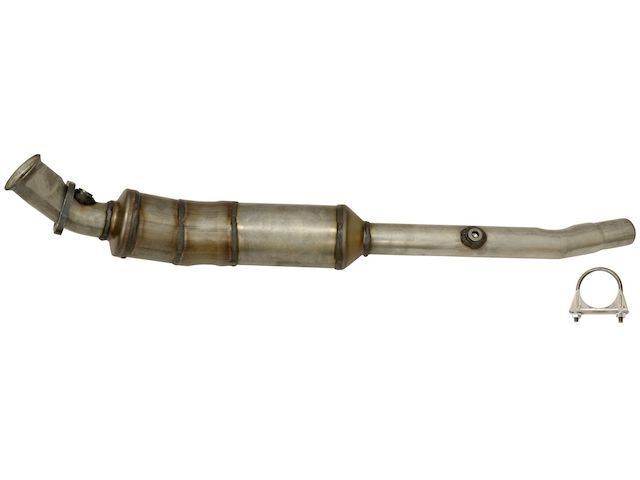
- Do not drive extensively with a flashing check engine light, as this can cause rapid and expensive damage to the catalytic converter.
- If basic checks like spark plugs, coils, and vacuum leaks do not solve the issue, a more advanced mechanical diagnosis (leak-down test, camshaft inspection) is necessary, as pointed out by multiple TSBs.
What's Unique About the 2012-2012 Gmc CANYON
The 2012 GMC Canyon, part of the first generation GMT355 platform, is highly susceptible to several specific issues that cause a P0300 code beyond typical tune-up parts. Even though the most severe cylinder head valve seat issues were on 2004-2008 models, later models like the 2012 are not immune to valve train wear causing misfires at idle (per TSB PIP4013D). Furthermore, manufacturer technical service bulletins point directly to problems like MAP sensor circuit wires breaking internally while the insulation appears intact (TSB #PIP4409F), and failing Camshaft Position Actuator Solenoids are a very common cause of misfires and rough running. These documented platform weaknesses mean that diagnosis must include checking for mechanical engine health and known electrical faults, not just spark plugs and coils.
Diagnostic Flowchart
Tap your situation to follow the diagnostic path that matches what you're seeing on this vehicle.
Symptoms You May Notice
- Rough or shaky idle.
- Hesitation or stumbling during acceleration.
- Flashing Check Engine Light.
- Reduced fuel economy.
- Difficulty starting the engine, especially on cold starts.
- Engine noise or ticking. [TSB #PIP4138P]
- Stalling at low speeds or when stopping.
- Replacing only spark plugs and coils without performing a compression test first. Many owners waste money on a tune-up when the cylinder head is the real problem.
- Replacing the MAP sensor itself when the problem is the wiring harness connector/pigtail.
- Replacing the Camshaft Position Actuator Solenoid with a cheap aftermarket part, which often fails again quickly.
- Assuming a flashing check engine light is just a minor issue, leading to catastrophic catalytic converter failure.
Most Likely Causes
- Worn Valve Seats / Cylinder Head Failure 🔴 High Probability → Shop Engine Cylinder Head The Atlas engines in this platform are notorious for premature intake valve seat wear, leading to loss of compression and a P0300 misfire, especially at idle. While a special warranty covered 2004-2007 models, the issue can still surface on later years, including 2012, as general mechanical wear. TSB #PIP4013D directly addresses diagnosing misfires at idle that may be caused by a damaged valve or valve seat.
How to confirm: A cylinder compression test is the definitive diagnostic step. Healthy cylinders should have pressures between 150-185 PSI, with minimal variation. A cylinder leak-down test can further pinpoint if the leak is from the intake/exhaust valves. Low compression on one or more cylinders strongly indicates a head issue.
Typical fix: This is a major repair requiring the removal and replacement of the cylinder head with an updated part that has hardened valve seats.
Est. part cost: $800-$1500 for a new or remanufactured cylinder head. - Failed Camshaft Position Actuator Solenoid (VVT Solenoid) 🔴 High Probability → Shop Engine Camshaft This component, which controls variable valve timing, is a very common failure point on the Atlas engines. When it fails or its internal screens break apart, it can cause erratic engine timing, rough idle, and random misfires. Owners on forums strongly recommend using only the OEM ACDelco part, as aftermarket versions are known to fail quickly.
How to confirm: Often accompanied by codes like P0014 or P0017, but can also cause P0300 alone. The solenoid can be removed (a single 10mm bolt) and inspected for broken screens or sludge. Testing resistance is possible, but replacement is often the most straightforward diagnostic.
Typical fix: Replacement of the faulty solenoid. It is located on the side of the cylinder head. 🎬 Watch: How to identify and replace a defective VVT solenoid. The intake and exhaust solenoids are identical parts.
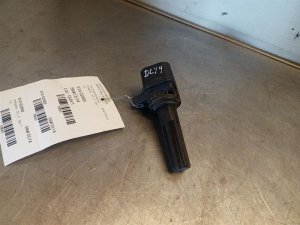
Est. part cost: $40-$60 for an OEM ACDelco part (Part #12615873). - Worn Spark Plugs or Faulty Ignition Coils 🟡 Medium Probability → Shop Ignition Coil Ignition components are standard wear items. On the I-5 engine, heat can degrade coils over time. While a valid cause, owners often replace these parts unnecessarily when the true cause is the cylinder head or VVT solenoid.
How to confirm: Inspect spark plugs for wear (gap should be .042"), fouling, or oil. Swap an ignition coil from a known misfiring cylinder (if identified via a scan tool's live data) with a good cylinder to see if the misfire follows the coil. 🎬 Watch: Step-by-step guide for testing and diagnosing ignition coils.
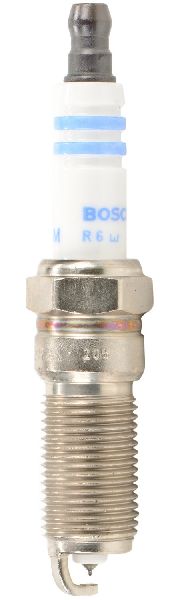
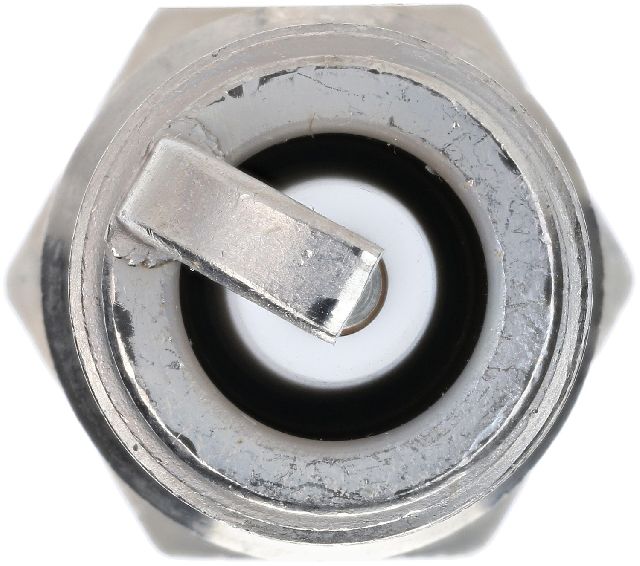
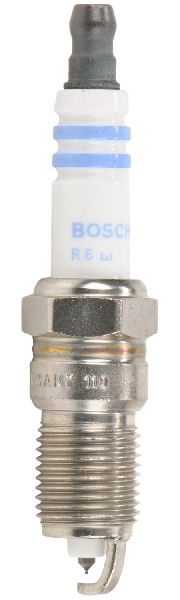
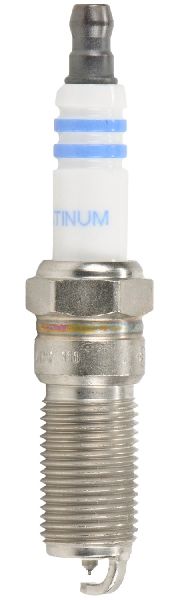
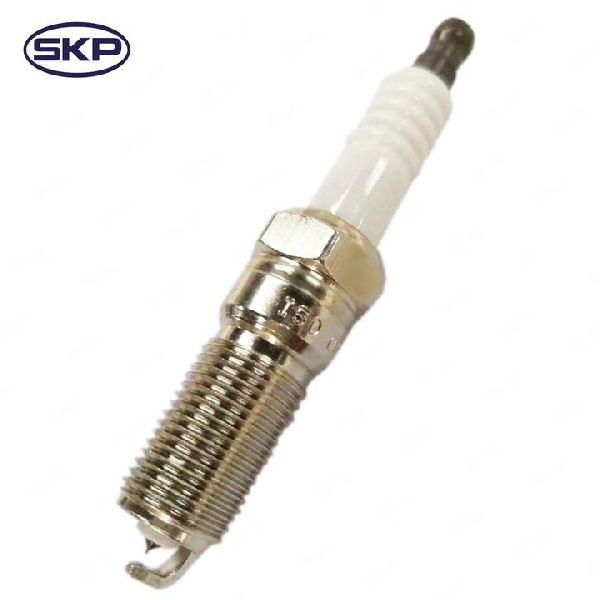
Typical fix: Replace all spark plugs with OEM Iridium plugs (ACDelco 41-103) and any faulty ignition coils (ACDelco 12568062).
Est. part cost: $40-$250 - Faulty Manifold Absolute Pressure (MAP) Sensor Wiring 🟡 Medium Probability → Shop Manifold Absolute Pressure Sensor A GM Technical Service Bulletin (#PIP4409F) specifically notes that the wires in the MAP sensor circuit can break internally near the connector, even if the outer insulation looks fine. This causes an erratic signal, leading to improper fueling and misfires.
How to confirm: With the engine running, wiggle the wires near the MAP sensor connector. If the engine idle changes, stumbles, or stalls, the wiring is faulty. This is a more common failure than the sensor itself.
Typical fix: Repair the broken wire or replace the MAP sensor connector pigtail.
Est. part cost: $15-$40 - Vacuum Leak 🟡 Medium Probability The PCV hose at the back of the intake manifold is a known weak point that can become brittle, collapse, or crack, causing an unmetered air leak and often a P0171 (System Too Lean) code along with P0300.
How to confirm: A smoke test is the most effective way to find the source of a vacuum leak. Visually inspect all vacuum hoses for cracks or disconnection, paying close attention to the PCV hose connected to the intake manifold.
Typical fix: Replace the cracked or broken vacuum hose or gasket.
Est. part cost: $10-$50 - Dirty or Clogged Fuel Injectors ⚪ Low Probability → Shop Fuel Injector Fuel injectors can become clogged with deposits over time, leading to a poor spray pattern or insufficient fuel delivery, causing a lean misfire.
How to confirm: A fuel injector balance test can identify injectors with poor flow. Swapping injectors between cylinders can also help diagnose if the misfire moves.
Typical fix: Professional fuel system cleaning or replacement of clogged injectors.
Est. part cost: $50-$150 per injector
Rare But Worth Checking
- Low Fuel Pressure: A weak fuel pump or clogged fuel filter can affect all cylinders simultaneously, causing random misfires under load. A fuel pressure test at the fuel rail can confirm this; pressure should be between 55-60 PSI with the key on, engine off.
- Carbon Buildup on Intake Valves: While more common on direct-injection engines, carbon can still build up on the intake valves of these port-injected engines over many miles, disrupting airflow at idle and causing misfires. TSB #PIP5029C mentions this possibility. A borescope inspection is needed to confirm.
- Worn Camshaft Lobe(s): → Shop Engine Camshaft TSB #PIP4138P indicates that after other diagnostics are exhausted, a worn camshaft lobe could be the cause of P0300 codes. This is a significant mechanical engine failure requiring valve cover removal for visual inspection.
Diagnosis Steps
- Read all stored fault codes with an OBD-II scanner. Pay close attention to any other codes that accompany P0300, especially P0171 or P0014/P0017.
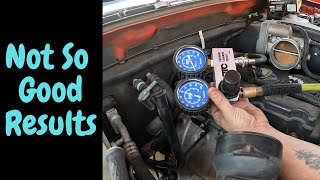
- CRITICAL STEP: Perform a cylinder compression test on a cold engine. Healthy cylinders should read 150-185 PSI. Any cylinder reading significantly lower, or high variance between cylinders, points to the common cylinder head/valve seat failure. Do not skip this step. 🎬 See a professional technician diagnose a GMT355 platform misfire.
- If compression is good, proceed with further diagnosis. Use a scan tool with live data to monitor misfire counts for each cylinder to see if the misfire is truly random or favors certain cylinders.
- Inspect the basics: check the condition of the air filter and visually inspect all vacuum and PCV hoses for cracks or damage, especially the hose at the rear of the intake manifold.
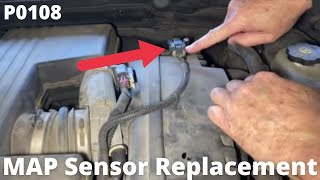
- Perform a 'wiggle test' on the MAP sensor wiring harness with the engine running to check for internal breaks as described in TSB #PIP4409F.
- Inspect and test the Camshaft Position Actuator Solenoids. They can be removed (10mm bolt) and checked for damaged screens or sludge. Consider swapping the intake and exhaust solenoids to see if any cam-related trouble codes change.
- Inspect spark plugs for wear, damage, or heavy deposits. Ensure they are OEM-spec Iridium plugs gapped to .042".
- Test the ignition coils. A common method is to swap a coil from a misfiring cylinder to a non-misfiring cylinder and see if the misfire code follows the coil.
- Test fuel pressure to ensure the fuel pump and filter are functioning correctly. Pressure should be 55-60 PSI (key on, engine off).
- If all other tests fail, a cylinder leak-down test can confirm valve sealing issues, and removing the valve cover to inspect camshaft lobes for wear may be necessary.
Parts You'll Likely Need
- Cylinder Head Assembly — The most common major failure causing P0300 on this platform due to a factory valve seat defect. Replacement with an updated head is the only permanent fix for a compression-related misfire.
- Camshaft Position Actuator Solenoid
(OEM #12615873)— A very common failure item that causes erratic timing and misfires. Owners strongly recommend using the ACDelco OEM part. - Spark Plugs
(OEM #41-103)— A primary maintenance item and a common cause of misfires when worn or fouled. Often replaced first, but may not be the root cause on this vehicle. - Ignition Coil
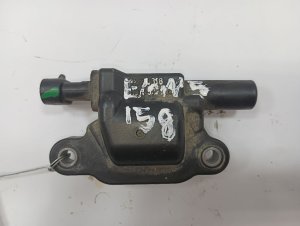
(OEM #12568062)— A common wear item that can fail and cause misfires. It's crucial to diagnose which coil is bad before replacing them all. - MAP Sensor Connector Pigtail — The wiring near the MAP sensor connector is known to break internally, per TSB #PIP4409F, causing MAP-related codes and misfires.
- PCV Hose — This hose is known to crack or collapse, causing a major vacuum leak that triggers P0300 and P0171 codes.
Related Codes That Often Appear With This One
- P0171 — This 'System Too Lean' code often appears with P0300 when the cause is a vacuum leak, such as a cracked PCV hose or intake manifold gasket, allowing unmetered air into the engine.
- P0106, P0107, P1107 — These codes are all related to the Manifold Absolute Pressure (MAP) sensor. They frequently accompany P0300 when the cause is the known MAP sensor wiring issue described in TSB #PIP4409F.
- P0014, P0017 — These camshaft position timing codes point directly to a problem with the VVT system. They are a strong indicator that a failing Camshaft Position Actuator Solenoid is the root cause of the P0300 misfire.
- P0301-P0305 — If the random misfire begins to happen more frequently on specific cylinders, the ECM may log these cylinder-specific codes alongside P0300. This can help in diagnosing a faulty coil or injector.
Technical Service Bulletins (TSBs) & Recalls
- PIP5628G: Information for diagnosing misfire codes P0300-P0308.
- PIP4409F: Inspection of MAP sensor circuits for internal breaks.
- PIP4138P: Checking for worn camshaft lobes for P0300-P0308.
- PIP4959E: Diagnosing cold start misfires and P0300 due to coolant leaks.
- PIP4013D: Recommends a cylinder leakage test for unresolved P0300 codes.
Platform-Specific Known Issues
- Premature Valve Seat/Guide Wear: The most notorious issue for the Atlas engines (I4 and I5) used in the 2004-2012 Canyon/Colorado and 2006-2010 H3. The intake valve seats were not sufficiently hardened from the factory, leading to wear, loss of compression, and a persistent P0300 code that a tune-up cannot fix. A compression test is the key diagnostic.
- Faulty Camshaft Position Actuator Solenoids: → Shop Engine Camshaft These VVT solenoids are a high-failure item. They get clogged with sludge or the internal screens can disintegrate, causing incorrect camshaft timing that the ECM interprets as a misfire. Often throws P0014/P0017 but can also be the sole cause of P0300.
- Broken MAP Sensor Wires: → Shop Manifold Absolute Pressure Sensor GM TSB #PIP4409F details a specific problem where the wires for the MAP sensor break inside the insulation near the connector. This causes an erratic signal to the ECM, leading to incorrect air-fuel calculations and random misfires. A 'wiggle test' of the harness often confirms the issue.
Mechanic-Grade Diagnostic Values
- Camshaft Position Actuator Solenoid (VVT Solenoid) Resistance — expected: 8 to 13 Ohms. Failure: A reading outside this range, or a wildly fluctuating reading when wiggling the connector, indicates a failed solenoid.
- Fuel Pressure (Key On, Engine Off) — expected: 55 to 62 PSI. Failure: Pressure significantly below this range indicates a weak fuel pump or clogged filter, which can cause a lean misfire condition across all cylinders.
Scan Tool Commands That Help
- Tech2 / GDS2 or equivalent bidirectional scanner: Crankshaft Position (CASE) Variation Relearn — This procedure is critical after replacing a crankshaft position sensor, engine, or ECM. It must also be performed after many repairs that can affect engine balance or rotational speed, such as flywheel or harmonic balancer replacement. Failure to perform the relearn can cause the ECM to incorrectly detect misfires and set a P0300 code.
- Tech2 / GDS2 or equivalent bidirectional scanner: Idle Learn / Throttle Relearn — After cleaning or replacing the electronic throttle body, the ECM's learned values for idle airflow will be incorrect. This can cause an unstable idle that may be interpreted as a misfire. Running the idle learn function, or performing the manual relearn procedure, resets these values.
Wiring & Ground Locations
- G103 / G104 — Located on the lower left (driver's) side of the engine block.. These are primary grounds for the Engine Control Module (ECM). Corrosion or a loose connection at these points can cause a host of erratic issues, including phantom misfires and incorrect sensor readings.
- G107 — Located on the rear of the cylinder head.. This ground is critical for ignition components. A poor connection here can lead to a weak spark, causing random misfires. It is often overlooked during diagnosis.
- MAP Sensor Connector — On the intake manifold.. As noted in TSB #PIP4409F, the wires can break *inside* the insulation near the connector. A visual inspection may not be sufficient; a 'wiggle test' of the harness while the engine is running is required to identify this fault.
Real Owner Repair Stories
- 355nation.net forum user (2009 Chevrolet Colorado (same GMT355 platform and engine family)) — Persistent P0300 code with rough idle.
❌ Tried (didn't work) Replaced spark plugs, Replaced ignition coils, Replaced VVT solenoid, Cleaned throttle body, Cleaned MAF sensor
✅ What actually fixed it The owner performed a compression test which revealed low compression in two cylinders. The final repair was a complete cylinder head replacement, which resolved the misfire code. This confirms the high probability of mechanical valve train failure on this platform.
OEM Part Supersession History
12615873→12679099 (or latest GM number)— This is the Camshaft Position Actuator Solenoid. Part has been updated by GM over the years to improve reliability.
Heads up: While multiple part numbers exist and may fit, it is highly recommended by forum communities and technicians to use only the latest genuine GM or ACDelco part, as aftermarket versions are widely reported to have a high premature failure rate.
Helpful Videos

Used OEM Parts in Stock
New Aftermarket Parts Available

The information in this article is provided for general reference and educational purposes only. Vehicle specifications, procedures, and part compatibility can vary by production date, trim level, and region. Always consult your vehicle's factory service manual and verify part numbers before purchasing or performing repairs. Safety-critical components such as airbags, seat belts, and braking systems should be installed by a qualified professional.
- Gmc CANYON:
- 🧭 Diagnostic Flowchart
- 🎬 Helpful Videos
- 🛍️ Shop This Part
- What's Unique About the 2012-2012 Gmc CANYON
- Symptoms You May Notice
- Most Likely Causes
- Rare But Worth Checking
- Diagnosis Steps
- Parts You'll Likely Need
- Related Codes That Often Appear With This One
- Technical Service Bulletins (TSBs) & Recalls
- Platform-Specific Known Issues
- Mechanic-Grade Diagnostic Values
- Scan Tool Commands That Help
- Wiring & Ground Locations
- Real Owner Repair Stories
- OEM Part Supersession History
- 🎟️ Get 5% Off