

P0300 on 2015-2022 GMC Canyon: Random Misfire Causes and Fixes for V6 and I4 Engines
P0300 on a 2015-2022 GMC Canyon indicates random cylinder misfires. The most common causes are worn spark plugs or failing ignition coils. However, several GM Technical Service Bulletins (TSBs) point to specific issues on V6 engines like faulty Active Fuel Management (AFM) oil control valve (OCV) solenoids or, in rare cases, cold-start misfires from coolant leaks into a cylinder due to engine block porosity. Deeper diagnosis may reveal the need for intake valve cleaning on GDI engines, or in som
- P0300 means multiple cylinders are misfiring, not just one.
- Start your diagnosis with the most common culprits: spark plugs and ignition coils. These are regular maintenance items and the most likely cause.
- Do not ignore a flashing check engine light, as it signals a severe misfire that can destroy your catalytic converter.
- Be aware of GM-specific issues outlined in TSBs, such as faulty OCV solenoids on V6 models, if the simple fixes don't work.
- If the misfire only happens when the engine is cold, it could point to the rare but serious coolant leak issue described in TSB 18-NA-115.
What's Unique About the 2015-2022 Gmc CANYON
For the second-generation GMC Canyon (2015-2022) and its platform-mate, the Chevrolet Colorado, the P0300 code is often a straightforward ignition system issue. However, this platform, particularly models with the 3.6L V6 engine (LFX for 2015-2016, LGZ for 2017-2022), is subject to several specific problems documented by GM. Technical Service Bulletin #21-NA-036 addresses misfires on AFM cylinders (2 and 5) caused by damaged oil control valve (OCV) solenoids. More rarely, TSB #18-NA-115 describes cold-start misfires due to engine block porosity allowing coolant into the cylinders, a condition that may require engine replacement. On these direct-injection engines, heavy carbon buildup on intake valves is a known cause of misfires that requires media blasting to resolve. Finally, on higher mileage vehicles, a P0300 can be falsely triggered by drivetrain vibrations from a failing torque converter or cracked flexplate, which the crankshaft position sensor misinterprets as an engine misfire.
Diagnostic Flowchart
Tap your situation to follow the diagnostic path that matches what you're seeing on this vehicle.
Symptoms You May Notice
- Rough or shaking idle.
- Engine hesitation or stumbling during acceleration.
- Noticeable loss of engine power.
- Flashing or solid Check Engine Light.
- Decreased fuel economy.
- Difficulty starting the engine.
- Engine cuts out unexpectedly.
- Whistling, hissing, or sucking noises from the engine bay, indicating a vacuum leak.
- Replacing only one spark plug or coil when multiple are worn.
- Replacing oxygen sensors when the root cause is a vacuum leak or fuel delivery issue that is causing the lean condition.
- Assuming a major engine problem before thoroughly checking the ignition system, fuel system, and for vacuum leaks.
- Replacing an engine for what appears to be block porosity when it's actually normal deck pitting. TSBs provide images to differentiate between the two.
Most Likely Causes
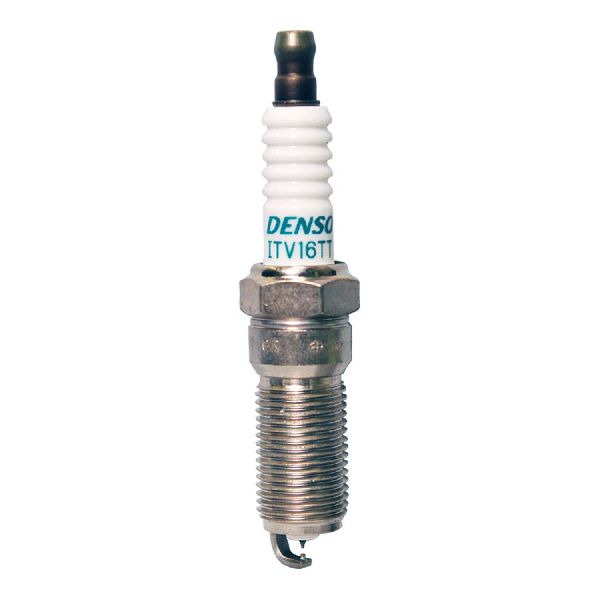
- Worn or Fouled Spark Plugs 🔴 High Probability → Shop Spark Plug Spark plugs are a primary wear item. On the direct-injected engines in these trucks, carbon buildup can occur. Plugs can also become fouled by oil if the engine is consuming oil. Owners often report that replacing original plugs after 60,000-100,000 miles resolves misfire issues.
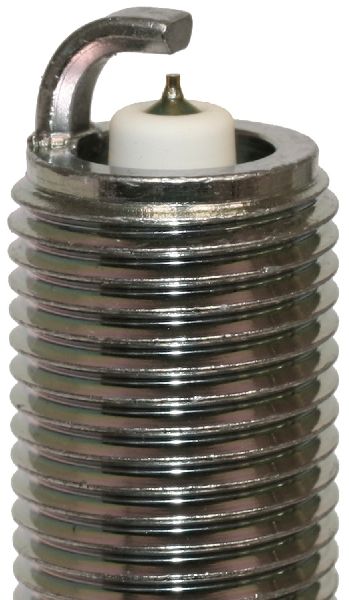
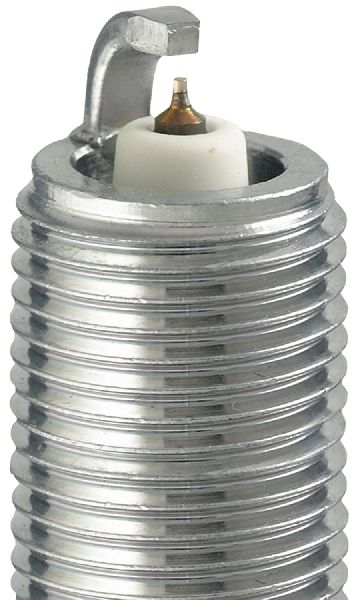
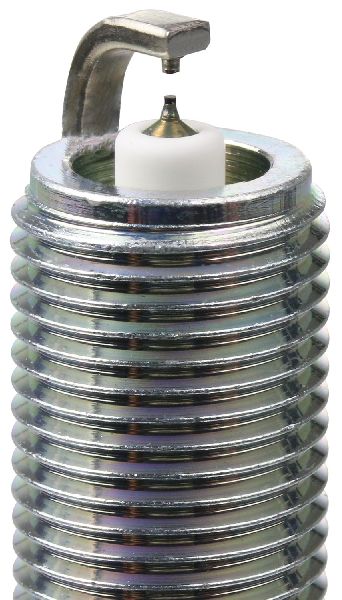
How to confirm: Remove the spark plugs and inspect them for wear (worn electrode), carbon buildup, oil fouling, or coolant contamination (white deposits). An incorrect spark plug gap can also cause misfires. A plug that is wet with fuel, oil, or coolant points to a more specific problem.
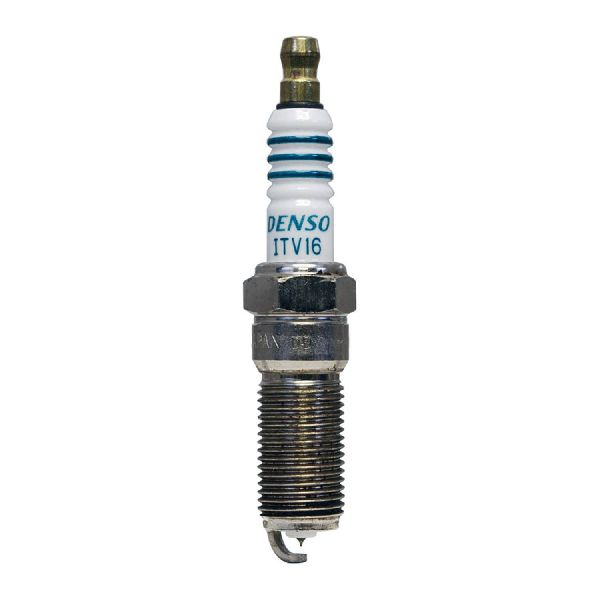
Typical fix: Replace all spark plugs as a set. It is highly recommended to use OEM-spec ACDelco Iridium plugs. For the 3.6L V6 (LFX/LGZ), the common part is ACDelco 41-162. For the 2.5L I4, a common part is ACDelco 41-160. 🎬 Watch: Step-by-step spark plug replacement for the 2.5L engine.
Est. part cost: $50-$150 - Failing Ignition Coils 🔴 High Probability → Shop Ignition Coil Like spark plugs, coil-on-plug ignition coils are wear items that can fail with age and heat cycles, causing misfires. While one failing coil usually sets a specific cylinder code (e.g., P0304), an intermittent failure or multiple weak coils can trigger a P0300. Using cheap, non-OEM coils has been reported to cause persistent P0300 codes.
How to confirm: If you suspect a coil, you can swap it with a coil from a known good cylinder. Clear the codes and run the engine. If the misfire code moves to the new cylinder (e.g., changes from P0302 to P0304), the coil is bad.
Typical fix: Replace the faulty ignition coil. It is often recommended to replace all coils at once if the vehicle has high mileage. The OEM part for many V6 models is the ACDelco D521C (GM #25198623). 🎬 See how to remove the intake manifold and replace coils.
Est. part cost: $40-$100 per coil - Damaged AFM Oil Control Valve (OCV) Solenoid 🟡 Medium Probability → Shop Engine Variable Valve Timing (VVT) Oil Control Valve TSB #21-NA-036 specifically calls out this issue on 2017-2022 Canyon/Colorado models with the 3.6L V6 engine. A damaged OCV solenoid can leak oil, causing inadequate oil pressure for the Active Fuel Management (AFM) system. This can cause the AFM cylinders (#2 and #5) to misfire, especially after transitioning from V4 to V6 mode, triggering a P0300, P0302, or P0305.
How to confirm: Inspect the OCV solenoids in the camshaft cover for damage or oil leaks. The bulletin notes that the end of the solenoid can break off and get stuck in the bore, which must be cleared. This issue may also be related to faulty rockers on the AFM cylinders.
Typical fix: Replace the damaged OCV solenoid and ensure the bore is clear of any broken pieces. If rockers are found to be the issue, they may also need replacement.
Est. part cost: $50-$120 - Vacuum Leak 🟡 Medium Probability Aging rubber hoses, a leaking intake manifold gasket, or a faulty PCV valve can introduce unmetered air into the engine, leaning out the air-fuel mixture and causing random misfires. This is a common cause for P0300 on many GM vehicles, especially as they age.
How to confirm: Visually inspect all vacuum lines for cracks or loose connections. A professional smoke test is the most effective way to find hard-to-see leaks. You can also carefully spray brake cleaner or unlit propane around the intake manifold gasket with the engine idling; a change in engine RPM indicates a leak.
Typical fix: Replace the cracked hose, leaking gasket, or faulty valve. When replacing the intake manifold gasket, the throttle body seal should also be replaced.
Est. part cost: $10-$300 - Clogged or Dirty Fuel Injectors ⚪ Low Probability → Shop Fuel Injector The direct injection (GDI) systems on these engines can be prone to carbon buildup. While carbon on intake valves is more discussed, fuel injectors can also become clogged over time, disrupting the spray pattern and leading to a lean condition and misfires. Some owners have resolved rough idle and P0300 codes by using a quality fuel system cleaner.
How to confirm: A fuel system cleaning may resolve minor issues. For a definitive diagnosis, a technician can perform a fuel injector balance test to measure the flow rate of each injector. In a diagnostic video on a 2016 Colorado, heavy carbon buildup on intake valves was found to be the cause of a P0300 and P0303, requiring walnut shell blasting to clean. 🎬 Watch: Diagnostic walkthrough for a 3.6L misfire and carbon buildup.
Typical fix: Professionally clean the fuel injectors or replace them if they are faulty. For carbon on intake valves, media blasting (e.g., walnut shells) is the effective cleaning method.
Est. part cost: $70-$200 per injector, or $400-$800 for valve cleaning service
Rare But Worth Checking
- Engine Block Porosity (Coolant Leak): → Shop Engine Block TSB #18-NA-115 (superseding PIP4959G) describes a rare condition on 3.6L engines where porosity in the cylinder block casting allows a small amount of coolant to leak into a cylinder. This typically causes a misfire on a cold start that disappears as the engine warms up. Diagnosis involves adding dye to the coolant and using a borescope to check for a 'clean' spot on the piston or a break in the carbon ring at the deck face. The official fix is engine replacement.
- Low Fuel Pressure: A weak fuel pump or clogged fuel filter can reduce fuel pressure, affecting all cylinders and causing random misfires, especially under load. This should be checked with a fuel pressure gauge if ignition and vacuum issues are ruled out.
- Faulty Crankshaft Position Sensor: → Shop Engine Crankshaft Position Sensor A failing crankshaft position sensor can send incorrect data to the ECM, disrupting ignition timing and causing random misfires. This will usually be accompanied by other codes related to the sensor itself, such as P0336.
- Leaking Spark Plug Tube Seals: → Shop Spark Plug TSB #21-NA-147 notes that on some 3.6L engines, the spark plug tubes, which are permanently sealed into the cylinder head, can develop leaks. This allows oil or coolant to fill the spark plug well, shorting out the ignition coil and causing a misfire. The fix requires replacing the entire cylinder head.
Diagnosis Steps
- Read the Codes & Freeze Frame: Use an OBD-II scanner to confirm P0300 and check for any other codes (like P0301-P0306 or P0171/P0174) that can help pinpoint the issue. Note the freeze frame data to see the engine conditions (RPM, load, temperature) when the misfire occurred. Check Mode $06 data for misfire counts per cylinder, which can identify problem cylinders before a specific code is set.
- Inspect Ignition System: Visually inspect all ignition coils and wiring for damage. Remove and inspect the spark plugs for wear, fouling (oil, carbon, coolant), or damage. Ensure they are the correct OEM-spec plugs (e.g., ACDelco Iridium).
- Test Ignition Coils: If a specific cylinder is also misfiring (e.g., P0302), swap the ignition coil from that cylinder with one from a known good cylinder. Clear the codes and run the engine. If the code moves to the new cylinder, the coil is bad.
- Check for Vacuum Leaks: Inspect all vacuum hoses for cracks and ensure they are properly connected. Listen for hissing sounds around the intake manifold. A professional smoke test is the most reliable way to find leaks. Alternatively, carefully spray flammable brake cleaner or propane around gasket surfaces while idling and listen for an RPM change.
- Test Fuel System: Check the fuel pressure to ensure the fuel pump and regulator are working correctly. If pressure is good, consider using a quality fuel system cleaner like Seafoam, as some owners report success with it for minor injector issues. For persistent issues, have the fuel injectors professionally tested.
- Check TSB-Related Issues (V6): If you have a 3.6L V6, investigate the potential causes outlined in TSBs. For misfires on cylinders 2 or 5, inspect the AFM OCV solenoid per TSB #21-NA-036. For cold-start misfires, follow the diagnostic procedure for block porosity in TSB #18-NA-115, which involves a coolant dye test and borescope inspection.
- Inspect Mechanical Condition: If all else fails, a compression test or cylinder leak-down test can determine if there are internal engine problems like a bad valve, worn piston rings, or a blown head gasket. Zero compression on a cylinder after a misfire event could indicate bent valves.
Parts You'll Likely Need
- Spark Plugs
(OEM #12622561)— Spark plugs are the most common wear item causing misfires. Replacing them is a primary step in a tune-up and often resolves a P0300 code.
Trusted brands: ACDelco, NGK
OEM price range: $10-$20 per plug
Aftermarket price range: $8-$15 per plug - Ignition Coil
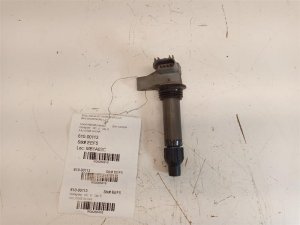
(OEM #12674754)— Ignition coils provide the high voltage for the spark plugs and are another common failure point for misfires.
Trusted brands: ACDelco, Delphi, Hitachi
OEM price range: $70-$120
Aftermarket price range: $40-$80 - AFM Oil Control Valve (OCV) Solenoid — Specifically cited in a TSB for causing misfires on V6 models by affecting the Active Fuel Management system.
Trusted brands: ACDelco
OEM price range: $70-$120
Aftermarket price range: $40-$80 - Intake Manifold Gasket — A leaking intake manifold gasket is a common source of a vacuum leak, which throws off the air-fuel ratio and causes random misfires.
Trusted brands: ACDelco, Fel-Pro
OEM price range: $40-$80
Aftermarket price range: $20-$50
Related Codes That Often Appear With This One
- P0301-P0306 — These codes indicate a misfire on a specific cylinder (e.g., P0301 for cylinder 1). They often appear with P0300 when the misfire is happening frequently on certain cylinders but also randomly on others. TSB #21-NA-036 specifically links P0300 with P0302 and P0305 on V6 models.
- P0171/P0174 — These codes indicate a "System Too Lean" condition on Bank 1 and Bank 2, respectively. They commonly appear with P0300 when the misfire is caused by a vacuum leak or a fuel delivery problem that affects the overall air-fuel ratio.
- P050D — This code for "Cold Start Rough Idle" is mentioned alongside P0300 in TSBs #PIP5628G and #PIE0688A, indicating they can be related, especially during cold starts, and may point towards the rare block porosity issue.
Technical Service Bulletins (TSBs) & Recalls
- TSB #21-NA-036: Addresses MIL illumination with P0300, P0302, and/or P0305 on 3.6L V6 engines due to a damaged AFM oil control valve (OCV) solenoid or non-latching rockers.
- TSB #18-NA-115: Details diagnosis for a rare cold-start misfire (P0300) caused by engine block porosity allowing coolant into a cylinder, often requiring engine replacement.
- TSB #21-NA-147: Describes oil or coolant leaking into a spark plug tube from a porous cylinder head casting, causing misfires. Requires cylinder head replacement.
- TSB #PIP5628G / #PIE0688A: Preliminary information bulletins requesting diagnostic data from the field for vehicles with P0300 and/or P050D (Cold Start Rough Idle).
- TSB #PIP5493C: Discusses P0300 on 2017 models with the 3.6L LGZ/LGX engine, recommending an ECM calibration update as a first step before further diagnosis.
Platform-Specific Known Issues
- Active Fuel Management (AFM) System Misfires (V6): The 3.6L V6 engine features AFM, which deactivates cylinders 2 and 5 under light load to save fuel. TSB #21-NA-036 confirms that faulty oil control solenoids for this system can cause oil pressure bleed-off, leading to misfires specifically on these cylinders that register as P0300, P0302, or P0305. In severe cases, AFM lifter or rocker arm failure can cause catastrophic engine damage.
- Engine Block/Head Porosity (V6): → Shop Engine Block A known but rare manufacturing defect in some 3.6L V6 engine blocks and heads can cause microscopic pores in the aluminum casting. TSB #18-NA-115 addresses coolant leaking into a cylinder from block porosity, causing a cold-start misfire. TSB #21-NA-147 addresses a similar issue where the spark plug tubes, sealed into the head, leak oil or coolant into the plug well. Both are serious issues that often require major engine work (head or full engine replacement).
- Carbon Buildup on Intake Valves (GDI): As with many Gasoline Direct Injection (GDI) engines, the 2.5L I4 and 3.6L V6 do not have fuel washing over the back of the intake valves. This can lead to significant carbon buildup over time, which can prevent the valves from sealing properly and cause misfires. This is often diagnosed after common ignition and fuel system checks fail to solve the problem and is fixed by media blasting the valves.
Mechanic-Grade Diagnostic Values
- Fuel Trim (Short Term and Long Term) — expected: Ideally close to 0%, but generally within +/- 8% at idle and under steady load.. Failure: Consistently high positive trims (e.g., > +10%) suggest a vacuum leak or low fuel delivery. Consistently high negative trims suggest an issue like a leaking injector.
- Misfire Counter (Mode 6 Data) — expected: Zero or very few counts on all cylinders on a healthy engine.. Failure: A high number of misfire counts on multiple, random cylinders confirms the P0300. If counts are high on specific cylinders (e.g., 15,000+ on cylinder 3 as seen in one case), it helps focus diagnosis even with a general P0300 code.
Hidden / Shadow Codes Worth Checking
- P1336: Crankshaft Position (CKP) System Variation Not Learned. This code indicates that the ECM has not learned the minor variations in the crankshaft reluctor wheel. It can be set after replacing an ECM, crankshaft position sensor, or sometimes from significant timing chain wear. Performing the 'Crankshaft Variation Relearn' procedure is required to clear it. (see via A professional-level scan tool like a GM Tech2, GDS2, or equivalent (e.g., VXdiag with Tech2Win software).)
Scan Tool Commands That Help
- GDS2 / Tech2 / Professional Scan Tool: Crankshaft Position Variation Learn (CASE Relearn) — This procedure is mandatory after replacing the crankshaft position sensor, the ECM, or the engine. It can also resolve a P0300 on high-mileage engines where timing chain stretch has caused the crank/cam correlation to drift out of spec.
- GDS2 / Tech2 / Professional Scan Tool: Cylinder Power Balance Test — This test deactivates one cylinder at a time and measures the RPM drop. A cylinder with less RPM drop is contributing less power. This helps identify weak cylinders even if they aren't misfiring enough to set a specific P030x code.
- HP Tuners / Advanced Scan Tool: Disable Torque Converter Lock-up — To diagnose a suspected drivetrain-induced misfire. If the P0300 code or felt misfire disappears when the torque converter is prevented from locking up, it strongly suggests the issue is with the torque converter or transmission, not the engine itself.
Wiring & Ground Locations
- G102 — Typically located on the lower left (driver's) side of the engine block.. This is a primary ground point for the ignition coils. A poor connection here can cause weak or intermittent spark across multiple cylinders, leading directly to a P0300 code.
- G103 / G104 — Typically located on the cowl or firewall area in the rear of the engine compartment, often near the brake booster.. These are major body and module grounds. They ground the BCM, Instrument Panel Cluster (IPC), and Data Link Connector (DLC). A bad ground here can cause a wide range of bizarre electrical issues, including communication problems that could potentially be misinterpreted or contribute to a P0300.
- ECM/PCM Ground — A dedicated ground wire running from the main engine wiring harness to a bolt on the top or side of the engine block/cylinder head.. This is the most critical ground for the Engine Control Module. If this ground is loose, corroded, or broken, the ECM gets faulty sensor readings and cannot properly control spark and fuel, making it a prime suspect for a persistent P0300 code with no other obvious cause.
Real Owner Repair Stories
- YouTube channel 'Ford boss me' (2016 Chevrolet Colorado 3.6L V6 with 207,000 km) — Running rough, loss of power, flashing check engine light, codes P0300 and P0303.
❌ Tried (didn't work) Initial diagnosis focused on ignition and fuel.
✅ What actually fixed it The root cause was extreme carbon buildup on the intake valves, particularly on cylinder #3. The fix required removing the intake manifold and performing a walnut shell media blasting service to clean the valves. After cleaning and reassembly with new spark plugs, the misfire was resolved. - CorvetteForum user discussion (GM vehicle (C6 Corvette, but principle applies to Canyon)) — Persistent P0300 code, sometimes accompanied by a jolt or shudder when the transmission shifts or the torque converter locks up.
❌ Tried (didn't work) Engine replacement, Spark plugs, Wires, Catalytic converters, Throttle body, Fuel pump
✅ What actually fixed it The issue was identified as being related to the drivetrain, not the engine. A faulty torque converter or worn torque tube couplers can create a vibration or momentary change in crank speed when locking up, which the crankshaft position sensor misinterprets as an engine misfire, setting a P0300. Disabling the torque converter lock-up with a scan tool for testing can confirm this diagnosis. - GM-Trucks.com forum user (2003 Yukon XL 6.0L (high mileage, but principle applies)) — Flashing check engine light at highway speeds with a P0300 code, preventing torque converter lockup.
❌ Tried (didn't work) Standard misfire diagnosis did not reveal an obvious cause.
✅ What actually fixed it The fix was performing a Cam/Crank phasing relearn (Crankshaft Position Variation Learn) with an advanced scan tool. On high-mileage engines, timing chain stretch can cause the cam and crank sensor signals to fall out of their expected alignment, triggering a P0300. The relearn procedure resets the baseline values in the PCM to account for the wear, resolving the false misfire code.
"I Checked Everything" — The Actual Cause
- A common 'mechanic's nightmare' scenario for P0300 on this platform is when all ignition, fuel, and vacuum tests (including a smoke test) come back clean. In these cases, the root cause is often not the engine itself but the drivetrain. A failing torque converter that shudders on lockup, or a cracked flexplate, can introduce vibrations or rotational inconsistencies. The crankshaft position sensor detects these anomalies and incorrectly reports them to the ECM as engine misfires, triggering a P0300 code that seems impossible to solve by looking at the engine alone.
When the Usual Fixes Don't Work
- While the most common fixes for P0300 involve the ignition system (plugs and coils), a significant number of owner and technician reports for the GMC Canyon and similar GM trucks indicate that these repairs do not solve the problem. In these cases, the actual cause was often found to be either heavy carbon buildup on the intake valves requiring a manual cleaning service, or a drivetrain component like the torque converter causing a false misfire signal. This demonstrates that if new plugs and coils don't fix the issue, the next diagnostic step should not be to simply try different brands of ignition parts, but to investigate these other known, less obvious causes.
OEM Part Supersession History
ACDelco 41-123 (GM #12637199)→ACDelco 41-162 (GM #19417055)— Likely a design update for improved performance, durability, or to address fouling issues on GDI engines.
Heads up: The newer 41-162 plug is a direct replacement for the 41-123 in this application and should be used. Installing old stock 41-123 plugs is not recommended.
Model Year Variations Within This Range
- 2015-2016: These model years used the 3.6L LFX V6 engine paired with a 6-speed automatic transmission. This engine has a different architecture than the later LGZ.
- 2017-2022: These model years feature the redesigned 3.6L LGZ V6 engine and a new 8-speed automatic transmission. The LGZ is a 'clean sheet redesign' with changes to the block, heads, timing drive, and Active Fuel Management (AFM) system. TSBs like #21-NA-036 regarding the OCV solenoid are specific to this later powertrain.
Helpful Videos
Used OEM Parts in Stock
New Aftermarket Parts Available


The information in this article is provided for general reference and educational purposes only. Vehicle specifications, procedures, and part compatibility can vary by production date, trim level, and region. Always consult your vehicle's factory service manual and verify part numbers before purchasing or performing repairs. Safety-critical components such as airbags, seat belts, and braking systems should be installed by a qualified professional.
- Gmc CANYON:
- 🧭 Diagnostic Flowchart
- 🎬 Helpful Videos
- 🛍️ Shop This Part
- What's Unique About the 2015-2022 Gmc CANYON
- Symptoms You May Notice
- Most Likely Causes
- Rare But Worth Checking
- Diagnosis Steps
- Parts You'll Likely Need
- Related Codes That Often Appear With This One
- Technical Service Bulletins (TSBs) & Recalls
- Platform-Specific Known Issues
- Mechanic-Grade Diagnostic Values
- Hidden / Shadow Codes Worth Checking
- Scan Tool Commands That Help
- Wiring & Ground Locations
- Real Owner Repair Stories
- "I Checked Everything" — The Actual Cause
- When the Usual Fixes Don't Work
- OEM Part Supersession History
- Model Year Variations Within This Range
- 🎟️ Get 5% Off