

P0300 on 2004-2008 GMC Savana: Random Misfire Causes and Fixes
P0300 on a 2004-2008 GMC Savana indicates a random/multiple cylinder misfire. The most common causes are worn spark plugs, faulty ignition coils or wires, and vacuum leaks from the intake manifold gasket. While these are often simple DIY fixes, be aware of a known issue with worn camshafts on these Vortec engines, which is a much more serious repair.
- P0300 means a random misfire is detected, most often caused by worn-out tune-up parts like spark plugs, wires, or coils.
- A very common issue on these GMC Savana vans is a leaking intake manifold gasket, which will cause a P0300 often accompanied by lean codes (P0171, P0174).
- Do not ignore a flashing check engine light; it signals a severe misfire that can quickly damage your expensive catalytic converter.
- If basic ignition and fuel system checks do not solve the misfire, be aware of a known, more serious issue with worn camshafts on these engines, as documented in TSB #PIP4138R.
What's Unique About the 2004-2008 Gmc SAVANA
The 2004-2008 GMC Savana, typically equipped with a Vortec V6 or V8 engine (4.3L, 4.8L, 5.3L, 6.0L), is prone to a few specific issues that cause a P0300 code. Beyond the usual tune-up parts, these engines are well-known for intake manifold gasket failures, which create vacuum leaks and disrupt the air-fuel mixture. This issue is so common that a rough idle appearing only when the engine is warm is a classic symptom. More critically, as cited by manufacturer Technical Service Bulletin (TSB) #PIP4138R, these engines can suffer from worn camshaft lobes, a serious mechanical issue that can cause a persistent, hard-to-diagnose misfire accompanied by a ticking or chirping noise.
Diagnostic Flowchart
Tap your situation to follow the diagnostic path that matches what you're seeing on this vehicle.
Symptoms You May Notice
- Rough or shaky idle
- Hesitation or stumbling during acceleration
- Flashing Check Engine Light
- Reduced fuel economy
- Engine running rough or shaking
- Hard starting
- Smell of unburned fuel from the exhaust
- Engine noise described as a chirp, squeak, or tick (related to camshaft wear)
- Replacing only one spark plug or coil when the root cause is a vacuum leak or low fuel pressure.
- Replacing oxygen sensors. While a bad O2 sensor can contribute to fuel mixture problems, it's rarely the direct cause of a P0300 and is more often a symptom of the misfire itself or a vacuum leak.
- Replacing the Mass Airflow (MAF) sensor. While a dirty MAF can cause performance issues, it's less likely to be the primary cause of a P0300 compared to vacuum leaks or ignition faults.
Most Likely Causes
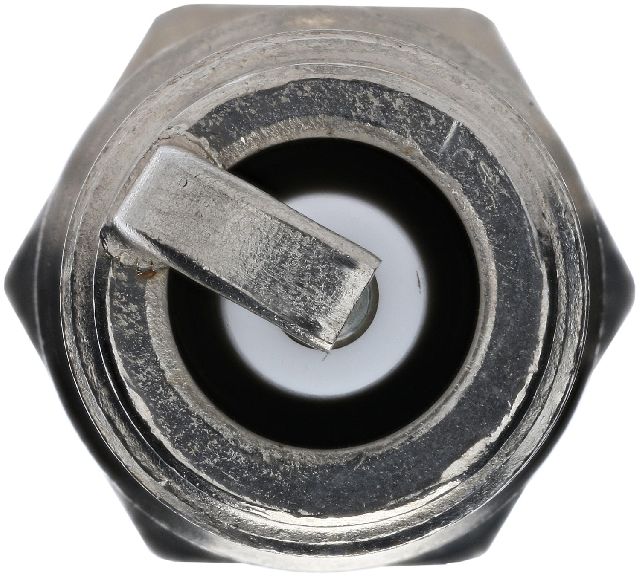
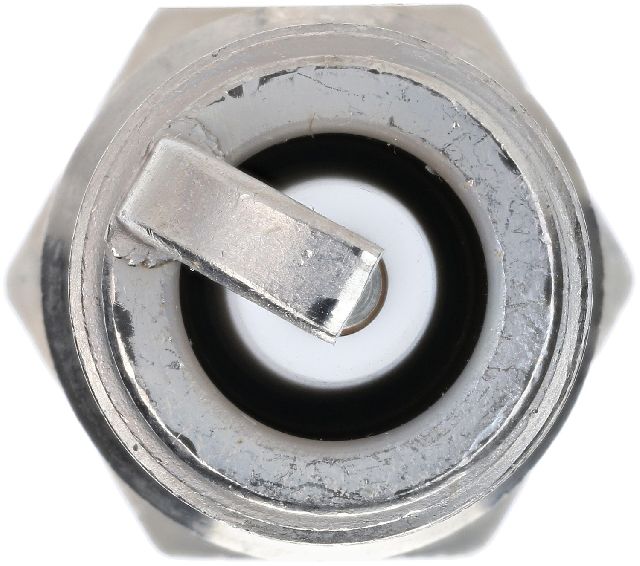
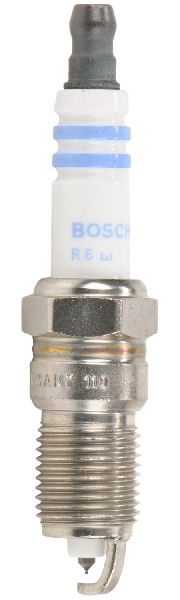
- Worn Spark Plugs and/or Wires 🔴 High Probability → Shop Spark Plug These are standard wear-and-tear items. Given the age of these vans, they are often the original or have not been changed in a long time. Fouled or worn plugs cannot produce a strong enough spark.
How to confirm: Visually inspect the spark plugs for wear, fouling, or damage. Check spark plug wires for cracks, burns, or corrosion on the terminals. A scan tool with live data can show misfire counts per cylinder to help isolate the issue. 🎬 Watch: A pro mechanic's guide to diagnosing these 5.3L misfires.
Typical fix: Replace all spark plugs and spark plug wires as a set. Use quality OEM-spec brands like ACDelco or NGK.
Est. part cost: $50-$150 - Faulty Ignition Coil(s) 🔴 High Probability → Shop Ignition Coil The coil-on-plug (V8s) or coil pack (V6) systems are reliable but can fail from age and heat cycles. A bad ground connection for a bank of coils is also a known issue on these trucks, causing multiple misfires on one side of the engine.
How to confirm: Use a scan tool to identify which cylinders are misfiring most frequently. Swap the coil from a misfiring cylinder with one from a known good cylinder. If the misfire code follows the coil (e.g., P0302 becomes P0304 after swapping coils from cylinders 2 and 4), the coil is bad. Check the main ground wire for the coil packs, often located on the front or rear of the cylinder head, for corrosion or breakage.
Typical fix: Replace the faulty ignition coil. It is often recommended to replace them in sets if they are original. The common ACDelco OEM coil is part number D585.
Est. part cost: $40-$80 per coil - Vacuum Leak (Intake Manifold Gasket) 🟡 Medium Probability The Vortec engines in this generation are well-known for intake manifold gasket failures. The original plastic/rubber gaskets degrade over time, allowing unmetered air into the engine, which is a very common cause of P0300 accompanied by lean codes P0171/P0174.
How to confirm: Listen for a hissing or whistling sound near the top of the engine. A professional can perform a smoke test to pinpoint the leak. A common DIY method is to spray brake cleaner or unlit propane near the gasket sealing surfaces while the engine is idling; if the engine RPM changes, a leak is present. Live scanner data will show high positive short-term fuel trims (STFT) at idle that decrease significantly when RPMs are raised to ~2000.
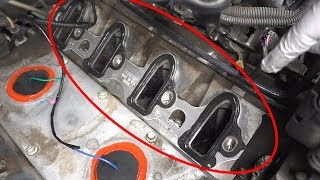
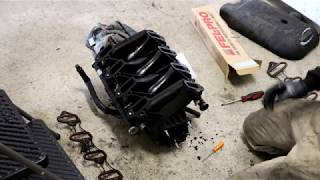
Typical fix: Replace the intake manifold gaskets. This is a labor-intensive job. The upgraded Fel-Pro gasket set (part number MS98016T) is a popular, more durable replacement. 🎬 See this step-by-step intake manifold gasket and knock sensor upgrade.
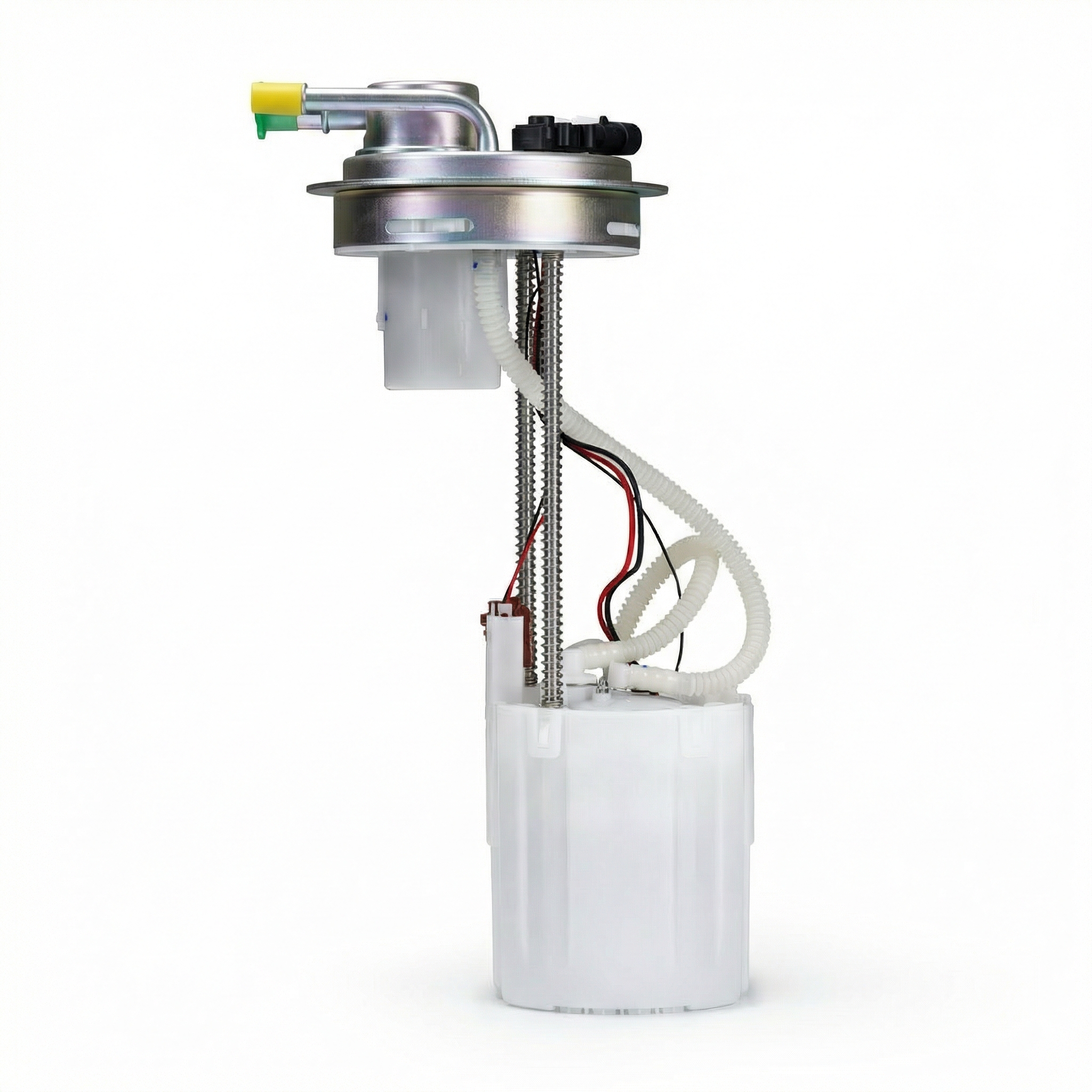
Est. part cost: $50-$120 for the gasket set - Low Fuel Pressure 🟡 Medium Probability The fuel pump is a common failure item on high-mileage vehicles, leading to insufficient fuel delivery to all cylinders, especially under load. A clogged fuel filter can also cause this issue.
How to confirm: Connect a fuel pressure gauge to the fuel rail's test port. For the 4.8L, 5.3L, and 6.0L Vortec engines, pressure should be around 55-62 PSI at idle. A significant drop indicates a weak pump or clogged filter. A weak pump can also be diagnosed by graphing its electrical current draw with an oscilloscope.
Typical fix: Replace the fuel pump and/or fuel filter. The fuel filter is a common maintenance item that should be replaced first if its age is unknown.
Est. part cost: $200-$400 for a fuel pump assembly - Worn Camshaft Lobe ⚪ Low Probability → Shop Engine Camshaft A manufacturer TSB (#PIP4138R, later superseded by #PIP5628G) specifically calls this out as a potential cause for P0300 on these vehicles when other diagnostics fail. It's a known mechanical weak point in this engine family.
How to confirm: This is an advanced diagnosis. A consistent ticking or chirping noise from the top of the engine that doesn't go away when disabling injectors is a key symptom. The definitive test requires removing the valve covers to measure valve lift on each cylinder or visually inspecting the camshaft lobes for excessive wear after ruling out all other causes.
Typical fix: Replace the camshaft, lifters, and related components. This is a major engine repair.
Est. part cost: $400-$800+ for a camshaft and lifter kit
Rare But Worth Checking
- Clogged Fuel Injectors: → Shop Fuel Injector While less common than a failing pump, individual injectors can become clogged or 'sticky', leading to lean misfires. Sometimes, using a high-quality fuel system cleaner like Seafoam can resolve minor cases.
- Crankshaft Position Sensor (CKP) Variation Relearn: → Shop Engine Crankshaft Position Sensor After replacing the crankshaft sensor, engine, or ECM, the ECM's profile of the crankshaft reluctor wheel must be recalibrated. Failure to do so can cause false misfire detection and a persistent P0300 code. A 'CKP Relearn' or 'CASE Relearn' procedure using a bidirectional scan tool is required.
- Distributor Issues (4.3L V6 and older 5.7L V8 models): On models equipped with a distributor, a worn distributor cap, rotor, or internal gear can cause erratic spark and random misfires. Carbon tracking or cracks in the cap can cause spark to jump between terminals, firing the wrong cylinders. A broken plastic hold-down on the distributor body is a common failure point leading to timing issues. 🎬 Watch: How to troubleshoot a bad distributor on 4.3L engines.
- Faulty Fuel Pressure Regulator: → Shop Fuel Injection Pressure Regulator A failing fuel pressure regulator can cause excessive or insufficient fuel pressure, disrupting the air-fuel ratio and leading to random misfires. This is often diagnosed in conjunction with fuel pressure testing.
Diagnosis Steps
- Retrieve all stored fault codes with an OBD-II scanner. Note any codes accompanying the P0300, especially P0171/P0174.
- Check freeze frame data to see engine conditions (RPM, load, temperature) when the misfire occurred. Also, check Mode 6 data for misfire counts per cylinder.
- Visually inspect the engine bay for obvious issues like cracked vacuum hoses, disconnected wires, or corroded ground connections (especially for the coil packs).
- Inspect the condition of spark plugs and wires. Replace if they are worn or past their service life.
- Test the ignition system. Swap coils between cylinders to see if the misfire follows the coil.
- Test fuel pressure using a fuel pressure gauge. On V8 models, expect 55-62 PSI. If low, suspect a clogged filter or failing pump.
- Check for vacuum leaks, paying close attention to the intake manifold gasket area. A smoke test is the most effective method, but spraying brake cleaner and listening for RPM changes is a common alternative.
- If equipped with a distributor (4.3L V6), inspect the cap and rotor for cracks, carbon tracking, or wear.
Parts You'll Likely Need
- Spark Plugs
(OEM #ACDelco 41-962 (Iridium))— These are a primary ignition component and a common cause of misfires due to normal wear.
Trusted brands: ACDelco, NGK
OEM price range: $8-$15 per plug
Aftermarket price range: $4-$10 per plug - Ignition Coil
(OEM #ACDelco D585)— Coils provide the high voltage for the spark plugs and can fail from heat and age, causing misfires.
Trusted brands: ACDelco, Delphi, Denso
OEM price range: $60-$100 per coil
Aftermarket price range: $30-$70 per coil - Intake Manifold Gasket Set
(OEM #Fel-Pro MS98016T (Upgraded Design))— The original gaskets are a known failure point on Vortec engines, causing vacuum leaks that lead to P0300. The Fel-Pro set is a common, more durable replacement.
Trusted brands: Fel-Pro, ACDelco
OEM price range: $80-$150
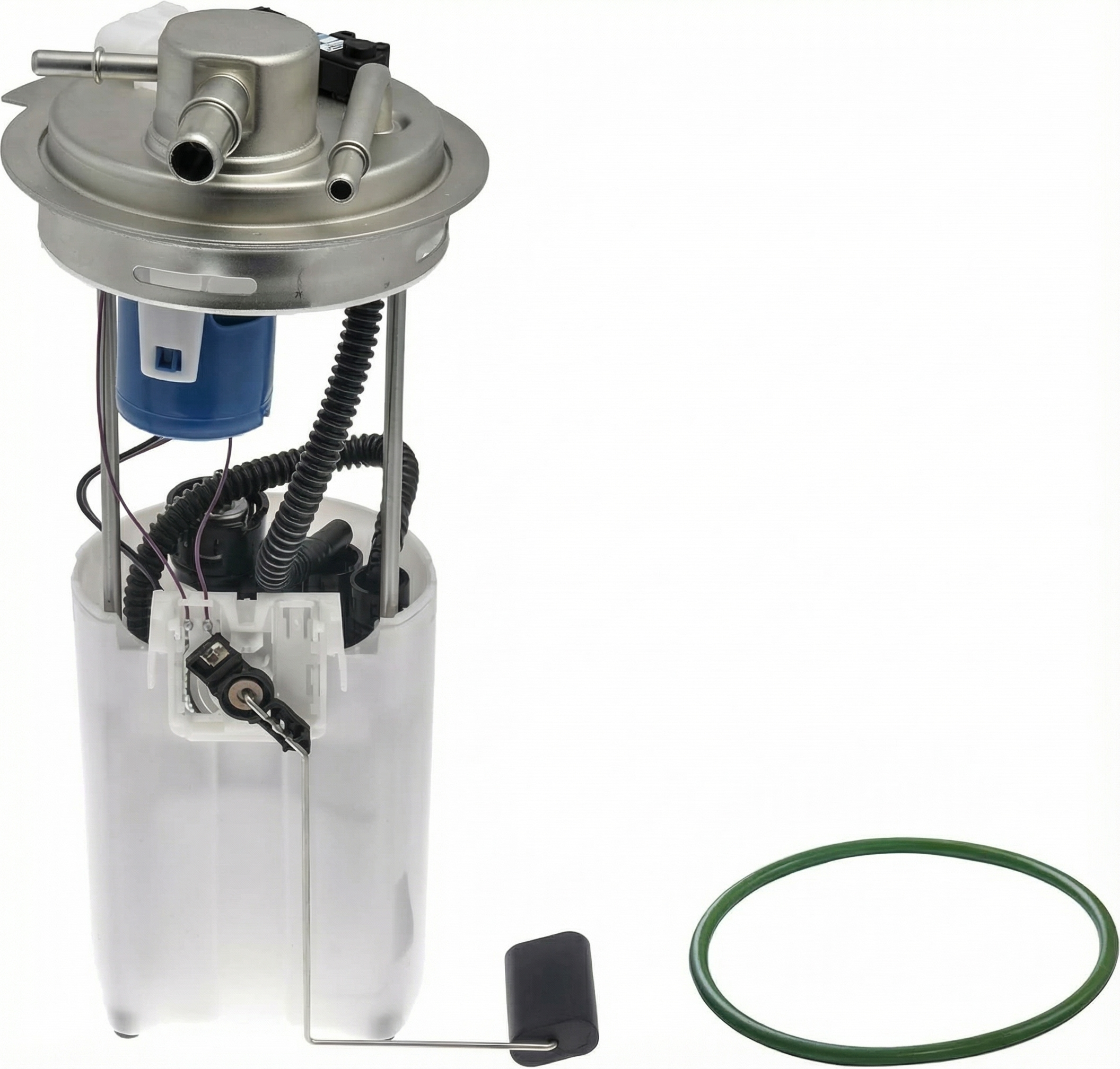
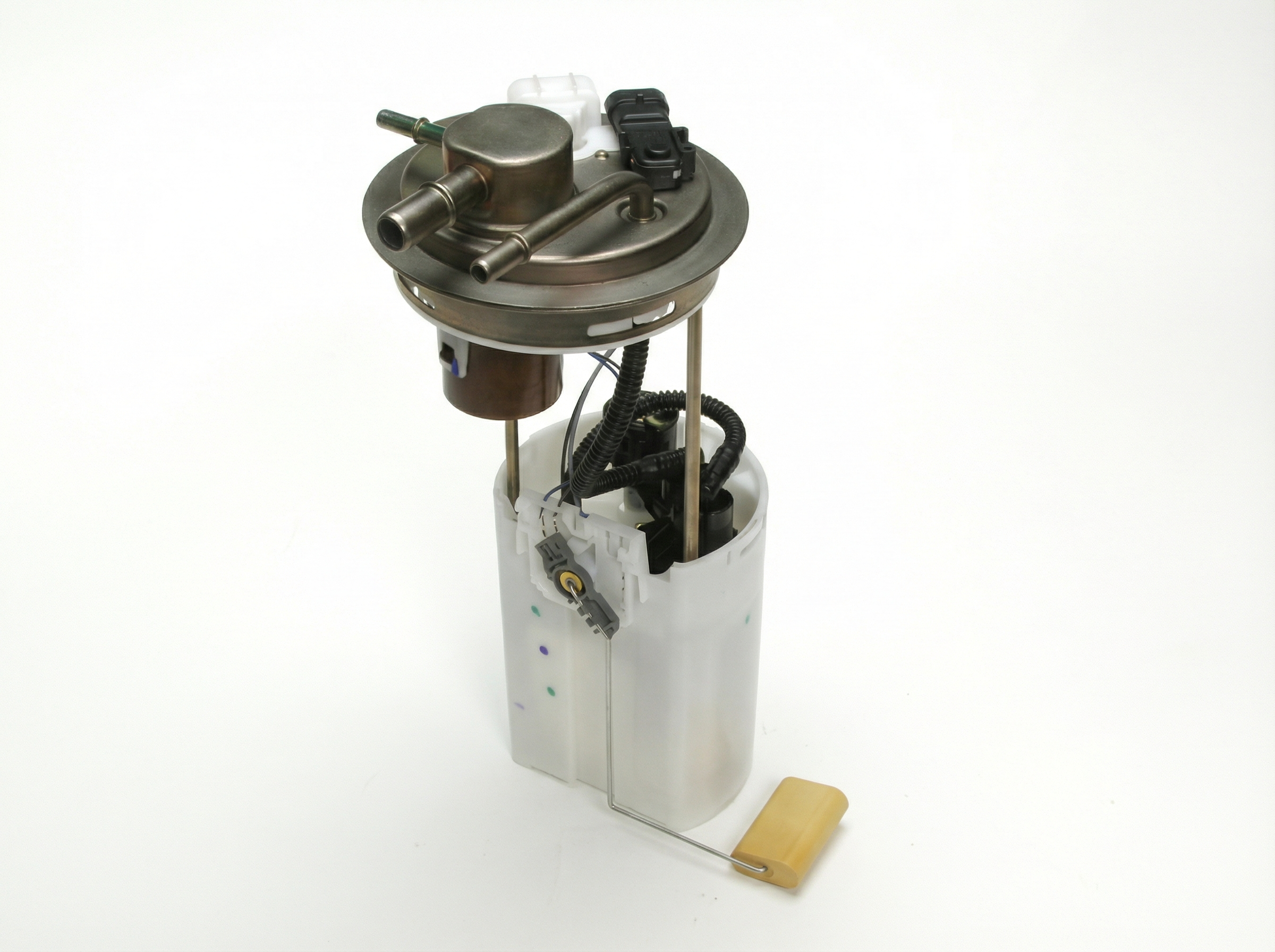
Aftermarket price range: $50-$120 - Fuel Pump Assembly — A weak fuel pump fails to deliver adequate pressure, starving the engine for fuel and causing random misfires, especially under load.
Trusted brands: ACDelco, Delphi
OEM price range: $300-$500
Aftermarket price range: $150-$350
Related Codes That Often Appear With This One
- P0301-P0308 — These codes indicate a misfire on a specific cylinder (e.g., P0301 for Cylinder 1). A P0300 may be accompanied by one or more of these if the misfire is frequent on certain cylinders, which can help narrow the diagnosis.
- P0171 / P0174 — These are 'System Too Lean' codes for Bank 1 and Bank 2. They often appear with P0300 when the cause is a vacuum leak (like a bad intake manifold gasket) that allows too much unmetered air into the engine.
- P050D — This code for 'Rough Idle After Cold Start' is mentioned in TSB #PIP5628G alongside P0300, indicating they can be related diagnostic clues for complex misfire issues like sticking valves or worn camshafts. [Bulletin #PIP5628G]
- P1336 — This GM-specific code indicates that the Crankshaft Position (CKP) System Variation has not been learned. It will appear if a CKP relearn procedure is required but has not been successfully completed.
Technical Service Bulletins (TSBs) & Recalls
- Bulletin #PIP4138R: Highlights a worn camshaft lobe as a potential cause for P0300-P0308 with an accompanying engine noise after more common causes are ruled out.
- Bulletin #PIP5628G: Supersedes PIP4138R, providing updated diagnostic information for misfire codes (P0300-P0308) and rough idle (P050D), pointing towards mechanical issues like worn cams, sticking valves, or failed AFM lifters.
Platform-Specific Known Issues
- Intake Gasket Leak Only When Warm: A very common scenario for the Savana and its platform mates is a rough idle and P0300 that only appears after the engine reaches full operating temperature. This is because the computer switches from a rich 'open loop' warm-up mode to a leaner 'closed loop' mode, where the vacuum leak has a much greater effect on the air-fuel ratio, causing misfires.
- Coil Pack Bank Ground Failure: → Shop Ignition Coil A known failure point is the main ground wire for an entire bank of ignition coils. The wire can corrode and break at the ring terminal where it bolts to the cylinder head, causing all four coils on that bank to lose their ground and stop firing, leading to a severe misfire and P0300.
- Distributor Failure on 4.3L V6: For the V6 models, the distributor is a frequent cause of P0300. The plastic housing can crack where the hold-down bolts are, and the cap and rotor are susceptible to carbon tracking that causes cross-firing between cylinders.
Mechanic-Grade Diagnostic Values
- Fuel Pressure (V8 Engines) — expected: 415-455 kPa (60-66 psi) with ignition on, engine off. Should not drop below 379 kPa (55 psi) at idle.. Failure: Pressure below 55 psi at idle suggests a weak pump or clogged filter. Pressure that drops after the engine is turned off indicates a leaking fuel pressure regulator or check valve.
- Ignition Coil Primary Resistance (Round Coils) — expected: 0.4 to 2 ohms.. Failure: A reading outside this range indicates a faulty coil winding.
- Ignition Coil Secondary Resistance (Round Coils, e.g., D585) — expected: 6,000 to 10,000 ohms (6k-10k Ω). Some aftermarket specifications list 7.1k Ω.. Failure: A reading significantly outside this range, or OL (Open Loop), means the coil is bad.
- Fuel Injector Resistance (High Impedance) — expected: 11.0 to 16.0 Ohms. The most important factor is that all injectors are consistent, ideally within 0.5 Ohms of each other.. Failure: A reading of 0 or very low indicates a shorted injector. A reading of OL (infinite) indicates an open/broken internal coil.
Scan Tool Commands That Help
- GM Tech2 / GDS2 or equivalent bidirectional scanner: Crankshaft Position (CKP) Variation Learn (also known as CASE Relearn) — Required after replacing the crankshaft position sensor, PCM, or engine block. Failure to perform this can cause the ECM to incorrectly interpret minor crankshaft speed variations as misfires, setting a P0300 or P1336. The command is found under 'Special Functions' in the ECM menu.
- GM Tech2 / GDS2 or equivalent bidirectional scanner: Injector Balance Test — This function allows the technician to fire each injector individually while monitoring fuel pressure drop. It is used to identify a clogged or weak injector that may be causing a misfire on a specific cylinder when a P0300 is present but not isolating to a single cylinder consistently.
- GM Tech2 / GDS2 or equivalent bidirectional scanner: Cylinder Power Balance — This test disables one cylinder at a time and measures the corresponding drop in engine RPM. A cylinder that produces a smaller RPM drop than the others is contributing less power and is the likely source of the misfire. This is useful for pinpointing a problem cylinder under the P0300 umbrella.
Wiring & Ground Locations
- G102 — Located at the left rear of the engine block/cylinder head.. This is a critical ground point that grounds all 8 ignition coils on V8 models. Corrosion or a loose connection at this specific point can cause an entire bank of cylinders to misfire, leading to a P0300.
- G103 — On V8 models, located on the front of the passenger side (right) cylinder head. On V6 models, it's often near the generator (alternator) bracket.. This is another primary engine ground. A poor connection here can cause erratic behavior from various sensors and modules, including the ignition system, contributing to random misfires. A service bulletin mentions ensuring G103 is clean and tight to resolve other electrical issues.
- Ignition Coil Connector — On each ignition coil.. The 4-pin connector on each coil has a power, a ground, a signal wire from the PCM, and a feedback signal wire. Testing for 12V power and a good ground at the connector is a key step before replacing a coil.
Real Owner Repair Stories
- YouTube channel 'G Automotive and More' (GMC/Chevy Truck with 5.3L V8) — Check engine light on and flashing, running very badly, entire left bank of cylinders not working.
❌ Tried (didn't work) Initial diagnosis pointed towards multiple bad coils or a wiring issue.
✅ What actually fixed it The main ground wire for the bank of ignition coils was corroded and making a poor connection where it attached to the engine block. Cleaning the connection and securing the ground wire resolved the bank-wide misfire and P0300 code. - YouTube channel 'The Car Doctor Channel' (2002 GMC Savana 5.7L) — Misfire condition and flashing check engine light (P0300).
❌ Tried (didn't work) Not specified, but diagnosis began by checking for common ignition failures.
✅ What actually fixed it The distributor cap was found to have internal carbon tracking and a crack, causing the spark to arc between terminals for adjacent cylinders in the firing order. Replacing the distributor cap and rotor fixed the random misfire.
OEM Part Supersession History
10457730, 12563293→19005218, 12573190 (ACDelco D585)— Design improvements for reliability and performance.
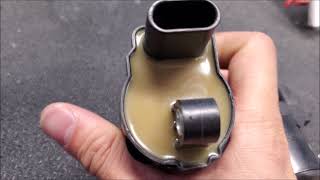
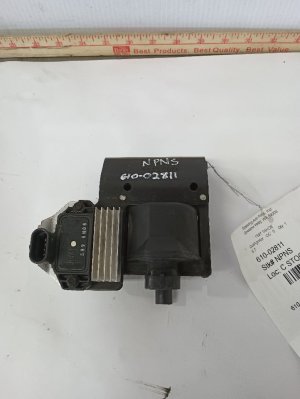
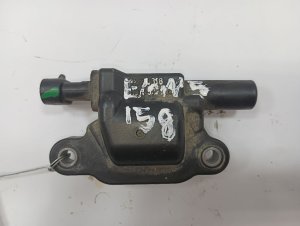
Heads up: There are two physical styles of coils used on these engines: a round body (Delphi/ACDelco D585 style) and a square body (Melco style). They are not interchangeable. A visual check is required to ensure the correct style is ordered.
Model Year Variations Within This Range
- 2004-2008: During this period, GM transitioned from return-style fuel systems to returnless systems on some applications. Early models (around 2004) are more likely to have a vacuum-operated fuel pressure regulator on the fuel rail. Later models integrate the regulator into the in-tank fuel pump assembly. This changes the diagnostic process for low fuel pressure, as the regulator is not accessible on the engine in later models.
Helpful Videos

Used OEM Parts in Stock
New Aftermarket Parts Available


The information in this article is provided for general reference and educational purposes only. Vehicle specifications, procedures, and part compatibility can vary by production date, trim level, and region. Always consult your vehicle's factory service manual and verify part numbers before purchasing or performing repairs. Safety-critical components such as airbags, seat belts, and braking systems should be installed by a qualified professional.
- Gmc SAVANA:
- 🧭 Diagnostic Flowchart
- 🎬 Helpful Videos
- 🛍️ Shop This Part
- What's Unique About the 2004-2008 Gmc SAVANA
- Symptoms You May Notice
- Most Likely Causes
- Rare But Worth Checking
- Diagnosis Steps
- Parts You'll Likely Need
- Related Codes That Often Appear With This One
- Technical Service Bulletins (TSBs) & Recalls
- Platform-Specific Known Issues
- Mechanic-Grade Diagnostic Values
- Scan Tool Commands That Help
- Wiring & Ground Locations
- Real Owner Repair Stories
- OEM Part Supersession History
- Model Year Variations Within This Range
- 🎟️ Get 5% Off