

P0300 on 2019-2022 GMC Savana: Random Misfire Causes and Fixes
P0300 indicates a random or multiple cylinder misfire. For the 2019-2022 GMC Savana, this is frequently caused by worn spark plugs, faulty ignition coils, or fuel system problems like dirty injectors. On V8 models, failed Active Fuel Management (AFM) lifters are also a notable and serious potential cause. A full tune-up is a common starting point, but diagnosis should be systematic.
- P0300 means multiple or random cylinders are misfiring, pointing to a system-wide issue rather than a single component.
- Start your diagnosis with the most common culprits: worn spark plugs and faulty ignition coils.
- A vacuum leak is a frequent and often overlooked cause; check all hoses and gaskets connected to the intake manifold.
- If the check engine light is flashing, stop driving immediately to prevent costly damage to the catalytic converter.
- On V8 models, be aware that issues with the Active Fuel Management (AFM) system can also trigger this code.
What's Unique About the 2019-2022 Gmc SAVANA
The 2019-2022 GMC Savana is a workhorse vehicle, often subjected to heavy use and high mileage, which can accelerate wear on ignition and fuel system components. The available gasoline engines, the 4.3L V6 (LV1) and 6.6L V8 (L8T), are modern direct-injection powerplants. A critical distinction is that the 6.6L L8T V8 engine, introduced in 2020, does NOT have Active Fuel Management (AFM) or Dynamic Fuel Management (DFM), unlike many other GM V8s. Therefore, the common AFM lifter failure is not a cause for P0300 on these specific V8 vans. For the L8T, issues are more likely related to the high-pressure direct injection fuel system. 🎬 Watch: Deep dive into 6.6L L8T engine reliability and common issues. The 4.3L V6 LV1 engine does not have AFM but may have DFM in other applications, though it's generally not a primary cause of misfires in these vans. The provided TSB #PIP5628G confirms that diagnosing misfires on these vehicles can be complex, often requiring a dealer-level scan tool (GDS2) and a specific diagnostic procedure. [⭐ MANUFACTURER TSB — highest authority]
Diagnostic Flowchart
Tap your situation to follow the diagnostic path that matches what you're seeing on this vehicle.
Symptoms You May Notice
- Rough engine idle, sometimes feeling like the vehicle will stall
- Hesitation or stumbling during acceleration
- Reduced engine power, especially under load or going uphill
- Flashing or solid Check Engine Light
- Decreased fuel economy
- Engine shaking or vibrating
- Raw fuel smell from the exhaust
- Engine ticking or chirping noise, which can be a symptom of lifter failure
- Replacing only one spark plug or coil when others are also near the end of their service life.
- Replacing oxygen sensors without first diagnosing the root cause of the misfire. O2 sensors report the problem; they are rarely the cause of a P0300.
- Assuming a specific cylinder component (like one coil) is bad when the issue is systemic, such as a bad coil ground wire affecting an entire cylinder bank.
Most Likely Causes
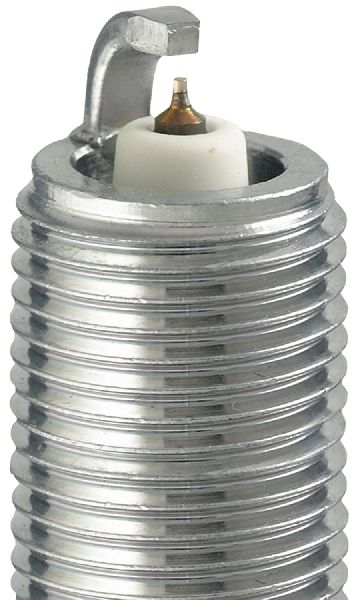
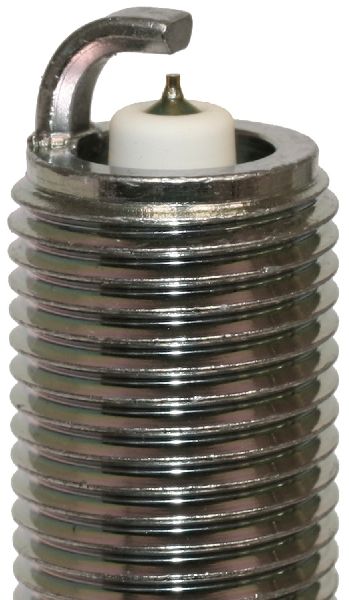
- Worn or Fouled Spark Plugs 🔴 High Probability → Shop Spark Plug High mileage and long service intervals common for fleet and work vans can lead to spark plug degradation. The factory-installed iridium plugs have a long life but are not immune to wear or fouling from oil consumption or poor fuel quality.
How to confirm: Inspect the spark plugs for wear (eroded electrode), carbon buildup, oil fouling, or damage. Check that the gap is within the factory specification, which is typically 0.040 inches for these engines.
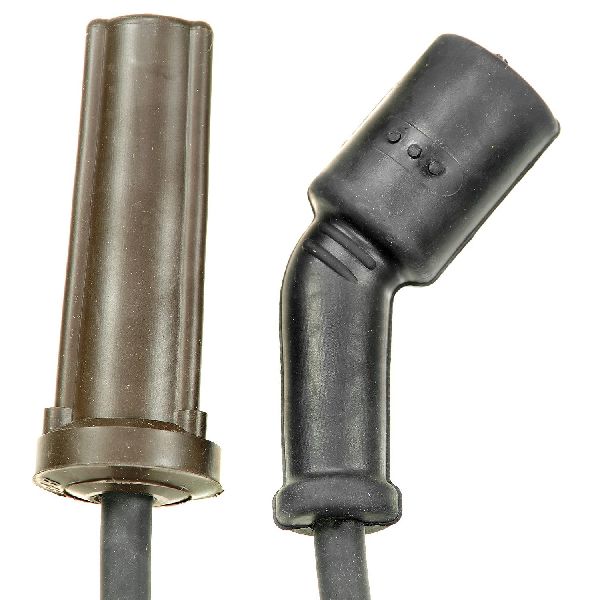
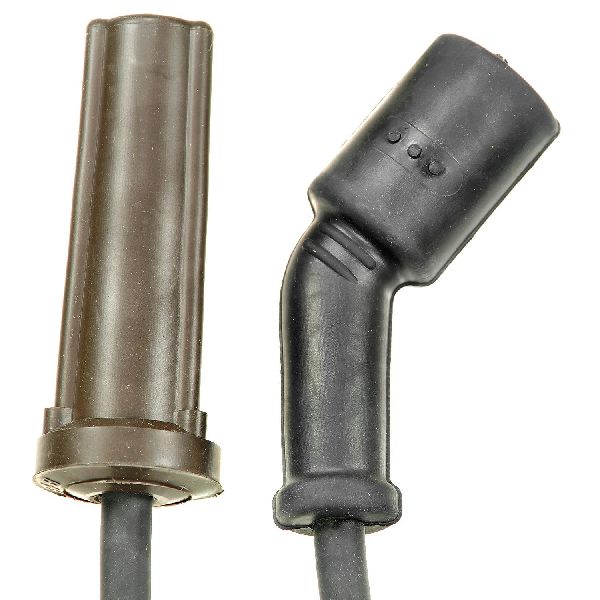
Typical fix: Replace all spark plugs as a set. Given the labor to access them, especially the rear cylinders, using high-quality OEM plugs (like ACDelco Iridium) is recommended. 🎬 See this complete walkthrough for replacing plugs, wires, and coils. It's also a good time to inspect the spark plug wires and boots.
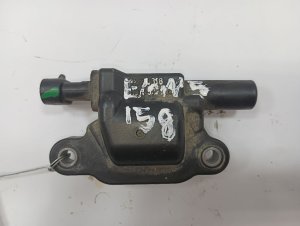
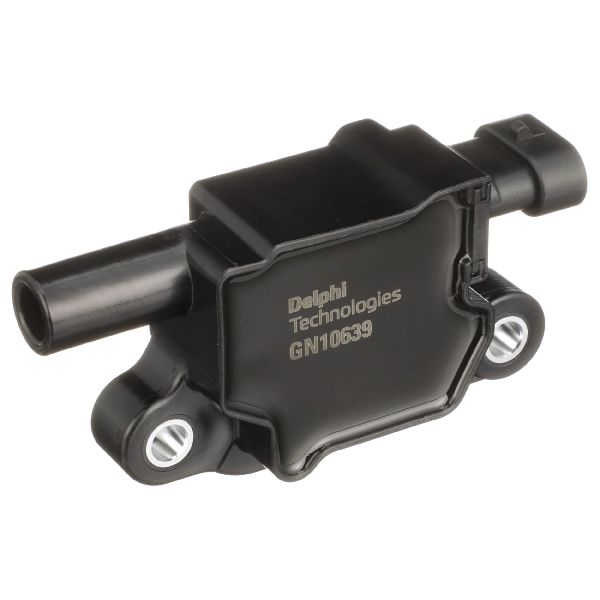
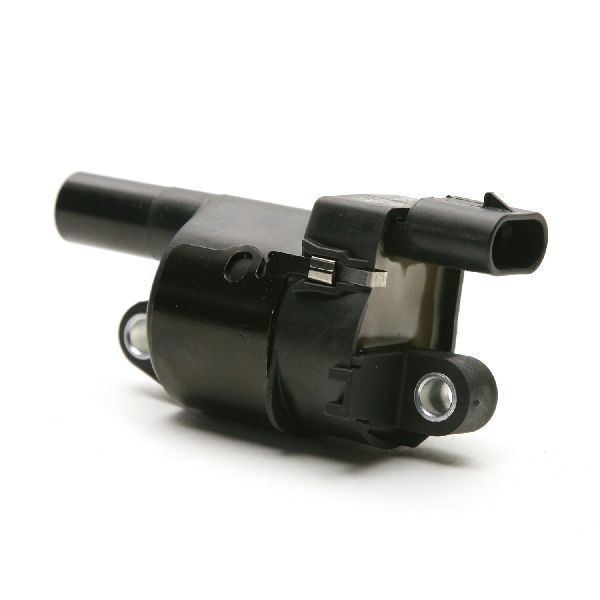
Est. part cost: $50-$150 - Faulty Ignition Coil(s) or Wiring 🔴 High Probability → Shop Ignition Coil Heat and vibration in the engine bay can cause ignition coils to fail over time. A less obvious but documented issue on GM trucks is a corroded or broken ground wire for the coil packs (often G102 or G103/G104 on V8s), which can cause an entire bank of cylinders to misfire.
How to confirm: Use a scan tool with live data to identify misfiring cylinders. Swap the ignition coil from a misfiring cylinder with a known good cylinder. If the misfire follows the coil, the coil is bad. Inspect the main ground strap for the ignition coils (often bolted to the rear of the cylinder heads) for corrosion or breakage.
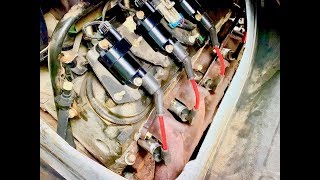
Typical fix: Replace the faulty ignition coil. It is often recommended to replace them in sets or all at once if they are original and high mileage. If the ground is faulty, clean the contact point and repair or replace the wire. 🎬 Watch: How a bad ground wire causes misfires and starting issues.
Est. part cost: $40-$100 per coil - Fuel System Issues (Injectors, Pump, Filter) 🟡 Medium Probability The direct injection systems on the LV1 and L8T engines operate at very high pressure. Fuel injectors can become clogged or fail. A weak high-pressure fuel pump, which is driven by the camshaft, is a known issue that can cause random misfires under load.
How to confirm: Check low-side fuel pressure (58-72 PSI) and high-side fuel pressure with a scan tool. High-side pressure should be 290-580 PSI at idle and can rise to over 2,000 PSI under load. A professional can perform a fuel injector balance test using a high-level scan tool to identify a clogged or failing injector.
Typical fix: For clogged injectors, a professional cleaning or replacement is necessary. It's often recommended to replace all injectors at once to ensure balanced performance. Replace the high-pressure fuel pump if it fails to meet pressure demands.
Est. part cost: $80-$400 for injectors, $200-$500 for a fuel pump - Vacuum Leak 🟡 Medium Probability Plastic and rubber vacuum lines, PCV hoses, and intake manifold gaskets can become brittle and crack over time due to engine heat, creating an unmetered air leak that leans out the air/fuel mixture.
How to confirm: Listen for a hissing sound at idle. A smoke test is the most effective method to pinpoint the source of the leak. Spraying starter fluid or carb cleaner near suspected leak points and listening for a change in engine RPM can also work but is less precise.
Typical fix: Replace the leaking vacuum hose or gasket. Intake manifold gaskets are a common failure point.
Est. part cost: $10-$250
Rare But Worth Checking
- Internal Engine Mechanical Problems (AFM Lifters, Carbon Buildup): On V8 models with Active Fuel Management (AFM), a collapsed or stuck lifter is a significant and known cause of P0300. This will often be accompanied by a distinct ticking or chirping noise and may eventually damage the camshaft. Another issue, particularly for direct injection engines, is heavy carbon buildup on the intake valves, which can impede airflow and cause misfires. [⭐ MANUFACTURER TSB — highest authority]
- Faulty Mass Airflow (MAF) Sensor: → Shop Fuel Injection Air Flow Meter A dirty or failing MAF sensor can provide incorrect air readings to the ECM, causing an improper air/fuel mixture and leading to random misfires across all cylinders. Cleaning the sensor with a dedicated MAF sensor cleaner is a common diagnostic step.
- Restricted Exhaust / Clogged Catalytic Converter: → Shop Catalytic Converter A clogged catalytic converter can create excessive backpressure, leading to misfires, especially under load or at higher RPMs. This is often a consequence of long-term misfires dumping unburnt fuel into the exhaust, not the initial cause.
Diagnosis Steps
- Read all stored and pending trouble codes with an OBD-II scanner. Note any codes accompanying the P0300.
- Check freeze frame data to see the engine conditions (RPM, load, temperature) when the misfire was first detected. This can help replicate the issue.
- Use a scan tool with Mode 6 data to view misfire counts for each individual cylinder, even if no specific P030x codes are set. This can help narrow the search.
- Inspect the basics: check for loose or damaged wiring, ensure the air filter is clean, and check for obvious vacuum leaks (hissing sounds, cracked hoses).
- Perform an ignition system check. Inspect all spark plugs for wear, fouling, and proper gap (0.040"). Swap ignition coils between a misfiring cylinder and a good one to see if the misfire follows the coil. Check the coil pack ground wire for integrity.
- Test the fuel system. Check fuel pressure to rule out a weak pump or clogged filter. Consider using a quality fuel injector cleaner as a first step. For a definitive diagnosis, an injector balance test is needed.
- If a vacuum leak is suspected, perform a smoke test to find the source.
- For V8 engines, listen carefully for a persistent ticking noise that increases with RPM, which could indicate a failing AFM lifter. A professional may need to remove the valve cover to visually confirm if a rocker arm is not moving.
- If other steps fail, consider a compression test to check for mechanical engine problems like a bad valve, head gasket, or piston rings.
Parts You'll Likely Need
- Spark Plugs
(OEM #ACDelco 12622441 (Verify by VIN))— Spark plugs are a primary wear item and a leading cause of misfires. They are relatively inexpensive and part of routine maintenance.
Trusted brands: ACDelco, NGK
OEM price range: $10-$20 per plug
Aftermarket price range: $5-$15 per plug - Ignition Coil
(OEM #ACDelco 12709879 (Verify by VIN))— Ignition coils provide the spa
Related Codes That Often Appear With This One
- P0301-P0308 — These codes specify which cylinder is misfiring (e.g., P0301 for cylinder 1). They often appear with P0300 when the misfire is initially concentrated or when a scan tool can identify the specific misfiring cylinders from history data.
- P0171/P0174 — These codes indicate a lean fuel condition on Bank 1 and Bank 2, respectively. A vacuum leak is a common cause for both lean codes and a P0300, as unmetered air affects the air/fuel ratio for all cylinders.
- P050D — This code for 'Cold Start Rough Idle' is often seen alongside P0300 codes in GM technical service bulletins, indicating a potential link, especially with carbon buildup or fuel system issues. [⭐ MANUFACTURER TSB — highest authority, 46]
Technical Service Bulletins (TSBs) & Recalls
- PIP5628G: Acknowledges diagnostic complexity for DTCs P0300-P0308 and P050D on 2019-2024 models, requiring specific data collection with a GDS2 scan tool for technical assistance. [6, ⭐ MANUFACTURER TSB — highest authority]
- 19-NA-219: Details diagnostic procedures for engine noises and misfires (P0300-P0308) that may be caused by worn cam lobes, sticking valves, or collapsed AFM lifters. [19, ⭐ MANUFACTURER TSB — highest authority]
- 16-NA-383: Addresses rough idle and misfire (P0300) due to heavy carbon buildup on intake and/or exhaust valves in gasoline engines. [29, ⭐ MANUFACTURER TSB — highest authority]
- 15-06-01-002F: Specifically addresses engine misfire/tick noise with DTC P0300 caused by a mechanically collapsed or stuck AFM lifter. [11, ⭐ MANUFACTURER TSB — highest authority]
Platform-Specific Known Issues
- AFM Lifter Failure (V8 Engines): → Shop Engine Valve Lifter For V8 models with Active Fuel Management (AFM), a P0300 code accompanied by a ticking noise is a strong indicator of a failing AFM lifter. The lifter can become stuck or collapse, preventing the valve from opening and causing a misfire on that cylinder. If ignored, this can lead to camshaft damage, requiring a much more expensive repair.
- Intake Valve Carbon Buildup: As direct injection engines, the 4.3L V6 and 6.6L V8 are prone to carbon buildup on the intake valves since fuel is no longer sprayed over them, which would normally have a cleaning effect. TSB 16-NA-383 discusses this issue, which can restrict airflow and cause rough idle and misfire codes. [29, ⭐ MANUFACTURER TSB — highest authority] The fix often involves a manual or chemical 'walnut blast' cleaning of the valves.
- Ignition Coil Ground Failure: → Shop Ignition Coil A known issue on some GM trucks is the failure of the ground wire that serves an entire bank of ignition coils. The wire terminal can corrode and break where it bolts to the cylinder head, causing a loss of spark to multiple cylinders at once and triggering a P0300.
Mechanic-Grade Diagnostic Values
- Low-Pressure Fuel System — expected: 58-72 PSI (400-500 kPa). Failure: Pressure below this range indicates a weak in-tank fuel pump or clogged filter.
- High-Pressure Fuel System (at idle) — expected: 290-580 PSI (2-4 MPa). Failure: Significantly lower pressure at idle can indicate a failing high-pressure fuel pump (HPFP) or a bad fuel pressure sensor.
- High-Pressure Fuel System (under load) — expected: Can exceed 2,000-2,900 PSI (up to 20 MPa). Failure: Inability to build or maintain high pressure under acceleration is a key symptom of a failing HPFP.
- Ignition Coil Primary Resistance — expected: 0.4 to 2.0 ohms. Failure: A reading outside this range (open or shorted) indicates a faulty coil.
- Ignition Coil Secondary Resistance — expected: 6,000 to 10,000 ohms (6k-10k Ω). Failure: A reading significantly outside this range suggests the internal coil windings are compromised.
Hidden / Shadow Codes Worth Checking
- Misfire History Data: While not a specific code, GM's GDS2 scan tool provides access to detailed historical misfire counters for each cylinder that are more comprehensive than standard Mode $06 data. This data can reveal intermittent misfires that occurred under specific conditions (e.g., cold start, high load) even if they are not currently active, helping to pinpoint a stubborn issue. (see via GM GDS2 (Global Diagnostic System 2) or equivalent high-end professional scan tool.)
Scan Tool Commands That Help
- GDS2 (or equivalent): Misfire Graphic — Use this function to view real-time and historical misfire counts per cylinder. It is essential for determining if the misfire is truly random or concentrated on specific cylinders, which guides the entire diagnostic path.
- GDS2 (or equivalent): Injector Balance Test / Fuel System Test — This bidirectional command allows the technician to individually fire each fuel injector and monitor the corresponding drop in fuel rail pressure. A cylinder with a smaller pressure drop than the others indicates a clogged or failing injector. This is a definitive test for injector health.
- GDS2 (or equivalent): Cylinder Power Balance — This test deactivates one cylinder at a time and measures the corresponding drop in engine RPM. If deactivating a cylinder causes little to no change in RPM, that cylinder was not contributing power, confirming it as a source of the misfire.
Wiring & Ground Locations
- G102 / G103 / G104 — Typically located on the rear of the cylinder heads. For V8 engines, there is often one ground pack per head (e.g., G103 on the left head, G104 on the right).. These are the primary ground points for the ignition coil packs. A loose, corroded, or broken ground at this location can cause an entire bank of four cylinders to misfire intermittently or constantly, which will set a P0300 code. This is a common misdiagnosis, as technicians may chase individual coils instead of the shared ground.
- Engine to Chassis/Firewall Ground Strap — A large braided metal strap, typically running from the back of a cylinder head to a stud on the vehicle's firewall.. This is the main ground path for the entire engine assembly to the vehicle's body. High resistance here due to corrosion or a loose connection can cause widespread electrical issues, including weak spark, incorrect sensor readings, and communication errors that can lead to a P0300.
Real Owner Repair Stories
- Forum discussions for Chevrolet Express (identical platform) (2021 Express Van with 6.6L L8T V8) — P0300 random misfire code along with P0171 and P0174 (System Too Lean Bank 1 & 2).
❌ Tried (didn't work) Performed a smoke test to check for vacuum leaks (none found)., Replaced spark plugs and ignition wires.
✅ What actually fixed it The final repair was replacing the engine-mounted high-pressure fuel pump. The original pump was unable to deliver sufficient fuel pressure under load, causing a lean condition and subsequent random misfires across all cylinders.
"I Checked Everything" — The Actual Cause
- In a documented case on a 2021 van with the 6.6L L8T engine, the vehicle presented with P0300 and lean codes (P0171/P0174). A standard smoke test revealed no vacuum leaks. The actual cause was a failing high-pressure fuel pump that could not provide adequate fuel pressure under load, leading to the lean misfires. This highlights that for direct injection engines, fuel delivery issues can mimic vacuum leaks but won't be found by a smoke test.
When the Usual Fixes Don't Work
- While Pass 2 correctly identified AFM lifter failure as a major cause of P0300 on many GM V8s, this does not apply to the 2020-2022 GMC Savana with the 6.6L L8T engine. Owners and technicians must avoid this common diagnostic trap. A real-world example showed a P0300 on an L8T engine being caused by a failed high-pressure fuel pump, a problem specific to its direct injection system, after common checks like a vacuum leak test found nothing wrong.
OEM Part Supersession History
ACDelco 12692703→ACDelco 12692704— This is the high-pressure fuel pump for the 6.6L L8T engine. Part supersessions for fuel pumps often indicate internal improvements for reliability and performance, potentially addressing issues seen in earlier versions.
Model Year Variations Within This Range
- 2020-2022 (V8 models): The 6.6L L8T gasoline V8 engine became an option in 2020. Critically, this engine does NOT have Active Fuel Management (AFM) or Dynamic Fuel Management (DFM). This is a major departure from other GM light-duty trucks of the same era. Diagnostic procedures for a P0300 on a V8 Savana must NOT include AFM lifter failure as a potential cause, focusing instead on the direct injection fuel system, ignition, and base engine mechanicals.
- 2019-2022 (V6 models): The 4.3L V6 (LV1) is a direct-injection engine but does not share the same specific failure points as the V8. It does not have the same AFM lifter issues known in older V8s. Misfire diagnosis should focus on spark, fuel (including DI components), and potential carbon buildup.
Helpful Videos
Used OEM Parts in Stock
New Aftermarket Parts Available

The information in this article is provided for general reference and educational purposes only. Vehicle specifications, procedures, and part compatibility can vary by production date, trim level, and region. Always consult your vehicle's factory service manual and verify part numbers before purchasing or performing repairs. Safety-critical components such as airbags, seat belts, and braking systems should be installed by a qualified professional.
- Gmc SAVANA:
- 🧭 Diagnostic Flowchart
- 🎬 Helpful Videos
- 🛍️ Shop This Part
- What's Unique About the 2019-2022 Gmc SAVANA
- Symptoms You May Notice
- Most Likely Causes
- Rare But Worth Checking
- Diagnosis Steps
- Parts You'll Likely Need
- Related Codes That Often Appear With This One
- Technical Service Bulletins (TSBs) & Recalls
- Platform-Specific Known Issues
- Mechanic-Grade Diagnostic Values
- Hidden / Shadow Codes Worth Checking
- Scan Tool Commands That Help
- Wiring & Ground Locations
- Real Owner Repair Stories
- "I Checked Everything" — The Actual Cause
- When the Usual Fixes Don't Work
- OEM Part Supersession History
- Model Year Variations Within This Range
- 🎟️ Get 5% Off