

P0300 on 2000-2007 GMC Sierra 1500: Random Misfire Causes & Fixes
On a 2000-2007 GMC Sierra, a P0300 code is most often caused by a vacuum leak from failed intake manifold gaskets or a basic ignition tune-up (spark plugs and wires). Replacing the original plastic-frame intake gaskets with an upgraded metal-frame set like the Fel-Pro MS 98016 T is a common, effective fix. This repair costs around $50-$100 in parts and is a popular DIY job for this truck.
- For a 2000-2007 Sierra, P0300 is very often caused by failed intake manifold gaskets. Check for vacuum leaks first.
- If the check engine light is flashing, stop driving as soon as safely possible to prevent expensive damage to the catalytic converters.
- Always start with the simplest and most common fixes: inspect spark plugs and wires before moving to more complex diagnostics.
- When replacing intake manifold gaskets on a V8 model, use an upgraded set with a metal frame for a more permanent repair.
What's Unique About the 2000-2007 Gmc SIERRA 1500
For the GMT800 platform (2000-2006 and 2007 'Classic' models), the P0300 code is very frequently linked to failed intake manifold gaskets. The original gaskets used a plastic frame that becomes brittle from heat cycles and exposure to ethanol in fuel, causing it to crack and create a significant vacuum leak. This issue is so common that upgraded metal-frame gaskets, such as the Fel-Pro MS 98016 T, are the recommended replacement. While ignition components are always a possibility, the intake gasket is a well-documented weak point on these specific 4.8L, 5.3L, and 6.0L V8 engines.
Diagnostic Flowchart
Tap your situation to follow the diagnostic path that matches what you're seeing on this vehicle.
Generation note: This range covers the first generation (GMT800, 2000-2006 and 2007 'Classic') and the first year of the second generation (GMT900, 2007). The most notorious cause, failing intake manifold gaskets, is primarily associated with the GMT800 trucks with 4.8L, 5.3L, and 6.0L V8 engines. Another known but less common issue on these engines is cracked 'Castech' branded cylinder heads.
Symptoms You May Notice
- Rough or unstable idle, which may worsen as the engine warms up.
- Engine hesitation, stumbling, or lack of power during acceleration.
- Flashing or solid Check Engine Light.
- Noticeable engine shaking or stuttering.
- Possible stalling at stops.
- Reduced fuel economy.
- Smell of raw fuel from the exhaust.
- Ticking, chirping, or squealing noise from the engine, which could indicate a valvetrain issue like a worn camshaft.
- Replacing oxygen (O2) sensors. While a faulty O2 sensor can affect the air/fuel mixture, it is rarely the root cause of a P0300. Often, lean codes (P0171/P0174) will accompany a P0300 if a vacuum leak is the true cause, and the O2 sensors are simply reporting the lean condition correctly.
Most Likely Causes
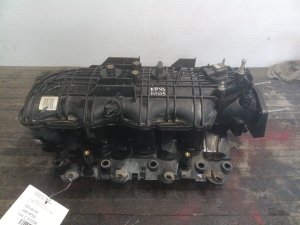
- Vacuum Leak from Intake Manifold Gaskets 🔴 High Probability → Shop Engine Intake Manifold The original plastic-carrier gaskets on GMT800 V8 engines (4.8L, 5.3L, 6.0L) are a known failure point, becoming brittle and cracking over time from heat and fuel exposure.
How to confirm: Perform a smoke test to see smoke leaking from the intake manifold area. Another method is to carefully spray brake cleaner or starter fluid around the gasket area with the engine running; a change in idle RPM indicates a leak. A scan tool showing high positive short-term fuel trims (STFT) at idle that decrease as RPMs increase toward 2500 RPM 🎬 Watch: Diagnosing a P0300 caused by intake manifold leaks. strongly points to a vacuum leak.
Typical fix: Replace the intake manifold gaskets. It is highly recommended to use an upgraded set with a metal frame, such as the Fel-Pro MS 98016 T, which resists cracking and includes new injector O-rings and a throttle body gasket.
Est. part cost: $50 - $100 - Worn Spark Plugs and/or Spark Plug Wires 🔴 High Probability → Shop Spark Plug These are standard maintenance items. Oil fouling from piston ring issues on higher mileage 5.3L engines can also shorten spark plug life, causing misfires.
How to confirm: Visually inspect spark plugs for wear, fouling (black, sooty deposits), oil, or incorrect gap. The gap should be 0.040 inches. Inspect wires for cracks, burns, or corrosion on the contacts. Check wire resistance with a multimeter; it should be within spec (e.g., under 1000 ohms for OEM wires on a 5.3L).
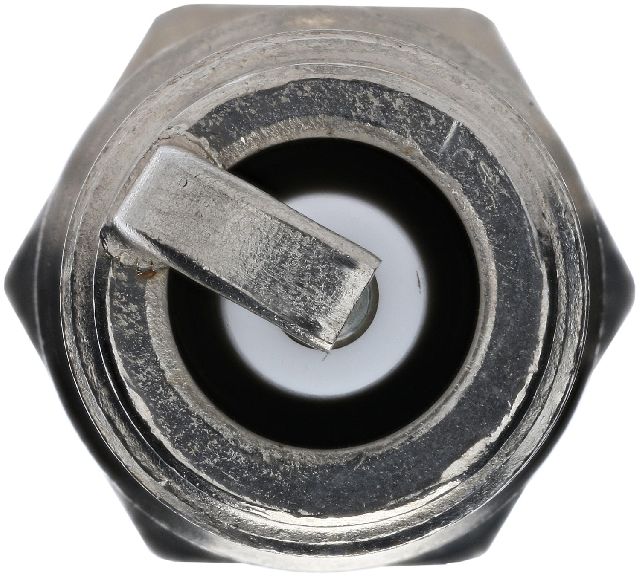
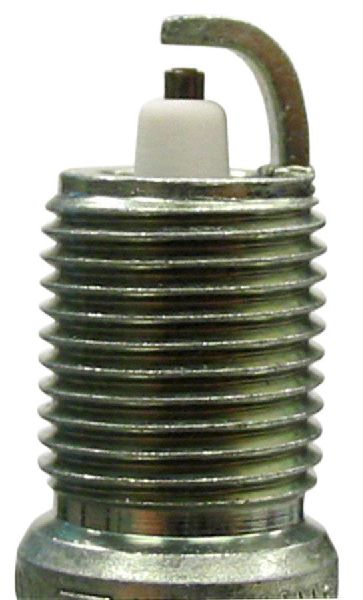
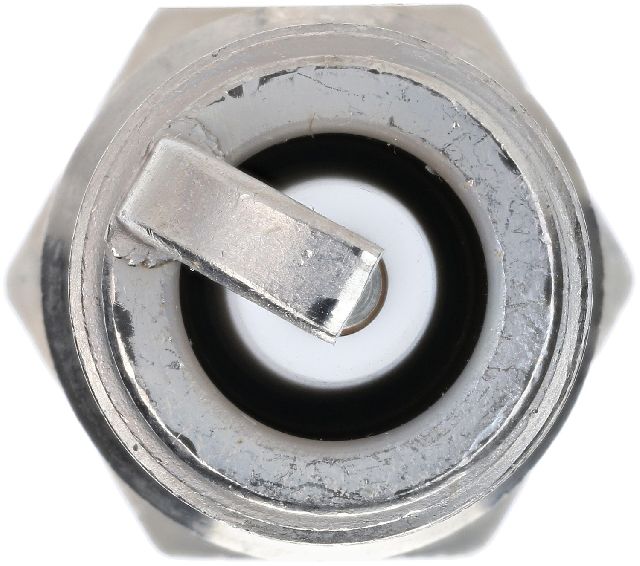
Typical fix: Replace all spark plugs and spark plug wires as a set. Use quality OEM-spec brands like ACDelco or NGK. Common part numbers include ACDelco 41-962 spark plugs and ACDelco 9748GG wire sets.
Est. part cost: $60 - $150 - Faulty Ignition Coil(s) 🟡 Medium Probability → Shop Ignition Coil
How to confirm: Use a scan tool that can display live misfire data for each cylinder. If a specific cylinder shows a high misfire count, swap its ignition coil with a known good one from another cylinder. Clear the codes and run the engine. If the misfire code follows the coil (e.g., a P0301 becomes a P0305 after swapping coils from cylinder 1 to 5), the coil is bad.
Typical fix: Replace the faulty ignition coil. It's often wise to replace the corresponding spark plug at the same time.
Est. part cost: $30 - $70 per coil - Dirty or Clogged Fuel Injectors 🟡 Medium Probability → Shop Fuel Injector Injectors can become clogged over time from fuel deposits, leading to a lean misfire.
How to confirm: Try running a high-quality fuel injector cleaner (like Seafoam or Techron) through the system first. For a more definitive diagnosis, a professional can perform a fuel injector balance test to measure the flow rate of each injector. Sometimes a single injector can be identified by swapping it between cylinders and seeing if the misfire follows.
Typical fix: Clean the fuel injectors or replace them if they are clogged or failing.
Est. part cost: $40 - $90 per injector - Failing Fuel Pressure Regulator ⚪ Low Probability → Shop Fuel Injection Pressure Regulator
How to confirm: Connect a fuel pressure gauge to the fuel rail's Schrader valve. Check that the pressure is within the manufacturer's specification (typically 55-62 PSI for these trucks). A leaking regulator may also allow raw fuel to be sucked into its vacuum line; check the line for the smell or presence of gasoline.
Typical fix: Replace the fuel pressure regulator.
Est. part cost: $40 - $80 - Corroded or Loose Ground Wires ⚪ Low Probability There are several key ground straps on the engine and frame that can corrode or loosen over time, causing erratic electrical issues, including misfires. A specific ground for the ignition coil banks 🎬 See how a bad ground causes random misfire issues. is a known culprit.
How to confirm: Inspect the main ground straps from the engine block to the firewall and frame. On some models, there is a specific ground for the coil packs located on the front or rear of the cylinder heads. Check for corrosion, looseness, or breakage. Clean the contact points and re-secure.
Typical fix: Clean all contact points for the ground wires with a wire brush until they are shiny metal. Replace any corroded or broken ground straps or terminals.
Est. part cost: $10 - $30
Rare But Worth Checking
- Worn Camshaft Lobe / Lifter Roller: → Shop Engine Camshaft A known issue documented in GM Technical Service Bulletin #PIP4138R. This can cause a persistent misfire, often accompanied by a distinct ticking, chirping, or squeaking noise from the engine that follows camshaft speed (half of engine RPM). This can be caused by a collapsed lifter, which then damages the camshaft lobe.
- Cracked Cylinder Head ('Castech' issue): → Shop Engine Cylinder Head Certain heads with the 'Castech' casting mark (a battery-like symbol under the valve cover, casting #706) are prone to developing a porosity crack in an oil drain passage, causing coolant to leak into the crankcase or combustion chamber. This typically causes unexplained coolant loss and may lead to misfires. The crack is often visible as a clean 'witness mark' in the otherwise oil-stained area around the head bolts.
- Clogged Catalytic Converter: → Shop Catalytic Converter A blocked exhaust can create excessive backpressure, leading to random misfires, poor performance, and a feeling of no power. This is often a secondary failure caused by long-term, unaddressed misfires dumping raw fuel into the exhaust and melting the converter's internals.
- Crankshaft Position Sensor Relearn Needed: → Shop Engine Crankshaft Position Sensor After major engine work, a transmission swap, or sometimes after replacing the sensor itself, the PCM may need to perform a 'crank relearn' procedure to accurately detect misfires. Many owners on forums report that performing this procedure with a capable scan tool resolved a persistent P0300 code when all other parts seemed fine.
Diagnosis Steps
- Check for other stored trouble codes with an OBD-II scanner. Codes like P0171/P0174 strongly suggest a vacuum leak.
- Use a scan tool with live data to monitor short-term (STFT) and long-term (LTFT) fuel trims at idle and at 2,500 RPM. High positive numbers at idle that improve at higher RPM indicate a vacuum leak.
- Check live misfire data. Use a scan tool to see if misfires are occurring on all cylinders randomly or are concentrated on one bank or specific cylinders. This helps narrow the search.
- Perform a full ignition system inspection. Examine all spark plugs for wear, fouling, and proper gap (0.040"). Inspect spark plug wires for damage. Test ignition coils by swapping a suspected bad coil with a known good one.
- Check for vacuum leaks. The most reliable method is a smoke test. Alternatively, carefully spray starter fluid or brake cleaner around the intake manifold gaskets, PCV hoses, and brake b
Parts You'll Likely Need
- Intake Manifold Gasket Set
(OEM #ACDelco 89017852)— This is the most common cause of P0300 on 2000-2007 GM trucks due to the flawed original plastic design.
Trusted brands: Fel-Pro (MS 98016 T is a popular upgraded metal design), ACDelco
OEM price range: $70-$120
Aftermarket price range: $50-$100 - Spark Plugs
(OEM #ACDelco 41-962 (Iridium, often recommended for 5.3L/6.0L))— Worn or fouled spark plugs are a primary cause of misfires on any vehicle.
Trusted brands: ACDelco, NGK
OEM price range: $6-$12 per plug
Aftermarket price range: $4-$8 per plug - Spark Plug Wire Set
(OEM #ACDelco 9748GG)— Wires degrade over time, causing weak spark and misfires. Aftermarket wires can have incorrect resistance, causing issues.
Trusted brands: ACDelco, NGK
OEM price range: $80-$120
Aftermarket price range: $50-$90
Related Codes That Often Appear With This One
- P0171 / P0174 — These codes indicate a 'System Too Lean' condition on Bank 1 and Bank 2, respectively. They frequently appear with P0300 when the cause is a major vacuum leak, such as from the intake manifold gaskets, as unmetered air is entering the engine and the O2 sensors detect the excess oxygen.
- P0301 - P0308 — These are cylinder-specific misfire codes. A P0300 may be joined by one of these codes if the PCM is able to isolate the misfire to a particular cylinder, which can help narrow down the diagnosis to a specific coil, plug, wire, or injector.
Technical Service Bulletins (TSBs) & Recalls
- PIP5628G
- PIP4138R
- 15-06-01-002F
Platform-Specific Known Issues
- Intake Manifold Gasket Failure: The factory-installed gaskets on the 4.8L, 5.3L, and 6.0L Vortec engines use a plastic frame that degrades from heat cycles and fuel exposure, leading to vacuum leaks. This is a very common cause of P0300, often accompanied by P0171 and P0174 codes.
- Cracked Castech Cylinder Heads: A known defect in heads with the 'Castech' logo (casting #706) can cause a crack to form, leading to coolant loss and misfires. This should be investigated if you have unexplained coolant loss along with a P0300.
- Camshaft/Lifter Failure: Particularly on engines with Active Fuel Management (AFM), lifters can collapse or stick, leading to a misfire and a distinct ticking or chirping noise. This is documented in TSB #PIP4138R.
Mechanic-Grade Diagnostic Values
- Fuel Pressure (Key On, Engine Off) — expected: 50-60 PSI (Return-style, pre-2004 models) or 55-62 PSI (Returnless, 2004+ models).. Failure: Pressure below the specified range, especially under load, indicates a weak fuel pump or failing regulator.
- Fuel Injector Resistance — expected: 11 - 14 Ohms across the injector's two electrical pins.. Failure: A reading significantly higher or lower than the 11-14 Ohm range, or a reading that is an outlier compared to the other injectors, points to a failed injector coil.
- Total Fuel Trims (STFT + LTFT) at Idle — expected: Within +/- 10%.. Failure: Sustained positive values above +10% (e.g., +20% or higher) strongly suggest a vacuum leak.
- Ignition Coil Secondary Resistance — expected: Approximately 6,000 - 7,000 Ohms (6-7 kOhms).. Failure: A reading of infinity (Open Line) or significantly outside the expected range indicates a bad coil winding.
Hidden / Shadow Codes Worth Checking
- Mode $06, Test IDs $A2-$AD: These Test IDs in Mode $06 data correspond to the misfire counts for each individual cylinder (Cylinder 1 through Cylinder 8). This allows a technician to see which cylinders are misfiring even if only a general P0300 code is set. (see via An advanced OBD-II scan tool that can access and display Mode $06 data.)
Scan Tool Commands That Help
- Tech2 / GDS2 or equivalent professional scanner: Crankshaft Position System Variation Learning Procedure — This procedure is required after replacing the crankshaft position sensor, PCM, or performing major engine work. Failure to perform the relearn can cause the PCM to inaccurately interpret crankshaft speed variations, leading to a false P0300 code.
- Tech2 / GDS2 or equivalent professional scanner: Cylinder Power Balance Test — When a P0300 is present without specific cylinder codes (P0301-P0308), this bidirectional test allows the technician to manually disable one cylinder at a time. A good cylinder will cause a noticeable drop in RPM when disabled; a misfiring cylinder will cause little to no change, helping to pinpoint the source of the random misfire.
- Advanced Scan Tool: Fuel Trim Reset — After performing a repair for a vacuum leak or fuel system issue, resetting the long-term fuel trims forces the PCM to relearn the engine's fuel requirements immediately, which can help confirm if the repair was successful.
Wiring & Ground Locations
- G102 / G104 — A ground strap located on the rear of the driver's side cylinder head.. This is a primary ground point for the Bank 1 (driver's side) ignition coils. Corrosion or a loose connection here can cause intermittent or total loss of spark to multiple cylinders on that bank, triggering a P0300.
- G103 — A ground point located on the front of the passenger's side cylinder head.. This is a primary ground point for the Bank 2 (passenger's side) ignition coils. Similar to G102/G104, a bad connection here will cause misfires on the passenger side bank.
- Engine Block to Firewall Straps — Braided ground straps connecting the back of the engine block to the vehicle's firewall, often near the brake booster.. These straps ensure the entire engine assembly has a solid ground connection to the chassis. If they are broken or corroded, electrical noise can increase and sensor grounds (including the PCM ground) can become unstable, leading to erratic behavior and misfire codes.
Real Owner Repair Stories
- gmtrucks.com & silveradosierra.com forum members (Multiple 2000-2006 5.3L Sierra/Silverado models) — Persistent P0300 random misfire, rough idle, sometimes stalling. Check engine light on.
❌ Tried (didn't work) Replaced spark plugs, Replaced spark plug wires, Replaced all ignition coils, Replaced intake manifold gaskets, Cleaned MAF sensor, Replaced fuel filter
✅ What actually fixed it The final fix was cleaning the engine-to-chassis ground points. Specifically, the small ground wire bolted to the back of the driver's side cylinder head (G102/G104) was found to be corroded or loose. Cleaning the contact point and re-securing the bolt resolved the misfire. - Multiple forum reports (2004-2006 Sierra/Silverado 5.3L) — P0300, hesitation under load, poor acceleration. Symptoms were worse when the engine was warm.
❌ Tried (didn't work) Full ignition tune-up (plugs, wires), Smoke test for vacuum leaks (passed with no leaks found), Cleaned throttle body and MAF sensor
✅ What actually fixed it The fuel pump was failing. Fuel pressure was borderline at idle (low 50s PSI) but would drop significantly under load, causing a lean condition across all cylinders that resulted in a random misfire. Replacing the fuel pump assembly restored proper fuel pressure (55-62 PSI) and fixed the code.
"I Checked Everything" — The Actual Cause
- A common scenario is a weak fuel pump or failing fuel pressure regulator. The system will pass a smoke test because there are no air leaks, but insufficient fuel delivery creates a lean condition that the PCM interprets as a misfire. Checking fuel pressure at the rail, both at idle and under load, is critical if a smoke test comes back clean.
OEM Part Supersession History
ACDelco 41-962 (Platinum)→ACDelco 41-110 (Iridium)— The 41-110 Iridium plug offers a longer service life and improved performance over the older platinum plug design. For a time, GM recommended reverting to the 41-962 for pre-2007 engines, but the 41-110 is now commonly used as the primary replacement.
Model Year Variations Within This Range
- 2000-2003: These models typically used a 'return-style' fuel system with the fuel pressure regulator mounted on the fuel rail in the engine bay. Fuel pressure is manifold-referenced.
- 2004-2007: These models transitioned to a 'returnless' fuel system where the fuel pressure regulator is located inside the fuel tank as part of the pump assembly. This system maintains a constant pressure at the fuel rail.
- 2003-2007: Electronic Throttle Control (ETC), or 'Drive-by-Wire' (DBW), was phased in starting in 2003, replacing the physical throttle cable of earlier models. This introduces the Throttle Actuator Control (TAC) module and electronic pedal as potential, though less common, points of failure affecting engine operation.
Helpful Videos
Used OEM Parts in Stock
New Aftermarket Parts Available


The information in this article is provided for general reference and educational purposes only. Vehicle specifications, procedures, and part compatibility can vary by production date, trim level, and region. Always consult your vehicle's factory service manual and verify part numbers before purchasing or performing repairs. Safety-critical components such as airbags, seat belts, and braking systems should be installed by a qualified professional.
- Gmc SIERRA 1500:
- 🧭 Diagnostic Flowchart
- 🎬 Helpful Videos
- 🛍️ Shop This Part
- What's Unique About the 2000-2007 Gmc SIERRA 1500
- Symptoms You May Notice
- Most Likely Causes
- Rare But Worth Checking
- Diagnosis Steps
- Parts You'll Likely Need
- Related Codes That Often Appear With This One
- Technical Service Bulletins (TSBs) & Recalls
- Platform-Specific Known Issues
- Mechanic-Grade Diagnostic Values
- Hidden / Shadow Codes Worth Checking
- Scan Tool Commands That Help
- Wiring & Ground Locations
- Real Owner Repair Stories
- "I Checked Everything" — The Actual Cause
- OEM Part Supersession History
- Model Year Variations Within This Range
- 🎟️ Get 5% Off