

P0300 on 1999-2003 GMC Sierra: Random Misfire Causes and Fixes
For a 1999-2003 GMC Sierra, a P0300 code is most often caused by a vacuum leak from failed intake manifold gaskets or basic ignition components like spark plugs and wires. Replacing the intake gaskets with an updated design is a common and effective fix, with parts costing around $50-$100. Checking fuel pressure and for vacuum leaks are critical first diagnostic steps.
- P0300 on a 1999-2003 Sierra most likely points to failed intake manifold gaskets. Check for a vacuum leak there first.
- Before attempting complex repairs, always cover the basics: inspect spark plugs, spark plug wires, and check fuel pressure.
- If the check engine light is flashing, pull over and stop driving to prevent catastrophic damage to your catalytic converters.
- When replacing intake gaskets, use the upgraded metal-frame design (e.g., Fel-Pro MS 98016 T) to prevent the problem from recurring.
- A GM service bulletin recommends gapping new spark plugs to 0.040 inches for these engines, not the original 0.060 inches.
What's Unique About the 1999-2003 Gmc SIERRA
The 1999-2003 GMC Sierra, part of the GMT800 platform, is particularly known for a few key issues that lead to a P0300 code. The V8 engines (4.8L, 5.3L, 6.0L) used intake manifold gaskets made of a plastic and rubber composite that are infamous for becoming brittle, cracking, and failing over time. This failure creates a significant vacuum leak that affects multiple cylinders, making it one of the most common causes of this code on these trucks. Additionally, while many causes are simple, GM has issued technical service bulletins for this platform pointing to more severe mechanical issues like worn camshaft lobes as a potential underlying cause when standard diagnostics fail.
Diagnostic Flowchart
Tap your situation to follow the diagnostic path that matches what you're seeing on this vehicle.
Symptoms You May Notice
- Rough or shaking idle, sometimes feeling like the engine will stall.
- Hesitation or stumbling during acceleration.
- Flashing Check Engine Light (indicates a severe, catalyst-damaging misfire).
- Reduced engine power.
- Noticeable odor of unburnt fuel from the exhaust.
- Decreased fuel economy.
- Symptoms are often worse during cold starts or in wet weather, and may improve as the engine warms up.
- Replacing oxygen (O2) sensors. O2 sensors report on the air/fuel mixture; they will correctly identify a lean or rich condition caused by a misfire but are rarely the cause of the misfire itself.
- Replacing only one ignition coil or spark plug. A P0300 code indicates a problem affecting multiple cylinders, so a single component is an unlikely fix unless multiple have failed simultaneously.
Most Likely Causes
- Leaking Intake Manifold Gaskets 🔴 High Probability → Shop Engine Intake Manifold The original gaskets on the Vortec V8 engines are a plastic/rubber design that hardens, cracks, and fails over time, causing a large unmetered air leak. This is a well-documented, common failure on the GMT800 platform.
How to confirm: With the engine running, spray short bursts of brake cleaner or unlit propane around the seam where the intake manifold meets the cylinder heads. A change in engine RPM indicates a leak. A professional smoke test is the most definitive method. High positive long-term fuel trims (LTFT) above +10% on a scanner also strongly suggest a vacuum leak.
Typical fix: Replace the intake manifold gaskets. 🎬 See this walkthrough on replacing your intake manifold gaskets It is highly recommended to use an upgraded metal-frame gasket set, such as Fel-Pro part #MS 98016 T or the updated GM part #89017852, for a more durable repair.
Est. part cost: $50-$100 - Worn Spark Plugs and/or Spark Plug Wires 🔴 High Probability → Shop Spark Plug These are standard maintenance items that degrade over time. Heat and vibration cause wires to break down and spark plug electrodes to wear, resulting in a weak or inconsistent spark.
How to confirm: Visually inspect spark plugs for wear, fouling, or an incorrect gap. Inspect wires for cracks, melting, or signs of arcing (white dust).
Typical fix: Replace all spark plugs and wires as a set. Per GM TSB #03-06-04-060, gapping the plugs to 0.040" instead of the original 0.060" can reduce misfires on higher mileage engines. Use quality brands like ACDelco or NGK.
Est. part cost: $60-$150 - Low Fuel Pressure (Weak Fuel Pump or Faulty Regulator) 🟡 Medium Probability The fuel pump is a common failure item on aging trucks, and the fuel pressure regulator can also fail, causing either too much or too little pressure.
How to confirm: Connect a fuel pressure gauge to the Schrader valve on the fuel rail. For the V8 engines, pressure should be 55-62 PSI with the key on, engine off. If the regulator is suspected, pull the vacuum line off of it and check for the presence or smell of raw fuel, which indicates a ruptured diaphragm.
Typical fix: Replace the failing component. This could be the fuel pump module in the tank, the fuel filter on the frame rail, or the vacuum-operated fuel pressure regulator on the fuel rail.
Est. part cost: $40-$300 - Dirty or Failing Mass Airflow (MAF) Sensor ⚪ Low Probability → Shop Fuel Injection Air Flow Meter The MAF sensor can become contaminated with dirt and oil vapor, causing it to send incorrect airflow readings to the ECM, which then calculates the wrong amount of fuel.
How to confirm: Unplug the MAF sensor with the engine running. If the idle smooths out, the sensor is likely faulty. Cleaning the sensor with dedicated MAF cleaner is a good first step.
Typical fix: Clean the MAF sensor with a specific MAF sensor cleaner spray. If cleaning doesn't resolve the issue, replace the sensor.
Est. part cost: $15 (cleaner) - $150 (sensor) - Clogged or Dirty Fuel Injectors ⚪ Low Probability → Shop Fuel Injector GM has noted in TSB 03-06-04-030 that fuel injectors can become restricted, leading to lean conditions and misfires. This can be caused by poor quality fuel or simply high mileage.
How to confirm: A professional can perform a fuel injector balance test using a scan tool or an AFIT (Active Fuel Injector Tester) to measure flow rates. Sometimes a specific cylinder misfire code (P0301-P0308) will accompany the P0300.
Typical fix: Professional on-vehicle fuel injector cleaning is the first step recommended by GM. If cleaning fails, the affected injectors must be replaced.
Est. part cost: $100 (cleaning) - $500+ (replacement)
Rare But Worth Checking
- Worn Camshaft Lobe and/or Lifter: → Shop Engine Camshaft Per GM Technical Service Bulletin #PIP4138L, if standard diagnostics for P0300-P0308 codes do not find a cause, a worn camshaft lobe should be investigated. This is a significant mechanical failure that can cause a persistent misfire and engine noise.
- Clogged Catalytic Converter: → Shop Catalytic Converter A clogged catalytic converter can create excessive exhaust backpressure, leading to a random misfire. This is often a consequence of long-term misfires dumping raw fuel into the exhaust, not the initial cause.
- Faulty Crankshaft Position Sensor (CKP): → Shop Engine Crankshaft Position Sensor While the CKP sensor is what detects the misfire, a faulty sensor can itself send erratic signals, causing the ECM to incorrectly report a P0300 code. This may be accompanied by a Crank Relearn Procedure requirement.
- Poor Engine Ground: A corroded or loose engine-to-chassis ground strap can cause a variety of electrical issues, including erratic sensor readings and random misfires. This is often overlooked but is simple to inspect and clean.
Diagnosis Steps
- Check for other stored trouble codes. Codes like P0171/P0174 strongly point towards a vacuum leak.
- Analyze Live Data with a scanner. Check Short-Term (STFT) and Long-Term (LTFT) Fuel Trims at idle. High positive numbers (e.g., >15%) suggest a vacuum leak.
- Inspect the ignition system. Check all spark plugs for wear and proper gap (0.040" per TSB 03-06-04-060). Inspect all spark plug wires for damage, corrosion, or arcing.
- Test for vacuum leaks. With the engine idling, carefully spray brake cleaner or propane around the intake manifold gaskets and listen for any change in engine RPM. Inspect all other vacuum hoses for cracks, especially the one for the fuel pressure regulator.
- Check fuel pressure. Connect a gauge to the fuel rail and verify pressure is within the 55-62 PSI specification. 🎬 Watch: How to diagnose a misfire on a 5.3L engine Check that the pressure holds after the pump shuts off. Pull the vacuum line from the fuel pressure regulator to check for fuel.
- Clean the Mass Airflow (MAF) sensor using a dedicated cleaner.
- If all else fails, investigate mechanical issues. Perform a compression test to check for internal engine problems. As a last resort, follow TSB PIP4138L and inspect for a worn camshaft lobe.
Parts You'll Likely Need
- Intake Manifold Gasket Set
(OEM #89017852)— This is the most common cause of P0300 on the GMT800 platform due to the failure-prone original design.
Trusted brands: Fel-Pro (MS 98016 T is the recommended upgrade), ACDelco (GM Genuine)
OEM price range: $80-$120
Aftermarket price range: $50-$100 - Spark Plugs
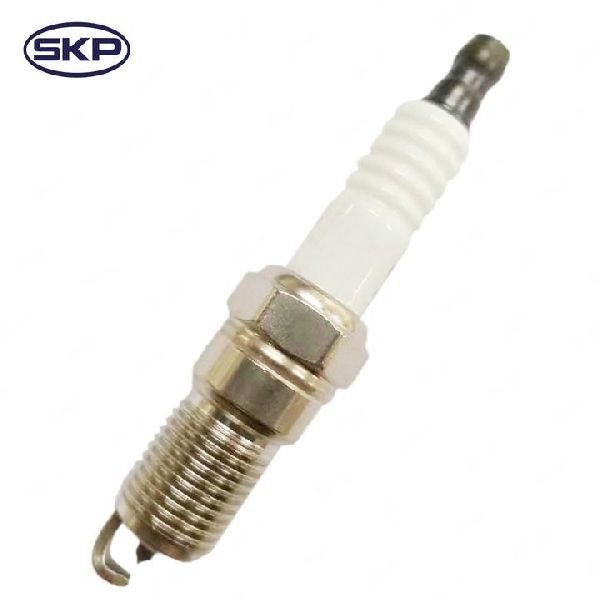
(OEM #ACDelco 41-962 (Platinum) or 41-110 (Iridium))— Standard maintenance item. A TSB recommends a smaller gap (0.040") to prevent misfires. The original part number was platinum, with iridium being a common long-life upgrade.
Trusted brands: ACDelco, NGK
OEM price range: $6-$12 per plug
Aftermarket price range: $4-$10 per plug - Spark Plug Wires — Wires degrade with heat and time, causing weak spark. They are a common tune-up item to replace with spark plugs.
Trusted brands: ACDelco, NGK
OEM price range: $80-$120
Aftermarket price range: $50-$90 - Fuel Pressure Regulator — The diaphragm can rupture, leaking raw fuel into the vacuum line and causing a rich condition and misfires.
Trusted brands: ACDelco, Standard Motor Products
OEM price range: $50-$80
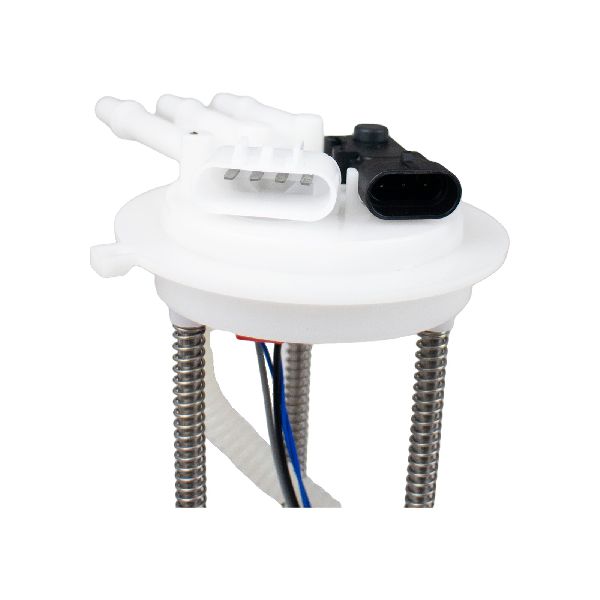
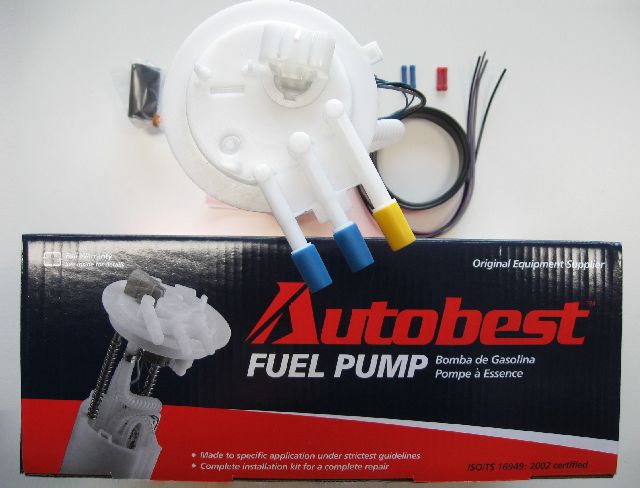
Aftermarket price range: $30-$60 - Fuel Pump Module — A weak fuel pump is a common failure on aging trucks, leading to low fuel pressure and lean misfires.
Trusted brands: ACDelco, Delphi
OEM price range: $250-$400
Aftermarket price range: $150-$300
Related Codes That Often Appear With This One
- P0171 and P0174 — These 'System Too Lean' codes for both engine banks are very common with P0300 when the cause is a large vacuum leak, like failed intake manifold gaskets.
- P0301, P0302, P0303, etc. — A random misfire (P0300) may eventually become consistent enough for the ECM to isolate it to one or more specific cylinders, triggering these codes alongside P0300.
Technical Service Bulletins (TSBs) & Recalls
- PIP4138L: A diagnostic procedure for investigating a worn camshaft lobe when P0300-P0308 codes persist after standard repairs.
- 03-06-04-060: Recommends changing the spark plug gap from the original 0.060" to 0.040" to help mitigate misfire issues, especially on higher mileage engines.
- 03-06-04-030: Addresses various driveability issues, including P0300, caused by clogged or restricted fuel injectors and provides an on-vehicle cleaning procedure.
Platform-Specific Known Issues
- Owner Experience: The Intake Gasket Saga: Numerous owners on forums like silveradosierra.com and gmtnation.com report chasing a P0300 code by replacing plugs, wires, and coils, only to find the true culprit was the intake manifold gaskets. A common story involves the misfire being worst on cold, damp mornings and improving as the engine warms up and the gaskets expand to create a temporary seal. One user on GMT800 - The '99 - '06 GM Truck Forum detailed replacing nearly every sensor and component before finally fixing the issue with intake gaskets.
- The Spark Plug Gap Debate: → Shop Spark Plug There is significant discussion in owner communities about the spark plug gap. While the factory specification was 0.060 inches, many owners and GM's own TSB (03-06-04-060) confirm that reducing the gap to 0.040 inches provides a more reliable spark and can resolve persistent, light misfire conditions, especially on engines with over 100,000 miles.
Mechanic-Grade Diagnostic Values
- Fuel Pressure (Key On, Engine Off) — expected: 55-62 PSI. Failure: Pressure below 55 PSI indicates a weak pump or clogged filter. Pressure that bleeds off quickly indicates a bad check valve or leaking regulator/injector.
- Fuel Injector Resistance — expected: 11-14 Ohms. Failure: A reading significantly outside this range indicates a faulty injector coil.
- Ignition Coil Primary Resistance — expected: 0.2 - 2.0 Ohms (typical). Failure: Readings of infinity (open) or zero (short) indicate a failed coil.
- Long-Term Fuel Trim (LTFT) at Idle — expected: -5% to +5%. Failure: Consistently above +10% to +15% strongly suggests an unmetered air (vacuum) leak.
Hidden / Shadow Codes Worth Checking
- Misfire Current Counters / Misfire History: These are not formal DTCs but live data PIDs showing the number of misfire events per cylinder in the current and previous drive cycles. A professional scan tool can display this data. (see via GM Tech 2, or other professional scan tools with GM-specific software. This data is essential for seeing which cylinders are contributing to the P0300 count even if they haven't set their own P030x code.)
Scan Tool Commands That Help
- Tech 2 / GDS2: Crankshaft Position (CKP) Variation Learn — This procedure is required after replacing the crankshaft position sensor, engine, or PCM. If not performed, the ECM may inaccurately detect misfires and set a P0300 because it hasn't learned the minor variations of the new components.
- Tech 2 / GDS2: Fuel Injector Balance Test — This command sequentially fires each injector and measures the corresponding fuel pressure drop. It is used to identify a clogged or weak injector that may be causing a misfire on a specific cylinder, which contributes to the random P0300 count.
- Tech 2 / GDS2: Misfire Graph — This function provides a real-time graphical display of misfire counts per cylinder, which is invaluable for diagnosing intermittent misfires under specific load or RPM conditions.
Wiring & Ground Locations
- G103 / G104 (Varies by year/engine) — On the rear of the driver's side cylinder head. This is a critical ground point for the ignition coil harnesses.. A corroded or loose ground at this location can cause a weak or no spark condition for an entire bank of cylinders (1, 3, 5, 7), leading to a P0300. This ground is notoriously difficult to access.
- PCM Ground — A black wire that is part of the main engine harness and grounds to a stud on the top front of the engine block, near the driver's side.. This is a primary ground for the Powertrain Control Module (PCM). A poor connection here can cause countless erratic sensor readings and phantom issues, including false misfire detection.
- Engine Block to Firewall Strap — A braided ground strap running from the back of the engine block (often sharing the G103/G104 stud) to the firewall.. Ensures the engine block has a solid ground path to the vehicle's body, which is critical for all engine electronics, including the ignition system.
- Frame Rail Grounds — Located on the driver's side frame rail, near the front tire. This is a ground point for the fuel pump.. A corroded ground here can cause intermittent or low voltage to the fuel pump, resulting in low fuel pressure and a lean misfire condition.
Real Owner Repair Stories
- YouTube user 'G Automotive and More' (GMC Sierra 5.3L) — Check engine light flashing, running very badly, no spark on the entire driver's side bank (cylinders 1, 3, 5, 7).
❌ Tried (didn't work) Swapping ignition coils did not restore spark.
✅ What actually fixed it The main ground wire for the ignition coils, located on the engine block, was internally corroded and broken inside the ring terminal. Replacing the terminal and cleaning the connection point restored the ground and fixed the misfire. - YouTube user 'Tech28' (2002 GMC 1500 4.8L V8) — P0300 random misfire at idle and under load, with misfire counters showing activity across multiple cylinders.
❌ Tried (didn't work) Initial diagnosis was difficult as the misfire jumped between cylinders.
✅ What actually fixed it The technician identified that the common denominator for the ignition coils was the ground circuit. By providing a known good ground directly to the ignition coil sub-harnesses (bypassing the factory ground point), the misfires immediately stopped. The root cause was a bad ground connection at the engine block. - YouTube user '8.1 Gmc Sierra p0300' (GMC Sierra with 8.1L V8) — Severe misfire, running pig rich with strong fuel smell, P0300 code.
❌ Tried (didn't work) Initially suspected a clogged fuel injector, a common issue on these engines.
✅ What actually fixed it The Bank 1 (driver's side) upstream oxygen sensor had failed internally. Live data showed it was reading lean, causing the PCM to command an extremely rich fuel mixture to compensate. This flooded the cylinders with fuel, causing the misfire. Unplugging the faulty O2 sensor made the misfire go away instantly (forcing the system into open loop). Replacing the O2 sensor was the final fix.
"I Checked Everything" — The Actual Cause
- In some cases, a smoke test for vacuum leaks may come back clean, but a P0300 persists. A common culprit in this scenario is a faulty fuel pressure regulator. If its internal diaphragm ruptures, it can leak raw fuel directly into the vacuum line connected to it. This doesn't create a vacuum leak that a smoke test would find, but it does create a severe rich condition on the cylinders fed by that vacuum source, causing random misfires.
When the Usual Fixes Don't Work
- While intake manifold gaskets and tune-up components are the most frequent culprits, a significant number of owner-documented repairs for P0300 on this platform lead to electrical ground issues. Specifically, the main ground for the ignition coil harnesses, located on the back of the driver's side cylinder head, is a common point of failure due to corrosion. Before committing to major parts replacement, a thorough inspection and cleaning of all major engine and PCM ground points is a high-value, low-cost diagnostic step that often resolves the issue.
OEM Part Supersession History
GM 17113628 (and others)→GM 89017852 / Fel-Pro MS 98016 T— The original plastic-carrier intake manifold gaskets were prone to cracking and causing vacuum leaks. The updated parts use a metal or hard composite carrier for improved durability and sealing.
Model Year Variations Within This Range
- 1999-2003: These model years primarily used a 'return-style' fuel system, which includes a vacuum-operated fuel pressure regulator located on the fuel rail in the engine bay. This regulator is a common failure point that can cause a P0300.
- 2004+ (for context): Later models (including some 2003 flexible fuel vehicles) transitioned to a 'returnless' fuel system. In this design, the fuel pressure regulator is integrated with the fuel pump module inside the gas tank. This eliminates the fuel rail regulator as a potential cause for P0300 on these later trucks.
Helpful Videos
Used OEM Parts in Stock
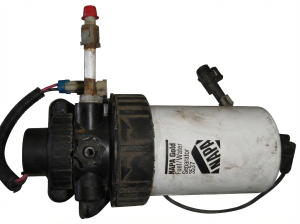
New Aftermarket Parts Available


The information in this article is provided for general reference and educational purposes only. Vehicle specifications, procedures, and part compatibility can vary by production date, trim level, and region. Always consult your vehicle's factory service manual and verify part numbers before purchasing or performing repairs. Safety-critical components such as airbags, seat belts, and braking systems should be installed by a qualified professional.
- Gmc SIERRA:
- 🧭 Diagnostic Flowchart
- 🎬 Helpful Videos
- 🛍️ Shop This Part
- What's Unique About the 1999-2003 Gmc SIERRA
- Symptoms You May Notice
- Most Likely Causes
- Rare But Worth Checking
- Diagnosis Steps
- Parts You'll Likely Need
- Related Codes That Often Appear With This One
- Technical Service Bulletins (TSBs) & Recalls
- Platform-Specific Known Issues
- Mechanic-Grade Diagnostic Values
- Hidden / Shadow Codes Worth Checking
- Scan Tool Commands That Help
- Wiring & Ground Locations
- Real Owner Repair Stories
- "I Checked Everything" — The Actual Cause
- When the Usual Fixes Don't Work
- OEM Part Supersession History
- Model Year Variations Within This Range
- 🎟️ Get 5% Off