

P0300 on 2008-2010 GMC Sierra 2500 6.0L: Random Misfire Causes and Fixes
P0300 on a 2008-2010 GMC Sierra 2500 with the 6.0L V8 most often means it's time for a basic tune-up. Worn spark plugs (ACDelco 41-110/41-162) and faulty spark plug wires are the most common culprits. If a tune-up doesn't solve it, look for vacuum leaks from the intake manifold gaskets or PCV system. In rarer, more severe cases, this code can point to a worn camshaft lobe, a known issue detailed in manufacturer bulletins.
- P0300 means multiple cylinders are misfiring randomly, not just one.
- Start with the basics: A full tune-up with new spark plugs (ACDelco Iridium recommended) and spark plug wires is the most likely and affordable fix.
- If a tune-up doesn't work, check for vacuum leaks, especially from the intake manifold gasket, as this is a common failure point.
- A flashing check engine light is a critical warning. Stop driving to prevent destroying your catalytic converters, which is a very expensive repair.
- Be aware of the TSBs for this truck, which point to specific issues like worn camshafts and oil consumption that can cause this code if the simple fixes don't work.
What's Unique About the 2008-2010 Gmc SIERRA 2500
For the GMT900 platform Sierra with the 6.0L V8 (RPO code LY6), a P0300 code is frequently tied to simple ignition maintenance items like spark plugs and wires, which are explicitly mentioned in Technical Service Bulletins (TSBs) for this truck. [Bulletin #PIP4525D, Bulletin #PIP4819A] However, these workhorse engines can also suffer from more severe issues noted in other TSBs, such as worn camshaft lobes leading to lifter failure and a persistent misfire. [Bulletin #PIP4138P, Bulletin #PIP4525D] It is a common misconception that this engine suffers from Active Fuel Management (AFM) lifter failure; the LY6 engine in the 2500 HD series does not have AFM, which simplifies diagnosis by ruling out that specific failure mode.
Diagnostic Flowchart
Tap your situation to follow the diagnostic path that matches what you're seeing on this vehicle.
Symptoms You May Notice
- Rough or shaky idle.
- Hesitation or stumbling during acceleration.
- Reduced engine power.
- Poor fuel economy.
- Flashing Check Engine Light (indicates a severe misfire).
- Engine noise, ticking, or chirping, which could indicate a valvetrain issue like a worn cam lobe. [Bulletin #PIP4138P]
- Replacing oxygen (O2) sensors. A faulty O2 sensor is more likely to be a symptom of the misfire (due to unburnt fuel) rather than the root cause. However, a lazy or failed O2 sensor can cause an entire bank to run rich or lean, leading to misfires on that side.
- Replacing the Crankshaft Position Sensor. While a failing sensor can cause misfires, it's less common than basic ignition or fuel issues. A faulty sensor may also cause stalling or no-start conditions. 🎬 Watch: Troubleshooting a P0300 when it's not the usual suspects. If other repairs fail, a 'crankshaft position variation learn' procedure may be needed.
Most Likely Causes
- Worn or Fouled Spark Plugs 🔴 High Probability → Shop Spark Plug Normal wear item. TSB #PIP4525D specifically calls out inspecting spark plugs for oil fouling and cracks on these trucks. The original ACDelco iridium plugs have a long life but will eventually wear, causing a weak spark.
How to confirm: Visually inspect the spark plugs for wear (rounded electrode), carbon buildup, oil fouling, or cracked porcelain insulators. An excessively wide gap can also cause misfires. A plug that is wet with fuel or oil indicates a problem.
Typical fix: Replace all eight spark plugs as a set. Use high-quality iridium plugs like the OEM-specified ACDelco 41-110 or its successor, 41-162, for best performance.
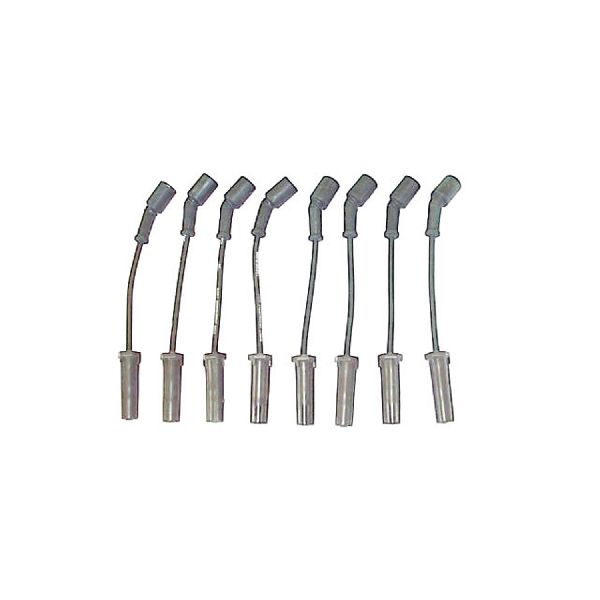
Est. part cost: $60-$120 - Faulty Spark Plug Wires 🔴 High Probability → Shop Spark Plug Heat and age cause the insulation to break down. TSB #PIP4819A specifically directs technicians to inspect and replace spark plug wires for misfire conditions. The routing of wires near hot exhaust manifolds makes them susceptible to damage.
How to confirm: Inspect wires for cracks, burns, or corrosion on the terminals. At night, with the engine running, you can sometimes see arcing from a bad wire to the engine block. Test resistance with a multimeter; it should be within manufacturer specs (typically under 1,000 ohms per foot).
Typical fix: Replace all spark plug wires as a set. Using a quality OEM set like ACDelco 9748RR is highly recommended for proper fit and resistance.
Est. part cost: $60-$150 - Vacuum Leak 🟡 Medium Probability The stock intake manifold gaskets are made of plastic frames with rubber seals that are known to flatten and become brittle over time, causing unmetered air to enter the engine and disrupt the air-fuel ratio. This is a very common failure on GM V8s of this era.
How to confirm: Listen for a hissing sound around the engine bay, especially near the intake manifold. A mechanic can perform a smoke test, which feeds smoke into the intake system to reveal the location of any leaks. Watching short-term and long-term fuel trims with a scan tool can also point to a leak; consistently high positive numbers (e.g., >10%) indicate the engine is adding fuel to compensate for extra air.
Typical fix: Replace the leaking gasket or hose. The intake manifold gaskets are the most common culprit and should be replaced with an updated design, such as the Fel-Pro MS96587 set. 🎬 See this step-by-step walkthrough for replacing your intake manifold gaskets.
Est. part cost: $30-$200 - Dirty or Clogged Fuel Injectors 🟡 Medium Probability → Shop Fuel Injector Fuel deposits can build up over time, restricting flow and causing a lean condition in one or more cylinders. While this can cause a single-cylinder misfire, multiple dirty injectors can trigger a P0300.
How to confirm: A professional can perform a fuel injector balance test. An owner on a forum reported success using a quality fuel system cleaner like Gum Out Multi-System Tune-up to resolve a P0300 code after other fixes failed.
Typical fix: Try one or two treatments of a high-quality fuel system cleaner poured into the gas tank first. If that fails, the injectors may need to be professionally cleaned or replaced.
Est. part cost: $50-$400 per injector - Clogged or Faulty PCV System 🟡 Medium Probability The Positive Crankcase Ventilation (PCV) system on the Vortec V8s can be a source of issues. The fixed orifice in the driver-side valve cover can become clogged, leading to excessive crankcase pressure, oil consumption, and fouled spark plugs. A ruptured PCV hose can also create a significant vacuum leak.
How to confirm: Inspect the PCV hose that runs from the passenger-side valve cover to the intake manifold for cracks or collapse. The driver-side valve cover contains a fixed orifice PCV; if clogged, the entire valve cover is typically replaced.
Typical fix: Replace the PCV hose if damaged. If the PCV orifice is clogged, replace the driver-side valve cover.
Est. part cost: $15-$90
Rare But Worth Checking
- Worn Camshaft Lobe: → Shop Engine Camshaft TSB #PIP4138P (and its successor #PIP4138Q) specifically mentions this as a potential cause for P0300-P0308 codes. A worn lobe prevents the corresponding valve from opening fully, causing a persistent misfire on that cylinder. This can be accompanied by a distinct ticking or chirping noise from the top of the engine. Diagnosis involves inspecting the valvetrain, and the fix requires replacing the camshaft and all lifters.
- Low Fuel Pressure: A weak fuel pump or clogged fuel filter can starve the entire engine for fuel, leading to random lean misfires across all cylinders. This should be checked with a fuel pressure gauge connected to the fuel rail schrader valve. Pressure at idle should be within the 55-62 PSI range for this engine.
- Failed Lifter (Non-AFM): While this truck's 6.0L LY6 engine does not have the problematic Active Fuel Management (AFM) system, a standard hydraulic roller lifter can still fail. This is often secondary to a worn camshaft lobe. A collapsed lifter will cause a persistent misfire on one cylinder and a loud ticking noise, but the PCM may still log a general P0300 code.
- Clogged Catalytic Converter: → Shop Catalytic Converter A restricted or clogged catalytic converter can create excessive exhaust backpressure, preventing cylinders from evacuating exhaust gas efficiently. This can lead to a random misfire condition. This is often accompanied by a P0420 or P0430 code and a noticeable loss of power, especially at higher RPMs.
- Crossed Fuel Injector Connectors: → Shop Fuel Injector Extremely specific but cited in TSB #PIP5169. If recent engine work was performed, ensure the connectors for cylinders 5 & 7 and 6 & 8 are not swapped. This is an easy check to perform before diving into more complex diagnostics.
Diagnosis Steps
- Scan for Codes: Use an OBD-II scanner to confirm P0300 and check for any other stored codes 🎬 Watch: Using a scan tool to diagnose specific cylinder misfires. (e.g., P030x, P0171, P0174) that can provide clues.
- Check Freeze Frame Data: Analyze the freeze frame data to see the engine conditions (RPM, load, temperature) when the code was set.
- Check Fuel Trims: Use a capable scanner to view live data for Short-Term (STFT) and Long-Term Fuel Trims (LTFT). Values consistently above +10% on both banks strongly suggest a vacuum leak or fuel delivery problem.
- Visual Inspection: Inspect the engine bay for obvious issues like cracked or disconnected vacuum hoses (especially the PCV line), damaged wiring, or loose electrical connectors.
- Ignition System Check: This is the most common cause. Carefully inspect spark plug wires for damage. Remove and inspect all eight spark plugs for signs of wear, oil fouling, or damage. [Bulletin #PIP4525D, #PIP4819A]
- Test Fuel Pressure: Connect a fuel pressure gauge to the Schrader valve on the fuel rail. With the key on and engine off, the pressure should be between 55-62 PSI.
- Check for Bad Grounds: Inspect and clean the main engine and PCM ground points. Key locations include straps from the firewall to the back of the cylinder heads and the main PCM ground on the front of the driver's side cylinder head.
- Perform Crankshaft Position Variation Learn: If the crankshaft position sensor, engine, or PCM has been replaced, a 'crank relearn' procedure using a capable scan tool (like a Tech2) is necessary to prevent false misfire codes.
Parts You'll Likely Need
- Spark Plugs
(OEM #ACDelco 41-110 (Original) or 41-162 (Updated))— These are a primary wear item and the most frequent cause of misfires. TSB #PIP4525D points to inspecting them for fouling.
Trusted brands: ACDelco, NGK
OEM price range: $8-$15 per plug
Aftermarket price range: $5-$12 per plug - Spark Plug Wire Set
(OEM #ACDelco 9748RR)— Wires degrade over time, causing weak or intermittent spark. TSB #PIP4819A specifically identifies them as a cause for P0300.
Trusted brands: ACDelco, NGK/NTK
OEM price range: $80-$150
Aftermarket price range: $50-$100 - Intake Manifold Gasket Set
(OEM #Fel-Pro MS96587 (Popular Aftermarket))— These gaskets are a very common source of vacuum leaks on GM V8 engines, which leads to a lean condition and random misfires. The updated Fel-Pro design is often preferred over OEM for durability.
Trusted brands: Fel-Pro, ACDelco
OEM price range: $60-$120
Aftermarket price range: $30-$80
Related Codes That Often Appear With This One
- P0301-P0308 — These codes indicate a misfire on a specific cylinder (e.g., P0301 is cylinder 1). They often appear with P0300 as the computer detects a high number of misfires on one or more specific cylinders in addition to the random count.
- P0171 / P0174 — These codes mean 'System Too Lean' on Bank 1 and Bank 2, respectively. They are a strong indicator that the P0300 is caused by a vacuum leak, a dirty MAF sensor, or a fuel delivery issue like a weak fuel pump, as the unmetered air or lack of fuel creates a lean condition that leads to misfires.
Technical Service Bulletins (TSBs) & Recalls
- PIP5628F: Preliminary information for diagnosing misfire codes P0300-P0308.
- PIP4525D: Connects P0300 to engine misfire and oil consumption, advising inspection of spark plugs for oil fouling.
- PIP4138P: Suggests checking for a worn camshaft lobe if P0300 diagnostics are inconclusive.
- PIP4819A: Points to inspecting and replacing spark plug wires as a fix for P0300.
- PIP5169: Warns about crossed injector connectors for cylinders 5-7 and 6-8 after engine repairs.
Platform-Specific Known Issues
- Oil Consumption and Fouled Plugs: TSB #PIP4525D links engine misfires (P0300) with oil consumption. This can be caused by a clogged PCV orifice in the driver-side valve cover or piston ring issues. The oil fouls the spark plugs, causing misfires. The first step is often to clean/inspect the PCV system and replace the fouled plugs.
- Intake Manifold Gasket Failure: The original intake gaskets are a known weak point. They fail from heat and age, causing lean codes (P0171/P0174) and random misfires (P0300). The symptom is often a rough idle that may smooth out at higher RPMs. Replacement with an updated gasket set like the Fel-Pro MS96587 is a common and effective repair.
- Ground Wire Corrosion: On some GM trucks, the main ground wire for the ignition coils, typically located on the engine block or cylinder head, can corrode or break. This can cause a weak or no-spark condition to an entire bank of cylinders, leading to a P0300 and a very rough running engine.
Mechanic-Grade Diagnostic Values
- Fuel Pressure (Key On, Engine Off) — expected: 55-62 PSI. Failure: Pressure below 55 PSI indicates a weak fuel pump or clogged filter.
- Fuel Injector Flow Rate (6.0L LY6) — expected: 33.3 lb/hr @ 58 PSI (4 BAR). Failure: Lower flow rates indicate clogged injectors. This requires professional testing.
- Ignition Coil Primary Resistance — expected: 0.4 to 2 ohms. Failure: Readings outside this range suggest a faulty primary winding.
- Ignition Coil Secondary Resistance — expected: 6,000 to 10,000 ohms. Failure: Readings outside this range suggest a faulty secondary winding.
- Total Fuel Trim (STFT + LTFT) — expected: Single-digit corrections (e.g., -9% to +9%). Failure: Consistent double-digit positive corrections (>+10%) suggest a vacuum leak or fuel delivery issue. Double-digit negative corrections suggest a rich condition.
Hidden / Shadow Codes Worth Checking
- Misfire Counters (per cylinder): Live data PID showing the number of misfire events for each individual cylinder, even if a specific P030x code hasn't been set. This is crucial for identifying which cylinders are contributing most to the P0300 count. (see via Any capable OBD-II scanner with live data functionality, including GM's Tech2/GDS2, Autel, or bluetooth dongles with apps like OBD Fusion.)
- Mode $06 Data: This diagnostic mode contains raw data from the PCM's self-tests, including misfire counts for the current and last 10 driving cycles for each cylinder. This can reveal intermittent misfires that haven't yet triggered a code. (see via A scan tool that can access OBD-II Mode $06. This is a standard feature on most professional-grade and many enthusiast-level scanners.)
Scan Tool Commands That Help
- GM Tech2 or equivalent professional scanner: Crankshaft Position Variation Learn — Required after replacing the crankshaft position sensor, PCM, or engine. Failure to perform this relearn can cause the PCM to incorrectly interpret minor crankshaft speed variations as misfires, setting a false P0300 or P0315 code. The procedure involves applying the brake and accelerating to a specific RPM (around 4000 RPM for the V8) until the fuel cuts off, allowing the PCM to learn the exact profile of the crankshaft reluctor wheel.
- GM Tech2 or equivalent professional scanner: Injector Balance Test — Used to identify a leaking or clogged fuel injector. The tool commands the fuel pump on to pressurize the system, then measures the pressure drop as it individually fires each injector for a set duration. A cylinder with a greater or lesser pressure drop than the others indicates a faulty injector.
- GM Tech2 or equivalent professional scanner: Power Balance Test — Used to identify a weak cylinder. The scan tool sequentially disables the fuel injector or ignition coil for each cylinder and measures the corresponding drop in engine RPM. A cylinder that produces a smaller RPM drop when disabled is contributing less power than the others.
Wiring & Ground Locations
- G102 — On the lower left front of the engine block. Grounds the 8 ignition coils.. A poor connection at G102 can cause weak or no spark on all eight cylinders, leading to a random misfire. Corrosion or looseness at this single point can affect the entire ignition system.
- G103 / G104 — On the front of the cylinder heads (G103 on passenger side, G104 on driver side). Grounds the Engine Control Module (ECM/PCM).. These are the primary grounds for the PCM. A bad ground here can cause erratic sensor readings and incorrect calculations, leading to a wide range of issues including false misfire detection.
- G107 — Top left rear of the engine.. This is another critical engine ground point. On some GM trucks, a braided strap connects from here to the firewall, grounding the cab. A broken or corroded strap can cause a host of electrical issues.
- Engine Harness Chafe Points — Inspect the engine wiring harness where it may contact the corner of the cylinder heads, brackets, and the firewall.. Vibrations can cause the harness to rub through, shorting out ignition coil or fuel injector control wires. This can cause intermittent misfires on one or more cylinders that are difficult to trace.
Real Owner Repair Stories
- YouTube video from 'GMC and Chevy 5.3L Trucks P0300' (GMC Sierra with 5.3L V8 (similar architecture to 6.0L)) — Flashing check engine light, severe misfire, P0300 code. Scan tool initially showed misfires on cylinders 1 and 3, but then the entire bank went dead (no spark).
❌ Tried (didn't work) Swapping ignition coils did not resolve the issue.
✅ What actually fixed it The ground wire for the entire driver's side bank of ignition coils was corroded and broken inside the ring terminal where it attached to the engine block. After wiggling the ground, the other bank also lost spark. Replacing the corroded ring terminal and cleaning the ground stud restored spark to both banks and fixed the misfire. - YouTube video from 'Fixing P0300 on Chevy 6.0L' (Chevy 2500 HD with 6.0L engine) — P0300 with specific misfires on cylinders 1 & 6.
❌ Tried (didn't work) Initial diagnosis pointed to specific cylinders, but the root cause was systemic.
✅ What actually fixed it After replacing parts failed to fix the issue, the owner performed a Crankshaft Position Variation Learn procedure using an Autel DS708 scanner. The procedure successfully completed, and the P0300 code was resolved, indicating the PCM's learned values for the crankshaft were incorrect.
"I Checked Everything" — The Actual Cause
- A common scenario is a smoke test showing no vacuum leaks, but the P0300 persists, often with lean codes (P0171/P0174). In these cases, the root cause is often a weak fuel pump that can't supply enough volume under load, or clogged fuel injectors. The PCM tries to compensate by increasing injector pulse width (positive fuel trims), but the physical lack of fuel still causes a lean misfire that a smoke test cannot detect.
OEM Part Supersession History
ACDelco 41-985, 41-110→ACDelco 41-162— Part number updates due to design or supplier changes over the years for GM V8 engines.
Heads up: While 41-162 is the official successor, some users report it is physically shorter than the 41-110. There are anecdotal reports from forums of users preferring the performance of the older 41-110 plugs, claiming they resolved persistent idle misfires where the 41-162 did not. All are Iridium plugs specified for the engine, but quality control and design variations exist.
Model Year Variations Within This Range
- 2008-2010: The 6.0L Vortec V8 (LY6) and the heavy-duty 6-speed automatic transmission (6L90) were the standard powertrain for the Sierra 2500HD throughout this period. There were no significant changes to the engine management, ignition, or fuel systems within this range that would alter the diagnosis of a P0300 code.
Helpful Videos
Used OEM Parts in Stock
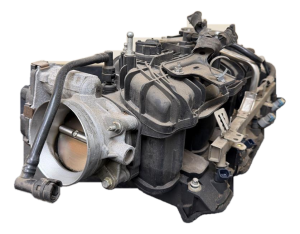
New Aftermarket Parts Available
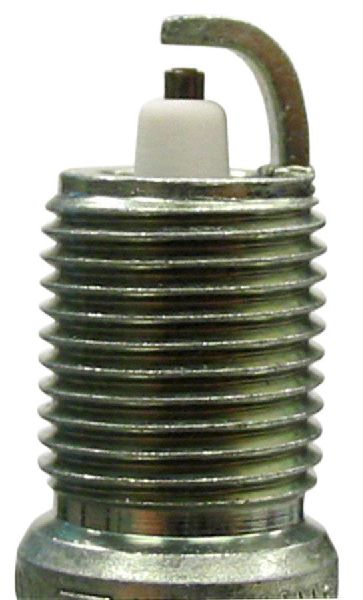
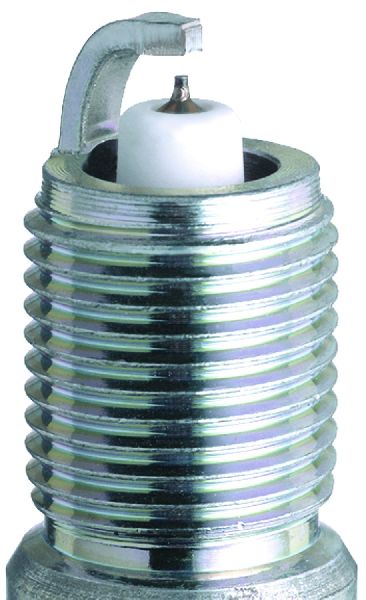
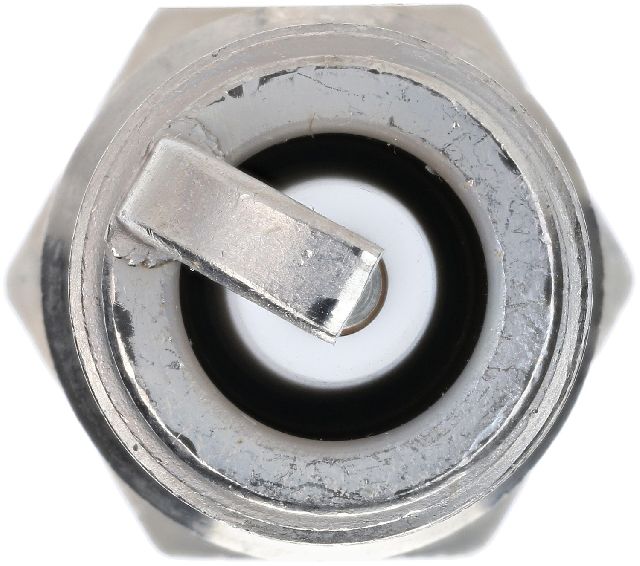


The information in this article is provided for general reference and educational purposes only. Vehicle specifications, procedures, and part compatibility can vary by production date, trim level, and region. Always consult your vehicle's factory service manual and verify part numbers before purchasing or performing repairs. Safety-critical components such as airbags, seat belts, and braking systems should be installed by a qualified professional.
- Gmc SIERRA 2500:
- 🧭 Diagnostic Flowchart
- 🎬 Helpful Videos
- 🛍️ Shop This Part
- What's Unique About the 2008-2010 Gmc SIERRA 2500
- Symptoms You May Notice
- Most Likely Causes
- Rare But Worth Checking
- Diagnosis Steps
- Parts You'll Likely Need
- Related Codes That Often Appear With This One
- Technical Service Bulletins (TSBs) & Recalls
- Platform-Specific Known Issues
- Mechanic-Grade Diagnostic Values
- Hidden / Shadow Codes Worth Checking
- Scan Tool Commands That Help
- Wiring & Ground Locations
- Real Owner Repair Stories
- "I Checked Everything" — The Actual Cause
- OEM Part Supersession History
- Model Year Variations Within This Range
- 🎟️ Get 5% Off