

P0300 on 2009-2010 GMC Sierra 3500: Random Misfire Causes & Fixes
Code P0300 on a 2009-2010 GMC Sierra 3500 indicates a random multiple cylinder misfire. For the 6.0L gas engine, this is most often caused by worn spark plugs (ACDelco 41-110/41-162) and wires or a faulty ignition coil. For the 6.6L Duramax diesel, suspect fuel system issues like faulty injectors with poor balance rates. A basic ignition tune-up for the gas engine costs between $150 and $400 in parts.
- P0300 indicates a random misfire affecting multiple cylinders and requires immediate attention, especially if the check engine light is flashing.
- For the 6.0L gas engine, start your diagnosis with the most common culprits: worn spark plugs, bad plug wires, and faulty ignition coils.
- A vacuum leak from a failed intake manifold gasket is a very common issue on these trucks, often causing a rough idle that only appears when the engine is warm.
- If you have the 6.6L Duramax diesel, the fuel system (particularly the injectors) is a more likely source of the problem.
- Always check for other trouble codes, as they can provide valuable clues to the root cause of the misfire.
What's Unique About the 2009-2010 Gmc SIERRA 3500
For the 2009-2010 GMC Sierra 3500, the cause of a P0300 code often depends on the engine. On the common 6.0L Vortec V8 (LY6) gasoline engine, the issue is frequently related to the ignition system or vacuum leaks. A leaking intake manifold gasket is a well-known problem on these GM V8s, causing a rough idle when warm as unmetered air disrupts the air-fuel mixture. The original plastic/rubber gaskets become brittle and crack. On the 6.6L Duramax (LMM) diesel engine, the causes are more often tied to the fuel system, such as failing fuel injectors, which operate under extremely high pressure. In rare cases on the LMM, a cracked piston can also be a cause.
Diagnostic Flowchart
Tap your situation to follow the diagnostic path that matches what you're seeing on this vehicle.
Symptoms You May Notice
- Rough or shaking idle.
- Hesitation or stumbling during acceleration.
- Flashing or solid Check Engine Light.
- Noticeable loss of engine power.
- Reduced fuel economy.
- Difficulty starting the engine.
- Smell of raw fuel from the exhaust.
- Whistling or sucking sounds from the engine bay, indicating a vacuum leak.
- Replacing only one spark plug or coil when a full set is needed.
- Replacing oxygen sensors when they are correctly reporting a problem (like a lean condition from a vacuum leak) rather than being the cause of it.
- Assuming lifter failure is due to the Active Fuel Management (AFM) system. The 6.0L LY6 engine in these HD trucks does NOT have AFM, which is a common failure point on the 5.3L engines in 1500-series trucks.
Most Likely Causes
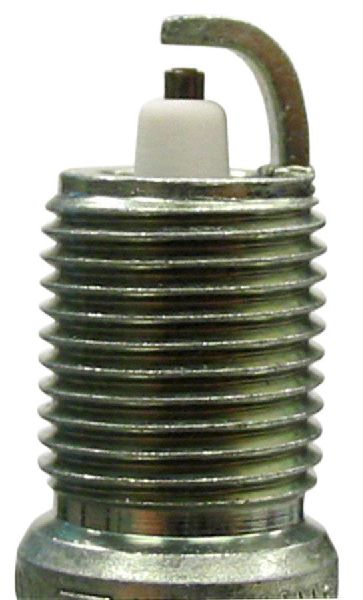
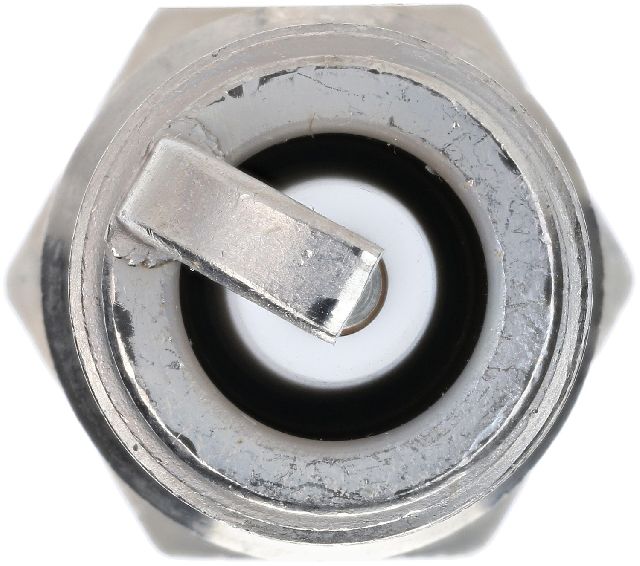
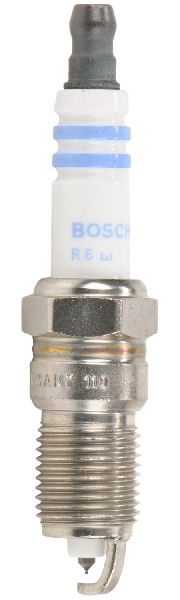
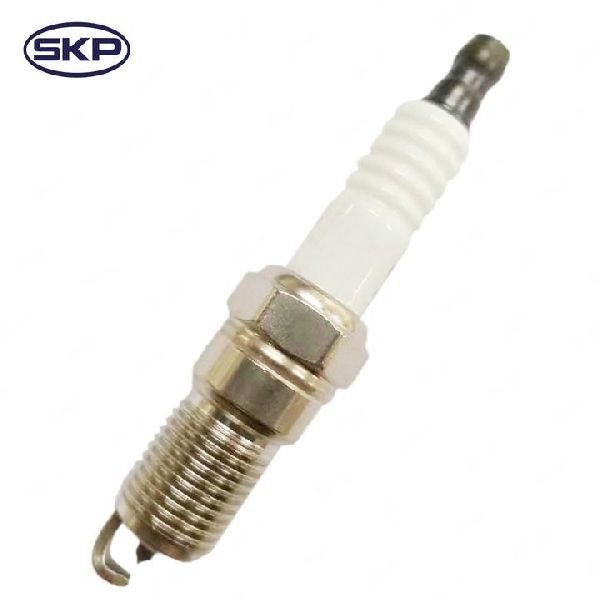
- Worn Spark Plugs and/or Wires (Gas Engine) 🔴 High Probability → Shop Spark Plug Spark plugs and wires are regular maintenance items that wear out over time, leading to a weak or inconsistent spark. GM TSB #PIP4819A specifically points to inspecting spark plug wires for this code. Oil fouling from PCV issues can also ruin plugs (TSB #PIP4525D).
How to confirm: Inspect spark plugs for wear (worn electrode), fouling (oil or carbon), and correct gap. Inspect wires for cracks, corrosion, or physical damage. A simple test is to run the engine in the dark and look for arcing along the wires.
Typical fix: Replace all spark plugs and spark plug wires as a set. It's recommended to use high-quality Iridium plugs like the OEM ACDelco parts (41-110 or 41-162).
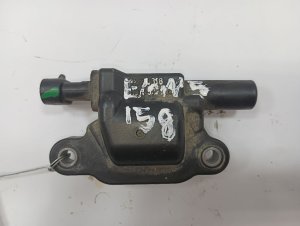
Est. part cost: $80-$200 - Faulty Ignition Coil(s) (Gas Engine) 🔴 High Probability → Shop Ignition Coil The coil-on-plug ignition system is generally reliable, but individual coils can fail with age and heat exposure, causing misfires.
How to confirm: Use a scan tool to identify which cylinders are misfiring most. Swap the ignition coil from a misfiring cylinder with one from a known good cylinder. If the misfire code follows the coil (e.g., P0302 becomes P0304 after swapping coils from cylinders 2 and 4), the coil is bad. A multimeter can also be used to test the coil's primary and secondary resistance.
Typical fix: Replace the faulty ignition coil. The common ACDelco part is D510C (GM #12611424). Many technicians recommend replacing the corresponding spark plug at the same time.
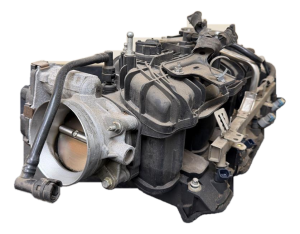
Est. part cost: $40-$80 per coil - Vacuum Leak (Intake Manifold Gasket - Gas Engine) 🟡 Medium Probability The intake manifold gaskets on GM's V8 engines of this era are known to degrade and leak, especially with age and heat cycles. The original plastic-framed gaskets become brittle. This allows unmetered air into the engine, creating a lean air-fuel mixture that causes misfires.
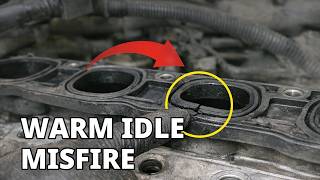
How to confirm: A classic symptom is a rough idle that only appears when the engine is warm. 🎬 See how a warm engine intake leak causes rough idle A mechanic can perform a smoke test to find the leak. You can also check live data on a scan tool; short-term fuel trims (STFT) will be highly positive (e.g., >15%) at idle but normalize at higher RPMs. Spraying brake cleaner near the gasket seam and listening for an RPM change can also pinpoint a leak.
Typical fix: Replace the intake manifold gaskets. It is recommended to upgrade to the improved metal-frame design, such as Fel-Pro MS98016T. The throttle body gasket should be replaced at the same time.
Est. part cost: $50-$100 - Faulty Fuel Injectors (Gas or Diesel) 🟡 Medium Probability → Shop Fuel Injector Injectors can become clogged with deposits or fail electronically. On Duramax diesel engines (LMM), injector failure is a more common and critical issue. They can leak, have a poor spray pattern, or fail internally.
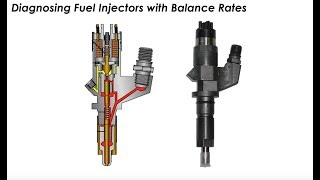
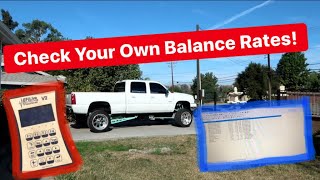
How to confirm: For gas engines, you can test injector resistance or swap injectors between cylinders. For the 6.6L LMM Duramax, diagnosis requires a specialized scan tool to check injector balance rates at idle when the engine is warm (coolant temp >170° 🎬 Watch: How to check Duramax fuel injector balance ratesF). GM's specification is typically between +/- 4.0 mm³/sec in Park. Rates exceeding this indicate a faulty injector or a potential compression issue in that cylinder.
Typical fix: Replace the faulty fuel injector(s). On Duramax engines, this is a significant job, and it's often recommended to replace all eight injectors if they have high mileage.
Est. part cost: $60-$150 per injector (gas), $300-$500+ per injector (diesel) - Low Fuel Pressure ⚪ Low Probability A failing fuel pump, clogged fuel filter, or a faulty Fuel Pump Control Module (FPCM) can starve the engine of fuel, causing lean conditions and random misfires across all cylinders.
How to confirm: Connect a fuel pressure gauge to the fuel rail's Schrader valve. The pressure should be within the manufacturer's specification (typically 55-62 PSI for the 6.0L gas engine at idle).
Typical fix: Replace the weak fuel pump, clogged fuel filter, or faulty FPCM.
Est. part cost: $20-$50 (filter), $200-$400 (pump), $100-$150 (FPCM)
Rare But Worth Checking
- Faulty Crankshaft Position Sensor: → Shop Engine Crankshaft Position Sensor The sensor itself can fail or become heat-soaked, sending erratic signals that the PCM misinterprets as a misfire. Sometimes, a crankshaft position variation relearn procedure is needed after certain repairs. Corrosion can also cause the sensor to get stuck in the block.
- Corroded Ignition Coil Ground Wire: → Shop Ignition Coil The ignition coils for each cylinder bank are grounded via a common wire attached to the cylinder head. On GM trucks, these grounds are known to corrode or break, especially the one on the rear of the passenger-side cylinder head. This can cause an entire bank of cylinders to stop firing, leading to a severe misfire and a P0300 code.
- Internal Engine Mechanical Issues: Though less common on the heavy-duty 6.0L V8, issues like a failing valve lifter or a worn camshaft lobe can cause persistent misfires (related to TSB #PIP4138R). For the Duramax LMM, a cracked piston is a known, though rare, catastrophic failure that can begin as a misfire.
- Clogged Catalytic Converter: → Shop Catalytic Converter A restricted catalytic converter creates excessive backpressure, preventing the engine from breathing properly and leading to random misfires. This can be diagnosed by checking for a significant temperature difference between the inlet and outlet of the converter or by using an in-cylinder pressure transducer.
Diagnosis Steps
- Read all stored trouble codes with an OBD-II scanner. Note any codes that appear alongside P0300, like P0171/P0174, which strongly suggest a vacuum leak.
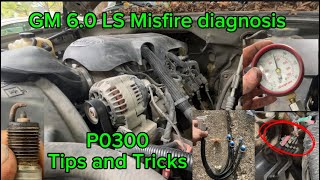
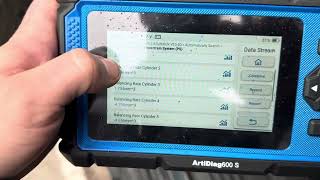
- Using a scanner with live data, monitor the misfire counters for each cylinder to see if the misfires are truly random or concentrated on one or two cylinders. 🎬 Watch: How to diagnose a misfire on a 6.0L engine
- Monitor Short Term Fuel Trims (STFT) at idle. Highly positive numbers (>10-15%) that decrease with RPM strongly indicate a vacuum leak.
- Perform a visual inspection of the engine bay. Look for disconnected vacuum hoses, damaged wiring, or obvious signs of corrosion, especially on grounding points on the cylinder heads.
- Inspect the ignition system (gas engines). Check the condition of spark plugs, spark plug wires, and ignition coils. Swap coils to see if the misfire follows the coil.
- Test fuel pressure to rule out a weak fuel pump or clogged filter. The pressure should meet GM specifications (55-62 PSI for 6.0L).
- If a vacuum leak is suspected, perform a smoke test to pinpoint the source. Pay close attention to the intake manifold gasket area.
- For Duramax engines, use a capable scan tool to check injector balance rates at operating temperature. Values outside +/- 4.0 mm³/sec suggest injector or compression problems.
- If all else fails, a mechanical issue may be the cause. Perform a compression test to check for issues like worn piston rings or a bad valve.
Parts You'll Likely Need
- Spark Plugs (6.0L Gas Engine)
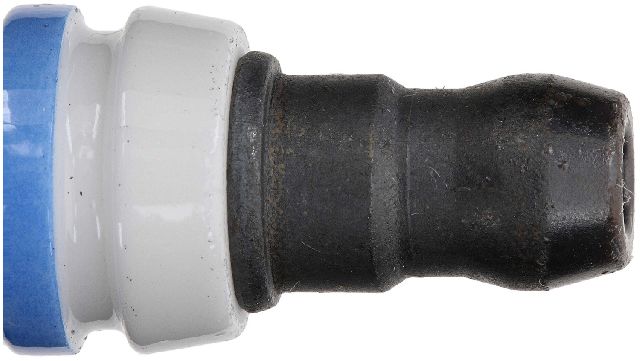
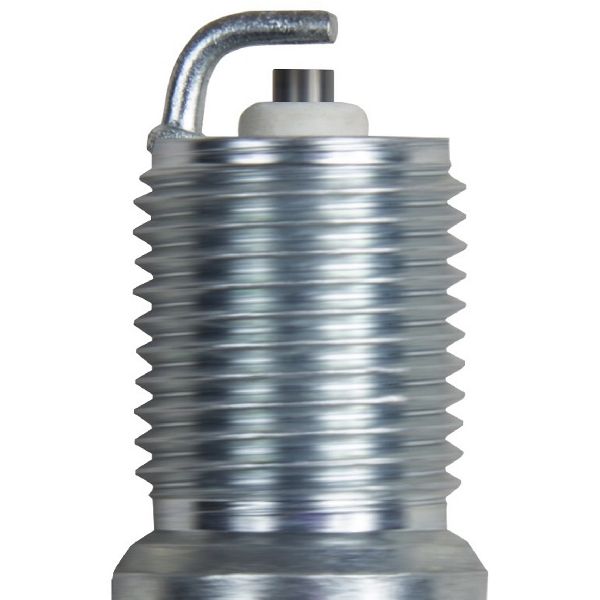
(OEM #ACDelco 41-110 (replaces 12680072) or 41-162)— Worn or fouled spark plugs are the most common cause of misfires. They are a standard maintenance item.
Trusted brands: ACDelco, NGK
OEM price range: $8-$15 per plug
Aftermarket price range: $5-$10 per plug - Ignition Coil (6.0L Gas Engine)
(OEM #ACDelco D510C (GM 12611424))— Ignition coils provide the high voltage needed to create a spark. Individual coils can fail, leading to misfires.
Trusted brands: ACDelco, Delphi, Denso
OEM price range: $60-$90
Aftermarket price range: $35-$60 - Intake Manifold Gasket Set (6.0L Gas Engine)
(OEM #89017589 (Updated Green/Teal Style))— The original plastic gaskets are a common failure point, causing vacuum leaks. Upgrading to the improved design is recommended.
Trusted brands: Fel-Pro (MS98016T - Metal Frame), ACDelco
OEM price range: $60-$100
Aftermarket price range: $40-$80 - Fuel Injector (6.6L Duramax Engine) — Injector failure is a primary cause of P0300 on the Duramax. Diagnosis via balance rates is key.
Trusted brands: Bosch (OEM supplier), ACDelco
OEM price range: $350-$500+ per injector
Aftermarket price range: $250-$400 per injector
Related Codes That Often Appear With This One
- P0301-P0308 — If the random misfire begins to happen more frequently on a specific cylinder, the PCM will log a cylinder-specific code in addition to P0300.
- P0171 / P0174 — These codes indicate a lean fuel condition on Bank 1 and Bank 2. They are a strong indicator that the P0300 is caused by a large vacuum leak (like an intake gasket) or a fuel delivery problem affecting the entire engine.
- P050D — This code for 'Cold Start Rough Idle' can appear with P0300. GM TSB #PIP5628F specifically mentions this combination and advises on diagnostic steps, particularly for direct-injection engines which are not standard on this model year but the TSB is still relevant for misfire diagnostics.
Technical Service Bulletins (TSBs) & Recalls
- PIP5628F: Mentions diagnostic aid for P0300-P0308 and P050D, particularly concerning misfires.
- PIP4819A: Points to inspecting and replacing spark plug wires as a direct cause for P0300.
- PIP4525D: Links P0300 with oil consumption issues that foul spark plugs, often related to the PCV system.
- PIP4138R: Warns that a worn camshaft and/or lifters can be a root cause for persistent P0300 codes.
- PIP3394E: Relates to Duramax injector driver codes and engine misfires, including P0300.
Platform-Specific Known Issues
- Ignition Coil Ground Strap Corrosion: → Shop Ignition Coil A common but often overlooked cause for a severe P0300 on one bank is the corrosion of the main ground strap for the ignition coils. This ground is typically a small black wire bolted to the rear of the passenger-side cylinder head. If it breaks or corrodes, the entire bank of four cylinders can lose spark, causing a violent misfire.
- Intake Gasket Failure Symptom: Rough Idle ONLY When Warm: A key symptom of a vacuum leak from the intake manifold gaskets on the 6.0L V8 is an engine that idles smoothly when cold but develops a rough idle and P0300 code once it reaches operating temperature. This is because the rich 'open loop' fuel mixture on a cold start masks the leak, which only becomes apparent when the ECU enters 'closed loop' and leans out the mixture.
- Duramax Injector Balance Rate Diagnosis: For the 6.6L LMM Duramax, a P0300 is frequently a fuel system problem. A scan tool that can read live data is essential. Checking injector balance rates at a warm idle is the primary diagnostic step. A positive rate (e.g., +4.0 mm³/sec) means the ECM is adding fuel to compensate for a weak cylinder (bad injector or low compression), while a negative rate means the ECM is removing fuel due to an over-fueling or leaking injector.
Mechanic-Grade Diagnostic Values
- Ignition Coil Primary Resistance (6.0L V8) — expected: 0.4 to 2.0 Ohms. Failure: A reading outside this range, especially an open circuit (infinite resistance), indicates a faulty coil.
- Ignition Coil Secondary Resistance (6.0L V8) — expected: 6,000 to 10,000 Ohms (6k-10k Ω). Failure: A reading significantly outside this range suggests the internal windings are compromised. Some aftermarket performance coils may have higher resistance, up to 17k Ω.
- Duramax LMM Injector Balance Rates (in Park) — expected: +/- 4.0 mm³/sec at operating temperature (>170°F) with A/C off.. Failure: A consistent reading beyond +/- 4.0 mm³/sec points to a faulty injector or a mechanical issue in that cylinder.
- Duramax LMM Injector Balance Rates (in Drive) — expected: +/- 6.0 mm³/sec at operating temperature with foot on brake and A/C off.. Failure: Readings outside this wider tolerance under load also indicate a problem injector.
- Crankshaft Position Sensor (CKP) Signal Voltage (6.0L V8) — expected: A fluctuating voltage signal, typically switching between 0V and 5V rapidly as the engine is cranked or running.. Failure: No voltage or a steady, non-fluctuating voltage indicates a dead sensor or wiring issue. This is best observed with an oscilloscope.
Scan Tool Commands That Help
- GM Tech2 / GDS2 or equivalent professional scan tool: Crankshaft Position Variation Learn — This procedure is required after replacing the crankshaft position sensor, PCM, or performing major engine work like timing chain replacement. Failure to perform the relearn can cause a persistent P0300 or set a P0315 code, as the PCM has not learned the minor variations of the new or disturbed components.
- GM Tech2 / GDS2 or equivalent professional scan tool: Injector Balance Test / Cylinder Power Balance — Used to diagnose misfires on both gas and diesel engines. For the Duramax LMM, this function displays the balance rates for each injector, which is the primary method for identifying a faulty injector.
Wiring & Ground Locations
- G102 / G104 — On the rear of the cylinder heads. G104 is typically on the left (driver's side) rear of the cylinder head. G102 is often on the lower left front of the engine.. These are the primary ground points for the ignition coil harnesses on the 6.0L V8. Corrosion or a loose connection at these specific points can cause an entire bank of cylinders to misfire, directly leading to a P0300 code. This is a very common and often overlooked cause.
- G103 — On the front of the right (passenger side) cylinder head.. This is another critical engine ground. While G102/G104 are more directly tied to the coils, ensuring all engine-to-chassis grounds are clean and tight is essential for stable PCM and sensor operation, preventing erratic signals that could be misinterpreted as misfires.
- G107 — Located on the top left rear of the engine.. This ground is also part of the engine's main grounding scheme. Any degradation in the engine's ground path can create electrical noise and voltage drops, affecting sensor readings and ignition performance.
Real Owner Repair Stories
- Reddit user 'cornpeeker' (Not specified, but in a thread about GM truck P0300 issues.) — Persistent P0300 random multiple misfire code.
❌ Tried (didn't work) The user did not specify, but the context was a long thread of users replacing plugs, coils, and wires without success.
✅ What actually fixed it A 'Crankshaft Position Sensor Relearn' procedure fixed the issue in less than 5 minutes using a capable scan tool. - YouTube channel 'The Disgruntled Mechanic' (Chevy 2500 HD with 6.0L V8 (similar platform)) — P0300 with specific misfires on cylinders 1 & 6.
❌ Tried (didn't work) The video implies that basic diagnostics were performed before the final fix.
✅ What actually fixed it The problem was resolved by clearing the code with a professional scan tool (Autel Maxidas DS708) after the underlying issue was fixed. The video creator mentions that misfires on opposing cylinders (like 1 and 6) are a known pattern on these Chevy/GMC trucks, though the specific cause was not detailed in this clip.
OEM Part Supersession History
N/A (for AFM engines)→GM 12598832— This is a non-AFM/DOD valley cover. While the 6.0L LY6 in the HD trucks did not have Active Fuel Management (AFM), this part is relevant for engine swaps or if internal engine work is done where a non-AFM valley cover is needed. It is the standard cover for engines like the LS3 and is used to eliminate the problematic AFM system in other GM trucks.
Heads up: This cover has no PCV provision built into it, which must be accounted for with an external PCV system if retrofitted onto an engine that requires it.
Model Year Variations Within This Range
- 2010: The 2010 model year received a more powerful version of the 6.0L V8, increasing from 353 hp to 360 hp, though torque remained at 380 lb-ft. This was a minor power bump and does not significantly alter the diagnosis for a P0300 code, as the core engine architecture (LY6) and ignition system remained the same.
- 2009-2010: The 6.6L Duramax LMM engine in this period was largely a carryover from the 2007.5 update, which introduced the Diesel Particulate Filter (DPF) system to meet new emissions standards. All 2009-2010 models will have the DPF, which can become a source of restriction and cause performance issues if not properly regenerating, though it's not a primary cause of P0300.
Helpful Videos
Used OEM Parts in Stock
New Aftermarket Parts Available

The information in this article is provided for general reference and educational purposes only. Vehicle specifications, procedures, and part compatibility can vary by production date, trim level, and region. Always consult your vehicle's factory service manual and verify part numbers before purchasing or performing repairs. Safety-critical components such as airbags, seat belts, and braking systems should be installed by a qualified professional.
- Gmc SIERRA 3500:
- 🧭 Diagnostic Flowchart
- 🎬 Helpful Videos
- 🛍️ Shop This Part
- What's Unique About the 2009-2010 Gmc SIERRA 3500
- Symptoms You May Notice
- Most Likely Causes
- Rare But Worth Checking
- Diagnosis Steps
- Parts You'll Likely Need
- Related Codes That Often Appear With This One
- Technical Service Bulletins (TSBs) & Recalls
- Platform-Specific Known Issues
- Mechanic-Grade Diagnostic Values
- Scan Tool Commands That Help
- Wiring & Ground Locations
- Real Owner Repair Stories
- OEM Part Supersession History
- Model Year Variations Within This Range
- 🎟️ Get 5% Off