

P0300 on 2017-2020 GMC Sierra Denali: Random Misfire Causes and Fixes
On 2017-2020 Sierra Denali V8s, a P0300 code is very often caused by a failed Active/Dynamic Fuel Management (AFM/DFM) lifter. This is a known issue that can be accompanied by a ticking noise and may require significant engine repair. Less severe causes include worn spark plugs, faulty ignition coils, or leaking fuel injectors, but the lifter issue is the platform's primary weak point.
- P0300 on a 2017-2020 Sierra Denali V8 is a serious code that most often points to a failed AFM/DFM lifter.
- Listen for a ticking or chirping engine noise, as this is a key symptom of the common lifter failure.
- If the check engine light is flashing, stop driving immediately to prevent catastrophic damage to your catalytic converters.
- While spark plugs and coils can be a cause, be prepared for the possibility of a major internal engine repair.
- Always check for relevant TSBs, as GM has documented several known causes for this code on this platform.
What's Unique About the 2017-2020 Gmc SIERRA DENALI
The V8 engines in this generation of Sierra Denali (5.3L and 6.2L) use Active Fuel Management (AFM) or Dynamic Fuel Management (DFM) systems to improve fuel economy by deactivating cylinders. Unfortunately, the specialized valve lifters used in these systems are a well-documented weak point and a primary cause of the P0300 code. These lifters can collapse, become mechanically stuck, or suffer internal locking pin damage, often due to oil aeration or pressure issues. This failure prevents the valve from operating correctly, leading to misfires that can eventually cause camshaft damage, turning a simple misfire code into a major mechanical repair.
Diagnostic Flowchart
Tap your situation to follow the diagnostic path that matches what you're seeing on this vehicle.
Generation note: This range covers two generations. The 2017-2018 models (K2XX platform) use the 5.3L L83 and 6.2L L86 engines with Active Fuel Management (AFM). The 2019-2020 models (T1XX platform) introduced the 5.3L L84 and 6.2L L87 engines with the more advanced Dynamic Fuel Management (DFM). While the technology differs slightly, both systems use specialized lifters that are the primary source of P0300 issues. TSBs like 15-06-01-002O cover vehicles across both generations, indicating a shared lifter problem.
Symptoms You May Notice
- Check Engine Light is on or flashing
- Rough or shaking engine idle
- Engine hesitation or lack of power
- Ticking, chirping, or squealing noise from the engine, often at half of crankshaft speed 🎬 Watch: How to tell if your engine noise is a lifter tick.
- Reduced fuel economy
- Engine stalling
- Strong fuel odor from the exhaust
- Replacing only spark plugs when the underlying cause is a mechanical lifter failure. While plugs are a good starting point, if a ticking noise is present, the issue is likely more severe.
- Replacing oxygen sensors. While a faulty O2 sensor can affect the air-fuel mixture, it is not a primary cause of a P0300 with mechanical symptoms like engine noise on this platform.
- Ignoring a leaking fuel injector. A leaky injector can be misdiagnosed as a purely ignition or mechanical issue, but it can be the root cause that leads to other failures, including lifter damage from hydrolocking.
Most Likely Causes
- Failed AFM/DFM Valve Lifters 🔴 High Probability The Active/Dynamic Fuel Management systems in the 5.3L and 6.2L V8 engines use complex lifters that are a known failure point. They can become mechanically collapsed, stuck in the bore, or suffer internal locking pin damage due to oil aeration. GM has issued multiple technical service bulletins (e.g., #PIP5628E, #PIP4138R) related to this issue, which can cause misfires specifically on AFM cylinders (1, 4, 6, 7).
How to confirm: A professional technician will listen for a characteristic ticking noise. Diagnosis involves removing the valve covers to observe the rocker arms for lack of movement on the affected cylinders while the engine is running. A compression test may also show low/zero compression. In some cases, a stuck lifter must be forcibly removed from its bore using a slide hammer.
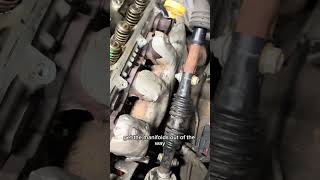
Typical fix: Replace the failed lifters on the affected bank. Due to the significant labor involved, it is highly recommended to replace all AFM/DFM lifters, the lifter guides, and the valve lifter oil manifold (VLOM). The camshaft must be inspected for lobe damage, as a worn lobe is a common consequence requiring camshaft replacement. 🎬 Watch: A complete teardown and removal of failed AFM lifters.
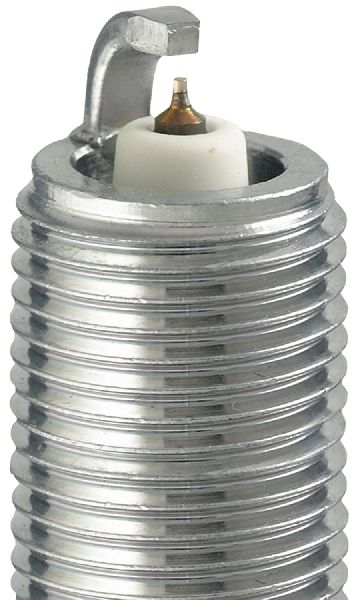
Est. part cost: $300-$1500 - Worn Spark Plugs or Faulty Ignition Coils 🟡 Medium Probability → Shop Ignition Coil These are standard maintenance items. While not a platform-specific defect, fouled plugs or a weak coil are common misfire causes. A bad coil can cause a persistent misfire on one or two cylinders, while worn plugs can contribute to random misfires.
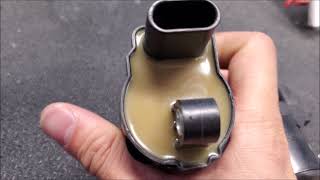
How to confirm: Inspect the spark plugs for wear, fouling, or damage. To test an ignition coil, use a scan tool to identify a misfiring cylinder and swap the coil with one from a known good cylinder. If the misfire code follows the coil (e.g., P0301 becomes P0302), the coil is bad. This is a common and effective DIY diagnostic step. 🎬 See this step-by-step guide for diagnosing a 5.3L misfire.
Typical fix: Replace all spark plugs as a set (ACDelco Iridium plugs are OEM). Replace only the faulty ignition coil.
Est. part cost: $80-$300 - Leaking or Faulty Fuel Injectors 🟡 Medium Probability → Shop Fuel Injector The direct injection fuel injectors on these engines can fail, sometimes leaking fuel into the cylinder. A leaking injector can cause a rich condition, foul spark plugs, and in severe cases, hydrolock a cylinder, leading to bent pushrods or other catastrophic engine damage.
How to confirm: A fuel injector balance test can be performed with a professional scan tool (like GM's GDS2) to identify injectors with poor flow. A strong fuel smell from the oil dipstick can also indicate leaking injectors. One owner on a forum reported their dealer identified a bad injector as the cause after ruling out lifters.
Typical fix: Replace the faulty fuel injector(s). It is often recommended to replace them as a full set, especially on higher mileage vehicles.
Est. part cost: $50-$150 per injector - Poor Electrical Connection or Ground ⚪ Low Probability TSB #PIP5298B specifically calls out poor terminal tension at the ignition coil power feed or at the X2 connector of the underhood fuse block, which can cause intermittent misfires. Additionally, a corroded or loose main ground wire for a bank of coils, often located on the cylinder head, can cause an entire bank to misfire, triggering a P0300.
How to confirm: Inspect the wiring harness and connectors for the ignition coils and the main fuse block for any signs of corrosion, looseness, or damage. Check and clean the main engine and chassis ground points, particularly the strap from the engine block to the firewall. Grounds G102, G110, and G114 are particularly relevant.
Typical fix: Repair the affected wiring terminal by re-tensioning it or clean/tighten the ground connection. Applying dielectric grease can prevent future corrosion.
Est. part cost: $5-$50
Rare But Worth Checking
- Worn Camshaft Lobe: → Shop Engine Camshaft This is often a direct result of a failed lifter. If a lifter's roller stops spinning, it will quickly grind down the corresponding lobe on the camshaft, requiring camshaft replacement. TSB #PIP4138R and its successors mention this as a key inspection point during lifter replacement.
- Broken Valve Spring: → Shop Engine Valve Spring While less common than lifter failure, a broken valve spring will cause a complete loss of compression and a persistent misfire on one cylinder. An NHTSA complaint for a 2020 Sierra mentions a P0300 caused by a broken exhaust valve spring.
- Crankshaft Position Variation: → Shop Engine Crankshaft On some vehicles, a Crankshaft Position System Variation Learn (relearn) procedure is needed. Timing chain wear can cause the cam/crank sensor phasing to fall out of spec, triggering a P0300. A scan tool like the GM Tech2 or GDS2 is required to perform this procedure.
Diagnosis Steps
- Check for other stored DTCs with a quality OBD-II scanner. Note any cylinder-specific misfire codes (P0301-P0308) or related codes like P050D.
- Listen carefully for any engine noises. A distinct ticking or chirping noise at idle that increases with RPM strongly points towards a valvetrain issue (lifters/camshaft).
- If no noise is present, begin with basic ignition system checks. Inspect all spark plugs for wear and proper gap. Consider replacing them if they are due.
- Test the ignition coils. This can be done by swapping a coil from a misfiring cylinder (if identified) to a good cylinder and seeing if the misfire follows.
- Inspect the fuel system. Check fuel pressure. A professional scan tool can perform an injector balance test. A strong fuel smell in the oil is a major red flag for leaking injectors.
- Check for electrical issues. Inspect ignition coil wiring and grounds for corrosion or damage, as noted in TSB #PIP5298B. Pay close attention to ground straps on the cylinder heads, such as G102.
- If a mechanical noise is present or the above steps don't resolve the issue, proceed to internal engine diagnosis. Remove the valve covers and, with the engine running, visually inspect the rocker arms for proper movement. A stationary rocker arm indicates a collapsed lifter.
- If a collapsed lifter is confirmed, the cylinder head(s) must be removed to replace the lifters. During this process, it is critical to inspect the camshaft for scoring or worn lobes and replace it if any damage is found.
Parts You'll Likely Need
- AFM/DFM Valve Lifters
(OEM #12680871 (Superseded by 12740071))— This is the most common cause of P0300 on the 5.3L and 6.2L V8 engines due to a known design weakness in the Active/Dynamic Fuel Management system.
Trusted brands: ACDelco, General Motors
OEM price range: $30-$60 per lifter
Aftermarket price range: $20-$40 per lifter - Valve Lifter Oil Manifold (VLOM)
(OEM #12660737)— The VLOM controls oil flow to the AFM lifters. It contains solenoids that can fail and has a small filter screen that can become clogged. It is recommended to be replaced during a lifter job per TSBs.
Trusted brands: ACDelco, General Motors
OEM price range: $150-$250
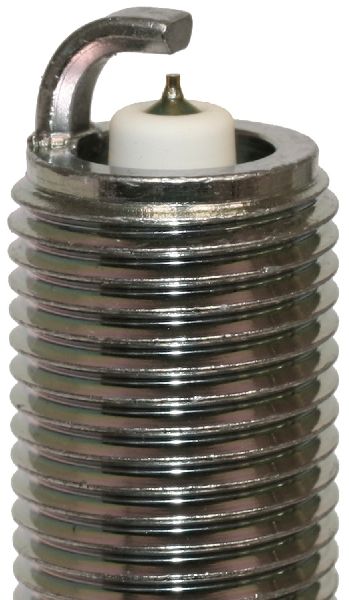
Aftermarket price range: $100-$180 - Spark Plugs
(OEM #ACDelco 41-123 (Iridium))— Standard maintenance item and a common cause of misfires. Often replaced as the first diagnostic step.
Trusted brands: ACDelco, NGK
OEM price range: $8-$15 per plug
Aftermarket price range: $6-$12 per plug - Head Gasket Set & Head Bolts — Required for lifter replacement, as the cylinder heads must be removed. Head bolts are torque-to-yield and must be replaced.
Trusted brands: ACDelco, Mahle, Fel-Pro
OEM price range: $200-$400 for a set
Aftermarket price range: $150-$300 for a set
Related Codes That Often Appear With This One
- P0301-P0308 — These are cylinder-specific misfire codes. They often appear with P0300 if the random misfire begins to occur more frequently on certain cylinders.
- P050D — This code indicates a 'Cold Start Rough Idle'. It is frequently associated with P0300 on these trucks, as failing lifters or injectors can cause significant engine instability, especially during a cold start.
- P1336 — This code indicates that the Crankshaft Position (CKP) System Variation has not been learned. It can appear if the CKP sensor, ECM, or major engine components have been replaced without performing the relearn procedure, which itself can be a cause of a P0300.
Technical Service Bulletins (TSBs) & Recalls
- 15-06-01-002O: Engine Misfire/Tick Noise, Malfunction Indicator Lamp (MIL) Illuminated - DTC P0300 Set. Details causes like collapsed/stuck AFM lifters, internal pin damage, and bent pushrods.
- PIP5628E: Preliminary information for diagnosing P0300-P0308 and/or P050D.
- PIP5298B: Highlights intermittent P0300 caused by poor terminal tension at the ignition coil power feed or underhood fuse block.
- PIP4138R: Diagnostic aid for misfire/noise, pointing towards worn camshaft lobes or sticking valves as potential causes alongside lifter failure.
Platform-Specific Known Issues
- TSB #PIP5628E: Communicates that special diagnostic information may be required by GM's Technical Assistance Center (TAC) for P0300 codes, indicating the complexity of the issue.
- TSB #PIP4138R: Directly links P0300 codes to potential internal engine damage, specifically a worn camshaft lobe or a collapsed AFM lifter, often accompanied by engine noise.
- TSB #PIP5298B: Points to potential electrical issues, such as poor terminal tension on ignition coil connectors, as a cause for P0300 when other diagnostics find no trouble.
Mechanic-Grade Diagnostic Values
- Ignition Coil Primary Winding Resistance — expected: 0.4 to 2.0 ohms. Failure: A reading of OL (open loop) or significantly outside the expected range.
- Ignition Coil Secondary Winding Resistance — expected: 6,000 to 10,000 ohms (6kΩ - 10kΩ). Failure: A reading significantly outside this range suggests an internal winding fault.
- Low-Side Fuel Pressure (Key On, Engine Off) — expected: 50-60 PSI. Failure: Pressure below this range points to a weak in-tank fuel pump or a clogged filter, which can starve the high-pressure direct injection pump.
- High-Side Fuel Pressure (Direct Injection) — expected: Varies significantly with engine load, from ~290 PSI at idle to over 2,000 PSI under heavy load.. Failure: Inability to reach target pressure commanded by the ECM, viewed on a scan tool. This can indicate a failing high-pressure fuel pump (HPFP).
Scan Tool Commands That Help
- GM GDS2 / High-End Aftermarket: Cylinder Power Balance Test — Used to identify which cylinder(s) are contributing least to engine power. The tool deactivates cylinders one by one; a cylinder that causes little to no RPM drop when disabled is the misfiring one. This helps pinpoint the issue when only a general P0300 is set.
- GM GDS2 / High-End Aftermarket: AFM/DFM Cylinder Deactivation Test — Allows a technician to manually command the cylinder deactivation system on and off. This helps determine if the electrical control side (solenoids) is working, which can help isolate the problem to a mechanical lifter failure if a misfire persists on a deactivation cylinder.
- GM GDS2 / High-End Aftermarket: Fuel Injector Balance Test — This function commands each injector to fire for a set period and measures the corresponding fuel pressure drop. An injector with a smaller pressure drop than the others is likely restricted or clogged.
- GM GDS2 / Tech2: Crankshaft Position (CKP) System Variation Learn — Required after replacing the crankshaft sensor, ECM, or performing major engine work. Failure to perform this relearn can cause the ECM to misinterpret crankshaft speed fluctuations and falsely trigger a P0300 code. The procedure involves accelerating the engine to a specific RPM (~4000 RPM) until fuel cut-off occurs.
Wiring & Ground Locations
- G102 — Located at the left rear (driver's side) of the engine/cylinder head.. This is a dedicated ground for all eight ignition coils. A loose or corroded connection here can cause an entire bank or multiple random cylinders to misfire, directly leading to a P0300 code.
- G110 / G114 — G110 is a body harness ground, G114 is an engine harness ground, both located on the front frame area on 2019+ T1XX platform trucks.. GM issued engineering information (EI) PIE0548 regarding loose connections at these specific grounds on 2019-2020 models, which can cause various electrical issues, including those that may lead to misfires.
- Ignition Coil Connector — On top of the valve cover at each cylinder's ignition coil.. TSB #PIP5298B mentions that poor terminal tension in these connectors can cause an intermittent connection, leading to a misfire on the affected cylinder and contributing to a P0300 if the issue is widespread or intermittent across multiple cylinders.
Real Owner Repair Stories
- Reddit user in /r/gmcsierra (2018 Sierra 5.3L with 200,000 km) — P0300 code, misfire only occurs under load. No other codes present. Good fuel pressure and starts normally.
❌ Tried (didn't work) The user was advised by a Chevrolet dealer that all 4 injectors on bank 1 needed to be replaced.
✅ What actually fixed it The user was skeptical of the dealer's diagnosis of four injectors failing simultaneously and was planning to investigate further, starting with spark plugs and considering carbon buildup on valves. The final resolution was not posted, but the story serves as a valuable example of a common, potentially incorrect, dealer diagnosis.
OEM Part Supersession History
Multiple, including 12639516, 12645725, 12680871→12740071 (Latest GM PN as of searches)— GM has released multiple revisions of the AFM/DFM lifters to address the high failure rate. The newest designs are intended to be more durable.
Heads up: The newest DFM lifters (for 2019+ L84/L87 engines) are generally backward-compatible with the older AFM engines (2017-18 L83/L86). However, the original AFM-only lifters cannot be used in a DFM engine.GM 12641847 (HPFP for L83/L86)→GM 12711668 (HPFP for LT4, upgrade for L83/L86/L84/L87)— The LT4 high-pressure fuel pump provides a higher flow rate and is a common upgrade for modified engines requiring more fuel, but can also be used as a robust replacement for stock pumps.
Heads up: Requires ECM tuning/calibration to adjust for the different flow characteristics. Not a direct plug-and-play replacement without software changes.
Model Year Variations Within This Range
- 2017-2018 (L83/L86 Engines): These models use Active Fuel Management (AFM), which deactivates a fixed set of four cylinders (1, 7, 4, 6). The system uses 8 standard lifters and 8 specialized AFM lifters. The oil control solenoids are housed in the Valve Lifter Oil Manifold (VLOM) in the engine valley.
- 2019-2020 (L84/L87 Engines): These models use Dynamic Fuel Management (DFM), a more advanced system that can deactivate any number of cylinders in 17 different combinations. All 16 valve lifters are the specialized deactivating type. The oil control solenoids (one for each cylinder) are integrated into the engine block itself, not a separate VLOM.
Helpful Videos
We Have This Part in Stock


The information in this article is provided for general reference and educational purposes only. Vehicle specifications, procedures, and part compatibility can vary by production date, trim level, and region. Always consult your vehicle's factory service manual and verify part numbers before purchasing or performing repairs. Safety-critical components such as airbags, seat belts, and braking systems should be installed by a qualified professional.
- Gmc SIERRA DENALI:
- 🧭 Diagnostic Flowchart
- 🎬 Helpful Videos
- 🛍️ Shop This Part
- What's Unique About the 2017-2020 Gmc SIERRA DENALI
- Symptoms You May Notice
- Most Likely Causes
- Rare But Worth Checking
- Diagnosis Steps
- Parts You'll Likely Need
- Related Codes That Often Appear With This One
- Technical Service Bulletins (TSBs) & Recalls
- Platform-Specific Known Issues
- Mechanic-Grade Diagnostic Values
- Scan Tool Commands That Help
- Wiring & Ground Locations
- Real Owner Repair Stories
- OEM Part Supersession History
- Model Year Variations Within This Range
- 🎟️ Get 5% Off