

P0300 on 2022 GMC Terrain: Random Misfire Causes and Fixes
Code P0300 on a 2022 GMC Terrain most often points to a known issue with the charge air cooler (CAC) collecting moisture, especially in humid or rainy weather. The fix is documented in GM Technical Service Bulletins and may involve installing a grille cover or replacing the cooler. Other causes include worn spark plugs and faulty ignition coils.
- On a 2022 GMC Terrain, P0300 is very frequently caused by moisture collecting in the charge air cooler (CAC), especially in rainy or humid weather.
- Before replacing parts, check for GM Technical Service Bulletins like #22-NA-065 and #18-NA-020, as the fix may be covered or require a specific procedure.
- A flashing check engine light indicates a severe misfire that can quickly damage the expensive catalytic converter. Stop driving immediately if this occurs.
- If the misfire is not weather-related, the next most common causes are routine maintenance items like worn spark plugs and failing ignition coils.
What's Unique About the 2022-2022 Gmc TERRAIN NA
The 2022 GMC Terrain with the 1.5L turbocharged engine is uniquely susceptible to moisture buildup in the charge air cooler (CAC), also known as an intercooler. During long drives in high humidity or heavy rain, condensation can collect inside the cooler. A sudden, heavy acceleration can then pull this collected water into the engine, causing a brief but significant misfire across multiple cylinders and triggering the P0300 code. This design-related issue is well-documented by GM in multiple Technical Service Bulletins, with some revisions as recent as May 2024.
Diagnostic Flowchart
Tap your situation to follow the diagnostic path that matches what you're seeing on this vehicle.
Symptoms You May Notice
- Engine hesitation or stumbling
- Rough idle
- Flashing or solid Check Engine Light
- Loss of engine power or 'Reduced Power' message on dash.
- Reduced fuel economy
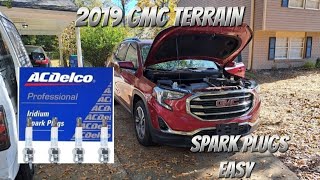
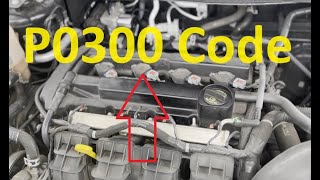
- Difficulty starting the engine 🎬 Watch: Understanding common causes and fixes for the P0300 code.
- Replacing spark plugs and ignition coils without considering the well-documented Charge Air Cooler (CAC) moisture issue, especially if the problem is weather-dependent.
- Immediately assuming a major mechanical failure before ruling out the ignition system, fuel system, and the known CAC moisture problem.
Most Likely Causes
- Moisture Buildup in Charge Air Cooler (CAC) 🔴 High Probability → Shop Intercooler The design of the air-to-air CAC system on this turbocharged engine allows condensation to accumulate during long drives in high humidity or rain. A heavy acceleration can ingest this water, causing a misfire. In cold temperatures, this moisture can also freeze, restricting airflow and causing underboost (P0299) or misfire codes.
How to confirm: The issue most often occurs during or after driving in heavy rain or high humidity, often during a highway acceleration event to pass another vehicle. Check for stored codes P0299 (Turbo Underboost) or P2227 (Barometric Pressure Sensor Performance) alongside P0300, as they are often set together due to this condition. A technician may need to remove the CAC to drain any accumulated water.
Typical fix: Follow the procedure in GM TSB #22-NA-065 or #18-NA-020. This may involve installing a lower grille cover (Part #84630081 for Terrain without front plate, #84648360 with front plate) to block excess moisture. In some cases, or on older models, replacing the charge air cooler with an updated part (ACDelco 85163204) is required. The grille cover should not be used in temperatures above 85°F (30°C) or when towing.
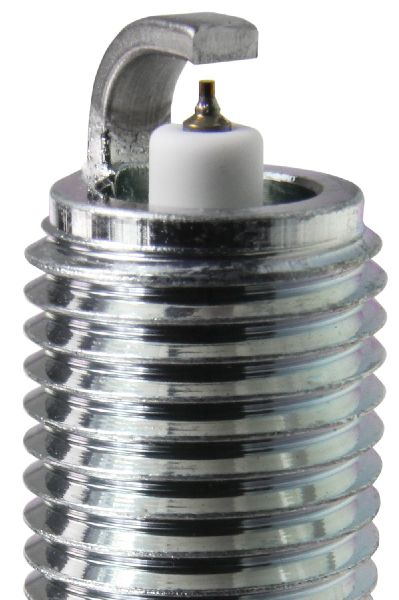
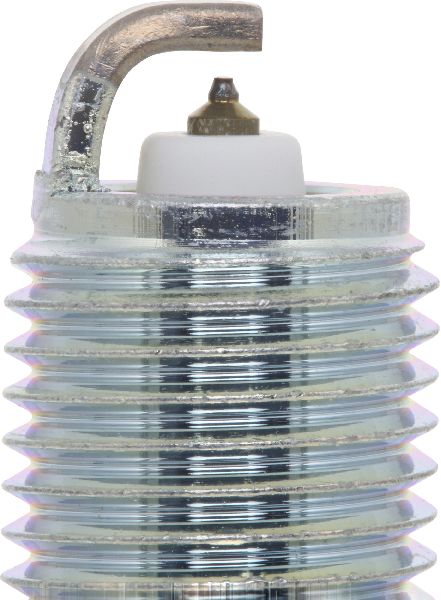
Est. part cost: $40-$500 - Worn or Fouled Spark Plugs 🟡 Medium Probability → Shop Spark Plug Spark plugs are a standard maintenance item with a typical service interval of 60,000-80,000 miles. As they wear, the gap can widen or insulators can crack, leading to a weak spark and incomplete combustion. Some GM bulletins also note issues with carbon tracking on the spark plug porcelain causing misfires.
How to confirm: Remove and inspect all four spark plugs. Look for worn electrodes, excessive carbon buildup, oil fouling, cracked porcelain insulators, or an incorrect gap.
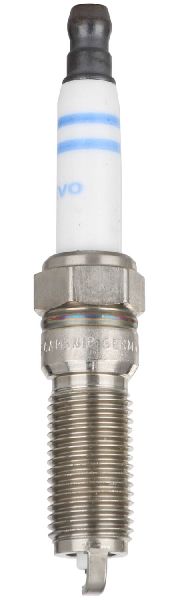
Typical fix: Replace all four spark plugs as a set. It is recommended to use OEM-specification Iridium plugs, such as ACDelco 41-166 for the 1.5L engine. Ensure the new plugs are gapped correctly and apply dielectric grease to the inside of the ignition coil boot.
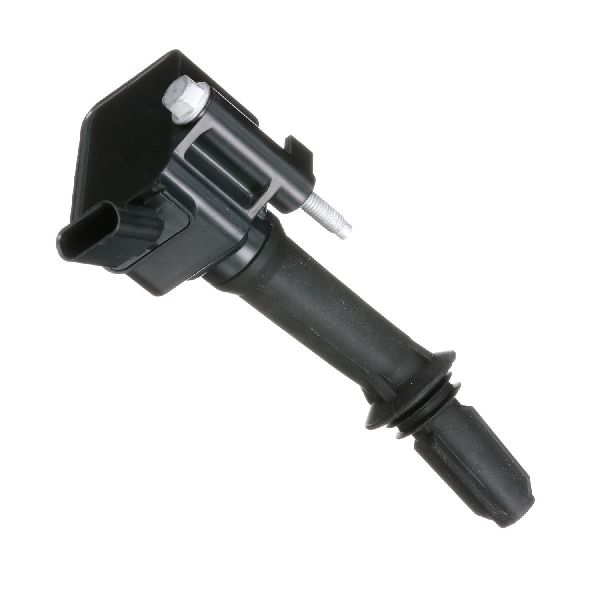
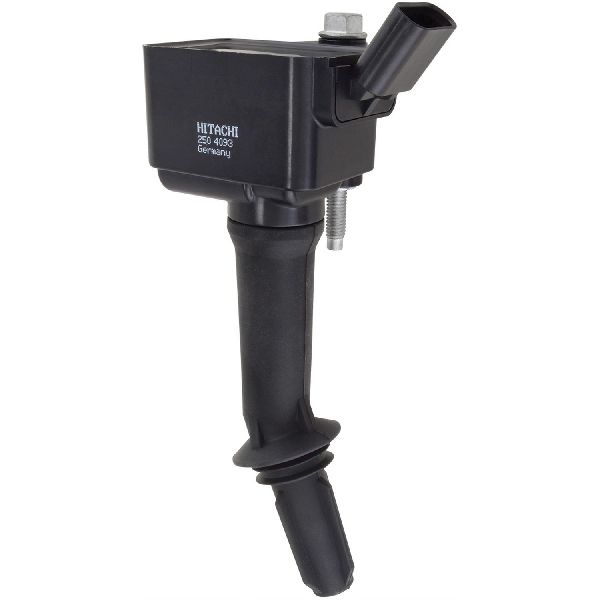
Est. part cost: $40-$100 - Failing Ignition Coil(s) 🟡 Medium Probability → Shop Ignition Coil Ignition coils are subjected to high heat and vibration, which can cause them to fail over time. A weak or intermittently failing coil can cause random misfires before failing completely.
How to confirm: Use a scan tool with live data to monitor misfire counts per cylinder. If a cylinder is misfiring more than others, swap its ignition coil with a known good cylinder. If the misfire follows the coil, the coil is faulty.
Typical fix: Replace the faulty ignition coil. The OEM part number is GM 25205340, which supersedes several previous numbers including 12697989 and 25203537. It is often recommended to replace the spark plug in the same cylinder at the same time. 🎬 Watch: How to perform a full tune-up on your GMC Terrain.
Est. part cost: $50-$150 per coil - Vacuum Leak ⚪ Low Probability A known weak point on the 1.5L Turbo engine is the charge air cooler (CAC) outlet tube disconnecting from the throttle body, creating a massive vacuum leak. This is addressed in GM recall N192271200 for some models.
How to confirm: A vacuum leak allows unmetered air into the engine, leaning out the air-fuel mixture. The most effective way to find a leak is to use a smoke machine to test the intake manifold, vacuum lines, and gaskets. A common leak point can be the charge air cooler pipe disconnecting from the throttle body.
Typical fix: Replace the cracked hose, faulty gasket, or leaking component that is causing the vacuum leak. If the CAC tube has disconnected, it may require an updated retainer clip.
Est. part cost: $10-$150
Rare But Worth Checking
- Clogged or Dirty Fuel Injectors: → Shop Fuel Injector Direct injection systems can be sensitive to fuel quality, and carbon can build up on injector tips or intake valves over time, disrupting the fuel spray pattern.
- Low Fuel Pressure: A weak fuel pump or clogged fuel filter can starve the engine of fuel, causing misfires across all cylinders under load. One owner of a different vehicle reported a P0300 in the rain was ultimately caused by a failing fuel pump delivering low pressure.
- Faulty Crankshaft Position Sensor (CKP): → Shop Engine Crankshaft Position Sensor An intermittent failure of the CKP sensor can send incorrect timing signals to the ECM, leading to random misfires.
- Cracked Piston: While more prevalent in 2016-2017 1.5L LFV engines, Low-Speed Pre-Ignition (LSPI) can cause piston damage in turbocharged direct-injection engines, leading to misfires and compression loss. Using high-quality, full synthetic dexos1 Gen 2 (or newer) oil is critical to mitigate this risk.
Diagnosis Steps
- Check for Technical Service Bulletins (TSBs) for your vehicle's VIN. Note the weather conditions (rain, humidity) when the code was set.
- Scan for other DTCs. Codes like P0299 and P2227 strongly point towards the Charge Air Cooler (CAC) issue.
- If conditions match the TSBs (wet weather, high humidity), prioritize investigating the CAC issue per TSB #22-NA-065 or #18-NA-020. This may involve a smoke test of the charge air system.
- If the CAC issue is not indicated, inspect the ignition system. Remove and check all spark plugs for wear, damage, and correct gap.
- Test ignition coils. Use a scan tool's misfire counter or swap coils between cylinders to isolate a faulty coil.
- Check for vacuum leaks. A smoke test is the most reliable method to find leaks in hoses or gaskets. Pay close attention to the charge air cooler outlet pipe at the throttle body.
- Test the fuel system. Check fuel pressure to ensure the pump is delivering adequate fuel to the injectors.
- If other tests are inconclusive, test critical sensors like the Crankshaft Position Sensor (CKP) and Mass Airflow (MAF) sensor.
Parts You'll Likely Need
- Charge Air Cooler
(OEM #85163204)— A known design issue can cause moisture to accumulate, leading to misfires. Replacement with an updated part is the official GM fix for some vehicles per TSBs #18-NA-020 and #22-NA-065.
Trusted brands: ACDelco
OEM price range: $250-$400
Aftermarket price range: $150-$300 - Grille Cover
(OEM #84630081 (w/o front plate), 84648360 (w/ front plate))— A specific fix recommended in TSB #22-NA-065 and other bulletins to prevent moisture from entering the CAC in high humidity or rain.
Trusted brands: GM Genuine Parts
OEM price range: $40-$75 - Spark Plugs
(OEM #ACDelco 41-166)— A common maintenance item and a frequent cause of misfires due to wear.
Trusted brands: ACDelco, NGK
OEM price range: $15-$25 per plug
Aftermarket price range: $8-$15 per plug - Ignition Coil
(OEM #25205340)— A common failure item due to engine heat and vibration that can cause intermittent or random misfires. This part number supersedes several older versions.
Trusted brands: ACDelco, Delphi
OEM price range: $50-$95
Aftermarket price range: $40-$70
Related Codes That Often Appear With This One
- P0299 — Turbocharger/Supercharger Underboost. This code often appears with P0300 when moisture accumulates or freezes in the charge air cooler, restricting airflow.
- P2227 — Barometric Pressure Sensor 'A' Circuit Range/Performance. This is another code that points to the charge air cooler issue, as restricted airflow affects sensor readings.
- P050D — Rough Idle After Cold Start. TSB #PIP5628G links this code with misfire diagnosis on this platform.
- P0234 — Turbocharger Overboost Condition. This can occur if the Turbocharger Wastegate Regulator Solenoid Valve freezes due to moisture, a condition that can happen concurrently with CAC icing.
Technical Service Bulletins (TSBs) & Recalls
- 18-NA-020: Malfunction Indicator Lamp Illuminated with DTCs P0300, P0299, P0234 and/or P2227 Set.
- PIP5628G: Preliminary information for diagnosing misfire codes P0300-P0308 and/or P050D.
- 22-NA-065: Malfunction Indicator Lamp Illuminated or Flashing - DTC P0300 Set When Driving In High Humidity Or In Heavy Rain.
- 21NA255: Service bulletin providing repair information to correct an Engine Misfire, Malfunction Indicator Lamp (MIL) Illuminated - DTC P0300 Set.
Platform-Specific Known Issues
- The most significant issue for the 2022 Terrain is the tendency for the charge air cooler to collect condensation, especially in humid or rainy conditions. When the driver accelerates, this water is ingested into the engine, causing a random misfire and setting code P0300. GM has issued multiple Technical Service Bulletins (TSBs), including #22-NA-065 and #18-NA-020, which detail the condition and provide corrective actions like installing a grille cover or replacing the CAC.
Mechanic-Grade Diagnostic Values
- Short-Term and Long-Term Fuel Trim — expected: Between -5% and +5% at idle.. Failure: Consistently high positive values (>10%) suggest a vacuum leak or under-reporting MAF sensor. High negative values suggest a leaking injector or other rich condition.
- Mass Airflow (MAF) Sensor Reading at Idle — expected: Approximately 1.5 g/s for the 1.5L engine. A general range is 2-7 g/s depending on engine load.. Failure: Reading is significantly different from the expected value, or does not increase smoothly with RPM.
- Low-Side Fuel Pressure at Idle — expected: Around 58 PSI.. Failure: Significantly lower pressure indicates a weak low-pressure fuel pump or clogged filter.
- High-Side Rail Pressure at Idle — expected: Approximately 440 PSI.. Failure: Pressure that is significantly low or bleeds down quickly after shutdown may indicate a failing high-pressure fuel pump or leaking injectors.
- Ignition Coil Primary Resistance — expected: 0.4 to 2 ohms.. Failure: A reading outside this range indicates a faulty coil.
- Ignition Coil Secondary Resistance — expected: 6,000 to 15,000 ohms (6k-15k Ω).. Failure: A reading outside this range indicates a faulty coil.
Hidden / Shadow Codes Worth Checking
- Misfire Data / Misfire Graphic: While not a 'code' in the traditional sense, GM's GDS2 software provides a live data display of misfire counts for each individual cylinder. Even when only a general P0300 is set, this data is critical for identifying which cylinder(s) are the primary contributors to the random misfire count, guiding further diagnosis. (see via GM GDS2 or equivalent professional-grade scan tool.)
Scan Tool Commands That Help
- GDS2: Cylinder Power Balance — This bidirectional test allows a technician to disable one fuel injector at a time. If disabling a cylinder causes little or no change in RPM, it confirms that cylinder was not contributing power, helping to isolate the problem even with only a P0300 code present.
- GDS2: Misfire Data / Misfire Graphic — This is the primary live data screen for diagnosing any misfire. It shows current and historical misfire counts per cylinder, which is essential for determining if the P0300 is truly random or biased towards one or two cylinders.
Wiring & Ground Locations
- G102 — Typically located at the rear of the engine.. This is a major engine ground. A loose or corroded connection at G102 can cause erratic sensor readings and intermittent electrical issues, potentially leading to random misfires.
Real Owner Repair Stories
- Chevrolet Forum user 'apache snow' (2021 Equinox Premier 1.5T (mechanically identical to Terrain) with 15,000 miles) — Rough running, engine fluctuation until warm, Check Engine Light on with codes P0300, P0171 (System Too Lean), and P0133 (O2 Sensor Circuit Slow Response).
❌ Tried (didn't work) Dealer initially could not duplicate the problem and erased the codes.
✅ What actually fixed it The dealer replaced the upstream O2 sensor, which resolved all three codes, including the P0300. - YouTube channel 'P0300 FIXED 2021 GMC TERRAIN' (2021 GMC Terrain) — Flashing Check Engine Light, P0300 code, active misfire.
❌ Tried (didn't work) Customer declined replacing all spark plugs and coils due to budget.
✅ What actually fixed it The customer approved the replacement of a single faulty ignition coil which was identified during diagnosis. The mechanic noted the new OEM coil was an updated part design. This stopped the flashing light and active misfire.
OEM Part Supersession History
12635672, 12670053, 12697989, 12698064, 25203537, 25203681→25205340— Standard part evolution for improved reliability, performance, or manufacturing efficiency. The presence of so many superseded numbers suggests multiple revisions over time.
Helpful Videos
We Have This Part in Stock


The information in this article is provided for general reference and educational purposes only. Vehicle specifications, procedures, and part compatibility can vary by production date, trim level, and region. Always consult your vehicle's factory service manual and verify part numbers before purchasing or performing repairs. Safety-critical components such as airbags, seat belts, and braking systems should be installed by a qualified professional.
- Gmc TERRAIN NA:
- 🧭 Diagnostic Flowchart
- 🎬 Helpful Videos
- 🛍️ Shop This Part
- What's Unique About the 2022-2022 Gmc TERRAIN NA
- Symptoms You May Notice
- Most Likely Causes
- Rare But Worth Checking
- Diagnosis Steps
- Parts You'll Likely Need
- Related Codes That Often Appear With This One
- Technical Service Bulletins (TSBs) & Recalls
- Platform-Specific Known Issues
- Mechanic-Grade Diagnostic Values
- Hidden / Shadow Codes Worth Checking
- Scan Tool Commands That Help
- Wiring & Ground Locations
- Real Owner Repair Stories
- OEM Part Supersession History
- 🎟️ Get 5% Off