

P0300 on 2003-2008 Isuzu Ascender: Random Misfire Causes and Fixes
P0300 on a 2003-2008 Isuzu Ascender indicates a random engine misfire. The most common culprits are worn-out spark plugs and failing ignition coils. A full set of iridium spark plugs and new ignition coils can often resolve the issue for $150-$450 in parts. Cleaning the throttle body is another common, low-cost fix to attempt early in the diagnosis.
- P0300 means multiple cylinders are misfiring, not just one.
- Always start with the basics: inspect and replace worn spark plugs and ignition coils. Use high-quality Iridium plugs for longevity.
- If the Check Engine Light is flashing, pull over and stop driving to prevent catastrophic damage to the catalytic converter.
- On the 4.2L engine, a vacuum leak from the intake manifold gasket is a very common cause of P0300, often accompanied by a P0171 lean code.
- The Isuzu Ascender is mechanically identical to the Chevy Trailblazer and GMC Envoy, so repair information for those vehicles is directly applicable.
What's Unique About the 2003-2008 Isuzu ASCENDER
The Isuzu Ascender is a rebadged version of the Chevrolet Trailblazer and GMC Envoy, sharing the same GM GMT360 platform, engines, and common problems. When diagnosing a P0300 code, 🎬 Watch: How to find and fix a P0300 misfire. it's crucial to consider issues prevalent on this platform, such as failing ignition coils, vacuum leaks from the intake manifold gasket on the 4.2L I6 engine, and potential issues with the Camshaft Position Actuator Solenoid (VVT solenoid). A dirty electronic throttle body is also a very frequent cause of rough idle and misfire codes on these trucks.
Diagnostic Flowchart
Tap your situation to follow the diagnostic path that matches what you're seeing on this vehicle.
Symptoms You May Notice
- Rough or shaking idle.
- Hesitation or stumbling during acceleration.
- Reduced engine power, sometimes entering a 'Reduced Power Mode'.
- Flashing or solid Check Engine Light.
- Poor fuel economy.
- Engine stalling, especially when under load like turning on the A/C.
- Smell of unburned gasoline from the exhaust.
- Cruise control may not function until the engine is restarted.
- Replacing oxygen (O2) sensors. While a bad O2 sensor can contribute to fuel mixture problems, it's rarely the direct cause of a P0300 code and is more often a symptom of the misfire itself.
- Replacing only one spark plug or ignition coil when multiple are old and worn.
- Assuming a P0300 is always a coil or plug, and overlooking common vacuum leaks or a dirty throttle body.
Most Likely Causes
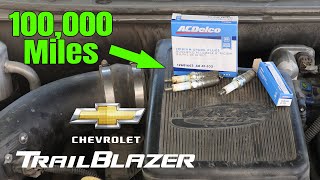
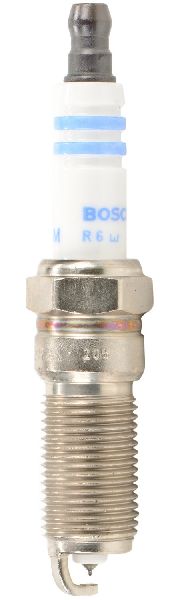
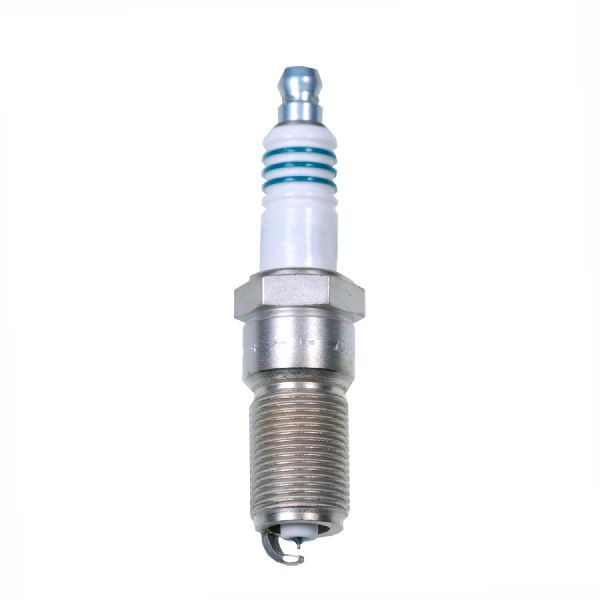
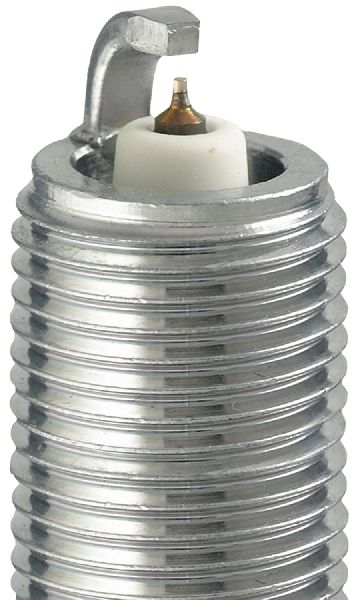
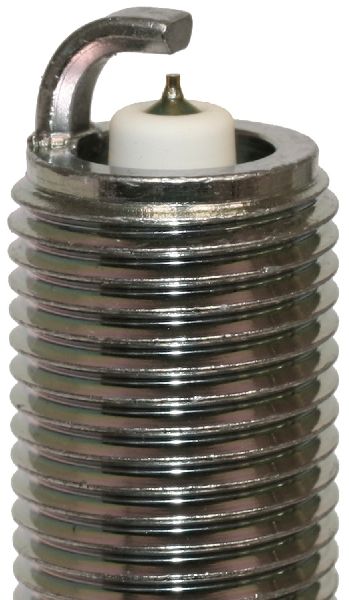
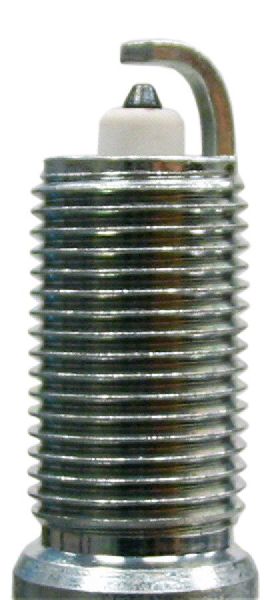
- Worn or Fouled Spark Plugs 🔴 High Probability → Shop Spark Plug The recommended 100,000-mile service interval for the original iridium spark plugs means many vehicles are overdue for a change. Using non-OEM spec plugs (e.g., brands other than ACDelco or NGK Iridium) is a known cause of misfires on this platform. The factory gap is 0.043 inches; even pre-gapped plugs should be verified.
How to confirm: Remove and inspect the spark plugs for wear, corrosion, oil, or carbon fouling. Oil on the plug threads is a strong indicator of a leaking valve cover gasket, which can also cause misfires by fouling the plug and coil boot. The electrode should be intact and not overly worn down.
Typical fix: Replace all spark plugs as a set. It is highly recommended to use the OEM-spec AC Delco 41-103 or equivalent NGK Iridium plugs to avoid compatibility issues.
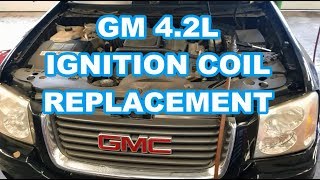
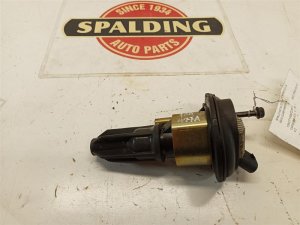
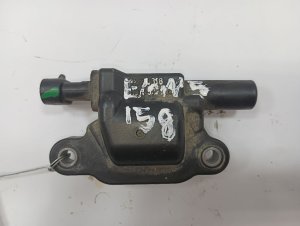
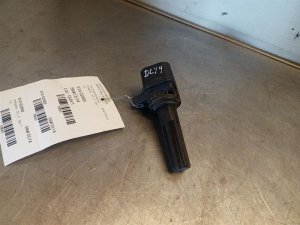
Est. part cost: $60-$90 - Failing Ignition Coils 🔴 High Probability → Shop Ignition Coil The coil-on-plug design is reliable, but engine heat and vibration cause coils to fail over time. They are one of the most common failure points on the GMT360 platform. When one fails, others are often near the end of their service life.
How to confirm: If a specific cylinder misfire code (P0301-P0306) is present, swap the coil from the misfiring cylinder with a known good one. If the misfire code follows the coil, the coil is bad. For a random P0300, visual inspection for cracks or corrosion is a first step. A user on GMTNation noted that after swapping a coil, the misfire moved from cylinder 2 to 3, confirming a bad coil.
Typical fix: Replace the faulty ignition coil. It is often recommended to replace all coils as a set with a quality brand like ACDelco or Delphi to prevent future failures.
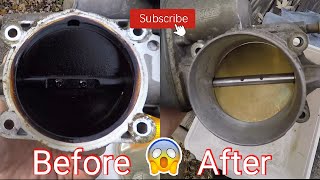
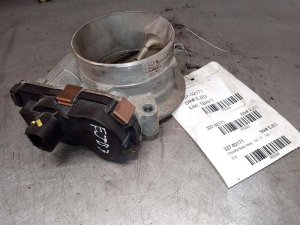
Est. part cost: $30-$70 per coil, $150-$365 for a set - Dirty Throttle Body 🔴 High Probability → Shop Fuel Injection Throttle Body The PCV system on the 4.2L and 5.3L engines is known to allow oil vapor into the intake tract, which builds up as carbon and gunk on the throttle plate. This restricts airflow at idle, confusing the ECM and leading to a rough idle and random misfires, especially after the battery has been disconnected and the PCM has reset.
How to confirm: Visually inspect the inside of the throttle body for a thick black ring of carbon buildup. A rough or unstable idle that changes with A/C load is a strong symptom. A Reddit user with a P0300 on a Trailblazer noted a rough idle and cleaned the gunked-up throttle body as a first step.
Typical fix: Remove the throttle body and clean it thoroughly with throttle body cleaner and a soft brush. Do not spray 🎬 Watch: Step-by-step guide to cleaning your throttle body. cleaner directly into the electronic components. After reinstallation, a throttle relearn procedure (letting the key sit in the 'ON' position for a minute before starting) is recommended.
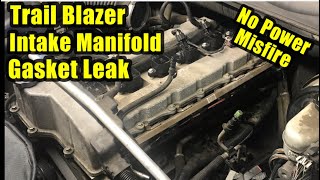
Est. part cost: $10 for cleaner - Intake Manifold Gasket Leak 🟡 Medium Probability → Shop Engine Intake Manifold This is a well-documented issue, particularly on the 4.2L I6 engine. The gasket can degrade over time, allowing unmetered air to enter the engine, which creates a lean condition (often triggering P0171) and causes random misfires. The bolts can also loosen over time.
How to confirm: Perform a smoke test on the intake system; smoke will be visible leaking from the gasket area. Another method is to carefully spray carburetor cleaner around the gasket with the engine running; a change in idle speed indicates a leak. A hissing sound near the intake manifold is also a common sign.
Typical fix: Replace the intake manifold gaskets. It's recommended to use a quality aftermarket set like Fel-Pro or an OEM set.
Est. part cost: $20-$50 - Low Fuel Pressure 🟡 Medium Probability A weak fuel pump or clogged fuel filter can fail to supply adequate fuel pressure, affecting all cylinders and leading to random misfires. For 2005 and newer models, the fuel filter is part of the in-tank fuel pump assembly and is not considered a separate serviceable item.
How to confirm: Connect a fuel pressure gauge to the Schrader valve on the fuel rail. Check that the pressure is within the manufacturer's specified range (typically 50-60 PSI for this platform) at idle and under load. A Trailblazer owner chased a P0300 by replacing plugs and coils before finding low fuel pressure and replacing the pump, which solved the issue.
Typical fix: On 2003-2004 models, replace the frame-rail mounted fuel filter first. If pressure is still low, or on 2005+ models, the entire fuel pump module in the tank likely needs to be replaced.
Est. part cost: $20-$60 for an external filter, $150-$300 for a pump module - Dirty or Clogged Fuel Injectors ⚪ Low Probability → Shop Fuel Injector Over time, deposits can build up in fuel injectors. On the 4.2L, oil vapor from the known intake gasket leak issue can contaminate and clog injectors. On the 5.3L V8, the injector for cylinder 7 is prone to failure from heat soak due to its proximity to the exhaust crossover pipe.
How to confirm: This is more difficult to diagnose. A professional may perform a fuel injector balance test. A DIY method is to listen to each injector with a mechanic's stethoscope; they should all have a consistent clicking sound. Long-term fuel trims consistently above +10% can also indicate clogged injectors.
Typical fix: Run a high-quality fuel injector cleaner with Polyetheramine (PEA), like Techron Concentrate or BG 44K, through the system. If this fails, the injectors may need to be professionally cleaned or replaced.
Est. part cost: $15-$30 for cleaner, $50-$100+ per injector
Rare But Worth Checking
- Clogged Catalytic Converter: → Shop Catalytic Converter A clogged converter can create excessive exhaust backpressure, leading to misfires and a P0300 code. This is often a result of long-term misfires dumping raw fuel, not the initial cause. A user on a Chevrolet forum reported that their son's truck with a P0300 was ultimately fixed by replacing a clogged catalytic converter.
- Faulty Crankshaft Position Sensor (CKP): → Shop Engine Crankshaft Position Sensor A failing CKP sensor can send erratic signals to the ECM, which can be misinterpreted as random misfires. After replacing this sensor, a 'CASE Relearn' (Crankshaft Angle Sensor Error) procedure is often required using a high-end scan tool to sync the new sensor with the PCM.
- Faulty Camshaft Position Actuator Solenoid: → Shop Engine Camshaft This VVT solenoid controls valve timing. If it gets clogged with dirty oil or fails, it can cause incorrect cam phasing, leading to rough running and misfires. One owner on YouTube reported that changing the VVT solenoid improved the engine's running but the P0300 code remained, indicating it was part of a larger problem.
- Low Engine Compression: Internal engine problems like worn piston rings, leaking valves, or a failed head gasket can cause low compression and misfires. This is a more serious mechanical issue requiring a compression test to diagnose.
Diagnosis Steps
- Read all fault codes using an OBD-II scanner. Note any codes accompanying P0300, as they provide critical clues (e.g., P0171 for vacuum leaks, P030X for a specific cylinder).
- Visually inspect and clean the throttle body. This is a common, low-cost fix for rough idle and random misfires on the GMT360 platform.
- Inspect all spark plugs for wear, damage, or fouling. Check for oil in the spark plug tubes, which indicates a leaking valve cover gasket.
- Test ignition coils. If a specific cylinder misfire is identified, swap the coil with a known good cylinder to see if the misfire follows the coil.
- Check fuel pressure. Connect a fuel pressure gauge to the fuel rail's Schrader valve. Pressure should be 50-60 PSI. On 2003-2004 models, consider replacing the external fuel filter first if pressure is low.
- Perform an intake system smoke test to find vacuum leaks, paying close attention to the intake manifold gasket area, a common failure point on the 4.2L I6 engine.
- If all else fails, consider more advanced diagnostics like a compression test to check for mechanical engine issues or testing the crankshaft position sensor.
Parts You'll Likely Need
- Spark Plugs
(OEM #ACDelco 41-103 (GM #12625058) for 4.2L I6)— Spark plugs are a routine maintenance item and the most frequent cause of misfires. Worn plugs or incorrect (non-iridium) plugs cannot create a strong enough spark for proper combustion.
Trusted brands: ACDelco, NGK
OEM price range: $10-$15 per plug
Aftermarket price range: $8-$12 per plug - Ignition Coil
(OEM #ACDelco D585 (GM #10457730) for V8, similar style for I6)— Ignition coils are subjected to intense heat and vibration and are a very common failure point on the GMT360 platform, leading directly to misfires.
Trusted brands: ACDelco, Delphi
OEM price range: $60-$90 per coil
Aftermarket price range: $30-$60 per coil - Intake Manifold Gasket Set
(OEM #GM #89017828 (Fel-Pro MS92468 is a common aftermarket equivalent))— A known weak point on the 4.2L I6 engine, a leaking intake gasket causes a vacuum leak that results in a lean air/fuel mixture and random misfires.
Trusted brands: Fel-Pro, Mahle, ACDelco
OEM price range: $40-$60
Aftermarket price range: $20-$40 - Throttle Body Cleaner — Oil vapor from the PCV system causes carbon buildup on the throttle plate, leading to airflow issues at idle that can trigger a P0300 code. Cleaning is a common, effective, and low-cost diagnostic and repair step.
Trusted brands: CRC, Gumout
OEM price range: $10-$15
Aftermarket price range: $8-$12
Related Codes That Often Appear With This One
- P0301-P0308 — These codes indicate a misfire on a specific cylinder (e.g., P0301 for cylinder 1). They often appear alongside P0300 when the misfire is frequent on some cylinders but also occurs randomly on others. A P0300 may eventually resolve into a specific cylinder code after more driving.
- P0171 — This code means 'System Too Lean (Bank 1)' and frequently accompanies P0300 when the root cause is a vacuum leak, such as a faulty intake manifold gasket allowing unmetered air into the engine.
Technical Service Bulletins (TSBs) & Recalls
- Dated 2019-02-18, this is a Preliminary Information bulletin for GM technicians. It does not provide a specific fix, but rather a checklist of information to gather before contacting the Technical Assistance Center (TAC) for help with diagnosing persistent P0300-P0308 codes. It asks for information on fuel trims, compression tests, spark plug inspection, and whether a crankshaft variation learn has been performed.
Mechanic-Grade Diagnostic Values
- Fuel Pressure (Key On, Engine Off) — expected: 50-60 PSI. Failure: Pressure below 50 PSI can indicate a weak fuel pump or clogged filter. A reading of 48-49 PSI was noted by one owner as being borderline low.
- Crankshaft Position Sensor (CKP) Resistance — expected: 500 to 900 Ohms. Failure: Infinite resistance (open circuit) or zero resistance (short circuit) indicates a failed sensor.
- Ignition Coil Primary Resistance (V8 models) — expected: 0.4 to 0.6 Ohms. Failure: Readings significantly outside this range suggest a failing coil winding.
- Ignition Coil Secondary Resistance (V8 models) — expected: 5,000 to 7,200 Ohms (5.0-7.2 kOhms). Failure: Readings outside this range indicate a fault in the secondary winding.
- Camshaft Position Actuator Solenoid Resistance (4.2L I6) — expected: 8 to 12 Ohms. Failure: A reading outside of this range typically indicates a failed solenoid.
Hidden / Shadow Codes Worth Checking
- Misfire Counters (Current and History): The GM Engine Control Module (ECM) tracks misfires per cylinder even if they don't meet the threshold to set a specific P030x code. This data is invaluable for identifying a cylinder that is misfiring intermittently or more frequently than others, even when only a P0300 is present. (see via A GM Tech2 or equivalent high-end scan tool is required. This data is typically found under 'Engine Data' -> 'Misfire Data'.)
Scan Tool Commands That Help
- GM Tech2 / GDS2: Misfire Graphic — This function displays a real-time bar graph of misfire counts for each cylinder. It is extremely useful for diagnosing a P0300 by visually identifying which cylinder(s) are contributing the most misfires, even under specific load or RPM conditions.
- GM Tech2 / GDS2: Crankshaft Position (CKP) System Variation Learn (CASE Relearn) — This procedure must be performed after replacing the crankshaft position sensor, PCM, or making major engine repairs. It calibrates the PCM to the minor variations in the crankshaft reluctor wheel to ensure accurate misfire detection. Failure to perform this can lead to false P0300 codes.
- GM Tech2 / GDS2: Cylinder Balance Test / Injector Balance Test — This bidirectional command allows the technician to sequentially disable one fuel injector at a time to measure the corresponding drop in RPM. A cylinder where the RPM drop is significantly less than others indicates a weak or non-contributing cylinder, helping to isolate the source of a misfire.
Wiring & Ground Locations
- G101 — Located at the left front of the engine, on the lower block.. This is a primary ground for the Engine Control Module (ECM) and Transmission Control Module (TCM). A poor connection here can cause erratic ECM behavior, leading to numerous issues including random misfires.
- G102 — Located at the left rear of the engine.. This ground point is specifically for the ignition coils. Corrosion or a loose connection here can cause a weak spark across multiple cylinders, directly leading to a P0300 code.
- G103 — Located on the cowl in the left rear of the engine compartment, above the brake booster.. This ground serves the Body Control Module (BCM) and the Data Link Connector (DLC). While not a direct cause, a poor ground here can affect communication and diagnostics when trying to read codes.
- Ignition Coil Harness (4.2L I6) — Runs along the driver's side of the cylinder head, connecting to all six coils.. The plastic conduit can become brittle from heat and age, exposing wires. Wires can chafe against the cylinder head or brackets, causing intermittent shorts or open circuits to the ignition coils, resulting in random misfires.
Real Owner Repair Stories
- YouTube video by 'P0300 Code Fix' (Vehicle appears to be a GM truck/SUV with a V8 engine.) — Check engine light with a P0300 code.
❌ Tried (didn't work) Compression check (all cylinders were good), Spark plug inspection, Ignition coil and wire testing
✅ What actually fixed it The owner found that unplugging and reconnecting the electrical connector to the camshaft position sensor resolved the issue, suggesting a poor connection or intermittent short in the plug itself was the root cause. No code for the cam sensor was ever present. - GMTNation Forum (2004 Trailblazer LT) — P0171 (System Too Lean) that would not resolve, accompanied by misfires.
❌ Tried (didn't work) Smoke test (showed no leaks), Replaced intake manifold gaskets, Cleaned fuel injectors, Replaced upstream O2 sensor, Replaced fuel pressure regulator, Replaced fuel filter
✅ What actually fixed it The owner was still diagnosing but had identified that fuel pressure was consistently low at 48-49 PSI, just below the 50-57 PSI specification. This points toward a weak fuel pump as the likely underlying cause of the lean condition and associated misfires, even after many other parts were replaced.
OEM Part Supersession History
12568078, 12576768, 12597025, 12602516→12615873— Updated design for the Camshaft Position Actuator Solenoid (VVT Solenoid).
Heads up: These parts are generally interchangeable, but using the latest part number (12615873) is recommended for reliability.10457730 (GM), D585 (ACDelco)→Current production may have different internal revisions but the part numbers remain the primary identifiers for the 'round' style LS V8 ignition coil.— Ongoing manufacturing improvements.
Heads up: Be cautious of aftermarket coils. True OEM coils are stamped with '19005218' on the metal bracket. Some aftermarket replacements may not meet OEM standards for durability and amperage draw, potentially risking PCM driver failure.
Model Year Variations Within This Range
- 2003-2004 vs 2005-2008: The fuel filter on 2003-2004 models is an external, frame-mounted, serviceable part. On 2005 and newer models, the filter was integrated into the in-tank fuel pump module and is not considered separately serviceable.
- 2003-2005 vs 2006-2008 (4.2L I6): There were several internal and external changes to the 4.2L LL8 engine. When swapping engines between these year ranges, components like the engine coolant temperature sensor may need to be relocated from the rear of the block to near the thermostat housing, and wiring connectors for coils or injectors might differ, requiring parts to be swapped from the original engine.
- 2005-2009 (5.3L V8): The LH6 5.3L V8 used from 2005 onward features Active Fuel Management (AFM), which deactivates four cylinders under light load. The earlier LM4 V8 (2003-2004) did not have this system.
Helpful Videos
Used OEM Parts in Stock
New Aftermarket Parts Available

The information in this article is provided for general reference and educational purposes only. Vehicle specifications, procedures, and part compatibility can vary by production date, trim level, and region. Always consult your vehicle's factory service manual and verify part numbers before purchasing or performing repairs. Safety-critical components such as airbags, seat belts, and braking systems should be installed by a qualified professional.
- Isuzu ASCENDER:
- 🧭 Diagnostic Flowchart
- 🎬 Helpful Videos
- 🛍️ Shop This Part
- What's Unique About the 2003-2008 Isuzu ASCENDER
- Symptoms You May Notice
- Most Likely Causes
- Rare But Worth Checking
- Diagnosis Steps
- Parts You'll Likely Need
- Related Codes That Often Appear With This One
- Technical Service Bulletins (TSBs) & Recalls
- Mechanic-Grade Diagnostic Values
- Hidden / Shadow Codes Worth Checking
- Scan Tool Commands That Help
- Wiring & Ground Locations
- Real Owner Repair Stories
- OEM Part Supersession History
- Model Year Variations Within This Range
- 🎟️ Get 5% Off