

P0300 on 2000-2004 Isuzu Rodeo: Random Misfire Causes and Fixes
For a 2000-2004 Isuzu Rodeo, a P0300 code is most often caused by a faulty fuel pressure regulator or a vacuum leak from a bad intake manifold gasket. Worn spark plugs and aging ignition coils are also very common culprits.
- Before buying parts, check the fuel pressure regulator's vacuum line for fuel—it's a common, easy-to-diagnose fix.
- If you have a P0300 accompanied by lean codes (P0171/P0174), a vacuum leak from the intake manifold gasket is the most likely cause.
- Only use the OEM-specified Denso or NGK spark plugs. The ion-sensing ignition system on these trucks is sensitive and can set misfire codes with incorrect plugs.
- If the check engine light is flashing, stop driving immediately to prevent expensive damage to your catalytic converter.
What's Unique About the 2000-2004 Isuzu RODEO
The V6 engines in the 2000-2004 Rodeo are known for a few specific issues that directly lead to a P0300 code. The fuel pressure regulator is a frequent failure point, often leaking fuel into its vacuum line, which can cause a rich condition in a nearby cylinder and random misfires elsewhere. Additionally, the intake manifold gaskets are made of a plastic material that can crack over time, creating vacuum leaks that lean out the air/fuel mixture and cause misfires. There is also a known issue, documented in a TSB, regarding a specific, shorter ignition coil for cylinder #6 on some 3.2L engines that, if installed on another cylinder, can cause misfires.
Diagnostic Flowchart
Tap your situation to follow the diagnostic path that matches what you're seeing on this vehicle.
Symptoms You May Notice
- Rough or shaking idle
- Hesitation or stumbling during acceleration
- Flashing or solid Check Engine Light
- Loss of engine power
- Poor fuel economy
- Hard starting
- Replacing only one ignition coil when multiple are weak.
- Replacing oxygen sensors, which are more likely to be a symptom of the misfire (due to unburnt fuel) rather than the cause.
- Assuming a timing belt issue, which is a much more complex and expensive repair, before ruling out simpler fuel and ignition causes.
- Diagnosing an engine knock as internal engine failure when it is actually a cracked flexplate.
Most Likely Causes
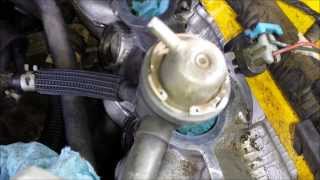
- Faulty Fuel Pressure Regulator (FPR) 🔴 High Probability → Shop Fuel Injection Pressure Regulator The FPR is a known common failure item. Its diaphragm can tear, allowing raw fuel to be sucked into the vacuum line. This often affects cylinder #6 most directly due to the vacuum port's location, but causes a P0300 while driving.
How to confirm: Locate the FPR on the fuel rail near the firewall. Disconnect the vacuum hose from the top. If there is liquid fuel inside the hose or a strong smell of gas, the regulator is bad and must be replaced.
Typical fix: Replace the fuel pressure regulator.
Est. part cost: $25-$85 - Vacuum Leak (Intake Manifold Gasket) 🔴 High Probability The V6 engines use plastic-type intake manifold gaskets that are known to become brittle and crack over time, causing unmetered air to enter the engine.
How to confirm: Perform a smoke test on the intake system. Alternatively, with the engine running, carefully spray carburetor cleaner around the intake manifold gasket area; if the engine idle changes, a leak is present.
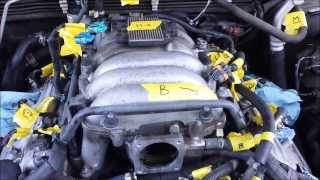
Typical fix: Replace the upper and lower intake manifold gaskets. 🎬 See this walkthrough on how to remove the intake manifold.
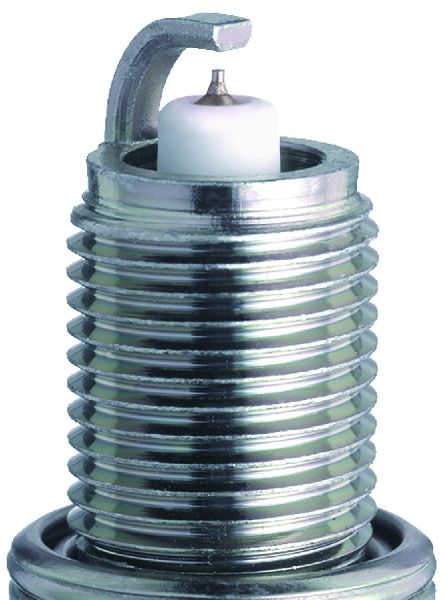
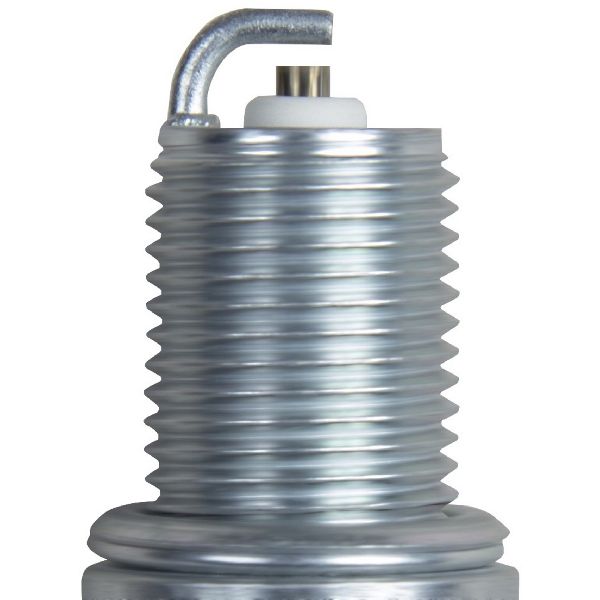
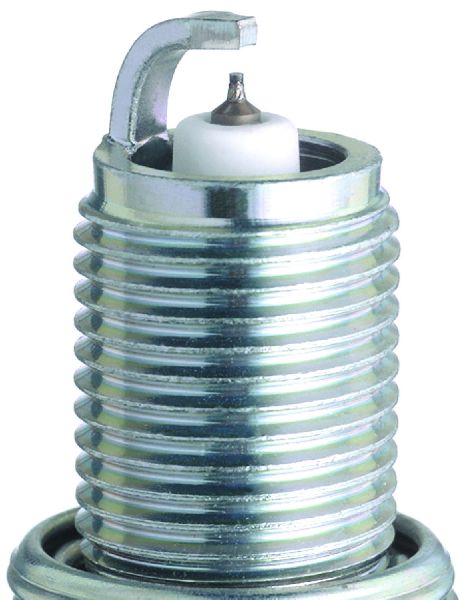
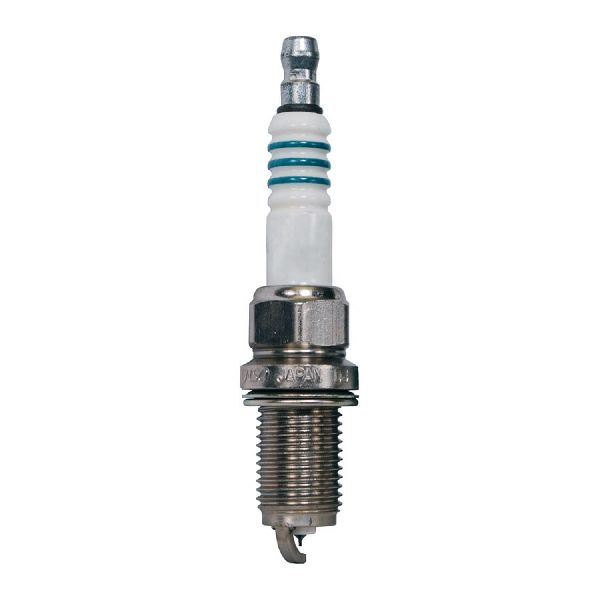
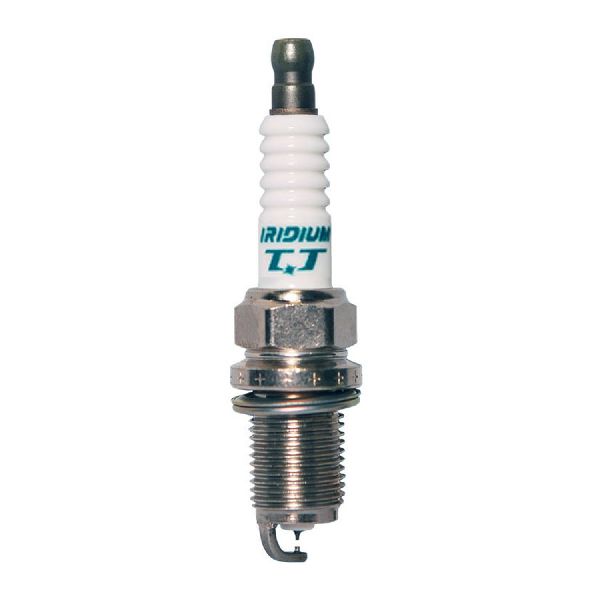
Est. part cost: $40-$100 - Worn or Incorrect Spark Plugs 🟡 Medium Probability → Shop Spark Plug These engines use an 'ion-sensing' ignition system that requires specific spark plugs (Denso K16PR-P11) to function correctly. Using other plug types can cause misfire codes even if the plugs are new. The 2004 3.5L GDI engine requires different, more expensive plugs.
How to confirm: Inspect the spark plugs for wear, fouling, and correct gap. Verify the installed plugs are the correct Denso or NGK equivalent recommended for the ion-sensing system.
Typical fix: Replace all six spark plugs with the OEM-specified type.
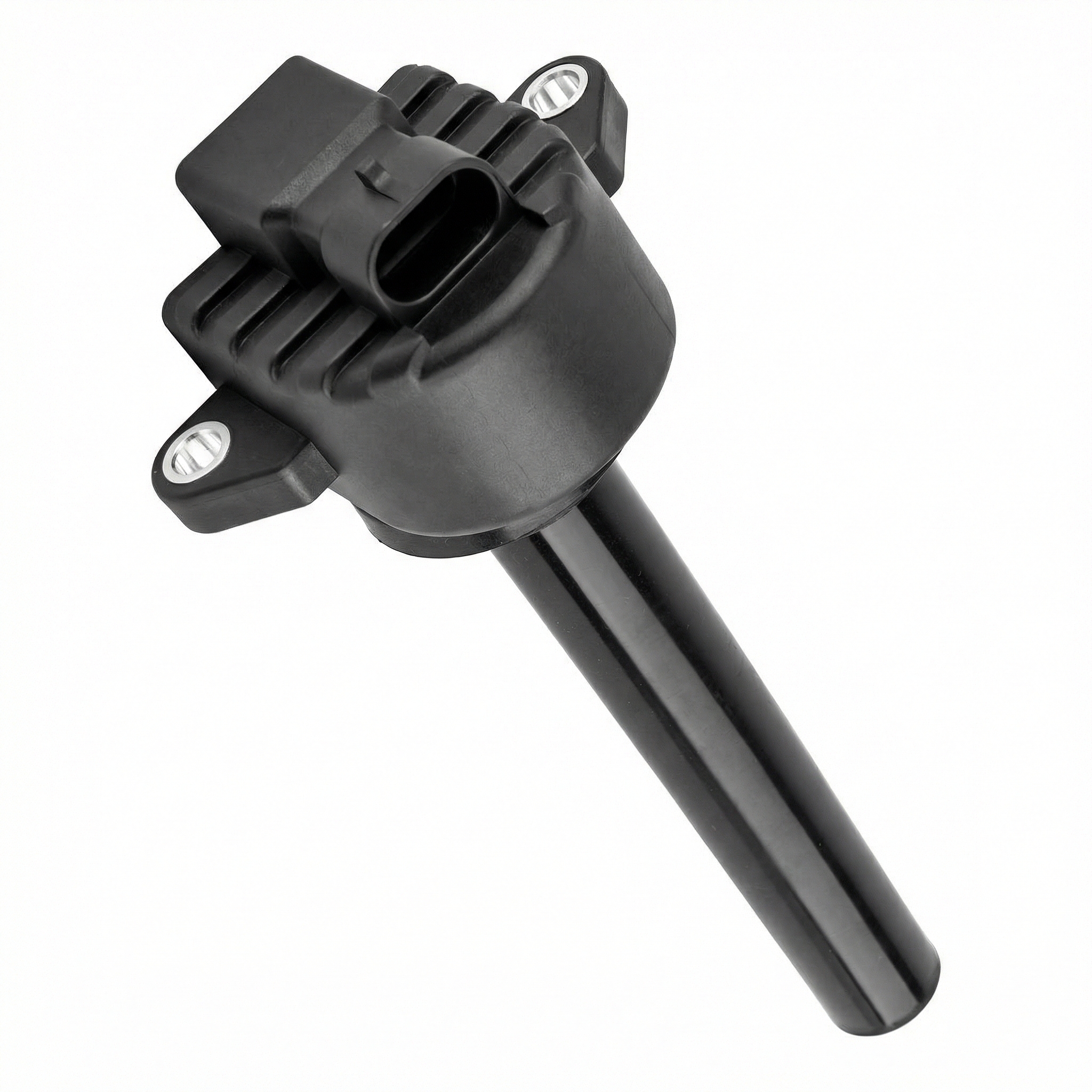
Est. part cost: $30-$60 - Failing Ignition Coil(s) 🟡 Medium Probability → Shop Ignition Coil
How to confirm: Use a scan tool with live data to see which cylinders are misfiring. Swap a suspected bad coil with a known good one from another cylinder. If the misfire code follows the coil (e.g., P0302 becomes P0301 after swapping coils 1 and 2), the coil is bad.
Typical fix: Replace the faulty ignition coil(s).
Est. part cost: $25-$60 per coil - Incorrect Ignition Coil Installation (3.2L V6) ⚪ Low Probability → Shop Ignition Coil A TSB from 2001 notes that on the 3.2L V6, the ignition coil for cylinder #6 is 7mm shorter than the coils for cylinders 1-5. If the shorter coil is installed in any other cylinder, it can cause a P0300 code.
How to confirm: If recent work was done, visually inspect the ignition coils. The #6 coil may have a white dot or be stamped with the number '6'. Measure the coils if necessary; the #6 coil is 148mm long, while others are 155mm.
Typical fix: Install the correct ignition coils in their proper locations.
Est. part cost: $0 (if parts are just swapped)
Rare But Worth Checking
- Clogged EGR Valve or Passages: → Shop Exhaust Gas Recirculation (EGR) Valve A stuck-open EGR valve can create a vacuum leak, while clogged passages can disrupt cylinder flow, both leading to random misfires.
- Dirty Mass Airflow (MAF) Sensor: → Shop Fuel Injection Air Flow Meter A contaminated MAF sensor can provide incorrect airflow readings to the ECM, leading to an improper air/fuel mixture and misfires.
- Low Fuel Pressure: A weak fuel pump or clogged fuel filter can starve the engine for fuel, causing lean misfires across all cylinders.
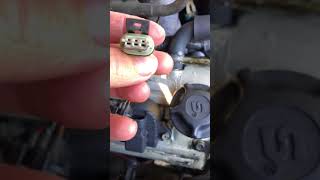
- Damaged Ignition Coil Connector: → Shop Ignition Coil The small metal tabs inside the plastic connectors for the ignition coils can break or lose tension, causing an intermittent connection and random misfires.
- Cracked Flexplate: A crack in the flexplate, especially if it has an integrated crankshaft sensor tone ring, can send erratic speed signals to the ECU, causing false misfire detection. This is sometimes caused by missing transmission alignment dowels.
- Reversed Upstream O2 Sensor Connectors: → Shop Oxygen Sensor After major engine work, it's possible to swap the Bank 1 and Bank 2 upstream oxygen sensor connectors. This causes extreme lean/rich conditions on opposite banks, leading to severe misfires and a P0300 code.
Diagnosis Steps
- Read all codes with an OBD-II scanner. Note any other codes besides P0300, especially lean/rich codes or specific cylinder misfires.
- Use the scanner's live data to view misfire counts per cylinder (e.g., Tech 2 'Misfire Cur.') to identify which cylinders are most affected.
- Check for a flashing check engine light. If flashing, avoid driving to prevent catalytic converter damage.
- Inspect the fuel pressure regulator's vacuum line for the presence of fuel. If fuel is found, replace the regulator.
- Inspect all vacuum hoses for cracks or disconnections. Perform a smoke test or use the carb cleaner method to check for intake manifold gasket leaks.
- Remove and inspect spark plugs. Check for wear, damage, and ensure they are the correct type (Denso K16PR-P11 or equivalent for port injection). Replace if necessary.
- Swap ignition coils between a misfiring cylinder and a good cylinder to see if the problem moves.
- For 3.2L V6, verify the shorter ignition coil (148mm, may have white dot or '6' stamp) is installed in the #6 cylinder position.
- Test fuel pressure. For 2004 3.5L GDI engines, this is a complex, two-stage system.
- Clean the Mass Airflow (MAF) sensor with a dedicated MAF sensor cleaner.
- If recent engine work was performed, verify the upstream O2 sensor connectors are not swapped between banks. 🎬 Watch: A case study on how reversed O2 connectors cause misfires.
- Inspect engine and ECU grounds for corrosion or looseness. A key ground is located at the right rear of the engine (E28).
Parts You'll Likely Need
- Fuel Pressure Regulator — This is a very common failure point on the 3.2L and 3.5L V6 engines that directly causes random misfires.
Trusted brands: Standard Motor Products, Delphi, ACDelco
OEM price range: $60-$90
Aftermarket price range: $25-$50 - Intake Manifold Gasket Set — The original plastic gaskets are prone to cracking, creating vacuum leaks that are a primary cause of P0300.
Trusted brands: Fel-Pro, Mahle
OEM price range: $80-$120
Aftermarket price range: $40-$70 - Spark Plugs — Worn plugs are a common cause of misfires. These engines require specific plugs for the ion-sensing ignition system.
Trusted brands: Denso, NGK
OEM price range: $8-$12 per plug
Aftermarket price range: $5-$9 per plug - Ignition Coil
(OEM #8190052490)— Ignition coils are a common wear item. A single failing coil can sometimes contribute to a random misfire code.
Trusted brands: Delphi, Denso
OEM price range: $70-$100
Aftermarket price range: $25-$60
Related Codes That Often Appear With This One
- P0301-P0306 — These are cylinder-specific misfire codes. You may see one or more of these along with P0300 as the computer tries to identify the source of the random misfires.
- P0171/P0174 — System Too Lean (Bank 1 or 2). These codes often appear with P0300 if the cause is a vacuum leak, as the unmetered air leans out the air/fuel mixture.
- P0420/P0430 — Catalyst System Efficiency Below Threshold. A persistent misfire allows unburnt fuel into the exhaust, which can damage the catalytic converter and trigger these codes.
Technical Service Bulletins (TSBs) & Recalls
- PIP5628: Mentions P0300 in the context of diagnosing misfires on Isuzu vehicles.
- An April 2001 TSB (referenced in multiple sources) details the issue with the shorter ignition coil for cylinder #6 on 3.2L V6 engines causing a P0300 code if installed incorrectly.
Platform-Specific Known Issues
- The 3.2L and 3.5L V6 engines are known for high oil consumption, which can lead to fouled spark plugs and misfires if the oil level is not checked regularly.
- A TSB was issued for the 3.2L V6 regarding a specific, shorter ignition coil for cylinder #6. Installing this coil on any other cylinder can cause misfires.
- The fuel pressure regulator is known to fail by leaking fuel into its vacuum line, which is a common cause of misfires that can be mistaken for other issues.
- The 2004 3.5L GDI engine has a high-pressure fuel pump that can fail and leak gasoline into the engine oil, causing a rich condition and P0300.
Mechanic-Grade Diagnostic Values
- Mass Airflow (MAF) Sensor (3.2L/3.5L Port Injected) — expected: 4 to 7 g/s at idle; 25 to 40 g/s at max load. Value must increase smoothly with RPM.. Failure: A signal frequency below 1.6 g/s, or a value that is stuck and does not change with engine RPM.
- Ignition Coil Primary Winding Resistance — expected: 0.4 - 2.0 Ohms. Failure: A reading of infinity (open circuit) or very high resistance.
- Ignition Coil Secondary Winding Resistance — expected: 6,000 - 13,000 Ohms (6kΩ - 13kΩ). Failure: A reading significantly outside the expected range, or an open circuit.
- Fuel System (2004 3.5L GDI Engine) — expected: High-pressure side operates up to ~2,000 PSI.. Failure: Low pressure, or evidence of fuel leaking from the high-pressure pump into the engine crankcase.
Hidden / Shadow Codes Worth Checking
- Mode 6 / Live Misfire Data: While not a hidden code, using a capable scan tool to view live misfire counts per cylinder is essential. It shows which cylinders are misfiring before a specific P0301-P0306 code is set, helping to isolate the cause of a P0300. (see via Use a scan tool like the GM Tech 2 and access the 'Misfire Current Counters' or similar live data parameter.)
Scan Tool Commands That Help
- Tech 2 (or equivalent): View Misfire Current Counters (#1-6) — This is the primary diagnostic step for a P0300 code to determine if the 'random' misfire is actually concentrated on one or two cylinders, which points towards a component-specific failure (coil, plug, injector) rather than a systemic one (vacuum leak, fuel pressure).
- Tech 2 (or equivalent): Crankshaft Position (CKP) Sensor Relearn — After replacing a crankshaft position sensor, flexplate, or ECM. An incorrect CKP correlation can cause the ECM to misinterpret crankshaft speed variations and falsely detect misfires. This is a common GM procedure and likely applies to these Isuzu models.
Wiring & Ground Locations
- E28 — At the right rear of the engine.. This is a primary engine ground point. A poor connection here can cause erratic behavior from sensors and the ECU, leading to phantom misfire codes and other drivability issues.
- C16 — At the left rear corner of the engine compartment, on the inner fender panel.. This is a chassis ground point. Poor grounding here can affect various electronic systems controlled by the ECU.
- ECU/PCM Ground — At the ECU/PCM connector and associated ground wires in the harness.. A bad ground directly at the ECU is a critical failure point that can cause numerous random codes, including P0300, stalling, and no-start conditions.
Real Owner Repair Stories
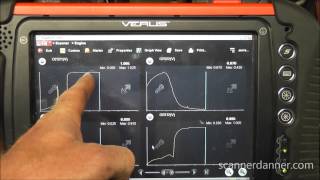
- ScannerDanner YouTube Case Study (2002 Isuzu Rodeo 3.2L V6) — Severe misfiring, P0300, P0172 (Rich B1), P0175 (Lean B2), no power from Bank 1 cylinders. Occurred after an engine replacement.
❌ Tried (didn't work) Cylinder drop test, injector diagnosis.
✅ What actually fixed it The upstream oxygen sensor connectors for Bank 1 and Bank 2 were swapped. The connectors are identical and were plugged into the wrong sides during the engine installation, causing one bank to read lean and dump fuel, and the other to read rich and cut fuel, resulting in massive misfires. Swapping them back to their correct positions fixed the issue. - iFixit forum post by Isuzu Master Tech (2002 Isuzu Rodeo) — Repeatedly breaking/cracking flexplates.
❌ Tried (didn't work) Replacing the flexplate without finding the root cause.
✅ What actually fixed it The user, an Isuzu Master Tech, stated that missing engine-to-transmission alignment dowel pins are a common cause for this issue. Without the dowels, the transmission is not perfectly centered, putting stress on the flexplate and causing it to crack. A cracked flexplate can cause a P0300 if the crankshaft position sensor tone ring is affected. - YouTube repair video (Honda Passport) (2000 Honda Passport 3.2L V6 (rebadged Isuzu Rodeo)) — P0300 random misfire code.
❌ Tried (didn't work) Initial diagnosis was confused by the random nature of the code.
✅ What actually fixed it The shorter ignition coil (148mm) intended for cylinder #6 was incorrectly installed on a different cylinder. The other five coils are 155mm long. Moving the short coil to the correct #6 position resolved the P0300 code, confirming the details of the TSB.
"I Checked Everything" — The Actual Cause
- A smoke test for vacuum leaks would pass, but the P0300 was caused by swapped upstream O2 sensor connectors after an engine replacement, causing severe fuel trim imbalances.
- The intake system was perfectly sealed, but a cracked flexplate was causing an erratic signal from the crankshaft position sensor's tone wheel, which the ECU interpreted as a random misfire.
Model Year Variations Within This Range
- 2004: The 3.5L V6 was available with Gasoline Direct Injection (GDI). This version uses a completely different fuel system with a high-pressure fuel pump driven by the engine. A failing high-pressure pump is a known issue that can cause P0300 and leak fuel into the crankcase. Diagnosis is significantly different from the port-injected engines.
- 2000-2004 (3.2L V6): The 3.2L V6 uses a specific, shorter ignition coil for cylinder #6. This part is not interchangeable with the other five coils and will cause a P0300 if installed in the wrong position.
Helpful Videos
Used OEM Parts in Stock
New Aftermarket Parts Available


The information in this article is provided for general reference and educational purposes only. Vehicle specifications, procedures, and part compatibility can vary by production date, trim level, and region. Always consult your vehicle's factory service manual and verify part numbers before purchasing or performing repairs. Safety-critical components such as airbags, seat belts, and braking systems should be installed by a qualified professional.
- Isuzu RODEO:
- 🧭 Diagnostic Flowchart
- 🎬 Helpful Videos
- 🛍️ Shop This Part
- What's Unique About the 2000-2004 Isuzu RODEO
- Symptoms You May Notice
- Most Likely Causes
- Rare But Worth Checking
- Diagnosis Steps
- Parts You'll Likely Need
- Related Codes That Often Appear With This One
- Technical Service Bulletins (TSBs) & Recalls
- Platform-Specific Known Issues
- Mechanic-Grade Diagnostic Values
- Hidden / Shadow Codes Worth Checking
- Scan Tool Commands That Help
- Wiring & Ground Locations
- Real Owner Repair Stories
- "I Checked Everything" — The Actual Cause
- Model Year Variations Within This Range
- 🎟️ Get 5% Off