

P0300 on 2020-2024 Kia Telluride: Random Misfire Causes and Fixes
For a 2020 Telluride, the most likely cause is a software issue fixed by a dealer update (TSB ENG228). For all years, common causes include worn spark plugs, faulty ignition coils, or carbon buildup on intake valves, a known issue with GDi engines. A basic tune-up with plugs and coils can cost $200-$400 in parts. For certain 2024 models, check for the serious valve spring recall (SC296).
- If you have a 2020 Telluride, your first step should be to ask a Kia dealer about TSB ENG228 before attempting any repairs.
- If you have a 2024 Telluride, immediately check if your VIN is part of the SC296 valve spring recall.
- For all other cases, P0300 is most often caused by worn spark plugs or a bad ignition coil.
- As this is a GDI engine, expect to deal with potential intake valve carbon buildup after 60,000-80,000 miles, which can cause misfires.
- Do not ignore a flashing check engine light; it signals a severe misfire that can cause expensive catalytic converter damage.
What's Unique About the 2020-2024 Kia Telluride
For the 2020 Telluride specifically, Kia issued a Technical Service Bulletin (TSB ENG228) to fix cold-start misfires with a simple software update. Beyond that, the 3.8L is a Gasoline Direct Injection (GDI) engine. This means fuel is sprayed directly into the cylinder, so it never washes over the intake valves to clean them. As a result, oil vapors from the crankcase can bake onto the valves, causing carbon buildup that restricts airflow and leads to misfires over time. This is a common issue across all GDI engines, including the Telluride's platform mate, the Hyundai Palisade.
Symptoms You May Notice
- Rough, shaky idle
- Engine hesitation or stumbling during acceleration
- Noticeable loss of power
- Flashing or solid Check Engine Light
- Difficulty starting the engine
- Reduced fuel economy
- Abnormal engine noise
- Replacing ignition coils and spark plugs on a 2020 model without first checking if the TSB ENG228 software update is needed. The update alone may solve the problem.
- Assuming a fuel injector is bad due to hesitation when a separate TSB (TSB_ENG232_R1 / 22-01-002H) for an engine/transmission software update might address the feeling of hesitation from a stop.
Most Likely Causes
- ECU Software Logic (2020 Models) 🔴 High Probability Kia released TSB ENG228 specifically for 2020 Tellurides produced from Jan 9, 2019, to May 19, 2020, which could falsely detect misfires, especially on a cold start.
How to confirm: Contact a Kia dealership with your VIN. They can check if TSB ENG228 is open for your vehicle. This should be the first step for any 2020 model with a P0300 code.
Typical fix: A Kia dealer needs to perform an ECU software update. This is often covered under warranty.
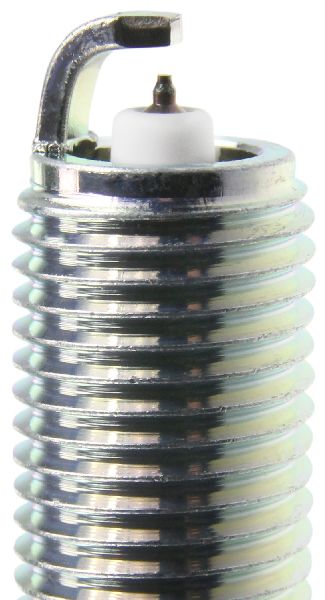
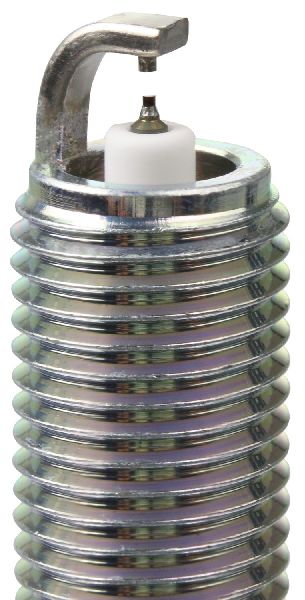
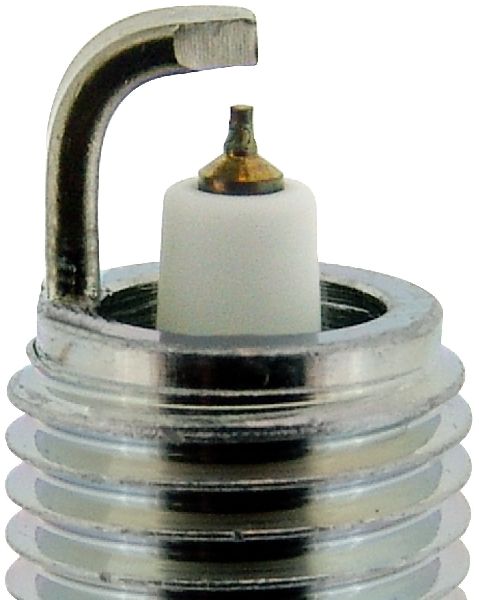
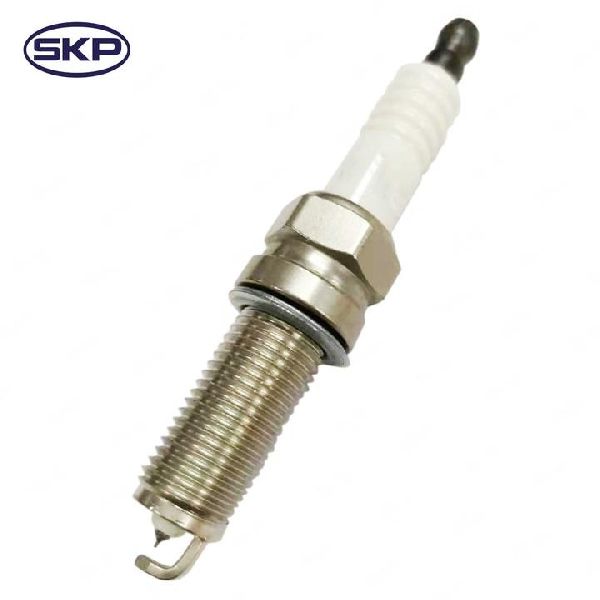
Est. part cost: $0 - Worn or Fouled Spark Plugs 🔴 High Probability → Shop Spark Plug Spark plugs are regular wear items. The OEM interval is around 100,000 miles, but issues like oil consumption or poor fuel quality can foul the plugs prematurely, leading to weak or inconsistent spark.
How to confirm: Remove and inspect the spark plugs. Look for worn electrodes, heavy carbon deposits, or oil fouling. The OEM part is NGK SILZKR7E11, Kia part number 18849-11070.
Typical fix: Replace all six spark plugs. 🎬 Watch: Step-by-step guide to removing the manifold and replacing plugs. It's recommended to use OEM-spec Iridium plugs from brands like NGK or Denso.
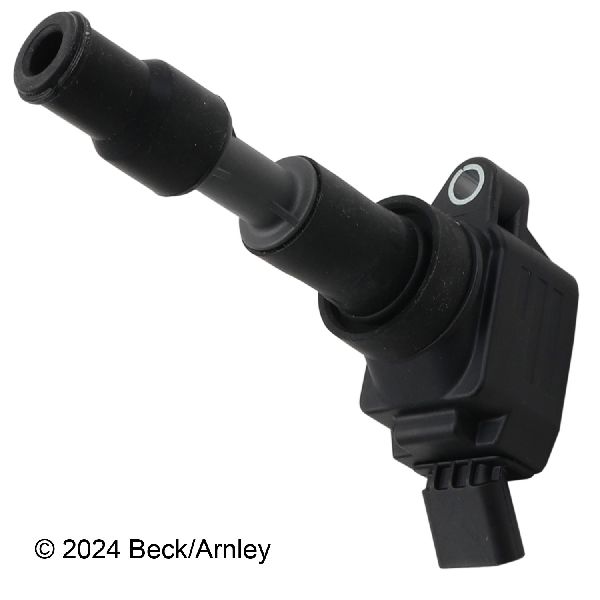
Est. part cost: $90-$150 - Faulty Ignition Coil(s) 🟡 Medium Probability → Shop Ignition Coil
How to confirm: If you also have a specific cylinder code (e.g., P0304), swap the ignition coil from that cylinder with one from a known good cylinder (e.g., cylinder 1). Clear the codes and drive. If the code changes to the new cylinder (e.g., P0301), the coil is bad. The OEM part number is typically 27310-3L000 or 27310-3L030.
Typical fix: Replace the faulty ignition coil. Many owners choose to replace all six at the same time as a preventative measure, especially on higher-mileage vehicles.
Est. part cost: $50-$100 per coil - Intake Valve Carbon Buildup 🟡 Medium Probability This is a very common issue on all GDI engines, including the 3.8L Lambda II. Oil vapor from the PCV system bakes onto the back of the hot intake valves, restricting airflow and causing turbulence that leads to misfires.
How to confirm: This is difficult to confirm without a borescope inspection of the intake ports and valves. It typically becomes a problem after 60,000-80,000 miles and is a diagnosis of exclusion after ignition and fuel issues are ruled out.
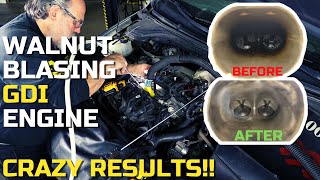
Typical fix: The valves must be physically cleaned. The most effective method is walnut shell blasting, 🎬 See how walnut blasting removes heavy carbon buildup on GDI engines. which is a professional service costing between $500-$1000. Chemical intake cleaning services are also available but may be less effective on heavy buildup.
Est. part cost: $0 (service cost is labor) - Clogged or Failing Fuel Injectors ⚪ Low Probability → Shop Fuel Injector GDI injectors operate under very high pressure and their tips are exposed to combustion, making them susceptible to carbon buildup and failure over time.
How to confirm: A professional technician can perform a fuel injector balance test using a high-end scan tool to measure the performance of each injector. This is usually done after ruling out spark and coil issues.
Typical fix: Replace the faulty fuel injector(s). This is a complex job as it requires removing the intake manifold and using special tools for the high-pressure fuel system seals.
Est. part cost: $100-$200 per injector
Rare But Worth Checking
- Broken Engine Valve Spring (2024 Models): → Shop Engine Valve Spring A specific batch of 2024 Tellurides (produced Oct 1, 2023 - Dec 6, 2023) were recalled (NHTSA ID 24V-077 / Kia SC296) for defective valve springs from supplier Daewonkangup that could break due to fatigue cracking. This can cause misfires, loss of power, and potentially catastrophic engine damage (hole in block). The fix is a complete engine sub-assembly replacement by the dealer. Check your VIN immediately if you have a 2024 model.
- Vacuum Leak: A leak in a vacuum hose, PCV valve, or intake manifold gasket can introduce unmetered air into the engine, throwing off the air-fuel ratio and causing random misfires. A smoke test is the best way to find the source of a leak.
- Low Fuel Pressure: A weak high-pressure or low-pressure fuel pump or a clogged fuel filter can starve the engine of fuel, leading to lean conditions and random misfires.
Diagnosis Steps
- Check for Recalls and TSBs: Use your VIN to check with a Kia dealer for open recalls (like SC296 for 2024 models) or TSBs (like ENG228 for 2020 models). This is the most important first step.
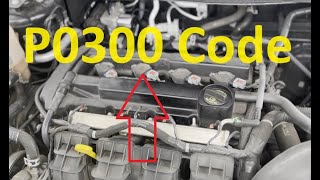
- Scan for Codes: Use an OBD-II scanner to read all codes and look at freeze frame data. Note any specific cylinder misfire codes (P0301-P0306) or lean/rich codes. A flashing check engine light indicates 🎬 Watch: A mechanic explains common causes and fixes for P0300 codes. a severe misfire.
- Inspect Ignition System: Start with the basics. Remove and inspect the spark plugs for wear, damage, or fouling. If a specific cylinder is misfiring, swap its ignition coil with a known good one and see if the misfire code follows the coil.
- Check for Vacuum Leaks: Visually inspect all vacuum hoses for cracks or disconnections. For a thorough check, perform a smoke test to find hidden leaks around the intake manifold or PCV system.
- Consider GDI Carbon Buildup: If the vehicle has over 60,000 miles and other causes are ruled out, carbon buildup on the intake valves is a strong possibility. This typically requires professional diagnosis with a borescope.
- Test Fuel System: Check fuel pressure to rule out a weak fuel pump. For suspected injector issues, a professional diagnostic flow test is usually required.
- Check Engine Mechanicals: If all else fails, a compression test can check for internal engine problems like a bad head gasket or, in the case of the 2024 recall, a broken valve spring.
Parts You'll Likely Need
- Spark Plugs (Set of 6)
(OEM #18849-11070)— These are a primary wear item and a frequent cause of misfires. They are relatively inexpensive and easy to replace.
Trusted brands: NGK, Denso
OEM price range: $120-$180 (set of 6)
Aftermarket price range: $90-$150 (set of 6) - Ignition Coil
(OEM #27310-3L000 or 27310-3L030)— Ignition coils provide the spark for the plugs. Heat and vibration cause them to fail over time, resulting in misfires.
Trusted brands: Bosch, Delphi, NGK
OEM price range: $75-$110 per coil
Aftermarket price range: $50-$100 per coil
Related Codes That Often Appear With This One
- P0301-P0306 — P0300 often appears with one or more specific cylinder misfire codes, which can help you narrow down the problem to a specific ignition coil, spark plug, or injector.
- P0171 / P0174 — These 'System Too Lean' codes can indicate a vacuum leak or a fuel delivery problem that is also causing the random misfire.
Technical Service Bulletins (TSBs) & Recalls
- TSB ENG228: ECU software update for false cold-start misfires on 2020 models.
- TSB TSB_ENG232_R1 / 22-01-002H: ECU/TCU software update to address hesitation during acceleration.
- NHTSA 24V-077 / Kia SC296: Recall for defective engine valve springs on certain 2024 models.
- NHTSA 22V-626 / Kia SC247: Recall for fire risk from 4-pin tow hitch wiring harness on 2020-2022 models.
Platform-Specific Known Issues
- 2024 Valve Spring Failure: → Shop Engine Valve Spring A recall (SC296) was issued for a batch of 2024 Tellurides due to improperly manufactured valve springs that could break, causing misfires and potentially destroying the engine. The fix is a full engine sub-assembly replacement.
- 2020 Cold Start Misfire (Software): Many 2020 owners experienced P0300 on cold starts that was not due to a mechanical fault. Kia addressed this with TSB ENG228, a simple software update performed by the dealer.
Mechanic-Grade Diagnostic Values
- Low-Pressure Fuel Pump (In-Tank) — expected: 50-60 PSI. Failure: Pressure below 50 PSI can indicate a weak in-tank pump, causing fuel starvation for the high-pressure pump.
- High-Pressure Fuel Pump (HPFP) - at idle — expected: Approximately 400-700 PSI. Failure: Significantly lower pressure, or erratic readings, can point to a failing HPFP.
- High-Pressure Fuel Pump (HPFP) - under load/WOT — expected: Can exceed 2,000 - 2,800 PSI. Failure: Inability to build or maintain high pressure during acceleration is a key sign of a failing HPFP.
- Ignition Coil Power Supply (at connector) — expected: 12V (Battery Voltage) with Key On, Engine Off. Failure: Low voltage (e.g., 9.3V as reported by one owner) suggests a problem in the wiring, fuse, or power distribution, not the coil itself.
- Long Term Fuel Trim (LTFT) - Banks 1 and 2 — expected: Within +/- 5% at idle.. Failure: High positive trims (e.g., +12% or more) indicate the ECU is adding fuel to compensate for unmetered air (vacuum leak) or poor fuel delivery, which can cause misfires.
Hidden / Shadow Codes Worth Checking
- Mode $06 Misfire Counts: The OBD-II system tracks misfire events for each cylinder even if they don't reach the threshold to set a P030x code. This data can reveal which specific cylinder(s) are contributing most to the P0300, helping to isolate the fault to a specific coil, plug, or injector. (see via A scan tool with Mode $06 data capability is required. Look for Test ID $A2 through $AB (or similar) which correspond to cylinder misfire data.)
Scan Tool Commands That Help
- Kia GDS (or advanced aftermarket scanner): Injector Balance Test / Power Balance Test — This function allows a technician to individually disable fuel injectors or cylinders to observe the RPM drop for each. A cylinder that shows little or no RPM drop when disabled indicates it was not contributing power, pinpointing the location of the misfire.
- Kia GDS: ECU Upgrade — This is the specific function required to apply the fix for TSB ENG228 on 2020 models experiencing false cold-start misfires.
Wiring & Ground Locations
- Engine Ground Strap — Typically connects from the engine block or transmission housing to the vehicle's chassis/frame rail in the engine bay.. A corroded or loose main engine ground can cause a variety of electrical issues, including weak spark or erratic sensor readings, leading to random misfires. While not a common failure point on new vehicles, it should be inspected for any signs of corrosion or damage, especially in salt-belt regions.
- Ignition Coil Connector — On top of each ignition coil, plugged into the valve cover.. The connector has 4 pins. Pin 2 is typically the 12V power supply. Testing for battery voltage at this pin with the key on can quickly rule out a power supply issue to the coils. The connector is a female plug with a blade-style terminal.
- Engine Compartment Fuse Panel — Located in the engine bay, provides protection for major systems like the engine, headlights, and cooling fans.. Contains the fuse(s) for the ignition coils. A single blown fuse can disable multiple coils and cause a P0300 code.
Real Owner Repair Stories
- Reddit user on r/KiaTelluride (Kia Telluride with 100,000 miles) — Sluggish performance, rough idling, inconsistent/labored acceleration.
❌ Tried (didn't work) Regular induction air services every 20,000 miles did not prevent the issue.
✅ What actually fixed it The owner performed a DIY walnut blasting of the intake valves to remove significant carbon buildup. They also replaced the spark plugs at the same time. The owner reported improved performance after the service. - Reddit user on r/KiaTelluride (Kia Telluride with 80,000 miles) — Slight knock or ping at low RPM, burning oil.
❌ Tried (didn't work) The user was in the process of diagnosis, but noted religious oil changes did not prevent the issue.
✅ What actually fixed it Diagnosis pointed towards heavy carbon buildup on intake valves, a common GDI engine issue. The recommended fix, though not yet performed by the user, was a manual cleaning (walnut blasting). The user also noted the spark plugs were coated in white ash, indicating oil consumption.
OEM Part Supersession History
35320-3L200→35326-3L200— Unknown, likely an internal revision or supplier change.
Heads up: The new part number is the correct replacement for the original.27310-3L000→27310-3L030— Unspecified, likely a revision for reliability or manufacturing improvement.
Heads up: Both part numbers are often listed for the same applications and may be used interchangeably, sometimes being sold in mixed sets. It is best to replace in full sets to ensure matched performance.
Model Year Variations Within This Range
- 2020: Prone to false cold-start misfire detection, addressed by a software update under TSB ENG228.
- 2023-2024: Received a cosmetic facelift and interior updates, but the core 3.8L V6 powertrain and 8-speed transmission remained unchanged from previous years, meaning the root causes of P0300 are consistent.
- 2024 (specific production dates): A batch produced between Oct 1, 2023 - Dec 6, 2023, is subject to recall SC296 for defective valve springs that can cause catastrophic engine failure, often preceded by a misfire code.
Diagnostic Flowchart
Other Known Issues on This Vehicle
Issues unrelated to this code that are worth knowing about as an owner of this generation:
- Spontaneously Cracking Windshields 🟠 Medium — Widespread complaint across all model years (2020-2024). Hundreds of complaints filed with NHTSA. Can occur at any mileage, sometimes within months of purchase. (Ref: Kia issued a 'goodwill' replacement program for some 2020 models but no formal recall. A class-action lawsuit is ongoing regarding this issue for 2020-2023 models.)
- Tow Hitch Wiring Harness Fire Risk 🔴 High — Affects 2020-2022 models equipped with the specific 4-pin genuine Kia tow hitch harness. Over 36,000 Tellurides were recalled. (Ref: NHTSA Recall 22V-626 / Kia Campaign SC247. Owners were advised to park outside away from structures until the fix was performed.)
- Excessive Oil Consumption 🟠 Medium — Reported by many owners, sometimes requiring adding quarts between oil changes. Dealers may consider consumption up to 1 quart per 1,000 miles as 'within spec'.
- Transmission Hesitation and/or Failure 🟠 Medium — Complaints of lurching, sputtering, or hesitation during shifts. A specific batch of 2020 models had a service campaign for transmission replacement due to noise/vibration. (Ref: TSB TSB_ENG232_R1 (also listed as 22-01-002H) for ECU/TCU update to address hesitation. Service Action SA428 replaced transmissions on 19 specific 2020 VINs.)
- AWD Coupler Failure 🟡 Low — Can cause hesitation or binding when turning at slow speeds. Some owners report needing replacement under warranty, with failures sometimes recurring. (Ref: A TSB exists for this issue, leading to warranty replacement of the coupler for some owners.)
- Blank or Failing LCD Instrument Cluster 🟡 Low — Multiple reports of the digital instrument cluster or main infotainment screen going blank, freezing, or becoming unresponsive. (Ref: Kia has issued software-related recalls to address some of these screen failures.)
Used vs. New Parts: Buying Guide for This Vehicle
When a used part is the smart pick: For this specific repair, using used parts is generally not recommended. The primary causes are wear items (plugs, coils) or require intensive labor (carbon cleaning, internal engine repair) where a new part's reliability is critical. A used engine assembly from a low-mileage donor could be a cost-effective option only if the original engine has suffered catastrophic failure (e.g., from the valve spring recall) and is out of warranty.
Donor-vehicle mileage cap: roughly under 40000 miles for the part to have meaningful remaining life.
What to inspect on the donor part:
- For a used engine, verify the VIN of the donor vehicle to ensure it is not from the 2024 valve spring recall range.
- Check for evidence of regular oil changes (no heavy sludge under the oil cap).
- If possible, get compression test numbers from the donor engine before purchase.
OEM-only on this vehicle (don't cheap out):
- High-Pressure Fuel Pump (HPFP)
- Fuel Injectors
- Engine Sensors (Crankshaft/Camshaft Position)
Aftermarket brands forum-validated for this vehicle:
- NGK (for spark plugs and ignition coils)
- Denso (for spark plugs and ignition coils)
- Delphi (for ignition coils and fuel system components)
Brands owners have reported issues with on this vehicle:
- Unbranded or generic 'eBay/Amazon' ignition coils have a very high failure rate and should be avoided.
- Some technicians report a high failure rate with SMP (Standard Motor Products) and BWD ignition coils in recent years.
Real Owner Stories
Aggregated from forums and TSBs cited above. Mileages and costs reflect what owners reported in those sources.
2020 Kia Telluride 3.8L V6
Symptoms: P0300 code triggered specifically during cold starts; the vehicle did not exhibit mechanical issues during normal driving.
What fixed it: Dealer performed an ECU software update per TSB ENG228.
Cost: $0
Source hint: TSB ENG228: ECU software update for false cold-start misfires on 2020 models.
2024 Kia Telluride 3.8L V6
Symptoms: Severe engine misfire and potential for engine destruction due to internal mechanical failure.
What fixed it: Full engine sub-assembly replacement under recall.
Source hint: NHTSA 24V-077 / Kia SC296: Recall for defective engine valve springs on certain 2024 models.
2020 Kia Telluride 3.8L V6 — ~70000 miles
Symptoms: Rough idle and loss of power after 60,000 miles; ignition components were ruled out.
What fixed it: Physical cleaning of the intake valves using walnut shell blasting.
Cost: $500-$1000
Source hint: Intake Valve Carbon Buildup section
Related OBD-II Codes
Frequently Asked Questions
My 2020 Telluride has a P0300 code on cold starts, but the engine seems fine otherwise. Is there a known software issue?
I have a 2024 Telluride with a flashing check engine light and severe misfiring. Is this related to the valve spring recall?
What spark plugs should I use for my 3.8L Lambda II GDi engine to fix a P0300?
My Telluride is hesitating during acceleration and throwing misfire codes. Is there a fix for the transmission logic?
Can carbon buildup cause a P0300 on the Telluride even if my spark plugs are new?
Is there a specific ignition coil part number I should look for if I need to replace one?
Helpful Videos
Used OEM Parts in Stock
New Aftermarket Parts Available


The information in this article is provided for general reference and educational purposes only. Vehicle specifications, procedures, and part compatibility can vary by production date, trim level, and region. Always consult your vehicle's factory service manual and verify part numbers before purchasing or performing repairs. Safety-critical components such as airbags, seat belts, and braking systems should be installed by a qualified professional.
- Kia Telluride:
- 🧭 Diagnostic Flowchart
- 🎬 Helpful Videos
- 🛍️ Shop This Part
- What's Unique About the 2020-2024 Kia Telluride
- Symptoms You May Notice
- Most Likely Causes
- Rare But Worth Checking
- Diagnosis Steps
- Parts You'll Likely Need
- Related Codes That Often Appear With This One
- Technical Service Bulletins (TSBs) & Recalls
- Platform-Specific Known Issues
- Mechanic-Grade Diagnostic Values
- Hidden / Shadow Codes Worth Checking
- Scan Tool Commands That Help
- Wiring & Ground Locations
- Real Owner Repair Stories
- OEM Part Supersession History
- Model Year Variations Within This Range
- Other Known Issues on This Vehicle
- Used vs. New Parts: Buying Guide for This Vehicle
- Real Owner Stories
- 2020 Kia Telluride 3.8L V6
- 2024 Kia Telluride 3.8L V6
- 2020 Kia Telluride 3.8L V6 — ~70000 miles
- Related OBD-II Codes
- Frequently Asked Questions
- 🎟️ Get 5% Off