

P0300 on 2008-2012 Land Rover LR2: Random Misfire Causes and Fixes
P0300 on a 2008-2012 Land Rover LR2 indicates random cylinder misfires. The most common causes are worn spark plugs and failing ignition coils. However, a Land Rover Technical Service Bulletin (SSM71894) specifically points to faulty fuel injectors as a known issue for cold start misfires. Other potential causes include vacuum leaks (especially from the PCV system) and, less commonly, issues with VVT solenoids or a weak battery.
- P0300 means multiple cylinders are misfiring randomly.
- Start your diagnosis with the cheapest and most common fixes: inspect and replace the six spark plugs and consider swapping ignition coils to test for failures.
- Be aware that Land Rover issued a TSB (SSM71894) pointing to faulty fuel injectors as a known cause for these symptoms on your specific vehicle.
- If the check engine light is flashing, stop driving immediately to prevent catastrophic damage to your catalytic converter.
What's Unique About the 2008-2012 Land Rover LR2
The 2008-2012 LR2 uses a Volvo-designed 3.2L inline-6 engine (also known as the SI6). While standard ignition system wear is common, this platform is subject to a specific Technical Service Bulletin (SSM71894) where Land Rover investigated fuel injectors as a primary cause for cold start misfires and intermittent rough running, which can present as a P0300 code. This makes fuel system diagnosis more critical on the LR2 than on some other vehicles with the same code. Because this engine is shared with several Volvo models, there is a wide body of knowledge on its common failure points.
Diagnostic Flowchart
Tap your situation to follow the diagnostic path that matches what you're seeing on this vehicle.
Symptoms You May Notice
- Rough or vibrating idle, especially when the engine is cold. [TSB SSM71894]
- Engine hesitation, stumbling, or jerking during acceleration.
- Flashing or steadily illuminated Check Engine Light.
- Difficulty starting the engine, particularly when cold.
- Noticeable loss of engine power.
- Reduced fuel economy.
- Engine sounds uneven or stutters.
- White smoke from exhaust on startup, especially in cold weather, which could indicate injector or PCV issues.
- Replacing only one spark plug or ignition coil when others are near the end of their service life.
- Replacing oxygen sensors, as they can be affected by misfires but are rarely the root cause of a P0300.
- Ignoring the PCV system as a source of a major vacuum leak, instead focusing only on ignition components.
Most Likely Causes
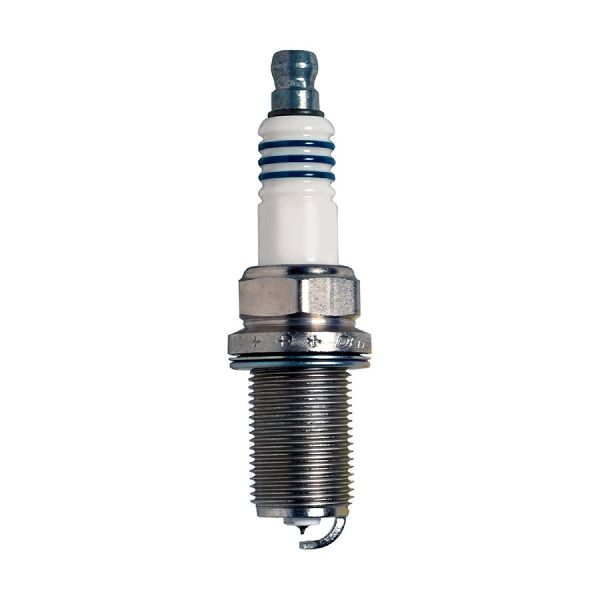
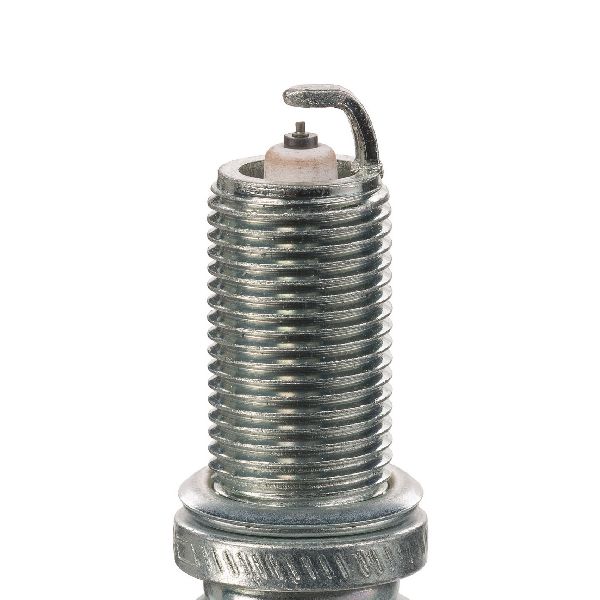
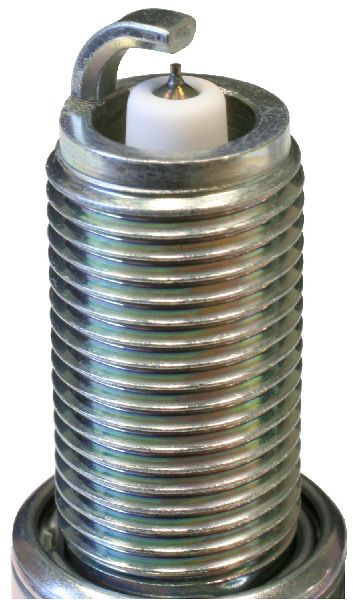
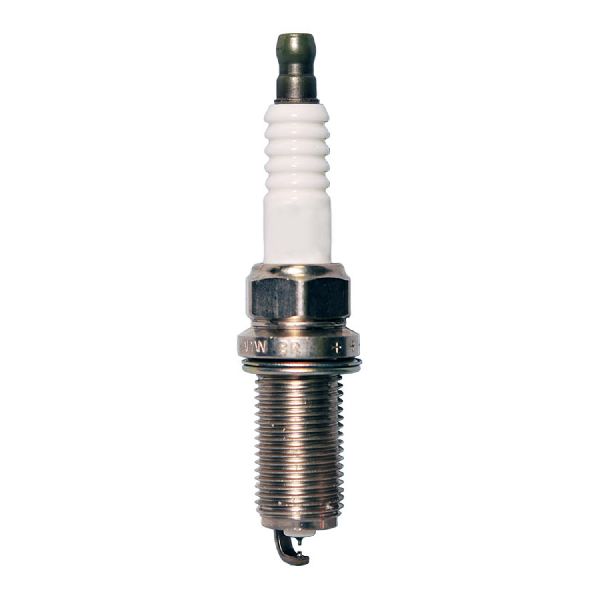
- Worn Spark Plugs 🔴 High Probability → Shop Spark Plug Spark plugs are a standard maintenance item that wear out over time. The service interval for the 3.2L I6 is around 75,000 miles, and exceeding this can easily lead to weak spark and misfires.
How to confirm: Remove the spark plugs and inspect them for wear, fouling (black, sooty deposits), or damage to the electrode. The recommended plug type is platinum or iridium. Oil in the spark plug wells points to a separate issue like a leaking valve cover gasket or clogged PCV system that must be addressed.
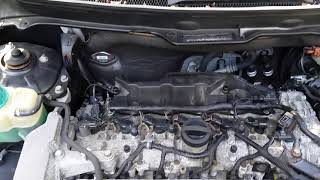
Typical fix: Replace all six spark plugs as a set. 🎬 Watch this step-by-step guide to changing your LR2 spark plugs. Do not just replace one. High-quality brands like NGK, Bosch, or Denso are recommended.
Est. part cost: $40-$110 - Failing Ignition Coils 🔴 High Probability → Shop Ignition Coil The LR2 uses a coil-on-plug system, and these coils are a common failure point on many modern engines, including the Volvo 3.2L. Heat and vibration cause them to fail over time, leading to insufficient spark voltage. The original coils are often made by Denso.
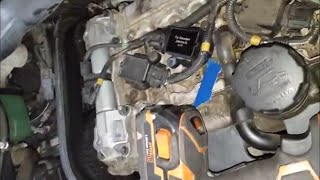
How to confirm: If you have a misfire code for a specific cylinder (e.g., P0302), swap the ignition coil from that cylinder with one from a known good cylinder (e.g., cylinder 4). Clear the codes and drive. If the code changes to P0304, the coil is bad. 🎬 See how to diagnose and replace faulty coils and plugs.
Typical fix: Replace the faulty ignition coil. It is best practice to replace all six coils at the same time as the spark plugs to ensure reliability, as they wear at a similar rate.
Est. part cost: $30-$70 per coil - Faulty or Clogged Fuel Injectors 🔴 High Probability → Shop Fuel Injector Land Rover issued TSB #SSM71894 specifically to investigate misfires at cold start and intermittent rough running caused by fuel injector issues on this vehicle. [TSB SSM71894] Owners on forums frequently discuss cold start stumbles that are ultimately traced back to one or more failing injectors.
How to confirm: This is more difficult to diagnose. A professional can perform a fuel injector balance test. A DIY method involves listening to each injector with a mechanic's stethoscope for a consistent clicking sound. An inconsistent or silent injector is likely faulty. A more definitive DIY test is to swap injectors between a misfiring and a non-misfiring cylinder to see if the fault code follows the injector, though this is labor-intensive.
Typical fix: Replace the faulty fuel injector(s). It is often recommended to replace them as a full set for long-term reliability.
Est. part cost: $40-$150 per injector - Vacuum Leak (especially PCV system) 🟡 Medium Probability The Positive Crankcase Ventilation (PCV) system, also known as the oil trap or breather box on Volvo engines, can clog or the diaphragm can tear. This creates a significant vacuum leak, leading to a lean air/fuel mixture and random misfires. Hoses can also become brittle and crack.
How to confirm: A failing PCV system may cause a loud whistling or howling noise from the engine bay. Another sign is oil found in the spark plug wells. A smoke test, where smoke is fed into the intake system, is the most effective way to find the source of any vacuum leak.
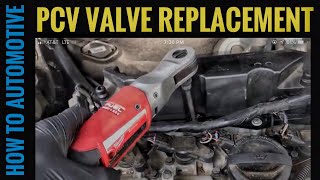
Typical fix: Replace the cracked vacuum hose or the entire PCV breather box assembly. 🎬 Watch this DIY walkthrough for replacing the PCV oil trap. The hoses connected to it can become very brittle and may break during removal.
Est. part cost: $10-$200
Rare But Worth Checking
- Weak Fuel Pump: → Shop Fuel Pump If the engine stumbles or misfires most often under heavy acceleration or high load, it could be a sign that the fuel pump cannot supply enough fuel pressure to meet demand. An owner on a forum reported intermittent starting issues due to low fuel pressure, even after a pump replacement, suggesting diagnosis can be tricky.
- Faulty Mass Airflow (MAF) Sensor: → Shop Fuel Injection Air Flow Meter A dirty or failing MAF sensor can send incorrect airflow data to the ECU, causing the wrong air/fuel mixture and leading to misfires. Sometimes cleaning the sensor with a dedicated MAF sensor cleaner can resolve the issue.
- Weak or Failing Battery/Alternator: → Shop Alternator Modern vehicles are highly sensitive to system voltage. A weak battery or a failing alternator can cause insufficient voltage for the ignition coils and other electronics, leading to random misfires and other strange electrical behavior.
- Faulty VVT Solenoids (Oil Control Valves): The 3.2L engine uses Variable Valve Timing. The solenoids that control this system can get clogged with dirty or sludgy oil, causing them to stick. This can disrupt cam timing and lead to rough idling, stalling, and misfire codes.
- Loose Ignition Coil Ground: → Shop Ignition Coil A TSB for other Land Rover models points to a loose ignition coil ground bolt on the cylinder head as a cause for multiple misfires on one or both banks. While not specific to the LR2, it's a simple and important check to ensure the ground connections are clean and tight.
Diagnosis Steps
- Scan the PCM for any other stored trouble codes. Codes for specific cylinders (P0301-P0306) or fuel system issues (P0171/P0174) can provide valuable clues.
- If it has been over 75,000 miles, or if their age is unknown, replace all six spark plugs. Inspect the old plugs for signs of oil, fuel, or carbon fouling.
- If specific cylinder misfire codes are present, swap the ignition coil from a misfiring cylinder to a non-misfiring cylinder. Clear the codes and see if the misfire follows the coil.
- Carefully inspect all vacuum lines connected to the intake manifold for cracks, brittleness, or loose connections. Pay close attention to the PCV breather box and its associated hoses.
- Check battery health and alternator output. Low system voltage can cause a variety of issues, including misfires.
- Listen to each fuel injector with a mechanic's stethoscope. They should all produce a regular, audible clicking sound. If one is silent or irregular, it may be faulty.
- If a vacuum leak is suspected but not visible, perform a smoke test to pinpoint the source.
- If the above steps do not resolve the issue, consider a more advanced diagnosis, such as a professional fuel injector cleaning/testing service, checking VVT solenoid function, or performing a compression test to rule out mechanical engine problems.
Parts You'll Likely Need
- Ignition Coil
(OEM #LR002954)— Ignition coils are a primary wear item and a leading cause of misfires. It's recommended to replace them as a set with the spark plugs.
Trusted brands: Denso, NGK, Bosch - Spark Plugs — Spark plugs are a routine maintenance item and a primary cause of misfires when their service life is exceeded.
Trusted brands: NGK, Bosch, Denso - PCV Oil Trap/Breather Box
(OEM #LR005483)— The diaphragm in the PCV system is a known failure point that creates a large vacuum leak, leading to lean codes and random misfires.
Trusted brands: Genuine Land Rover, URO Parts - Fuel Injector
(OEM #LR001982)— Land Rover TSB SSM71894 points to faulty fuel injectors as a known cause for cold start misfires that can trigger a P0300 code. [TSB SSM71894, 5, 14]
Trusted brands: Genuine Land Rover, Bosch
Related Codes That Often Appear With This One
- P0301, P0302, P0303, P0304, P0305, P0306 — These codes indicate a misfire on a specific cylinder. They often appear with P0300 as the computer tries to identify the source of the random misfires.
- P1315 — This is a Land Rover-specific code indicating a persistent misfire that is severe enough to potentially damage the catalytic converter. It is often cited alongside P0300 in TSBs. [TSB SSM71894]
- P0316 — This code indicates a misfire was detected within the first 1,000 engine revolutions after startup. It is frequently mentioned in TSBs related to cold-start misfire issues, corroborating the focus on fuel injectors. [TSB SSM71894]
- P0171, P0174 — These codes indicate the engine is running too lean on Bank 1 and Bank 2, respectively. They often accompany a P0300 caused by a vacuum leak, as unmetered air is entering the engine.
Technical Service Bulletins (TSBs) & Recalls
- SSM71894: Notes customer complaints of misfire at cold start and intermittent rough running, with DTCs like P0300 stored, and indicates an investigation into fuel injectors as the cause.
- LTB01023NAS1: While for a different engine (3.0L SCV6), this TSB for other Land Rover models describes a similar cold-start misfire condition (with P0316) caused by a fuel injection calibration issue, showing a pattern of cold-start fueling problems being addressed by JLR.
Platform-Specific Known Issues
- Technical Service Bulletin SSM71894 was issued for vehicles experiencing a misfire at cold start and intermittent rough running. The bulletin states that engineering was investigating the cause, with a focus on fuel injectors. This makes injectors a higher-probability cause on the LR2 than on many other vehicles.
- The Volvo-sourced 3.2L I6 engine has a known issue with the PCV breather box (oil trap) failing, which creates a large vacuum leak and can cause P0300 accompanied by lean codes (P0171/P0174) and sometimes a loud whistling noise.
Mechanic-Grade Diagnostic Values
- Fuel Rail Pressure — expected: Approximately 50-55 PSI (3.45 bar) under normal operation. May spike over 60 PSI during a cold start.. Failure: Significantly lower pressure indicates a weak fuel pump or clogged filter. Pressure that is too high could indicate a faulty regulator or sensor.
- Fuel Injector Flow Rate (for part LR001982) — expected: Static flow: 127 ml/30s. Dynamic flow: 11.2 ml/30s.. Failure: A professional injector cleaning and testing service can compare an injector's flow rate against these specs to identify a clogged or failing unit.
- Mass Air Flow (MAF) Rate (Live Data) — expected: A real-world example showed 11.4 g/s at 1088 RPM. This value will vary significantly with RPM and load.. Failure: Readings that are erratic or do not correlate with changes in engine RPM can indicate a faulty MAF sensor.
- Ignition Coil Primary Resistance — expected: While not specific to the LR2, a general value for similar coil-on-plug systems is 0.4 to 2.0 ohms.. Failure: A reading outside the manufacturer's specified range indicates a faulty coil. This is a generic value; vehicle-specific data is preferred.
Scan Tool Commands That Help
- Advanced Scan Tool (e.g., JLR SDD, Autel, Snap-on): Live Data Misfire Counters (Mode $06) — When only a P0300 code is present, monitoring the live misfire counters for each cylinder can help identify which specific cylinder(s) are contributing the most to the random misfire count, even if they haven't logged a specific P030x code yet.
Wiring & Ground Locations
- Engine Control Module (ECM) (C1E104F) — Located at the top center of the firewall in the engine compartment.. This is the main computer that detects and reports the P0300 code. All sensor inputs (crank, cam, MAF) and outputs (ignition coil, fuel injector signals) route through here. Checking for clean, tight connections at the ECM is a critical step in complex diagnoses.
- Fuel Pump Driver Module (C4E220E) — Located in the left front of the luggage compartment.. If a fuel delivery issue is suspected, this module controls the fuel pump. Problems with the module or its wiring can lead to low fuel pressure and misfires.
OEM Part Supersession History
PHF000140→PHF000140— This part number remains consistent for the 3.2L engine.
Heads up: Critically, this MAF sensor is ONLY for the 2008-2012 3.2L I6 engine. The 2013-2015 LR2 with the 2.0L Turbo engine uses a different part, LR019830. They are not interchangeable.LR002954→LR002954— This is the primary OEM part number for the ignition coil. Several aftermarket and cross-reference numbers exist.
Heads up: Cross-reference numbers include UF594, GN10588, 30684245, and 6G9N-12A366. Ensure any replacement matches the specs for the 3.2L I6.LR038599→LR038601— LR038601 is often listed as a compatible or superseding part number for the fuel pump assembly.
Model Year Variations Within This Range
- 2008-2012: These model years exclusively use the Volvo-derived 3.2L I6 engine. In 2013, the LR2 was updated with a 2.0L Turbo I4 engine, which uses different engine management components (like the MAF sensor) and has different common failure points.
Helpful Videos


We Have This Part in Stock


The information in this article is provided for general reference and educational purposes only. Vehicle specifications, procedures, and part compatibility can vary by production date, trim level, and region. Always consult your vehicle's factory service manual and verify part numbers before purchasing or performing repairs. Safety-critical components such as airbags, seat belts, and braking systems should be installed by a qualified professional.
- Land Rover LR2:
- 🧭 Diagnostic Flowchart
- 🎬 Helpful Videos
- 🛍️ Shop This Part
- What's Unique About the 2008-2012 Land Rover LR2
- Symptoms You May Notice
- Most Likely Causes
- Rare But Worth Checking
- Diagnosis Steps
- Parts You'll Likely Need
- Related Codes That Often Appear With This One
- Technical Service Bulletins (TSBs) & Recalls
- Platform-Specific Known Issues
- Mechanic-Grade Diagnostic Values
- Scan Tool Commands That Help
- Wiring & Ground Locations
- OEM Part Supersession History
- Model Year Variations Within This Range
- 🎟️ Get 5% Off