

P0300 on 2006-2010 Lexus IS 250: Random Misfire Causes and Carbon Buildup Fixes
On a 2006-2010 IS 250, code P0300 is almost always caused by heavy carbon buildup on the intake valves, a well-documented issue with this direct-injection engine. The primary fix is a professional top-engine cleaning (decarbonization), often via walnut blasting, which can cost between $500 and $1,500. Many owners report this as a recurring maintenance item needed every 40,000-60,000 miles.
- For a 2006-2010 Lexus IS 250, a P0300 code is most likely due to carbon buildup on the intake valves, not bad spark plugs or coils.
- Symptoms are typically a rough, shaky idle that appears after the car has warmed up and come to a stop.
- The definitive fix is a professional top-engine cleaning (such as walnut blasting), which requires removing the intake manifold.
- Lexus acknowledged this widespread problem with TSBs and a warranty extension program, which has since expired.
- Do not ignore a flashing check engine light, as it can lead to catalytic converter damage.
What's Unique About the 2006-2010 Lexus IS 250

Unlike many vehicles where P0300 points to spark plugs or ignition coils, the 2006-2010 IS 250 with its 4GR-FSE engine has a systemic design issue that makes it extremely prone to this code. The engine uses direct injection only, which sprays fuel directly into the cylinders, bypassing the intake valves. Without the cleaning effect of fuel washing over them, oil vapors from the PCV system bake onto the hot valves, causing significant carbon buildup. This buildup restricts airflow, leading to poor air-fuel mixture distribution and causing the exact symptoms described in Lexus's own Technical Service Bulletins: intermittent rough idle and misfires, especially when the engine is warm.
Diagnostic Flowchart

Tap your situation to follow the diagnostic path that matches what you're seeing on this vehicle.
Generation note: The 2006-2010 model years all fall within the second generation (XE20) of the Lexus IS, and all use the 4GR-FSE engine susceptible to this issue. The issue also affects early third-generation IS 250 models (2013-2015) that continued to use the same 4GR-FSE engine before it was discontinued. The IS 350 model, with its 2GR-FSE engine, is not affected because it uses a combination of direct and port injection (D-4S), which keeps the valves clean.
Symptoms You May Notice

- Rough, unstable, or vibrating idle, especially after the engine is fully warmed up or during a cold start.
- Engine hesitation or stumbling on acceleration.
- Check Engine Light is on steady or flashing, often accompanied by the VSC (Vehicle Stability Control) light.
- Audible 'popping' or 'banging' from the engine bay at idle.
- Vehicle may stall when coming to a stop.
- Reduced fuel economy.
- Smell of rotten eggs from the exhaust, indicating potential catalytic converter stress.
- Replacing only spark plugs and ignition coils. Many owners on forums and Reddit report replacing these parts, only to have the P0300 code return shortly after because the underlying issue was carbon buildup.
Most Likely Causes

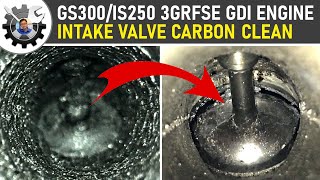
- Carbon Buildup on Intake Valves and Pistons 🔴 High Probability The 4GR-FSE is a direct-injection engine. Fuel is injected directly into the combustion chamber, so it never washes over the intake valves. Oil vapor from the PCV (Positive Crankcase Ventilation) system deposits on the hot valves and bakes into hard carbon, restricting airflow and causing misfires. This issue was so prevalent that Lexus issued multiple Technical Service Bulletins (TSBs) and a Customer Support Program to address it.
How to confirm: A visual inspection with a borescope camera inserted into the intake ports is the only definitive way to confirm heavy carbon deposits on the valves. The deposits look like thick, black, crusty formations on the valve stems and back of the valve heads.
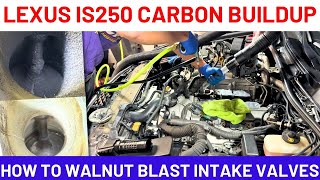
Typical fix: Professional top-engine cleaning. The most effective method is 'walnut blasting,' where crushed walnut shells are used as a media to safely blast away deposits after removing the intake manifold. 🎬 Watch: A step-by-step guide to walnut blasting intake valves. Chemical soaks (like using products such as SeaFoam or dedicated P.E.A. cleaners) are also performed, sometimes by dealers, but are often seen as less effective or a temporary solution compared to mechanical cleaning.
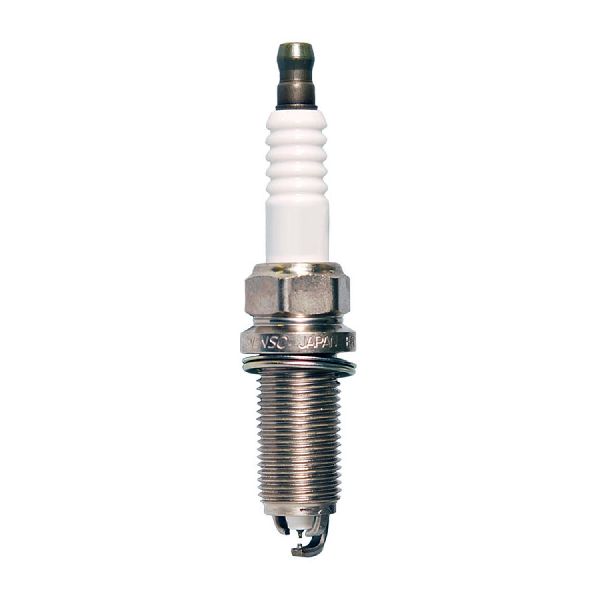
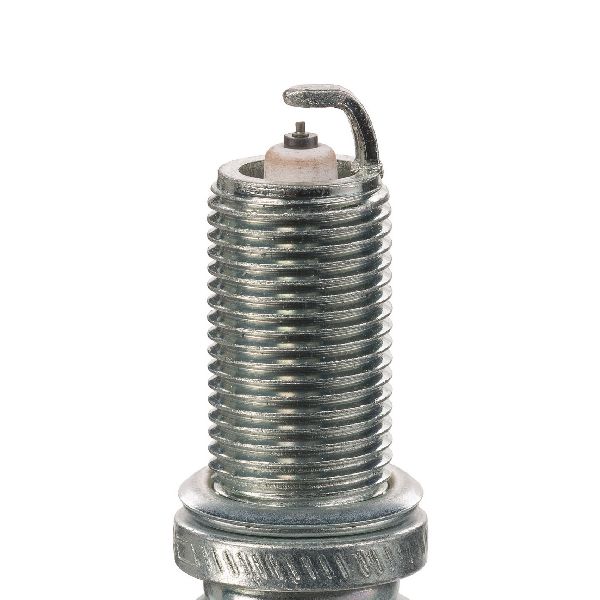
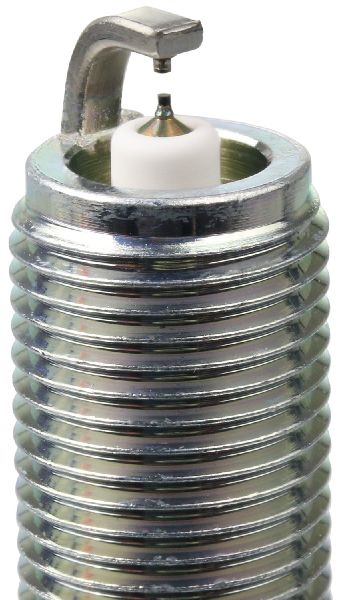
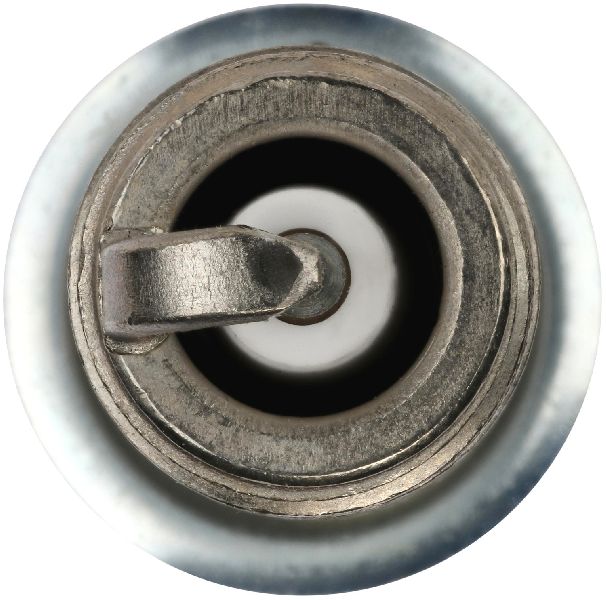
Est. part cost: $50-$150 for intake gaskets that must be replaced during the service. - Worn or Fouled Spark Plugs 🟡 Medium Probability → Shop Spark Plug While carbon buildup is the most likely cause, spark plugs are a standard maintenance item. If they are old or fouled by oil or carbon, they can fail to produce a strong enough spark, leading to misfires. It is common practice to replace them during a carbon cleaning service. 🎬 Watch: Full carbon cleaning and service for the 4GR-FSE engine.
How to confirm: Remove the spark plugs and inspect them for wear on the electrode, carbon tracking on the ceramic, oil fouling, or an incorrect gap. The correct OEM plug is a Denso Iridium FK20HBR11.
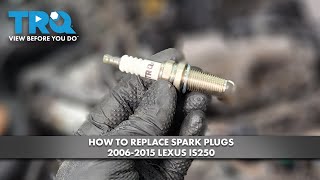
Typical fix: Replace all six spark plugs. It is recommended to use OEM-spec Iridium plugs from brands like Denso or NGK. Many owners on forums emphasize purchasing from reputable sources 🎬 See this walkthrough for replacing spark plugs on your IS250. to avoid counterfeit plugs.
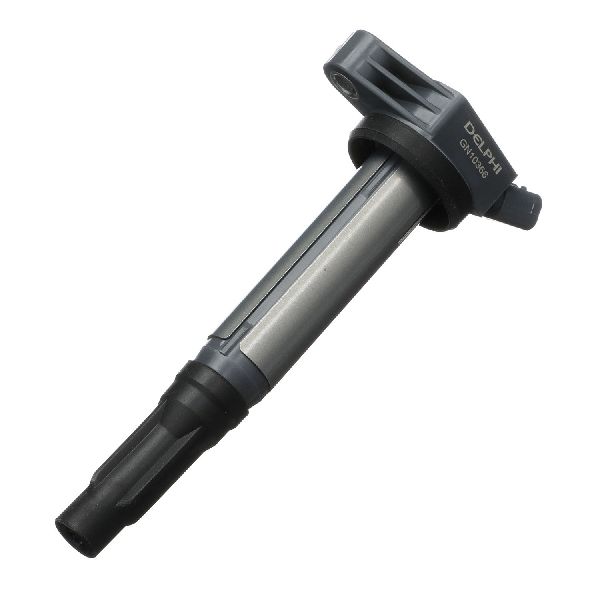
Est. part cost: $60-$150 for a set of six high-quality iridium plugs. - Failing Ignition Coil(s) ⚪ Low Probability → Shop Ignition Coil
How to confirm: If you have cylinder-specific misfire codes (e.g., P0301, P0302) along with P0300, swap the ignition coil from the misfiring cylinder with a coil from a known good cylinder. Clear the codes and see if the misfire code 'follows' the coil to the new cylinder.
Typical fix: Replace the faulty ignition coil. It is often recommended to replace them as a set if they are original and high-mileage. Denso is the original equipment manufacturer.
Est. part cost: $50-$90 per coil.
Rare But Worth Checking
- Dirty Mass Airflow (MAF) Sensor: → Shop Fuel Injection Air Flow Meter An easy and inexpensive item to check. A dirty MAF sensor can send incorrect airflow readings to the ECM, causing the wrong air-fuel mixture and leading to random misfires. Cleaning it with a dedicated MAF sensor cleaner spray can sometimes resolve the issue.
- Vacuum Leak: A leak in a vacuum hose or intake gasket can introduce unmetered air into the engine, leaning out the air-fuel mixture and causing misfires. A smoke test is the most effective way to find a vacuum leak. During intake manifold removal for carbon cleaning, brittle plastic connectors for vacuum lines are prone to breaking and can be a source of leaks if not replaced.
- Weak Fuel Pump or Clogged Fuel Injectors: → Shop Fuel Injector While less common, inadequate fuel pressure or a poor spray pattern from a clogged injector can cause lean misfires. This is less likely to be the root cause than carbon buildup.
- Faulty PCV Valve: → Shop PCV Valve A stuck-open PCV (Positive Crankcase Ventilation) valve can allow excessive oil vapor into the intake manifold, accelerating carbon buildup. It's a cheap and easy part to replace as preventative maintenance.
Diagnosis Steps
- Check for other stored trouble codes with an OBD-II scanner. Pay close attention to any cylinder-specific misfire codes (P0301-P0306).
- Review freeze frame data. Note the engine temperature, RPM, and load when the misfire occurred. Misfires at warm idle or on a cold start strongly suggest carbon buildup, as noted in TSBs and owner forums.
- Inspect the spark plugs. Remove them and check for signs of wear, fouling, or damage. Replace if they are due or in poor condition.
- Test the ignition coils. If specific cylinder misfires are also logged, swap the corresponding coil with one from another cylinder to see if the fault moves.
- Clean the Mass Airflow (MAF) sensor using a dedicated cleaner.
- If the above steps do not resolve the issue, the next step is to inspect for carbon buildup. Use a borescope to visually inspect the intake valves for heavy deposits. This is the most likely cause.
- If significant carbon is found, proceed with a top-engine cleaning (e.g., walnut blasting).
- If no significant carbon is found, perform a smoke test to check for vacuum leaks and test fuel pressure to rule out a fuel delivery problem.
Parts You'll Likely Need
- Iridium Spark Plugs (Set of 6)
(OEM #90919-01249 (Denso FK20HBR11))— Worn spark plugs are a common maintenance item and a potential cause of misfires. They are often replaced as a first step or during a carbon cleaning service.
Trusted brands: Denso (OEM), NGK
OEM price range: $18-$25 per plug
Aftermarket price range: $10-$18 per plug - Intake Manifold Gasket Kit
(OEM #17176-31050 (Upper, Qty 3), 17177-31021 (Lower, Qty 2))— These gaskets must be replaced whenever the intake manifold is removed to perform a carbon cleaning service.
Trusted brands: Lexus OE, Fel-Pro
OEM price range: $50-$80
Aftermarket price range: $30-$50 - Ignition Coil
(OEM #90919-A2005)— An intermittently failing ignition coil can cause random misfires before it fails completely and triggers a cylinder-specific code. The OEM part number 90919-A2005 supersedes previous versions like 90919-02255 and 90919-02256.
Trusted brands: Denso (OEM)
OEM price range: $90-$120 per coil
Related Codes That Often Appear With This One
- P0301, P0302, P0303, P0304, P0305, P0306 — These are cylinder-specific misfire codes. P0300 indicates a random misfire, but the ECM may also identify specific cylinders that are misfiring most frequently, logging these codes alongside P0300. This is common with the carbon issue as buildup may not be perfectly even across all cylinders.
- VSC Light On — This is not a trouble code, but an indicator light. On many Lexus vehicles, a check engine light related to engine performance will automatically trigger the Vehicle Stability Control (VSC) light to illuminate as a safety precaution.
Technical Service Bulletins (TSBs) & Recalls
- L-TT-0192-15: Details a specific procedure for technicians to duplicate the intermittent misfire condition caused by carbon buildup.
- L-TT-0093-12 Rev: An earlier bulletin also addressing the intermittent rough run and misfire codes P0300-P0306 on IS250 and GS300 models.
Platform-Specific Known Issues
- Carbon Buildup Customer Support Program (CSP): Lexus acknowledged the carbon buildup problem and issued a warranty extension (sometimes referred to as ZLA or a similar CSP) for affected vehicles, covering the cost of engine decarbonization or piston/ring replacement for 9 years from the date of first use with unlimited mileage. While this program has expired for all 2006-2010 models based on age, its existence confirms the prevalence and root cause of the issue.
- TSB L-SB-0029-10: This Technical Service Bulletin specifically addresses the carbon buildup issue, outlining a procedure for dealers that could include a top engine clean or a more involved rebuild of pistons and rings if compression was low.
- Owner Experience - Walnut Blasting is Key: Numerous owner threads on ClubLexus and Reddit confirm that walnut blasting is the most effective long-term solution. One user on ClubLexus shared their experience of getting a quote for $500 from a specialty shop familiar with the issue on BMWs, which also suffer from carbon buildup on direct injection engines.
- Preventative Measures: Owners on forums suggest preventative measures such as installing an oil catch can to reduce the amount of oil vapor entering the intake and performing an 'Italian tune-up' (driving the car at high RPMs regularly) to help burn off some deposits, though the effectiveness of the latter is debated.
Mechanic-Grade Diagnostic Values
- High-Pressure Fuel System Pressure (at idle) — expected: 3.5 to 4.5 MPa (508 to 653 psi). Failure: Pressure outside of this range may indicate an issue with the high-pressure fuel pump or fuel pressure sensor.
- Low-Pressure Fuel System Pressure — expected: 400 kPa (58 psi). Failure: Significantly lower pressure could indicate a failing in-tank fuel pump.
- Ignition Coil Primary Resistance (Cold) — expected: 0.21 - 0.33 Ω. Failure: A reading of 0 or infinity (open circuit) indicates a failed coil. However, coils can still be faulty even if they test within this range.
- Ignition Coil Secondary Resistance (Cold) — expected: 6.4 - 11.1 kΩ. Failure: A reading of 0 or infinity (open circuit) indicates a failed coil. Intermittent failures may not be caught with a resistance test.
- Techstream Misfire Count (Live Data) — expected: 0 counts on all cylinders at idle.. Failure: A continuously increasing misfire count on any cylinder points to an active problem. The 'Misfire Count' and 'Misfire Rate' PIDs are crucial for diagnosis.
Scan Tool Commands That Help
- Toyota Techstream: Control the Select Cylinder Fuel Cut — This Active Test allows a technician to manually disable one cylinder at a time. While observing the change in engine RPM and smoothness, one can identify if a specific cylinder is not contributing power, helping to isolate a misfire that isn't setting a specific P030x code.
- Toyota Techstream: Misfire Count Data List (CYL #10 to #60) — This allows viewing of the live misfire counter for each cylinder. This is more sensitive than waiting for a DTC to set and can show intermittent misfires that occur under specific conditions, which is critical for diagnosing the random nature of P0300.
Wiring & Ground Locations
- E1, E2 — These are primary engine ground points shown in wiring diagrams for the 4GR-FSE engine bay.. A poor engine ground can cause erratic behavior in sensors and actuators, including the ignition system, potentially leading to random misfires. Ensuring these grounds are clean and tight is a fundamental electrical diagnostic step.
- A1, A2, A3, A4, A5 — These ground points are located in the engine room area, as per the electrical wiring routing diagrams.. These points ground various components in the engine bay. Corrosion or looseness at any of these points could affect the stability of the electrical system and contribute to misfire-causing issues.
Real Owner Repair Stories
- ClubLexus user 'lexusisgs' (Lexus GS with P0300 (similar engine principles)) — P0300 code, misfire only occurred during a cold start and would resolve once the engine reached operating temperature.
❌ Tried (didn't work) Considered spark plugs and ignition coils.
✅ What actually fixed it The user cleaned the Mass Airflow (MAF) sensor using CRC MAF Sensor Cleaner. After letting it air dry and reinstalling, the P0300 code did not return and the cold start misfire was resolved. - Reddit user on r/Cartalk (2008 IS 250 AWD with 173,000 km) — Flashing CEL, rough running, code for misfire on cylinder 6.
❌ Tried (didn't work) A dealership replaced all spark plugs and the ignition coil for cylinder 6. The CEL returned 15 minutes after the repair.
✅ What actually fixed it The story was unresolved, but highlights a classic misdiagnosis. The mechanic's live data tool showed misfires on cylinder 6 that were not being stored in the car's memory, even after replacing common ignition parts. This points strongly toward the underlying carbon buildup issue which was not addressed.
Model Year Variations Within This Range
- 2010: Some owner forums and articles mention that for the 2010 model year, Lexus revised the piston rings on the 4GR-FSE engine to help reduce oil blow-by, which was the source of the oil vapors that cause carbon buildup on the intake valves. However, even post-2009 models are still known to experience the carbon issue, though perhaps to a lesser extent.
- 2009-2010: For the 2009 model year, Lexus performed a minor facelift which included revised suspension and steering tuning for improved stability. While there were no significant engine changes that would alter the root cause of P0300, the VDIM (Vehicle Dynamics Integrated Management) system became standard on all IS 250 models.
Helpful Videos
We Have This Part in Stock

The information in this article is provided for general reference and educational purposes only. Vehicle specifications, procedures, and part compatibility can vary by production date, trim level, and region. Always consult your vehicle's factory service manual and verify part numbers before purchasing or performing repairs. Safety-critical components such as airbags, seat belts, and braking systems should be installed by a qualified professional.
- Lexus IS 250:
- 🧭 Diagnostic Flowchart
- 🎬 Helpful Videos
- 🛍️ Shop This Part
- What's Unique About the 2006-2010 Lexus IS 250
- Symptoms You May Notice
- Most Likely Causes
- Rare But Worth Checking
- Diagnosis Steps
- Parts You'll Likely Need
- Related Codes That Often Appear With This One
- Technical Service Bulletins (TSBs) & Recalls
- Platform-Specific Known Issues
- Mechanic-Grade Diagnostic Values
- Scan Tool Commands That Help
- Wiring & Ground Locations
- Real Owner Repair Stories
- Model Year Variations Within This Range
- 🎟️ Get 5% Off