

P0300 on 2017 Lincoln Continental: Random Misfire Causes & Fixes
P0300 on a 2017 Continental indicates random cylinder misfires. While often caused by worn spark plugs or ignition coils, be aware of official manufacturer bulletins (TSBs) for the 2.7L and 3.0L EcoBoost engines that link this code to serious internal engine problems like faulty valve guides or cylinder heads, causing excessive oil consumption of 1 quart in less than 3,000 miles.
- P0300 on a 2017 Continental is a serious code that requires prompt attention to avoid catalytic converter damage.
- The most common fixes are replacing all six spark plugs and ignition coils.
- If your Continental has a 2.7L or 3.0L EcoBoost engine, you must check for excessive oil consumption or exhaust smoke, as this could indicate a much more serious internal engine problem covered by a TSB.
- Do not ignore a flashing check engine light; it signals a severe misfire that can cause rapid damage.
- Always check for other codes stored alongside P0300, as they can help pinpoint the root cause.
What's Unique About the 2017-2017 Lincoln CONTINENTAL
For the 2017 Lincoln Continental, especially models with the 2.7L and 3.0L EcoBoost engines, a P0300 code can be more serious than on other vehicles. While standard ignition or fuel issues are possible causes, Lincoln has issued Technical Service Bulletins (TSBs) that connect this code to significant oil consumption and internal engine issues requiring cylinder head replacement. Specifically, TSB 19-2243 covers vehicles built from April 1, 2016, through January 1, 2017, with these engines, identifying faulty valve guides as the root cause. This elevates the diagnostic importance of a P0300 from a routine tune-up to a potential major engine repair.
🎬 Watch: EricTheCarGuy explains the basics of P0300 misfire codes.Diagnostic Flowchart
Tap your situation to follow the diagnostic path that matches what you're seeing on this vehicle.
Symptoms You May Notice
- Rough or shaking idle
- Hesitation or stumbling during acceleration
- Flashing or solid Check Engine Light
- Reduced engine power
- Poor fuel economy
- White or blue smoke from the exhaust (associated with TSBs)
- Excessive oil consumption (up to 1 quart in less than 3,000 miles)
- Milky or foamy engine oil on the dipstick or oil cap, indicating coolant mixing with oil
- Replacing only one ignition coil or spark plug when others are also near the end of their life.
- Replacing oxygen sensors, which are more often affected by a misfire rather than being the cause of it.
- Focusing only on ignition parts when symptoms like heavy oil consumption and exhaust smoke are present, which point to the more serious TSB-related engine issues on 2.7L/3.0L models.
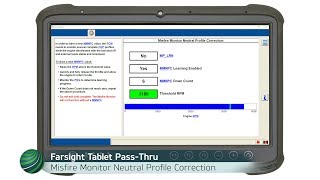
- Not performing the 'Misfire Monitor Neutral Profile Correction' procedure after major engine repairs, which can cause the PCM to incorrectly report misfires. 🎬 Watch: How to perform the Misfire Monitor Neutral Profile Correction.
Most Likely Causes
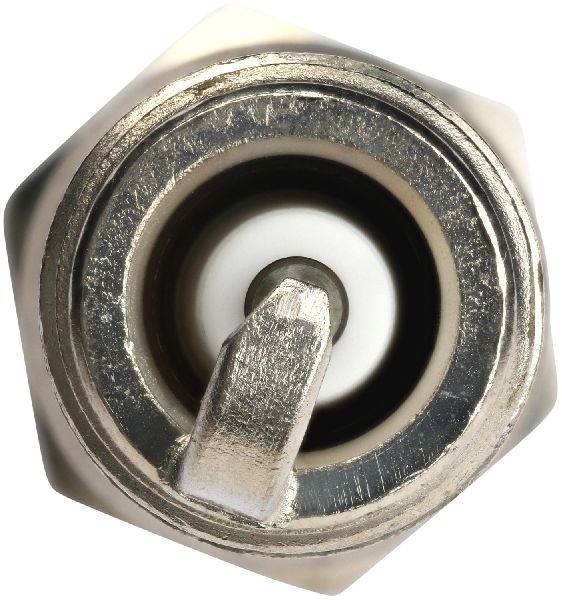
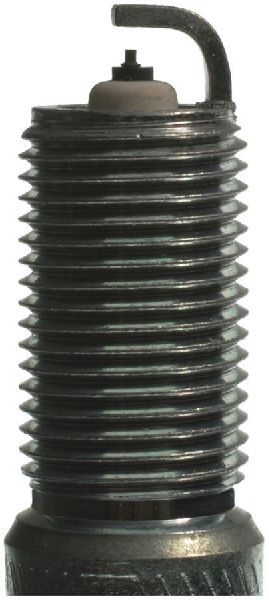
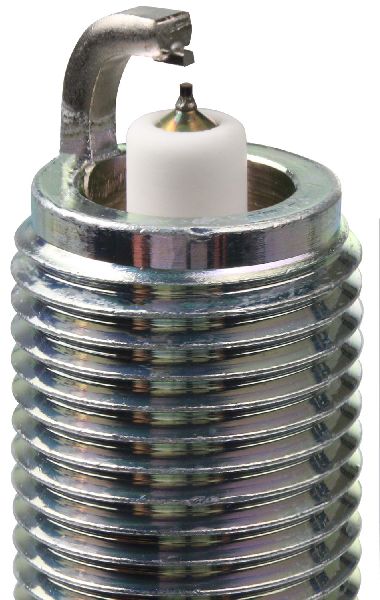
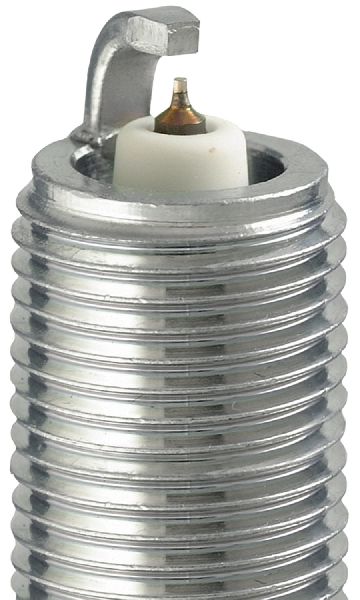
- Worn Spark Plugs 🔴 High Probability → Shop Spark Plug Spark plugs are a regular maintenance item and a primary cause of misfires on most gasoline engines. The high-pressure, high-heat environment of the EcoBoost engines can accelerate wear. A cracked spark plug insulator can also be a cause.
How to confirm: Inspect the spark plugs for wear, fouling, or incorrect gap. For the 3.0L EcoBoost, the specified gap is 0.028–0.031 in (0.7–0.8 mm). Oil on the spark plugs can be a sign of the more serious valve guide issue.
Typical fix: Replace all six spark plugs. It is recommended to use OEM Motorcraft or equivalent high-quality Iridium plugs. 🎬 See this walkthrough for replacing EcoBoost spark plugs.
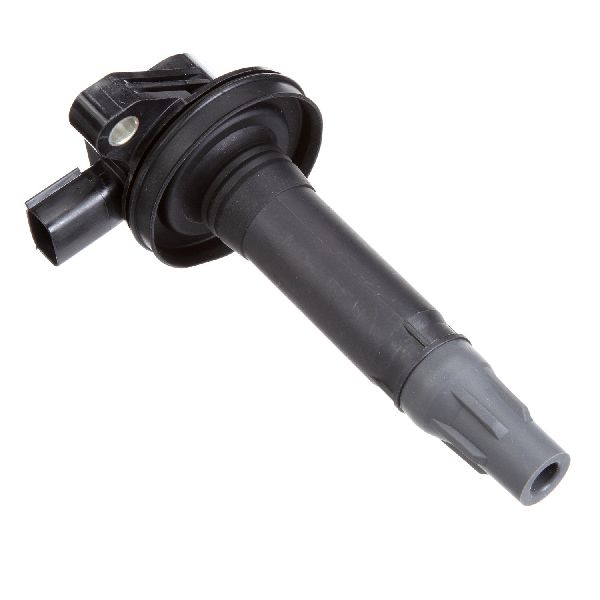
Est. part cost: $60-$150 - Faulty Ignition Coils 🔴 High Probability → Shop Ignition Coil Ignition coils are a common failure point that leads to misfires. When one fails, it's often a sign that others may be nearing the end of their service life. Oil leaking into the spark plug wells from a faulty valve cover gasket can also damage the coils.
How to confirm: A mechanic can use a scan tool to view misfire data per cylinder (Mode $06) or perform a Power Balance test. A DIY method is to swap the suspected coil with a known good one from another cylinder to see if the misfire follows the coil. Secondary resistance should be tested with a multimeter; a common range for Ford coils is 8-12 kΩ.
Typical fix: Replace the faulty ignition coil. It is best practice to replace all six coils at the same time as the spark plugs.
Est. part cost: $40-$90 per coil - Internal Engine Defect (Valve Guides/Cylinder Heads) 🟡 Medium Probability TSB 19-2243 (superseding TSB 17-2235) and TSB SSM 46364 specifically address 2017 Continentals with 2.7L/3.0L EcoBoost engines built between April 1, 2016, and Jan 1, 2017. They identify faulty valve guides as a cause for oil consumption, smoke, and misfire codes including P0300.
How to confirm: Confirm the vehicle's build date and engine type. Monitor for excessive oil consumption (1 quart in under 3,000 miles), and white/blue exhaust smoke. A cylinder leak-down or compression test can confirm internal issues. A borescope inspection may reveal oil pooling on the piston tops. The TSB procedure advises that if codes P0524 and/or P06DD are present with misfire codes, the entire long block should be replaced.
Typical fix: The official fix per TSB is the replacement of both cylinder heads. If low oil pressure codes are also present, a complete long block engine replacement is required. This is a major and expensive repair, with Ford allocating 25.8 labor hours for an AWD Continental.
Est. part cost: $2000-$4000+ - Vacuum Leaks ⚪ Low Probability Hoses can become brittle and crack over time, and intake manifold gaskets can fail, allowing unmetered air into the engine and disrupting the air-fuel ratio. The PCV valve or its hoses are a potential point of failure.
How to confirm: A professional can perform a smoke test to identify the source of the leak. Sometimes a hissing sound can be heard near the engine.
Typical fix: Replace the cracked hose or faulty gasket.
Est. part cost: $20-$300 - Fuel System Issues ⚪ Low Probability On direct-injection EcoBoost engines, a failing high-pressure fuel pump (HPFP) or clogged fuel injectors can cause lean conditions and random misfires, especially under load. The OEM HPFP for the 2.7L/3.0L engines operates at up to 150 bar (2175 psi).
How to confirm: Monitor fuel pressure with a scan tool. A common code seen with a failing HPFP is P0087 (Fuel Rail/System Pressure - Too Low). A TSB for other EcoBoost models suggests checking for a fuel pressure drop of more than 10 psi within 30 seconds after engine shutdown to identify leaking injectors.
Typical fix: Replace the failing fuel pump or clean/replace the clogged fuel injectors.
Est. part cost: $300-$800
Rare But Worth Checking
- Clogged Catalytic Converter: → Shop Catalytic Converter A clogged converter can cause excessive exhaust backpressure, leading to misfires. However, this is usually the result of long-term misfiring (which dumps raw fuel into the exhaust) rather than the initial cause.
- Faulty Crankshaft Position Sensor: → Shop Engine Crankshaft Position Sensor A failing crankshaft position sensor can send erratic signals to the PCM, which can be misinterpreted as random misfires. After replacing the sensor or performing major engine work, a 'Misfire Monitor Neutral Profile Correction' procedure is required.
- Internal Water Pump Failure (3.7L V6): On the base 3.7L engine, the water pump is located internally and driven by the timing chain. A failure can cause coolant to mix with the engine oil, leading to widespread engine damage and misfires. This is a very costly repair due to the labor involved.
- Faulty Variable Camshaft Timing (VCT) Solenoids: → Shop Engine Camshaft A malfunctioning VCT solenoid can disrupt camshaft timing, leading to rough running, poor acceleration, and random misfires. This can sometimes be caused by dirty or low engine oil, and may be accompanied by a rattling noise from the engine.
Diagnosis Steps
- Check for other diagnostic trouble codes (DTCs) that may provide more specific clues (e.g., P0301-P0306, P0524, P0087).
- If the vehicle is a 2.7L or 3.0L model with a build date between April 2016 and January 2017, immediately check for signs of excessive oil consumption or blue/white exhaust smoke.
- Inspect the condition and gap of all spark plugs. The correct gap for the 3.0L EcoBoost is 0.028–0.031 in. Note if any plugs are wet with oil.
- Inspect ignition coils and their wiring. Test by swapping a coil from a misfiring cylinder (if identified via scan tool Mode $06 data) with a known good one.
- Using a professional scan tool, perform a Power Balance test to identify under-contributing cylinders.
- Check for vacuum leaks using a smoke machine, paying attention to the intake manifold gasket and all PCV system hoses.
- Monitor fuel pressure readings via a scan tool to check for fuel delivery problems. Check for codes like P0087. The high pressure side should be over 2,000 PSI under load.
- If oil consumption is high, consult the relevant TSBs and perform a cylinder compression and/or leak-down test to check for internal engine damage.
- If major engine or sensor work was recently performed, ensure the 'Misfire Monitor Neutral Profile Correction' has been completed.
Parts You'll Likely Need
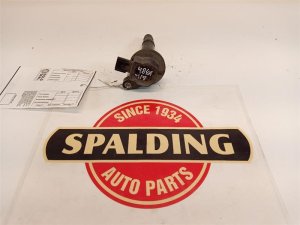
- Ignition Coil
(OEM #FT4Z-12029-A (Motorcraft DG-555))— A primary cause of misfires. The DG-555 fits the 2.7L and 3.0L EcoBoost engines.
Trusted brands: Motorcraft, Denso, NGK
OEM price range: $60-$90
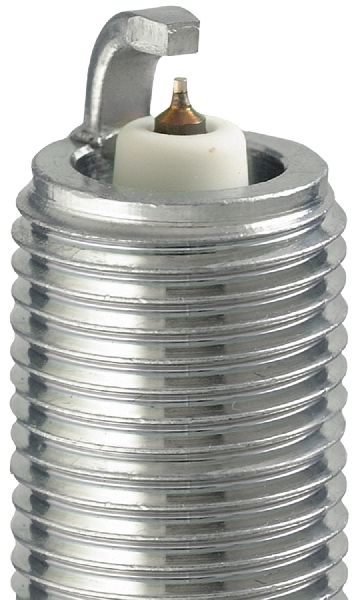
Aftermarket price range: $40-$70 - Spark Plug
(OEM #SP-594 (Motorcraft))— Regular maintenance item and the most common fix for misfires. This part fits the 2.7L and 3.0L engines for the 2017 model year.
Trusted brands: Motorcraft, NGK, Bosch
OEM price range: $15-$25 per plug
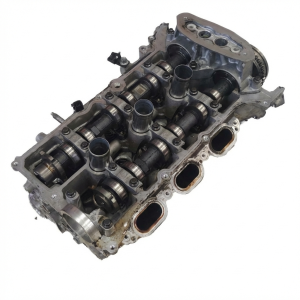
Aftermarket price range: $10-$20 per plug - Cylinder Head Assembly
(OEM #GB8Z-6049-G (Left), GB8Z-6049-F (Right))— This is the prescribed fix for the oil consumption and misfire issue detailed in TSB 19-2243 for affected 3.0L engines.
Trusted brands: Ford/Motorcraft (OEM)
OEM price range: $900-$1400 per head
Aftermarket price range: N/A
Related Codes That Often Appear With This One
- P0301-P0306 — These are specific cylinder misfire codes. They often accompany P0300 as the PCM tries to identify which cylinders are the primary offenders.
- P0316 — Misfire Detected on Startup (First 1000 Revolutions). This code is specifically mentioned in TSBs along with P0300, indicating the misfire is most prominent on a cold start.
- P0524 — Engine Oil Pressure Too Low. This code is also cited in TSBs related to oil consumption and internal engine problems, and may point towards a more severe long block issue.
- P06DD — Engine Oil Pressure Control Circuit Stuck Off. Another code mentioned in the TSBs that points towards a lubrication system issue tied to the misfires.
Technical Service Bulletins (TSBs) & Recalls
- TSB 19-2243: Supersedes TSB 17-2235. Addresses oil consumption, smoke, and misfires (P0300, P0316) on 2.7L/3.0L EcoBoost engines built from April 1, 2016, to Jan 1, 2017. The fix is cylinder head replacement.
- SSM 46364: An earlier Special Service Message that first identified the cylinder heads as the likely cause for smoke, oil consumption, and P0300 codes on these engines.
- SSM 54504: A later communication that reiterates the symptoms and associated DTCs (P0300, P0316, P0524, P06DD) related to the excessive oil consumption issue.
Platform-Specific Known Issues
- TSB 19-2243 / SSM 46364: On 2017 Continentals with the 2.7L or 3.0L EcoBoost engines built within a specific timeframe (approx. April 2016 - Jan 2017), P0300 can be a symptom of faulty valve guides causing excessive oil consumption, exhaust smoke, and rough idle. The official fix is cylinder head replacement, or a full long block if low oil pressure codes are also present.
Mechanic-Grade Diagnostic Values
- Spark Plug Gap (3.0L EcoBoost) — expected: 0.028–0.031 in (0.7–0.8 mm). Failure: An incorrect gap can lead to a weak spark and incomplete combustion.
- High-Pressure Fuel System (OEM) — expected: Up to 150 bar / 2175 psi. Failure: Significantly lower pressure, especially under load, can cause lean misfires. Code P0087 is a common indicator.
- Low-Pressure Fuel System (at idle) — expected: 35-75 PSI. Failure: Pressure below 35 PSI at idle indicates a problem with the in-tank fuel pump or its control module.
- Variable Valve Timing (VVT) Solenoid Resistance — expected: ~9 ohms. Failure: A reading significantly different from the expected value, or an open circuit, suggests a faulty solenoid.
Hidden / Shadow Codes Worth Checking
- Mode 6, Test ID $A2-$AF: These are not DTCs, but onboard monitor test results for misfire counts per cylinder on CAN-bus vehicles. For example, Test ID $A2 corresponds to Cylinder 1, $A3 to Cylinder 2, and so on. This data can reveal which cylinder(s) are misfiring even if the count isn't high enough to set a specific P030x code. (see via A professional scan tool capable of viewing Mode $06 data.)
Scan Tool Commands That Help
- Ford IDS, FORScan, or equivalent professional scanner: Misfire Monitor Neutral Profile Correction — This is a mandatory relearn procedure after any major engine repair, such as replacing cylinder heads, timing components, or the crankshaft position sensor. Failure to perform this can lead to false misfire codes (P0300, P0316) because the PCM has not learned the minor variations of the new crankshaft trigger wheel profile.
- Ford IDS, or equivalent professional scanner: Power Balance Test — This test helps diagnose a misfire by allowing the technician to selectively disable individual fuel injectors and observe the corresponding drop in engine RPM. A cylinder that shows little or no RPM drop when disabled is the one that is not contributing properly (misfiring).
- Ford IDS, or equivalent professional scanner: Relative Compression Test — This is a quick, non-invasive way to check for mechanical engine problems. The scan tool measures the RPM fluctuation as each cylinder goes through its compression stroke while cranking the engine. A cylinder with significantly lower compression will show a different reading, indicating a potential issue like a bad valve or piston ring without needing a manual compression gauge initially.
Wiring & Ground Locations
- Powertrain Control Module (PCM) — Typically located in the engine compartment, mounted against the firewall on the top right-hand (passenger) side.. The PCM is the brain of the engine management system. It receives signals from the crankshaft position sensor to detect misfires and controls the ignition coils and fuel injectors. A poor connection or bad ground at the PCM can cause a wide range of issues, including random misfires.
- Engine Ground Points (General) — Key grounds are typically located on the engine block itself, the inner fender panel near the battery, and via braided straps from the engine to the chassis.. Ignition coils and many sensors rely on a solid ground connection to the engine block or chassis. A corroded or loose ground can create electrical noise and resistance, leading to weak spark or erratic sensor signals that the PCM may interpret as a misfire.
- Ignition Coil Connector — Connects directly to the top of each ignition coil. For the 3.7L V6, this is a 3-cavity connector.. The plastic locking tabs on these connectors can become brittle with heat and age. A loose or corroded connector can cause an intermittent connection to the ignition coil, resulting in a misfire on that cylinder.
OEM Part Supersession History
Unknown→FT4Z-12029-A— This is the current OEM part number for the ignition coil fitting the 2.7L and 3.0L EcoBoost engines.
Heads up: This part is also known by its Motorcraft engineering number, DG-555.
Model Year Variations Within This Range
- 2017: For the 2.7L and 3.0L EcoBoost engines, the vehicle's build date is critical. Models built between April 1, 2016, and January 1, 2017, are subject to TSBs regarding faulty cylinder heads/valve guides causing oil consumption and misfires. Vehicles built outside this window are less likely to have this specific defect as the root cause of P0300.
Helpful Videos

Used OEM Parts in Stock
New Aftermarket Parts Available

The information in this article is provided for general reference and educational purposes only. Vehicle specifications, procedures, and part compatibility can vary by production date, trim level, and region. Always consult your vehicle's factory service manual and verify part numbers before purchasing or performing repairs. Safety-critical components such as airbags, seat belts, and braking systems should be installed by a qualified professional.
- Lincoln CONTINENTAL:
- 🧭 Diagnostic Flowchart
- 🎬 Helpful Videos
- 🛍️ Shop This Part
- What's Unique About the 2017-2017 Lincoln CONTINENTAL
- Symptoms You May Notice
- Most Likely Causes
- Rare But Worth Checking
- Diagnosis Steps
- Parts You'll Likely Need
- Related Codes That Often Appear With This One
- Technical Service Bulletins (TSBs) & Recalls
- Platform-Specific Known Issues
- Mechanic-Grade Diagnostic Values
- Hidden / Shadow Codes Worth Checking
- Scan Tool Commands That Help
- Wiring & Ground Locations
- OEM Part Supersession History
- Model Year Variations Within This Range
- 🎟️ Get 5% Off