

P0300 on 2012-2013 Mazda 3 Skyactiv: Random Misfire Causes and Fixes
On a 2012-2013 Mazda 3 with the 2.0L Skyactiv engine, P0300 is most often caused by faulty original equipment ignition coils, a known issue covered by a TSB. Replacing all four ignition coils (with updated part PE20-18-100A) and spark plugs is the typical fix, costing around $100-$250 for parts. Carbon buildup on intake valves is the second most likely cause.
- First, check your ignition coils. If they are branded 'YUMEBISHI', they are likely the cause and should all be replaced.
- Always replace spark plugs when you replace ignition coils. Use the correct OEM-spec Iridium plugs.
- If misfires happen mostly when the engine is cold, the problem is likely carbon buildup on the intake valves, which requires professional cleaning.
- Do not ignore a flashing check engine light, as this indicates a severe misfire that can quickly destroy your catalytic converter.
What's Unique About the 2012-2013 Mazda 3
The 2012-2013 Mazda 3 with the Skyactiv-G engine is subject to two well-documented issues that directly cause a P0300 code. The most frequent is a batch of faulty ignition coils from a specific supplier ('YUMEBISHI'), which Mazda addressed with Technical Service Bulletin 01-014/16 due to their tendency to fail with large temperature changes. The second issue, covered by TSB 01-012/19, is carbon buildup on the intake valves, a common side effect of early direct-injection engine technology, which can disrupt airflow and cause misfires, particularly during cold starts and warm-up.
Symptoms You May Notice
- Check Engine Light is on
- Flashing Check Engine Light (in severe cases)
- Rough idle or shaking/vibrating when stopped
- Poor acceleration or loss of power
- Reduced fuel economy
- Hard starting
- Engine stumbling or hesitation
- Vehicle enters 'limp mode' with limited throttle response
- Replacing only one ignition coil when the others are from the same faulty 'YUMEBISHI' batch.
- Replacing oxygen sensors, as they are more likely to be a symptom of the misfire (due to unburned fuel) rather than the cause.
- Assuming the issue is resolved after clearing the code. A P0300 can be intermittent, and it's best to see if it returns with a more specific cylinder code (e.g. P0301) to aid diagnosis.
Most Likely Causes
- Failing Ignition Coils 🔴 High Probability → Shop Ignition Coil Mazda issued TSB 01-014/16 for faulty original equipment 'YUMEBISHI' brand ignition coils, which were prone to internal failure when exposed to large ambient temperature swings.
How to confirm: Inspect the ignition coils. The faulty coils are branded 'YUMEBISHI' and have a 4-digit lot number. The updated, reliable coils are branded 'MITSUBISHI' and have a 5-digit lot number. A common diagnostic step is to swap a suspected bad coil with one from another cylinder and see if the specific misfire code (e.g., P0301) follows the coil.
Typical fix: Replace all four ignition coils and spark plugs. It is highly recommended to replace the spark plugs at the same time. The updated OEM part number for the reliable Mitsubishi coil is PE20-18-100A (or PE20-18-100B).
Est. part cost: $100-$250 - Carbon Buildup on Intake Valves 🟡 Medium Probability As a direct-injection (GDI) engine, fuel is sprayed directly into the cylinder, so it doesn't wash over and clean the intake valves. This allows oil and combustion byproducts to bake onto the valves, forming carbon deposits that disrupt airflow and cause misfires, especially during the warm-up phase.
How to confirm: This typically requires a technician to inspect the intake valves with a borescope after removing the intake manifold. The issue is most likely if the misfire happens during the specific conditions outlined in TSB 01-012/19 (cold start, high load, low RPM).
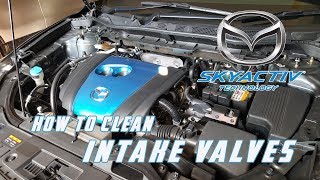
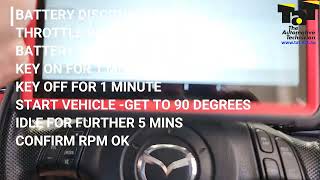
Typical fix: Perform an intake valve cleaning (decarbonization) procedure. This can be done via chemical cleaning (soaking the valves with a solvent) or media blasting (e.g., walnut blasting). Mazda's TSB procedure involves soaking the valves with cleaner and then manually scraping the deposits off with non-metallic tools.
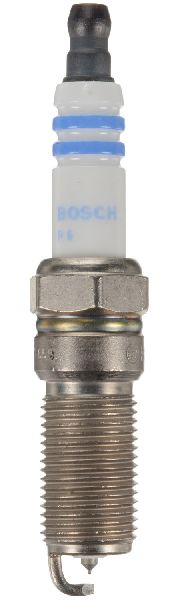
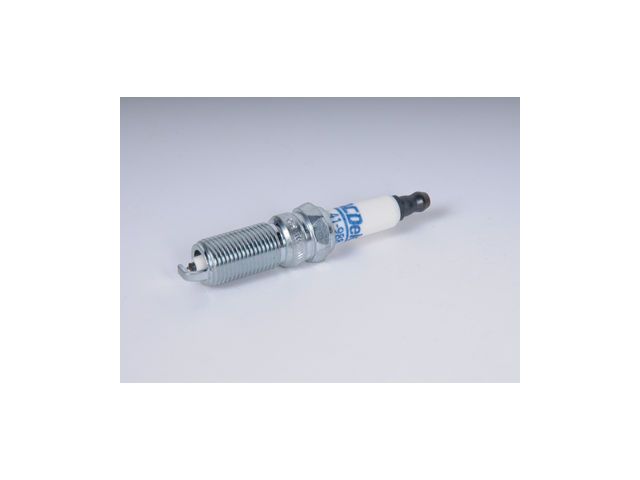
Est. part cost: $20-$50 (for chemicals) - Worn or Incorrect Spark Plugs 🟡 Medium Probability → Shop Spark Plug Normal wear item with a 75,000-mile replacement interval. Skyactiv engines are sensitive to spark plug quality and condition. Using non-specified plugs or extending the service interval can cause misfires.
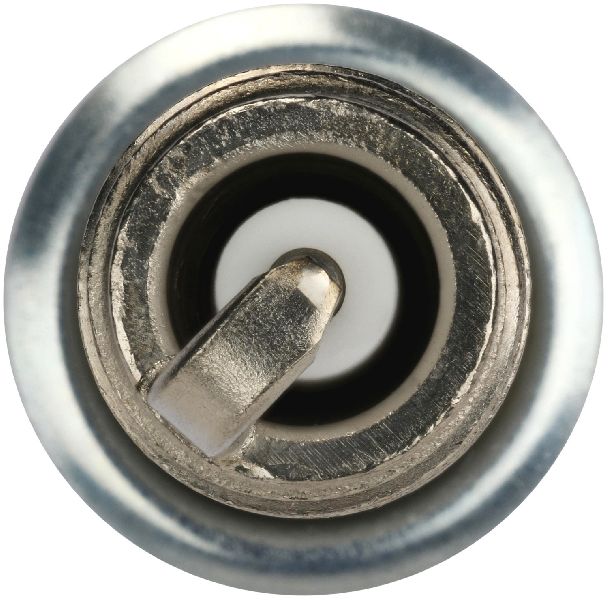
How to confirm: Remove and inspect the spark plugs for wear (worn electrode), damage, fouling, or incorrect gap. Check service records to see when they were last replaced.
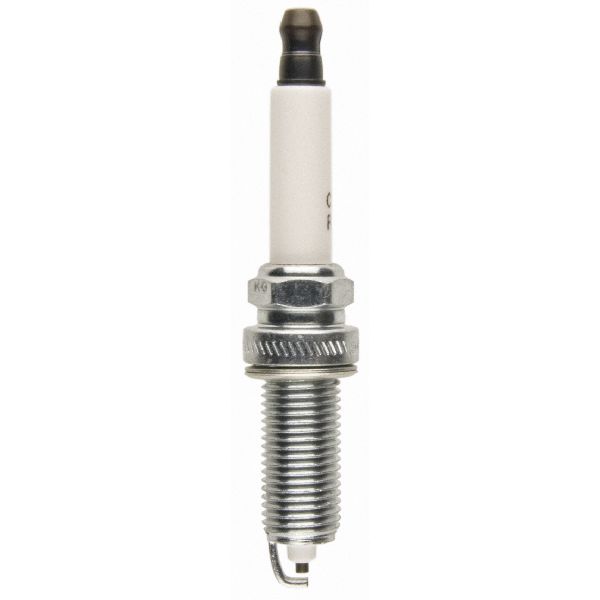
Typical fix: Replace all four spark plugs with the correct OEM-specification Iridium plugs, such as NGK or Denso. Always replace as a set.
Est. part cost: $40-$80 - Vacuum Leak ⚪ Low Probability
How to confirm: A vacuum leak introduces unmetered air into the engine, leaning out the air/fuel mixture. This can be confirmed by a professional using a smoke machine to find the source of the leak. Common sources include a cracked PCV hose, intake manifold gaskets, or a stuck-open EVAP purge valve.
Typical fix: Replace the leaking hose, gasket, or valve.
Est. part cost: $20-$150
Rare But Worth Checking
- Dirty Mass Airflow (MAF) Sensor: → Shop Fuel Injection Air Flow Meter The MAF sensor measures air entering the engine. If dirty, it can send incorrect data to the PCM, affecting the air-fuel ratio and potentially causing a misfire. Cleaning it is simple and inexpensive. A failed MAF sensor has been noted as a cause for no-start conditions in Skyactiv models.
- Clogged or Failing Fuel Injectors: → Shop Fuel Injector While less common than ignition or carbon issues, a dirty or failing fuel injector can disrupt fuel flow to a cylinder. One owner on a Reddit forum reported a fix involving replacing all four injectors. Another on the ScannerDanner forum traced a persistent P0303/P0300 to a clogged cylinder 3 injector.
- Stuck or Faulty EGR Valve: → Shop Exhaust Gas Recirculation (EGR) Valve A stuck-open EGR valve can create a vacuum leak condition at idle, causing a rough idle and random misfires. A user on the Mazdas247 forum reported their dealership diagnosed and replaced a faulty EGR valve to resolve a persistent P0300 code after plugs and coils were replaced. Manufacturer Bulletin #01-001-21-3761a notes that carbon deposits pinched at the valve seat can prevent the EGR valve from closing, leading to an occasional rough idle and DTC P0300.
- Faulty High-Pressure Fuel Pump: → Shop Fuel Pump Mazda issued TSB #01-010/14 for some 2012-13 Mazda3 models for a faulty high-pressure fuel pump that could cause performance issues and misfires.
- PCM Software Issue in Cold Weather: TSB 01-005/15 was issued for 2012-2013 Skyactiv models where improper PCM logic during repeated short trips in very cold weather (<14°F / -10°C) could cause misfires and fuel in the oil. The fix is a PCM reprogram and an oil change. Additionally, Bulletin #01-012-24 indicates that a P0300:00 code may be caused by a mis-detection of a misfire due to improper PCM control logic.
Diagnosis Steps
- Read the freeze frame data with an OBD-II scanner to understand the engine conditions (RPM, load, temperature) when the code was set. This can help differentiate a cold-start carbon issue from a high-load ignition issue.
- Inspect the ignition coils. Check for the 'YUMEBISHI' brand and a 4-digit lot number, which indicates the faulty parts described in TSB 01-014/16. The updated 'MITSUBISHI' coils have a 5-digit lot number.
- If coils are the original faulty type, replace all four coils and all four spark plugs. The updated OEM part number for the coil is PE20-18-100A.
- If coils are not the known faulty type, perform a swap test. Move the ignition coil from a misfiring cylinder (if a specific one is identified via Mode 6 data) to a known good cylinder. Clear the codes and drive. If the misfire code follows the coil (e.g., P0301 moves to P0302), the coil is bad.
- Inspect the spark plugs for wear, fouling, or damage. Replace if necessary with OEM-spec Iridium plugs.
- If the misfire persists, especially on cold starts, suspect carbon buildup on the intake valves as described in TSB 01-012/19. This diagnosis is best confirmed with a borescope.
- If no issues are found with ignition or carbon, check for vacuum leaks. A smoke test is the most effective method to find leaks from hoses, the intake manifold gasket, or the EVAP purge valve.
- As a final step, consider cleaning the MAF sensor and testing fuel pressure and injector function. A clogged injector has been a confirmed, though less common, fix.
Parts You'll Likely Need
- Ignition Coil
(OEM #PE20-18-100A)— The original 'YUMEBISHI' coils are a known failure point addressed by TSB 01-014/16. Replacing them with the updated Mitsubishi design (PE20-18-100A) is the most common fix.
Trusted brands: Mazda OE (Mitsubishi), NGK, Bosch, Denso
OEM price range: $60-$90 each
Aftermarket price range: $30-$60 each - Spark Plug
(OEM #PE5R-18-110)— Always replaced with ignition coils as a set. Worn plugs are a common cause of misfires on their own. The recommended interval is 75,000 miles.
Trusted brands: NGK, Denso
OEM price range: $15-$25 each
Aftermarket price range: $10-$20 each
Related Codes That Often Appear With This One
- P0301, P0302, P0303, P0304 — These codes indicate a misfire isolated to a specific cylinder. A P0300 may appear first, and then as the PCM isolates the problem, it may trigger a cylinder-specific code, which is helpful for diagnosis.
- P0171 - System Too Lean — This code often accompanies P0300 if the root cause is a vacuum leak or a dirty MAF sensor, as these issues introduce unmetered air and disrupt the air-fuel ratio.
Technical Service Bulletins (TSBs) & Recalls
- TSB 01-014/16 (also cited as 01-014-16-3208): Addresses faulty original equipment 'YUMEBISHI' ignition coils causing misfires (P0300-P0304). Recommends replacement with updated 'MITSUBISHI' coils.
- TSB 01-012/19 (supersedes 01-001/16): Addresses carbon buildup on intake valves causing misfires on cold starts, requiring decarbonization and a PCM update. Bulletin #01-012-19-3612 further documents that vehicles may experience the Check Engine Light with DTC P0300:00 through P0304:00 stored in memory.
- TSB 01-005/15: Addresses a PCM software issue on some 2.0L models causing misfires and fuel in oil during repeated short trips in very cold weather.
- Bulletin #01-007-19-3541: Notes that in temperatures below 32 degrees Fahrenheit (0 degrees Celsius), some vehicles may exhibit a rough idle and/or the check engine light with DTCs P0300 through P0303 stored in memory.
Platform-Specific Known Issues
- A Technical Service Bulletin (TSB 01-014/16) was issued for faulty 'YUMEBISHI' ignition coils that were prone to internal failure due to large temperature swings, causing misfires.
Mechanic-Grade Diagnostic Values
- High-Pressure Fuel Rail Pressure at Idle — expected: 3.0 MPa (435 psi) or more. Failure: Pressure is significantly below 3.0 MPa (435 psi), pointing to a failing high-pressure fuel pump (HPFP).
- Low-Pressure Fuel Pump Pressure — expected: 55-71 psi (with key on, engine off). Failure: Pressure below this range indicates a problem with the in-tank fuel pump or its supply circuit, which can starve the HPFP.
- Freeze Frame Data for Carbon Buildup Misfire — expected: LOAD_C: > 70%, ECT: < 100°F, RPM: > 1300, VSS: 0 MPH, SPARKADV: -21 to -8, EG_RUN_TIME: < 45 seconds. Failure: If the misfire code was set under these specific cold-start, high-load, pre-warmup conditions, it strongly suggests carbon buildup on the intake valves is the cause.
Hidden / Shadow Codes Worth Checking
- Mode $06 Misfire Monitor (TID $A2-$A7, CID $0C): This is not a specific code but a diagnostic mode that shows raw misfire counts for each cylinder before they are high enough to trigger a specific P0301-P0304 code. It is invaluable for identifying the source cylinder(s) when only a general P0300 is present. (see via Use a scan tool with Mode $06 capability, such as Mazda's IDS, FORScan, or other professional-grade scanners. The data is typically found under 'Misfire Data Monitor' or 'Test Results'.)
Scan Tool Commands That Help
- Mazda IDS / FORScan: Mode $06 Misfire Data Monitor — Use when a P0300 is present without any cylinder-specific codes. Watching the live misfire counts for each cylinder can reveal which cylinder is the primary offender, focusing diagnostic efforts.
- Mazda IDS / J2534 Device: Module Reprogramming (PCM) — Required to apply fixes for TSBs related to misfires, such as the cold weather logic issue (TSB 01-005/15) or the carbon buildup logic update (TSB 01-012/19).
- Mazda IDS / M-MDS: PID Monitoring (FUEL_PRES) — To diagnose a potential fuel delivery issue. Monitor the 'FUEL_PRES' PID to compare actual high-pressure fuel rail pressure against the desired value under various engine loads.
Wiring & Ground Locations
- Engine Block Ground (near oil filter housing) — On the engine block, attached to a bolt for the oil filter housing.. A technician documented that this ground point is poorly designed, as the housing's gasket can insulate the ground connection, leading to intermittent electrical faults that could cause misfires. The main engine ground should be relocated to a more secure point on the block.
- G1 / G2 — Behind the left (driver's side) headlight assembly.. These are primary chassis ground points. Corrosion or looseness here can affect multiple systems, including the PCM and ignition components.
- G4 — Right side of the engine compartment.. An important ground point for engine-related components. Verifying it is clean and tight is a key step in diagnosing elusive electrical issues causing a P0300.
- G31 — In the right (passenger side) kick panel area.. This is an interior ground point. While less likely to cause an engine misfire, it can affect modules that communicate with the PCM, so it's worth checking if communication (U-codes) issues are also present.
Real Owner Repair Stories
- Mazdas247 forum user (2012-2013 Mazda 3 (specifics not mentioned)) — Persistent P0300 random misfire.
❌ Tried (didn't work) Replacing spark plugs, Replacing ignition coils
✅ What actually fixed it The dealership diagnosed and replaced a faulty EGR valve, which resolved the P0300 code. - ScannerDanner Forum user 'Ziptieracing' (2013 Mazda 3 2.0L Skyactiv, ~75k miles) — P0303 and sometimes P0300, occurring under high load in cold weather. Severe enough to put the car into 'limp mode', shutting off injector #3.
❌ Tried (didn't work) Replaced spark plugs, Swapped known-good ignition coils, Checked for vacuum leaks with throttle body cleaner, Walnut blasted intake valves, Replaced PCV valve, Flashed PCM/TCM to latest software
✅ What actually fixed it The user's detailed post confirms the issue was traced to a clogged #3 fuel injector, which was not flowing correctly despite extensive diagnosis of other systems. - Reddit user on r/mazda3 (2015 Mazda 3 2.0L Skyactiv (relevant engine)) — Vibration and loss of speed on the highway, shaking badly at idle.
❌ Tried (didn't work) Replacing the battery
✅ What actually fixed it The Mazda dealership replaced one ignition coil, all four fuel injectors, and the throttle body gasket to resolve the issue. - NHTSA ODI #11675874 — An owner reported that while driving, warning lights and messages were activated; a scan revealed DTC P0300 (Random/Multiple Cylinder Misfire) and P0304 (Cylinder 4 Misfire).
"I Checked Everything" — The Actual Cause
- In one documented case, a smoke test of the intake manifold revealed no leaks, but the P0300 persisted. The actual cause was only found after removing the intake manifold: it was severely restricted with carbon buildup, disrupting airflow. Cleaning the carbon from the manifold and cylinder head passages fixed the misfire.
- A P0300 was traced to a warped engine air filter box gasket. This leak occurred *before* the MAF sensor and throttle body, so a standard smoke test that pressurizes the system from the throttle body onward would not have detected it. The unmetered air leaned out the mixture and caused the random misfires.
When the Usual Fixes Don't Work
- While faulty ignition coils and spark plugs are the most common cause of P0300 on this vehicle, numerous owner reports confirm these are not the only culprits. In multiple documented cases, owners replaced all plugs and coils only to have the misfire persist. The final repair in these instances often involved less common causes, such as replacing a faulty EGR valve, replacing clogged fuel injectors, or performing a deep cleaning of carbon from the intake valves and passages. This highlights the importance of not stopping diagnosis after replacing the most common parts if the problem is not resolved.
OEM Part Supersession History
p51b-18-100, pe01-18-100→PE20-18-100A, PE20-18-100B— The original 'YUMEBISHI' brand coils were identified as faulty in TSB 01-014/16. The superseding parts are made by Mitsubishi and are more reliable.PE5R-18-110→PE5R-18-110A, PE5S-18-110— Minor revision and alternative part numbers for the OEM-spec Iridium spark plugs.
Heads up: PE5R and PE5S are generally interchangeable for this application, but always confirm with the dealer for the specific VIN.
Model Year Variations Within This Range
- 2013 vs 2012: While mechanically similar, the 2013 model offered significant trim and feature upgrades over the 2012, especially on the i Grand Touring trim, which gained an updated touchscreen infotainment system, advanced keyless entry, and optional manual transmission. These changes do not directly affect the root causes of P0300 but are important for identifying the vehicle's equipment.
- 2012-2013: Multiple PCM software updates were released to address various issues, including rough idle (MSP38), flickering headlights, and misfire logic in cold weather (TSB 01-005/15). A 2013 model is more likely to have newer software than an un-serviced 2012 model, potentially affecting its susceptibility to certain software-related misfire triggers.
Diagnostic Flowchart
Other Known Issues on This Vehicle
Issues unrelated to this code that are worth knowing about as an owner of this generation:
- Failing Automatic Transmission Control Module (TCM) 🔴 High — Affects non-Skyactiv models more commonly, but has been reported. Can cause harsh shifting or getting stuck in gear.
- Leaking/Failing Hydraulic Drive Belt Tensioner 🟠 Medium — A known issue on the 2.0L Skyactiv engine that causes a rattling noise on acceleration.
- Faulty Shifter Switch 🟡 Low — A common problem where the car fails to recognize it is in Park, preventing it from shutting off completely. A TSB exists for this issue. (Ref: TSB exists, but number not specified in search results.)
- Cupped/Noisy Rear Tires 🟡 Low — Improper alignment or lack of regular tire rotations can cause the rear tires to wear unevenly, creating a loud rumbling or humming noise.
- Whining Noise from Automatic Transaxle 🟠 Medium — Some 2012-2014 models may experience a whining noise from the automatic transaxle at speeds of 10 MPH and above. (Ref: TSB #05-004-14-2867)
Used vs. New Parts: Buying Guide for This Vehicle
When a used part is the smart pick: For this repair, used parts are generally not recommended for the primary failure items. However, simple, non-wear mechanical components like a replacement air filter box or intake manifold (if thoroughly cleaned of carbon) could be sourced from a reputable salvage yard to save money.
Donor-vehicle mileage cap: roughly under 80000 miles for the part to have meaningful remaining life.
What to inspect on the donor part:
- For an intake manifold, inspect with a borescope or flashlight for heavy carbon deposits; prefer parts from lower-mileage vehicles.
- Check plastic components like the airbox for cracks, warping, or broken tabs.
- Avoid parts from vehicles that show signs of being in a major front-end collision.
OEM-only on this vehicle (don't cheap out):
- High-Pressure Fuel Pump (HPFP) - This is a known failure point; a used pump is a significant gamble. New OEM is the only reliable option.
- Mass Airflow (MAF) Sensor - Skyactiv engines are sensitive to airflow readings; aftermarket MAF sensors are a common source of new problems.
- Fuel Injectors - Due to the precision of direct injection, used injectors are not advised. Opt for new OEM or a professional cleaning and flow-testing service for existing injectors.
Aftermarket brands forum-validated for this vehicle:
- Ignition Coils: NGK, Denso, Bosch
- Spark Plugs: NGK, Denso (use OEM Iridium spec)
Brands owners have reported issues with on this vehicle:
- Unbranded, low-cost ignition coils and spark plugs from online marketplaces. Forum discussions frequently link these parts to persistent or new misfire issues.
Real Owner Stories
Aggregated from forums and TSBs cited above. Mileages and costs reflect what owners reported in those sources.
2013 Mazda 3 Skyactiv 2.0L
Symptoms: Persistent P0303 and sometimes P0300 misfire that was worse in cold weather. Owner tried replacing spark plugs and ignition coils without success.
What fixed it: The final solution was replacing a clogged cylinder 3 fuel injector.
Source hint: ScannerDanner Forum thread titled '13 mazda 3 skyactiv p0303 and sometimes p0300'
2012 Mazda 3 2.0L Skyactiv-G
Symptoms: P0300 error code triggered.
What fixed it: A visual inspection revealed rodent damage to the ignition coil wiring harness.
Source hint: Reddit r/MechanicAdvice thread titled '2012 mazda 3 p0300 error code'
Related OBD-II Codes
Frequently Asked Questions
How can I tell if my 2012-2013 Mazda 3 has the faulty ignition coils mentioned in TSB 01-014/16?
What is the updated part number for the reliable Mitsubishi ignition coils?
My Mazda 3 Skyactiv misfires specifically during cold starts. Does a TSB cover this?
Is there a specific spark plug replacement interval for the Skyactiv-G engine to avoid P0300 codes?
Could my P0300 code be related to driving in extremely cold weather?
Are there any other Skyactiv models that share these specific ignition coil and carbon buildup issues?
Helpful Videos
We Have This Part in Stock

The information in this article is provided for general reference and educational purposes only. Vehicle specifications, procedures, and part compatibility can vary by production date, trim level, and region. Always consult your vehicle's factory service manual and verify part numbers before purchasing or performing repairs. Safety-critical components such as airbags, seat belts, and braking systems should be installed by a qualified professional.
- Mazda 3:
- 🧭 Diagnostic Flowchart
- 🎬 Helpful Videos
- 🛍️ Shop This Part
- What's Unique About the 2012-2013 Mazda 3
- Symptoms You May Notice
- Most Likely Causes
- Rare But Worth Checking
- Diagnosis Steps
- Parts You'll Likely Need
- Related Codes That Often Appear With This One
- Technical Service Bulletins (TSBs) & Recalls
- Platform-Specific Known Issues
- Mechanic-Grade Diagnostic Values
- Hidden / Shadow Codes Worth Checking
- Scan Tool Commands That Help
- Wiring & Ground Locations
- Real Owner Repair Stories
- "I Checked Everything" — The Actual Cause
- When the Usual Fixes Don't Work
- OEM Part Supersession History
- Model Year Variations Within This Range
- Other Known Issues on This Vehicle
- Used vs. New Parts: Buying Guide for This Vehicle
- Real Owner Stories
- 2013 Mazda 3 Skyactiv 2.0L
- 2012 Mazda 3 2.0L Skyactiv-G
- Related OBD-II Codes
- Frequently Asked Questions
- 🎟️ Get 5% Off