

P0300 on 2007-2015 Mazda CX-9 3.7L V6: Random Misfire Causes and Fixes
For a P0300 code on a 2007-2015 Mazda CX-9, the most common causes are worn-out spark plugs and failing ignition coils. It's highly recommended to replace all six spark plugs and any faulty ignition coils as a first step. The rear three coils are under the intake manifold, so it's wise to replace all six at once. This is a DIY-friendly job for the front bank, but more involved for the rear, with parts costing between $100 and $300.
- P0300 means multiple cylinders are misfiring, and the problem is not isolated to just one.
- Always start your diagnosis with the cheapest and most common culprits: the spark plugs. Replace all six if they are old.
- Failing ignition coils are the next most likely cause. Test them by swapping coils between cylinders.
- A flashing check engine light is a serious warning that catalytic converter damage is occurring. Reduce engine load and get the vehicle serviced promptly.
- Be aware of the 3.7L engine's internal water pump design flaw. Periodically check your oil for signs of coolant contamination (a milky appearance).
What's Unique About the 2007-2015 Mazda CX-9
The 2007-2015 Mazda CX-9 uses a Ford-derived 3.7L 'MZI' V6 engine, which is part of the Ford Cyclone engine family. While generally reliable, this engine is known for being sensitive to spark plug and ignition coil quality. A failing ignition coil can also short out and damage the PCM, a known issue on this platform. Additionally, this engine has a notorious design flaw: an internal, timing-chain-driven water pump. While a P0300 code is not a direct symptom of water pump failure, an undetected coolant leak from the pump can contaminate the oil, leading to timing issues and, eventually, misfires as the engine health degrades.
Symptoms You May Notice
- Rough or shaking idle
- Hesitation or stumbling during acceleration
- Noticeable loss of engine power
- Flashing Check Engine Light (CEL)
- Solid (non-flashing) Check Engine Light
- Reduced fuel economy
- Difficulty starting the engine
- Engine stalling after starting
- Gasoline smell from the exhaust
- Replacing only one spark plug or coil when multiple are worn.
- Replacing fuel injectors when the actual problem is a simpler and cheaper ignition coil or spark plug.
- Replacing O2 sensors. While a bad O2 sensor can affect the air-fuel mixture, it's less likely to be the primary cause of a random misfire code compared to ignition system faults or a large vacuum leak.
Most Likely Causes
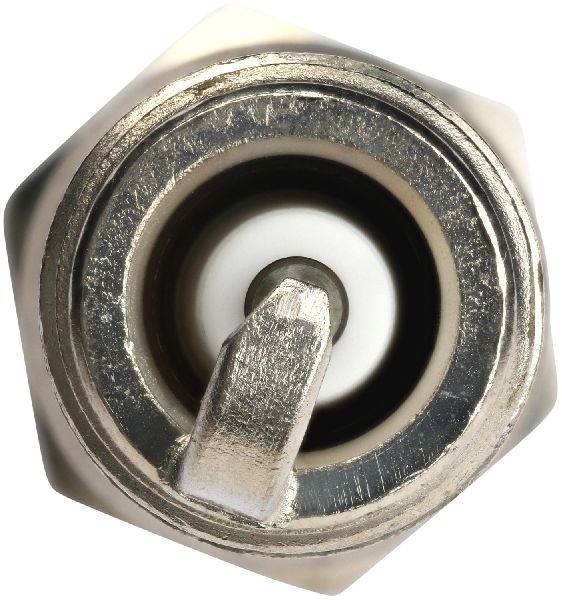
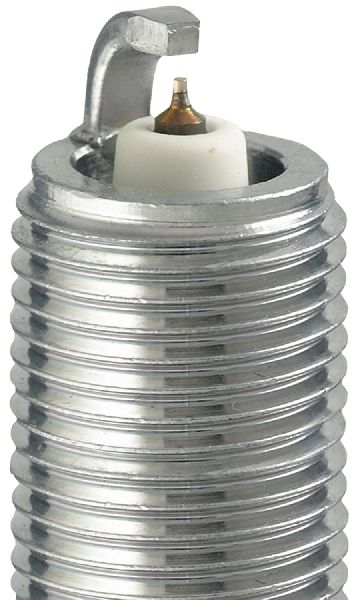
- Worn or Fouled Spark Plugs 🔴 High Probability → Shop Spark Plug The 3.7L V6 is sensitive to spark plug condition and gap. Plugs are a routine maintenance item and are often the first component to degrade, causing misfires under load. Using incorrect or cheap plugs can cause issues.
How to confirm: Remove the spark plugs and inspect them for wear on the electrode, carbon buildup, oil fouling, or a cracked insulator. The recommended service interval is typically around 100,000 miles, but they can fail sooner.
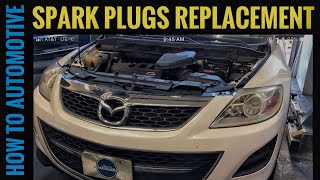
Typical fix: Replace all six spark plugs. It is critical to use high-quality OEM-spec plugs (e.g., Iridium) and ensure they are gapped correctly. The rear three plugs are difficult to access, requiring removal of the upper intake manifold.
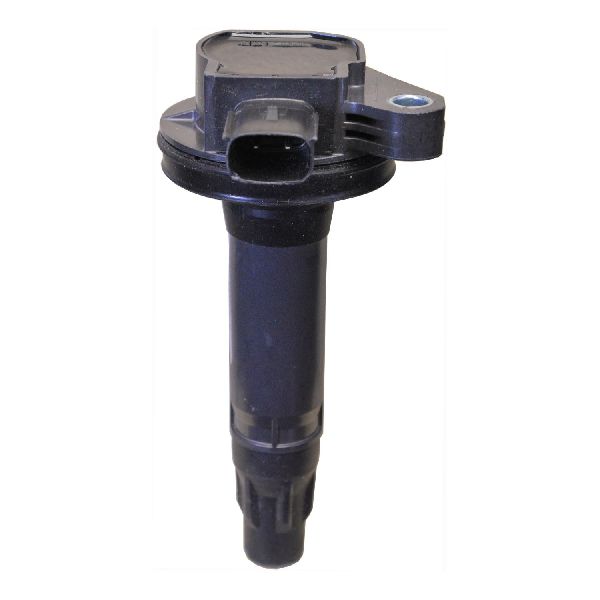
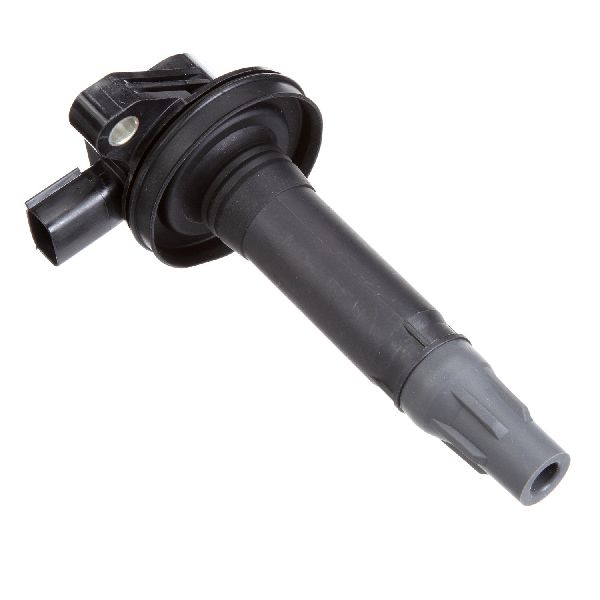
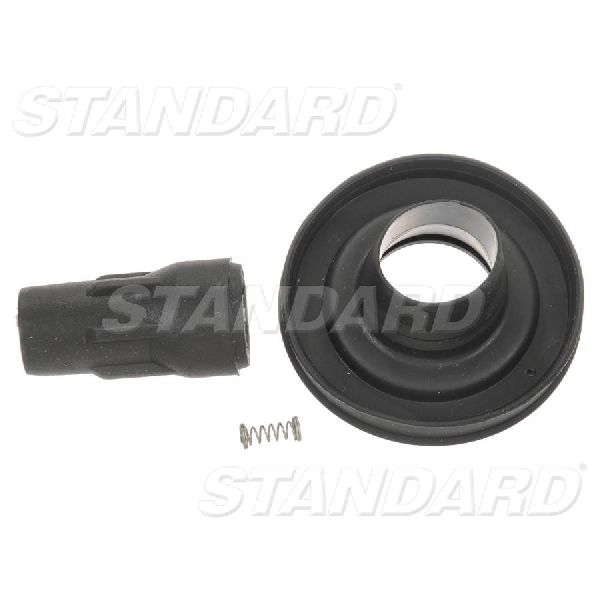
Est. part cost: $60-$120 - Failing Ignition Coils 🔴 High Probability → Shop Ignition Coil Ignition coils on this engine are a very common failure point. Heat and age cause the internal windings to break down, resulting in a weak or inconsistent spark. A failing coil can also short and send a voltage spike to the PCM, damaging the computer.
How to confirm: Use a scan tool with live data to monitor misfire counts per cylinder. If you can identify a specific misfiring cylinder (even with a P0300), swap its ignition coil with a known good cylinder. If the misfire follows the coil, the coil is bad. The front three coils are easy to access; the rear three are under the intake manifold. A failing coil may also have visible cracks or burn marks, and sometimes emits a burnt smell.
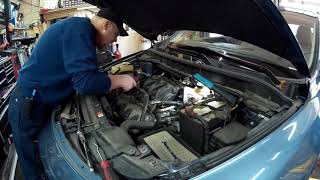
Typical fix: Replace the faulty ignition coil. Many owners choose to replace all six coils at the same time as the spark plugs for preventative maintenance, especially given the labor to access the rear bank. 🎬 See how to remove the intake manifold to reach rear coils.
Est. part cost: $40-$80 per coil - Vacuum Leak 🟡 Medium Probability Aging rubber hoses and plastic intake components can crack and leak. A common culprit is a failed PCV valve or a cracked PCV hose, which introduces unmetered air. A significant leak in the intake manifold gasket or brake booster line also causes misfires across multiple cylinders.
How to confirm: Perform a smoke test by introducing pressurized smoke into the intake system. Smoke will escape from any leaks, making them easy to spot. A visual inspection of all vacuum lines for cracks or loose connections is a good first step. A hissing noise from the engine bay is also a strong indicator.
Typical fix: Replace the leaking gasket or hose. The PCV valve is an inexpensive and common replacement item that can prevent larger issues.
Est. part cost: $20-$100 - Clogged or Failing Fuel Injectors ⚪ Low Probability → Shop Fuel Injector
How to confirm: Symptoms of a bad injector are nearly identical to a bad coil. After ruling out ignition issues, a professional can perform a fuel injector balance test. In some cases, a failing injector will also trigger a specific circuit code like P0201-P0206. Swapping injectors between cylinders is possible but is a much more labor-intensive diagnostic step.
Typical fix: Replace the faulty fuel injector(s). This job often requires removing the upper intake manifold. Some owners report success with professional fuel system cleaning services.
Est. part cost: $50-$150 per injector
Rare But Worth Checking
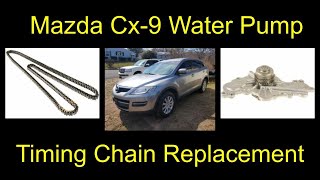
- Internal Water Pump Failure: This is a catastrophic failure specific to the 3.7L engine. The water pump is located inside the engine and driven by the timing chain. When it fails, it leaks coolant directly into the engine oil. Early signs include milky-looking oil on the dipstick or oil cap, and unexplained coolant loss. 🎬 Watch: How to spot the early signs of water pump failure. While not a direct cause of P0300, the resulting oil contamination and engine damage can manifest as misfires or timing codes (e.g., P0016, P0018). If you suspect this, stop driving immediately and have the vehicle inspected by a professional.
- Failed Powertrain Control Module (PCM): → Shop Engine Control Module (ECM) A failing ignition coil can short circuit and send a high-voltage spike back to the PCM, destroying the internal driver circuit for that coil. This results in a 'dead' cylinder that will not fire even with a new coil and plug. This often presents as a persistent single-cylinder misfire code (e.g., P0301) along with a coil circuit code (e.g., P0351), but can contribute to a P0300. This is a known issue on the Ford/Mazda platform. The fix requires repairing or replacing the PCM.
- Low Fuel Pressure: A weak fuel pump or clogged fuel filter can starve the engine for fuel, causing lean misfires on all cylinders, especially under heavy acceleration. This can be confirmed by testing the fuel pressure at the fuel rail.
- Clogged Catalytic Converter: → Shop Catalytic Converter If the catalytic converter becomes clogged, it creates excessive exhaust backpressure, which can choke the engine and lead to misfires. This is often a consequence of long-term misfiring that destroyed the converter, not the initial cause. An exhaust backpressure test can confirm this.
- EGR Valve Obstruction: → Shop Exhaust Gas Recirculation (EGR) Valve A manufacturer service bulletin notes that some vehicles may exhibit an occasional rough idle accompanied with DTC P0300:00 because carbon deposits pinched at the valve seat prevent the EGR valve from closing fully (Bulletin #01-001-21-3761a).
Diagnosis Steps
- Check for any other stored trouble codes with an OBD-II scanner. Codes like P0171/P0174 strongly suggest a vacuum leak. Codes like P035X point directly to a coil/circuit issue.
- If the Check Engine Light is flashing, avoid heavy acceleration to protect the catalytic converters.
- Inspect the engine oil. Check the dipstick for level and condition. A milky, coffee-like appearance is a sign of coolant contamination from a failing internal water pump. If seen, stop immediately.
- Start with the most common and affordable fixes: Inspect and replace all six spark plugs. Use high-quality plugs like NGK Iridium or the OEM Motorcraft part. The rear bank requires removing the intake manifold.
- While replacing the plugs, inspect the ignition coil boots for any signs of cracking, oil saturation, or carbon tracking (burn marks).
- If the problem persists, test the ignition coils. The easiest method is to swap a suspected bad coil with a known good one and see if the misfire moves with it (requires a scan tool that can show per-cylinder misfire data).
- Check for vacuum leaks. Visually inspect all hoses connected to the intake manifold, especially the PCV hose. For a definitive diagnosis, have a smoke test performed.
- Test fuel pressure to rule out a weak fuel pump or clogged filter.
- If a misfire persists on one cylinder after a new plug and coil, suspect either a bad fuel injector or a damaged PCM driver for that cylinder.
Parts You'll Likely Need
- Spark Plugs (Set of 6)
(OEM #ZZJ1-18-110)— This is the most common cause of random misfires on the 3.7L V6 as they are a primary wear item in the ignition system.
Trusted brands: Motorcraft (OEM), NGK, Denso
OEM price range: $90-$150 (set of 6)
Aftermarket price range: $60-$120 (set of 6) - Ignition Coil
(OEM #Motorcraft W0133-1935153 or CY01-18-100A)— Ignition coils are another extremely common failure point on this engine, often causing misfires under load.
Related Codes That Often Appear With This One
- P0301-P0306 — These are cylinder-specific misfire codes. A P0300 may appear first, and as the problem worsens, the PCM might isolate the fault to a specific cylinder and set one of these codes.
- P0171 / P0174 — These codes indicate a 'System Too Lean' condition on Bank 1 and Bank 2, respectively. They often accompany a P0300 when the root cause is a large vacuum leak, as the unmetered air affects both cylinder banks.
- P0351-P0356 — These codes indicate a fault in the ignition coil primary/secondary circuit. They point directly to a failing ignition coil or, in rarer cases, a bad PCM driver circuit.
Technical Service Bulletins (TSBs) & Recalls
- Mazda SSP 92: Extended warranty for Power Transfer Unit (PTU) on 2010-2014 models.
- Mazda SSP 93: Extended warranty for Power Brake Booster on 2007-2013 models.
- Mazda TSB 01-026/11: Addresses PCM replacement in conjunction with ignition coil failures.
- Ford TSB 13-4-17: Recommends replacing the PCM, all coils, and plugs if a coil shows heat damage on the related 3.5L engine.
- Bulletin #01-001-21-3761a: Describes how carbon deposits pinched at the EGR valve seat can prevent the valve from closing, leading to a rough idle and DTC P0300.
Platform-Specific Known Issues
- The 3.7L V6 engine features an internal water pump driven by the timing chain. A failure of this pump can cause coolant to mix with engine oil, leading to catastrophic engine damage. While P0300 is not a direct symptom, it can be an early sign of the resulting engine problems. Always check for milky, contaminated oil if you have a persistent, hard-to-diagnose misfire.
Mechanic-Grade Diagnostic Values
- Ignition Coil Primary Resistance — expected: Approximately 0.4 to 2.0 ohms. Failure: A reading outside this range, or an open circuit (no reading), indicates a faulty coil.
- Ignition Coil Secondary Resistance — expected: Approximately 6.0 kΩ (6,000 ohms). Failure: An open circuit (no reading) or a value significantly different from the specification points to a failed secondary winding.
- Ignition Coil Connector Power Supply — expected: At least 10V with Key On, Engine Off (KOEO). Failure: Voltage below 10V suggests a problem with the power supply wiring or the IG COIL fuse.
- Ignition Coil PCM Driver Signal — expected: A test light connected between the power and signal pins on the connector should blink consistently while cranking.. Failure: The test light staying on solid or not lighting up at all indicates a wiring issue or a failed PCM driver.
- Mode $06 Misfire Counts — expected: Zero or very low counts per cylinder.. Failure: A high number of misfire counts logged under Test IDs $A2 through $A7 corresponds to misfires on cylinders 1 through 6, respectively. This can help identify a problem cylinder even with a P0300 code.
Scan Tool Commands That Help
- Mazda IDS (or equivalent high-level scanner): Power Balance Test — This function allows a technician to disable one cylinder at a time and observe the drop in engine RPM. If disabling a cylinder results in little or no change in RPM, it confirms that cylinder is not contributing power, pinpointing the source of a misfire without swapping parts.
Wiring & Ground Locations
- PCM (Powertrain Control Module) — Located in the engine bay, on the driver's side, near the rear corner.. The PCM controls the ignition coils. A damaged PCM driver circuit is a known cause of persistent misfires on this platform.
- G3 (Engine Bay Ground) — Located on the left (driver's) side of the engine compartment.. A poor engine ground can cause numerous electrical issues, including weak spark and random misfires.
- G11 (Dash Ground) — Located behind the left (driver's) side of the dashboard.. This ground point is part of the circuitry for the instrument cluster and can be related to PCM functions. A loose connection here could cause erratic behavior.
- Ignition Coil Fuse — A 25A fuse labeled 'IG COIL' is located in the main fuse block in the left rear of the engine compartment.. This fuse supplies power to all six ignition coils. If it blows, the engine will not start. Intermittent connection issues here could cause random misfires.
Real Owner Repair Stories
- Mazdas247 Forum User (2011 Mazda CX-9) — P0300 code with rough idle and hesitation, particularly after the engine warms up.
❌ Tried (didn't work) Replacing all 6 spark plugs, Replacing all 6 ignition coils
✅ What actually fixed it The PCV hose, which runs from the PCV valve to the intake manifold, had become soft and was collapsing under vacuum when the engine got hot. This created a massive, intermittent vacuum leak. Replacing the faulty PCV hose resolved the P0300 code. - NZ DIAGNOSTICS on YouTube (2010 Mazda CX-9 with over 100,000 miles) — Misfire under load, P0300 code.
❌ Tried (didn't work) Initial inspection of front bank plugs and coils showed wear but no definitive failure.
✅ What actually fixed it Upon removing the rear bank coils (under the intake manifold), a spark tester revealed one ignition coil was arcing from its side to the engine block instead of sending spark to the plug. The final repair was replacing all six spark plugs and the three rear-bank ignition coils.
"I Checked Everything" — The Actual Cause
- A user on a Mazda forum reported chasing a P0300 code after replacing plugs and coils. A smoke test revealed no vacuum leaks. The final cause was discovered to be a faulty EVAP purge solenoid that was stuck partially open, creating an unmetered air leak that the smoke test did not reveal.
When the Usual Fixes Don't Work
- While spark plugs and ignition coils are the most frequent culprits, numerous owner reports confirm that a P0300 can persist after these parts are replaced. In one documented case, the final solution was a collapsed PCV hose that only created a vacuum leak when hot. In another, a faulty EVAP purge solenoid was the cause. These instances highlight the need to look beyond the ignition system if the initial, common fixes do not resolve the misfire.
OEM Part Supersession History
CY01-18-100A→CY01-18-100B— Standard part revision by Mazda, likely for improved durability or manufacturing consistency.
Model Year Variations Within This Range
- 2007 only: The 2007 model year CX-9 used a 3.5L V6 engine. In 2008, this was upgraded to the 3.7L V6 for the remainder of the first generation. While many causes are similar, some parts are not interchangeable.
- 2013-2015: The CX-9 received a significant facelift for the 2013 model year, featuring updated exterior styling and interior technology. However, the 3.7L V6 engine and transmission remained unchanged, so the causes and fixes for a P0300 code are consistent with earlier (2008-2012) 3.7L models.
Diagnostic Flowchart
Other Known Issues on This Vehicle
Issues unrelated to this code that are worth knowing about as an owner of this generation:
- Internal Water Pump Failure 🔴 High — Common at mileages over 80,000. Failure can be premature. A known catastrophic design flaw where the pump, driven by the timing chain, leaks coolant into the engine oil. (Ref: Subject of class-action lawsuit (Case 8:17-cv-01583-JLS-JDE).)
- AWD Transfer Case (PTU) Failure 🔴 High — Very common. The unit overheats, causing the gear oil to break down and leading to internal failure, often signaled by a burning smell or grinding noises. (Ref: Mazda Special Service Program (SSP 92) extended warranty coverage for this issue.)
- Power Brake Booster Failure 🔴 High — Common across 2007-2013 models. Characterized by a hard brake pedal and a hissing sound from the driver's footwell upon braking. (Ref: Mazda Special Service Program (SSP 93) extended warranty coverage. Subject of NHTSA investigation PE14003.)
- Hard Shifting / Transmission Problems 🟠 Medium — Reported frequently enough to be a known weakness. Can sometimes be addressed with a PCM reprogram at the dealer, but may also indicate internal wear.
- Water Damage to Body Control Module (BCM) 🟠 Medium — Caused by clogged sunroof drains that overflow and drip water onto the BCM located in the driver's side kick panel, leading to various electrical issues.
Used vs. New Parts: Buying Guide for This Vehicle
When a used part is the smart pick: For this repair, using used parts is generally not recommended for the primary failure components. However, if a larger component like the upper intake manifold is damaged during the repair, a used part from a reputable salvage yard is a cost-effective and safe choice.
Donor-vehicle mileage cap: roughly under 80000 miles for the part to have meaningful remaining life.
What to inspect on the donor part:
- For an intake manifold, ensure there are no visible cracks, especially around bolt holes.
- Verify the donor vehicle was not in a front-end collision that could have stressed plastic components.
- Check that all threaded inserts are intact and not stripped.
OEM-only on this vehicle (don't cheap out):
- Ignition Coils: While some aftermarket brands are reliable, many owners report premature failure from no-name or budget brands. Sticking with OEM (Motorcraft) or OEM-equivalent brands is a safer investment, especially for the difficult-to-access rear bank.
- PCM (Engine Computer): If the PCM is faulty, it is highly recommended to send the original unit to a specialized repair service (e.g., Circuit Board Medics, FS1inc) rather than buying a used one. A used PCM will require costly dealership reprogramming to work with the vehicle's keys and security system.
Aftermarket brands forum-validated for this vehicle:
- Spark Plugs: NGK, Denso, Motorcraft (OEM)
- Ignition Coils: NGK, Delphi, Denso
Brands owners have reported issues with on this vehicle:
- Unbranded or generic 'white box' ignition coils from online marketplaces are frequently reported to fail quickly, sometimes within weeks or months, forcing a repeat of the repair.
Real Owner Stories
Aggregated from forums and TSBs cited above. Mileages and costs reflect what owners reported in those sources.
2013 Mazda CX-9 3.7L V6 — 29000 miles
Symptoms: Transfer case failure mentioned in relation to drivetrain issues on this platform.
What fixed it: Replacement of the transfer case (PTU) under SSP 92.
Source hint: https://forums.edmunds.com/discussion/33737/mazda/cx-9/2013-mazda-cx-9-transfer-case-failure-29000-miles
2015 Mazda CX-9 3.7L V6
Symptoms: General maintenance and concerns regarding the 3.7L Cyclone engine architecture.
What fixed it: Routine maintenance and monitoring of the internal water pump and ignition components.
Source hint: https://bobistheoilguy.com/forums/threads/2015-mazda-cx-9-awd-3-7l-v6.356220/
2010-2011 Mazda CX-9 3.7L V6
Symptoms: Brake booster failures leading to potential vacuum issues.
What fixed it: NHTSA investigation and Mazda SSP 93 regarding brake booster replacement.
Source hint: https://www.mazdas247.com/forum/index.php?threads/nhtsa-looking-into-2010-11-cx-9-brake-booster-failures.123833537/
2007-2015 Mazda CX-9 3.7L V6 — ~80000 miles
Symptoms: Milky, coffee-like appearance on the oil dipstick and persistent misfire.
What fixed it: The internal water pump failed, requiring significant engine repair due to coolant contamination in the oil.
Source hint: vehicle_specific_issues
Related OBD-II Codes
Frequently Asked Questions
Is there a TSB for the ignition coil and PCM issues on my Mazda CX-9?
Why is it so expensive to replace the rear spark plugs on the 3.7L V6?
Can a bad water pump cause a P0300 misfire on this vehicle?
Are there any extended warranties for components that might cause stumbling or hesitation?
What specific spark plugs should I use for the MZI 3.7L engine?
How can I tell if my P0300 is caused by a vacuum leak instead of an ignition coil?
Are there any other TSBs for rough idle and P0300?
Helpful Videos
We Have This Part in Stock


The information in this article is provided for general reference and educational purposes only. Vehicle specifications, procedures, and part compatibility can vary by production date, trim level, and region. Always consult your vehicle's factory service manual and verify part numbers before purchasing or performing repairs. Safety-critical components such as airbags, seat belts, and braking systems should be installed by a qualified professional.
- Mazda CX-9:
- 🧭 Diagnostic Flowchart
- 🎬 Helpful Videos
- 🛍️ Shop This Part
- What's Unique About the 2007-2015 Mazda CX-9
- Symptoms You May Notice
- Most Likely Causes
- Rare But Worth Checking
- Diagnosis Steps
- Parts You'll Likely Need
- Related Codes That Often Appear With This One
- Technical Service Bulletins (TSBs) & Recalls
- Platform-Specific Known Issues
- Mechanic-Grade Diagnostic Values
- Scan Tool Commands That Help
- Wiring & Ground Locations
- Real Owner Repair Stories
- "I Checked Everything" — The Actual Cause
- When the Usual Fixes Don't Work
- OEM Part Supersession History
- Model Year Variations Within This Range
- Other Known Issues on This Vehicle
- Used vs. New Parts: Buying Guide for This Vehicle
- Real Owner Stories
- 2013 Mazda CX-9 3.7L V6 — 29000 miles
- 2015 Mazda CX-9 3.7L V6
- 2010-2011 Mazda CX-9 3.7L V6
- 2007-2015 Mazda CX-9 3.7L V6 — ~80000 miles
- Related OBD-II Codes
- Frequently Asked Questions
- 🎟️ Get 5% Off