

P0300 on 2009-2013 Mazda Mazda3: Random Misfire Causes and Fixes
For a 2009-2013 Mazda3, a P0300 code is most often caused by worn spark plugs or failing ignition coils. For 2012-2013 models specifically, faulty original equipment 'YUMEBISHI' brand coils are a known issue addressed by TSB 01-014/16. Replacing all four spark plugs and ignition coils is the most common fix. Other potential causes include vacuum leaks (especially from the PCV hose or purge valve), a dirty MAF sensor, or on Skyactiv models, carbon buildup on intake valves.
- P0300 means multiple cylinders are misfiring, not just one.
- For 2012-2013 Mazda3s, the most likely cause is a faulty ignition coil, as noted in a Mazda TSB.
- Always replace spark plugs when replacing ignition coils; use OEM-spec Iridium plugs for best results.
- Do not ignore a flashing check engine light, as it signals a severe misfire that can quickly destroy the catalytic converter.
- If basic ignition parts don't solve the issue, check for vacuum leaks with a smoke test before moving to more complex components like fuel injectors.
What's Unique About the 2009-2013 Mazda Mazda3
The 2009-2013 Mazda3, particularly models from 2012-2013, is known for a specific ignition coil issue. Mazda issued a Technical Service Bulletin (TSB 01-014/16) regarding faulty 'YUMEBISHI' brand ignition coils that were prone to internal failure, especially with large temperature changes. The TSB advises identifying the faulty coils (which have a 4-digit lot number) and replacing them with the updated 'MITSUBISHI' branded coils (which have a 5-digit lot number). While standard issues like spark plugs and vacuum leaks are still common, this specific coil problem makes it a high-probability cause for P0300 on these later models. Additionally, Skyactiv models are direct-injection and can be prone to carbon buildup on intake valves, another known cause of misfires.
Generation note: The 2009-2013 year range covers the end of the first generation (BK, 2004-2009) and the majority of the second generation (BL, 2010-2013). Both generations used versions of the 2.0L and 2.5L MZR engines. The 2.0L Skyactiv-G engine was introduced in 2012. While many causes are similar, a notable TSB for faulty ignition coils (01-014/16) specifically applies to 2012-2013 models. Another TSB (01-005/15) regarding a PCM logic issue in cold weather applies to 2012-2013 Skyactiv models, which can cause fuel to dilute the engine oil and trigger misfires.
Symptoms You May Notice
- Rough or shaking idle.
- Engine hesitation or stumbling during acceleration.
- Noticeable loss of engine power.
- Flashing or solid Check Engine Light.
- Reduced fuel economy.
- Difficulty starting the engine.
- Engine running rougher under load or when accelerating.
- Replacing only one ignition coil when others are of the same age and condition, especially if they are the known faulty 'YUMEBISHI' type.
- Replacing the oxygen sensor, as it may report a lean or rich condition due to the misfire but is not the root cause.
- Replacing the catalytic converter when it has been damaged by a persistent misfire, without fixing the source of the misfire first.
Most Likely Causes
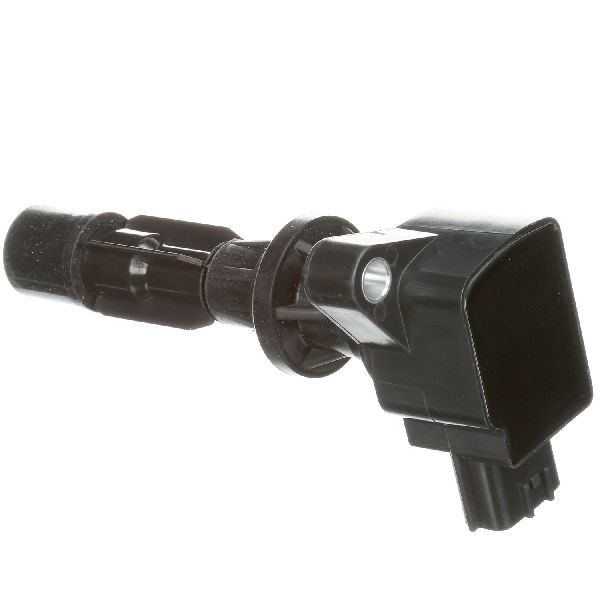
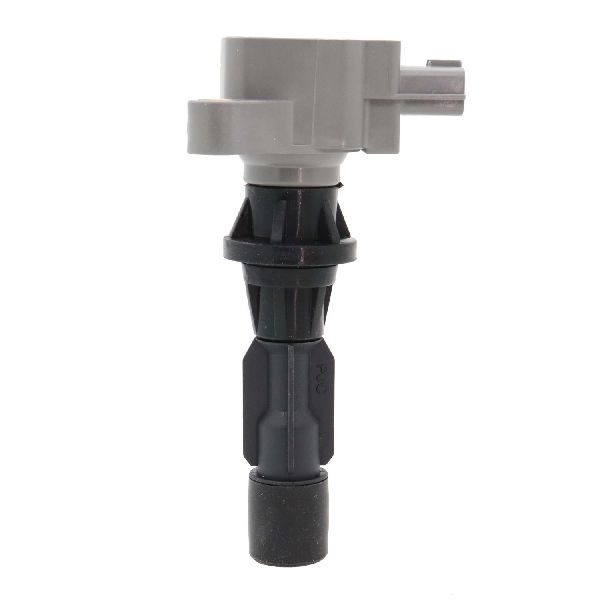
- Failing Ignition Coils 🔴 High Probability → Shop Ignition Coil Mazda TSB #01-014/16 identifies an internal failure of 'YUMEBISHI' branded ignition coils used in 2012-2013 models, which are prone to failure due to large temperature fluctuations. The TSB notes these coils can be identified by a 4-digit lot number, while the improved Mitsubishi coils have a 5-digit lot number. Manufacturer TSB Bulletin #01-014-16-3208 further confirms that vehicles may experience a lack of engine power or rough idling alongside the P0300 code due to this internal coil failure.
How to confirm: If a specific cylinder code (P0301-P0304) is present, swap the suspect coil with one from another cylinder. If the code follows the coil (e.g., P0302 becomes P0303), the coil is bad. For a P0300, it's often best to replace all four, especially if they are the original YUMEBISHI coils.
Typical fix: Replace all four ignition coils and spark plugs. 🎬 Watch: Step-by-step spark plug and ignition coil replacement tutorial. The updated OEM part number for the coil is PE20-18-100A. Quality aftermarket brands like NGK and Denso are also common replacements.
Est. part cost: $100-$250 - Worn or Fouled Spark Plugs 🔴 High Probability → Shop Spark Plug Spark plugs are a standard wear item with a finite lifespan. MZR and Skyactiv engines can be sensitive to spark plug type and condition. Using non-OEM spec plugs or having an incorrect gap can cause misfires.
How to confirm: Remove and inspect the spark plugs for wear (worn electrode), carbon fouling, oil fouling, or damage to the ceramic insulator. Check the electrode gap against the manufacturer's specification. For the 2.0L Skyactiv, the OEM plug is often an NGK ILKAR7L11 or Denso SC20HR11.
Typical fix: Replace all four spark plugs with OEM-spec Iridium plugs (e.g., NGK or Denso). Always replace plugs when replacing coils.
Est. part cost: $40-$80 - Vacuum Leaks 🟡 Medium Probability Hoses and gaskets can become brittle and crack over time, leading to unmetered air entering the engine, which disrupts the air-fuel ratio and causes random misfires. Common failure points on this platform include the PCV hose and the canister purge solenoid valve.
How to confirm: Visually inspect all vacuum hoses for cracks. Listen for a hissing sound at idle. A smoke test is the most effective way to find hard-to-see leaks from intake manifold gaskets or other components. You can also carefully spray brake cleaner or starter fluid around suspected leak areas; a change in engine idle indicates a leak.
Typical fix: Replace the cracked hose or faulty gasket/valve. The purge valve is a common and relatively inexpensive part to replace.
Est. part cost: $10-$150 - Dirty Mass Airflow (MAF) Sensor ⚪ Low Probability → Shop Fuel Injection Air Flow Meter The MAF sensor can become contaminated with dirt and oil, causing it to send incorrect airflow data to the PCM. This affects the air-fuel mixture and can lead to misfires.
How to confirm: A contaminated MAF sensor can sometimes be diagnosed by monitoring its readings with a scan tool. Often, cleaning it is the easiest diagnostic step before considering replacement.
Typical fix: Clean the MAF sensor with a dedicated MAF sensor cleaner spray. Do not touch the delicate sensor wires. 🎬 See how to safely clean your MAF sensor. If cleaning doesn't work, the sensor may need replacement.
Est. part cost: $10-$15 (for cleaner)
Rare But Worth Checking
- Clogged or Failing Fuel Injectors: → Shop Fuel Injector While less common than ignition issues, dirty or failing fuel injectors can cause a lean condition and misfires. On Skyactiv direct-injection engines, carbon buildup on injector tips is a known issue. Some owners have resolved a P0300 by having injectors professionally cleaned or replaced.
- Low Fuel Pressure: A weak fuel pump or clogged fuel filter can starve the engine for fuel, leading to random misfires, especially under load. For some 2012-13 models, a TSB (#01-010/14) was issued for a faulty high-pressure fuel pump that could cause performance issues.
- PCM Software Issue: TSB 01-005/15 was issued for 2012-2013 Skyactiv models where improper PCM logic could cause misfires and fuel in the oil during cold weather (below 14°F / -10°C) with repeated short trips. The fix is a PCM reprogram at a dealership and an oil change.
- Carbon Buildup on Intake Valves: Specific to the direct-injection Skyactiv engines (2012+), fuel does not wash over the intake valves, allowing carbon deposits to form. This can restrict airflow into the cylinders, causing misfires, especially during warm-up. This is addressed in TSB #01-012-19-3612, which notes that vehicles may store DTC P0300:00 in memory due to these deposits. The fix is a professional 'walnut blasting' or chemical cleaning of the intake ports and valves.
Diagnosis Steps
- Read all fault codes with an OBD-II scanner. 🎬 Watch: How to diagnose a P0300 misfire using Forscan. Note any codes accompanying P0300, as they can provide critical clues (e.g., P0171 for vacuum leaks, P0441 for purge valve issues).
- Inspect the condition of all four spark plugs. Look for wear, fouling, or damage. Ensure they are the correct type (Iridium for most models) and gapped correctly.
- Inspect the ignition coils. Look for cracks or signs of arcing. If a specific cylinder misfire code is present, swap that coil with another to see if the misfire follows the coil.
- If you have a 2012-2013 model, check the ignition coils for the 'YUMEBISHI' brand name or a 4-digit lot number, as these are known to be faulty per TSB 01-014/16.
- Perform a smoke test to check for vacuum leaks from hoses (especially PCV), the intake manifold gasket, and the EVAP purge valve.
- Clean the Mass Airflow (MAF) sensor using a dedicated cleaner.
- Check fuel pressure to rule out a weak fuel pump or clogged filter. For Skyactiv models, this may require checking both low and high-pressure pumps.
- For Skyactiv models, check the oil for a strong gasoline smell and a level above 'Full', which could indicate leaking injectors and the need for the PCM update per TSB 01-005/15.
- If all else fails, consider a professional diagnosis, which may include testing fuel injectors or performing an engine compression test to check for mechanical issues or carbon buildup.
Parts You'll Likely Need
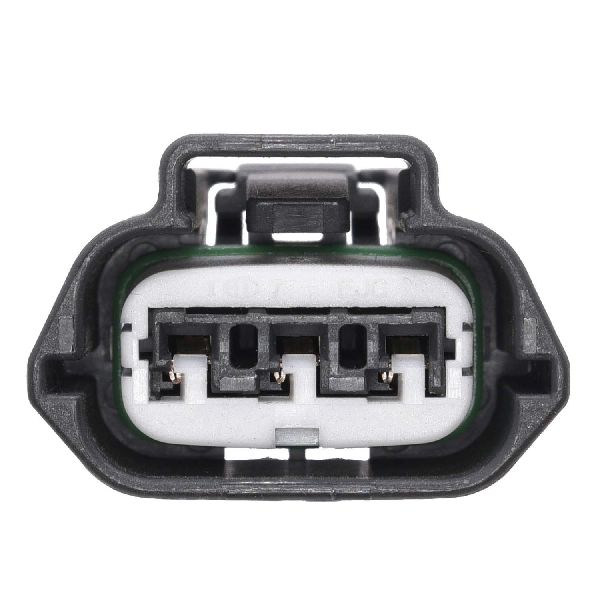
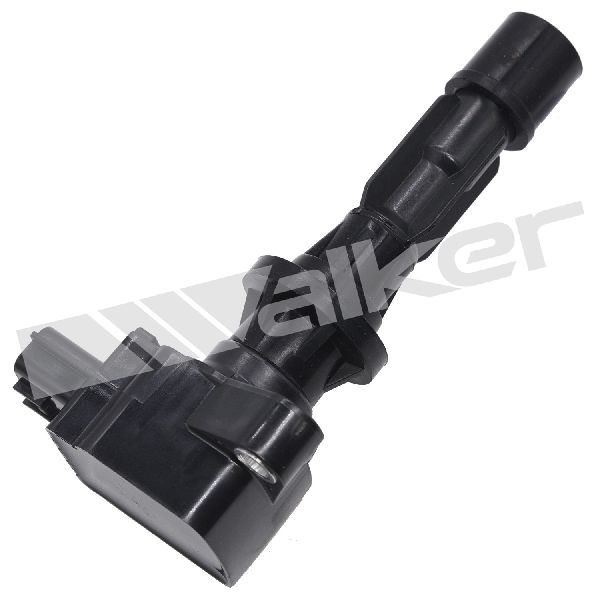
- Ignition Coil
(OEM #PE20-18-100A)— A primary cause of P0300, especially on 2012-2013 models due to a known TSB for faulty original 'YUMEBISHI' coils.
Trusted brands: Mazda (OEM), NGK, Denso, Bosch
Related Codes That Often Appear With This One
- P0301, P0302, P0303, P0304 — These codes indicate a misfire on a specific cylinder. A P0300 may appear first, and as the PCM isolates the problem, a specific cylinder code may also be triggered.
- P0171 — This code means "System Too Lean (Bank 1)". It often appears with P0300 if the root cause is a vacuum leak or a dirty MAF sensor, as these issues introduce unmetered air and disrupt the air-fuel ratio.
- P0441 — This code indicates an "Incorrect Purge Flow" in the EVAP system. If the purge valve is stuck open, it creates a vacuum leak that can cause a P0300 code.
Technical Service Bulletins (TSBs) & Recalls
- 01-014/16: Addresses lack of power, rough idling, and misfire DTCs (P0300-P0304) caused by internal failure of 'YUMEBISHI' ignition coils due to temperature changes.
- Bulletin #01-014-16-3208: Confirms that vehicles may experience a lack of engine power and rough idling with the check engine light on for P0300:00 due to internal ignition coil failure.
- 01-005/15: Addresses Check Engine Light with misfire codes and increased engine oil level on 2012-13 Mazda3 Skyactiv models due to a PCM logic issue in cold weather.
- Bulletin #01-012-19-3612: Documents that vehicles may experience the Check Engine Light on with DTC P0300:00 stored in memory, often related to engine performance issues.
Platform-Specific Known Issues
- TSB 01-014/16: Affects 2012-2013 models with Skyactiv engines, identifying faulty 'YUMEBISHI' ignition coils that cause misfires. The fix is to replace them with updated 'MITSUBISHI' branded coils.
- TSB 01-005/15: Affects 2012-2013 Skyactiv models in cold climates. Improper PCM logic can cause fuel to dilute engine oil during short trips, leading to misfires. Requires a PCM reprogram and oil change.
- TSB 01-012-19-3612: Affects Skyactiv models. Notes that carbon deposits on intake valves can cause misfires, particularly during engine warm-up.
Mechanic-Grade Diagnostic Values
- Ignition Coil Primary Winding Resistance (Skyactiv Engines) — expected: 0.4 - 0.7 Ω. Failure: A reading outside of this range indicates an internal coil fault.
- Ignition Coil Secondary Winding Resistance (Skyactiv Engines) — expected: 8.0 - 15.0 kΩ. Failure: A reading significantly outside this range, such as 14.2 kΩ in one documented failure, suggests internal degradation.
Hidden / Shadow Codes Worth Checking
- Mode $06 Misfire Data (TID $A2-$A5, CID $0C): This is not a DTC, but a function within advanced scan tools that shows raw misfire counts for each cylinder (e.g., Cylinder 1, 2, 3, 4) during the current and last 10 driving cycles. It allows a technician to see which cylinder is misfiring most frequently even when only a general P0300 code is set. (see via Use a scan tool with Mode $06 capability, such as Mazda's IDS or aftermarket tools like FORScan. In FORScan, this is found in the 'Tests' section, often labeled as 'Mode six test' or similar, where you can view live misfire counts.)
Scan Tool Commands That Help
- FORScan / Mazda IDS: Mode $06 Misfire Data Monitor — Use this when you have a P0300 code but no specific cylinder misfire codes (P0301-P0304). By watching the live misfire counts for each cylinder, you can identify which one is the primary culprit, allowing you to focus diagnosis on that cylinder's coil, plug, or injector instead of guessing.
- FORScan / Mazda IDS: Reset DTCs (Diagnostic Trouble Codes) — After swapping a component for diagnostic purposes (e.g., moving an ignition coil from cylinder 1 to 2), you must clear the codes. This resets the misfire counters, allowing you to see if the misfire count follows the moved component on the next drive cycle.
Real Owner Repair Stories
- Reddit user on r/mazda3 (2015 Mazda 3 iTouring 2.0L (Note: slightly newer than range, but Skyactiv engine is relevant)) — Car drove normally for a mile, then on the highway experienced a slight vibration and loss of speed regardless of throttle input. Idled fine but shook badly. Turning the car off and on would temporarily restore power up to about 30 mph.
❌ Tried (didn't work) Changing the battery.
✅ What actually fixed it The Mazda dealership replaced one ignition coil, all four fuel injectors, and the throttle body gasket. - Mazdas247 forum user (2012-2013 Mazda3 (specifics not mentioned)) — Persistent P0300 random misfire.
❌ Tried (didn't work) Replacing spark plugs., Replacing ignition coils.
✅ What actually fixed it The dealership replaced the EGR valve, which resolved the P0300 code.
OEM Part Supersession History
p51b18100, pe0118100, pe0118100a, pe2018100→PE20-18-100A— These are earlier revisions of the ignition coil for Skyactiv engines. The latest part number, PE20-18-100A, is the updated, reliable version that replaces the faulty 'YUMEBISHI' coils mentioned in TSB 01-014/16.L3G2-18-100B→L3G2-18-100B-9U— This part number is for the 2.3L MZR DISI Turbo engine found in the Mazdaspeed3, not the standard MZR or Skyactiv. It is not interchangeable with the non-turbo engine coils.
Heads up: This coil is specific to the turbocharged MZR engine and will not work on the naturally aspirated 2.0L or 2.5L MZR/Skyactiv engines.
Model Year Variations Within This Range
- 2009: The 2009 model is the last year of the first generation (BK) Mazda3. It exclusively uses the 2.0L and 2.5L MZR engines and does not have the Skyactiv engine option or the associated TSBs for faulty coils or PCM logic.
- 2010-2011: These are pre-facelift second generation (BL) models. The standard 2.0L engine is the MZR, typically paired with a 5-speed transmission. The body style has a more angular front fascia compared to later years.
- 2012-2013: These are facelifted second-generation models. The 2.0L Skyactiv-G engine became the primary 2.0L offering, paired with a 6-speed transmission. These specific years are subject to TSBs for faulty 'YUMEBISHI' ignition coils and a PCM software issue in cold climates.
Diagnostic Flowchart
Other Known Issues on This Vehicle
Issues unrelated to this code that are worth knowing about as an owner of this generation:
- Dashboard Warping/Melting 🟠 Medium — Very common, especially in warmer climates. The dashboard material can warp and pull away from the infotainment screen or become sticky and shiny.
- Automatic Transmission Control Module (TCM) Failure 🔴 High — A very common failure on non-Skyactiv models. The TCM is mounted on the transmission, leading to heat failure. Symptoms include a lit 'AT' light, harsh shifting, getting stuck in gear, and no-start conditions.
- Premature Manual Clutch Failure 🟠 Medium — Primarily affects 2010-2011 models. Numerous owners reported clutches wearing out and requiring replacement at unusually low mileage (under 80,000 km).
- Failing Rear Shock Mounts 🟠 Medium — Common across the generation. The original aluminum upper shock mounts corrode and break, causing a clunking or rattling noise from the rear suspension over bumps.
- Failing Right-Hand Engine Mount 🟡 Low — A common wear item. The hydraulic passenger-side engine mount is prone to leaking and collapsing, leading to increased cabin vibration at idle and during acceleration.
Used vs. New Parts: Buying Guide for This Vehicle
When a used part is the smart pick: Used parts can be a cost-effective choice for major mechanical components that rarely fail, such as the intake manifold (if cracked) or a valve cover. For most P0300 causes, new parts are recommended due to their electronic nature and wear characteristics.
Donor-vehicle mileage cap: roughly under 60000 miles for the part to have meaningful remaining life.
What to inspect on the donor part:
- For ignition coils, inspect for any cracks in the plastic housing or signs of white/brown arcing on the boot.
- Verify the brand on used coils; avoid the original 'YUMEBISHI' coils and look for the updated 'MITSUBISHI' or reputable aftermarket brands.
- For sensors, check that connectors are clean and free of corrosion or bent pins.
OEM-only on this vehicle (don't cheap out):
- Mass Airflow (MAF) Sensor: Aftermarket MAF sensors are notoriously unreliable for many vehicles, including Mazdas. Sticking with an OEM or OEM-supplier (e.g., Denso) part is highly recommended to avoid incorrect air-fuel ratio readings.
- PCM (Powertrain Control Module): If the computer itself is faulty (a very rare cause), a new or professionally reprogrammed OEM unit is the only reliable option.
Aftermarket brands forum-validated for this vehicle:
- Ignition Coils: NGK, Denso, Bosch.
- Spark Plugs: NGK (Iridium IX), Denso (Iridium TT).
Brands owners have reported issues with on this vehicle:
- Unbranded 'white box' parts from online marketplaces.
- Cheap, no-name ignition coil sets, as they often have poor internal windings and can fail prematurely or cause performance issues.
Real Owner Stories
Aggregated from forums and TSBs cited above. Mileages and costs reflect what owners reported in those sources.
2012-2013 Mazda3 Skyactiv
Symptoms: Lack of power, rough idling, and misfire DTCs (P0300-P0304) caused by internal failure of ignition coils due to temperature changes.
What fixed it: Replacement of faulty 'YUMEBISHI' ignition coils with updated 'MITSUBISHI' branded coils.
Source hint: TSB 01-014/16
2012-2013 Mazda3 Skyactiv
Symptoms: Check Engine Light with misfire codes and increased engine oil level during short trips in cold weather.
What fixed it: PCM reprogram and an oil change to correct improper PCM logic.
Source hint: TSB 01-005/15
2012 Mazda3 (non-Skyactiv)
Symptoms: Multiple problems including misfire-like symptoms, incorrect gear readings, and an 'AT' light.
What fixed it: Replacement of a faulty Transmission Control Module (TCM).
Source hint: Reddit r/mazda3 - 2012 mazda 3 automatic transmission issues.
2009-2013 Mazda3 2.0L/2.5L
Symptoms: P0300 code persisting after replacing plugs and a coil pack.
What fixed it: Ensuring all four coil packs are replaced as a set and verifying spark plug gaps.
Source hint: Mazdas247 - p0300 advice on diagnosing
Related OBD-II Codes
Frequently Asked Questions
How can I tell if my 2012-2013 Mazda3 has the faulty ignition coils mentioned in TSB 01-014/16?
My 2012 Skyactiv Mazda3 has a P0300 and the oil level is above the 'Full' mark. Are these related?
What are the specific spark plug recommendations for the 2.0L Skyactiv engine to avoid misfires?
Can a faulty transmission component cause misfire-like symptoms on a 2012 Mazda3?
Is there a specific TSB for misfires caused by carbon buildup on the Mazda3?
What is the updated OEM part number for the ignition coils to fix the P0300 code?
Helpful Videos
We Have This Part in Stock


The information in this article is provided for general reference and educational purposes only. Vehicle specifications, procedures, and part compatibility can vary by production date, trim level, and region. Always consult your vehicle's factory service manual and verify part numbers before purchasing or performing repairs. Safety-critical components such as airbags, seat belts, and braking systems should be installed by a qualified professional.
- Mazda Mazda3:
- 🧭 Diagnostic Flowchart
- 🎬 Helpful Videos
- 🛍️ Shop This Part
- What's Unique About the 2009-2013 Mazda Mazda3
- Symptoms You May Notice
- Most Likely Causes
- Rare But Worth Checking
- Diagnosis Steps
- Parts You'll Likely Need
- Related Codes That Often Appear With This One
- Technical Service Bulletins (TSBs) & Recalls
- Platform-Specific Known Issues
- Mechanic-Grade Diagnostic Values
- Hidden / Shadow Codes Worth Checking
- Scan Tool Commands That Help
- Real Owner Repair Stories
- OEM Part Supersession History
- Model Year Variations Within This Range
- Other Known Issues on This Vehicle
- Used vs. New Parts: Buying Guide for This Vehicle
- Real Owner Stories
- 2012-2013 Mazda3 Skyactiv
- 2012-2013 Mazda3 Skyactiv
- 2012 Mazda3 (non-Skyactiv)
- 2009-2013 Mazda3 2.0L/2.5L
- Related OBD-II Codes
- Frequently Asked Questions
- 🎟️ Get 5% Off