

P0300 on 2000-2003 Oldsmobile Aurora: Random Misfire Causes and Fixes
On a 2000-2003 Oldsmobile Aurora, a P0300 random misfire code is most often caused by a failing ignition coil pack(s) or ignition control module(s). The V8 has four coils and two modules, while the V6 has a single ignition cassette. Worn spark plugs, boots, and oil-fouling from leaking valve cover gaskets are also common culprits. Expect to pay $150-$500 for ignition component replacement.
- P0300 on a 2000-2003 Aurora almost always points to a problem in the ignition system.
- Start your diagnosis by inspecting the spark plugs and checking for oil in the spark plug wells, which indicates leaking valve cover gaskets.
- The most likely parts to fail are the ignition coil packs and the ignition control module. Swapping coils is a good way to test them.
- Do not ignore a flashing check engine light. Pull over immediately to prevent catastrophic damage to your catalytic converters.
What's Unique About the 2000-2003 Oldsmobile AURORA
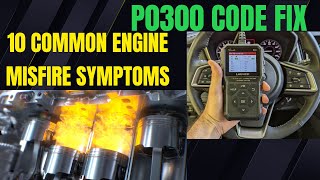
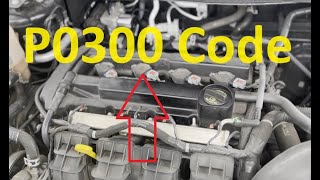
The 2000-2003 Aurora uses either the 4.0L V8 (a derivative of the Cadillac Northstar) or the 3.5L V6 ("Shortstar"). Both engines use a coil-on-plug ignition system. A key difference is the V8 uses four individual coil packs (each firing two cylinders) which are controlled by two separate Ignition Control Modules (ICMs) located under the coil packs. The V6 uses a single, integrated ignition coil cassette. A common failure point leading to a P0300 code 🎬 Watch: Common causes and fixes for the P0300 misfire code. on this platform is the failure of one of the ignition coil packs or the ICM that controls it, often due to heat soak from their location. Forum discussions among Aurora owners frequently point to these ignition components as the primary cause of random misfires.
🎬 See this step-by-step guide on repairing engine misfire symptoms.Diagnostic Flowchart
Tap your situation to follow the diagnostic path that matches what you're seeing on this vehicle.
Symptoms You May Notice
- Rough or shaky idle
- Hesitation or stumbling during acceleration
- Flashing Check Engine Light (especially under load)
- Reduced engine power
- Poor fuel economy
- Engine may be hard to start
- Smell of gasoline from the exhaust
- Replacing only spark plugs when the underlying issue is a failing coil pack or ignition module.
- Replacing fuel injectors when the problem is low fuel pressure from the pump or a bad fuel pressure regulator.
- Replacing oxygen (O2) sensors. An O2 sensor will report the results of a misfire (excess oxygen), but it is almost never the cause of a P0300 code.
Most Likely Causes
- Failing Ignition Coil Pack(s) or Cassette 🔴 High Probability → Shop Ignition Coil The coil-on-plug packs on the V8 and the single cassette on the V6 are known failure points. Age and constant heat cycles cause internal breakdown, leading to weak or no spark. On the V8, the coils and ICMs are mounted directly on the engine, leading to heat-related failures.
How to confirm: Use a scan tool to monitor misfire data on each cylinder. On the V8, swap a suspected bad coil (e.g., the front one) with the other (rear) and see if the misfire follows the coil. If misfires are on cylinders 5 & 8, for example, it points to the coil pack that fires those two cylinders. For the V6, the entire cassette must be tested or replaced.
Typical fix: Replace the faulty ignition coil pack(s) or the V6 cassette. It is often recommended to replace them in pairs (on the V8) or all at once, along with spark plugs and boots, to ensure reliability.
Est. part cost: $70-$150 per V8 coil pack, $200-$350 for V6 cassette - Failing Ignition Control Module (ICM) 🟡 Medium Probability The ICM(s) control the firing of the coil packs. On the V8, two ICMs are located under the coil packs, making them highly susceptible to failure from engine heat. When an ICM fails, it causes erratic spark on the multiple cylinders it controls.
How to confirm: Diagnosis can be difficult. If coil packs and plugs are confirmed good but random misfires persist on cylinders controlled by one ICM, that module is the next logical suspect. Some auto parts stores can test these modules off the car, but on-car symptoms are often more reliable. A technician can use a multimeter to test for 12V power at the pink wire (Pin P) and for a good ground at the black/white wire (Pin K) on the ICM connector.
Typical fix: Replace the faulty ignition control module. On the V8, many owners replace both ICMs at the same time as a preventative measure.
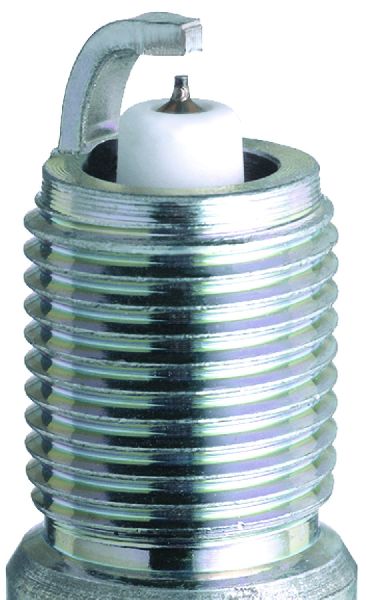
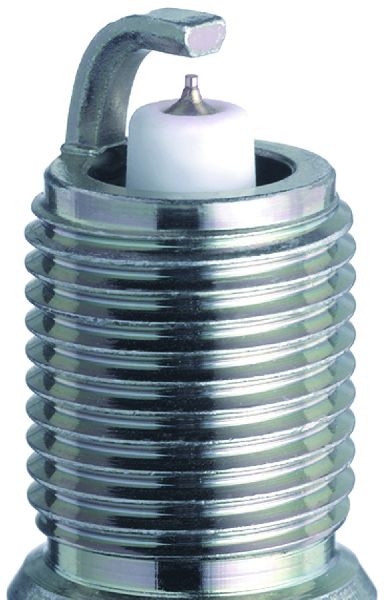
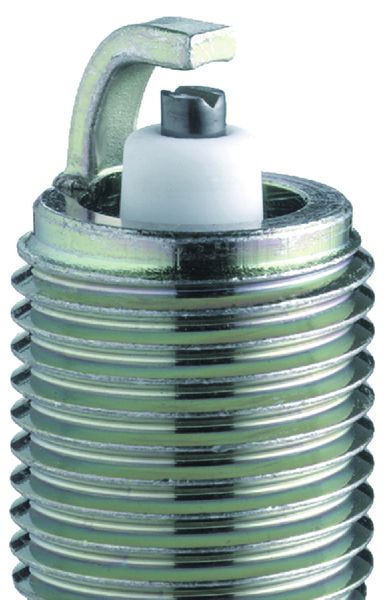
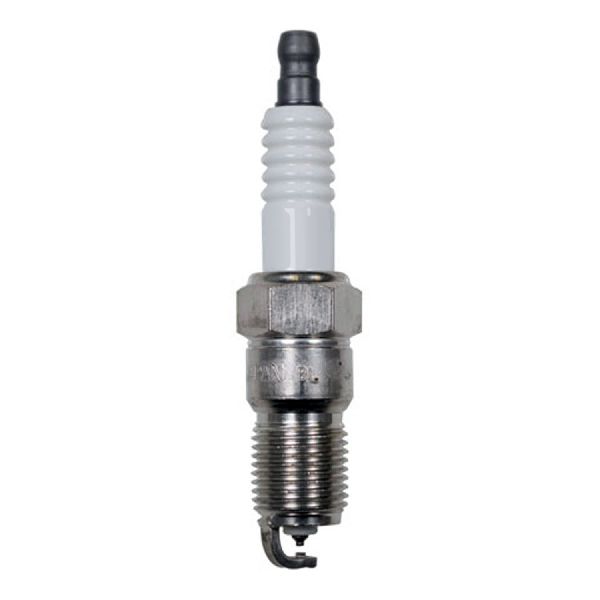
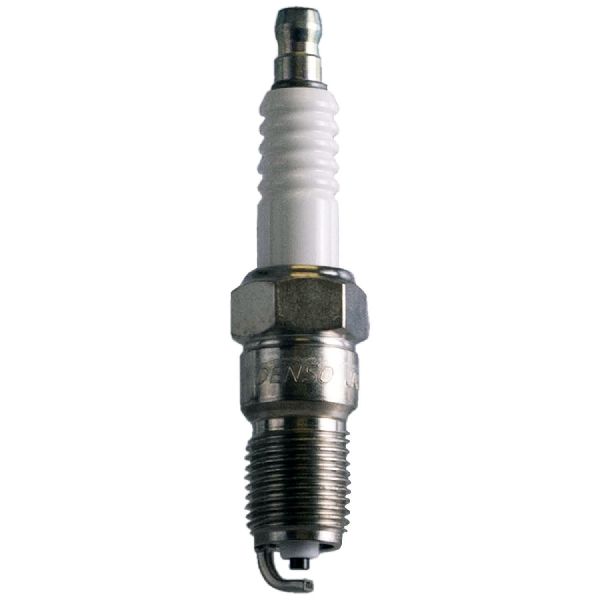
Est. part cost: $100-$250 per module - Worn Spark Plugs and/or Boots 🟡 Medium Probability → Shop Spark Plug Standard maintenance item. Worn electrodes or cracked porcelain on plugs, or deteriorated boots, can cause a weak or misdirected spark. A common owner experience is finding the springs inside the boots are not making good contact with the spark plugs, causing a severe misfire that a diagnostic machine might struggle to pinpoint.
How to confirm: Visually inspect all spark plugs for wear, fouling, or damage. Inspect boots for cracks, carbon tracking, or oil saturation. One owner on an automotive forum solved their P0300 simply by replacing the boots after new plugs didn't fix the issue.
Typical fix: Replace all spark plugs and boots as a set. Use high-quality plugs like ACDelco Iridium or Platinum to ensure longevity, especially for the hard-to-reach rear bank on the V8.
Est. part cost: $60-$120 for a full set - Vacuum Leak ⚪ Low Probability Aging rubber vacuum hoses, PCV valve grommets, and intake plenum gaskets can crack and leak, introducing unmetered air that leans out the air/fuel mixture and causes misfires.
How to confirm: Perform a smoke test to introduce smoke into the intake system and watch for leaks. Listen for hissing sounds around the engine bay at idle. Spraying brake cleaner or a propane torch (unlit) near suspected leak points will cause a change in engine RPM if a leak is present.
Typical fix: Replace the leaking hose or gasket. The PCV valve and its grommet are common, inexpensive parts to check first.
Est. part cost: $10-$200 depending on the source of the leak - Low Fuel Pressure ⚪ Low Probability A weak fuel pump or failing fuel pressure regulator can affect all cylinders simultaneously, causing a lean condition and misfires.
How to confirm: Connect a fuel pressure gauge to the fuel rail's Schrader valve. Check that pressure is within the 48-55 psi specification with the key on, engine off. Also check for rapid pressure bleed-down after the pump primes, as a drop of more than 5 psi in 10 minutes indicates a leak. On the 3.5L V6, a ruptured fuel pressure regulator diaphragm is a known issue that allows raw fuel into the vacuum line; check the vacuum hose for the presence of fuel.
Typical fix: Replace the failing fuel pump or fuel pressure regulator. Always replace the fuel filter when replacing the pump.
Est. part cost: $150-$350 for a fuel pump assembly
Rare But Worth Checking
- Leaking Valve Cover Gaskets: → Shop Engine Valve Cover On the Aurora V8 and V6, the valve cover gaskets and integrated spark plug tube seals are very common failure points. Oil leaks into the spark plug wells, saturating the spark plug boots and causing misfires. An owner on an automotive forum noted their misfire issues started after finding oil in the plug wells. If you find oil in the tubes when changing plugs, you must replace the valve cover gaskets to prevent a repeat failure.
- Crankshaft Position Sensor (CKP) Variation Relearn: → Shop Engine Crankshaft Position Sensor If the crankshaft position sensor has been replaced, or sometimes even after significant engine work or a dead battery, the PCM may need to relearn the sensor's precise variations. This procedure is often called a "CASE Relearn" on GM vehicles. Failure to perform this can result in a false P0300 code or a P1336. This requires a capable scan tool like a Tech 2.
- Clogged Fuel Injectors: → Shop Fuel Injector While less common for a random misfire, multiple dirty or clogged injectors can disrupt the fuel spray pattern enough to cause issues across several cylinders. This can sometimes happen after getting a tank of contaminated fuel.
- Faulty Powertrain Control Module (PCM): → Shop Engine Control Module (ECM) In rare instances, the PCM itself can fail, causing erratic behavior including random misfires. This is typically diagnosed only after all other possibilities (ignition, fuel, vacuum, mechanical) have been exhaustively ruled out.
Diagnosis Steps
- Read all stored fault codes with an OBD-II scanner. Note any codes accompanying the P0300, as they provide critical clues (e.g., P0171, P0305).
- Check the freeze frame data to see the engine conditions (RPM, load, temperature) when the misfire occurred.
- Use a scan tool with live data to monitor misfire counts per cylinder. This can help identify if the 'random' misfire is more frequent on cylinders fired by a specific coil pack or on one bank.
- Perform a full visual inspection. Remove the engine cover and inspect the coil packs, wiring, and spark plug wells for oil contamination from leaking valve cover gaskets. Oil in the plug wells is a very common cause and must be fixed by replacing the valve cover gaskets.
- If oil is present in spark plug wells, replace the valve cover gaskets and spark plug tube seals before proceeding.
- Remove and inspect all spark plugs and boots. Replace them if they are worn, fouled, or if their service history is unknown. Ensure the springs inside the new boots are properly seated.
- If misfires persist, test the ignition coils. On a V8, swap the front coil pack with the rear one and see if the misfire codes move to the other cylinders. If they do, the coil pack is bad.
- If coils and plugs are good, the Ignition Control Module(s) are the next suspect. On the V8, if misfires are isolated to cylinders fired by one module, that module is likely faulty.
- Test fuel pressure at the fuel rail to rule out a weak fuel pump or regulator. Pressure should be 48-55 psi (key on, engine off). On the V6, pull the vacuum line from the fuel pressure regulator and check for the presence of raw fuel.
Parts You'll Likely Need
- Ignition Coil Pack (V8) / Cassette (V6)
(OEM #ACDelco D585 (V8 Front), ACDelco D581 (V8 Rear), Standard Motor Products UF272 (V6))— This is the most frequently cited cause of P0300 on the Aurora platform in owner forums. Heat and age cause them to fail, leading to misfires on the cylinders they control.
Trusted brands: ACDelco, Delphi, Standard Motor Products
OEM price range: $120-$180
Aftermarket price range: $70-$150 - Ignition Control Module
(OEM #ACDelco D1961A (V8, often cited alternative to original))— The ICM is the 'brain' for the ignition coils. On the V8, they are mounted under the coils and fail from heat. When one fails, it sends erratic signals, causing random misfires that aren't tied to a single coil.
Trusted brands: ACDelco, Standard Motor Products
OEM price range: $150-$250
Aftermarket price range: $80-$160 - Valve Cover Gasket Set (with Tube Seals) — A very common issue where oil leaks into the spark plug tubes, fouling the plugs and boots and causing misfires. This must be repaired to achieve a lasting fix.
Trusted brands: Fel-Pro, ACDelco
OEM price range: $80-$150
Aftermarket price range: $40-$90 - Spark Plugs and Boots
(OEM #ACDelco 41-987 (Iridium))— Worn plugs are a primary cause of misfires. Bad boots or internal springs can also prevent a good connection. Given the difficult labor for the rear bank on the V8, using high-quality, long-life plugs is critical.
Trusted brands: ACDelco, NGK
OEM price range: $8-$15 per plug
Aftermarket price range: $6-$12 per plug
Related Codes That Often Appear With This One
- P0301-P0308 — If the random misfire begins to occur more frequently on specific cylinders, the PCM will log a cylinder-specific code (e.g., P0305 for cylinder 5) in addition to P0300. This can help narrow the diagnosis to a specific coil or injector.
- P0171 / P0174 — These "System Too Lean" codes can appear with P0300 if the root cause is a significant vacuum leak or a fuel delivery problem (like a weak fuel pump) that affects both cylinder banks.
- P1336 / P0315 — These are codes for the Crankshaft Position System Variation not learned. This indicates a CASE relearn procedure needs to be performed with a scan tool, and can be a direct cause of a P0300 code being set.
Technical Service Bulletins (TSBs) & Recalls
- PIP5628G - A general GM bulletin from 2023 providing a template for technicians to gather data (freeze frame, misfire counts) before contacting technical assistance for P0300-P0308 codes.
- 00-06-04-024 - An older GM TSB for trucks that discusses water intrusion into the EVAP system causing a P0300, which could be a rare possibility on other GM vehicles of the era.
Platform-Specific Known Issues
- Ignition System Failure: The most prominent issue for the 2000-2003 Aurora leading to P0300 is the failure of the ignition system, specifically the coil packs and/or the ignition control module. Multiple owner accounts confirm that replacing these components resolves the random misfire.
- Oil in Spark Plug Wells: Leaking valve cover gaskets are a common problem, allowing engine oil to pool around the spark plugs. This fouls the plugs and boots, leading to misfires.
Mechanic-Grade Diagnostic Values
- Fuel Pressure (Key On, Engine Off) — expected: 48-55 psi (333-376 kPa). Failure: Pressure below 48 psi indicates a weak pump or leak. Pressure above 55 psi may indicate a faulty regulator.
- Fuel Pressure Bleed-Down — expected: Pressure should not drop more than 5 psi in 10 minutes after the pump shuts off.. Failure: A drop greater than 5 psi in 10 minutes suggests a leak from the fuel pump check valve, fuel lines, regulator, or injectors.
- Ignition Coil Primary Resistance — expected: 0.4 - 2.0 ohms. Failure: A reading outside this range indicates a faulty primary winding. However, a coil can pass this test and still be bad under load.
- Ignition Coil Secondary Resistance — expected: 6,000 - 10,000 ohms. Failure: A reading outside this range indicates a faulty secondary winding. However, this test is not always conclusive.
- ICM Power Supply Voltage — expected: 12 Volts (Battery Voltage). Failure: Significantly less than 12V indicates a wiring or fuse issue before the module.
Scan Tool Commands That Help
- Tech 2 / Professional Scan Tool: Crankshaft Position (CKP) System Variation Learn (CASE Relearn) — Required after replacing the PCM, engine, crankshaft balancer, or crankshaft position sensor. Failure to perform this can cause a false P0300 or set a P1336/P0315 code.
- Tech 2 / Professional Scan Tool: Injector Balance Test — To identify a clogged or faulty fuel injector that may be contributing to random misfires. This command individually fires each injector and measures the corresponding pressure drop.
Wiring & Ground Locations
- G102 — Located at the left rear of the engine.. This is the main ground point for the ignition coils. A loose or corroded connection here can cause weak or intermittent spark to multiple cylinders, leading to a P0300 code.
- G103 — Located on the cowl at the left rear of the engine compartment, above the brake booster.. This ground serves the Body Control Module (BCM) and the Engine Control Module (ECM/PCM). A poor connection can cause a wide range of erratic electrical issues, including false sensor readings that could contribute to a P0300.
- ICM Connector Pin P (Pink wire) — On the connector to the Ignition Control Module(s).. This is the 12V fused power supply for the ICM. A voltage test should be performed here to confirm the module is receiving power before condemning the module itself.
- ICM Connector Pin K (Black/White wire) — On the connector to the Ignition Control Module(s).. This is the main engine ground for the ICM. A voltage drop test should be performed here to ensure the module has a solid ground path. A bad ground can cause misfires.
Real Owner Repair Stories
- Automotive Forums Car Chat user (2001 Oldsmobile Aurora 4.0L V8) — Flashing check engine light, P0300 random misfire code.
❌ Tried (didn't work) Replacing all 8 spark plugs with AC Delco platinums.
✅ What actually fixed it The misfire persisted after changing the plugs. The final fix was replacing all 8 spark plug boots. The owner was advised by a mechanic that the boots were a likely culprit if plugs didn't solve it. - 2CarPros user (1996 Oldsmobile Aurora V8 (First Gen, but relevant)) — P0300, rough running, flashing CEL, cylinder #2 spark plug soaked in gas.
❌ Tried (didn't work) Initially suspected a bad fuel injector due to the wet plug.
✅ What actually fixed it The problem turned out to be a bad ignition coil and a defective spark plug wire. After fixing the misfire, a separate overheating issue was traced to a bad coolant tank cap seal.
OEM Part Supersession History
D581→19355500— Part number update by ACDelco.
Heads up: The ACDelco D581 is a square-shaped coil. Some GM vehicles used a round Delphi-style coil. While not specific to the Aurora, it's critical to visually match the original coil shape, as they are not interchangeable.
Model Year Variations Within This Range
- 2001-2002: The 3.5L LX5 V6 engine was available alongside the 4.0L V8. The V6 uses a single ignition cassette instead of the V8's dual ICM/four-coil setup.
- 2003: For its final model year, the Aurora was only available with the 4.0L L47 V8 engine.
Helpful Videos
We Have This Part in Stock


The information in this article is provided for general reference and educational purposes only. Vehicle specifications, procedures, and part compatibility can vary by production date, trim level, and region. Always consult your vehicle's factory service manual and verify part numbers before purchasing or performing repairs. Safety-critical components such as airbags, seat belts, and braking systems should be installed by a qualified professional.
- Oldsmobile AURORA:
- 🧭 Diagnostic Flowchart
- 🎬 Helpful Videos
- 🛍️ Shop This Part
- What's Unique About the 2000-2003 Oldsmobile AURORA
- Symptoms You May Notice
- Most Likely Causes
- Rare But Worth Checking
- Diagnosis Steps
- Parts You'll Likely Need
- Related Codes That Often Appear With This One
- Technical Service Bulletins (TSBs) & Recalls
- Platform-Specific Known Issues
- Mechanic-Grade Diagnostic Values
- Scan Tool Commands That Help
- Wiring & Ground Locations
- Real Owner Repair Stories
- OEM Part Supersession History
- Model Year Variations Within This Range
- 🎟️ Get 5% Off