

P0300 on 2001-2005 Pontiac Aztek: Random Misfire Causes and Fixes
On a 2001-2005 Pontiac Aztek, a P0300 code is most often caused by a failing fuel pressure regulator or leaking lower intake manifold gaskets after basic ignition parts (plugs, wires) are ruled out. Checking the regulator's vacuum line for fuel is a quick, critical first step. The updated Fel-Pro LIM gasket set (MS98014T) is the definitive fix for the common intake leak.
- For a P0300 on a 2001-2005 Aztek, always check the fuel pressure regulator's vacuum line for fuel first; it's a simple check for a very common problem.
- If the regulator is fine, the next most likely cause specific to this vehicle is leaking lower intake manifold gaskets, which should be confirmed with a smoke test.
- Don't neglect basic maintenance. Worn spark plugs and wires are a frequent cause, especially since the rear three plugs are difficult to access and often get skipped.
- A flashing check engine light is a critical warning. Driving with it can cause rapid and expensive damage to your catalytic converter.
What's Unique About the 2001-2005 Pontiac AZTEK
The Pontiac Aztek uses the GM 3.4L (LA1) V6 engine, which has two very common and well-documented failure points that directly cause a P0300 code. The first is the failure of the lower intake manifold (LIM) gaskets, which were made of a plastic composite that degrades from exposure to Dex-Cool coolant, leading to severe vacuum leaks or coolant entering the cylinders. The second is a faulty fuel pressure regulator that leaks raw fuel into its vacuum hose, overwhelming the engine and causing a rich, misfiring condition. While ignition issues are always a possibility, these two mechanical failures are significantly more prevalent on this specific engine platform and its mates like the Chevy Venture and Pontiac Grand Am.
Diagnostic Flowchart
Tap your situation to follow the diagnostic path that matches what you're seeing on this vehicle.
Symptoms You May Notice
- Rough or shaking idle.
- Engine hesitates or stumbles during acceleration.
- Noticeable loss of power.
- Flashing or solid Check Engine Light.
- Difficulty starting the engine.
- Decreased fuel economy.
- Engine shaking and jerking, especially under light load.
- Smell of raw fuel from the exhaust, indicating incomplete combustion.
- Replacing only the spark plugs and wires without first checking the fuel pressure regulator's vacuum line for fuel. This is a 30-second check that can save hours of unnecessary work.
- Replacing ignition components repeatedly when the root cause is a vacuum leak from the lower intake manifold gaskets. A smoke test is essential if the regulator and ignition system check out.
- Replacing only the front three spark plugs because the rear three are difficult to access, leaving the old, worn plugs in the rear to continue causing misfires.
Most Likely Causes
- Failing Fuel Pressure Regulator 🔴 High Probability → Shop Fuel Injection Pressure Regulator The diaphragm inside the regulator is known to rupture on this engine, allowing fuel to be sucked directly into the intake manifold through the vacuum line, causing a severe rich condition.
How to confirm: Disconnect the small vacuum hose from the fuel pressure regulator. If raw fuel is present in the hose or drips from the regulator port, it has failed and must be replaced. This is the most definitive and simple test for this common failure.
Typical fix: Replace the fuel pressure regulator. The ACDelco GM Original Equipment part 🎬 Watch: Step-by-step fuel pressure regulator replacement guide is a reliable choice.
Est. part cost: $40-$90 - Leaking Lower Intake Manifold (LIM) Gaskets 🔴 High Probability → Shop Engine Intake Manifold The original factory gaskets on the 3.4L V6 were a nylon/plastic design that degrades over time from exposure to engine coolant (Dex-Cool) and oil, leading to vacuum leaks or internal coolant leaks.
How to confirm: Perform a smoke test on the intake system; smoke will be seen escaping from the area where the lower intake manifold meets the cylinder heads. You may also see signs of coolant loss, milky/contaminated engine oil (check oil cap and dipstick), or engine overheating.
Typical fix: Replace the lower intake manifold gaskets with an updated, problem-solving metal-framed gasket set. This is a labor-intensive job with an average shop cost of $680-$788. 🎬 See how to begin the lower intake manifold gasket repair
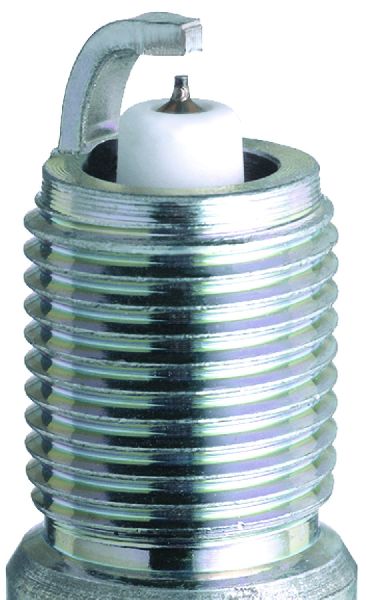
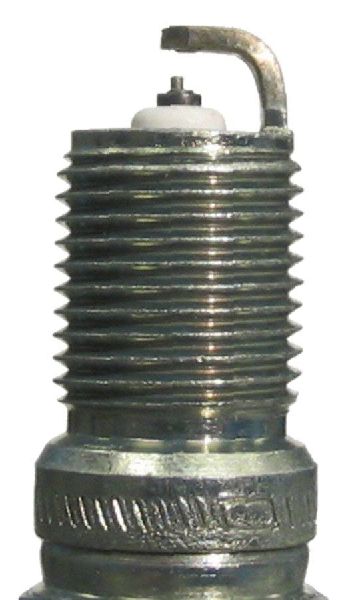
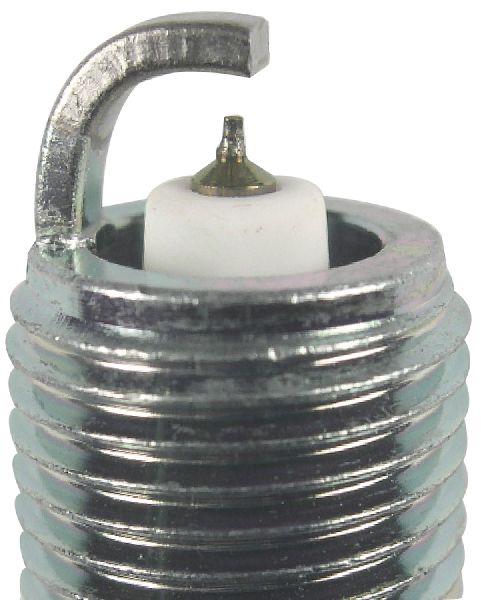
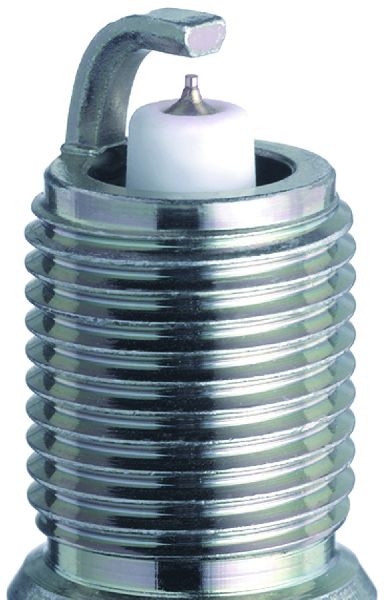
Est. part cost: $50-$120 for the gasket set - Worn Spark Plugs and/or Wires 🟡 Medium Probability → Shop Spark Plug These are standard maintenance items. Access to the rear three spark plugs (cylinders 1, 3, 5) is very difficult, so they are often neglected, leading to misfires as they age past their service life. Owners report finding mismatched or original plugs on the rear bank only.
How to confirm: Inspect spark plugs for wear, fouling, or incorrect gap. Inspect wires for cracks, brittleness, or corrosion. The recommended service interval for platinum plugs is 100,000 miles. A common owner trick for rear plug access is to remove the ignition coil assembly bracket to create more room.
Typical fix: Replace all six spark plugs and the spark plug wire set. It is highly recommended to do both at the same time.
Est. part cost: $60-$150 for a full set of plugs and wires - Faulty Ignition Coil Pack(s) or Ignition Control Module (ICM) 🟡 Medium Probability → Shop Ignition Coil The Aztek uses a waste-spark system with three coil packs, each firing two cylinders simultaneously. When one coil fails, it causes misfires on two cylinders, which can be logged as a P0300. The Ignition Control Module that sits under the coils can also fail, causing a loss of spark to one or more coil packs.
How to confirm: With the engine running, carefully disconnect one plug wire at a time from the coil pack to check for a strong, blue spark. A more reliable method is to swap a suspected bad coil with a known good one and see if the misfire characteristics change. If swapping coils doesn't move the problem, the ICM itself is suspect.
Typical fix: Replace the faulty ignition coil pack or the entire ignition control module assembly.
Est. part cost: $30-$70 per coil, $100-$200 for ICM - Clogged Catalytic Converter ⚪ Low Probability → Shop Catalytic Converter If the vehicle was driven for an extended period with a severe misfire (flashing check engine light), unburned fuel can enter the exhaust and melt the converter's internal structure, causing a blockage and excessive backpressure.
How to confirm: Check for a significant loss of power, especially at higher RPMs, sometimes accompanied by a rotten egg smell. A professional can perform an exhaust backpressure test by temporarily removing the upstream oxygen sensor.
Typical fix: Replace the catalytic converter. This is often a consequence of not fixing the original misfire cause promptly.
Est. part cost: $300-$800+
Rare But Worth Checking
- Dirty or Clogged Fuel Injectors: → Shop Fuel Injector If multiple injectors are partially clogged, it can cause a random misfire. This is less common than a complete failure of the regulator or a vacuum leak, but can be addressed with a professional fuel system cleaning.
- Faulty Crankshaft Position Sensor (CKP): → Shop Engine Crankshaft Position Sensor An erratic signal from this sensor can cause the ECM to lose track of engine timing, resulting in random misfires. The 3.4L engine has two separate CKP sensors (a 7X sensor behind the harmonic balancer and a 24X sensor on the side of the block) which are not interchangeable. A failing sensor may not always set a specific CKP code (like P0335) initially, but can still cause a P0300.
- Low Fuel Pressure: A weak fuel pump can starve the entire engine for fuel, causing lean misfires across all cylinders, especially under load. Expected fuel pressure should be in the 52-59 PSI range.
Diagnosis Steps
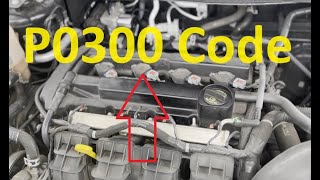
- Read all stored fault codes with an OBD-II scanner. Note any other codes besides P0300, as they provide 🎬 Watch: Understanding common causes for the P0300 misfire code crucial clues (e.g., P0172 points towards the fuel pressure regulator).
- Check the Check Engine Light status. If it is flashing, avoid driving and diagnose immediately to prevent catalytic converter damage.
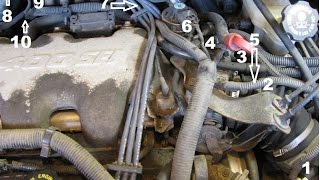
- Crucial Step for Aztek: Locate the fuel pressure regulator on the fuel rail. Disconnect its vacuum line and inspect for any sign of liquid fuel or a strong gasoline smell. If fuel is present, the regulator is bad and is the most likely cause. Replace it.
- If the regulator is dry, check the oil filler cap and dipstick for a milky, 'milkshake'-like consistency. This is a tell-tale sign of a failed lower intake manifold gasket allowing coolant to mix with the oil.
- If the oil is clean, inspect the ignition system. Check the service history of the spark plugs and wires. If they are over 100,000 miles old or their age is unknown, they are suspect, especially the difficult-to-reach rear bank.
- Test the ignition coils and Ignition Control Module (ICM). Swap a coil from a non-misfiring cylinder pair to a misfiring pair. If the misfire follows the coil, the coil is bad. If it stays, the ICM could be the culprit.
- Perform a smoke test to check for vacuum leaks. Pay extremely close attention to the lower intake manifold gaskets, as this is a very common failure point.
- Test fuel pressure using a fuel pressure gauge connected to the Schrader valve on the fuel rail. You should see a steady 52-59 PSI. A drop in pressure under load indicates a weak fuel pump.
- If all of the above checks pass, consider more advanced diagnostics like testing fuel injectors or checking the signal from the crankshaft position sensors.
Parts You'll Likely Need
- Fuel Pressure Regulator
(OEM #ACDelco 217-3074)— This is a very common failure on the 3.4L V6, where the internal diaphragm ruptures and leaks fuel into the intake.
Trusted brands: ACDelco (OEM), Delphi, Standard Motor Products
OEM price range: $70-$110
Aftermarket price range: $40-$90 - Lower Intake Manifold Gasket Set
(OEM #Fel-Pro MS98014T)— The original plastic gaskets are a known weak point that fail and cause vacuum and/or coolant leaks, a primary cause of P0300 on this engine. The Fel-Pro MS98014T is a widely recommended metal-framed upgrade.
Trusted brands: Fel-Pro (Problem Solver MS98014T is highly recommended), ACDelco
OEM price range: $80-$130
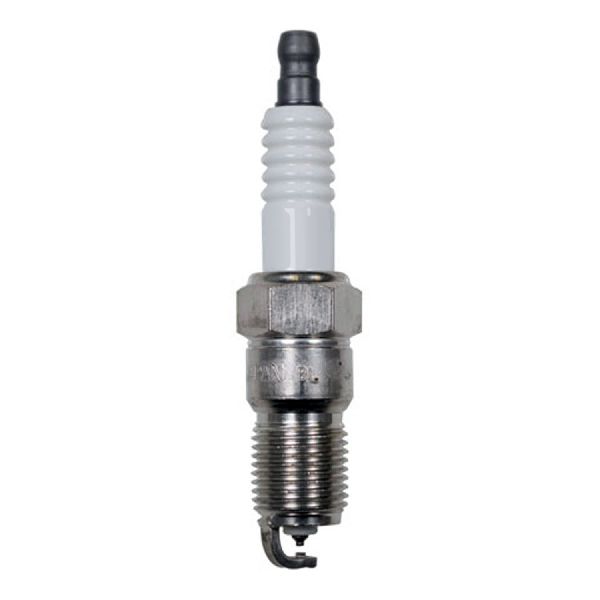
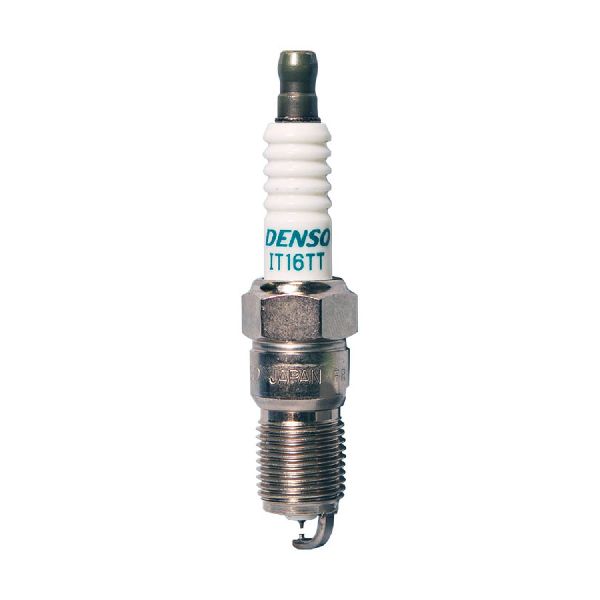
Aftermarket price range: $50-$100 - Spark Plugs and Wire Set — Standard maintenance items that are often neglected, especially the rear bank, due to difficult access. Worn plugs and bad wires are a frequent cause of misfires.
Trusted brands: ACDelco, NGK, Denso
OEM price range: $80-$170
Aftermarket price range: $60-$150
Related Codes That Often Appear With This One
- P0301-P0306 — If the random misfire begins to occur more frequently on a specific cylinder, the ECM may also log a cylinder-specific code in addition to P0300.
- P0171 or P0174 — If the misfire is caused by a large vacuum leak (like from the intake manifold gaskets), the engine will run lean, triggering a 'System Too Lean' code.
- P0172 or P0175 — If the misfire is caused by a leaking fuel pressure regulator, the engine will run excessively rich, triggering a 'System Too Rich' code.
Technical Service Bulletins (TSBs) & Recalls
- A preliminary bulletin from GM requesting diagnostic information from technicians for vehicles experiencing misfire codes P0300-P0308, indicating it is an ongoing area of investigation for the manufacturer.
- Advises technicians of a new fuel injection cleaner kit for decarbonizing intake valves to fix conditions like rough idle, misfires, and related DTCs. It also recommends using Top Tier fuels to reduce carbon buildup.
- Though for a different manufacturer, this TSB highlights a common industry-wide issue where a P0300 code can be caused by hairline cracks in spark plugs that occur during installation, leading to a persistent misfire. The fix is simply to replace the plugs again, carefully.
Platform-Specific Known Issues
- The 3.4L V6 engine is notorious for lower intake manifold gasket failures. The original plastic/silicone gaskets degrade, causing vacuum leaks or allowing coolant to mix with oil or enter the combustion chamber, leading to misfires.
- The vacuum-operated fuel pressure regulator is another common failure point. The internal diaphragm tears, allowing raw fuel to be sucked into the engine, causing a rich condition and random misfires.
Mechanic-Grade Diagnostic Values
- Fuel Injector Resistance — expected: 12.6 Ohms. Failure: A reading significantly higher or lower than 12.6 Ohms indicates a faulty injector coil.
- Fuel Pressure (Key On, Engine Off) — expected: 52-59 PSI. Failure: Pressure below this range indicates a weak fuel pump or clogged filter.
- Fuel Pump Pressure (Deadhead) — expected: 75-85 PSI. Failure: This tests the maximum pressure the pump can produce; a low reading confirms a weak pump.
Hidden / Shadow Codes Worth Checking
- Misfire History / Counters: While not a separate code, a GM-specific scan tool like a Tech 2 can access detailed misfire counters for each cylinder, even for misfires not severe enough to set a specific P0301-P0306 code. This allows a technician to see which cylinder is misfiring most often, even when only a general P0300 is present. (see via GM Tech 2 or equivalent professional scan tool with GM-specific software.)
Scan Tool Commands That Help
- Tech 2 / GDS2: Crankshaft Position (CKP) System Variation Learn Procedure (CASE Relearn) — This procedure is required after replacing a crankshaft position sensor or the engine control module (ECM). It synchronizes the CKP sensor signal with the ECM to ensure accurate misfire detection. Failure to perform this can itself cause a P0300 code to be set.
- Tech 2 / GDS2: Fuel Injector Balance Test — This function allows the technician to fire each injector individually and measure the corresponding pressure drop in the fuel rail. It is used to identify a clogged or weak injector that may be causing a misfire on a specific cylinder, which contributes to a random P0300 code.
Wiring & Ground Locations
- G100 / G101 — Located on the top of the right front upper cross member of the engine bay.. This is a primary ground point for multiple components. A corroded or loose connection here can cause erratic behavior in various systems, potentially leading to misfire codes.
- G111 / G117 — Mounted on the transaxle bellhousing, to the left of the starter motor.. This ground is critical for the Powertrain Control Module (PCM) and the Ignition Control Module (ICM). A poor ground at this location can directly cause ignition issues and random misfires.
- Ignition Relay — Located in the underhood fuse block.. A recall was issued because contamination on the ignition relay contacts can cause high resistance, affecting signals to the PCM and potentially causing intermittent stalling or misfire-like conditions.
Real Owner Repair Stories
- 2CarPros Forum User (2002 Pontiac Aztek, 116,000 miles) — Intermittent rough running, flashing 'Service Engine Soon' light, code P0301 that became a P0300.
❌ Tried (didn't work) New fuel filter, New spark plugs and wires, Professional fuel system and injector cleaning, Cleaning the MAF sensor
✅ What actually fixed it The final diagnosis pointed to a vacuum leak at the intake manifold gasket, a common issue on this engine. A TSB existed for a new intake gasket to solve this specific type of cylinder misfire.
OEM Part Supersession History
GM 12577245 (Camshaft Position Sensor)→GM 12674704— Standard part update by the manufacturer.
Model Year Variations Within This Range
- 2001-2005: The Pontiac Aztek used the same 3.4L LA1 V6 engine and 4T65-E automatic transmission for its entire production run from 2001 to 2005. While there were minor cosmetic changes and feature additions (like available AWD), the core powertrain components related to a P0300 diagnosis remained consistent, meaning the common causes and fixes apply to all model years.
Helpful Videos

We Have This Part in Stock

The information in this article is provided for general reference and educational purposes only. Vehicle specifications, procedures, and part compatibility can vary by production date, trim level, and region. Always consult your vehicle's factory service manual and verify part numbers before purchasing or performing repairs. Safety-critical components such as airbags, seat belts, and braking systems should be installed by a qualified professional.
- Pontiac AZTEK:
- 🧭 Diagnostic Flowchart
- 🎬 Helpful Videos
- 🛍️ Shop This Part
- What's Unique About the 2001-2005 Pontiac AZTEK
- Symptoms You May Notice
- Most Likely Causes
- Rare But Worth Checking
- Diagnosis Steps
- Parts You'll Likely Need
- Related Codes That Often Appear With This One
- Technical Service Bulletins (TSBs) & Recalls
- Platform-Specific Known Issues
- Mechanic-Grade Diagnostic Values
- Hidden / Shadow Codes Worth Checking
- Scan Tool Commands That Help
- Wiring & Ground Locations
- Real Owner Repair Stories
- OEM Part Supersession History
- Model Year Variations Within This Range
- 🎟️ Get 5% Off