

P0300 on 2005-2010 Pontiac G6: Random Misfire Causes and Fixes
P0300 on a Pontiac G6 indicates a random engine misfire. The most common causes are worn spark plugs or a vacuum leak from a failed intake manifold gasket, particularly on 3.5L V6 models. Start by inspecting spark plugs and checking for vacuum leaks before moving to fuel or ignition system components.
- P0300 means your engine has a random misfire affecting multiple cylinders; do not ignore it, especially if the check engine light is flashing.
- For any G6, start diagnosis with the basics: check the age and condition of your spark plugs.
- If you have a V6 engine, a leaking intake manifold gasket is a highly probable cause.
- If you have a 2.4L engine, be aware of potential issues with the original fuel injectors.
- A systematic approach of checking ignition, then vacuum, then fuel is the most efficient way to find the root cause.
What's Unique About the 2005-2010 Pontiac G6
The Pontiac G6 was offered with a variety of engines, including a 2.4L four-cylinder and several V6 options (3.5L, 3.6L, 3.9L). While the P0300 code is generic, the causes are often engine-specific. The 3.5L V6 engines use a 'wet' intake manifold design, making them highly susceptible to intake manifold gasket failures that cause both vacuum and coolant leaks. The 2.4L engines, conversely, were known for issues with faulty Multec fuel injectors and wiring harness chafing near the alternator, which was addressed in a TSB. The 3.9L V6 uses a 'dry' intake design and is not prone to the same gasket failure as the 3.5L. Diagnosing a P0300 often means first identifying which engine your G6 has.
🎬 Watch: Common causes and fixes for the P0300 misfire code.Diagnostic Flowchart
Tap your situation to follow the diagnostic path that matches what you're seeing on this vehicle.
Symptoms You May Notice
- Rough or shaking idle.
- Engine stumbling or hesitating during acceleration.
- Noticeable loss of engine power.
- Flashing or solid Check Engine Light.
- Reduced fuel economy.
- Difficulty starting the engine.
- Strong fuel smell from the exhaust.
- Replacing only one spark plug or ignition coil when the issue is a systemic problem like a vacuum leak or low fuel pressure.
- Replacing oxygen sensors. While a bad O2 sensor can contribute to fuel mixture problems, it's less likely to be the primary cause of a P0300 than the items listed above.
- Replacing the ECM. In one documented case on a 3.5L G6, a bad ECM driver was the cause of an injector fault, but this should only be considered after all wiring and components have been thoroughly tested.
Most Likely Causes
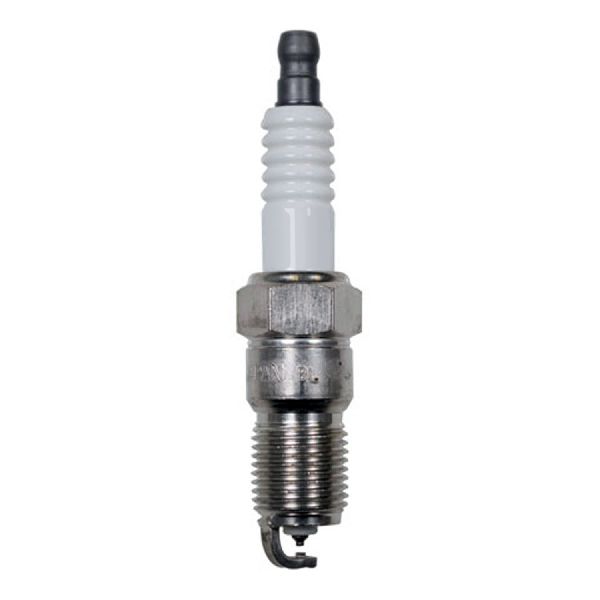
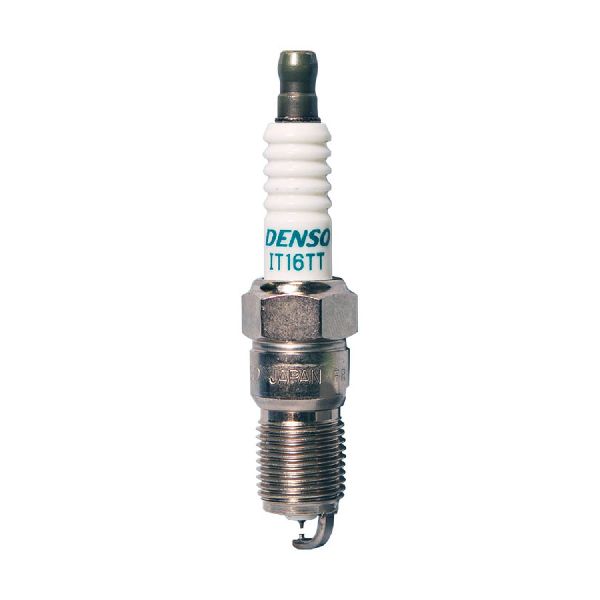
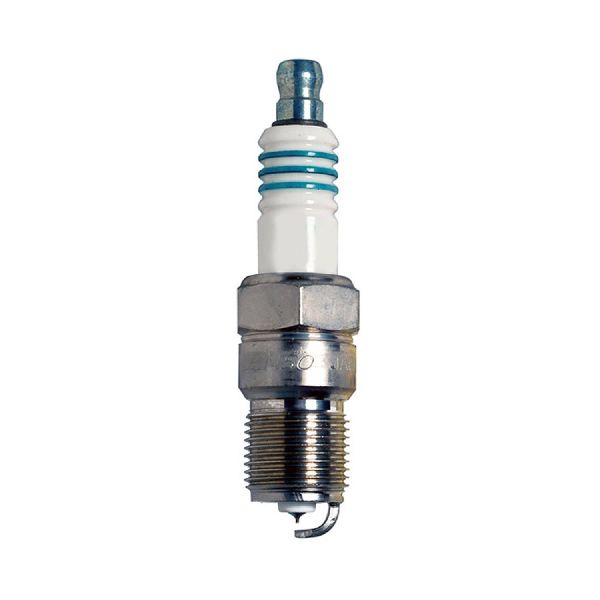
- Worn or Fouled Spark Plugs 🔴 High Probability → Shop Spark Plug Spark plugs are a standard maintenance item. On V6 models, the rear three plugs are difficult to access against the firewall, leading to them being neglected during tune-ups.
How to confirm: Remove and inspect the spark plugs for wear, carbon buildup, or oil fouling. Check the gap. Oil on the plugs may indicate a failing valve cover gasket.
Typical fix: Replace all spark plugs as a set. Use high-quality Iridium plugs, such as ACDelco 41-103, especially on V6 models, to extend the service interval.
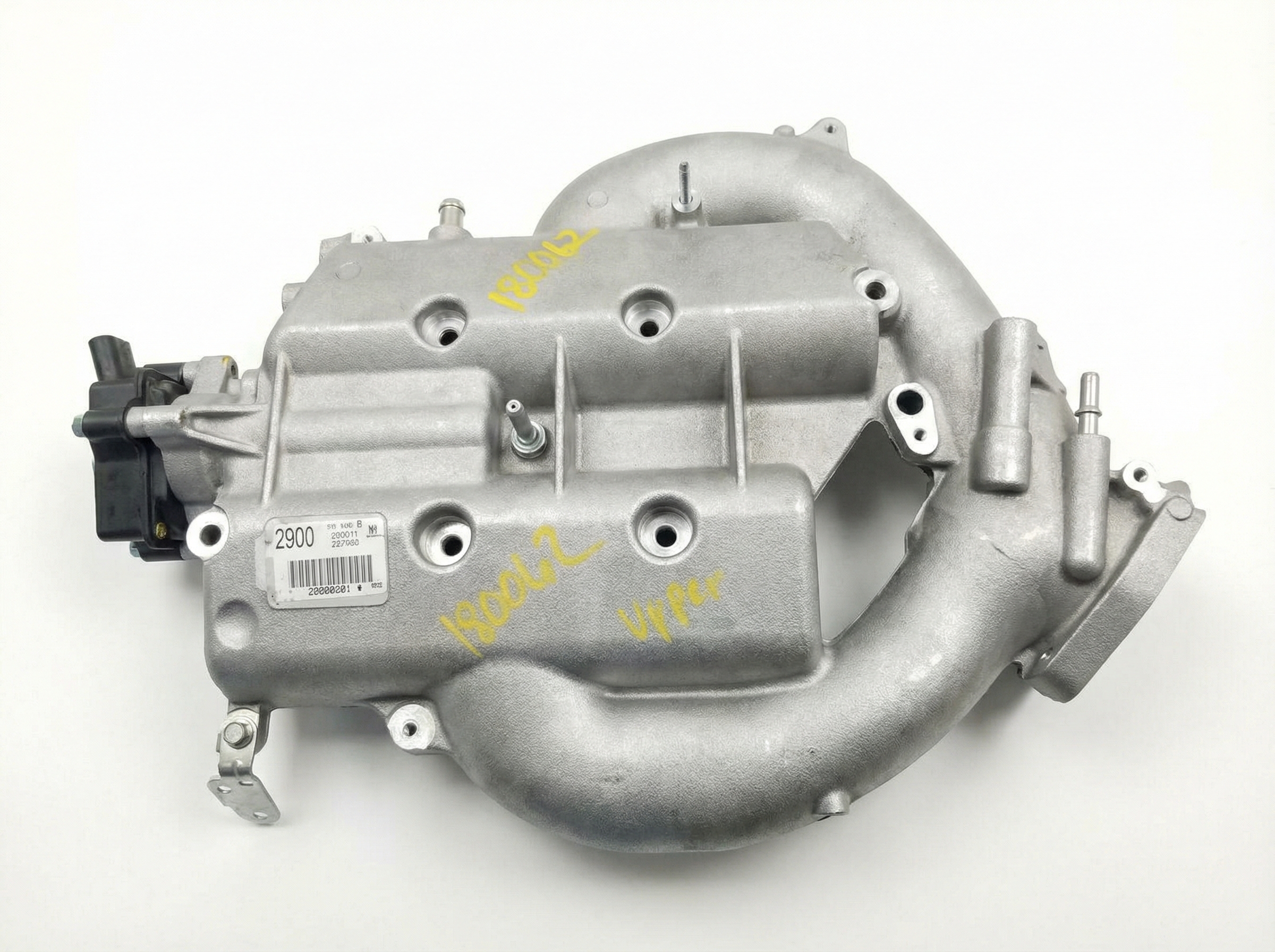
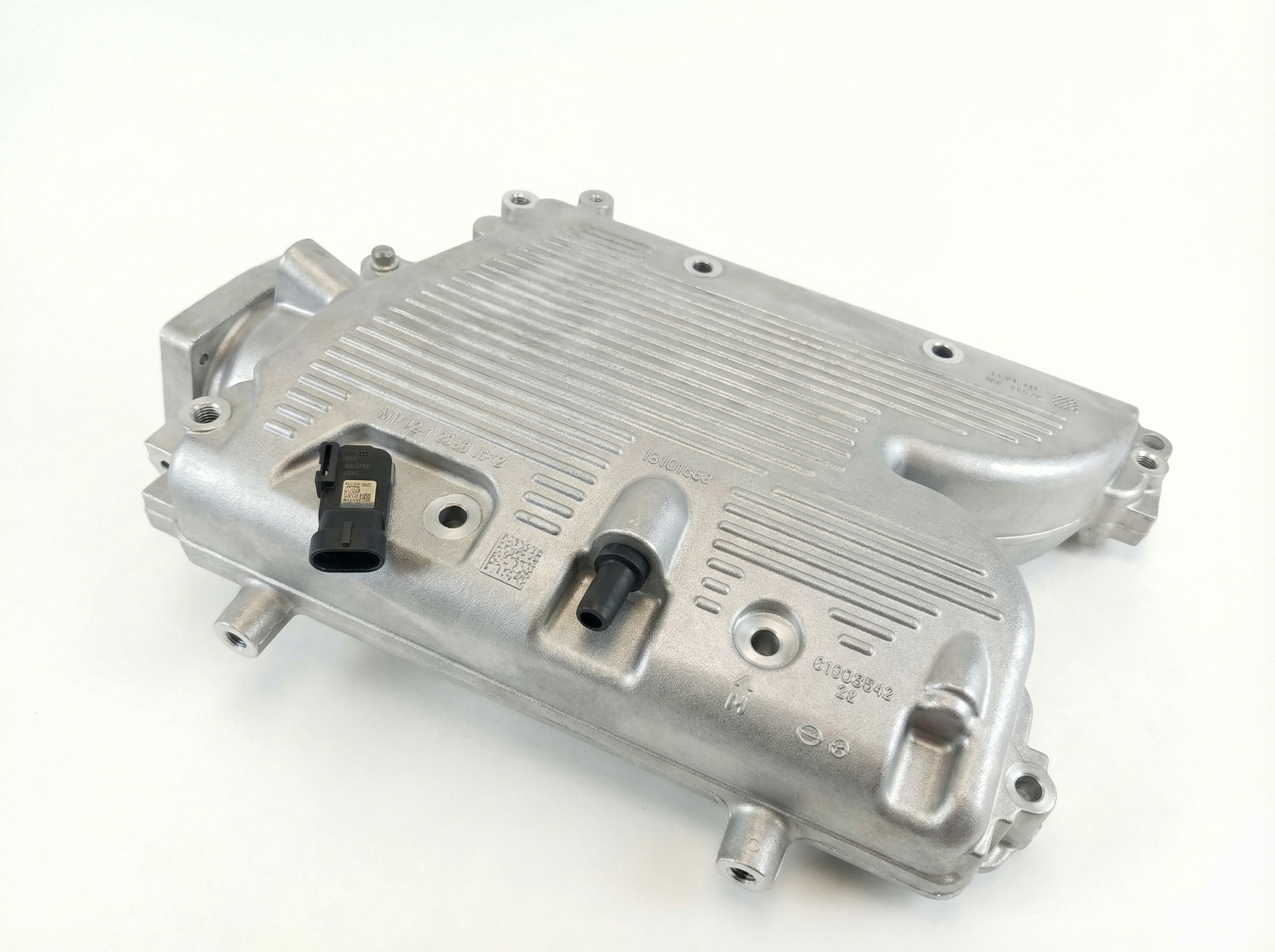
Est. part cost: $20-$80 - Vacuum Leak (Intake Manifold Gasket) 🔴 High Probability The 3.5L V6 engines in the G6 and its platform mates (Malibu, Aura) are notorious for failure of the original plastic-frame lower intake manifold gaskets. This allows unmetered air into the engine, disrupting the air-fuel ratio and often causing coolant to leak externally or into the oil.
How to confirm: Perform a smoke test on the intake system. Listen for a hissing sound around the intake manifold at idle. A visual inspection may reveal orange Dex-Cool coolant residue near the corners where the manifold meets the cylinder heads. A vacuum leak will often be accompanied by lean codes (P0171/P0174).
Typical fix: Replace the upper and lower intake manifold gaskets. It is highly recommended to use an updated metal-frame gasket set, such as Fel-Pro MS 98014 T, which is more durable than the OEM plastic design. The GM OEM part number for the upper gasket set is 89017576.
Est. part cost: $40-$120 - Faulty Fuel Injectors 🟡 Medium Probability → Shop Fuel Injector Some G6 models, particularly those with the 2.4L engine, used Multec injectors which were subject to TSB 03-06-04-030F for causing misfires and fuel trim issues (P1174). Additionally, TSB PIP3333C notes that fuel contamination can get trapped in the fuel rail on 4-cylinder models, causing misfires on cylinder 1 during left turns or cylinder 4 during right turns.
How to confirm: Use a scan tool to monitor misfire counts per cylinder (Mode $06). If a misfire is isolated, swap the injector with another cylinder to see if the misfire follows. A more advanced diagnosis involves a fuel injector balance test to measure flow rates.
Typical fix: Replace the faulty fuel injector(s). On 2.4L engines, a common ACDelco OEM replacement part number is 12613163. It is often recommended to replace them as a set, especially on higher mileage vehicles.
Est. part cost: $50-$150 per injector - Weak Fuel Pump or Clogged Fuel Filter 🟡 Medium Probability → Shop Fuel Filter
How to confirm: Connect a fuel pressure gauge to the fuel rail's Schrader valve. The pressure should be stable and within the manufacturer's specification of 50-60 PSI. Watch for pressure that is low, fluctuates wildly, or drops under load or during the misfire event.
Typical fix: Replace the fuel pump module, which is located inside the fuel tank and usually includes the filter sock. Accessing the pump requires dropping the fuel tank.
Est. part cost: $150-$300 - Faulty Ignition Coil Pack(s) or Module ⚪ Low Probability → Shop Ignition Coil
How to confirm: With the engine running, carefully unplug the electrical connector to each coil one by one. If unplugging a coil causes no change in the engine's idle, that cylinder's coil may be bad. To confirm, swap the suspected bad coil with a known good coil from another cylinder. If the misfire follows the coil (verifiable with a scan tool's misfire counter), the coil is bad.
Typical fix: Replace the faulty ignition coil. Some V6 models have a separate ignition control module under the coils that can also fail and require replacement.
Est. part cost: $40-$90 per coil
Rare But Worth Checking
- Clogged Catalytic Converter: → Shop Catalytic Converter If the car feels extremely sluggish and has poor power, especially at higher RPMs, the catalytic converter could be clogged. This is often a result of a long-term misfire and is usually accompanied by a P0420 code.
- Faulty Crankshaft Position Sensor: → Shop Engine Crankshaft Position Sensor A failing sensor can send erratic signals to the ECM, causing it to lose track of engine timing and trigger a random misfire code. After replacement, a 'crankshaft variation relearn' procedure must be performed with a scan tool to prevent a P0315 code. A common OEM part number is 12703627.
- Low Engine Compression: Internal engine damage, such as a blown head gasket or worn piston rings, can cause low compression in multiple cylinders. This is a worst-case scenario and should be investigated with a compression test if all other causes are ruled out. A user reported zero compression in multiple cylinders after incorrectly installing pushrods during an intake gasket job.
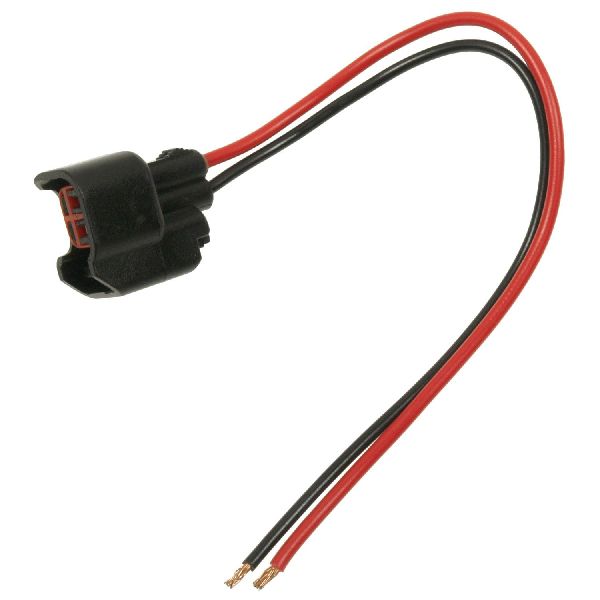
- Chafed Fuel Injector Wiring Harness (2.4L Engine): → Shop Engine Wiring Harness A GM preliminary bulletin describes an issue on 2.4L engines where the #1 fuel injector wiring harness can chafe against the alternator or upper radiator hose, causing a short and setting P0300/P0301. The fix is to repair the wire and protect it with convoluted tubing.
Diagnosis Steps
- Check for any other stored DTCs with an OBD-II scanner. Codes like P0301-P0306 or P1174 can help narrow the search. Use the scanner's live data or Mode $06 to view misfire counts for each cylinder.
- Inspect the ignition system. Start with the spark plugs, checking for wear, proper gap, and signs of oil or coolant fouling.
- Check for vacuum leaks. Perform a visual inspection of all vacuum hoses. A smoke test is the most effective way to find leaks from gaskets, especially the intake manifold gasket on 3.5L V6s.
- Test fuel pressure. Connect a fuel pressure gauge to the fuel rail and verify it is stable and within the 50-60 PSI specification at idle and under load.
- Test the ignition coils. Swap a suspected bad coil with a known good one to see if the misfire moves to the other cylinder.
- Inspect fuel injectors. Listen for consistent clicking. For the 2.4L engine, inspect the #1 injector wiring harness for chafing near the alternator. Consider a professional injector cleaning or balance test if they are suspected.
- Check the exhaust for restrictions. A clogged catalytic converter can be diagnosed with a backpressure test.
- If all else fails, perform an engine compression test to rule out serious mechanical issues like a bad head gasket or worn piston rings.
Parts You'll Likely Need
- Spark Plugs
(OEM #ACDelco 41-103 (Iridium))— This is the most common and fundamental tune-up part to address a misfire. Often the first and easiest fix.
Trusted brands: ACDelco, NGK
OEM price range: $8-$15 per plug
Aftermarket price range: $4-$10 per plug - Intake Manifold Gasket Set (Lower)
(OEM #GM 12598158 (V6))— A very common failure point on GM 3.5L V6 engines, causing vacuum and coolant leaks that lead directly to a P0300 code.
Trusted brands: Fel-Pro (MS 98014 T - recommended upgrade), ACDelco, Mahle
OEM price range: $50-$80
Aftermarket price range: $40-$70 - Fuel Injector
(OEM #ACDelco 12613163 (for 2.4L))— Common failure on 2.4L engines, sometimes due to design flaws or contamination.
Trusted brands: ACDelco, Standard Motor Products, Delphi
OEM price range: $60-$90 per injector
Aftermarket price range: $40-$70 per injector - Crankshaft Position Sensor
(OEM #ACDelco 12703627)— A failed sensor can provide erratic data to the ECM, causing misfires and stalling.
Trusted brands: ACDelco, Delphi, Duralast
OEM price range: $40-$60
Aftermarket price range: $25-$50
Related Codes That Often Appear With This One
- P0301-P0306 — These codes specify which cylinder is misfiring (e.g., P0301 for Cylinder 1). They often appear with P0300 when the misfire is frequent but not completely random.
- P0171/P0174 — These 'System Too Lean' codes indicate too much air or not enough fuel. A vacuum leak from a failed intake manifold gasket is a common cause for both lean codes and a P0300.
- P0420 — This 'Catalyst System Efficiency Below Threshold' code can be caused by a persistent misfire dumping unburnt fuel into the exhaust, damaging the catalytic converter.
- P1174 — This is a GM-specific code for 'Fuel Trim Cylinder Balance'. It often points directly to a faulty or clogged fuel injector on one or more cylinders, which can cause a P0300, especially on the 2.4L engine.
Technical Service Bulletins (TSBs) & Recalls
- PIP5628G: Preliminary information for diagnosing P0300-P0308 misfire codes.
- PIP3333C: Addresses intermittent misfires on cylinders 1 or 4 during turns on 4-cylinder models, potentially caused by fuel contamination in the returnless fuel rail.
- 03-06-04-030F: Relates to P1174 and misfires on 2.4L engines with Multec injectors, often requiring injector replacement and an ECM reflash.
- GM Preliminary Information Bulletin (no number cited): Describes chafing of the #1 fuel injector wiring harness on 2.4L models, causing P0300/P0301.
Platform-Specific Known Issues
- 3.5L V6 Intake Manifold Gasket Failure: → Shop Engine Intake Manifold The 3.5L V6 uses a 'wet' intake manifold with coolant passages. The original gaskets use a plastic frame that degrades over time from heat and exposure to Dex-Cool antifreeze, leading to vacuum leaks (P0300, P0171) and/or coolant leaks. The recommended fix is to replace the gaskets with an upgraded metal-frame design from a brand like Fel-Pro.
- 2.4L I4 Fuel Injector & Wiring Issues: → Shop Fuel Injector The 2.4L engine can suffer from P0300 due to two main issues. First, a TSB addresses faulty Multec fuel injectors that cause misfires and a P1174 code. Second, a separate bulletin notes that the wiring harness for the #1 injector can chafe against the alternator or radiator hose, causing a short and a misfire on that cylinder.
- V6 Crankshaft Reluctor Wheel: → Shop Engine Crankshaft A known TSB for V6 engines notes that the reluctor wheel on the crankshaft, which the CKP sensor reads, can slip out of position. This will cause persistent timing-related codes and misfires even after replacing the sensor. This is a major repair requiring crankshaft replacement.
Helpful Videos

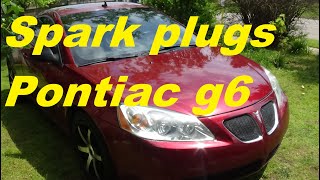
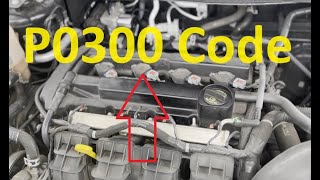
Used OEM Parts in Stock
New Aftermarket Parts Available


The information in this article is provided for general reference and educational purposes only. Vehicle specifications, procedures, and part compatibility can vary by production date, trim level, and region. Always consult your vehicle's factory service manual and verify part numbers before purchasing or performing repairs. Safety-critical components such as airbags, seat belts, and braking systems should be installed by a qualified professional.
- Pontiac G6:
- 🧭 Diagnostic Flowchart
- 🎬 Helpful Videos
- 🛍️ Shop This Part
- What's Unique About the 2005-2010 Pontiac G6
- Symptoms You May Notice
- Most Likely Causes
- Rare But Worth Checking
- Diagnosis Steps
- Parts You'll Likely Need
- Related Codes That Often Appear With This One
- Technical Service Bulletins (TSBs) & Recalls
- Platform-Specific Known Issues
- 🎟️ Get 5% Off