

P0300 on 2014-2020 Ram 2500: HEMI & Cummins Misfire Causes and Fixes
P0300 means 'Random Misfire', but the cause is very different for HEMI vs. Cummins engines. For HEMI (gas) engines, start by inspecting basic ignition components like spark plugs and coils, but be aware of the notorious 'HEMI tick' indicating lifter/camshaft failure. For Cummins (diesel) engines, immediately suspect a fuel system problem, most commonly failing fuel injectors, and always replace the connector tubes with them.
- P0300 on a Ram 2500 requires you to identify your engine first; the causes for HEMI (gas) and Cummins (diesel) are completely different.
- For HEMI engines, suspect spark plugs and ignition coils first. If a ticking noise is present, suspect a more serious camshaft/lifter failure.
- For Cummins engines, P0300 almost always points to a fuel system problem, most commonly failing fuel injectors. Check your oil for fuel dilution immediately.
- A flashing check engine light indicates a severe misfire. Pull over safely to prevent catastrophic damage to your exhaust system or engine.
- Always check for other trouble codes, as they provide the best clues. A P00C6 on a Cummins or a P030X on a HEMI can significantly speed up diagnosis.
What's Unique About the 2014-2020 Ram 2500
On the 2014-2020 Ram 2500, the diagnostic path for P0300 diverges significantly depending on the engine. For the 6.4L and 5.7L HEMI V8s, causes are typically related to the ignition system (plugs, coils) or, more seriously, internal valvetrain issues like lifter and camshaft failure, often called the 'HEMI Tick'. For the 6.7L Cummins diesel, a P0300 code almost exclusively points to a problem within the complex high-pressure fuel system, a fact supported by multiple Technical Service Bulletins (TSBs) linking misfires to fuel pressure and injector performance.
Diagnostic Flowchart
Tap your situation to follow the diagnostic path that matches what you're seeing on this vehicle.
Generation note: This range covers the fourth generation (2014-2018) and the start of the fifth generation (2019-2020) Ram 2500. While the core 6.4L HEMI and 6.7L Cummins engines were used in both, there were updates. However, the fundamental causes for a P0300 code remain consistent across these years for each respective engine type.
Symptoms You May Notice
- Rough or shaking idle
- Flashing or solid Check Engine Light
- Engine hesitation or stumbling during acceleration
- Noticeable loss of power
- Difficulty starting the engine
- Smell of raw fuel from the exhaust
- Increased fuel consumption
- Audible ticking or tapping noise from the engine, especially in HEMI lifter failure cases, which may be more prominent at idle.
- Replacing only one spark plug or coil on a HEMI engine instead of addressing them as a set.
- Replacing ignition components on a Cummins diesel when the issue is almost always fuel-related.
- Assuming a catalytic converter is bad due to misfire-related codes, when the misfire itself is the root cause that needs to be fixed first.
- For HEMI engines with a ticking noise, replacing only coils or plugs without investigating the high probability of cam/lifter failure, thus wasting time and money.
Most Likely Causes
- Faulty Fuel Injectors (6.7L Cummins) 🔴 High Probability → Shop Fuel Injector The high-pressure common rail fuel system is sensitive to wear and contamination. Internal failure of an injector can cause excessive fuel return, poor atomization, or leaks, leading to misfires. TSB #18-044-26 also links P0300 to conditions like a high oil level, which can be caused by fuel diluting the oil from a leaking injector.
How to confirm: Use a high-level scan tool to monitor injector balance rates at warm idle; deviations beyond ±4.0 mm³/stroke suggest a problem. Perform an injector return flow test; a single injector returning more than 40 ml in 30 seconds is excessive. Also, check the engine oil for a rising level or a strong diesel smell.
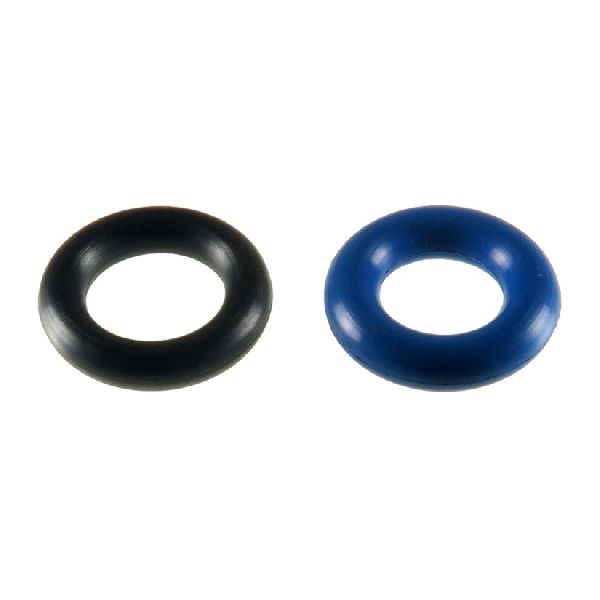
Typical fix: Replace the faulty fuel injector(s). It is best practice to replace all six injectors if they are high mileage. Crucially, TSB #05175565A$ mandates that the High-Pressure Connector Tubes must also be replaced at the same time to prevent leaks. When tightening the new injector solenoid nuts, do not exceed 1.50 N·m (13 in. lbs.) to avoid damage.
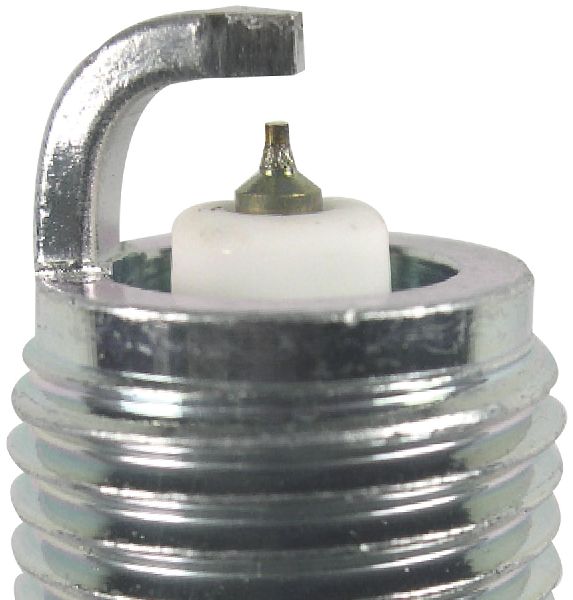
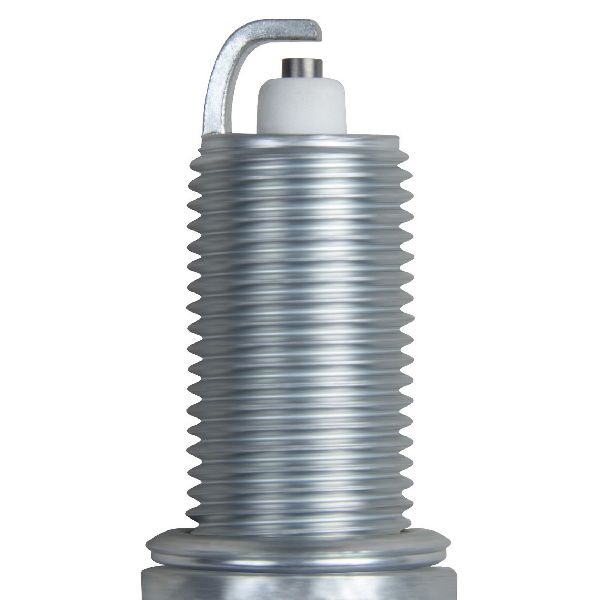
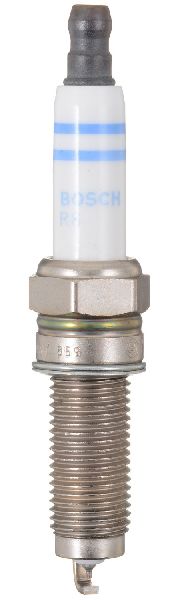
Est. part cost: $2000-$3000 for a set of 6 OEM Bosch injectors and connector tubes. - Worn or Fouled Spark Plugs (HEMI Engines) 🔴 High Probability → Shop Spark Plug HEMI engines use 16 spark plugs (two per cylinder), doubling the chance of a failure compared to a conventional V8. They are a primary wear item and the most common initial cause of misfires.
How to confirm: Inspect all 16 spark plugs for wear (worn electrode), carbon buildup, oil fouling, or damage to the ceramic insulator. Ensure the gap is correct for your engine.
Typical fix: Replace all 16 spark plugs. It is highly recommended to use the OEM-specified NGK or Champion plugs for best performance and longevity.
Est. part cost: $100-$200 for a full set of 16 plugs. - Camshaft and/or Lifter Failure (HEMI Engines) 🟡 Medium Probability → Shop Engine Camshaft A widely documented issue on 5.7L and 6.4L HEMI engines is the failure of the roller lifters, often called the 'HEMI Tick'. The roller's needle bearings can fail, causing the roller to seize and grind against the camshaft lobe, destroying both parts. This leads to a persistent misfire that often starts on one cylinder (e.g., P0303) and can escalate to a P0300.
How to confirm: Listen for a distinct, rhythmic ticking sound from the top of the engine that may worsen with RPM. A borescope can be used to inspect the camshaft lobes through the lifter bores after removing the intake manifold. In many cases, metal shavings ('glitter') will be visible in the engine oil and filter.
Typical fix: This is a major engine repair that involves replacing the camshaft, all 16 lifters, head gaskets, and often pushrods. Many owners opt to install non-MDS lifters to prevent a recurrence. Repair costs at a shop can range from $5,000 to $9,000.
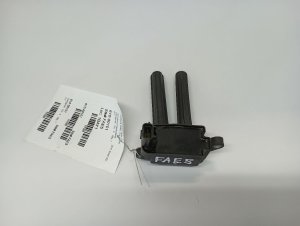
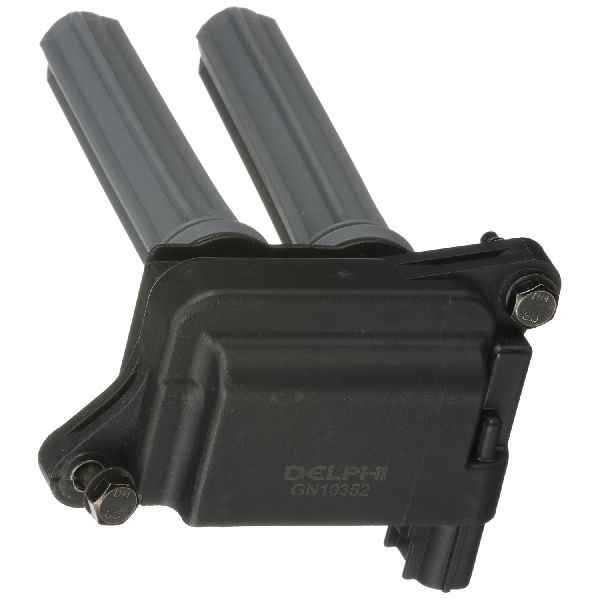
Est. part cost: $800-$1500 for a cam and lifter kit. - Faulty Ignition Coils (HEMI Engines) 🟡 Medium Probability → Shop Ignition Coil Ignition coils are a common failure point on many modern engines. Heat and vibration can cause the internal windings to fail over time, leading to a weak or non-existent spark.
How to confirm: If a specific cylinder misfire code (e.g., P0304) is present with the P0300, swap the ignition coil from the misfiring cylinder with a known good cylinder. Clear the codes and drive. If the misfire code follows the coil to the new cylinder, the coil is bad.
Typical fix: Replace the faulty ignition coil. Many owners choose to replace all 8 coils if they are original and high mileage.
Est. part cost: $40-$80 per coil. - Faulty Crankshaft Position Sensor (All Engines) ⚪ Low Probability → Shop Engine Crankshaft Position Sensor Multiple TSBs (#1810722REVA, #18-096-16) mention the P0300 code in conjunction with a Crankshaft Position Sensor circuit fault (P0335). A failing sensor provides erratic data to the PCM, which it misinterprets as random misfires by failing to properly track engine speed variations.
How to confirm: Check for a stored P0335 trouble code. The sensor is located on the passenger side of the engine block, near the transmission bell housing. Diagnosis involves testing the sensor's signal with an oscilloscope or replacing it if P0335 is present and other causes are ruled out.
Typical fix: Replace the crankshaft position sensor.
Est. part cost: $50-$100
Rare But Worth Checking
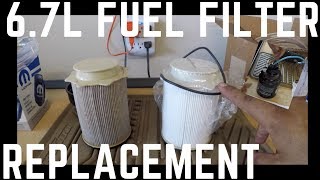
- Clogged Fuel Filters (6.7L Cummins): → Shop Fuel Water Separator Filter A severely clogged fuel filter or water separator can restrict fuel flow enough to starve the high-pressure pump, causing low rail pressure and random misfires under load. This is a basic maintenance item that should be checked first.
- Vacuum Leak (HEMI Engines): A leak in the intake manifold gasket or a vacuum hose can introduce unmetered air, leaning out the air/fuel mixture and causing misfires across multiple cylinders.
- PCM Software Glitch (Block Heater Use): TSB #18-072-16 identifies a specific issue on 2014 models where using a block heater in ambient temperatures above -29°C (-20°F) could cause the PCM to falsely trigger a P0300 code. The fix is a PCM software update.
Diagnosis Steps
- Identify Your Engine: The diagnostic path is completely different for HEMI (Gas) vs. Cummins (Diesel).
- Scan for Additional Codes: Check for cylinder-specific misfire codes (P0301-P0308) or system codes (P00C6, P0335) that can provide critical clues.
- If you have a HEMI (Gas) Engine:
- a. Listen for a loud, rhythmic 'tick' from the engine. If present, suspect camshaft/lifter failure and proceed with caution as this is a major repair.
- b. Inspect all 16 spark plugs for wear, damage, or fouling. Replace as a full set if they are worn or if their history is unknown.
- c. If a specific cylinder is misfiring, swap the ignition coil with an adjacent cylinder. If the misfire follows the coil, replace the faulty coil.
- d. Check for vacuum leaks by inspecting all hoses connected to the intake manifold and listening for a hissing sound.
- e. If P0335 is present, test or replace the Crankshaft Position Sensor.
Parts You'll Likely Need
- Fuel Injector (6.7L Cummins)
(OEM #68210105AA)— The most common cause of P0300 on the Cummins engine. Internal failure leads to incorrect fueling and misfires.
Trusted brands: Bosch, Mopar
OEM price range: $400-$600 each
Aftermarket price range: $250-$450 each - Spark Plugs (6.4L/5.7L HEMI)
(OEM #SP142582AB (6.4L))— A standard maintenance item and the most frequent cause of misfires on HEMI engines due to the 16-plug design.
Trusted brands: NGK, Mopar
OEM price range: $10-$15 each
Aftermarket price range: $5-$12 each - Camshaft and Lifter Kit (6.4L/5.7L HEMI) — Required to fix the common 'HEMI tick' issue where a failed lifter destroys the camshaft, causing a severe misfire.
Trusted brands: Mopar, Melling
OEM price range: $1000-$1500
Aftermarket price range: $700-$1200 - Ignition Coil (6.4L/5.7L HEMI)
(OEM #56029129AF)— A common electrical failure that causes misfires. If one fails, others may be near the end of their service life.
Trusted brands: Mopar, Delphi, NGK
OEM price range: $60-$90
Aftermarket price range: $30-$60
Related Codes That Often Appear With This One
- P0301-P0308 — These codes specify which cylinder is misfiring (e.g., P0301 for Cylinder 1). They often appear with P0300 and help narrow down the diagnosis to a specific coil, plug, or injector, especially in the early stages of a failure.
- P00C6 — (Cummins) Indicates 'Fuel Rail Pressure Too Low - Engine Cranking'. TSB #18-044-26 directly links this code with P0300, pointing to a significant fuel delivery problem like a weak high-pressure pump or leaking injectors.
- P0335 — Indicates a 'Crankshaft Position Sensor Circuit' fault. TSBs #1810722REVA and #18-096-16 show this code appearing with P0300, as a faulty sensor can prevent the PCM from accurately tracking engine speed and misfires.
Technical Service Bulletins (TSBs) & Recalls
- TSB #18-044-26: Links P0300 on Cummins with P00C6 (low fuel rail pressure) and high oil level, indicating leaking injectors.
- TSB #05175565A$: Mandates replacing the High-Pressure Connector Tube along with the fuel injector on 2016 Cummins when fixing a misfire code.
- TSB #18-096-16 & #1810722REVA: Connect P0300 with P0335 (Crankshaft Position Sensor Circuit fault), confirming it as a known cause.
- TSB #18-072-16: Notes a PCM software update is available to fix false P0300 codes triggered by block heater usage on 2014 models.
Platform-Specific Known Issues
- HEMI Cam/Lifter Failure: The 6.4L and 5.7L HEMI engines are known for a valvetrain issue where a lifter's roller bearing fails, wiping out the corresponding camshaft lobe. This causes a ticking noise and a persistent misfire.
- Cummins Injector Failure: The high-pressure fuel injectors on the 6.7L Cummins are a common failure point that directly leads to a P0300 code. An owner complaint to the NHTSA (ODI #11627026) reported misfires across all six cylinders after fuel system work.
- Fuel Dilution in Oil (Cummins): TSB #18-044-26 notes that P0300 can be accompanied by a high oil level warning. This is a critical symptom on a Cummins, indicating a leaking injector is dumping diesel fuel into the crankcase, thinning the oil and risking severe engine damage.
Mechanic-Grade Diagnostic Values
- 6.7L Cummins Fuel Rail Pressure (Cranking) — expected: >4,000 PSI. Failure: Pressure below 4,000 PSI during cranking will result in a hard-start or no-start condition, often caused by leaking injectors.
- 6.7L Cummins Fuel Rail Pressure (Idle) — expected: Approx. 5,000 - 7,000 PSI. Failure: Pressure that is unstable or significantly lower than the commanded pressure on a scan tool points to a fuel delivery issue.
- 6.7L Cummins Injector Return Flow (Running Test) — expected: < 210 mL total for all injectors in 30 seconds. Failure: Total return volume exceeding 210 mL in 30 seconds (at 1200 RPM and 26,107 PSI via scan tool override) indicates excessive wear/leakage in one or more injectors. Any single injector contributing more than 40 mL is considered faulty.
- 6.7L Cummins Injector Return Flow (No-Start Cranking Test) — expected: < 40 mL in 10 seconds. Failure: Exceeding 40 mL of return fuel in a 10-second cranking period indicates at least one injector is leaking so badly it's preventing the rail from building starting pressure.
- 6.7L Cummins Low-Pressure Fuel Lift Pump (Flow Test) — expected: Approx. 500 mL in 10 seconds (or 1 quart in 20 seconds). Failure: Significantly less flow indicates a weak in-tank lift pump or clogged primary fuel filters, which can starve the high-pressure CP3/CP4 pump.
- HEMI Ignition Coil Primary Resistance — expected: 0.4 - 0.6 Ohms. Failure: A reading outside this range indicates a fault in the coil's primary winding.
- HEMI Ignition Coil Secondary Resistance — expected: 9.5k - 14.5k Ohms. Failure: A reading outside this range indicates a fault in the coil's secondary winding.
Scan Tool Commands That Help
- wiTECH (or capable aftermarket): Cylinder Performance Test / Contribution Test — For both HEMI and Cummins engines, this test identifies underperforming cylinders by measuring the contribution of each cylinder to crankshaft speed. A cylinder that contributes significantly less than others (e.g., below 95%) likely has a mechanical, fuel, or ignition issue. This helps isolate a random P0300 to a specific cylinder.
- wiTECH (or capable aftermarket): Fuel Pressure Override Test (Cummins) — This function commands the fuel system to build maximum rail pressure (approx. 26,000 PSI) at a set RPM. It is used in conjunction with a physical injector return flow test to identify injectors that are leaking excessively under high pressure, a common cause of P0300 on the Cummins.
- wiTECH (or capable aftermarket): Fuel System Leakage Test (Cummins) — This automated test commands various pressure levels and monitors the decay rate to check for leaks in the high-pressure system, including injectors, connector tubes, and the pressure relief valve. It can help confirm a fuel-side issue when P0300 is present.
Wiring & Ground Locations
- Engine Harness Chafe Point — Driver's side of the engine bay, where the main engine harness passes the ECM mounting bracket or near the shock tower.. Vibrations can cause the harness to rub against sharp metal edges, potentially shorting circuits for the crankshaft sensor, ignition coils (HEMI), or injectors (Cummins). This can lead to erratic signals and intermittent misfires that log a P0300 code.
- PCM (Engine Control Module) — On the passenger side of the firewall, behind the factory airbox.. Knowing the PCM location is critical for inspecting its connectors for corrosion or damage and for checking ground wires that attach nearby, which can affect sensor readings if compromised.
- Main Engine/Body Grounds — Key grounds include a strap from the battery negative terminal to the passenger side inner fender, grounds on the engine block itself, and under-dash grounds like G304.. A loose or corroded ground can cause floating voltages and erratic behavior from critical sensors like the crankshaft position sensor, leading the PCM to falsely detect misfires and set a P0300 code.
Real Owner Repair Stories
- RamForum.com user 'big13' (2013 Ram 5.7L HEMI) — Persistent P0300 code for a month, with a slightly rough feel. The code would return after being cleared multiple times.
❌ Tried (didn't work) Owner suspected bad ignition coils., Clearing the code with a scanner provided only a temporary fix.
✅ What actually fixed it A dealership visit resulted in a PCM software update which resolved the P0300 code. The truck ran 'better than ever' afterward. - HD Rams Forum user (2017 Ram 2500 6.4L HEMI with 140,000 km) — Check engine light with a cylinder 7 misfire code that escalated to P0300, accompanied by a noticeable tapping noise from the top end and a rough idle, especially while towing.
❌ Tried (didn't work) Initial diagnosis pointed towards common ignition issues.
✅ What actually fixed it The combination of a specific cylinder misfire, audible tapping, and a rough idle strongly indicated the well-known HEMI lifter/camshaft failure. The fix is a major mechanical repair involving replacement of the camshaft and lifters.
Model Year Variations Within This Range
- 2019-2020: The 6.7L Cummins engine was significantly updated for the 2019 model year. Key changes include a compacted graphite iron (CGI) block, a new cylinder head with hydraulic lash adjusters (lifters), and a new fuel system capable of 29,000 PSI (2,000 bar). These new hydraulic lifters have become a known failure point, a problem not present on the 2014-2018 models which used solid tappets.
Helpful Videos
Used OEM Parts in Stock
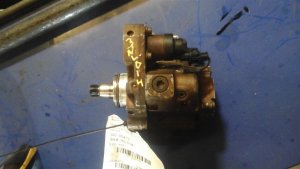
New Aftermarket Parts Available

The information in this article is provided for general reference and educational purposes only. Vehicle specifications, procedures, and part compatibility can vary by production date, trim level, and region. Always consult your vehicle's factory service manual and verify part numbers before purchasing or performing repairs. Safety-critical components such as airbags, seat belts, and braking systems should be installed by a qualified professional.
- Ram 2500:
- 🧭 Diagnostic Flowchart
- 🎬 Helpful Videos
- 🛍️ Shop This Part
- What's Unique About the 2014-2020 Ram 2500
- Symptoms You May Notice
- Most Likely Causes
- Rare But Worth Checking
- Diagnosis Steps
- Parts You'll Likely Need
- Related Codes That Often Appear With This One
- Technical Service Bulletins (TSBs) & Recalls
- Platform-Specific Known Issues
- Mechanic-Grade Diagnostic Values
- Scan Tool Commands That Help
- Wiring & Ground Locations
- Real Owner Repair Stories
- Model Year Variations Within This Range
- 🎟️ Get 5% Off