

P0300 on 2002-2010 Saab 9-5 2.3L Turbo: Misfire Causes and Fixes
On a Saab 9-5 with the B235 engine, a P0300 code is most often caused by a failing Direct Ignition Cassette (DIC) or incorrect/worn spark plugs. Start by replacing the spark plugs with the correct NGK model (PFR6H-10), and if that doesn't work, replace the DIC with a genuine SEM-made unit. A new DIC costs around $250-$400. Using cheap aftermarket cassettes is a common mistake that leads to repeat failures.
- Do not ignore a P0300 code, especially if the Check Engine Light is flashing, as this can quickly ruin your catalytic converter.
- Start your diagnosis with the spark plugs. Ensure they are the correct NGK model (BCPR7ES-11 or PFR6H-10) and are properly gapped.
- The most likely cause is a failed Direct Ignition Cassette (DIC). Do not buy a cheap aftermarket replacement; only use a genuine Saab or SEM-branded part.
- If the DIC and plugs are correct, the next most likely cause is a vacuum leak from a cracked hose.
What's Unique About the 2002-2010 Saab 9-5
The Saab 9-5's B235 engine uses a unique, all-in-one ignition system called a Direct Ignition Cassette (DIC). This single component replaces individual coil packs and is a very common failure point, making it the primary suspect for any misfire code. This cassette is more than just a set of coils; it also measures ionization in the cylinders to detect knock, effectively replacing a conventional knock sensor and camshaft position sensor. Additionally, the Trionic engine management system is extremely sensitive to the type of spark plugs used; using anything other than the specified NGK resistor plugs can cause misfires and even damage the DIC.
Generation note: The 2002-2010 year range covers the first generation of the Saab 9-5, including the major facelift for the 2006 model year. While body styles and some electronics differ, the core B235 engine and its Trionic 7 (T7) ignition system are fundamentally the same. The causes and fixes for a P0300 code are consistent across this entire year range for all 4-cylinder petrol engines.
Symptoms You May Notice
- Rough or unstable engine idle.
- Engine hesitation or stumbling during acceleration, especially under turbo boost.
- Flashing Check Engine Light, especially under load.
- Reduced engine power and poor performance.
- Noticeable decrease in fuel economy.
- A smell of raw fuel from the exhaust.
- A smell of burnt electronics from the engine bay if the DIC has failed.
- Sudden engine stall, potentially without warning.
- Replacing the DIC with a cheap, non-SEM aftermarket part. These are known to be of poor quality and often fail quickly or don't work correctly out of the box, leading to continued misfires and frustration.
- Replacing other components like the MAF sensor or O2 sensors before confirming the spark plugs are correct and the DIC is a genuine unit.
- Overlooking a simple vacuum leak, particularly the small hose on the fuel rail or a ruptured fuel pressure regulator diaphragm.
Most Likely Causes
- Failing Direct Ignition Cassette (DIC) 🔴 High Probability → Shop Ignition Coil The DIC is a known wear item on Saab B235 engines. It integrates coils, electronics, and boots into one unit that sits in a high-heat environment. Aftermarket, non-SEM units are notoriously unreliable and prone to premature failure. Failure can be gradual or sudden.
How to confirm: The easiest way is to swap in a known-good, genuine SEM cassette. If the misfire disappears, the old DIC was the problem. Misfires that appear under load or when hot are classic symptoms. Check the sticker on the cassette; it should say 'SEM' and have a date code (e.g., 0552 for the 52nd week of 2005). Visual inspection may reveal cracks in the casing or signs of oil leakage from within the unit.
Typical fix: Replace the entire Direct Ignition Cassette. 🎬 Watch this step-by-step guide on replacing your DIC correctly. It is critical to use a genuine Saab or SEM-branded part. The original part number 55559955 has been superseded by 32022255. Many other part numbers like 9197559 and 55562588 also cross-reference to this part.
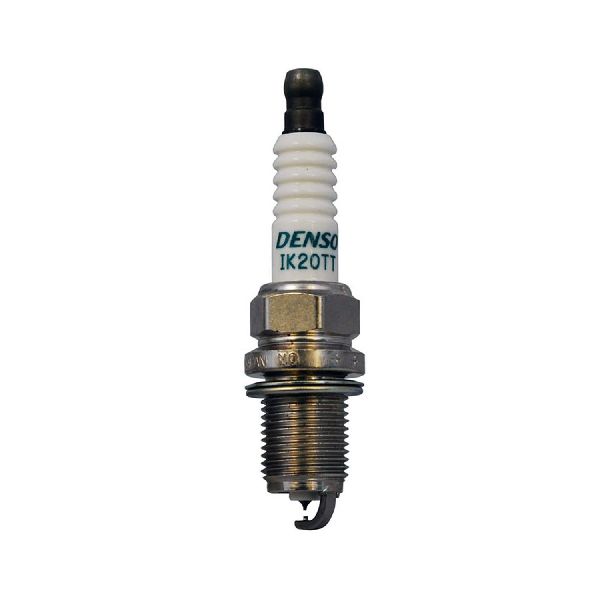
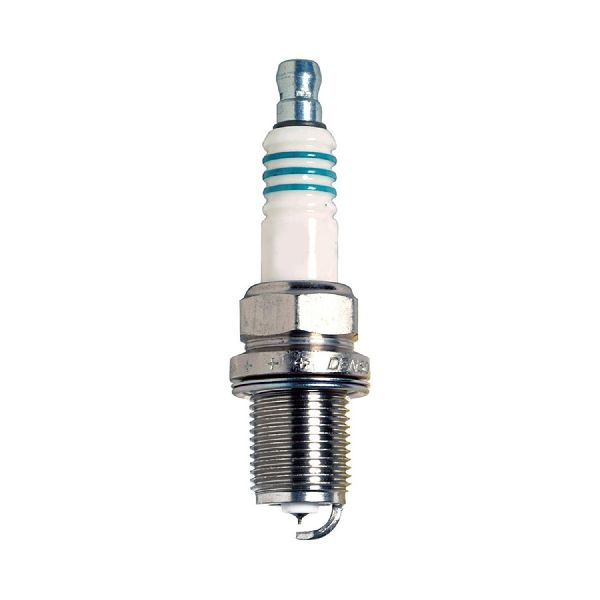
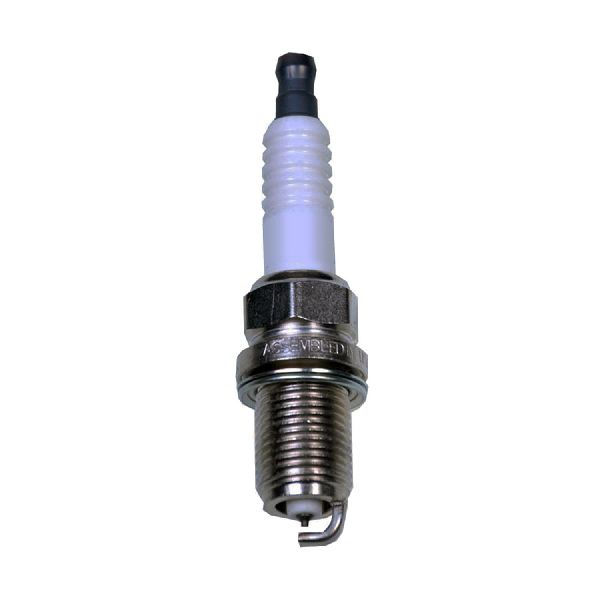
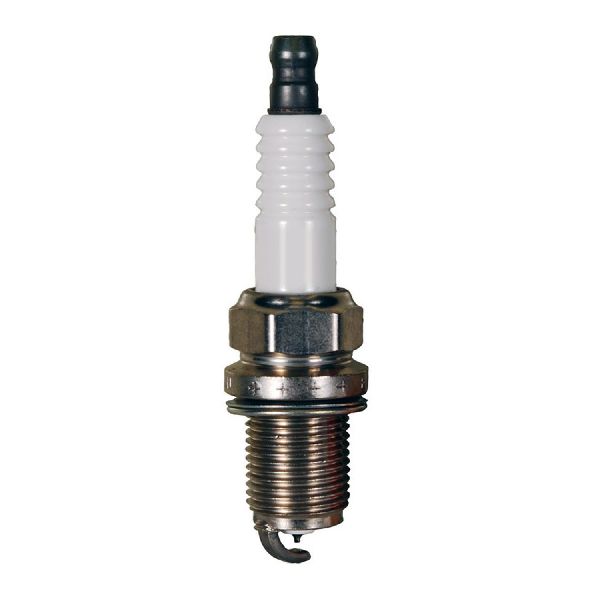
Est. part cost: $250-$400 - Incorrect or Worn Spark Plugs 🔴 High Probability → Shop Spark Plug The Trionic ignition system is designed specifically for NGK resistor-type plugs. Using other brands or allowing plugs to wear excessively increases the voltage required to fire, which stresses and can destroy the DIC. Even a single faulty plug can ruin a brand new DIC.
How to confirm: Remove the spark plugs and inspect them. Check the brand and part number. For the B235 engine, you should see NGK PFR6H-10 (platinum) or BCPR7ES-11 (copper). If another brand is installed, or if they are visibly worn, fouled, or show signs of carbon tracking on the porcelain, they are the likely cause.
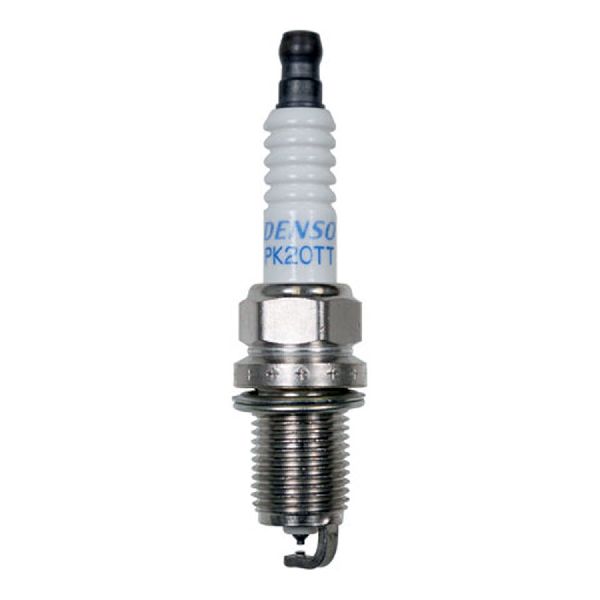
Typical fix: Replace all four spark plugs with the correct NGK model. The BCPR7ES-11 is a popular and effective choice but requires more frequent changes (every 10-15k miles). Ensure they are gapped correctly to 1.0mm-1.1mm. It is highly recommended to apply dielectric grease to the inside of the DIC boots to prevent spark from arcing down the outside of the plug.
Est. part cost: $15-$50 - Vacuum Leaks 🟡 Medium Probability The engine bay has numerous rubber and plastic vacuum lines that can become brittle and crack over time, especially with the heat from the turbocharger. The small lines for the fuel pressure regulator and brake booster vacuum pump are common culprits.
How to confirm: A smoke test is the most effective method. Visually inspect all vacuum hoses, especially the small ones connected to the throttle body, fuel pressure regulator, and brake booster vacuum pump. A leak will introduce unmetered air, leaning out the fuel mixture and causing misfires. Spraying brake cleaner near suspected leaks while monitoring engine idle or fuel trims can also help pinpoint the source.
Typical fix: Replace the cracked or broken vacuum hose(s). It is often recommended to replace all the small-diameter vacuum lines at once with silicone tubing for longevity. 🎬 See how to replace your old vacuum lines with silicone.
Est. part cost: $10-$30 - Failing Fuel Pump or Clogged Fuel Filter ⚪ Low Probability → Shop Fuel Filter While not as common as ignition issues, the fuel pump is a component that can wear out over time, leading to low fuel pressure and misfires under load. Some owners report multiple failures.
How to confirm: Connect a fuel pressure gauge to the Schrader valve on the fuel rail. Check that the pressure is within the manufacturer's specifications. A weak pump will fail to deliver adequate pressure, especially under load. A flow test can also be performed; one owner noted the spec is at least 700ml in 30 seconds from the return line.
Typical fix: Replace the fuel filter first as a maintenance item. If the pressure is still low, replace the fuel pump.
Est. part cost: $100-$300
Rare But Worth Checking
- Faulty Fuel Pressure Regulator: → Shop Fuel Injection Pressure Regulator A ruptured diaphragm in the fuel pressure regulator can allow raw fuel to be sucked into the vacuum line, causing a rich condition and random misfires. Pull the vacuum line off the regulator; if fuel is present or smells strongly of fuel, the regulator is bad. This is a cheap and easy fix that has solved the P0300 for some owners. 🎬 Watch a diagnostic walkthrough for P0300 and vacuum-related misfires.
- Blown Intercooler Hose or End Tank: → Shop Intercooler A large, unmetered air leak can occur if a hose on the pressurized side of the intake (post-turbo) blows off or if the plastic end tank of the intercooler fails. This usually results in a sudden loss of power, a loud whooshing noise, and can trigger P0300 and P1300 codes.
- Low Engine Compression: Internal engine issues like burnt valves or a failing head gasket can cause a loss of compression, leading to misfires. This is less common and should be investigated after all other potential causes have been ruled out via a compression test. A cold compression test is recommended to check for leaking intake valves, which can be an issue on these engines.
Diagnosis Steps
- Check the status of the Check Engine Light. A flashing light indicates a severe, catalyst-damaging misfire that requires immediate attention. Stop driving to prevent damage.
- Scan for any other stored fault codes. Codes like P1300 or specific cylinder misfires (P0301-P0304) can provide more context.
- Begin with the most common and affordable fix: Inspect and replace the spark plugs. Verify they are NGK BCPR7ES-11 or PFR6H-10 and are gapped correctly. Do not use other brands.
- When installing new plugs, apply a small amount of dielectric grease to the DIC boots to ensure a good seal and prevent external arcing.
- If new, correct plugs do not solve the issue, inspect the Direct Ignition Cassette (DIC). Look for a sticker indicating it was made by SEM. If it's a no-name aftermarket part, it is the prime suspect.
- If possible, test with a known-good genuine SEM DIC. If the misfire is resolved, the original DIC has failed. Many dedicated owners keep a spare for this purpose.
- Inspect vacuum lines. Check the small vacuum hose on the fuel pressure regulator by pulling it off and checking for the presence of raw fuel, which indicates a failed regulator.
- If the issue persists, perform a smoke test to check for vacuum leaks in the intake manifold and all associated hoses.
- Check fuel pressure at the fuel rail to rule out a weak fuel pump or faulty fuel pressure regulator.
- If all else fails, perform an engine compression test to check for mechanical issues like burnt valves or head gasket problems.
Parts You'll Likely Need
- Direct Ignition Cassette (T7)
(OEM #55559955 (superseded by 32022255))— This is the most common failure point on the B235 engine leading to misfires. It is a wear item and crucial for proper engine function.
Trusted brands: Saab (Genuine), SEM
OEM price range: $300-$400
Aftermarket price range: $70-$150 (Not Recommended) - Spark Plugs
(OEM #NGK PFR6H-10 or BCPR7ES-11)— The ignition system is extremely sensitive to spark plug type. Worn or incorrect plugs are a very common cause of P0300 and can damage the expensive DIC.
Trusted brands: NGK
OEM price range: $25-$60
Aftermarket price range: $15-$40 - Vacuum Hose Kit — The original rubber vacuum lines become brittle and crack, causing lean misfires. Replacing them with a silicone kit is a common preventative maintenance item.
Trusted brands: Proparts, Silicone Hose Kit (generic)
OEM price range: $20-$40
Aftermarket price range: $10-$30
Related Codes That Often Appear With This One
- P1300 — P1300 is a Saab-specific code for a catalyst-damaging misfire. It is a more severe version of P0300 and often appears with it when the misfire is significant.
- P0301, P0302, P0303, P0304 — If the Trionic system can eventually isolate the misfire to a specific cylinder, it will set one of these codes in addition to or instead of P0300.
- P0171 — This code for 'System Too Lean' can be triggered by a vacuum leak, which is also a potential cause of a P0300 misfire.
Technical Service Bulletins (TSBs) & Recalls
- While no TSBs directly match P0300 for the 2002-2010 9-5, earlier recalls (NHTSA 06V410000, 05V399000) were issued for the Ignition Discharge Module on 2000-2003 models due to overheating and stalling risks. This highlights the component's history as a critical failure point even on previous iterations.
- Manufacturer TSB Bulletin #PIP5628C notes that preliminary information regarding misfires and DTC Codes P0300 - P0308 should be provided to TAC to aid in diagnosis.
Platform-Specific Known Issues
- DIC Functionality and Date Codes: The Direct Ignition Cassette isn't just for spark; it also detects knock and ionization, eliminating the need for a separate camshaft position sensor. This is why using a cheap, non-SEM cassette often fails, as they lack the sophisticated electronics to perform these functions correctly for the Trionic ECU. You can check the manufacturing date of a DIC by its 4-digit code; the first two digits are the year and the last two are the week (e.g., 0842 is the 42nd week of 2008).
- The Importance of Dielectric Grease: A crucial but often overlooked step is applying dielectric grease to the spark plug boots on the DIC. Without it, the high voltage spark can travel down the outside of the spark plug's ceramic body to the engine block, causing a severe misfire even with a new DIC and plugs.
- Sudden and Complete DIC Failure: While misfires often start under load and worsen over time, the DIC can also fail completely and without any prior warning, causing the engine to stall immediately. This has led to a common practice among long-time Saab owners of carrying a known-good spare DIC in the trunk.
Mechanic-Grade Diagnostic Values
- Fuel Pressure at Fuel Rail — expected: 3.0 bar (43 psi) with vacuum hose to regulator disconnected.. Failure: Significantly lower pressure indicates a weak fuel pump or clogged filter. Pressure that doesn't change when vacuum is applied/removed from the regulator suggests a faulty regulator.
- Fuel Pump Flow Rate — expected: At least 700ml in 30 seconds from the fuel return line.. Failure: Lower flow indicates a failing fuel pump.
- Main Relay Supply Voltage at Trionic 7 ECU — expected: Battery Voltage (B+) on pin 1 of the control module.. Failure: A voltage of approximately 0V indicates a main relay fault, which will cause the throttle to enter limp-home mode.
- Misfire Counters per Cylinder (Live Data) — expected: Counters should be at or near zero and evenly distributed.. Failure: A rapidly increasing counter for one or more specific cylinders pinpoints the location of the misfire. Note that counters reset to zero after 65,000.
Hidden / Shadow Codes Worth Checking
- P1312 / P1313 / P1324 / P1334: Saab-specific codes for 'Combustion Detection' circuit faults. These indicate a problem with the DIC's ability to sense combustion via the spark plugs. They can be caused by a faulty DIC or by carbon-fouled spark plugs from repeated short trips without proper engine warm-up. (see via Standard OBD-II scanner or a Saab Tech 2 scanner.)
- IDM Check Code / Failure Status: These are not standard P-codes but are results from a specific diagnostic routine. The 'IDM Check Code' and 'Failure Status' provide a more detailed health report of the Direct Ignition Cassette, detecting issues like lack of spark or improper knock signals that might not set a hard fault code immediately. (see via Requires a Saab Tech 2 scanner with software version 108.000 or later. Navigate to the 'Diagnostic Trouble Codes (DTC)' menu and select 'Ignition Discharge Module Diagnose'.)
Scan Tool Commands That Help
- Saab Tech 2: Fuel Pump Activation — Used to manually run the fuel pump for 30-second intervals to safely test fuel pressure and flow without the engine running.
- Saab Tech 2: Ignition Discharge Module Diagnose — This is a crucial first step when a DIC is suspected of being faulty. It provides a more accurate diagnosis than standard DTCs. The results ('IDM Check Code' and 'Failure Status') should be recorded before replacing the DIC, especially for warranty claims.
- Saab Tech 2: Read/Reset Misfire Counters — Use the 'Data Display' to view live misfire counts for each cylinder. Resetting the counters and then driving the car can help quickly identify which cylinder(s) are actively misfiring under specific load conditions.
Wiring & Ground Locations
- G7 — On the side of the intake manifold, near cylinder 4.. This is a primary engine management ground point. Corrosion or a loose connection here can cause erratic signals from sensors, leading the Trionic 7 ECU to command incorrect ignition or fuel, resulting in misfires.
- G2 — On the left-hand structural member in the engine bay, behind the headlamp. It serves as a main battery ground point.. A poor main ground connection can cause widespread electrical issues, including insufficient voltage for the ignition system to operate correctly, leading to weak spark and misfires.
- G25 — A main battery ground cable that leads directly to the gearbox housing.. This provides a primary ground path for the engine and transmission assembly. A compromised connection can affect all engine electronics, including the Trionic 7 ECU and the Direct Ignition Cassette.
Real Owner Repair Stories
- YouTube user (Saab 9-5 (year not specified, but within range)) — P1300 and P0300 misfire codes.
❌ Tried (didn't work) Replacing spark plugs, Swapping in a known-good coil pack (DIC)
✅ What actually fixed it The intercooler pipe had popped off its connection, causing a massive boost leak. Re-securing the pipe and clamp resolved the codes. - Reddit user 'alanoo' on r/saab (Saab (model not specified, but common B235 issue)) — P0300 random misfire code.
❌ Tried (didn't work) Initial diagnosis pointed towards common ignition issues.
✅ What actually fixed it The fuel pressure regulator diaphragm had ruptured, allowing raw fuel to be sucked through the vacuum line directly into the intake manifold, causing a rich misfire. Replacing the regulator fixed the issue. - Reddit user 'arondc99' on r/saab (2006 Saab 9-5 2.0t) — Persistent P0300 code.
❌ Tried (didn't work) New spark plugs, Used OEM DIC from a working car, New OEM DIC, Replaced vacuum pump, Replaced all vacuum lines, Verified fuel pump flow rate (700ml in 30s), Checked timing
✅ What actually fixed it The user concluded the next step was to investigate internal engine mechanical issues, specifically a compression test to check for bad valves, as all common external causes had been eliminated.
"I Checked Everything" — The Actual Cause
- A disconnected or cracked intercooler hose (charge pipe) can cause a massive air leak and a P0300, but this leak occurs on the pressurized side of the intake system and will not be found with a standard engine-off vacuum smoke test.
- A failing fuel pump that provides low pressure/volume under load will cause misfires but will not be detected by a smoke test. Diagnosis requires a fuel pressure gauge.
- A failing main relay can cause intermittent power loss to the ECU or fuel pump, leading to stalling and misfire codes, which is an electrical fault, not a physical leak.
OEM Part Supersession History
55559955 (and others like 9197559, 9187980)→32022255— Part revisions and updates by Saab/SEM for improved reliability and performance.
Heads up: This is the 'Black Top' DIC for Trionic 7 engines (B205/B235). It is NOT compatible with the older 'Red Top' DIC (p/n 55561132) used on Trionic 5 cars. Only use genuine SEM-manufactured cassettes; aftermarket versions are known to cause persistent issues.
Model Year Variations Within This Range
- 2002-2003: These earlier models came with an older version of the Trionic 7 software. A newer software version, introduced in production for MY2003 (from VIN 33041133), was made available via a TIS2000/SPS update. This software improves the ECU's ability to diagnose the DIC and can prolong its service life.
- 2002-2003: These models were fitted with a PCV system that was more prone to causing engine oil sludge. While not a direct cause of P0300, severe sludge can lead to overall poor engine health and eventual mechanical failure. An updated PCV kit was released for 2004+ models and can be retrofitted.
- 2002: 2002 models were equipped with a standard Traction Control System (TCS). For 2003 and later, this was upgraded to a full Electronic Stability Program (ESP). This does not directly affect P0300 causes but is a notable electronic difference.
Diagnostic Flowchart
Real Owner Stories
Aggregated from forums and TSBs cited above. Mileages and costs reflect what owners reported in those sources.
Saab 9-5
Symptoms: Experienced a P0300 code and spent a large sum replacing various parts without success.
What fixed it: Replaced the fuel pressure regulator.
Source hint: Reddit r/saab/comments/w2x9ma/code_p0300/
Saab 9-5
Symptoms: Persistent P0300 misfire requiring extensive troubleshooting.
What fixed it: Performed a complex diagnostic process including replacing the DIC, spark plugs, vacuum pump, and testing fuel flow (noting a spec of at least 700ml in 30 seconds from the return line).
Source hint: Reddit r/saab/comments/1699w8o/saab_95_p0300_misfire/
2006 Saab 9-3
Symptoms: Throwing a random misfire code with no specific cylinder identified.
What fixed it: Identified and repaired vacuum leaks, which were pointed out as a primary cause for random misfires.
Source hint: Reddit r/saab/comments/17g509n/2006_93_throwing_just_random_misfire_code/
Related OBD-II Codes
Frequently Asked Questions
Do I really need to use a genuine SEM Direct Ignition Cassette for my Saab 9-5?
What spark plugs are required for the B235 2.3L Turbo engine to prevent P0300?
Why does my Saab 9-5 smell like burnt electronics under the hood?
Are there any recalls for the ignition system on the Saab 9-5?
How can I tell how old my Saab's Direct Ignition Cassette is?
Why is dielectric grease recommended when changing spark plugs on the B235 engine?
Helpful Videos

We Have This Part in Stock

The information in this article is provided for general reference and educational purposes only. Vehicle specifications, procedures, and part compatibility can vary by production date, trim level, and region. Always consult your vehicle's factory service manual and verify part numbers before purchasing or performing repairs. Safety-critical components such as airbags, seat belts, and braking systems should be installed by a qualified professional.
- Saab 9-5:
- 🧭 Diagnostic Flowchart
- 🎬 Helpful Videos
- 🛍️ Shop This Part
- What's Unique About the 2002-2010 Saab 9-5
- Symptoms You May Notice
- Most Likely Causes
- Rare But Worth Checking
- Diagnosis Steps
- Parts You'll Likely Need
- Related Codes That Often Appear With This One
- Technical Service Bulletins (TSBs) & Recalls
- Platform-Specific Known Issues
- Mechanic-Grade Diagnostic Values
- Hidden / Shadow Codes Worth Checking
- Scan Tool Commands That Help
- Wiring & Ground Locations
- Real Owner Repair Stories
- "I Checked Everything" — The Actual Cause
- OEM Part Supersession History
- Model Year Variations Within This Range
- Real Owner Stories
- Saab 9-5
- Saab 9-5
- 2006 Saab 9-3
- Related OBD-II Codes
- Frequently Asked Questions
- 🎟️ Get 5% Off