

P0300 on 2003-2005 Saturn L300: Random Misfire Causes and Fixes
On a 2003-2005 Saturn L300 with the 3.0L V6, a P0300 code is most often caused by a failing crankshaft position sensor or oil-fouled spark plugs due to leaking valve cover gaskets. Addressing the valve cover gaskets is critical to prevent repeat ignition component failure. These issues are also common on its engine-sharing platform mates, the Cadillac Catera and Saab 9-5.
- Always check for oil in the spark plug wells before replacing any ignition parts. If oil is present, the valve cover gaskets MUST be replaced.
- A failing crankshaft position sensor is a very common cause of P0300 and stalling on this vehicle; it should be a primary suspect.
- Due to the difficulty of accessing the rear spark plugs on the 3.0L V6, use high-quality Iridium spark plugs to extend the service interval.
- A flashing Check Engine Light indicates a severe misfire that can quickly damage the catalytic converter; avoid driving the vehicle under these conditions.
What's Unique About the 2003-2005 Saturn L300
The Saturn L300's 3.0L V6 engine (and its cousins in the Cadillac Catera and Saab 9-5) has two very common issues that lead directly to a P0300 code. First, the crankshaft position sensor is a frequent failure point, causing intermittent stalling and misfires that can be hard to diagnose because they often only occur when the engine is hot. Second, the valve cover gaskets are prone to leaking oil directly into the spark plug tubes. This fouls the spark plugs and destroys the ignition coils, making simple tune-up parts ineffective until the underlying oil leak is fixed.
Diagnostic Flowchart
Tap your situation to follow the diagnostic path that matches what you're seeing on this vehicle.
Symptoms You May Notice
- Flashing or steady Check Engine Light
- Rough or shaking idle, sometimes with noticeable engine vibrations.
- Engine hesitation or stumbling during acceleration.
- Jerky or uneven acceleration.
- Reduced engine power
- Poor fuel economy.
- Engine cranks but won't start, especially after stalling.
- Intermittent stalling, especially when the engine is warm and coming to a stop. The car may restart after cooling down.
- Replacing ignition coils and spark plugs without first checking for oil in the spark plug tubes. The new parts will quickly fail if the valve cover gasket leak is not repaired.
- Replacing the ignition control module when the true cause is a faulty crankshaft position sensor, as they present very similar symptoms of stalling when hot.
- Using cheap, low-quality aftermarket crankshaft position sensors. Owners frequently report that non-OEM sensors are dead-on-arrival or fail within a few months, bringing the P000 code and stalling symptoms right back.
Most Likely Causes
- Leaking Valve Cover Gaskets 🔴 High Probability → Shop Engine Valve Cover This is a widely documented common failure on the 3.0L V6 engine and its platform mates. Age and heat from the exhaust manifolds cause the gaskets and spark plug tube seals to become brittle and leak oil.
How to confirm: Remove the ignition coils and inspect the spark plug tubes. The presence of liquid engine oil, sometimes described as the spark plug 'swimming' in oil, confirms the leak.
Typical fix: Replace both the front and rear valve cover gaskets, the spark plug tube seals, and any oil-fouled spark plugs and ignition coils. This is a preventative measure to avoid repeated failures.
Est. part cost: $50-$120 for a complete gasket set. A quality aftermarket set like Fel-Pro VS 50567 R is a common choice. - Failing Crankshaft Position Sensor (CKP) 🔴 High Probability → Shop Engine Crankshaft Position Sensor The CKP sensor on this engine is a known high-failure item that becomes unreliable with heat and age. Its location makes it susceptible to heat soak, causing it to fail when hot and work again when cool.
How to confirm: Symptoms include stalling when hot and a no-start condition that resolves after the engine cools. A definitive test is to use a scan tool to monitor engine RPM while cranking; if it reads 0 RPM during a no-start event, the CKP sensor is bad. The sensor's resistance can also be tested when hot vs. cold.
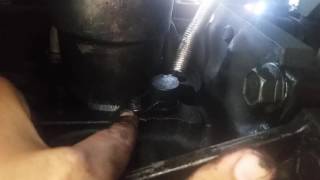
Typical fix: Replace the crankshaft position sensor. It is located on the lower engine block, near the transmission bellhousing, and is typically accessed from underneath the vehicle. 🎬 Watch: See the exact location of the crankshaft position sensor. Using an OEM (ACDelco, Delphi) or high-quality aftermarket (NTK) sensor is strongly recommended to avoid premature failure.
Est. part cost: $25-$110, with OEM (ACDelco) parts being on the higher end. - Worn Spark Plugs or Faulty Ignition Coils 🟡 Medium Probability → Shop Ignition Coil These are standard maintenance items. However, their failure is often a symptom of leaking valve cover gaskets rather than the root cause. The oil saturates the coil boots and shorts out the spark.
How to confirm: Inspect spark plugs for wear (worn electrode, wide gap) or oil fouling. Test ignition coils by swapping them to see if a specific misfire code (e.g., P0301, P0302) follows the coil. The 3.0L V6 uses three coil-on-plug units on the front bank and a three-tower coil pack for the rear bank, making swaps more limited.
Typical fix: Replace all six spark plugs and any faulty ignition coils. It is highly recommended to use long-life Iridium plugs, as the rear three plugs are very difficult to access under the intake manifold.
Est. part cost: $60-$120 for Iridium spark plugs; $70-$150 per ignition coil pack. - Failed PCV System 🟡 Medium Probability The PCV module on the 3.0L V6 contains an internal reed valve that can break or clog with sludge. This leads to excessive pressure in the crankcase, which is a primary cause for blowing out oil seals and gaskets, including the valve cover gaskets that lead to P0300.
How to confirm: Diagnosing a bad PCV module is difficult due to its location under the intake plenum. Symptoms include multiple, recurring oil leaks from various engine gaskets, a hissing noise, and sometimes oil being forced into the air intake snorkel.
Typical fix: The upper intake plenum must be removed to access and replace the PCV module and clean the associated hoses. This is a labor-intensive job often performed at the same time as a valve cover gasket replacement.
Est. part cost: $50-$100 for the module itself, but labor is significant. - Vacuum Leak ⚪ Low Probability Aging rubber vacuum hoses and plastic intake manifold gaskets can crack and leak, introducing unmetered air into the engine.
How to confirm: With the engine running, spray carburetor cleaner or smoke from a smoke machine around the intake manifold gaskets and vacuum lines. If the engine idle changes or smoke escapes, a leak is present.
Typical fix: Replace the leaking gasket or vacuum hose.
Est. part cost: $5-$50 depending on the specific hose or gasket.
Rare But Worth Checking
- Low Fuel Pressure: A weak fuel pump or clogged fuel filter can starve the engine for fuel, causing a random misfire across all cylinders. This should be checked after ignition and vacuum issues are ruled out.
- Stretched Timing Belt: → Shop Engine Timing Chain While not as common as other causes, a timing belt that has stretched or jumped a tooth can cause incorrect valve timing, leading to random misfires. Given the L81 is an interference engine, this is a critical item to check if mileage is high and service history is unknown.
Diagnosis Steps
- Read all fault codes with an OBD-II scanner. Note any codes accompanying P0300, such as cylinder-specific (P0301-P0306) or sensor codes (P0335).
- Remove the front-bank ignition coil(s). Inspect the spark plug tubes for any signs of engine oil. If oil is present, the valve cover gaskets are leaking and must be replaced.
- If no oil is found, inspect the spark plugs for wear, fouling, or incorrect gap. For the 3.0L V6, the correct gap is approximately 0.040 inches.
- Test the Crankshaft Position Sensor (CKP). If the car stalls when hot but restarts after cooling, this is a prime suspect. Use a scan tool to check for an RPM signal while cranking the engine during a no-start event. No RPM signal points to a failed CKP sensor.
- Check for vacuum leaks. With the engine idling, carefully spray short bursts of carburetor cleaner around the intake manifold gaskets and all vacuum hoses. Listen for any change in the engine's idle speed.
- Check fuel pressure. Connect a fuel pressure gauge to the fuel rail's service port to ensure the fuel pump is delivering adequate pressure according to manufacturer specifications.
- If other tests are inconclusive, investigate the PCV system for blockages, especially if there are multiple oil leaks. This is an advanced step due to difficult access.
Parts You'll Likely Need
- Crankshaft Position Sensor
(OEM #ACDelco 213-970)— This is a very common failure part on the 3.0L V6 that directly causes P0300 and heat-related stalling issues.
Trusted brands: ACDelco (GM Genuine), Delphi, NTK
OEM price range: $90-$110
Aftermarket price range: $25-$70 - Valve Cover Gasket Set (with Spark Plug Tube Seals)
(OEM #Fel-Pro VS 50567 R)— Fixes the common oil leak into the spark plug tubes, which is a primary cause of misfires on this engine by fouling plugs and coils.
Trusted brands: Fel-Pro, Mahle, ACDelco
OEM price range: $80-$120
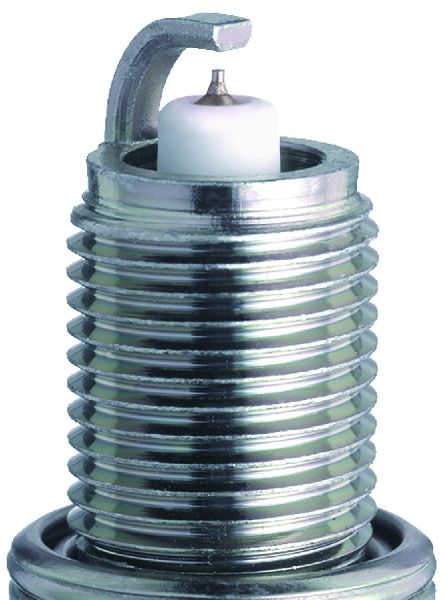
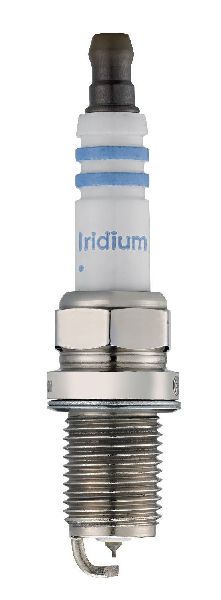
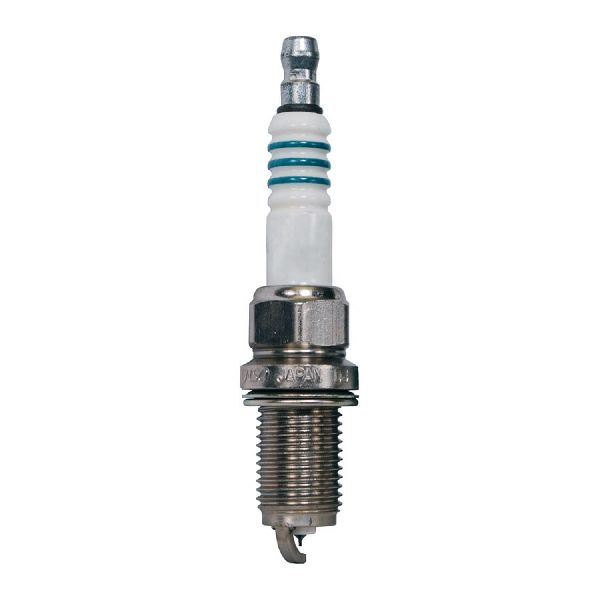
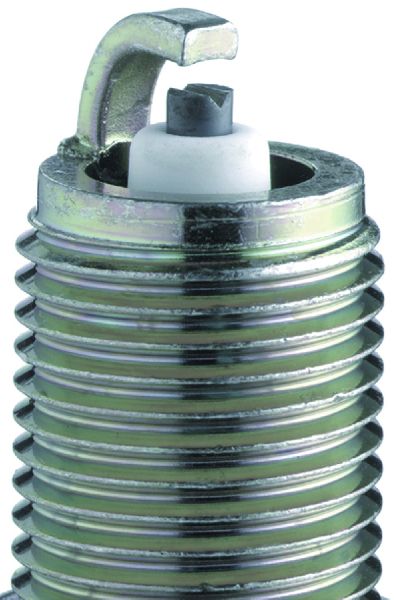
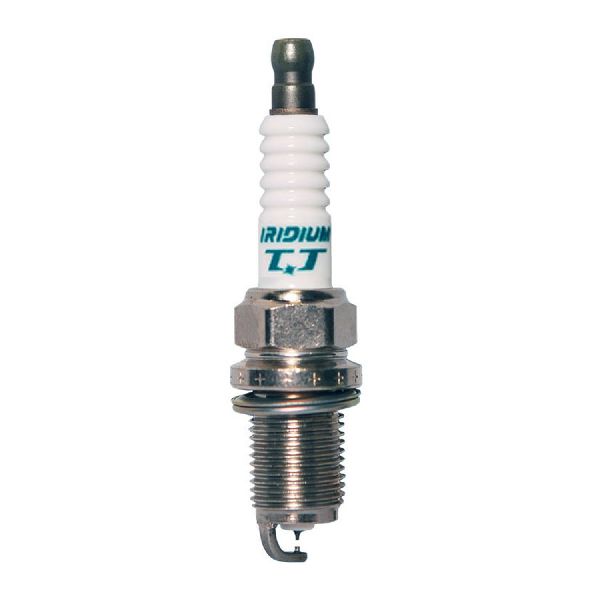
Aftermarket price range: $40-$70 - Iridium Spark Plugs (Set of 6) — Often replaced as part of a P0300 diagnosis, and required if fouled by oil from leaking valve cover gaskets. Iridium plugs are recommended for longevity due to difficult access to the rear bank.
Trusted brands: NGK, Denso, ACDelco
OEM price range: $60-$120
Aftermarket price range: $50-$90
Related Codes That Often Appear With This One
- P0301-P0306 — If the random misfire begins to occur more frequently on specific cylinders, the ECM may also log cylinder-specific codes (e.g., P0301 for Cylinder 1).
- P0171/P0174 — System Too Lean codes can appear if the misfire is caused by a large vacuum leak, which allows too much unmetered air into the engine.
- P0335/P0336 — These codes for the Crankshaft Position Sensor circuit often appear alongside P0300 if the sensor is the root cause of the misfire.
Technical Service Bulletins (TSBs) & Recalls
- Bulletin #PIP5628C: A generic bulletin from GM regarding diagnosis for P0300-P0308 codes, indicating it's a known issue across many platforms.
- Bulletin #03-06-01-018A: An older TSB related to misfire codes on this engine, though the primary causes are now well-understood and documented by the owner community.
Platform-Specific Known Issues
- The rear valve cover and the rear three spark plugs are located underneath the upper intake plenum, making their replacement a significantly more labor-intensive job than the front bank.
- The PCV module is also located under the intake plenum and is difficult to service, but its failure can be the root cause of the oil leaks that lead to misfires.
Mechanic-Grade Diagnostic Values
- Fuel Pressure (Key ON, Engine OFF) — expected: 39-49 psi (269-338 kPa). Failure: Pressure below 39 psi indicates a weak fuel pump or faulty regulator.
Hidden / Shadow Codes Worth Checking
- Mode 6, Test IDs $A2-$A7: These are not codes but onboard monitor test results for misfire counts on each cylinder (Cylinder 1 through 6). A technician can view these counters to see which cylinder is misfiring, even if the misfire count is not yet high enough to set a specific P0301-P0306 trouble code. (see via A professional scan tool (like a GM Tech 2) or some advanced consumer OBD-II scanners that can display Mode 6 data. The tool translates the raw hexadecimal data into readable misfire counts per cylinder.)
Scan Tool Commands That Help
- GM Tech 2: Active Tests (e.g., Fuel Pump Relay, Injector Balance Test) — To manually command specific components to operate, helping to isolate a failure. For example, an injector balance test can identify a clogged or weak injector that is causing a misfire.
- GM Tech 2 or equivalent scan tool: Crankshaft Position (CKP) System Variation Learn Procedure — This function is NOT required for the 3.0L V6 (L81) engine after replacing the crankshaft position sensor. This is a critical piece of information, as many other GM engines do require this procedure. A technician confirmed no relearn is necessary.
- N/A (Manual Procedure): GM Passkey 3 Relearn Procedure — This 30-minute key cycling procedure is required if the Engine Control Module (ECM) is replaced during a complex diagnosis. It synchronizes the immobilizer system with the new ECM.
Wiring & Ground Locations
- Engine Control Module (ECM) — On top right rear of the engine.. The ECM is the brain of the system. Its connections and ground integrity are critical for all ignition and fuel calculations. A poor connection here can cause random, untraceable issues.
- G110 — On the left front of the engine, near the engine lift bracket.. This is a primary engine ground point. Corrosion or a loose connection at G110 can cause erratic behavior from sensors and actuators, including the ignition system, leading to random misfires.
- G121 — At the left side of the engine compartment, near the strut tower.. This is a key chassis-to-engine ground point. A poor connection here can affect the ground path for multiple engine components, potentially causing intermittent electrical problems that manifest as a P0300.
- Crankshaft Position Sensor (CKP) — On the left side of the engine block, near the transmission bellhousing.. Knowing the precise location is key for inspection and replacement, as this sensor is a top cause of P0300 on this vehicle.
Real Owner Repair Stories
- YouTube user 'P0300...How I fixed My code....P0300. Simple steps!' (Vehicle with P0300, likely similar GM platform) — P0300 check engine light.
❌ Tried (didn't work) Checked spark plug wires for spark., Inspected spark plug wells for oil leaks., Visually inspected spark plugs.
✅ What actually fixed it The P0300 code was resolved after unplugging the camshaft position sensor connector, inspecting it, and plugging it back in. The fix suggests the problem was a poor or intermittent electrical connection at the sensor, not a failed part. - 2CarPros forum, expert mechanic response (2005 Saturn L300, 3.0L V6, 169,000 miles) — Engine starts, runs briefly, then cuts out. Will not stay running. Fuel pressure measured at 35+ PSI.
❌ Tried (didn't work) Owner suspected various sensors or the ECM.
✅ What actually fixed it An expert mechanic immediately identified the fuel pressure as too low. The specification is 39-49 PSI. The diagnosis was a failing fuel pump, and an AC Delco replacement was recommended. This highlights that even pressure that seems 'close' can be out of spec and cause major issues.
"I Checked Everything" — The Actual Cause
- While no specific stories matching this pattern were found, a related scenario involves passing all standard ignition and fuel checks, yet the problem persists. A documented fix was a poor electrical connection at the camshaft position sensor, which was resolved by simply reseating the connector. This type of fault would not be found with a smoke test or by testing the individual components, which might otherwise test as good.
OEM Part Supersession History
ACDelco 213-970 (Crankshaft Position Sensor)→N/A— N/A
Heads up: There is conflicting information regarding the need for a CKP System Variation Learn procedure after replacement. Some part suppliers state programming is required. However, a Saturn-specialized mechanic has stated that for the 3.0L V6 (L81) engine specifically, no relearn procedure is necessary.
Model Year Variations Within This Range
- 2003: The 2003 model year received a facelift with new front and rear styling compared to earlier L-Series cars.
- 2004: The manual transmission option was dropped for all L-Series models. The lineup was simplified into L300.1 (2.2L I4) and L300.2 (3.0L V6).
- 2005: This was the final, short model year. The lineup was reduced to a single model: the L300 sedan with the 3.0L V6 engine. The station wagon was discontinued.
Helpful Videos
We Have This Part in Stock


The information in this article is provided for general reference and educational purposes only. Vehicle specifications, procedures, and part compatibility can vary by production date, trim level, and region. Always consult your vehicle's factory service manual and verify part numbers before purchasing or performing repairs. Safety-critical components such as airbags, seat belts, and braking systems should be installed by a qualified professional.
- Saturn L300:
- 🧭 Diagnostic Flowchart
- 🎬 Helpful Videos
- 🛍️ Shop This Part
- What's Unique About the 2003-2005 Saturn L300
- Symptoms You May Notice
- Most Likely Causes
- Rare But Worth Checking
- Diagnosis Steps
- Parts You'll Likely Need
- Related Codes That Often Appear With This One
- Technical Service Bulletins (TSBs) & Recalls
- Platform-Specific Known Issues
- Mechanic-Grade Diagnostic Values
- Hidden / Shadow Codes Worth Checking
- Scan Tool Commands That Help
- Wiring & Ground Locations
- Real Owner Repair Stories
- "I Checked Everything" — The Actual Cause
- OEM Part Supersession History
- Model Year Variations Within This Range
- 🎟️ Get 5% Off