

P0300 on 2005-2007 Saturn RELAY: Random Misfire Causes and Fixes
P0300 on a Saturn Relay indicates random engine misfires. The most common causes are worn spark plugs, a faulty ignition coil pack, or a vacuum leak from a failed intake manifold gasket. For these V6 engines, low oil pressure is also a specific and documented cause of misfires, as noted in GM TSB #PIP5064C, making it a critical check.
- P0300 means multiple cylinders are misfiring; if the check engine light is flashing, pull over to prevent expensive catalytic converter damage.
- Start diagnosis with the basics: inspect spark plugs (ACDelco preferred), wires, and the ignition coil pack, as these are the most common fixes.
- A vacuum leak from a failed intake manifold gasket is a very common cause of P0300 on this specific van. A smoke test is the best way to confirm.
- Crucially, check the engine oil level and have the pressure tested if other diagnostics fail. Low oil pressure is a known, documented cause of P0300 on this engine via TSB #PIP5064C.
What's Unique About the 2005-2007 Saturn RELAY
The Saturn Relay and its GM minivan siblings (Uplander, Terraza, Montana SV6) use 'High Value' V6 engines. A unique and critical issue for these engines is that low engine oil pressure can cause the variable valve timing (VVT) system to malfunction, leading directly to a P0300 misfire code. This is documented in GM Technical Service Bulletin #PIP5064C, making an oil pressure check a vital diagnostic step that is not common for this code on other vehicles. This issue can occur even if the oil level is full, pointing to potential problems with the oil pump or internal engine wear.
Diagnostic Flowchart
Tap your situation to follow the diagnostic path that matches what you're seeing on this vehicle.
Symptoms You May Notice
- Rough or shaky idle
- Engine hesitation or stumbling during acceleration
- Noticeable loss of engine power
- Flashing or solid Check Engine Light
- Reduced fuel economy
- Hard starting
- Engine stalling unexpectedly
- Replacing only one spark plug or coil when a full tune-up is needed.
- Replacing fuel injectors when the issue is a vacuum leak or low fuel pressure.
- Overlooking the vehicle-specific oil pressure issue and focusing only on common ignition or fuel causes.
- Replacing the ignition coils when the underlying Ignition Control Module (ICM) is the actual point of failure.
Most Likely Causes
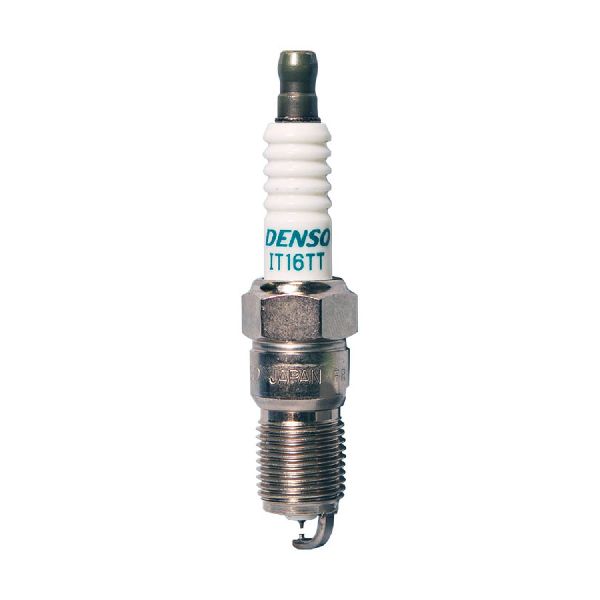
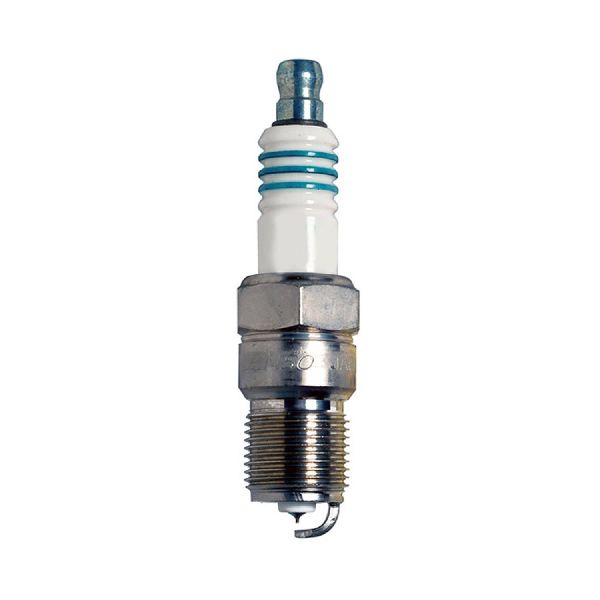
- Worn Spark Plugs 🔴 High Probability → Shop Spark Plug Spark plugs are a routine maintenance item and a leading cause of misfires on most gasoline engines. Owners often report that using the specified ACDelco Iridium plugs is important, as other brands can sometimes cause issues on these engines.
How to confirm: Inspect the spark plugs for wear (worn electrode), fouling (black, oily, or white deposits), or an incorrect gap. A tune-up is often the first and most cost-effective step in diagnosing a P0300.
Typical fix: Replace all six spark plugs. It is also wise to replace the spark plug wires at the same time, as their insulation can degrade.
Est. part cost: $30-$90 - Faulty Ignition Coil Pack 🔴 High Probability → Shop Ignition Coil These engines use a waste-spark coil pack system where one coil fires two cylinders simultaneously. A single coil failure within the pack can cause misfires on multiple cylinders, triggering a P0300.
How to confirm: Use a scan tool with live data to see which cylinders are misfiring. The cylinders that share a coil will misfire together. You can also test for spark at the plug wires using a spark tester.
Typical fix: Replace the ignition coil pack assembly. The Ignition Control Module (ICM) located under the coils is also a known failure point and may need to be replaced.
Est. part cost: $70-$150 - Vacuum Leak (Intake Manifold Gasket) 🟡 Medium Probability The original plastic-carrier intake manifold gaskets on this era of GM V6 engines are a notorious failure point, allowing unmetered air into the engine. This leans out the air/fuel mixture and causes random misfires, often accompanied by P0171/P0174 codes.
How to confirm: Perform a smoke test by introducing smoke into the intake system and watching for leaks, especially around the intake manifold sealing surfaces. Alternatively, you can carefully spray brake cleaner or a propane torch (unlit) around the gasket area with the engine running; a change in engine RPM indicates a leak.
Typical fix: Replace the upper and lower intake manifold gaskets. It is highly recommended to use an updated steel-carrier gasket set, such as Fel-Pro brand (e.g., MS 98015 T), for a more durable repair.
Est. part cost: $40-$100 - Low Engine Oil Pressure 🟡 Medium Probability As noted in TSB #PIP5064C, low oil pressure can cause issues with the VVT system on these engines, leading to incorrect valve timing and random misfires. This can be due to a failing oil pump, worn engine bearings, using the wrong viscosity oil, or a clogged oil pump pickup screen.
How to confirm: Check the engine oil level and condition first. If the level is correct, the actual engine oil pressure must be tested with a mechanical gauge to verify it is within GM's specifications. Do not rely on the dashboard warning light, which only activates at critically low pressures.
Typical fix: If oil pressure is low, further diagnosis is needed to find the cause. This could involve replacing the oil pump, cleaning the oil pan and pickup tube, or it could indicate more severe internal engine wear requiring significant repair.
Est. part cost: $100-$400 for an oil pump, potentially much more for internal engine work. - Failing Crankshaft Position Sensor (CKP) ⚪ Low Probability → Shop Engine Crankshaft Position Sensor A failing CKP sensor can send an erratic or intermittent signal to the PCM, disrupting ignition and fuel timing and causing random misfires. Often, it will cause stalling when warm and fail intermittently before failing completely and setting a specific CKP sensor code (like P0335).
How to confirm: Monitor the CKP sensor data on a scan tool for dropouts or erratic RPM readings while the engine is running. Symptoms often include stalling when warm and difficulty restarting.
Typical fix: Replace the crankshaft position sensor. A 'crankshaft variation relearn' procedure with a capable scan tool is required after replacement to sync the new sensor with the PCM. The sensor can be brittle and may break during removal.
Est. part cost: $25-$70
Rare But Worth Checking
- Fuel Delivery Issue: A weak fuel pump or clogged fuel filter can reduce fuel pressure to all cylinders, causing a lean condition and random misfires. This should be checked with a fuel pressure gauge after ignition and vacuum issues are ruled out.
- Clogged Catalytic Converter: → Shop Catalytic Converter A restricted exhaust can create excessive backpressure, leading to poor engine performance and misfires. This is usually a consequence of long-term misfires, not the initial cause.
- Faulty Ignition Control Module (ICM): The ICM, located beneath the coil pack, can fail and cause random misfires even if the coils themselves are good. It's a common failure point on similar GM V6 platforms. 🎬 Watch: Fixing a P0300 misfire on a similar GM V6 engine
Diagnosis Steps
- Scan for any other DTCs that may be present. Codes like P0171, P0174, P0011, or P0016 provide strong clues to the root cause.
- Check the engine oil level and condition. A low or dirty oil level can cause this code on this specific engine platform.
- Inspect the ignition system. Check for worn spark plugs (especially for correct ACDelco type), damaged plug wires, and cracks in the ignition coil pack.
- Test for vacuum leaks. A smoke test is the most reliable method. Pay close attention to the intake manifold gaskets, a known failure point.
- Test fuel pressure at the fuel rail with a gauge to ensure the pump and filter are functioning correctly.
- If other tests are inconclusive, have the engine oil pressure professionally tested with a mechanical gauge to rule out the VVT-related issue described in TSB #PIP5064C.
- Test the crankshaft position sensor signal for intermittent dropouts using a capable scan tool or oscilloscope, especially if stalling is a symptom.
Parts You'll Likely Need
- Spark Plugs
(OEM #ACDelco 41-101 (for 3.5L), ACDelco 41-962 (for 3.9L))— This is the most common maintenance item to fail and cause a P0300 code. Using OEM equivalent plugs is often recommended.
Trusted brands: ACDelco, NGK
OEM price range: $40-$70
Aftermarket price range: $30-$50 - Ignition Coil Pack
(OEM #ACDelco D597A (or 12595088))— The coil pack is a common failure point that can cause misfires on multiple cylinders simultaneously.
Trusted brands: ACDelco, Delphi, Standard Motor Products (UF434T)
OEM price range: $120-$200
Aftermarket price range: $70-$150 - Intake Manifold Gasket Set
(OEM #ACDelco 89017825)— These gaskets are a known weak point on GM V6 engines of this era and a frequent cause of vacuum leaks that trigger P0300. The aftermarket Fel-Pro version is a popular upgrade.
Trusted brands: Fel-Pro (MS 98015 T or MS 96494), ACDelco
OEM price range: $60-$110
Aftermarket price range: $40-$80 - Crankshaft Position Sensor
(OEM #ACDelco 213-1577)— An intermittently failing CKP sensor can disrupt the PCM's ability to track engine speed, leading to random misfires.
Related Codes That Often Appear With This One
- P0301-P0306 — If the PCM can eventually isolate the random misfire to one or more specific cylinders, it will set these codes alongside P0300.
- P0171 / P0174 — These 'System Too Lean' codes often appear with P0300 when the root cause is a large vacuum leak, such as a failed intake manifold gasket.
- P0011 / P0016 — As mentioned in TSB #PIP5064C, these camshaft position correlation codes can accompany P0300 when the misfire is caused by low oil pressure affecting the VVT system.
Technical Service Bulletins (TSBs) & Recalls
- PIP5064C: Instructs technicians to check engine oil pressure when diagnosing P0300, P0011, or P0016 on these 'High Value' V6 engines due to potential VVT system issues.
- PIP5628G: A more recent bulletin that mentions diagnostic aid for P0300-P0308 codes, indicating ongoing manufacturer attention to misfire issues on this platform.
Platform-Specific Known Issues
- Intake Manifold Gasket Failure: → Shop Engine Intake Manifold A well-documented issue on the GM 3.5L and 3.9L V6 engines is the failure of the intake manifold gaskets, causing a vacuum leak. Owners on forums like Car Talk Community discuss diagnosing this with brake cleaner and confirm it's a common cause for P0300. Upgrading to a metal-framed Fel-Pro gasket is the recommended long-term solution.
- Oil Pressure Related Misfires (TSB PIP5064C): Unique to this engine family, low oil pressure can starve the Variable Valve Timing (VVT) system, causing camshaft timing to be incorrect, which results in a P0300 code. This is not a typical cause for misfires on other vehicles and is a critical diagnostic step for the Saturn Relay and its platform mates.
Mechanic-Grade Diagnostic Values
- Engine Oil Pressure (3.5L V6) — expected: 30–45 PSI @ 1850 RPM. Failure: Pressure below this range can cause VVT-related misfires.
- Engine Oil Pressure (3.9L V6) — expected: 26 PSI @ warm idle, 30–45 PSI @ 1850 RPM. Failure: Pressure below these specifications can cause VVT-related misfires.
- Fuel Pressure (3.5L V6, Key On, Engine Off) — expected: 56-62 PSI. Failure: Pressure below this range indicates a weak fuel pump or clogged filter.
- Ignition Coil Secondary Resistance — expected: 6,000 to 15,000 Ohms. Failure: A reading outside this range suggests a faulty coil.
- Fuel Injector Resistance — expected: 10 - 18 Ohms. Failure: A reading outside this range, or one that is significantly different from other injectors, indicates a fault.
Hidden / Shadow Codes Worth Checking
- Mode $06 Misfire Counters: Even without a specific P0301-P0306 code, the PCM tracks raw misfire counts for each cylinder. This data can reveal which cylinders are contributing most to the random misfire count before they cross the threshold to set a dedicated code. (see via A professional scan tool with Mode $06 capability or GM-specific software like a Tech2.)
Scan Tool Commands That Help
- Tech2 / GDS2: Crankshaft Position Variation Learn — This procedure is required after replacing the crankshaft position sensor (CKP) or the PCM. Failure to perform the relearn can cause a P0300 code because the PCM cannot accurately track crankshaft speed variations to detect misfires.
- Tech2 / GDS2: Misfire Graph — This function provides a live graph of misfires per cylinder, helping to quickly identify which cylinders are problematic even when only a general P0300 code is present.
- Tech2 / GDS2: Reset Adaptives — Before performing a Crankshaft Position Relearn, some procedures require resetting learned adaptive values in the PCM first.
Wiring & Ground Locations
- G101 — Located at the front of the engine, on the lower block.. This is a primary ground location for the Engine Control Module (ECM). A poor connection here can cause erratic ECM behavior, leading to numerous issues including random misfires.
- G102 — Located at the left rear of the engine.. This ground is specifically for the ignition coils. A loose or corroded connection at G102 can cause weak or intermittent spark across multiple cylinders, directly causing a P0300 code.
- ECM/PCM Connector — The main electrical connector(s) on the Engine Control Module.. Corrosion or backed-out pins in the main PCM connector can interrupt signals to injectors or coils. One forum user reported fixing a P0300 by cleaning a corroded PCM connector that had gotten wet.
Real Owner Repair Stories
- YouTube user 'Fixing With Passion' (General GM vehicle, applicable to Saturn Relay) — Persistent P0300 code after checking many common causes.
❌ Tried (didn't work) Replaced camshaft position sensor
✅ What actually fixed it The wiring connector for the camshaft position sensor was faulty. After noticing the wires looked brown and manipulating them, the problem was identified and resolved by fixing the connector/wiring.
Model Year Variations Within This Range
- 2005-2006: The standard engine was the 3.5L V6 (LX9). The 3.9L V6 (LZ9) became optional in 2006 on FWD models.
- 2007: The 3.5L V6 was dropped, and the 3.9L V6 (LZ9/LGD) became the only engine available. The all-wheel-drive (AWD) option was also discontinued for 2007.
Helpful Videos
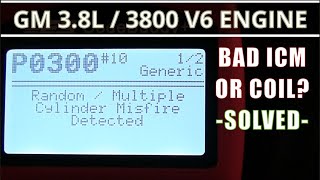
Used OEM Parts in Stock
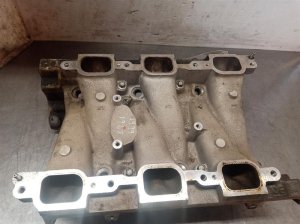
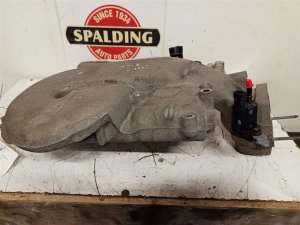
New Aftermarket Parts Available
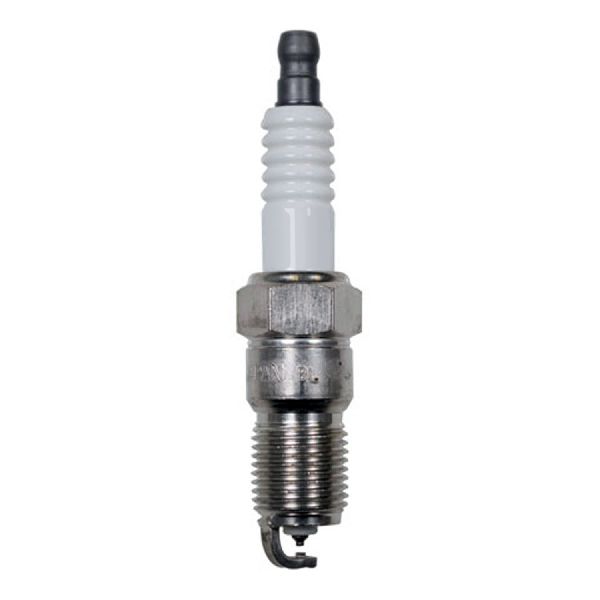


The information in this article is provided for general reference and educational purposes only. Vehicle specifications, procedures, and part compatibility can vary by production date, trim level, and region. Always consult your vehicle's factory service manual and verify part numbers before purchasing or performing repairs. Safety-critical components such as airbags, seat belts, and braking systems should be installed by a qualified professional.
- Saturn RELAY:
- 🧭 Diagnostic Flowchart
- 🎬 Helpful Videos
- 🛍️ Shop This Part
- What's Unique About the 2005-2007 Saturn RELAY
- Symptoms You May Notice
- Most Likely Causes
- Rare But Worth Checking
- Diagnosis Steps
- Parts You'll Likely Need
- Related Codes That Often Appear With This One
- Technical Service Bulletins (TSBs) & Recalls
- Platform-Specific Known Issues
- Mechanic-Grade Diagnostic Values
- Hidden / Shadow Codes Worth Checking
- Scan Tool Commands That Help
- Wiring & Ground Locations
- Real Owner Repair Stories
- Model Year Variations Within This Range
- 🎟️ Get 5% Off