

P0300 on 2011-2018 Subaru Forester 2.5L: Random Misfire Causes and Fixes
On a 2014-2016 Forester, a P0300 code is often a 'phantom misfire' caused by a faulty alternator, not a real engine problem. For other years, the most common causes are worn, oil-fouled spark plugs or a vacuum leak. The alternator fix is covered by a TSB.
- For a 2014-2016 Forester, your first step for a P0300 should be investigating the alternator TSB (07-112-16R) before buying any ignition parts.
- For all years, but especially 2011-2014, check your oil level. These engines can consume oil, which fouls spark plugs and causes real misfires.
- A flashing check engine light means STOP driving as soon as it is safe to do so to prevent expensive catalytic converter damage.
- Simple, inexpensive issues like a cracked vacuum hose or dirty MAF sensor can also cause this code, so check the basics before moving to expensive parts.
What's Unique About the 2011-2018 Subaru Forester
For the 2014-2016 models, this code is frequently a 'false' or 'phantom' misfire triggered by electrical noise from a failing alternator, a problem so common Subaru issued a Technical Service Bulletin (TSB 07-112-16R) for it. This electrical resonance from the alternator assembly can be misinterpreted by the crankshaft position sensor, causing the ECU to log a misfire code when the engine is mechanically sound. For the earlier 2011-2014 models, the FB25 engine is known for potential oil consumption issues which can foul spark plugs and cause a true P0300 misfire. Therefore, diagnosis must consider these very different, generation-specific root causes.
Generation note: Yes, this range covers two Forester generations. The 2011-2013 models are the end of the 3rd Gen (SH), while 2014-2018 models are the 4th Gen (SJ). A key difference is TSB 07-112-16R for a false P0300 caused by the alternator, which applies specifically to 2014-2016 models with the 2.5L engine. Earlier models (2011-2014) are more noted for oil consumption issues stemming from piston ring design, which led to a class-action lawsuit.
Symptoms You May Notice
- Check Engine Light is on (solid or flashing)
- Flashing cruise control light and other warning lights on the dash (e.g., Hill Start Assist, VDC)
- Rough or unstable idle
- Engine hesitation or stumbling during acceleration
- Reduced engine power
- Poor fuel economy
- Difficulty starting the engine
- Fuel smell from the exhaust
- Replacing spark plugs and coils on a 2014-2016 model without first investigating the alternator TSB.
- Replacing the MAF sensor or O2 sensors before checking for simple vacuum leaks.
- Assuming an expensive internal engine failure before ruling out ignition, fuel, and air system faults.
Most Likely Causes
- Faulty Alternator and/or Belt Tensioner (False Misfire) 🔴 High Probability → Shop Alternator Specific to 2014-2016 models, Subaru TSB 07-112-16R identifies that electrical fluctuations from the original alternator can be misinterpreted by the ECU as a misfire. The resonance from the alternator pulley assembly fools the crankshaft position sensor, logging a P0300 even though no real misfire is occurring.
How to confirm: A technician can monitor battery current with a scan tool; fluctuations greater than +/- 3A when the misfire is detected confirm the issue. A visual check is also key: the original faulty alternator pulley has a black surface, while the updated part is silver. Many owners report no physical symptoms like rough running, just the check engine light.
Typical fix: Replace both the alternator and the belt tensioner assembly with the updated parts specified in TSB 07-112-16R. The TSB notes that replacing the serpentine belt is not required, but it is often recommended.
Est. part cost: $300-$500 - Worn or Oil-Fouled Spark Plugs 🔴 High Probability → Shop Spark Plug Early FB25 engines (approx. 2011-2014) are known for excessive oil consumption due to piston ring design, which was the subject of a class-action lawsuit. This oil can bypass the rings and foul the spark plugs, leading to genuine misfires. Even without oil issues, spark plugs are a regular wear item with a service life of around 60,000 miles.
How to confirm: Remove and inspect all four spark plugs. Look for worn electrodes, heavy carbon buildup, or signs of wet oil or fuel fouling on the tips. A wet plug indicates a non-firing cylinder.
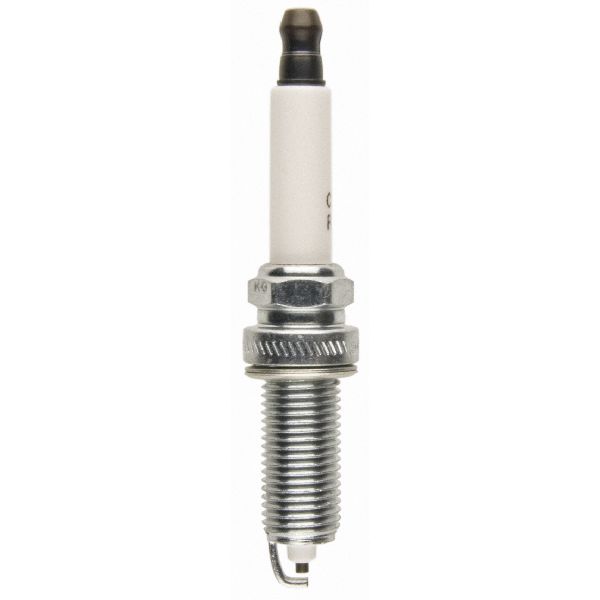
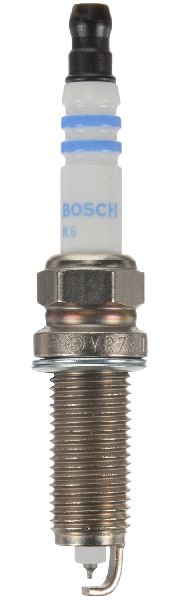
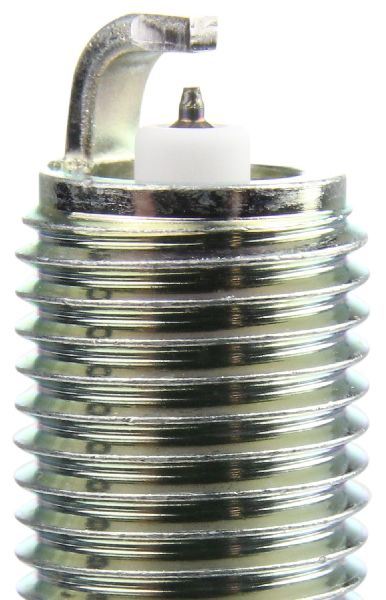
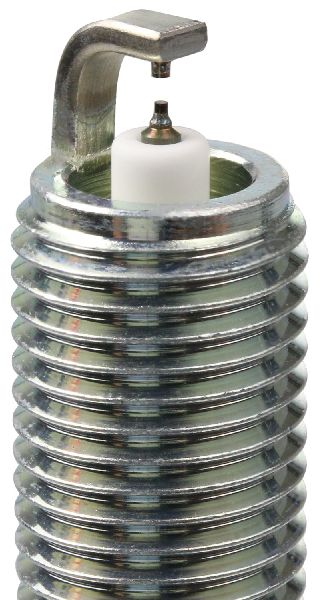
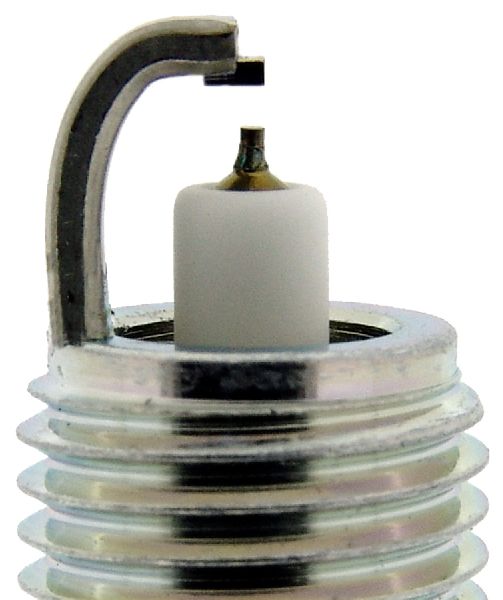
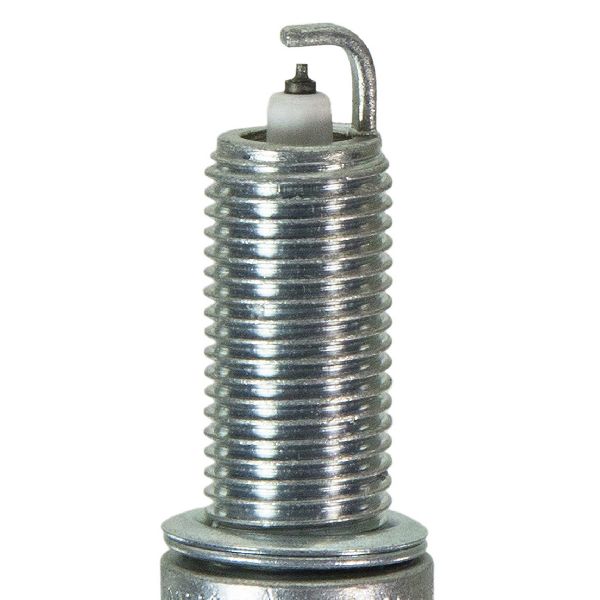
Typical fix: Replace all four spark plugs. The recommended OEM-equivalent part is often an NGK Laser Iridium plug. If plugs are oil-fouled, the root cause of oil consumption should be investigated, though repairs can be extensive.
Est. part cost: $40-$100 - Vacuum Leak 🟡 Medium Probability Rubber and plastic hoses, intake manifold gaskets, and PCV system components can become brittle and crack over time, allowing unmetered air to enter the engine and disrupt the air-fuel ratio, causing random misfires.
How to confirm: Perform a smoke test. This involves feeding pressurized smoke into the intake system and watching for where it escapes, revealing the location of the leak. A DIY method is to carefully spray carburetor cleaner around suspected leak points with the engine running; a change in engine RPM indicates a leak.
Typical fix: Replace the leaking hose or gasket (e.g., intake manifold gasket, PCV hose).
Est. part cost: $10-$150 - Dirty Mass Airflow (MAF) Sensor 🟡 Medium Probability → Shop Fuel Injection Air Flow Meter
How to confirm: The MAF sensor can be carefully removed and inspected for dirt or debris. A diagnostic scan tool can also monitor its readings to see if they are erratic or out of specification.
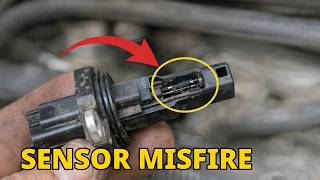
Typical fix: Clean the sensor's delicate wires using a dedicated MAF sensor cleaner spray. 🎬 See how a dirty MAF sensor causes highway speed misfires Do not touch the wires. If cleaning doesn't resolve the issue, the sensor must be replaced.
Est. part cost: $15 (cleaner) - $150 (sensor) - Failing Ignition Coils ⚪ Low Probability → Shop Ignition Coil
How to confirm: A P0300 means multiple cylinders are affected, so it's less likely than a single coil failure (which would set a P0301-P0304 code). However, if two or more coils are failing, they can be diagnosed by swapping a suspected bad coil with a known good one and seeing if a specific misfire code appears on the new cylinder.
Typical fix: Replace the faulty ignition coil(s). It is often recommended to replace them as a set if they are original and high-mileage.
Est. part cost: $50-$100 per coil
Rare But Worth Checking
- Faulty Front Air/Fuel Ratio (O2) Sensor: → Shop Oxygen Sensor The primary O2 sensor provides crucial data for fuel mixture. If it fails, it can cause the engine to run too rich or too lean, leading to misfires across all cylinders. A failed front O2 sensor is a common problem on 2011 Foresters.
- Low Fuel Pressure: A weak fuel pump or a clogged fuel filter can starve the engine of fuel, causing a lean condition and random misfires. This can be diagnosed by checking fuel pressure at the fuel rail.
- Sticking or Faulty EGR Valve: → Shop Exhaust Gas Recirculation (EGR) Valve An EGR valve that is stuck open can create a vacuum leak, while a stuck-closed valve can increase combustion temperatures. Both can lead to misfires. One owner of a 2017 Forester reported this as the confirmed fix for a P0300.
- Internal Engine Issues: In severe cases, low compression from worn piston rings (related to oil consumption) or timing chain problems can cause a P0300. This is the most expensive and least likely cause.
Diagnosis Steps
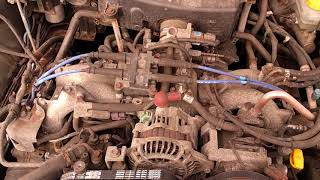
- Scan for Codes: Use an OBD-II scanner to confirm P0300 and check for 🎬 Watch: Understanding the P0300 random misfire code and its causes any other codes that could point to a specific system (e.g., fuel system, sensor codes).
- Check for TSB 07-112-16R (2014-2016 Models): If your Forester is a 2014-2016, investigate the alternator as the primary suspect for a false misfire. Visually inspect the alternator pulley for a black (old) or silver (new) surface. A shop can confirm with a current fluctuation test.
- Inspect Spark Plugs: Remove and inspect all four spark plugs for wear, damage, or oil/carbon fouling. Replace if necessary. This is a primary suspect on 2011-2014 models.
- Check for Vacuum Leaks: Perform a smoke test or use the carb cleaner method to find any leaks in the intake manifold, gaskets, or vacuum hoses.
- Clean the MAF Sensor: Carefully clean the Mass Airflow sensor with dedicated cleaner.
- Test Ignition Coils: Swap coils between cylinders to see if a misfire follows a specific coil.
- Check Fuel Pressure: Test the fuel pressure to ensure the fuel pump and filter are functioning correctly.
- Test Front O2 Sensor: Analyze the sensor's live data on a scan tool to check for proper operation. This is a known failure point on this platform.
- Inspect EGR System: Check the EGR valve for proper movement and to ensure it is not stuck open or closed.
Parts You'll Likely Need
- Alternator Assembly
(OEM #23700AB030)— This is the updated part required to fix the false P0300 misfire issue on 2014-2016 models per TSB 07-112-16R. It supersedes previous part numbers 23700aa760 and 23700aa761.
Trusted brands: Subaru (OEM), Denso
OEM price range: $350-$500
Aftermarket price range: $200-$350 - Spark Plugs
(OEM #NGK SILZKAR7B11 (Part #93482) or NGK ILKAR8H6 (Part #96024))— Spark plugs are a common wear item and can become fouled by oil on FB25 engines with consumption issues, causing a true misfire. NGK is the OEM supplier.
Trusted brands: NGK, Denso
OEM price range: $60-$90
Aftermarket price range: $40-$70 - Belt Tensioner Assembly
(OEM #23769AA05A)— Must be replaced along with the alternator when performing the TSB 07-112-16R repair to ensure proper belt tension and eliminate the electrical resonance.
Related Codes That Often Appear With This One
- P0301, P0302, P0303, P0304 — If the random misfire becomes more consistent on specific cylinders, the ECU may also log cylinder-specific codes alongside the P0300. The alternator issue can also sometimes set cylinder-specific codes.
Technical Service Bulletins (TSBs) & Recalls
- TSB 07-112-16R: New Alternator Assembly to Address DTC P0300
- TSB 02-157-14R: Engine Oil Consumption
- TSB 16-90-13R: CVT Torque Converter Lock-Up
- TSB 16-103-16R: CVT Oil Pump Chain Leak
Platform-Specific Known Issues
- TSB 07-112-16R documents a known issue on 2014-2016 models where the alternator causes a false P0300 code. The fix requires a new alternator and belt tensioner.
- FB25 engines from 2011-2014 are susceptible to high oil consumption due to piston ring design, which can lead to oil-fouled spark plugs and genuine misfires.
Mechanic-Grade Diagnostic Values
- Mass Airflow (MAF) Sensor Reading at Warm Idle — expected: ~2.5 g/s. Failure: Significantly higher or lower readings, or erratic values, suggest a faulty sensor or a vacuum leak.
- Front Air/Fuel (O2) Sensor Heater Resistance — expected: 2 to 4 ohms. Failure: A reading significantly outside this range, such as the 60 ohms seen on a faulty sensor, indicates the heater element has failed.
- Ignition Coil Primary Winding Resistance — expected: 0.49 - 0.57 ohms. Failure: A reading outside this specific range indicates a faulty coil.
- Ignition Coil Secondary Winding Resistance — expected: 9.5 - 11.1 kilohms. Failure: A resistance measurement outside this range points to a failure in the secondary coil windings.
- Alternator Current Fluctuation (2014-2016 models) — expected: Less than +/- 3A. Failure: Fluctuations greater than +/- 3A, observed on a scan tool like the SSM4, confirm the 'phantom misfire' issue described in TSB 07-112-16R.
- Fuel Pump Maximum Pressure — expected: ~53.7 PSI. Failure: Significantly lower pressure under load indicates a weak fuel pump or clogged filter.
Scan Tool Commands That Help
- Subaru Select Monitor (SSM) or compatible advanced scanner (e.g., ScanGauge): Roughness Monitor — This function provides a live misfire count for each individual cylinder (e.g., 'Roughness Monitor #1', 'Roughness Monitor #2'). It is the primary tool for diagnosing the alternator TSB, where a technician watches for the roughness count to increase simultaneously with battery current fluctuations. It is more precise than a generic P0300 code, helping to isolate if the misfire is truly random or biased towards certain cylinders.
Real Owner Repair Stories
- subaruforester.org forum user (2017 Subaru Forester 2.5i Premium) — P0300 code with rough idle, especially when cold. The car would sometimes stall.
❌ Tried (didn't work) Replaced spark plugs, Replaced all ignition coils, Cleaned MAF sensor, Performed a smoke test (no leaks found), Replaced the front O2 sensor
✅ What actually fixed it The dealer eventually determined the transmission valve body was faulty, causing a torque converter shudder that the ECU misinterpreted as an engine misfire. Replacing the valve body resolved the P0300 code and all symptoms.
"I Checked Everything" — The Actual Cause
- In a documented case for a 2017 Forester, the vehicle presented with a P0300 and rough idle. Standard diagnostics including a smoke test (which showed no vacuum leaks), spark plug and coil replacement, and O2 sensor replacement all failed to fix the issue. The root cause was ultimately diagnosed as a faulty transmission valve body causing a torque converter shudder, which the engine computer was misinterpreting as a random engine misfire.
OEM Part Supersession History
23700AA760, 23700AA761→23700AB030— The original alternators were prone to creating electrical resonance that caused a false P0300 code. The updated part (23700AB030) resolves this issue.
Heads up: Using an old stock or salvaged alternator with the original part numbers on a 2014-2016 Forester will not fix the TSB-related issue and the P0300 code will likely return.
Model Year Variations Within This Range
- 2011-2013: The 2011 model year introduced the new FB25 DOHC engine with a timing chain, replacing the previous EJ25 SOHC engine which used a timing belt. These early FB25s are more noted for oil consumption issues that can lead to true, oil-fouling misfires, as opposed to the alternator-related false misfires of the later SJ generation.
- 2014-2016: These specific years of the 4th Gen (SJ) Forester are subject to TSB 07-112-16R, where electrical noise from the alternator is a primary cause of a 'phantom' P0300 code. The fix requires an updated alternator and belt tensioner.
- 2017-2018: These models are not covered by the alternator TSB. While they share the same basic FB25 engine, a P0300 code is more likely to be caused by traditional issues like spark plugs, coils, vacuum leaks, or more obscure problems like the transmission valve body.
Diagnostic Flowchart
Other Known Issues on This Vehicle
Issues unrelated to this code that are worth knowing about as an owner of this generation:
- Excessive Oil Consumption 🔴 High — Common on 2011-2014 models with the FB25 engine due to piston ring design. Less common on later models. (Ref: Subject of class-action lawsuit (Yaeger, et al. v. Subaru) and TSB 02-157-14R, which extended powertrain warranty to 8 years/100,000 miles for this issue.)
- CVT Transmission Failures (TR580) 🔴 High — Most problematic in 2014-2015 models. Failures often involve the valve body solenoids or torque converter, typically occurring between 60,000 and 150,000 miles. (Ref: Subaru extended the CVT warranty to 10 years/100,000 miles for many affected models. TSBs 16-90-13R (torque converter) and 16-103-16R (oil pump seal) address specific failure points.)
- Failing Front Oxygen (A/F) Sensor 🟠 Medium → Shop Oxygen Sensor — A very common failure item, especially on the 2011 model year, which can cause a check engine light and poor fuel economy. (Ref: Subaru issued a recall for some models due to this issue.)
- Cam Carrier Seal Oil Leak 🟠 Medium — A known leak point on FB engines. It is an expensive repair ($2,000+) due to the labor involved, but often develops slowly. (Ref: A TSB exists to address the repair procedure.)
- Weak/Failing Air Conditioning Condenser 🟡 Low — The A/C condenser is prone to damage from road debris, leading to a loss of refrigerant and cooling function.
Used vs. New Parts: Buying Guide for This Vehicle
When a used part is the smart pick: Used parts like ignition coils or a MAF sensor can be a cost-effective option, especially if sourced from a low-mileage donor vehicle. These are typically easy to access and replace if the used part is faulty.
Donor-vehicle mileage cap: roughly under 80000 miles for the part to have meaningful remaining life.
What to inspect on the donor part:
- Check for the absence of corrosion on electrical connectors.
- For alternators, verify it is the updated 'silver pulley' design (Part No. 23700AB030) if for a 2014-2016 model.
- Inspect plastic housings for cracks or heat damage.
- Ask for the donor vehicle's VIN to check its mileage and history if possible.
OEM-only on this vehicle (don't cheap out):
- Alternator (for 2014-2016 models): To guarantee the fix for the TSB issue, using the specific OEM updated part (23700AB030) is highly recommended.
- Front Air/Fuel (O2) Sensor: These sensors are critical for fuel control. While Denso is a reliable OEM supplier, cheap unbranded aftermarket sensors are known to fail prematurely or provide inaccurate readings, causing persistent issues.
Aftermarket brands forum-validated for this vehicle:
- Denso (for alternators, A/F sensors, and coils)
- NGK (for spark plugs and ignition coils)
- Bosch (for sensors and fuel system components)
Brands owners have reported issues with on this vehicle:
- Unbranded or 'white-box' ignition coils and sensors from online marketplaces. These often have high failure rates and can cause more diagnostic headaches than they solve.
Real Owner Stories
Aggregated from forums and TSBs cited above. Mileages and costs reflect what owners reported in those sources.
2014 Subaru Forester 2.5L
Symptoms: Strange P0300 reading; check engine light on but the car does not feel like it is actually misfiring.
What fixed it: Replaced the alternator and belt tensioner as per TSB 07-112-16R to resolve the electrical resonance issue fooling the crankshaft sensor.
Source hint: https://www.reddit.com/r/SubaruForester/comments/hfn9z9/strange_p0300_reading_from_2014_subaru_forester/
2017 Subaru Forester Premium (Non-XT)
Symptoms: Misfire P0300 occurring under specific driving conditions.
What fixed it: Diagnosis of random misfire; context suggests checking common FB25 failure points like spark plugs or the MAF sensor.
Source hint: https://www.reddit.com/r/SubaruForester/comments/1d8283v/2017_forester_premium_non_xt_misfire_p0300_under/
2011-2014 Subaru Forester 2.5L FB25 — ~100000 miles
Symptoms: Engine hesitation, stumbling during acceleration, and oil-fouled spark plugs.
What fixed it: Replacement of piston rings due to a known design flaw, followed by new spark plugs to resolve oil-induced fouling.
Source hint: TSB 02-157-14R: Engine Oil Consumption
Related OBD-II Codes
Frequently Asked Questions
My 2015 Forester has a flashing cruise control light and P0300, but it drives fine. Does TSB 07-112-16R apply?
How can I tell if I have the updated alternator mentioned in the Subaru TSB?
Could my 2012 Forester's P0300 code be related to the oil consumption class-action lawsuit?
Is there a warranty extension for the oil consumption issues that cause these misfires?
What spark plugs should I use for my 2011-2018 Forester 2.5L to prevent P0300?
Can a problem with my CVT transmission cause a P0300 code?
Helpful Videos
We Have This Part in Stock

The information in this article is provided for general reference and educational purposes only. Vehicle specifications, procedures, and part compatibility can vary by production date, trim level, and region. Always consult your vehicle's factory service manual and verify part numbers before purchasing or performing repairs. Safety-critical components such as airbags, seat belts, and braking systems should be installed by a qualified professional.
- Subaru Forester:
- 🧭 Diagnostic Flowchart
- 🎬 Helpful Videos
- 🛍️ Shop This Part
- What's Unique About the 2011-2018 Subaru Forester
- Symptoms You May Notice
- Most Likely Causes
- Rare But Worth Checking
- Diagnosis Steps
- Parts You'll Likely Need
- Related Codes That Often Appear With This One
- Technical Service Bulletins (TSBs) & Recalls
- Platform-Specific Known Issues
- Mechanic-Grade Diagnostic Values
- Scan Tool Commands That Help
- Real Owner Repair Stories
- "I Checked Everything" — The Actual Cause
- OEM Part Supersession History
- Model Year Variations Within This Range
- Other Known Issues on This Vehicle
- Used vs. New Parts: Buying Guide for This Vehicle
- Real Owner Stories
- 2014 Subaru Forester 2.5L
- 2017 Subaru Forester Premium (Non-XT)
- 2011-2014 Subaru Forester 2.5L FB25 — ~100000 miles
- Related OBD-II Codes
- Frequently Asked Questions
- 🎟️ Get 5% Off