

P0300 on 2014-2018 Subaru Forester XT: Random Misfire Causes and Fixes
On a 2014-2018 Forester XT, a P0300 code is very often a 'false' misfire caused by a faulty alternator, per Subaru TSB 07-136-18. The fix requires replacing the alternator, belt, and tensioner with updated parts. If the misfire is real, the next most likely causes are carbon buildup on the intake valves (common after 60k miles) or worn spark plugs. The alternator fix can be $700-$1400 at a dealer, while walnut blasting for carbon is $600-$1200.
- For a P0300 on a 2014-2018 Forester XT, investigate the alternator TSB (07-136-18) first, especially if the engine seems to run smoothly. This can save you from replacing perfectly good ignition parts.
- If the car has over 60,000 miles and a legitimate rough idle, carbon buildup on the intake valves is a very likely cause and requires professional cleaning.
- Standard causes like worn spark plugs, failing ignition coils, or vacuum leaks are still possible, but the two platform-specific issues (alternator and carbon) should be considered first.
- Do not ignore a flashing check engine light. Driving with a severe misfire can quickly destroy your catalytic converter, a very expensive repair.
What's Unique About the 2014-2018 Subaru Forester
The 2014-2018 Forester XT with the FA20F turbo engine has a well-documented, unique issue where the factory alternator and belt tensioner can create electrical noise and resonance. The ECM misinterprets this 'noise' as a random engine misfire, setting a P0300 code when no actual misfire is occurring. This is detailed in Subaru TSB 07-136-18. Additionally, as a Direct Injection Turbo (DIT) engine, the intake valves are prone to significant carbon buildup over time because fuel is not sprayed over them to keep them clean. This buildup restricts airflow and is a primary cause of *real* misfires on this platform, often noticeable on cold starts.
Symptoms You May Notice
- Flashing or solid Check Engine Light
- Activation of Hill Start Assist and Vehicle Dynamics Control (VDC) warning lights, often described as the 'Christmas tree' dash.
- Rough or vibrating idle, sometimes only for the first 30-60 seconds after a cold start.
- Engine hesitation or stumbling during acceleration.
- Noticeable loss of power or boost.
- Reduced fuel economy.
- Whining or grinding noise from the front of the engine that changes with RPM (indicative of a failing alternator).
- Replacing spark plugs and ignition coils repeatedly when the underlying cause is the alternator issue (TSB 07-136-18R) or carbon buildup.
- Assuming a P0300 is always a 'real' combustion misfire, leading to unnecessary replacement of ignition and fuel parts before checking for the alternator TSB.
- Performing expensive engine-top carbon cleaning services when the real issue is heavy buildup on the intake valves, which requires walnut blasting to properly remove.
Most Likely Causes
- Faulty Alternator and/or Belt Tensioner Assembly 🔴 High Probability → Shop Alternator Subaru issued Technical Service Bulletin (TSB) #07-136-18R specifically for the 2014-2017 Forester Turbo (and related models), identifying that electrical resonance from the original alternator can create a 'false' P0300 code. The issue is so common that it's the first thing a dealer will check for. The TSB was revised and applies to a range of vehicles with this engine. TSB Bulletin #07-112-16R further confirms that P0300 may result from fluctuation of the alternator's current output outside of specified limits.
How to confirm: A technician can use Subaru's diagnostic software (SSM4) to monitor battery current and cylinder roughness. If battery current fluctuates more than +/- 3A at idle and roughness values climb without a physical misfire, the TSB applies. An owner on Reddit reported a dealer quote of over $1400 for this repair, confirming the alternator, belt, and tensioner were the specified fix.
Typical fix: Replace the alternator, v-belt, and tensioner assembly as a set with the updated parts specified in TSB 07-136-18R. The updated alternator has a silver pulley surface, while the old one is black. This should be done as a set to resolve the resonance issue.
Est. part cost: $500-$800 - Carbon Buildup on Intake Valves 🔴 High Probability The FA20F is a direct-injection engine, so fuel is sprayed directly into the cylinders. This means gasoline and its detergents never wash over the intake valves, allowing oil vapor from the PCV system and carbon to bake onto them, restricting airflow and causing misfires.
How to confirm: This requires a visual inspection of the intake valves, which usually involves removing the intake manifold. Symptoms often appear after 60,000 miles and can include a very rough idle on cold starts that smooths out after a minute. Many owners on forums for the Forester XT and WRX (which shares the engine) confirm this is a routine maintenance issue.
Typical fix: A professional cleaning service known as 'walnut blasting' is the most effective method. This process uses crushed walnut shells to safely blast the carbon deposits off 🎬 See a demonstration of the walnut blasting process. the valves and intake ports. Some owners report dealer quotes of $800-$1200 for this service.
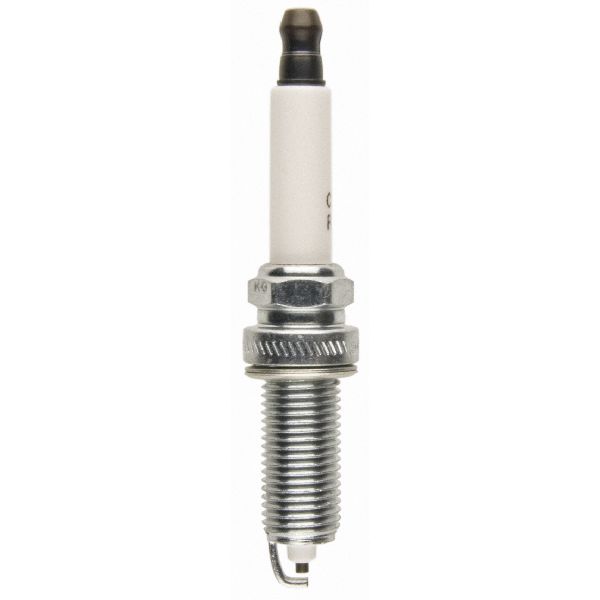
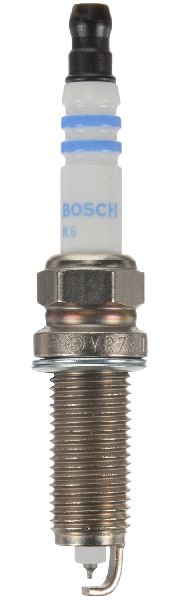
Est. part cost: $0 (service cost) - Worn or Fouled Spark Plugs 🟡 Medium Probability → Shop Spark Plug Spark plugs are a routine maintenance item with a 60,000-mile service interval. As they wear, the gap increases, requiring more voltage to fire, which can lead to misfires, especially under boost. Given the labor to access them on a boxer engine, they are often a primary suspect if near their service life.
How to confirm: Remove and inspect the spark plugs. Look for a worn electrode, oil fouling, or heavy carbon deposits. If they have 60,000+ miles, they should be replaced regardless of appearance. Many owners replace plugs hoping for a fix, only to find the issue is carbon buildup or the alternator.
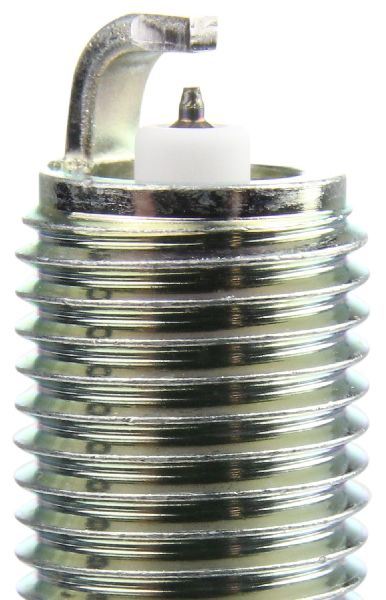
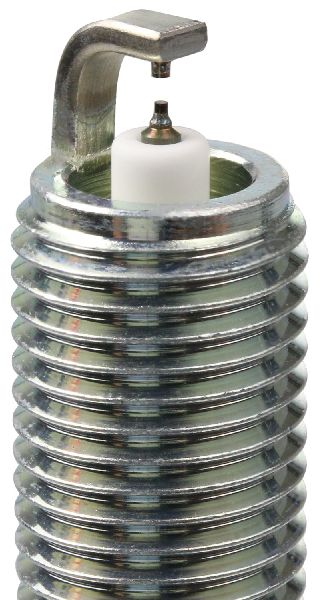
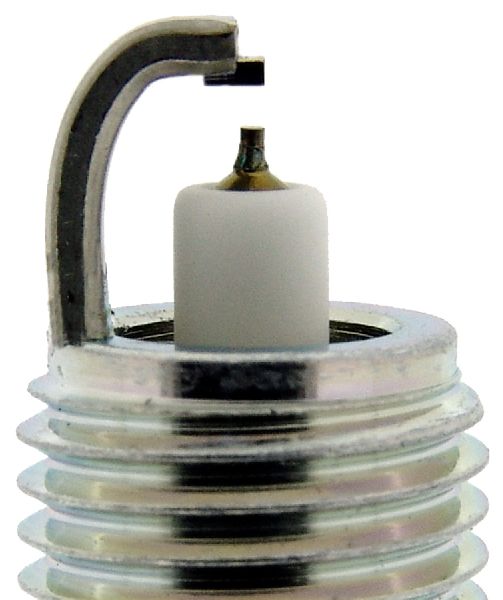
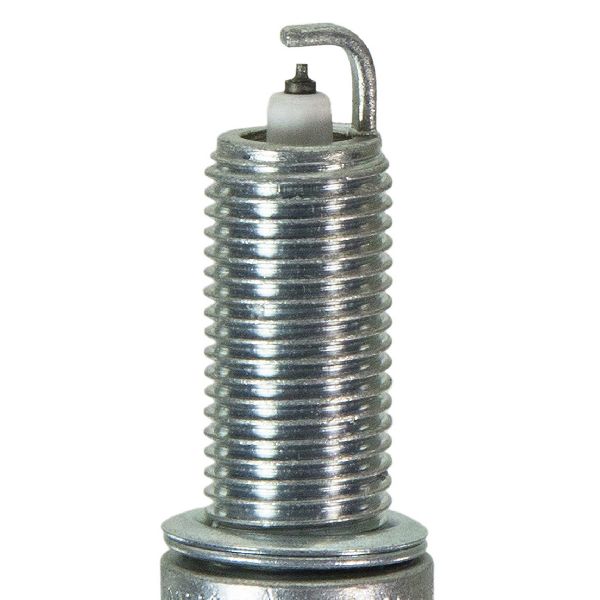
Typical fix: Replace all four spark plugs with OEM-spec Iridium plugs (NGK ILKAR8H6). Ensure they are gapped 🎬 Follow this step-by-step DIY spark plug replacement guide. correctly (0.024 inches is a common spec for the FA20F).
Est. part cost: $80-$120 - Failing Ignition Coil(s) ⚪ Low Probability → Shop Ignition Coil Coil failure is not exceptionally common but can happen. A single failing coil can sometimes cause random misfires before it fails completely and triggers a cylinder-specific code (P0301-P0304).
How to confirm: If a specific cylinder is also misfiring (e.g., P0301), swap the ignition coil from the misfiring cylinder with a known good cylinder. If the misfire code follows the coil to the new cylinder, the coil is bad. For a P0300, this is less straightforward but a failing coil can contribute. Many owners replace coils along with spark plugs as a preventative measure.
Typical fix: Replace the faulty ignition coil. It is recommended to use OEM (Part No. 22433AA682) or high-quality aftermarket brands like NGK or Denso.
Est. part cost: $70-$150 per coil - Vacuum Leak ⚪ Low Probability The complex intake and vacuum line routing on a turbocharged engine provides more potential points of failure from cracked hoses or loose connections over time. A significant unmetered air leak can lean out the mixture and cause random misfires.
How to confirm: A visual inspection of all vacuum hoses may reveal an obvious crack or disconnection. The most effective method is to have a professional perform a 'smoke test,' which forces smoke into the intake system to reveal the location of any leaks. A common failure point is the turbo inlet hose cracking.
Typical fix: Replace the leaking hose, gasket, or seal.
Est. part cost: $10-$100
Rare But Worth Checking
- Clogged or Faulty Fuel Injectors: → Shop Fuel Injector While less common than carbon buildup, a failing direct injector can cause misfires. This is often accompanied by other fuel system codes. Using a quality fuel system cleaner like Chevron Techron every 5,000 miles is recommended as preventative maintenance.
- Faulty Mass Airflow (MAF) Sensor: → Shop Fuel Injection Air Flow Meter A dirty or failing MAF sensor can provide incorrect airflow readings to the ECM, leading to an improper air/fuel mixture and random misfires. Cleaning the MAF sensor with a dedicated cleaner is an easy and inexpensive diagnostic step.
- Bad front O2 / Air-Fuel Ratio Sensor: → Shop Oxygen Sensor A lazy or failing front O2 sensor can cause the ECM to incorrectly adjust the fuel mixture, leading to misfires. This will typically also throw a specific sensor-related code.
- ECM Software Issues: Manufacturer TSB Bulletin #11-161-16 notes that new reprogramming files were released to optimize the ECM for rough idle after a warm engine restart, which in rare cases may store a P0300.
Diagnosis Steps
- Scan for Codes: Use an OBD-II scanner to confirm P0300 and check for any other codes. Note if the check engine light is solid or flashing.
- Check for TSB 07-136-18R: This is the most critical first step for a 2014-2017 model. If the engine runs smoothly with no audible misfire, the 'false P0300' from the alternator is highly probable. Consult a dealer or qualified technician with Subaru-specific software to verify the alternator's current fluctuation.
- Inspect Maintenance History: Check the age of the spark plugs. If they are near or over their 60,000-mile service life, plan to replace them. This is a good baseline step if the alternator TSB does not apply.
- Evaluate Cold Start Behavior: Pay close attention to how the engine runs for the first 1-2 minutes after a cold start. A severe shake or shudder that smooths out as the engine warms is a classic symptom of heavy carbon buildup on the intake valves.
- Suspect Carbon Buildup: If the vehicle has over 60,000 miles and exhibits cold start roughness or hesitation under load, carbon buildup is a very likely cause. This requires professional service (walnut blasting) to remedy.
- Basic Checks: If the issue is not clearly the alternator or carbon, perform basic checks. Clean the MAF sensor. Inspect the air filter. Check for obvious vacuum leaks in the intake tract.
- Advanced Diagnostics: If the problem persists, further professional diagnosis is needed to check fuel pressure, tes
Parts You'll Likely Need
- Alternator Assembly (Updated)
(OEM #23700AA95A (Verify with VIN))— This is the primary fix for the 'false' P0300 misfire code documented in TSB 07-136-18R for the 2014-2017 Forester XT. Must be replaced with the tensioner and belt.
Trusted brands: Subaru (OEM)
OEM price range: $600-$750
Aftermarket price range: $300-$500 - Belt Tensioner Assembly
(OEM #23769AA05A)— Required part of the TSB 07-136-18R fix. The original tensioner contributes to the resonance that causes the false misfire code.
Trusted brands: Subaru (OEM)
OEM price range: $150-$200
Aftermarket price range: $80-$120 - Serpentine/V-Belt
(OEM #809221250 (Verify with VIN))— Required to be replaced along with the alternator and tensioner as part of the TSB fix.
Trusted brands: Subaru (OEM), Bando, Gates
OEM price range: $40-$75
Aftermarket price range: $25-$40 - Iridium Spark Plugs (Set of 4)
(OEM #NGK ILKAR8H6)— Standard 60,000-mile maintenance item. Worn plugs are a common cause of true misfires.
Trusted brands: NGK, Denso
OEM price range: $80-$120
Aftermarket price range: $60-$100
Related Codes That Often Appear With This One
- P0301, P0302, P0303, P0304 — These are cylinder-specific misfire codes. They may appear alongside P0300 if the misfire is sometimes random but also frequently occurs in specific cylinders. The alternator TSB also notes these codes can be falsely triggered.
Technical Service Bulletins (TSBs) & Recalls
- 07-136-18: New Alternator Assembly to Address Engine Vibration at Idle and False DTCs P0300, P0301, P0302, P0303 and P0304.
- TSB Bulletin #07-112-16R: Provides a procedure for diagnosis and repair of DTC P0300 which may result from fluctuation of the alternator's current output outside of the specified limits.
- TSB Bulletin #11-161-16: Introduces new reprogramming files for optimizing the ECM to address rough idle after a warm engine restart and rare cases of DTC P0300.
Platform-Specific Known Issues
- TSB 07-136-18: Documents that resonance from the alternator and belt tensioner on 2014-2017 Forester XT models can cause the ECM to log false P0300, P0301, P0302, P0303, and P0304 codes. The fix is to replace the alternator, belt, and tensioner with updated parts.
- Intake Valve Carbon Buildup: As a direct-injection engine, the FA20F is highly susceptible to carbon deposits on the intake valves, which disrupts airflow and is a leading cause of rough idle and misfires after 60,000 miles.
Mechanic-Grade Diagnostic Values
- Alternator Current Fluctuation at Idle — expected: Less than +/- 3 Amps. Failure: Fluctuation greater than +/- 3 Amps at idle when monitored with a Subaru Select Monitor (SSM4) or equivalent scan tool. This indicates electrical resonance causing a 'false' P0300.
- Low-Pressure Fuel System Pressure — expected: 50-60 psi at idle. Failure: Significantly lower pressure could indicate a failing in-tank fuel pump or clogged filter, leading to fuel starvation for the high-pressure pump.
- High-Pressure Fuel System Pressure (Direct Injection) — expected: 400-700 psi at idle; 2,500-3,000+ psi under full load/boost. Failure: Pressure that is significantly low or fails to build under load can indicate a failing High-Pressure Fuel Pump (HPFP) or issues with the low-pressure supply.
- Ignition Coil Primary Resistance (Reference from older EJ engine) — expected: ~0.73 Ω ± 10%. Failure: Readings outside of the specified range suggest an internal coil failure. Note: This value is from an older Subaru engine and should be used as a general reference only for the FA20F.
Scan Tool Commands That Help
- Subaru Select Monitor (SSM4): Live Data Monitoring: 'Battery Current' and 'Cylinder Roughness' — This is the primary diagnostic step for the common 'false P0300' issue. Watching these two data PIDs simultaneously allows a technician to confirm if electrical noise from the alternator (seen as current fluctuation) is causing the ECM to incorrectly log misfires (seen as rising cylinder roughness counts) without a true combustion event failure.
Wiring & Ground Locations
- Engine Wiring Ground — General engine-to-chassis ground straps.. A poor or corroded engine ground can cause a host of electrical issues, including weak spark or erratic sensor readings that can lead to a P0300 code. A forum post referenced a P0300 on a similar engine that was ultimately traced to a faulty wiring ground.
Real Owner Repair Stories
- Reddit user on r/MechanicAdvice (2015 Subaru Forester 2.0 XT) — Check engine light, hill assist, and emissions warnings came on after fueling, accompanied by a P0300 code. Experienced rough idle and sputtering on the next cold start.
❌ Tried (didn't work) Clearing codes, Adding Sea Foam fuel additive
✅ What actually fixed it The suggested fix, which aligned with the symptoms (occurring after refueling), was a sticking EVAP canister purge solenoid. The solenoid can stick partially open, dumping unmetered fuel vapor into the engine and causing a temporary rich misfire without necessarily setting an EVAP-specific code. The fix is to test the valve (it should be closed with no power) and replace it if it fails or sticks. - Reddit user on r/SubaruForester (2015 Forester XT with 137k miles) — Full 'Christmas tree' dash (Check Engine, Check Emissions, Hill Start Assist, flashing Cruise/S-mode icons) and audible misfires.
❌ Tried (didn't work) Replacing the fuel cap
✅ What actually fixed it A commenter identified the symptoms as classic for the alternator issue and pointed the owner to TSB 07-136-18R. The resolution is to replace the alternator, belt, and tensioner with the updated parts specified in the service bulletin. - Reddit user on r/SubaruForester (2018 Forester XT) — P0300 code appeared after changing spark plugs.
❌ Tried (didn't work) Replacing spark plugs
✅ What actually fixed it The owner's buddy, a Subaru technician, suggested two things to check after the repair: clean the Mass Airflow (MAF) sensor and inspect the EGR valve. Another user suggested re-checking all connections for the airbox and MAF sensor that were removed during the spark plug job.
"I Checked Everything" — The Actual Cause
- A common scenario is a P0300 that appears after refueling. A standard smoke test may show no leaks, but the actual cause can be an intermittently sticking EVAP purge solenoid valve. When it sticks open, it allows unmetered fuel vapor into the intake manifold, causing a rich misfire that the ECM logs as P0300. This is an electromechanical failure, not a static leak a smoke test would typically find.
- A smoke test may not reveal a small leak at the intake manifold gaskets that only occurs under specific temperature or vacuum conditions (like at idle). A classic mechanic's technique to find such a leak is to carefully spray a combustible fluid like carb cleaner near the gasket mating surfaces while monitoring short-term fuel trims on a scan tool. A jump in the readings indicates the fluid is being sucked in.
OEM Part Supersession History
Unknown (Alternator with black pulley)→23700AB030 (Per TSB 07-112-16R, likely related to the XT's TSB)— The original alternator design could produce electrical resonance/noise, causing the ECM to generate false P0300, P0301, P0302, P0303, and P0304 codes.
Heads up: The updated alternator has a silver pulley surface, while the original part has a black pulley surface, providing a quick visual identification. The fix requires replacing the alternator, belt (23769AA05A), and tensioner as a set.Original direct fuel injector weather seals→Seal Kit (includes 16395AA050, 16605AA111, 16696AA010, 16697AA030 per injector)— The original seals could allow moisture intrusion, leading to significant corrosion on the injector body, making removal extremely difficult and risking damage to the injector.
Heads up: This is an updated kit to prevent a known corrosion problem. It is highly recommended to use this kit when servicing or replacing injectors to prevent future issues.
Model Year Variations Within This Range
- 2014-2017: These model years were subject to TSB 07-136-18R for the 'false P0300' caused by the alternator. Models from VIN JH497374 and newer (starting in the 2017 model year) have the updated parts from the factory.
- 2015-2016: These specific model years were part of a recall for a turbocharger air inlet hose that could crack due to being made from the wrong material. A significant intake leak from this hose could cause a P0300 code.
- 2017-2018: The 2017 model year marked a mid-cycle refresh. Changes included revised front and rear aesthetics, added soundproofing, an acoustic windshield, and the addition of a brake-based torque vectoring system for the XT model.
Diagnostic Flowchart
Other Known Issues on This Vehicle
Issues unrelated to this code that are worth knowing about as an owner of this generation:
- CVT Transmission Hesitation and Failure 🔴 High — Common in 2014-2018 models, often appearing after 60,000 miles. Symptoms include shuddering, hesitation from a stop, and whining noises. (Ref: Subaru extended the CVT warranty for many vehicles to 10 years/100,000 miles due to widespread issues.)
- Excessive Oil Consumption 🟠 Medium — More prevalent in the 2.5L non-turbo engine, but some FA20F owners also report issues. Caused by issues with piston rings. (Ref: Was the subject of a class-action lawsuit, primarily for the 2.5L engine.)
- Cracked Turbocharger Air Intake Duct 🟠 Medium → Shop Turbocharger — Affects 2015-2016 Forester 2.0XT models. The duct can crack and lead to an engine stall. (Ref: NHTSA Campaign Number: 16V738000)
- Weak / Easily Cracked Windshields 🟡 Low — Many owners across multiple forums and model years complain that the windshields are prone to cracking from minor impacts.
- Failing Wheel Bearings 🟠 Medium — Owners report premature wheel bearing failure, leading to a droning or humming noise that increases with speed. (Ref: Covered under the powertrain warranty, but a known weak point.)
Used vs. New Parts: Buying Guide for This Vehicle
When a used part is the smart pick: For this specific vehicle and code, buying used parts is generally not recommended for the most common fixes. The primary cause is often a faulty alternator with a known design flaw, so a used part from a non-updated vehicle will have the same problem. Carbon buildup requires a service, not a part. For ignition and fuel parts, the labor cost and risk of premature failure of a used part outweigh the savings.
Donor-vehicle mileage cap: roughly under 50000 miles for the part to have meaningful remaining life.
What to inspect on the donor part:
- For an alternator, visually confirm it has the updated **silver** pulley, not the original black one.
- Ask for the VIN of the donor vehicle to check if it was produced after the TSB fix was implemented (after VIN JH497374).
- Avoid parts from modified vehicles, especially those related to the engine or turbo system.
OEM-only on this vehicle (don't cheap out):
- Alternator Assembly: Must be the updated OEM part number specified in the TSB to guarantee the fix for the 'false misfire' issue.
- Mass Airflow (MAF) Sensor: Aftermarket sensors are notoriously problematic on Subarus; stick with OEM or Denso.
- Front O2 / Air-Fuel Ratio Sensor: Use OEM or the original manufacturer (e.g., Denso) to avoid compatibility and performance issues.
- Direct Fuel Injectors: Due to the high pressures and precision required, new OEM or professionally cleaned and flow-tested OEM injectors are the only reliable options.
Aftermarket brands forum-validated for this vehicle:
- NGK or Denso for spark plugs and ignition coils.
- DeatschWerks for fuel system components (pumps, regulators) if upgrading, but requires a tune.
Brands owners have reported issues with on this vehicle:
- Generic, unbranded ignition coils and sensors from online marketplaces. These frequently fail prematurely or are out of spec from the start, causing more diagnostic headaches.
Real Owner Stories
Aggregated from forums and TSBs cited above. Mileages and costs reflect what owners reported in those sources.
2014 Forester XT 2.0L Turbo
Symptoms: Check engine light for P0300; dealer confirmed the issue was related to electrical resonance from the alternator.
What fixed it: Replacement of the alternator, belt, and tensioner assembly.
Cost: $1400-$1440
Source hint: Reddit: 2014 Forester XT CEL - P0300 Alternator Fix
2017 Forester XT 2.0L Turbo
Symptoms: Super shaky for about 30 seconds on cold start, accompanied by a P0300 code.
What fixed it: Walnut blasting service to remove carbon buildup from the intake valves.
Cost: $800-$1200
Source hint: Reddit: 2017 XT super shaky on cold start, P0300 code
Related OBD-II Codes
Frequently Asked Questions
Does TSB 07-136-18 apply to my 2014-2017 Forester XT?
How can I tell if I have the updated alternator specified in the TSB?
Why does my Forester XT shake only during the first minute of a cold start?
What is the recommended spark plug for the 2.0L Turbo FA20F engine?
Why are my Hill Start Assist and VDC lights on along with the P0300 code?
Is there a specific diagnostic test for the alternator resonance issue?
Helpful Videos
We Have This Part in Stock

The information in this article is provided for general reference and educational purposes only. Vehicle specifications, procedures, and part compatibility can vary by production date, trim level, and region. Always consult your vehicle's factory service manual and verify part numbers before purchasing or performing repairs. Safety-critical components such as airbags, seat belts, and braking systems should be installed by a qualified professional.
- Subaru Forester:
- 🧭 Diagnostic Flowchart
- 🎬 Helpful Videos
- 🛍️ Shop This Part
- What's Unique About the 2014-2018 Subaru Forester
- Symptoms You May Notice
- Most Likely Causes
- Rare But Worth Checking
- Diagnosis Steps
- Parts You'll Likely Need
- Related Codes That Often Appear With This One
- Technical Service Bulletins (TSBs) & Recalls
- Platform-Specific Known Issues
- Mechanic-Grade Diagnostic Values
- Scan Tool Commands That Help
- Wiring & Ground Locations
- Real Owner Repair Stories
- "I Checked Everything" — The Actual Cause
- OEM Part Supersession History
- Model Year Variations Within This Range
- Other Known Issues on This Vehicle
- Used vs. New Parts: Buying Guide for This Vehicle
- Real Owner Stories
- 2014 Forester XT 2.0L Turbo
- 2017 Forester XT 2.0L Turbo
- Related OBD-II Codes
- Frequently Asked Questions
- 🎟️ Get 5% Off