

P0300 on 2010-2012 Subaru Outback 2.5L: Random Misfire Causes and Fixes
For a 2010-2012 Subaru Outback, a P0300 code is most often caused by worn spark plugs and/or a failing ignition coil pack and wires. Start by inspecting these ignition components, as they are common maintenance items. A full set of plugs and wires costs around $60-$120. Also inspect the PCV hose for cracks, a common source of vacuum leaks on this engine.
- P0300 indicates a random or multiple cylinder misfire on your 2010-2012 Outback.
- The most likely culprits are worn-out spark plugs, bad spark plug wires, or a failing ignition coil pack.
- Do not ignore a flashing check engine light, as it signals a severe misfire that can quickly destroy your catalytic converter.
- Always replace spark plugs and wires as a complete set to ensure a reliable repair.
- If a new set of plugs, wires, and coil doesn't fix the issue, the next step is to check for vacuum leaks and verify fuel pressure.
What's Unique About the 2010-2012 Subaru Outback
The 2010-2012 Outback uses the EJ253 2.5L boxer engine, where spark plug access can be tight, sometimes leading to deferred maintenance. While ignition components are the primary suspects for a P0300, this engine family has a known history of other potential issues like vacuum leaks from intake gaskets or brittle PCV hoses. It's crucial to diagnose systematically rather than assuming it's just plugs, though that is the most common starting point.
Symptoms You May Notice
- Rough or shaking idle
- Hesitation or stumbling during acceleration
- Noticeable loss of engine power
- Flashing or solid Check Engine Light
- Decreased fuel economy
- Engine stalling unexpectedly
- Smell of raw fuel from the exhaust
- Hard starting, requiring longer than normal cranking
- Replacing only one spark plug or wire instead of the full set.
- Replacing oxygen sensors, which are more likely to be a symptom of the misfire (due to raw fuel) rather than the cause.
- Replacing the Mass Airflow (MAF) sensor without proper diagnosis. While a faulty MAF can cause a P0300, it's less common than ignition or vacuum issues and should be tested before replacement.
Most Likely Causes
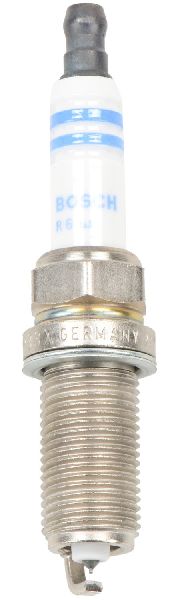
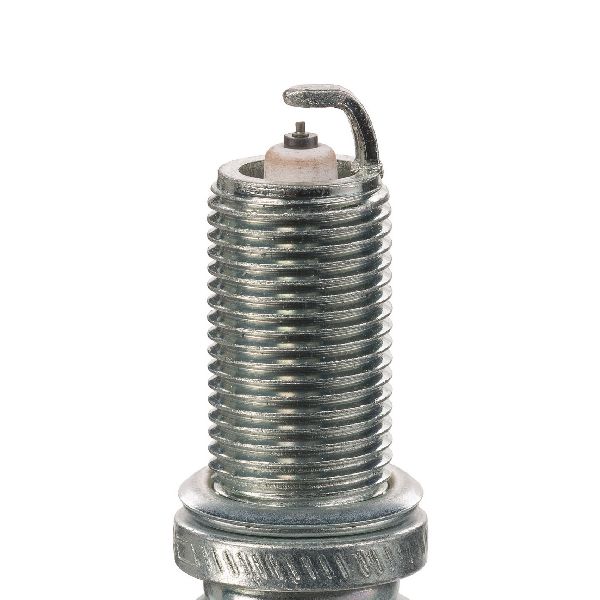
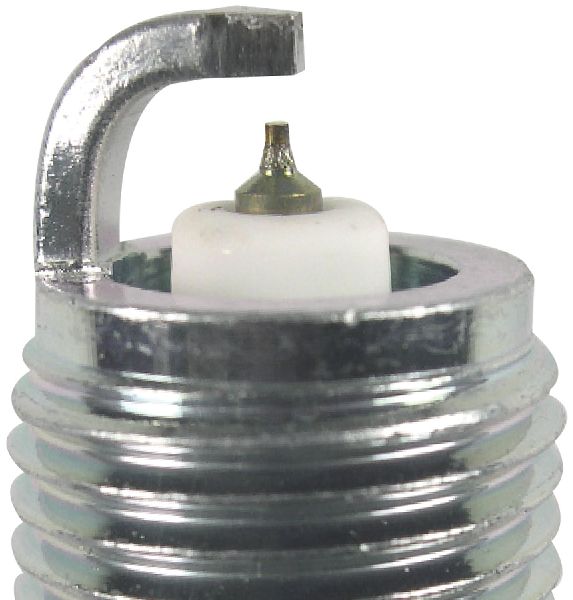
- Worn or Fouled Spark Plugs 🔴 High Probability → Shop Spark Plug The boxer engine design can make spark plug changes more labor-intensive, leading some owners to neglect this critical maintenance item. Worn plugs are a very frequent cause of misfires on Subarus.
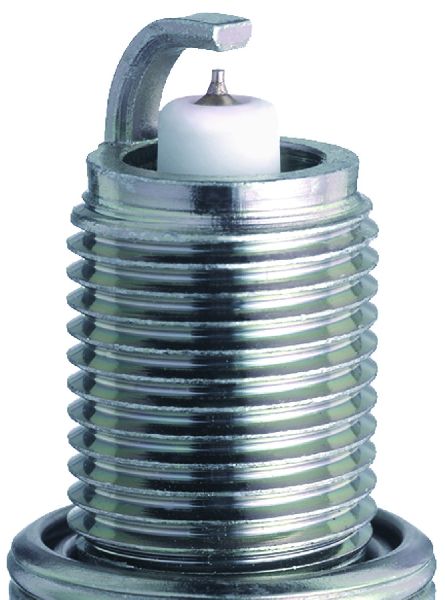
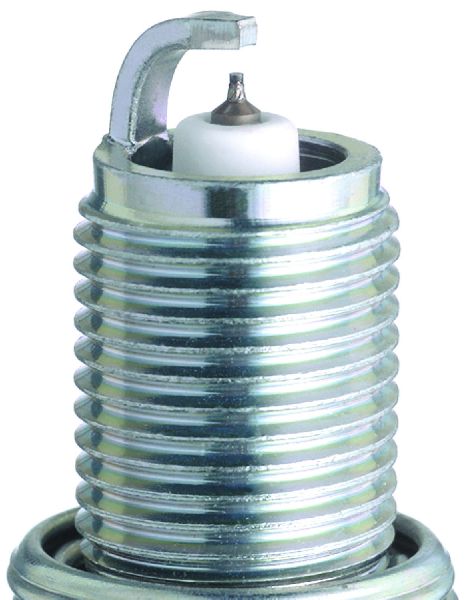
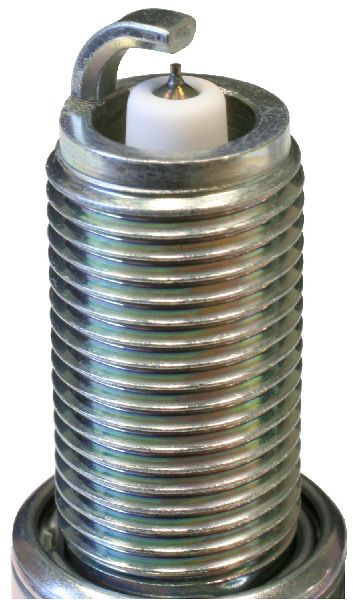
How to confirm: Remove and visually inspect all four spark plugs. Look for worn electrodes, wide gaps, oil fouling, or cracks in the porcelain insulator. The recommended NGK plugs for this engine are Iridium.
Typical fix: Replace all four spark plugs. It is highly recommended to use the OEM-spec NGK Iridium plugs (SILFR6A11) to avoid compatibility issues. 🎬 Watch this walkthrough for replacing spark plugs on the EJ253.
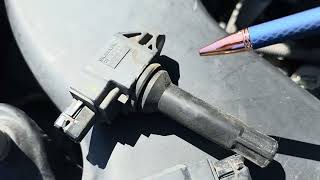
Est. part cost: $40-$70 - Defective Ignition Coil Pack or Spark Plug Wires 🔴 High Probability → Shop Ignition Coil The EJ253 engine uses a single coil pack with four plug wires. Over time, heat and vibration can cause the coil pack to fail or the wires to degrade, leading to a weak or inconsistent spark that affects multiple cylinders. Failures where two companion cylinders (e.g., 1 and 2) drop out simultaneously point strongly to the coil pack.
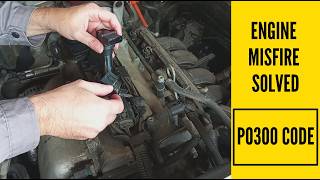
How to confirm: With the engine running, carefully pull one plug wire at a time from the coil pack to see if the engine's idle changes. If pulling a wire causes no change, that circuit may be faulty. You can also test the coil's primary and secondary resistance with a multimeter or swap the coil with a known good one. A secondary resistance reading between the towers for companion cylinders should be around 11k ohms. 🎬 See how to diagnose and fix a misfire from a bad coil.
Typical fix: Replace the ignition coil pack and the set of spark plug wires. Using OEM or high-quality aftermarket (e.g., NGK, Denso) parts is recommended.
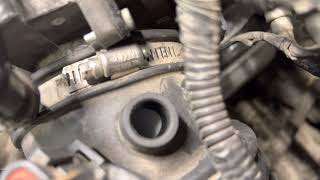
Est. part cost: $80-$200 - Vacuum Leak 🟡 Medium Probability Aging rubber hoses, especially the PCV hose that connects to the intake, become hard and brittle, leading to cracks and unmetered air entering the engine. Intake manifold gaskets can also fail. This unmetered air leans out the air-fuel mixture for all cylinders, causing random misfires.
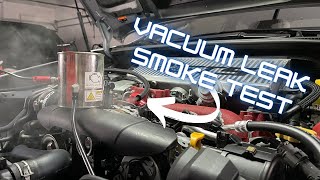
How to confirm: With the engine running, spray short bursts of carburetor cleaner or starter fluid around the intake manifold gaskets and vacuum hoses (especially the PCV hose). If the engine RPM changes, a leak is present in that area. A smoke test is a more precise and safer method to pinpoint the exact location of the leak. 🎬 Watch this guide on how to smoke test for vacuum leaks.
Typical fix: Replace the leaking gasket or hose. The PCV hose is a common and inexpensive part to replace as a preventative measure.
Est. part cost: $10-$100 - Low Fuel Pressure ⚪ Low Probability A failing fuel pump or clogged fuel filter can starve the entire engine of fuel, causing random misfires across all cylinders, especially under load.
How to confirm: Connect a fuel pressure gauge to the fuel line test port. Check that the pressure is within the manufacturer's specified range at idle and under load. A significant drop in pressure during acceleration indicates a problem.
Typical fix: Replace the weak fuel pump or clogged fuel filter.
Est. part cost: $20-$250
Rare But Worth Checking
- Clogged Catalytic Converter: → Shop Catalytic Converter A restricted exhaust can create excessive backpressure, leading to misfires. This is often a result of a long-term misfire, not the initial cause, but it can trigger a P0300 code. You can test for a restriction using a backpressure gauge in the front oxygen sensor port.
- Mechanical Engine Failure: Though less common for a P0300, issues like a jumped timing belt, low compression in multiple cylinders, or a failing head gasket can cause widespread misfires. A specific known issue on some Subaru engines is loose exhaust valve guides, which can be inspected by removing the exhaust manifold. A compression test and cylinder leak-down test are needed to diagnose these more serious problems.
- Faulty EGR Valve: → Shop Exhaust Gas Recirculation (EGR) Valve In some cases, a faulty or stuck-open Exhaust Gas Recirculation (EGR) valve can cause a P0300 code with symptoms of rough running and hard starting. One owner on a forum fixed their P0300 issue by replacing the EGR valve after trying many other common fixes.
- Alternator Output Fluctuations: → Shop Alternator While less common, electrical system instability can trigger misfire codes. Manufacturer TSB Bulletin #07-112-16R notes that a P0300 may result from fluctuations in the alternator's current output outside of specified limits.
Diagnosis Steps
- Read all stored fault codes with an OBD-II scanner. Note any cylinder-specific (P0301-P0304) or system-related (P0171, P0420) codes and review freeze-frame data to see the conditions when the code was set.
- Inspect the ignition system. Remove and check all four spark plugs for wear, damage, or fouling. Inspect spark plug wires for cracks, brittleness, or corrosion at the terminals.
- Test the ignition coil pack. Check for cracks on the housing. Perform a resistance test between the coil towers with a multimeter (should be ~11k ohms). An intermittent failure under heat is common, so testing when the engine is hot and acting up is ideal.
- Check for vacuum leaks. Pay close attention to the PCV hose and its connections, as it is a known failure point. Perform a visual inspection of all vacuum hoses and the intake manifold area. Use a smoke machine or carb cleaner spray to pinpoint leaks.
- Test fuel pressure. Ensure the fuel pump is delivering fuel at the correct pressure specified for the vehicle, both at idle and under load.
- If the above steps do not reveal the cause, check for a clogged catalytic converter using a backpressure gauge.
- As a final step for persistent issues, perform a compression test and a cylinder leak-down test to rule out mechanical engine problems. If compression is good, consider inspecting for loose exhaust valve guides, a known but deeper mechanical issue on some Subarus.
Parts You'll Likely Need
- Spark Plugs
(OEM #22401AA720)— Spark plugs are a routine maintenance item and the most common cause of misfires. Worn electrodes lead to a weak spark.
Trusted brands: NGK (OEM), Denso
OEM price range: $40-$60
Aftermarket price range: $30-$50 - Ignition Coil and Spark Plug Wire Set
(OEM #22433AA642 (Coil, supersedes 22433AA541), 22451AA850 (Wires))— The single coil pack and its wires are responsible for spark on all cylinders. Failure of either component is a common cause of a random misfire. The coil is known to fail intermittently when hot.
Trusted brands: NGK, Denso, Subaru (OEM)
OEM price range: $150-$250
Aftermarket price range: $80-$180 - PCV Hose
(OEM #11815AB711 (Hose from PCV to Intake))— This specific hose is known to become hard and brittle, causing cracks that create a significant vacuum leak, a very common cause for P0300 on this platform.
Trusted brands: Subaru (OEM)
OEM price range: $15-$30
Aftermarket price range: $10-$20 - Intake Manifold Gaskets
(OEM #14035AA421)— These gaskets can become brittle and fail, creating a vacuum leak that affects all cylinders and triggers a P0300.
Trusted brands: Fel-Pro, Mahle, Subaru (OEM)
OEM price range: $20-$40
Aftermarket price range: $10-$25
Related Codes That Often Appear With This One
- P0301, P0302, P0303, P0304 — If the ECM can eventually isolate the misfire to specific cylinders, it will log these codes alongside P0300. The last digit indicates the cylinder number.
- P0420 — If the misfire has been happening for a while, it can damage the catalytic converter, triggering the P0420 'Catalyst System Efficiency Below Threshold' code.
- P0171 — A 'System Too Lean' code often accompanies a P0300 if the root cause is a significant vacuum leak.
Technical Service Bulletins (TSBs) & Recalls
- WRE-20: While for 2020 models, it highlights that incorrect ignition coils installed from the factory can cause misfires, showing coils are a known issue area for Subaru.
- 09-101-23: For later model Subarus (2020-22), this TSB addresses ECM logic for misfire detection, indicating Subaru has actively worked to refine how misfires are identified and reported.
- 16-90-13R: Pertains to 2010-2012 Outbacks with the CVT. Addresses a condition where the vehicle may stall or experience low RPM when stopping, due to an issue inside the torque converter. While not a direct cause of P0300, a stalling event could be misconstrued by a driver as a misfire-related symptom.
- 16-101-16: For 2010-2012 Outbacks, this TSB addresses a squeaking sound during engine cranking caused by the torque converter ring gear. This is not related to the cause of P0300 but is a known issue for the vehicle.
- TSB Bulletin #11-188-19: Notes that for vehicles with the EJ2.5 engine, a P0300 may set during frequent accelerator pedal on and off at highway speed; updated software files enhance misfire diagnosis to reduce incorrect detection.
- TSB Bulletin #11-193-19: Describes how slight differences in the air-fuel ratio between cylinders during warm-up can cause a P0300 to set, which is addressed by software updates to stabilize engine RPM.
- TSB Bulletin #11-186-18: Announces the availability of reprogramming files to optimize the ECM and enhance detection of P0300, particularly if a customer reports rough idle or hesitation after a cold start in winter conditions.
Platform-Specific Known Issues
- A very common point of failure causing a vacuum leak and P0300 on the EJ253 is the PCV hose. It is located on the top rear of the engine and connects to the intake manifold. Over time, it becomes extremely brittle and can crack, creating a large unmetered air leak. Many owners on forums report finding this hose cracked or broken upon inspection.
Mechanic-Grade Diagnostic Values
- Ignition Coil Secondary Resistance — expected: 9.5 - 12.9 kΩ between companion towers (e.g., 1 & 2).. Failure: A reading outside this range indicates a faulty coil. A common reading for a good coil is around 11 kΩ.
- Spark Plug Wire Resistance (Cylinder 1 & 3) — expected: 5.0 - 13.0 kΩ. Failure: Significantly higher resistance or an open circuit (infinite resistance) means the wire is bad.
- Spark Plug Wire Resistance (Cylinder 2 & 4) — expected: 8.0 - 20.0 kΩ. Failure: Significantly higher resistance or an open circuit (infinite resistance) means the wire is bad. The resistance varies due to wire length.
- Fuel Pressure — expected: Should be 36.3 psi above manifold pressure. This translates to roughly 26 psi at idle and 45 psi under boost/load.. Failure: Pressure that does not rise with engine load or is consistently low indicates a weak pump or clogged filter.
- Short/Long Term Fuel Trims (Live Data) — expected: Should hover close to 0%, ideally within +/- 8% at idle.. Failure: Consistently high positive values (e.g., +10% or more) on Long Term Fuel Trim (LTFT) strongly suggest a vacuum leak the ECU is trying to compensate for.
- Injector Pulse Width (Live Data) — expected: Approximately 2.56 ms at idle (650 rpm).. Failure: Significantly longer pulse width at idle could indicate the ECU is trying to compensate for a lean condition (vacuum leak).
Hidden / Shadow Codes Worth Checking
- Mode 6 Misfire Counters: This is not a traditional 'code' but a data stream accessible with advanced scan tools. It shows the raw misfire count for each cylinder before the count crosses the threshold to set a P030x code. This is invaluable for identifying a cylinder that is starting to fail or misfiring intermittently. (see via A professional scan tool with Mode 6 capability, or Subaru's own Select Monitor (SSM) software.)
- Pending P0171 (System Too Lean): A generic scanner might not show a P0171 code until it's 'hard set'. A dealer-level tool like the Subaru Select Monitor can show a pending P0171 that has been logged but not yet triggered the check engine light. This can be an early clue that the P0300 is caused by a vacuum leak. (see via Subaru Select Monitor (SSM) or a high-end scan tool with pending code capability.)
Scan Tool Commands That Help
- Subaru Select Monitor (SSM): Misfire Data / Misfire Monitor — Use this to view live and historical misfire counts per cylinder, even if they haven't triggered a specific P0301-P0304 code. This helps pinpoint which cylinder(s) are the primary offenders in a random misfire scenario.
- Subaru Select Monitor (SSM): Live Data Graphing (Fuel Trims, MAF, O2 Sensors) — When diagnosing a suspected vacuum leak or fuel delivery issue. Graphing Short Term and Long Term Fuel Trims while spraying starter fluid around potential leak areas will show a sharp change on the graph, confirming the leak's location.
Wiring & Ground Locations
- Engine Harness Grounds — Two main ground points are located on top of the intake manifold, secured by 12mm bolts. These ground the main engine wiring loom.. Corroded or loose grounds here can cause erratic behavior in sensors and actuators, including fuel injectors and the ignition system, leading to random misfires that are difficult to trace.
- ECM (Engine Control Module) — Located on the passenger side of the dashboard, typically behind the glove box.. While rare, checking for corrosion or loose connections at the ECM connectors is a valid last-resort step if all other electrical diagnosis fails.
- GB-5 and GB-6 — Main body ground points. GB-5 is in the right kick panel, GB-6 is in the left kick panel.. Poor body grounds can create a host of electrical gremlins. While less likely to be the direct cause of P0300, they should be checked and cleaned in any persistent, hard-to-diagnose electrical issue.
Real Owner Repair Stories
- Reddit user in r/SubaruForester (2013 Subaru Forester 2.5X (similar EJ engine family)) — Hard starting, rough idle, solid CEL, P0300 random misfire on all cylinders.
❌ Tried (didn't work) Oil change, Fuel injector cleaner, New battery, New spark plugs, Cleaning MAF sensor, Testing fuel pump pressure (was fine), CAM sensor shim kit, New MAF sensor, New throttle body, Smoke test for vacuum leaks (found none)
✅ What actually fixed it Replacing a faulty Exhaust Gas Recirculation (EGR) valve finally resolved all symptoms and the P0300 code. - YouTube video by 'Fixing With Passion' (Vehicle not specified, but general P0300 diagnosis) — P0300 code.
❌ Tried (didn't work) Replacing the Camshaft Position Sensor did not fix the code.
✅ What actually fixed it The problem was a suspected short or poor connection in the wiring pigtail going to the Camshaft Position Sensor. After unplugging and replugging the original sensor, the code did not return, suggesting the act of manipulating the wires restored a proper connection.
"I Checked Everything" — The Actual Cause
- In one documented case on a similar Subaru platform, a persistent P0300 with hard starting and rough idle passed a smoke test, fuel pressure test, and had new ignition components. The final cause was a faulty EGR valve that was sticking open, introducing exhaust gas at idle and causing a random misfire that a smoke test would not detect.
OEM Part Supersession History
22433AA541→22433AA642 (current), also superseded by 22433AA542— Standard part evolution for improved reliability or manufacturing process changes.
Heads up: The original part number 22433AA541 was also used on some turbo models (EJ255) and is interchangeable in this application. The key is to ensure the replacement is specified for the EJ253 engine.
Model Year Variations Within This Range
- 2010-2012: There are no significant engine-related mechanical or electrical differences for the EJ253 engine within this specific 2010-2012 model year range that would alter the diagnosis of a P0300 code. All use the same SOHC engine with AVLS.
Diagnostic Flowchart
Other Known Issues on This Vehicle
Issues unrelated to this code that are worth knowing about as an owner of this generation:
- Excessive Oil Consumption 🔴 High — Common on the EJ253 engine, particularly as mileage exceeds 100k. Can be caused by sticking piston rings or worn valve stem seals. (Ref: While later models had a class-action lawsuit, this issue is well-documented for the EJ25 engine family.)
- Head Gasket Failure 🔴 High — A notorious issue for many EJ-series engines. While the SOHC EJ253 is less prone than earlier DOHC versions, it can still occur, typically after 100,000-150,000 miles.
- CVT Torque Converter Shudder/Stall 🟠 Medium — Owners report shuddering or stalling when coming to a stop. This was addressed by a design change to the torque converter. (Ref: TSB 16-90-13R)
- Squeaking Noise While Cranking 🟡 Low — A squeaking sound during engine start-up can be caused by the starter ring gear on the torque converter. (Ref: TSB 16-101-16)
Used vs. New Parts: Buying Guide for This Vehicle
When a used part is the smart pick: For this repair, buying used parts is generally not recommended for the most common failure items. However, if a larger component like an intake manifold is confirmed to be cracked, a used part from a reputable auto recycler can be a cost-effective solution.
Donor-vehicle mileage cap: roughly under 100000 miles for the part to have meaningful remaining life.
What to inspect on the donor part:
- For an intake manifold, ensure there are no visible cracks, especially around mounting points and seams.
- Check for signs of extreme overheating (discoloration, warping).
- Verify the donor vehicle was not in a severe front-end collision that could have stressed the part.
OEM-only on this vehicle (don't cheap out):
- PCV Hose: Aftermarket versions can be made of inferior rubber that hardens and cracks quickly. The OEM part is inexpensive and known to fit perfectly.
- Ignition Coil: While high-quality aftermarket options exist, many cheap online coils have a very high failure rate. Sticking with OEM (Subaru) or a known OE supplier like Denso or NGK is the safest bet to avoid repeat failures.
- Torque Converter Lock-up Solenoid: If this rare issue is the cause, Subaru only sells the entire expensive valve body. However, Dorman offers an OE FIX solenoid (926-408) that allows for the replacement of just the failed component.
Aftermarket brands forum-validated for this vehicle:
- Spark Plugs: NGK (OEM), Denso
- Ignition Coil / Wires: NGK, Denso, Subaru (OEM)
- Intake Gaskets: Fel-Pro, Mahle
Brands owners have reported issues with on this vehicle:
- Unbranded, no-name ignition coils and sensors from online marketplaces. These are a very common source of recurring issues and misdiagnoses.
Real Owner Stories
Aggregated from forums and TSBs cited above. Mileages and costs reflect what owners reported in those sources.
2011 Subaru Outback 2.5L EJ253
Symptoms: Random misfire codes P0300, P0301, P0303, and P0304 occurring over several months.
What fixed it: Replacing a cracked and leaking PCV hose.
Source hint: subaruoutback.org - Thread: 'Finally fixed my P0300, P0301, P0303, P0304'
2010 Subaru Outback 2.5L EJ253
Symptoms: Misfire codes P0300, P0302, and P0304; owner performed troubleshooting starting with plugs and wires.
What fixed it: Replacing the ignition coil pack.
Source hint: subaruoutback.org - Thread: 'Misfire P0300, P0302, P0304'
2010 Subaru Forester 2.5L (EJ253)
Symptoms: P0300 code thrown; owner checked spark plugs, MAF sensor, and fuel pressure.
What fixed it: Replacing a faulty EGR valve.
Source hint: Reddit (r/SubaruForester) - Thread: 'Anyone ever had a P0300 code thrown?'
2011 Subaru Legacy 2.5i (EJ253)
Symptoms: Intermittent P0300 misfire; diagnostic showed the coil was failing to send a trigger signal for two cylinders.
What fixed it: Replacement of the ignition coil pack.
Source hint: YouTube (South Main Auto Repair) - Video: 'Subaru Intermittent Misfire - P0300'
Related OBD-II Codes
Frequently Asked Questions
My 2011 Outback stalls when I come to a stop; is this related to the P0300 misfire code?
Which spark plugs should I use for my EJ253 2.5L engine to prevent misfires?
I have a P0300 and a P0302; could the ignition coil be the problem on this engine?
Is there a specific vacuum hose on the 2010-2012 Outback known for causing random misfires?
What is the correct resistance for testing the ignition coil towers on my 2012 Outback?
My Outback makes a squeaking sound when I start it; is this causing my P0300 code?
Helpful Videos
Used OEM Parts in Stock
New Aftermarket Parts Available

The information in this article is provided for general reference and educational purposes only. Vehicle specifications, procedures, and part compatibility can vary by production date, trim level, and region. Always consult your vehicle's factory service manual and verify part numbers before purchasing or performing repairs. Safety-critical components such as airbags, seat belts, and braking systems should be installed by a qualified professional.
- Subaru Outback:
- 🧭 Diagnostic Flowchart
- 🎬 Helpful Videos
- 🛍️ Shop This Part
- What's Unique About the 2010-2012 Subaru Outback
- Symptoms You May Notice
- Most Likely Causes
- Rare But Worth Checking
- Diagnosis Steps
- Parts You'll Likely Need
- Related Codes That Often Appear With This One
- Technical Service Bulletins (TSBs) & Recalls
- Platform-Specific Known Issues
- Mechanic-Grade Diagnostic Values
- Hidden / Shadow Codes Worth Checking
- Scan Tool Commands That Help
- Wiring & Ground Locations
- Real Owner Repair Stories
- "I Checked Everything" — The Actual Cause
- OEM Part Supersession History
- Model Year Variations Within This Range
- Other Known Issues on This Vehicle
- Used vs. New Parts: Buying Guide for This Vehicle
- Real Owner Stories
- 2011 Subaru Outback 2.5L EJ253
- 2010 Subaru Outback 2.5L EJ253
- 2010 Subaru Forester 2.5L (EJ253)
- 2011 Subaru Legacy 2.5i (EJ253)
- Related OBD-II Codes
- Frequently Asked Questions
- 🎟️ Get 5% Off